

A tribute to Ronald Coase including essays by friends and admirers, text of "The Nature of the Firm" and "The Problem of Social Cost," Nobel materials and the 17th Annual Coase Lecture.
Tom Ginsburg Ordre des livres (chronologique)
Tom Ginsburg aborde le droit comparé et international dans une perspective interdisciplinaire. Ses recherches examinent comment les cadres constitutionnels façonnent le développement démocratique et les relations internationales. Grâce à une vaste collecte et analyse de données, il enquête sur les tendances constitutionnelles mondiales et les réformes juridiques. Le travail de Ginsburg offre une perspective unique sur l'interconnexion du droit, de la politique et de la société dans le monde entier.
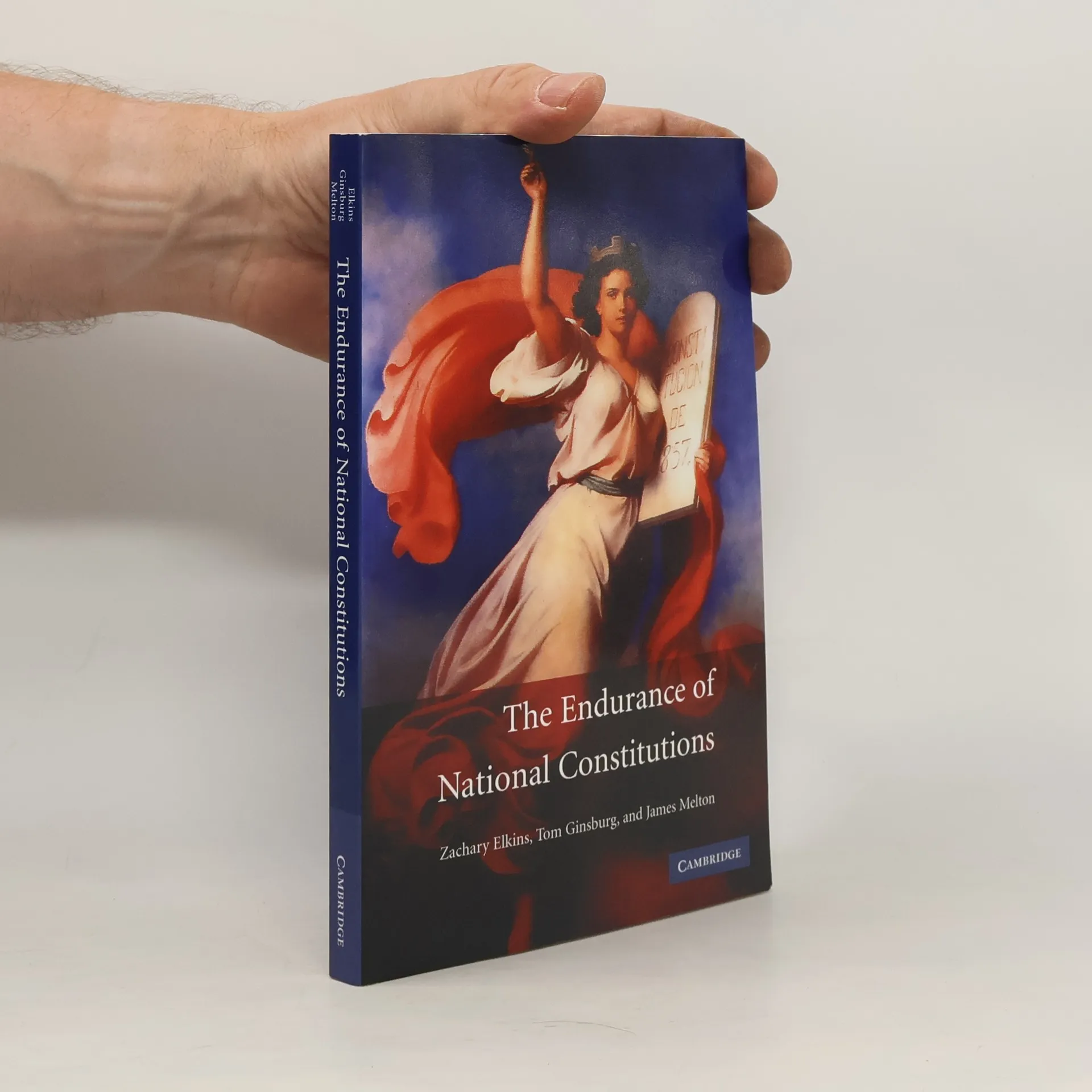

The Endurance of National Constitutions
- 272pages
- 10 heures de lecture
Constitutions are supposed to provide an enduring structure for politics. Yet only half live more than nineteen years. Why is it that some constitutions endure while others do not? In The Endurance of National Constitutions, Zachary Elkins, Tom Ginsburg, and James Melton examine the causes of constitutional endurance from an institutional perspective. Supported by an original set of cross-national historical data, theirs is the first comprehensive study of constitutional mortality. They show that whereas constitutions are imperiled by social and political crises, certain aspects of a constitution’s design can lower the risk of death substantially. Thus, to the extent that endurance is desirable – a question that the authors also subject to scrutiny – the decisions of founders take on added importance.
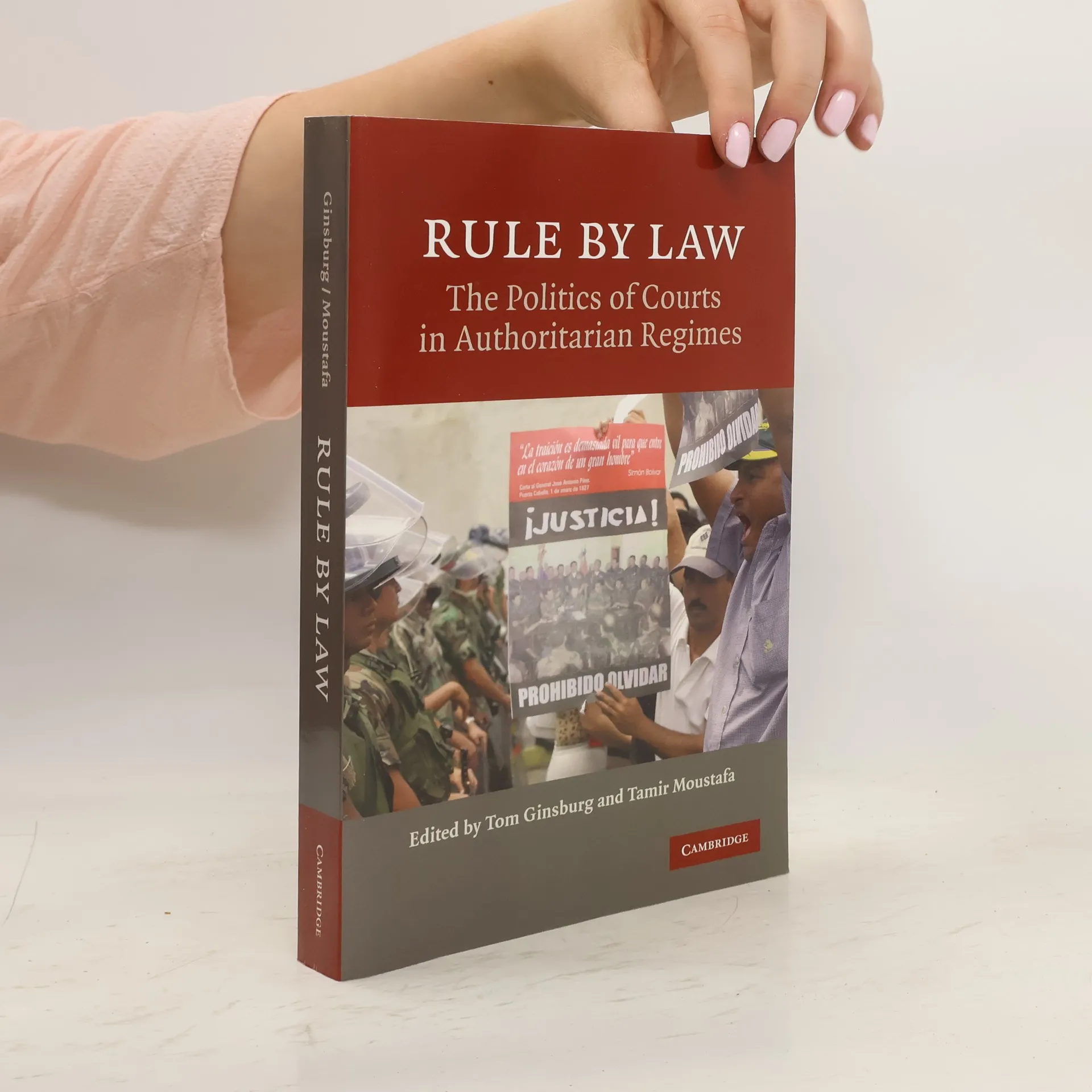
Scholars have generally assumed that courts in authoritarian states are pawns of their regimes, upholding the interests of governing elites and frustrating the efforts of their opponents. As a result, nearly all studies in comparative judicial politics have focused on democratic and democratizing countries. This volume brings together leading scholars in comparative judicial politics to consider the causes and consequences of judicial empowerment in authoritarian states. It demonstrates the wide range of governance tasks that courts perform, as well as the way in which courts can serve as critical sites of contention both among the ruling elite and between regimes and their citizens. Drawing on empirical and theoretical insights from every major region of the world, this volume advances our understanding of judicial politics in authoritarian regimes.