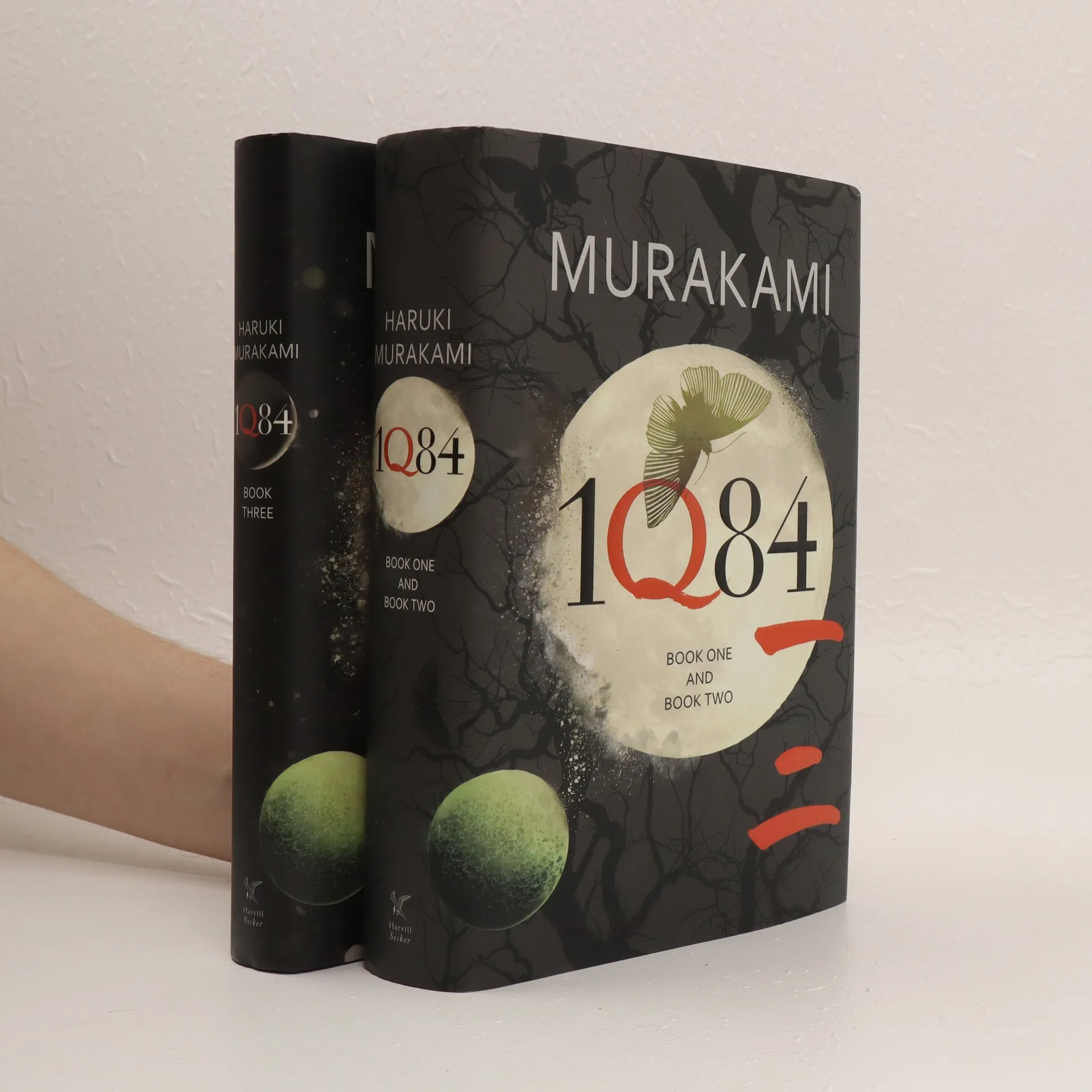
Le monde 1Q84 a été révélé. Miroir d'un univers à la dérive ou promesse d'un présent recomposé hors des ténèbres, il déploie ses brumes oniriques et ses deux lunes. Autour de lui, Tengo et Aomamé gravitent, voués à leur destin. Best-seller mondial, le chef-d'oeuvre de Murakami découvre la vérité humaine à la frontière des mirages.
Un beau jour, la vie de Toru Okada, jeune banlieusard sans emploi bascule pour de bon. Tout commence avec les coups de téléphone équivoques d'une mystérieuse inconnue. Puis le chat s'échappe ... Le rêve, l'aventure, la bifurcation soudaine d'une existence toute tracée : est-on prêt une fois dans sa vie à tenter l'abordage des frontières inédites?
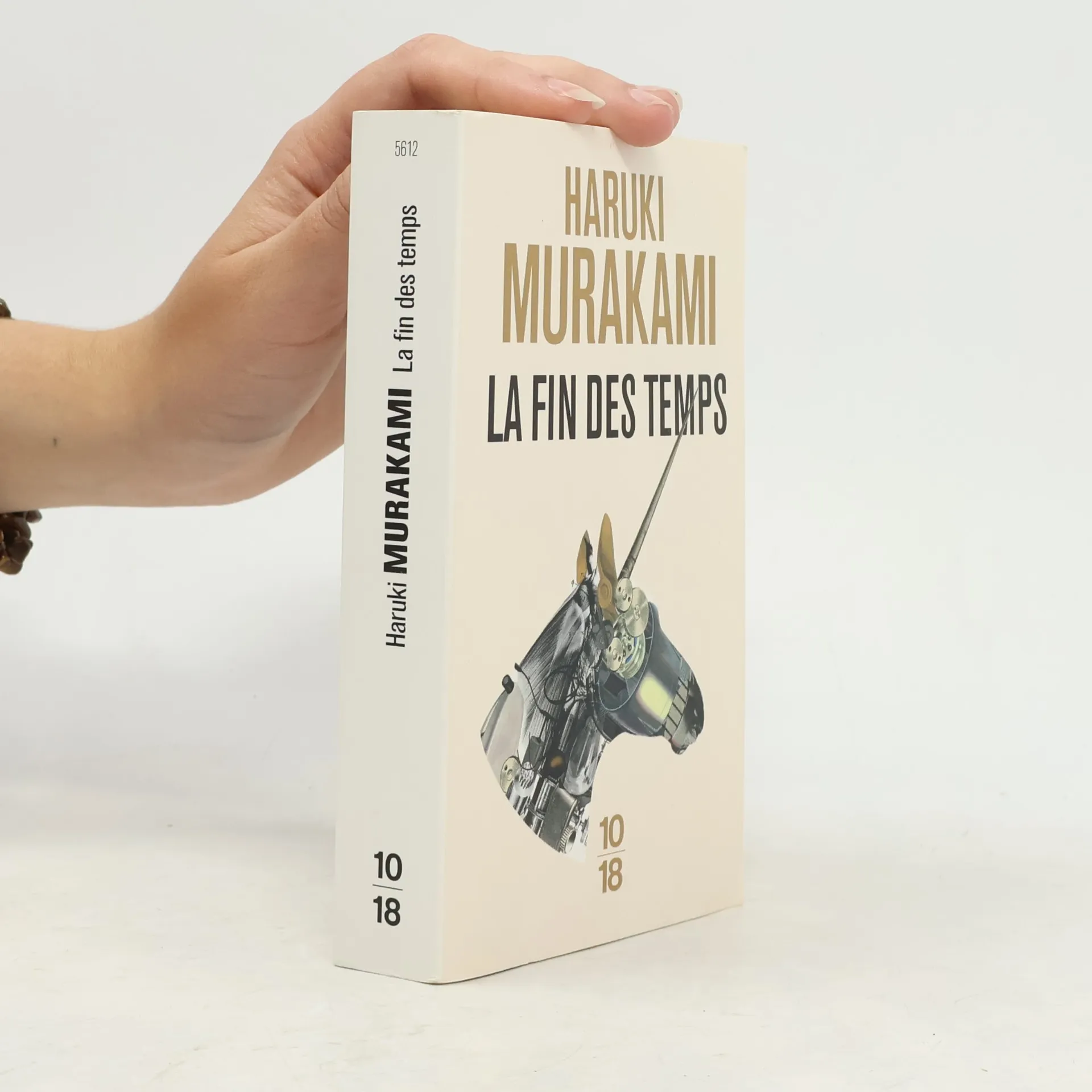
Une promenade entre deux mondes, aux frontières du réel et du merveilleux. D'un côté, il y a cet homme du Pays des merveilles sans merci. Un programmeur informatique engagé par un vieux savant, pour mener à bien une expérience cérébrale de haute volée dans le plus grand secret. Une opération qui tourne mal, et qui plonge notre anti-héros dans un monde parallèle... De l'autre, il y a cet homme de la Fin du monde.Il vit dans un espace-temps singulier, insoupçonnable, où les êtres sont séparés de leurs ombres et vivent heureux, en paix pour l'éternité. Un royaume où les rêves se mêlent aux licornes... Et bientôt, ces deux mondes ne feront plus qu'un
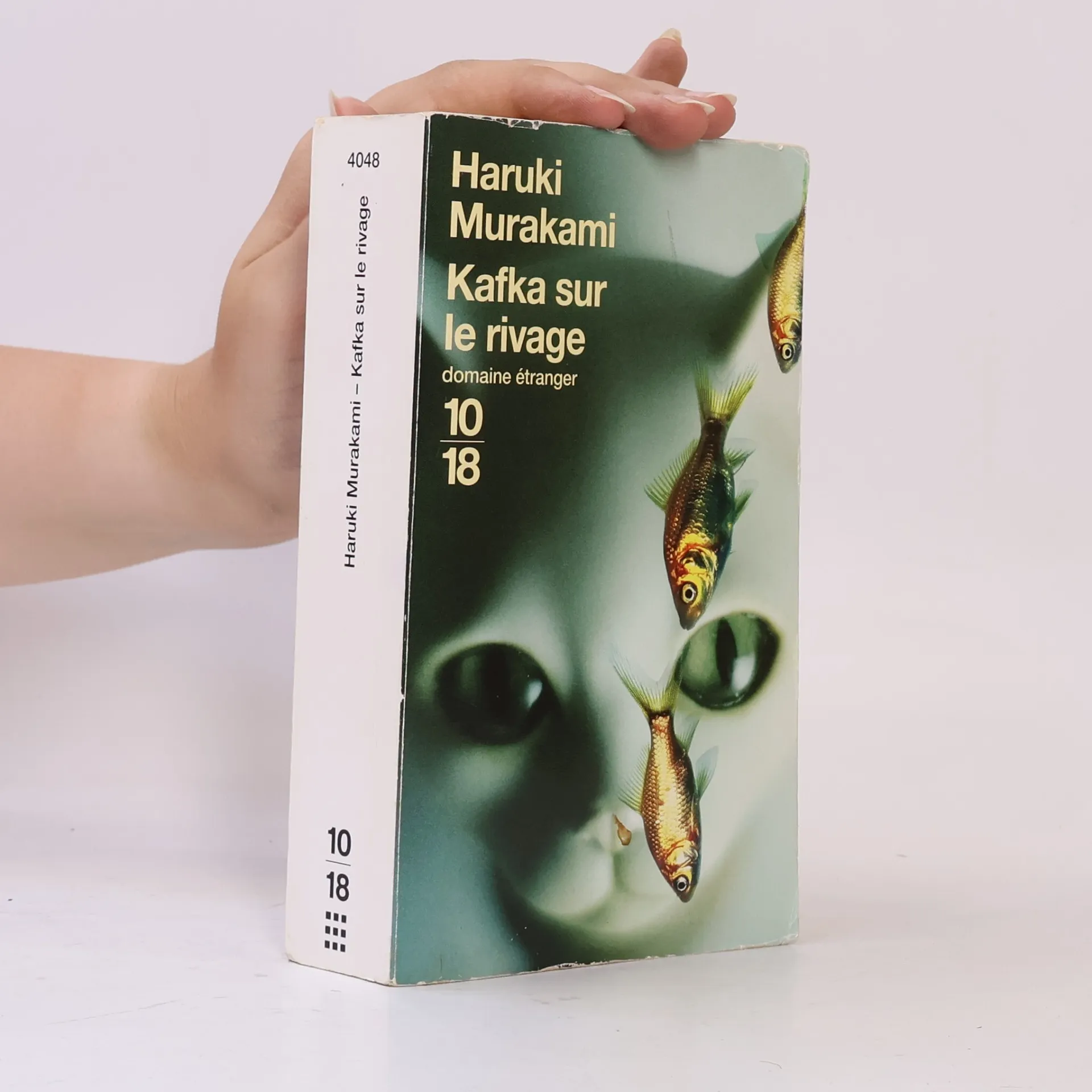
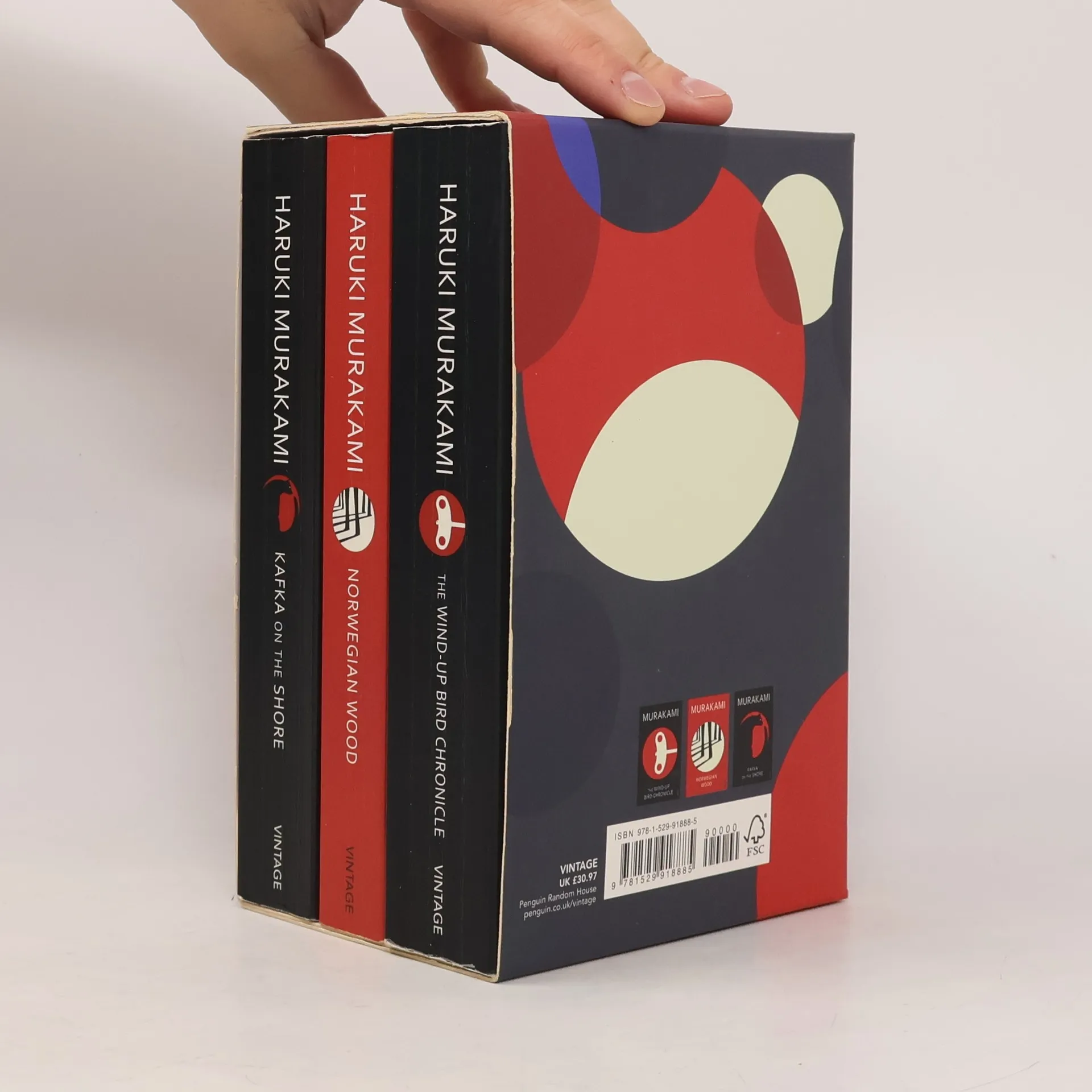
Kafka Tamura, quinze ans, s'enfuit de sa maison de Tokyo pour échapper à la terrible prophétie que son père a prononcée contre lui. De l'autre côté de l'archipel, Nakata, un vieil homme amnésique décide lui aussi de prendre la route. Leurs deux destinées s'entremêlent pour devenir le miroir l'une de l'autre tandis que, sur leur chemin, la réalité bruisse d'un murmure enchanteur. Les forêts se peuplent de soldats échappés de la dernière guerre, les poissons tombent du ciel et les prostituées se mettent à lire Hegel. Conte initiatique du XXIe siècle, Kafka sur le rivage nous plonge dans une odyssée moderne et onirique au cœur du Japon contemporain.
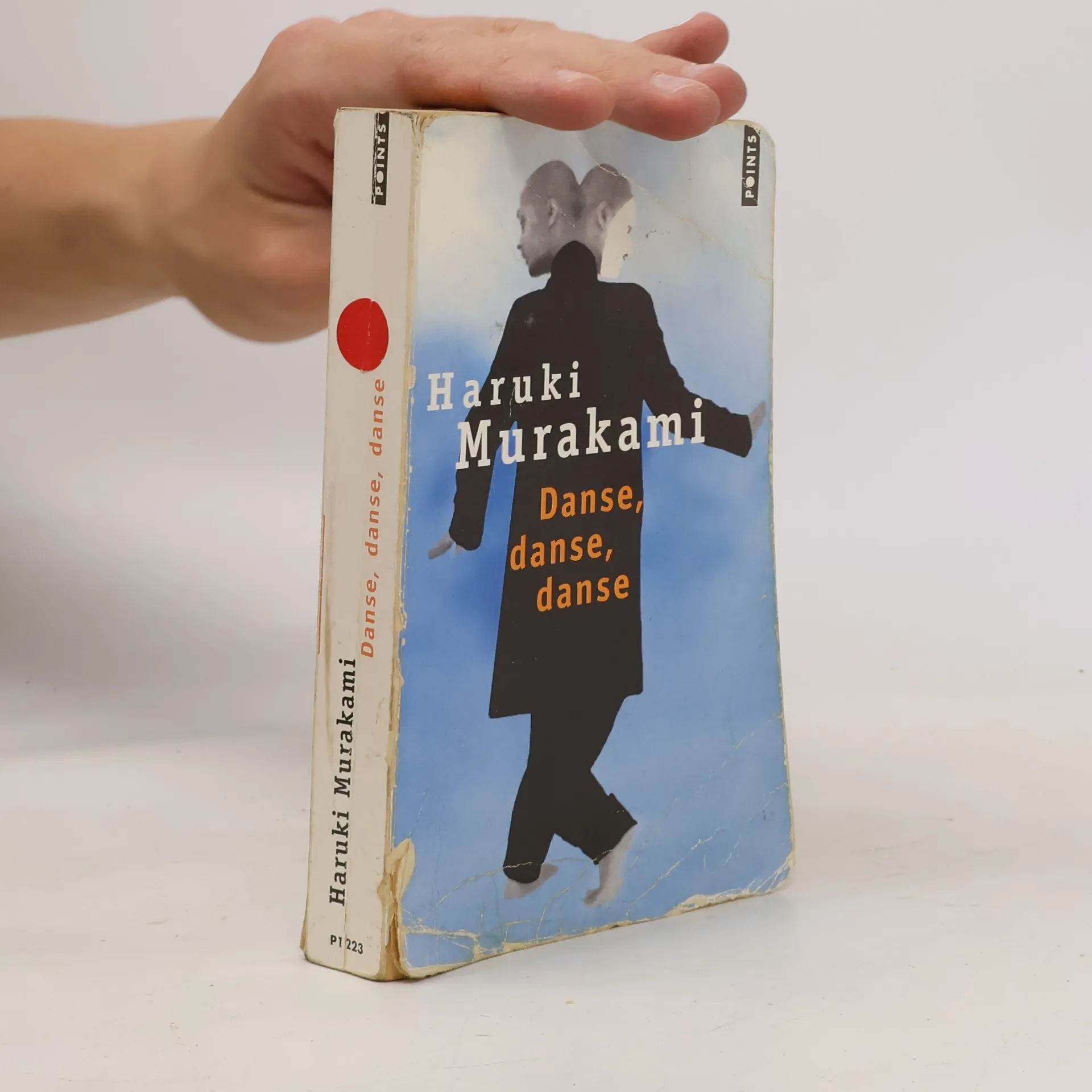
Où l'on retrouve le narrateur de La Course au mouton sauvage, un publicitaire de trente-quatre ans, branché filles, bouffe et scotch, musique pop et vieilles bagnoles. Seul ou en compagnie de filles médiums, il traverse des états de réalité non ordinaire en certains lieux emblématiques. A l'hôtel du Dauphin, porte donnant sur l'autre monde, il retrouve son initiateur, l'homme-mouton. Le héros accomplit alors l'épanchement du songe dans la vie réelle et se livre à un jeu mortel avec un double, rencontre l'invisible avec une âme sueur. En enquêtant, en " dansant ", il déchiffre ainsi les arcanes singulières de son accès au réel, sur fond l'esthétique du vide et de lucidité zen.
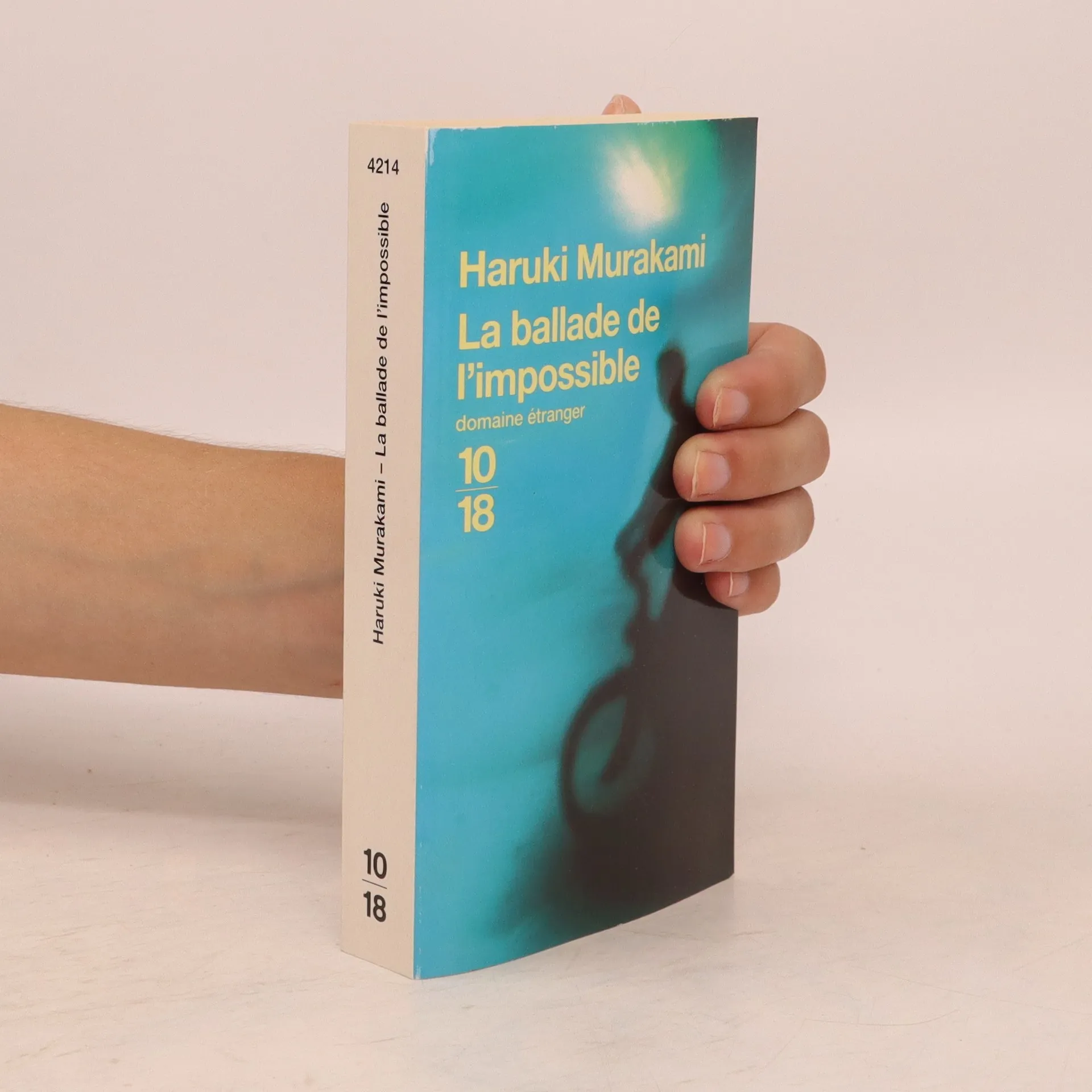
Au cours d'un voyage en avion, le narrateur entend une chanson des Beatles: Norwegian Wood. Instantanément, il replonge dans le souvenir d'un amour vieux de dix-huit ans. Quand il était lycéen, son meilleur ami, Kizuki, s'est suicidé. Kizuki avait une amie, Naoko. Ils étaient amoureux. Un an après ce suicide, le narrateur retrouve Naoko. Elle est incertaine et angoissée, il l'aime ainsi. Une nuit, elle lui livre son secret, puis disparaît... Hommage aux amours enfuies, La Ballade de l'impossible est un magnifique roman aux résonances autobiographiques, d'une tendresse et d'une intensité érotique saisissantes.
A Tokyo, un jeune cadre publicitaire mène une existence tranquille. Il est amoureux d'une jeune fille par fascination pour ses oreilles, est l'ami d'un correspondant qui refuse de lui donner son adresse pour de confuses raisons..., jusqu'au jour où cette routine confortable se brise. Pour avoir utilisé une photographie apparemment banale où figure un mouton, sa vie bascule. Menacé par une organisation d'extrême droite, il va se mettre en quête de cet animal particulier, censé conférer des pouvoirs supra-naturels... L'écriture de Murakami, à mi-chemin entre réalisme et fantastique, par son inventivité et son humour, place ce roman dans un univers qui parait ne rien devoir aux classiques japonais. Son auteur est sans aucun doute l'un des représentants les plus originaux de la littérature nippone contemporaine.
La suite de l'épopée de Murakami qui déstabilise encore un peu plus son lecteur. Une exploration des obsessions humaines au sein d'une histoire onirique et artistique. Au Japon, de nos jours. Une jeune fille a disparu. Le narrateur avait entrepris de faire son portrait. Il va rendre visite au vieux peintre Tomohiko Amada. Dans la chambre d'hôpital, le Commandeur apparaît. Le narrateur écoute le Commandeur : ce dernier est une idée ; une idée multiforme, chacun peut y projeter ce dont il a besoin. Il est prêt à offrir sa vie pour que la jeune fille soit retrouvée. Il faut faire revivre la scène du tableau, le Commandeur doit être poignardé. Le narrateur lui plante un couteau dans le coeur. Une trappe s'ouvre dans un coin de la chambre. Un personnage étrange en surgit qui invite à entrer dans le passage souterrain. C'est le début d'un périple qui va le conduire au-devant des forces du mal..
Sous le double scintillement de 1084, le temps s'accélère et les vérités se confondent. La voix du détective Ushikawa s'invite, oscillant entre révélation et menace, sur la trace d'Aomamé et Tengo. D'un reflet à l'autre, dans la clairvoyance hypnotique de ce troisième volet, le passé s'apprête à livrer son chaos au seuil d'un nouveau rêve...
Hajime a connu pour la première fois l'amour en compagnie de la douce Shimamoto-San. Séparés par la vie, il n'a pourtant jamais oublié. Aujourd'hui, à l'aube de la quarantaine, Hajime est devenu un homme ordinaire et s'est construit une vie agréable entre sa famille et un métier qui lui plaît. Ce fragile équilibre résistera-t-il à ses retrouvailles avec Shimamoto-San ?
Livre 1. Le narrateur est peintre. Après que sa femme lui a annoncé vouloir divorcer, il trouve refuge en pleine montagne dans une maison isolée appartenant à un ami, l'artiste Tomohiko Amada. Il y passe son temps à lire et à écouter de l'opéra jusqu'au jour où il trouve dans le grenier un tableau représentant le meurtre d'un vieillard. C'est le meurtre du Commandeur. Cette peinture obsède le narrateur, et va le pousser aux frontières du réel
K est amoureux de Sumire, mais dissimule ses sentiments sous une amitié sincère. La jeune fille est insaisissable, et voue un amour destructeur à une mystérieuse femme mariée. Un jour, Sumire disparaît, sans laisser de traces. K. part à sa recherche sur une île grecque, dans les rues de Tokyo, ou tout le ramène à elle.
Conteur hors pair, Haruki Murakami explore dans ces vingt-trois nouvelles délicatement ciselées, une multitude de mondes oscillant perpétuellement entre le réel et le rêve. Parmi ces vies suspendues, de troublants portraits : un homme d'affaires hanté par son premier amour, un couple adultérin réfugié sur une île grecque, un homme obsédé par les spaghettis, ou encore un gardien de nuit poursuivi par son reflet... Qu'ils guettent un présage ou un miroir, la mort ou un kangourou, tous sont empreints d'une mélancolie poétique qui fascine et résonne en chacun de nous.
Le 1er avril 1978, Murakami décide de vendre son club de jazz pour écrire un roman. Assis à sa table, il fume soixante cigarettes par jour et commence à prendre du poids. S'impose alors la nécessité d'une discipline. La course à pied lui permet de cultiver sa patience, sa persévérance. Courir devient une métaphore de son travail d'écrivain. Journal, essai, au fil de confidences inédites, Murakami nous livre une méditation lumineuse sur la vie, qui, comme la course, ne tire pas son sens de sa fin inéluctable.
A Nagoya, ils étaient cinq amis, inséparables. L'un, Akamatsu, était surnommé Rouge ; Omi était Bleu ; Shirane était Blanche et Kurono, Noire. Tsukuru Tazaki, lui, était sans couleur. Puis Tsukuru a gagné Tokyo. Un jour, ils lui ont signifié qu'ils ne voulaient plus jamais le voir. Sans raison. Pendant seize ans, celui qui est devenu architecte a vécu séparé du monde. Avant de rencontrer Sara. Pour vivre cet amour, Tsukuru devra entamer son pèlerinage et confronter le passé pour comprendre ce qui a brisé le cercle.
Le passé - tel qu'il était peut-être - fait surgir sur le miroir l'ombre d'un présent - différent de ce qu'il fut ? Un événement éditorial sans précédent. Une oeuvre hypnotique et troublante, un roman d'aventures, une histoire d'amour, deux êtres unis par un pacte secret. Dans le monde bien réel de 1984 et dans celui dangereusement séduisant de 1Q84 va se nouer le destin de Tengo et d'Aomamé...
Un roman d'atmosphère, voguant sur plusieurs genres : drame psychologique, histoire fantastique et thriller s'entrelacent. A Tokyo, de nos jours, le temps d'une nuit. Une jeune fille qui lit, une autre qui dort. Elles sont soeurs. Un livre énigmatique et hypnotique dont chaque détail est un petit caillou qui, rétrospectivement, fait sens. Pour une nuit, Haruki Murakami nous entraîne dans un Tokyo sombre, onirique, hypnotique. Un éblouissant roman d'atmosphère à la poésie singulière, aux frontières de la réalité et du fantasme, ou chaque détail, rétrospectivement, fait sens. Dans un bar, Mari est plongée dans un livre. Elle boit du thé, fume cigarette sur cigarette. Un musicien surgit, qui la reconnaît. Au même moment, dans une chambre, Eri, la soeur de Mari, dort à poings fermés. Elle ne sait pas que quelqu'un l'observe. Autour des deux soeurs vont défiler des personnages insolites : une prostituée blessée, une gérante d'hôtel vengeresse, un informaticien désabusé, une femme de chambre en fuite. Des événements bizarres vont survenir : une télévision qui se met brusquement en marche, un miroir qui garde les reflets. À Tokyo, le temps d'une nuit, va se nouer un drame étrange...
Dans ce recueil comme un clin d’œil à Hemingway, des hommes cherchent des femmes qui les abandonnent ou qui sont sur le point de le faire. Musique, solitude, rêve et mélancolie, le maître au sommet de son art. « À ce que je sais, votre épouse était vraiment une femme merveilleuse [...] vous devez vous sentir reconnaissant d'avoir vécu presque vingt ans auprès d'une femme comme elle. Je le crois profondément. Néanmoins, vous aurez beau penser que vous avez compris quelqu'un, que vous l'avez aimé, il n'en reste pas moins impossible de voir au plus profond de son cœur. Vous aurez pu vous y efforcer, mais vous n'aurez réussi qu'à vous faire du mal. Vous ne pouvez voir qu'au fond de votre propre cœur, et encore, seulement si vous le voulez vraiment, et si vous faites l'effort d'y parvenir. En fin de compte, notre seule prérogative est d'arriver à nous mettre d'accord avec nous-même, honnêtement, intelligemment. Si nous voulons vraiment voir l'autre, nous n'avons d'autre moyen que de plonger en nous-même. Telle est ma conviction. »
Le retour de l'auteur japonais le plus lu en France.Parution le 2 janvier 2025Evènement !!! Le grand retour du maître Murakami pour un roman éblouissant, dans la lignée de ses grandes œuvres -Kafka sur le rivageou1Q84- et sept ans après son dernier roman -Le Meurtre du commandeur.
Une curieuse digression sur les kangourous. Un éléphant qui se volatilise. Un nain diabolique qui danse. Ou une jeune fille « cent pour cent parfaite ». À travers ces dix-sept nouvelles, petits contes anodins de notre quotidien, Haruki Murakami entraîne son lecteur dans une dimension parallèle à l'imaginaire délicieusement drôle et bizarre, au fil d'un Japon nostalgique et moderne à la fois. Farouchement zen et férocement fantastique, l'auteur déploie encore une fois son art magistral, et nous montre qu'il sait comme personne comment transfigurer la banalité de nos existences.
20 mars 1995, des adeptes de la secte Aum répandent du gaz sarin dans le métro de Tokyo. Choqué, Murakami veut comprendre et décide de rencontrer les témoins. Rescapés et disciples de la secte racontent la tragédie, et, dans leurs récits, troublante parenté avec les obsessions de l'écrivain se révèlent les failles d'une société où affleurent le spectre du fanatisme et la fragilité des êtres.
Envoûtante et onirique, une des nouvelles les plus énigmatiques de Haruki Murakami, superbement illustrée aux couleurs de nuit, par Kat Menschik. Dans un style pur et cristallin, une plongée obsédante dans les dix-sept nuits sans sommeil d?une femme, pour pénétrer tout le mystère et la magie de l'univers du maître. « Du pur Murakami. » Elle Traduit du japonaispar Corinne Atlan Né à Kyoto en 1949, Haruki Murakami est le traducteur japonais de Scott Fitzgerald, Raymond Carver et John Irving. Ne supportant pas le conformisme de la société japonaise, il s'est expatrié en Grèce, en Italie puis aux États-Unis. En 1995, après le tremblement de terre de Kobe et l'attentat du métro de Tokyo, il a décidé de rentrer au Japon. Haruki Murakami a rencontré le succès dès la parution de son premier roman, Écoute le chant du vent (1979), qui lui a valu le prix Gunzo. Suivront notamment Chroniques de l'oiseau à ressort, Au sud de la frontière, à l'ouest du soleil, Les Amants du Spoutnik, Kafka sur le rivage et Le Passage de la nuit. Il signe aujourd?hui une trilogie, 1Q84, dont les deux premiers tomes paraissent chez Belfond en 2011 et le dernier tome en 2012. Plusieurs fois favori pour le prix Nobel de littérature, Haruki Murakami est aujourd'hui un auteur culte au Japon et son ?uvre est traduite dans plus de trente pays.
J'ecrivais toujours sur la table de la cuisine, tard dans la nuit, jusqu'au petit matin. C'est la raison pour laquelle je nomme ces deux romans ecrits sur la table de la cuisine. Avec beaucoup d'amour et une certaine gene... Pour rien au monde je ne voudrais les changer. Un peu comme de tres vieux amis. Peut-etre que je ne les rencontrerai plus, que je ne leur parlerai plus, mais il est certain que jamais je ne les oublierai. Ils sont precieux pour moi, irremplacables. Ils m'encouragent, me rechauffent le c ur. Apres trente-sept ans, Haruki Murakami autorise enfin la publication de ses deux premiers romans, Ecoute le chant du vent, laureat du prestigieux prix Gunzo 1979, suivi de Flipper, 1973, tous deux jusqu'ici inedits en France. Enfin traduits et reunis en un seul volume, precedes d'une preface de Murakami qui en explique la genese, ils composent les deux premiers tomes de la trilogie du Rat, que clot La Course au mouton sauvage."
The journey of Haruki Murakami from a jazz bar owner to a literary sensation began in 1978 when a moment of inspiration struck him during a baseball game. His debut novel, Hear the Wind Sing, garnered acclaim and set the stage for subsequent works like A Wild Sheep Chase and Hard-Boiled Wonderland and the End of the World. However, it was the 1987 release of Norwegian Wood that catapulted him to international fame, establishing his reputation as a bestselling author and introducing readers to his captivating and distinctive fictional world.
"A Wild Sheep Chase" - His life was like his recurring nightmare: a train to nowhere. But an ordinary life has a way of taking an extraordinary turn. Add a girl whose ears are so exquisite that, when uncovered, they improve sex a thousand-fold, a runaway friend, a right-wing politico, an ovine-obsessed professor and a manic-depressive in a sheep outfit, implicate them in a hunt for a sheep, that may or may not be running the world, and the upshot is another singular masterpiece from Haruki Murakami. "Dance Dance Dance" - High-class call girls billed to Mastercard; a psychic thirteen-year-old drop-out with a passion for Talking Heads; a hunky matinee idol doomed to play dentists and teachers; a one-armed beach-combing poet, an uptight hotel clerk and one very bemused narrator caught in the web of advanced capitalist mayhem; combine this offbeat cast of characters with Murakami's idiosyncratic prose and out comes "Dance Dance Dance". It is an assault on the senses, part murder mystery, part metaphysical speculation; a fable for our times as catchy as a rock song blasting from the window of a sports car.
A major new anthology of great Japanese short stories introduced by Haruki Murakami.This fantastically varied and exciting collection celebrates the great Japanese short story collection, from its origins in the nineteenth century to the remarkable practitioners writing today. Curated by Jay Rubin (who has himself freshly translated several of the stories) and introduced by Haruki Murakami this is a book which will be a revelation to many of its readers. Short story writers already well-known to English-language readers are all included - Tanizaki, Akutagawa, Murakami, Mishima, Kawabata, Yoshimoto - but also many surprising new finds. From Tsushima Yuko's 'Flames' to Sawanishi Yuten's 'Filling Up with Sugar', from Hoshi Shin'ichi's 'Shoulder-Top Secretary' to Yoshimoto Banana's 'Bee Honey', The Penguin Book of Japanese Short Stories is filled with fear, charm, beauty and comedy.
Not since Yukio Mishima and Yasunari Kawabata has a Japanese writer won the international acclaim enjoyed hy Haruki Murakami. His genre- busting novels, short stones, and repodage, which have been translated into thirty-four languages, meld the surreal and the hard-boiled, deadpan comedy and delicate introspection.Vintage Murakami includes the opening cnapter of the international bestseller Norwegian Wood; •'Lieueenant Mamiya's Long Story: Parts I and II" from his monumental novel The Wind-Up Bird Chronicle; "Shizuko Akashi" from: Underground, his nonfiction book on the Toyko subway attack 1995; and the short stories "Barn Burning," and "honey pie."Also included, for the first time in book form, the short story "Ice Man."--back coverTable of Contents"Barn burning" from The Elephant vanished -- "Shizuko Akashi" from Underground -- "Honeypie" from After the Quake -- "Lieutenant Mamiya's long stories: Part I" from the Wind-up bird chronicle -- "Lieutenant Mamiya's long stories: Part II" from the Wind-up bird chronicle -- "Ice man."
In 1984, Aomame, a woman with two differently sized ears, commits an assassination during a rendezvous with a wealthy oil dealer, seeking to right a past wrong. Meanwhile, Tengo, an aspiring writer, is tasked with rewriting a novel by the eccentric 17-year-old Fukaeri to help her win a literary prize. Though the story is highly original, it is poorly written, making this a risky endeavor. Aomame begins to question why her crime has not been reported in the news and wonders if she has entered a parallel world. To distinguish this eerie realm from her ordinary life in 1984, she names it 1Q84. The narrative intertwines the lives of Aomame and Tengo as they navigate their respective journeys, exploring themes of reality, identity, and the nature of existence.
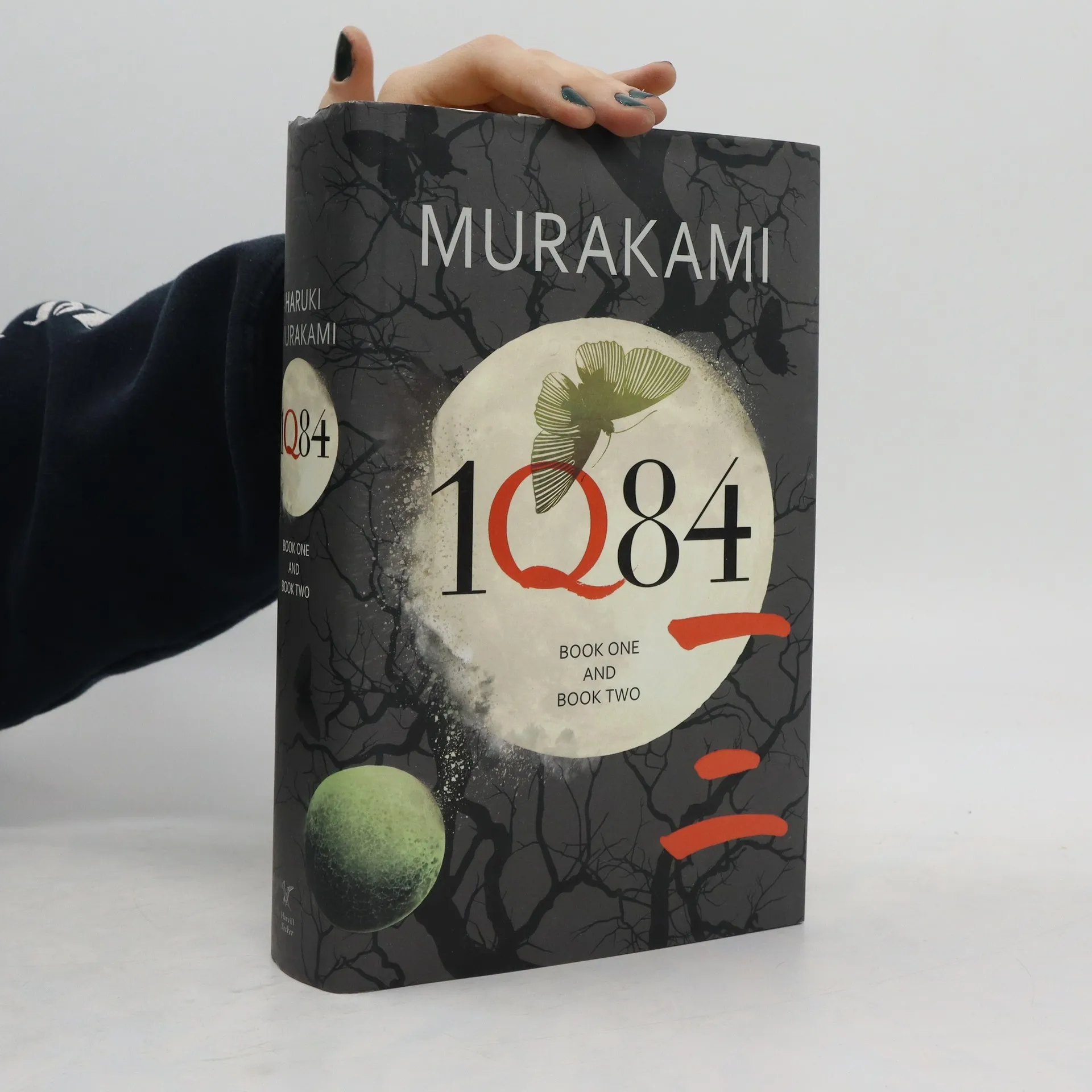
A mesmerising, epic, utterly involving masterpiece from Haruki Murakami The year is 1Q84. This is the real world, there is no doubt about that. But in this world, there are two moons in the sky. In this world, the fates of two people, Tengo and Aomame, are closely intertwined. They are each, in their own way, doing something very dangerous. And in this world, there seems no way to save them both. Something extraordinary is starting. *PRE-ORDER HARUKI MURAKAMI'S NEW NOVEL, THE CITY AND ITS UNCERTAIN WALLS, NOW* '1Q84 has a range and sophistication that surpasses anything else in his oeuvre. It is his most achieved novel; an epic in which form and content are neatly aligned' Independent on Sunday
A unique look at the craft of writing from a bestelling master of storytelling. In this engaging book, the internationally best-selling author shares with readers what he thinks about being a novelist; his thoughts on the role of the novel in our society; his own origins as a writer; and his musings on the sparks of creativity that inspire other writers, artists, and musicians. Readers who have long wondered where the mysterious novelist gets his ideas and what inspires his strangely surreal worlds will be fascinated by this highly personal look at the craft of writing. 'An insightful collection of essays on his work and methods... You end this collection of beautiful essays vowing to never let life, or writing, get so complicated again' Guardian 'Murakami is like a magician who explains what he's doing as he performs the trick and still makes you believe he has supernatural powers' New York Times Book Review 'A fascinating glimpse of the peculiar writerly life' Sunday Times ** A TIMES, SUNDAY TIMES and NEW STATESMAN BOOK OF THE YEAR**
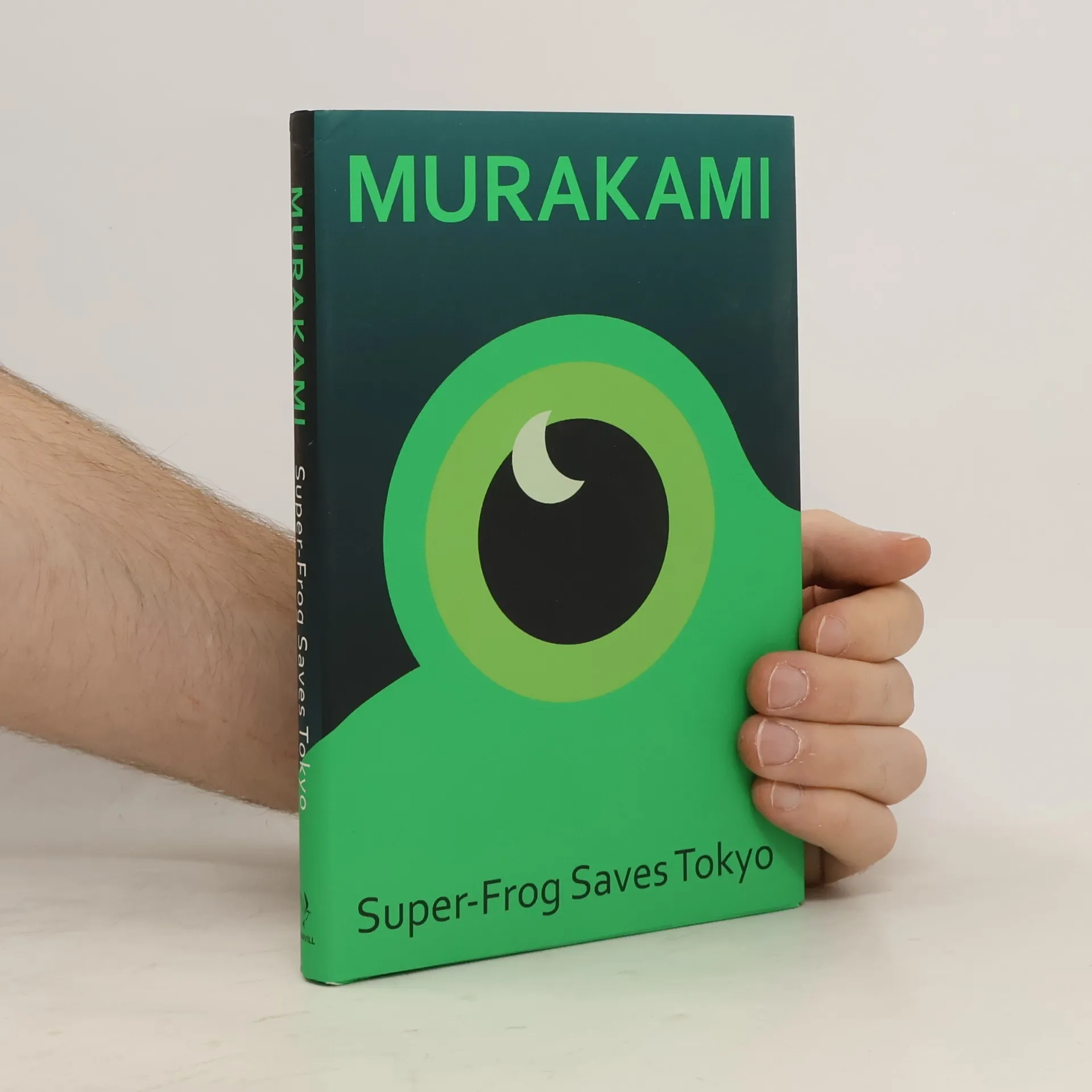
A bank employee is visited in his apartment by a giant frog who wants to save Tokyo from destruction by a worm; a fortune teller sees deep into the hate-filled soul of a doctor who seeks to find herself after a congress in Bangkok, following a man who has shattered her hopes; on her twentieth birthday, she works as a waitress like every Friday evening, but that night chance brings her the fulfillment of a mysterious wish.
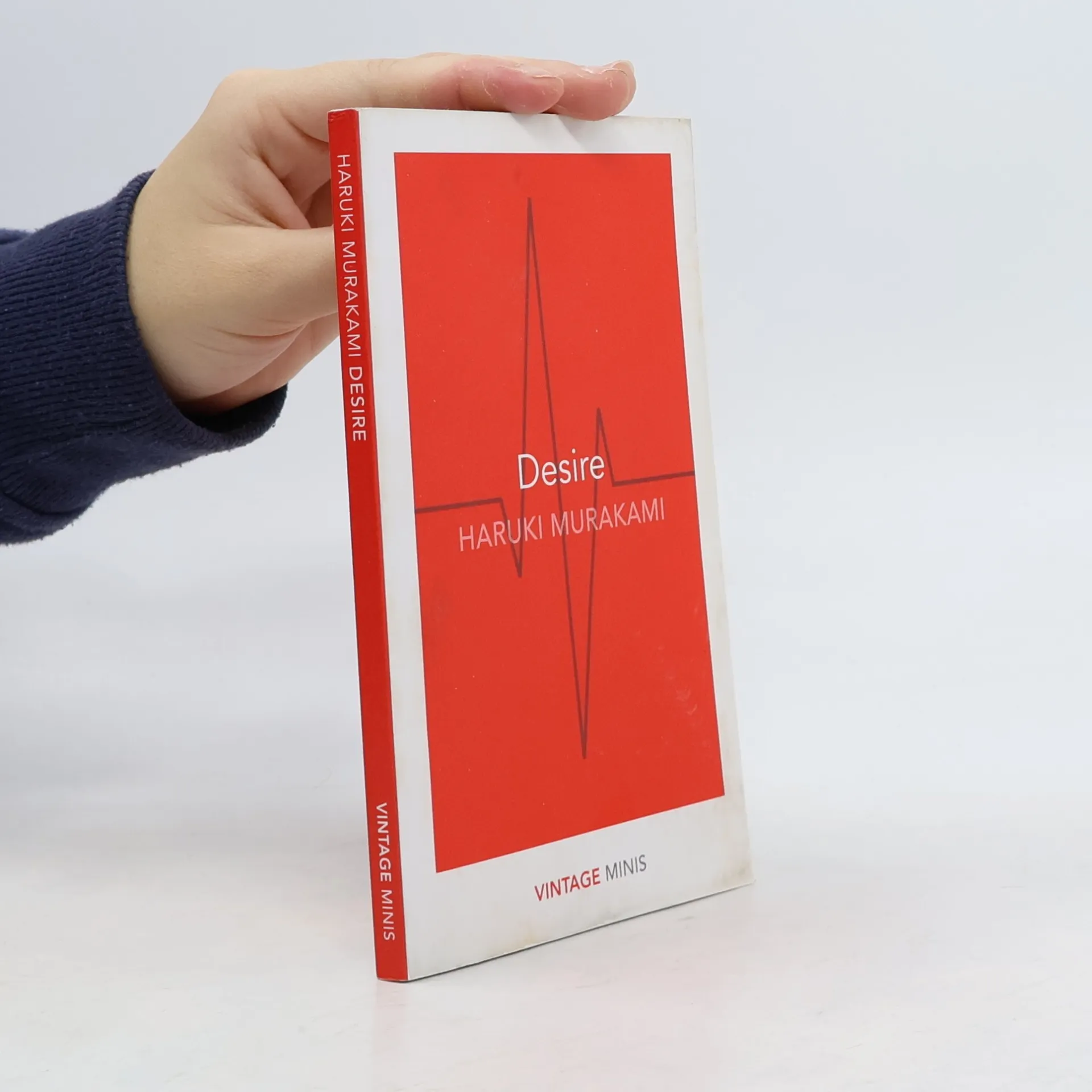
You've just passed someone on the street who could be the love of your life, the person you're destined for - what do you do? In Murakami's world, you tell them a story. The five weird and wonderful tales collected here each unlock the many-tongued language of desire, whether it takes the form of hunger, lust, sudden infatuation or the secret longings of the heart. Selected from Haruki's Murakami's short story collections The Elephant Vanishes, Blind Willow Sleeping Woman, Men Without Women VINTAGE MINIS- GREAT MINDS. BIG IDEAS. LITTLE BOOKS. A series of short books by the world's greatest writers on the experiences that make us human Also in the Vintage Minis series- Love by Jeanette Winterson Psychedelics by Aldous Huxley Eating by Nigella Lawson Summer by Laurie Lee
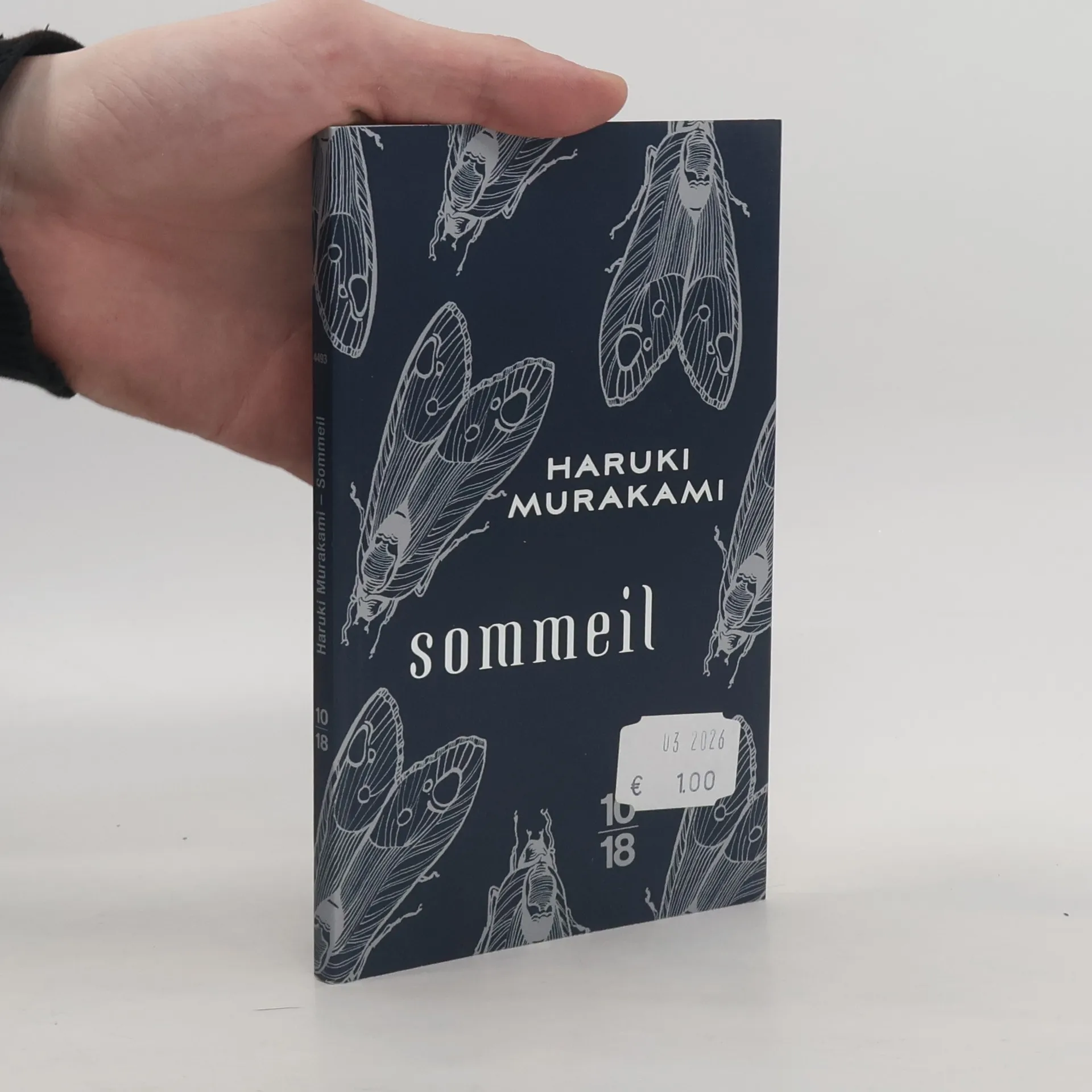
Haruki Murakami's best-loved stories finally available in graphic novel form!With their trademark mix of realism and fantasy, centering around Murakami's signature themes of loss, remorse and confusion, the two stories in this volume are: Scheherezade: a man named Habara is confined to his house and is visited by a nurse, Scheherezade, who brings him provisions and has sex with him. She tells Habara the story of a boy she had a crush on when she was young, whose house she repeatedly broke into. She tells him the story over several visits, and the story ends before Scheherezade finishes. Habara worries he may never see Scheherezade again. Sleep: recounts the life of a housewife with a regimented existence. But at night, she has her own life, as though she enters an extra-dimensional space. In this world she examines her own life and family and ponders the meaning of death.These new graphic versions of classic Murakami short stories will be devoured by his fans and will provide a new window onto his work for a new generation of readers not yet familiar with it!
Japon, 1995. Un terrible tremblement de terre survient à Kobe. Cette catastrophe, comme un écho des séismes intérieurs de chacun, est le lien qui unit les personnages de tous âges, de toutes conditions, toujours attachants, décrits ici par Haruki Murakami. Qu'advient-il d'eux, après le chaos ? Séparations, retrouvailles, découverte de soi, prise de conscience de la nécessité de vivre dans l'instant. Les réactions sont diverses, imprévisibles, parfois burlesques... Reste que l'art de Murakami est de montrer, avec modernité et délicatesse, la part d'ombre existant derrière les choses et les êtres, invitant le lecteur à y déceler le reflet de ce qu'il porte en lui-même. Reconnu comme l'un des plus grands auteurs japonais contemporains, Haruki Murakami est traduit dans de nombreux pays. Aujourd'hui, la critique, unanime, s'accorde à voir en lui un futur lauréat du prix Nobel de littérature.
An intimate conversation about music and creativity, between the internationally bestselling writer and a world-class conductor. 'My only purpose in this book was for me, as a music lover, to have a discussion of music with the musician Seiji Ozawa that was as open and honest as possible. I simply wanted to bring out the ways that each of us (though on vastly different levels) is dedicated to music.' Haruki Murakami's passion for music runs deep. Before turning his hand to writing, he ran a jazz club in Tokyo, and the aesthetic and emotional power of music permeates every one of his much-loved books. Now, in Absolutely on Music, Murakami fulfills a personal dream, sitting down with his friend, acclaimed conductor Seiji Ozawa, to talk about their shared interest. Transcribed from lengthy conversations about the nature of music and writing, here they discuss everything from Brahms to Beethoven, from Leonard Bernstein to Glenn Gould, from record collecting to pop-up orchestras, and much more. Ultimately this book gives readers an unprecedented glimpse into the minds of two maestros.
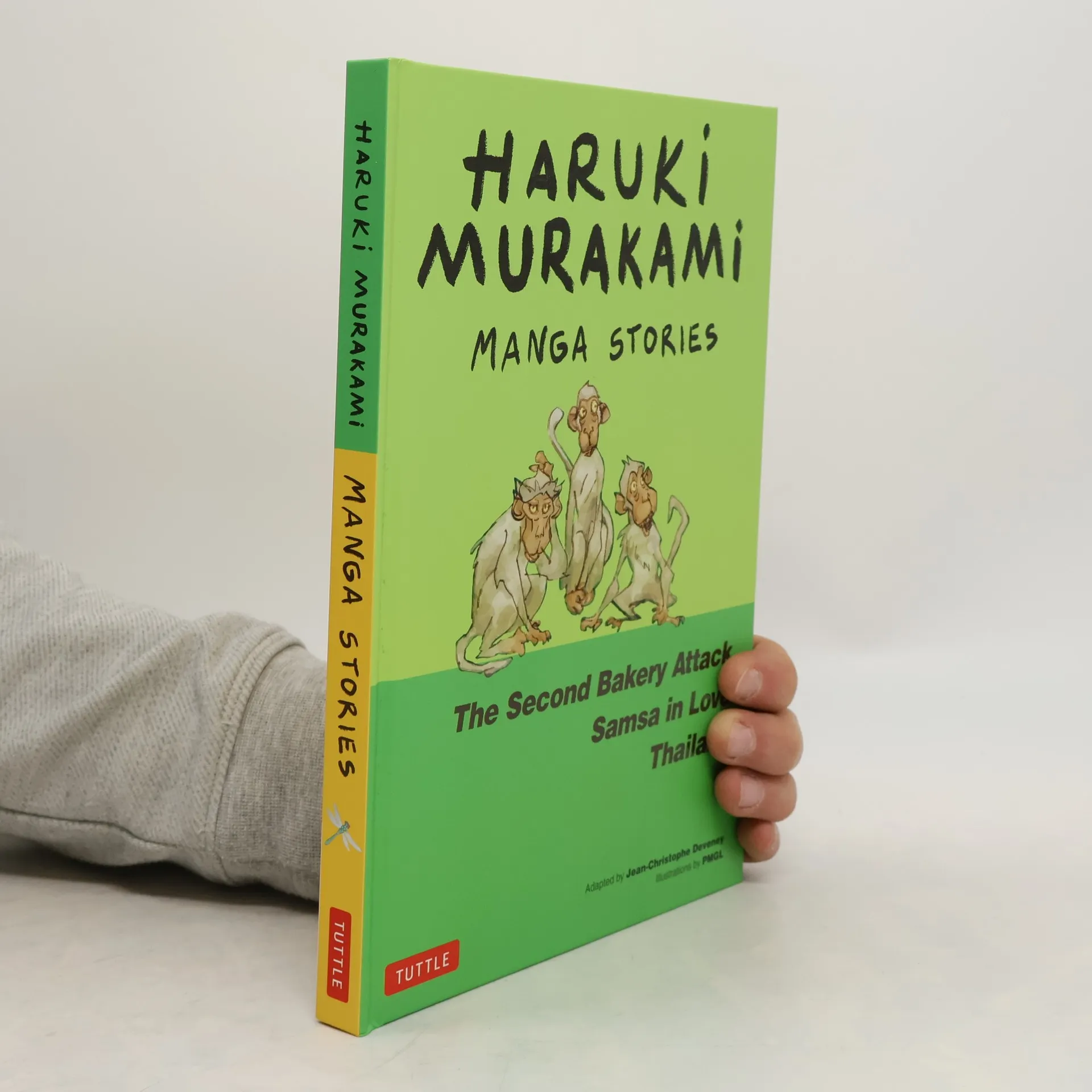
Haruki Murakami's beloved short stories are now presented in graphic novel form for the first time in English. This volume, the first of three, features four captivating tales from his bestselling collections, blending realism and fantasy while exploring themes of loss, remorse, and confusion.
In "Super-Frog Saves Tokyo," Katagiri encounters a giant frog promising to save Tokyo from another earthquake, leading him to question reality and confront his feelings of powerlessness. "Where I'm Likely to Find It" follows a woman whose missing husband prompts a detective to reflect on his own life amidst a Kafkaesque exploration of disappearance and coping.
"Birthday Girl" recounts a surreal encounter on a woman's twentieth birthday with her restaurant's owner, who grants her a wish. "The Seventh Man" tells the poignant story of a man haunted by the death of his childhood friend in a tsunami, capturing Murakami's signature emotional depth and surrealism.
This graphic adaptation offers a fresh perspective on Murakami's work, appealing to both dedicated fans and younger readers new to his stories. Recommended for ages 16 and up due to mature themes and graphic content.
In this enviable gathering, Haruki Murakami has chosen for his party some of the very best short story writers of recent years, each with their own birthday experiences, each story a snapshot of life on a single day. Including stories by Russell Banks, Et
"The international literary icon opens his eclectic closet: Here are photographs of Murakami's extensive and personal T-shirt collection, accompanied by essays that reveal a side of the writer rarely seen by the public. Considered "the world's most popular cult novelist" (The Guardian), Haruki Murakami's books have galvanized millions around the world. Many of his fans know about his 10,000 vinyl record collection, and his obsession with running, but few have heard about a more intimate, and perhaps more unique, passion: his T-shirt collecting habit. In Murakami T, the famously reclusive novelist shows us his T-shirts--including gems from the Springsteen on Broadway show in NYC, from The Beach Boys concert in Honolulu to the shirt that inspired the beloved short story, "Tony Takitani." Accompanied by short, frank essays that have been translated into English for the first time, these photographs reveal much about Murakami's multifaceted and wonderfully eccentric persona"--Publisher's description
She waited on tables as usual that day, her twentieth birthday. She always worked Fridays, but if things had gone according to plan on that particular Friday, she would have had the night off. One rainy Tokyo night, a waitress's uneventful twentieth birthday takes a strange and fateful turn when she's asked to deliver dinner to the restaurant's reclusive owner. Birthday Girl is a beguiling, exquisitely satisfying taste of master storytelling, published to celebrate Murakami's 70th birthday.
Hear the Wind Sing is Murakami's first novel, available for the first time in English outside Japan. In Hear the Wind Sing the narrator is home from college on his summer break. He spends his time drinking beer and smoking in Jâe(tm)s Bar with the Rat, listening to the radio, thinking about writing and the women he has slept with, and pursuing a relationship with a girl with nine fingers. The story of the narrator, the Rat and J continues in Pinball, 1973.
Pinball, 1973 is Murakami's second novel, available for the first time in English outside Japan. With a new introduction by the author. Hear the Wind Sing and Pinball, 1973 are Haruki Murakamiâe(tm)s earliest novels. They follow the fortunes of the narrator and his friend, known only by his nickname, the Rat. Pinball, 1973 picks up three years after the events of Hear the Wind Sing. The narrator has moved to Tokyo to work as a translator and live with indistinguishable twin girls, but the Rat has remained behind, despite his efforts to leave both the town and his girlfriend. The narrator finds himself haunted by memories of his own doomed relationship but also, more bizarrely, by his short-lived obsession with playing pinball in Jâe(tm)s Bar. This sends him on a quest to find the exact model of pinball machine he had enjoyed playing years earlier: the three-flipper Spaceship.
A dual-language edition of Japanese stories—many appearing in English for the first time This volume of eight short stories, with parallel translations, offers students at all levels the opportunity to enjoy a wide range of contemporary literature without having constantly to refer back to a dictionary. The stories—many of which appear here in English for the first time—are by well-known writers like Haruki Murakami and Banana Yoshimoto, as well as emerging voices like Abe Kazushige, Ishii Shinji, and Kawakami Hiromi. From the orthodox to the cutting-edge, they represent a range of styles and themes, showcasing the diversity of Japanese fiction over the past few decades in a collection that is equally rewarding for beginning, intermediate, and advanced students of English or Japanese. Complete with notes, the stories make excellent reading in either language.
<b>The year is 1984 and the city is Tokyo.</b> A young woman named Aomame follows a taxi driver’s enigmatic suggestion and begins to notice puzzling discrepancies in the world around her. She has entered, she realizes, a parallel existence, which she calls 1Q84 —“Q is for ‘question mark.’ A world that bears a question.” Meanwhile, an aspiring writer named Tengo takes on a suspect ghostwriting project. He becomes so wrapped up with the work and its unusual author that, soon, his previously placid life begins to come unraveled. As Aomame’s and Tengo’s narratives converge over the course of this single year, we learn of the profound and tangled connections that bind them ever closer: a beautiful, dyslexic teenage girl with a unique vision; a mysterious religious cult that instigated a shoot-out with the metropolitan police; a reclusive, wealthy dowager who runs a shelter for abused women; a hideously ugly private investigator; a mild-mannered yet ruthlessly efficient bodyguard; and a peculiarly insistent television-fee collector. A love story, a mystery, a fantasy, a novel of self-discovery, a dystopia to rival George Orwell’s — <i>1Q84</i> is Haruki Murakami’s most ambitious undertaking yet: an instant best seller in his native Japan, and a tremendous feat of imagination from one of our most revered contemporary writers.
The haunting, enigmatic love story that turned Murakami into a literary superstar in Japan, and is his bestselling title throughout the world Autumn 1969, and soon I would be 20. When he hears her favourite Beatles song, Toru Watanabe recalls his first love Naoko, the girlfriend of his best friend Kizuki. Immediately he is transported back almost twenty years to his student days in Tokyo, adrift in a world of uneasy friendships, casual sex, passion, loss and desire - to a time when an impetuous young woman called Midori marches into his life and he has to choose between the future and the past. 'Such is the exquisite, gossamer construction of Murakami's writing that everything he chooses to describe trembles with symbolic possibility' Guardian 'Poignant, romantic and hopeless, it beautifully encapsulates the heartbreak and loss of faith' Sunday Times 'A masterly novel' New York Times
소설 "태엽감는 새"는 세계에서 가장 인기 있는 작가 중 한 명인 하룬키 무라카미의 작품으로, 진정한 조이스적 규모를 지니고 있다. 제2차 세계대전의 공포와 현대 일본인의 운명, 편지, 신비로운 꿈, 기억, 잡지 기사, 암호화된 파일 등으로 구성된 이 작품은 믿을 수 없는 사건들, 섬세한 아이러니, 그리고 하룬키 무라카미 특유의 독창적인 어조로 엮인 완전한 서사이다. "태엽감는 새. 3: 새잡이꾼 편 I"는 "태엽감는 새"의 세 번째 부분이다.
Художник, способный уловить тайны, скрывающиеся за лицами людей, которых он рисует. Запутанная картина, найденная спустя десятки лет на чердаке дома. Шорох в лесу, окруженном странными соседями. И колокол с его величественным и печальным звоном проникает между деревьями леса в сердце ночи. Роман о созидательной силе искусства и разрушительной силе насилия; о способности превращать нашу хрупкость в золото, как бы мрачными ни казались наши дни. Как всегда, Муараками очаровывает нас своим раскрытием сверхъестественного в нашей рутине, находя магию в деталях нашей повседневной жизни. В "Убийстве Командора" гениальность Муараками мастерски движется между реальностью и бредом.
Eine melancholische Geschichte über eine Dreiecksbeziehung, das Schreiben und zwei Bären. Junpei ist Schriftsteller, seine Spezialität: Kurzgeschichten über unerwiderte Liebe. Das Thema seines Lebens. Seit der Uni ist er in Sayoko verliebt, die seinen besten Freund geheiratet hat. Trotz allem hat die Freundschaft zwischen den dreien Bestand, anders als die Liebe von Sayoko und Junpeis bestem Freund: Sie bekommen eine Tochter namens Sara, trennen sich aber kurz darauf. Mit den Jahren wird Junpei zu einer Art Ersatzvater für Sara. Nach einem schrecklichen Erdbeben leidet sie unter Albträumen. Nur Junpei kann sie beruhigen – mit seinen Geschichten über einen Bären und seinen besten Freund. Und er ist fest entschlossen, für immer über Sayokos und Saras Schlaf zu wachen … Haruki Murakami ist ein Meister der kurzen Form. In ›Honigkuchen‹ offenbart er sein großes Herz für alle Zögernden und Zaudernden. Kat Menschik hat die warmherzige Geschichte des wichtigsten japanischen Autors unserer Zeit in unvergessliche Bilder gegossen.
Udalosti v Tóruho živote naberú rýchly spád. Mei Kasaharová mu napíše list z neznámeho miesta, v ktorom ho dôrazne upozorňuje na článok v istom bulvárnom denníku, kde sa píše o tajomnom majiteľovi domu na opustenej parcele poznačenej ľudským nešťastím. Tóru stále hľadá Kumiko, zbližuje sa s ďalšou prapodivnou dvojicou, a do jeho života čoraz nevyberanejšími spôsobmi vstupuje jeho švagor Naboru Wataja, vysokopostavený politik, ktorý sa obáva škandálu. Kumiko je však stále preč, a k Tóruovi sa celkom nečakane vráti stratený kocúr.
Druhý diel trilógie Kronika vtáčika na kľúčik zachytáva udalosti obdobia štyroch mesiacov po zmiznutí Tóruho manželky Kumiko. Tá sa jedného rána ako obyčajne vydá do práce a nevráti sa domov. Podľa všetkého opustila manžela kvôli inému mužovi, Tóru si však takýto koniec ich na pohľad harmonického vzťahu nedokáže vysvetliť. V zúfalstve ho mimovoľne inšpiruje motív studne, ktorý sa v jeho živote v poslednom čase opakovane objavuje. S úmyslom nerušene porozmýšľať zíde do vyschnutej studne v záhrade neďalekého opusteného domu. Tu sa poriadok jeho sveta drasticky narúša a udalosti nadobúdajú prudký spád...
Ο Μουρακάμι με μαεστρία δημιουργεί φανταστικούς χαρακτήρες και παράλληλους κόσμους, θολώνοντας τα όρια ανάμεσα στην πραγματικότητα και τη λογοτεχνία. Το 1Q84 είναι μια ιστορία που αφηγείται εναλλάξ τη ζωή μιας γυναίκας και ενός άνδρα, της Αομάμε και του Τένγκο, γεμάτη ένταση και στιγμές τρόμου. Οι δύο τους γνωρίζονταν καλά από την παιδική τους ηλικία και όλα δείχνουν ότι οι δρόμοι τους θα συναντηθούν ξανά. Η Αομάμε είναι εκπαιδεύτρια πολεμικών τεχνών, μασέζ και, μετά τη δουλειά, μια άριστη δολοφόνος. Ο Τένγκο είναι καθηγητής μαθηματικών και, στον ελεύθερο χρόνο του, αρχάριος συγγραφέας και επιμελητής. Η Αομάμε εισέρχεται σε μια άλλη πραγματικότητα και οι δύο προσπαθούν απεγνωσμένα να ξαναβρούν ο ένας τον άλλον. Όταν η Αομάμε αποτυγχάνει να επιστρέψει στον κανονικό κόσμο, αποφασίζει να αυτοκτονήσει, ελπίζοντας ότι έτσι θα εγκαταλείψει τον δεύτερο εαυτό της που ζει το 1Q84 και θα επιστρέψει στο 1984. Την ίδια στιγμή, ο Τένγκο αποφασίζει να ζήσει σε έναν κόσμο όπου αιωρούνται δύο φεγγάρια, γνωρίζοντας ότι μόνο εκεί μπορεί να συναντήσει την Αομάμε.
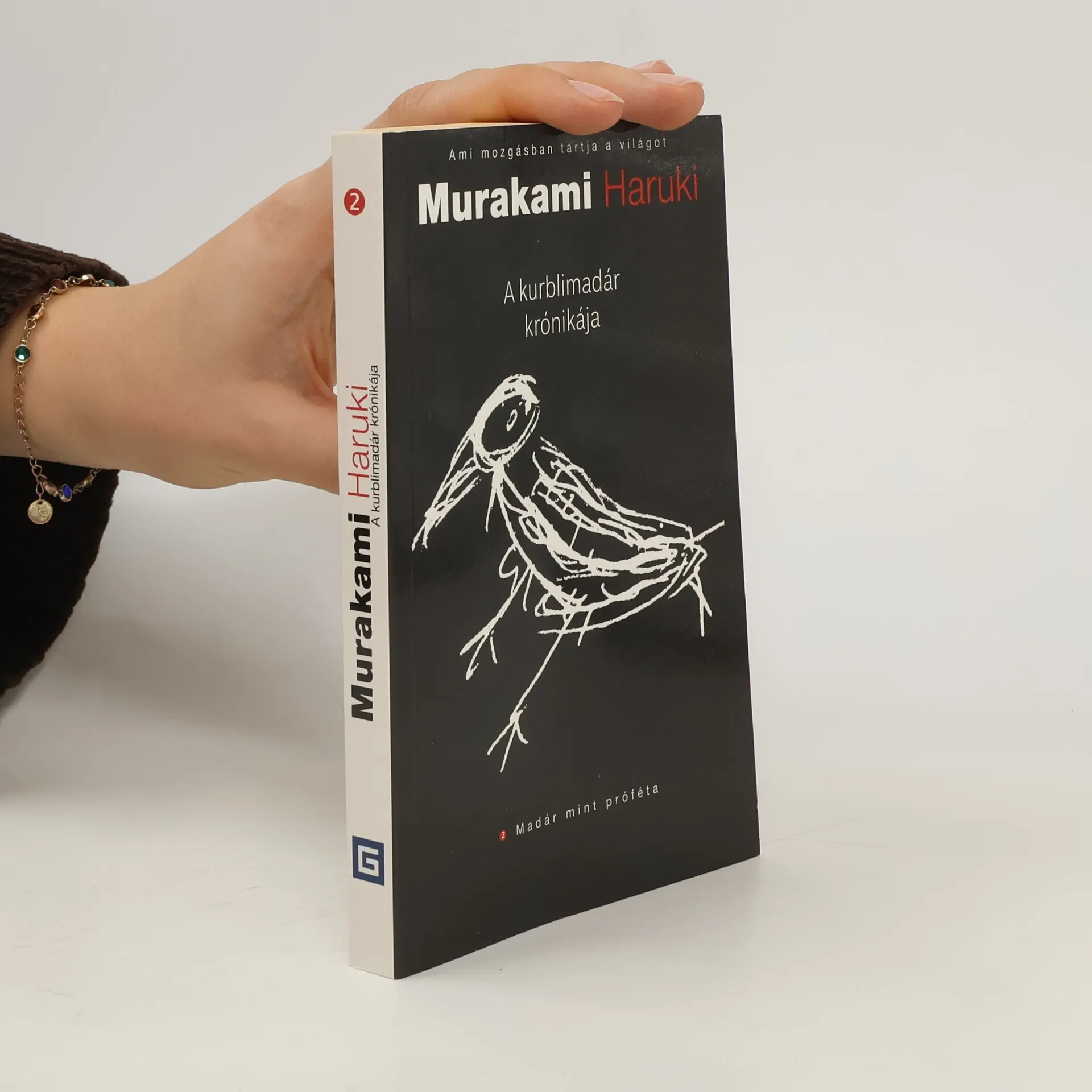
Tokió külvárosában egy Okada Toru nevű munka nélküli fiatalember először csak felesége elveszett macskája keresésére indul, idővel aztán rádöbben, hogy a felesége is elhagyta. A város békés felszíne alatt rejtőző föld alatti világba keveredve különös ismeretséget köt egy testvérpárral, akik a görög szigetvilág két tagjáról kapták a nevüket. A szomszédban lakó bolondos lány révén beavatást nyer a parókakészítés rejtelmeibe, egy nyugalmazott tiszt pedig a mandzsúriai háború tapasztalatait osztja meg vele. A zenekedvelő és rezignált Toru titokzatos állást vállal az inkognitójukat messzemenőkig őrző Szerecsendiónál és Fahéjnál, s eltűnt háziállatának és házastársának felkutatása miatt szó szerint sötét és mély kútba kell alászállnia. Murakami valóságot és misztikumot ötvöző regényének felzaklató történeteit az elbeszélés szenvtelen nyugalma ellensúlyozza, feszült kíváncsiságot ébresztve az olvasóban, aki az események sodrásának engedve képtelen letenni a könyvet. A lapok közül pedig minduntalan kihallatszik a világ mozgásban tartásáért felelős, láthatatlan kurblimadár hangja: gíííííííí...
Tokió külvárosában egy Okada Toru nevű munka nélküli fiatalember először csak felesége elveszett macskája keresésére indul, idővel aztán rádöbben, hogy a felesége is elhagyta. A város békés felszíne alatt rejtőző föld alatti világba keveredve különös ismeretséget köt egy testvérpárral, akik a görög szigetvilág két tagjáról kapták a nevüket. A szomszédban lakó bolondos lány révén beavatást nyer a parókakészítés rejtelmeibe, egy nyugalmazott tiszt pedig a mandzsúriai háború tapasztalatait osztja meg vele. A zenekedvelő és rezignált Toru titokzatos állást vállal az inkognitójukat messzemenőkig őrző Szerecsendiónál és Fahéjnál, s eltűnt háziállatának és házastársának felkutatása miatt szó szerint sötét és mély kútba kell alászállnia. Murakami valóságot és misztikumot ötvöző regényének felzaklató történeteit az elbeszélés szenvtelen nyugalma ellensúlyozza, feszült kíváncsiságot ébresztve az olvasóban, aki az események sodrásának engedve képtelen letenni a könyvet. A lapok közül pedig minduntalan kihallatszik a világ mozgásban tartásáért felelős, láthatatlan kurblimadár hangja: gíííííííí...
Een zesendertigjarige pas gescheiden portretschilder neemt zijn intrek in een oud atelier in de bergachtige omgeving ten zuidwesten van Tokio. Behalve door liefdesperikelen wordt hij geplaagd door een painter’s block, een onvermogen om te schilderen. Hij hoopt in het afgelegen atelier tot rust te komen, en zijn inspiratie terug te vinden, maar het zal anders gaan. Een mysterieus schilderij op de zolder van zijn verblijf lijkt tot leven te komen, vanuit een heuvel in het bos achter het huis klinkt ’s nachts het geluid van een bel. Een meisje verdwijnt, en de hoofdpersoon gaat haar zoeken – een zoektocht die hem afvoert naar de wereld der metaforen, waar hij met zijn diepste angsten wordt geconfronteerd.
Никто не скажет о предлагаемой вашему вниманию книге лучше, чем сам автор — наиболее знаменитый мастер современной японской литературы: «Ультракороткие рассказы (вероятно, это странноватое название, но другого мне не приходит в голову) этого сборника, на самом деле были написаны для серии журнальной рекламы. Первая часть — для марки одежды “J. Press”, вторая — для перьевых ручек «Паркер». Хотя, как видите, содержание рассказов совершенно не связано ни с одеждой, ни с перьевыми ручками. Я просто написал их по собственному вкусу, Андзай Мидзумару сделал для них иллюстрации, а рядом с ними в журнале как-то виновато опубликовали рекламу товара. Серия рассказов для “J. Press” печаталась в журнале “Men’s Club”, серия для ручек — в журнале “Тайё”. Не знаю, насколько эффективными они оказались с точки зрения рекламы, — и, честно говоря, даже думать об этом не хочу».