
Il est encore temps de passer ta commande pour Noël (0 jours, 23 heures)
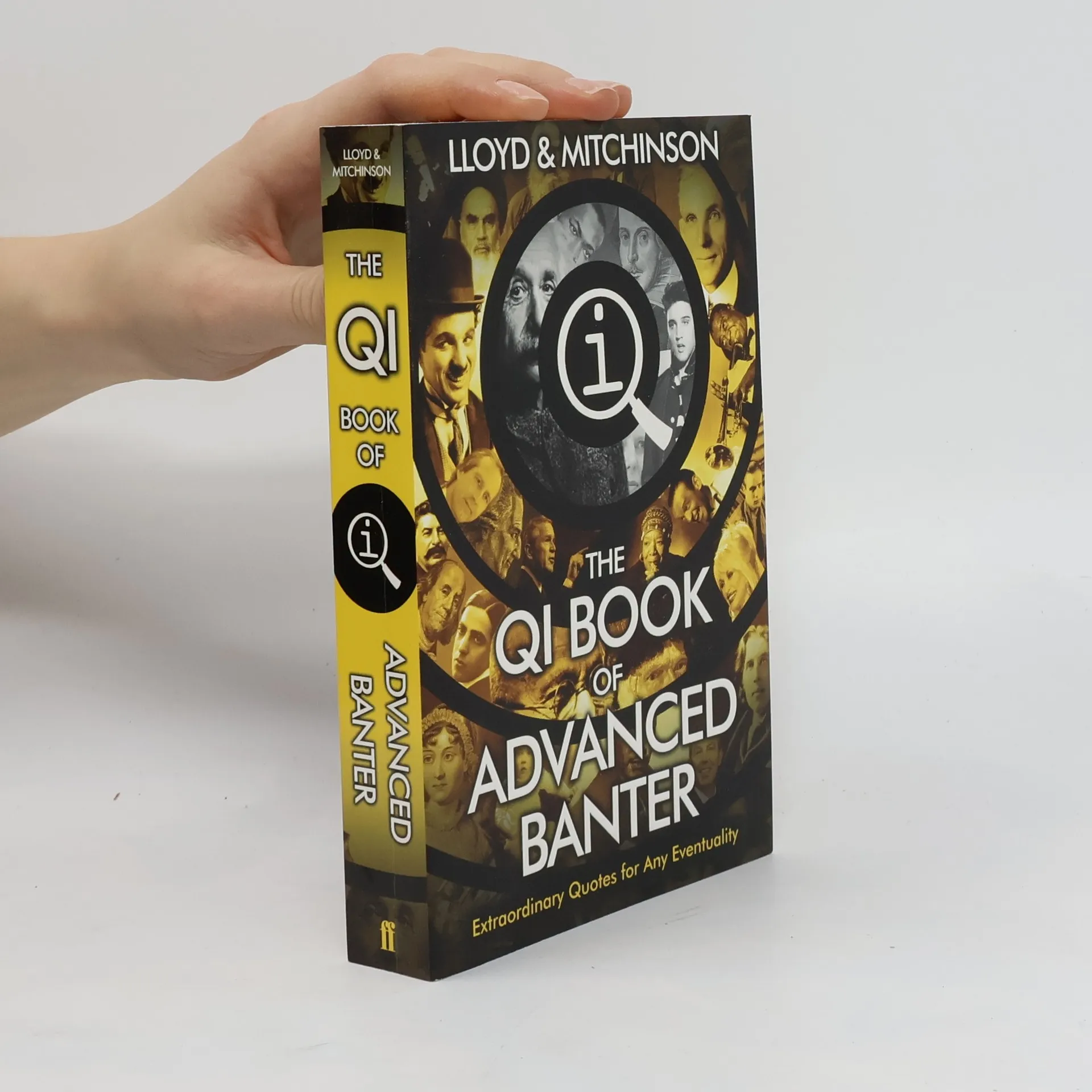
John LloydLivres
30 septembre 1951
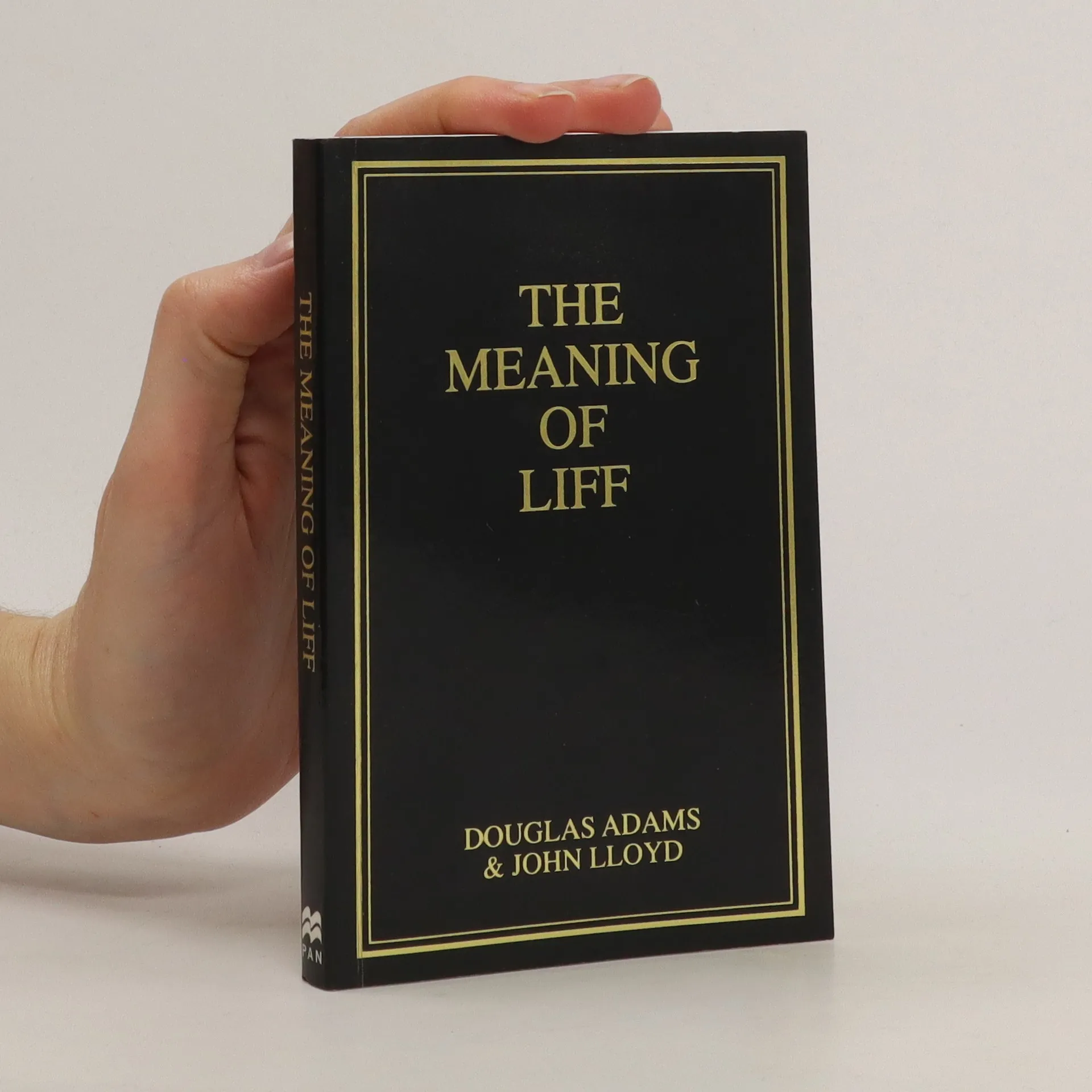
John Lloyd est un auteur de comédie et producteur de télévision britannique célèbre pour son humour spirituel et intellectuellement stimulant. Il a collaboré avec Douglas Adams sur Le Guide du voyageur galactique et a créé des émissions révolutionnaires comme QI, qui défend les aspects curieux et intéressants du monde. Son travail explore constamment l'absurdité et l'ironie de la vie avec une sensibilité typiquement britannique.
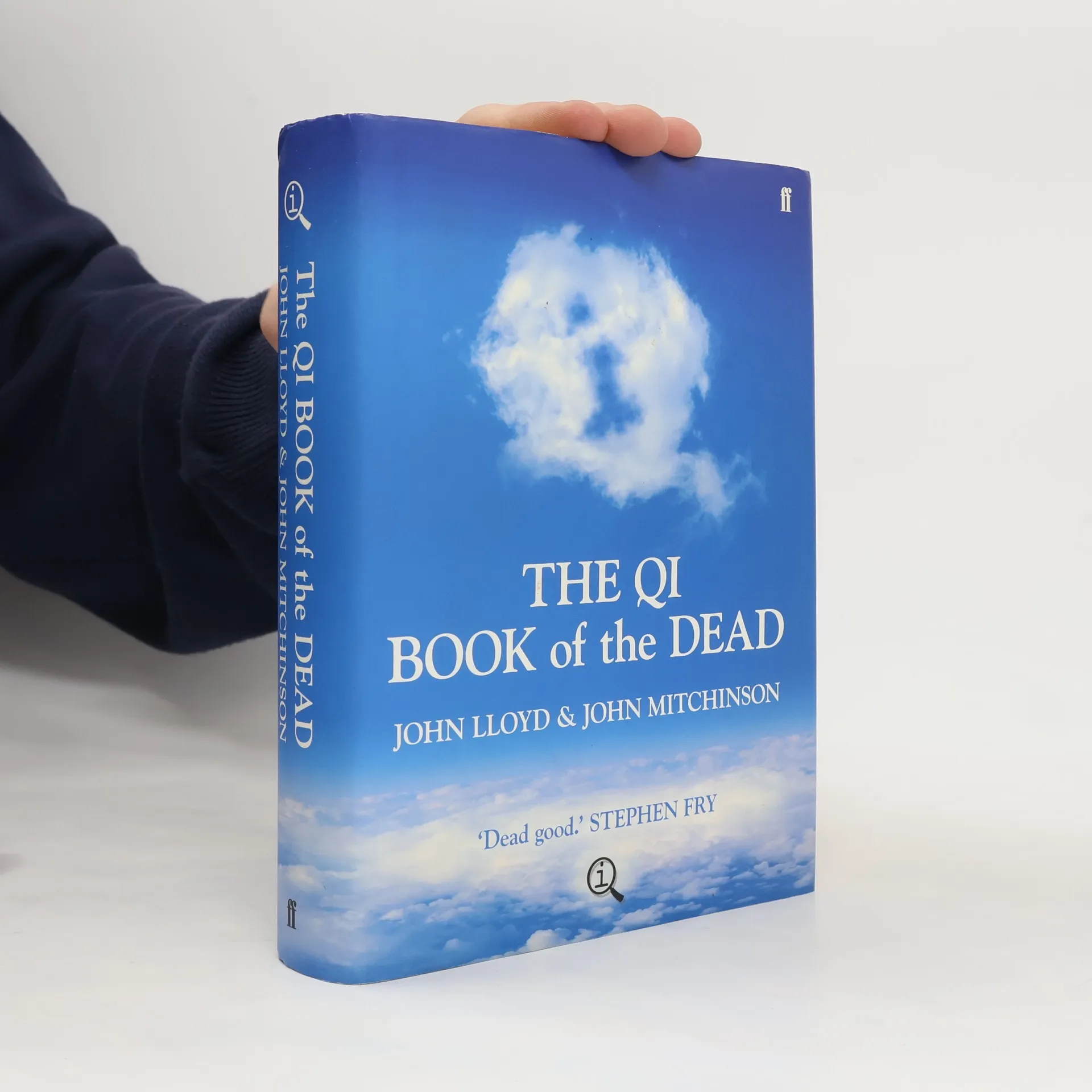
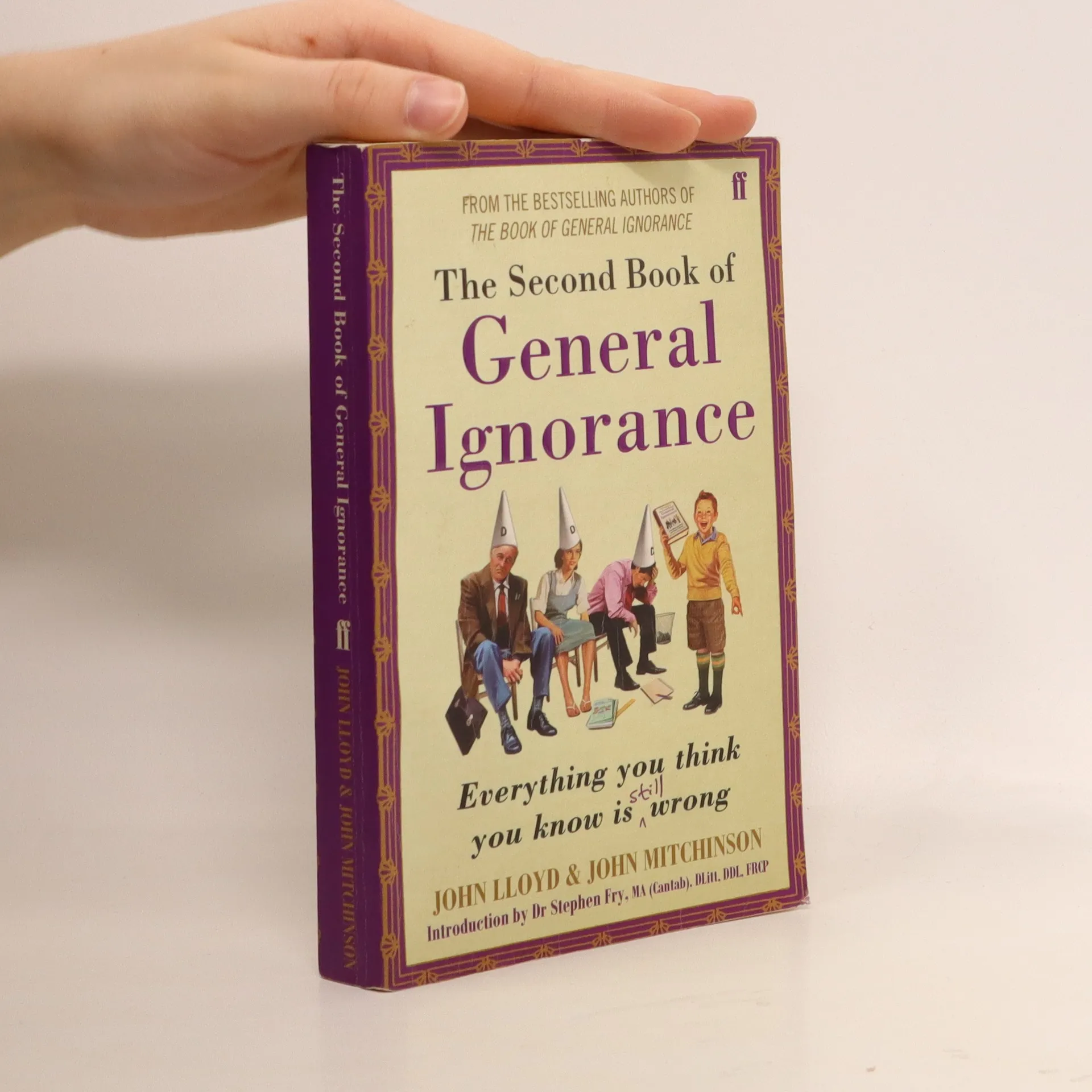
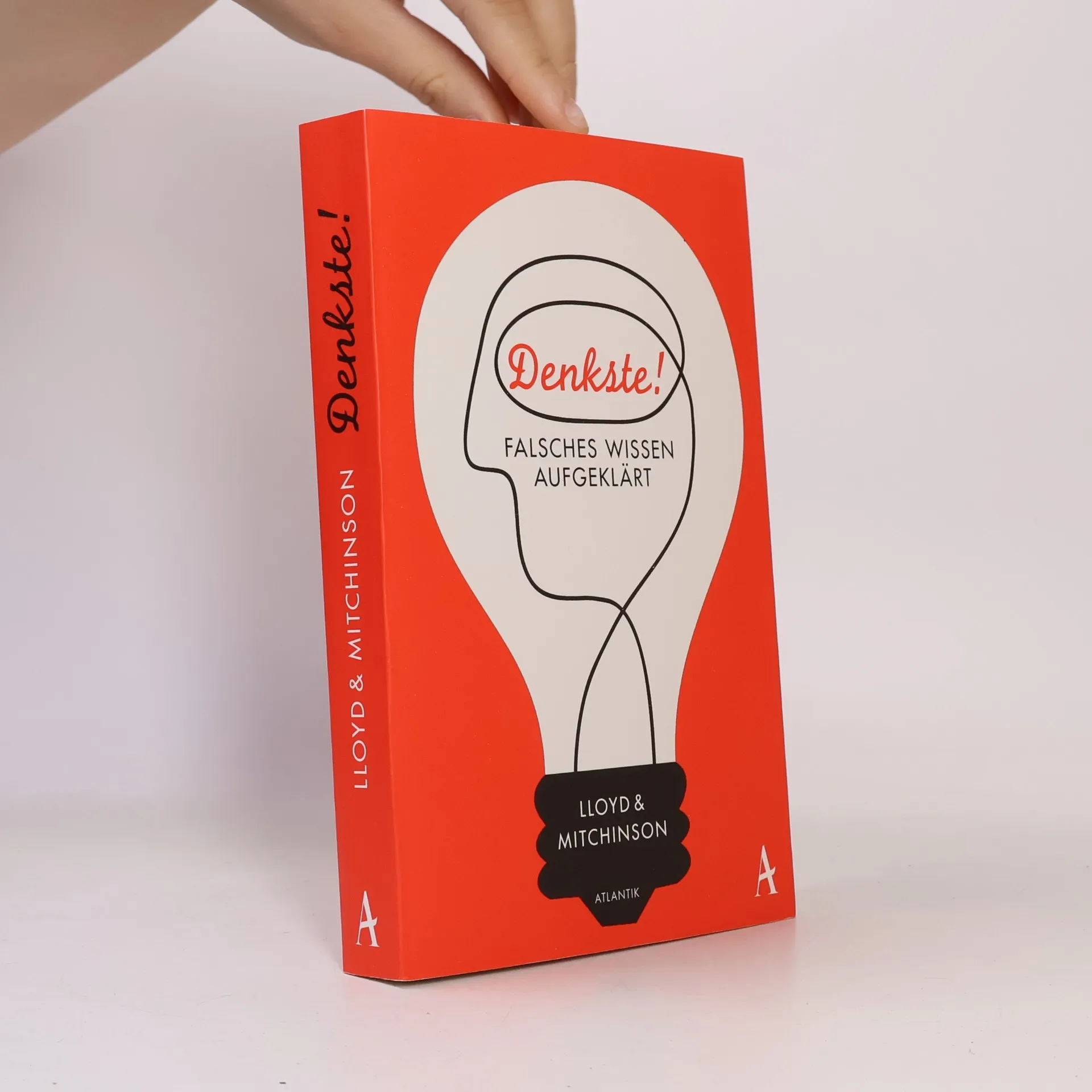
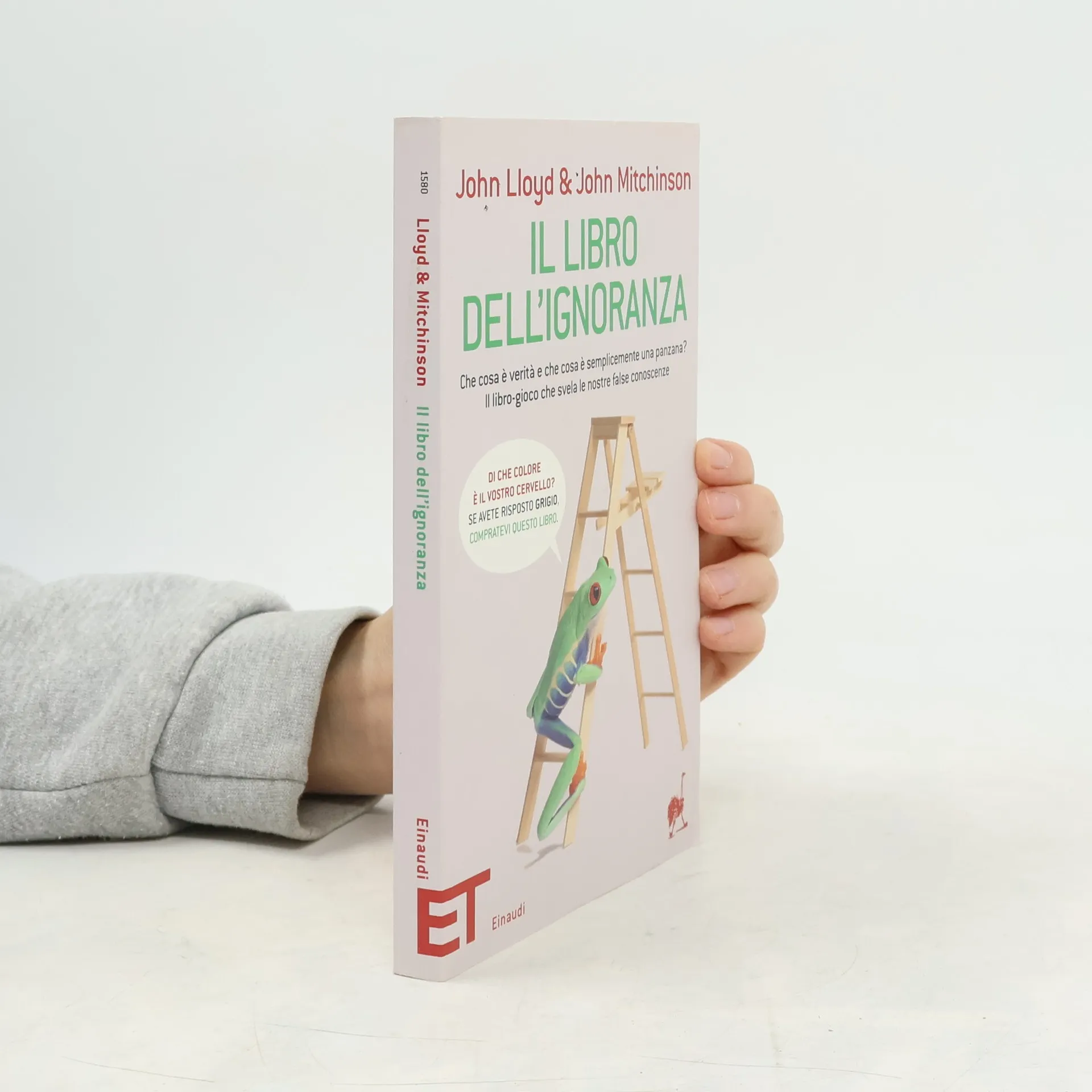
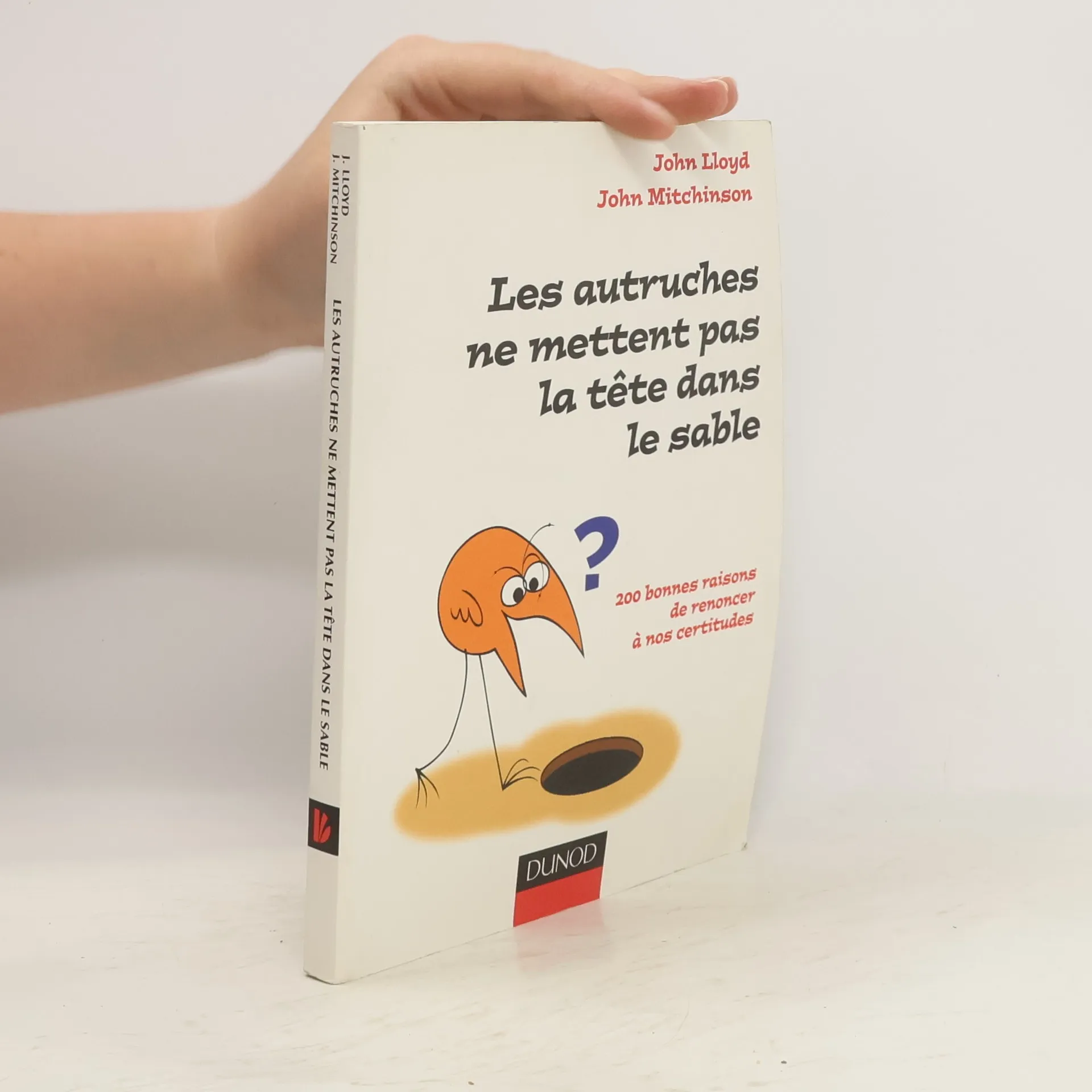
Si vous croyez que les êtres humains n'ont que deux narines, que l'on écrit au tableau noir avec de la craie, que le Sahara est l'endroit le plus sec de la Terre, alors vous avez besoin de ce livre. Et de toute urgence, car tout ce que vous croyez savoir est faux ! Vous trouverez enfin les bonnes réponses aux questions qui obsèdent depuis des lustres les scientifiques et les piliers de bar. Mais attention, des réponses solidement étayées scientifiquement ! Selon Thomas Edison, l'homme qui n'a pas inventé l'ampoule électrique : " Nous ne savons pas un millionième de quoi que ce soit. "
John Lloyd was the poster boy of British tennis, a former British number one,
Grand Slam finalist, Wimbledon mixed-doubles champion and Davis Cup captain.
This autobiography is filled with captivating tales of Hollywood celebrities,
tennis icons and lost loves, along with sobering details of his battle with
cancer and drug addiction in his family.
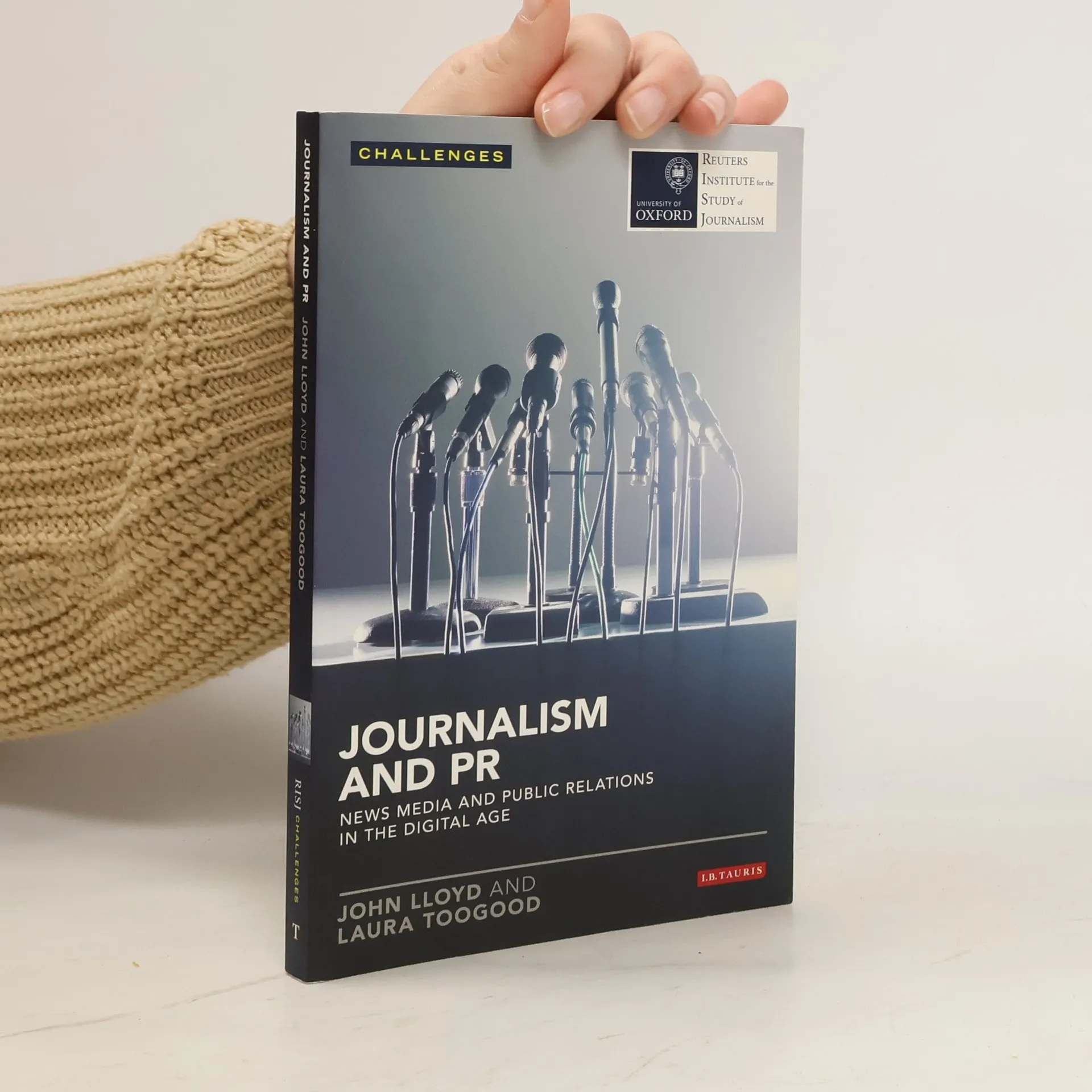
Public relations and journalism have historically maintained a complex relationship marked by both dependence and distrust. Journalists wield the power to control access to information, while PR professionals possess compelling stories, contacts, and substantial budgets for campaigns. The advent of the internet and social media has significantly altered this dynamic, transforming audiences into active participants who can influence the reputation and brand of entities ranging from political figures to consumer products through viral content. In this environment, organizations seek greater protection against potential reputational damage caused by individual missteps or public miscommunications. The digital age compels public figures and institutions to safeguard their images while leveraging new channels for self-promotion, bypassing traditional media gatekeepers. Consequently, communications professionals have gained increased importance and influence within business and political spheres. Organizations must now function as media entities, disseminating messages continuously and creating engaging content to attract and involve their audiences. As journalism adapts to this evolving landscape, characterized by the breakdown of old barriers and the establishment of new relationships—often with PR at the forefront—this study sheds light on a transformed media landscape that is both more transparent and more vulnerable.
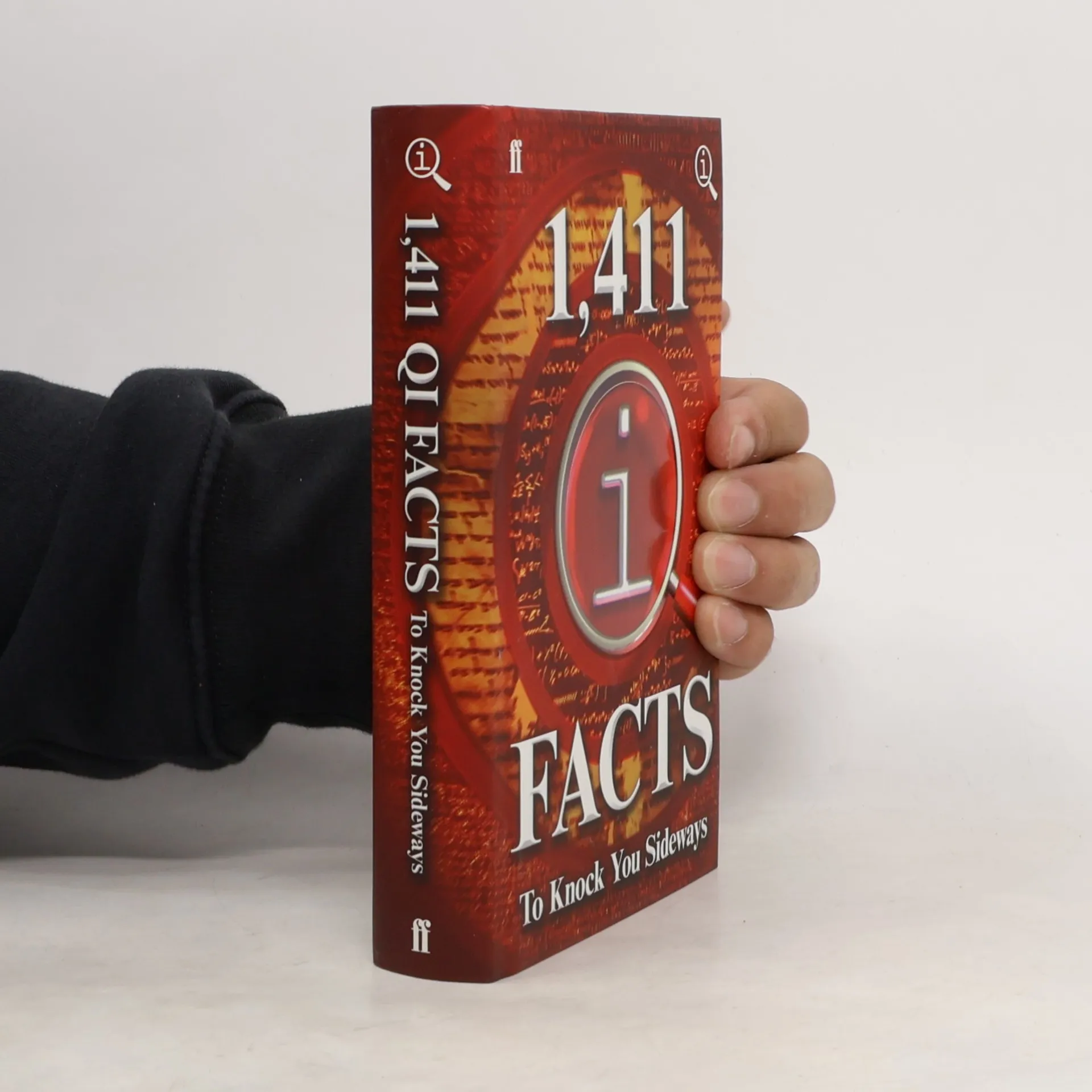
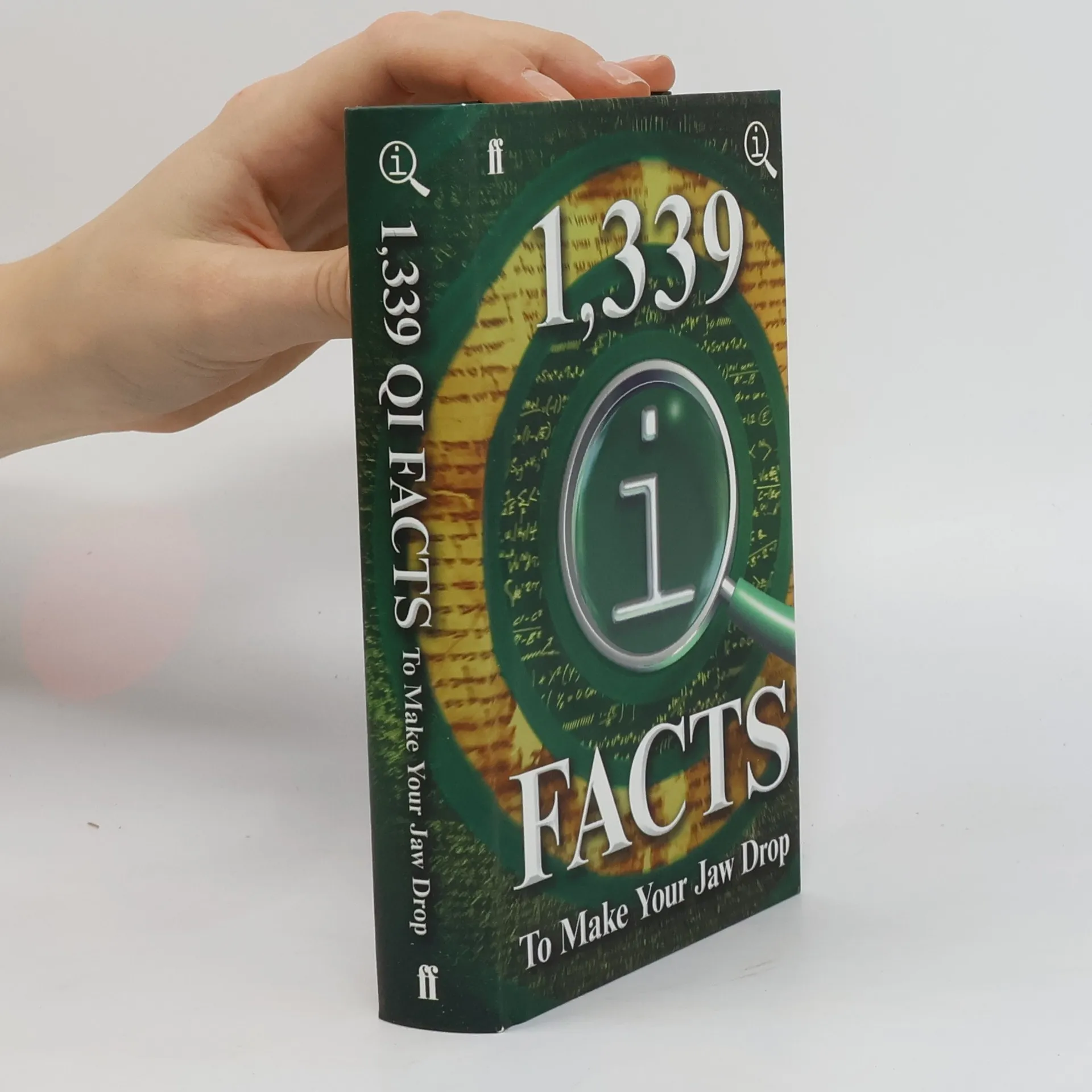
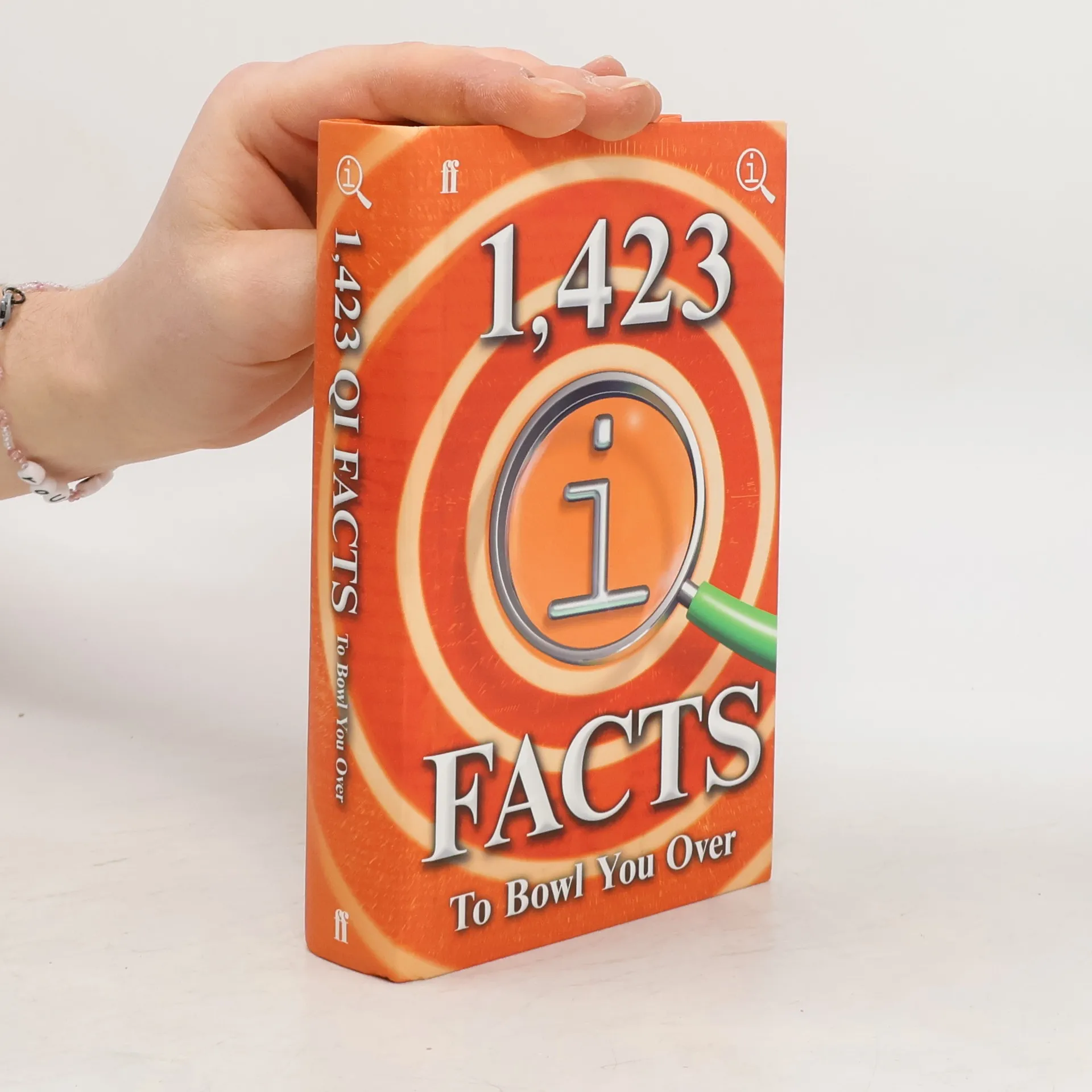
Presents a selection of 1,423 facts to bowl you over. This title includes
facts such as: Bees can play football; cholesterol is good for you; camels
gave humans the common cold; English has 3,000 words relating to drunkenness;
in 1851 all the 436,800 sandwiches sold in London were ham; and, Iceland has
more volcanoes than footballers.
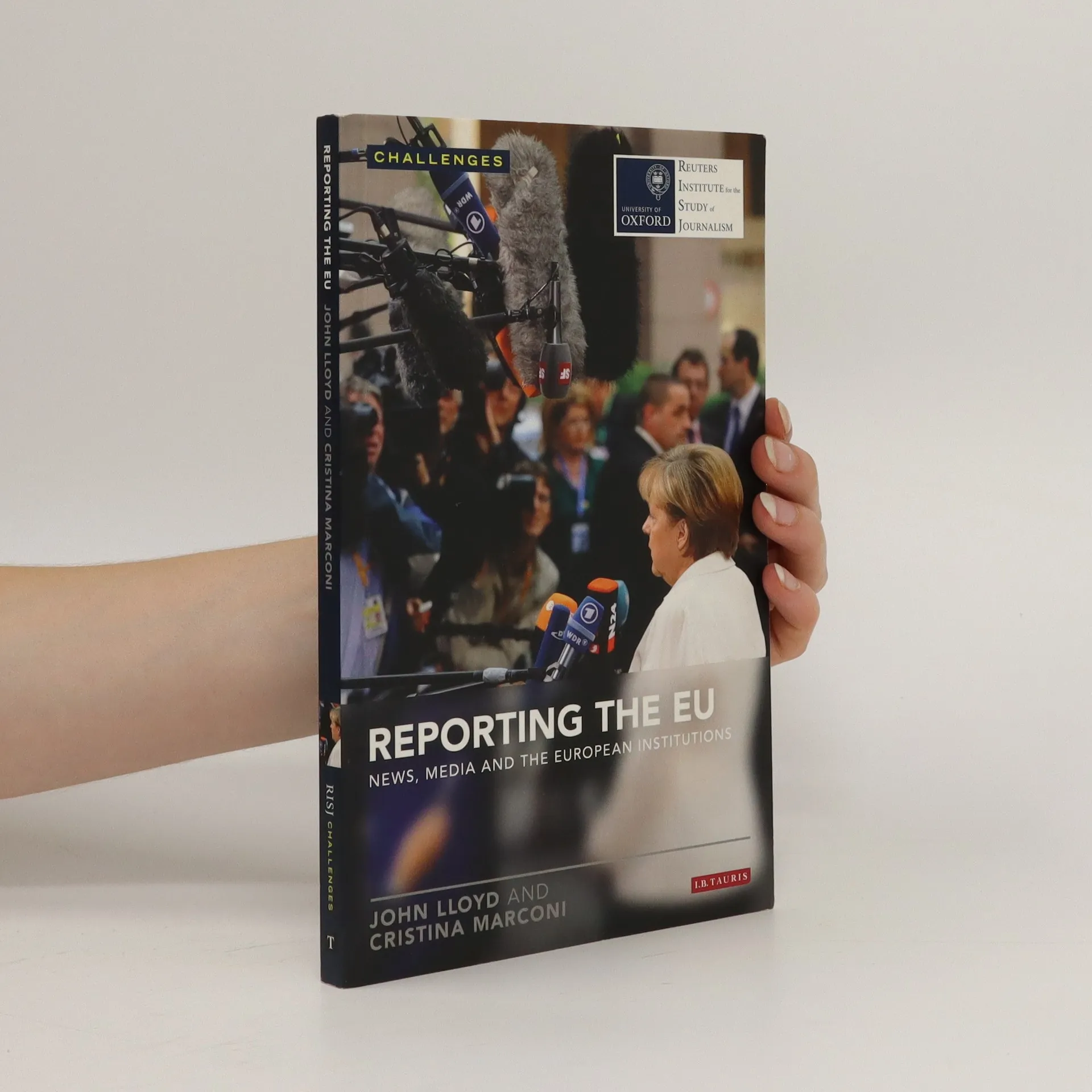
Annotation In recent years, media coverage of the European Union has faced its most serious test. The crisis in the Euro currency has thrown into sharp relief the shortcomings of a style of reporting too often unable to engage the interest of audiences deeper than political, official, academic and diplomatic elites. The crisis also put under the spotlight a style of journalism which is geared largely towards reporting on relations between the EU and the country which the news organisation serves. This book, based on extensive interviews with EU correspondents, editors, public relations and other EU executives, reveals how this powerful group of institutions at the heart of the Union are covered - or are not covered
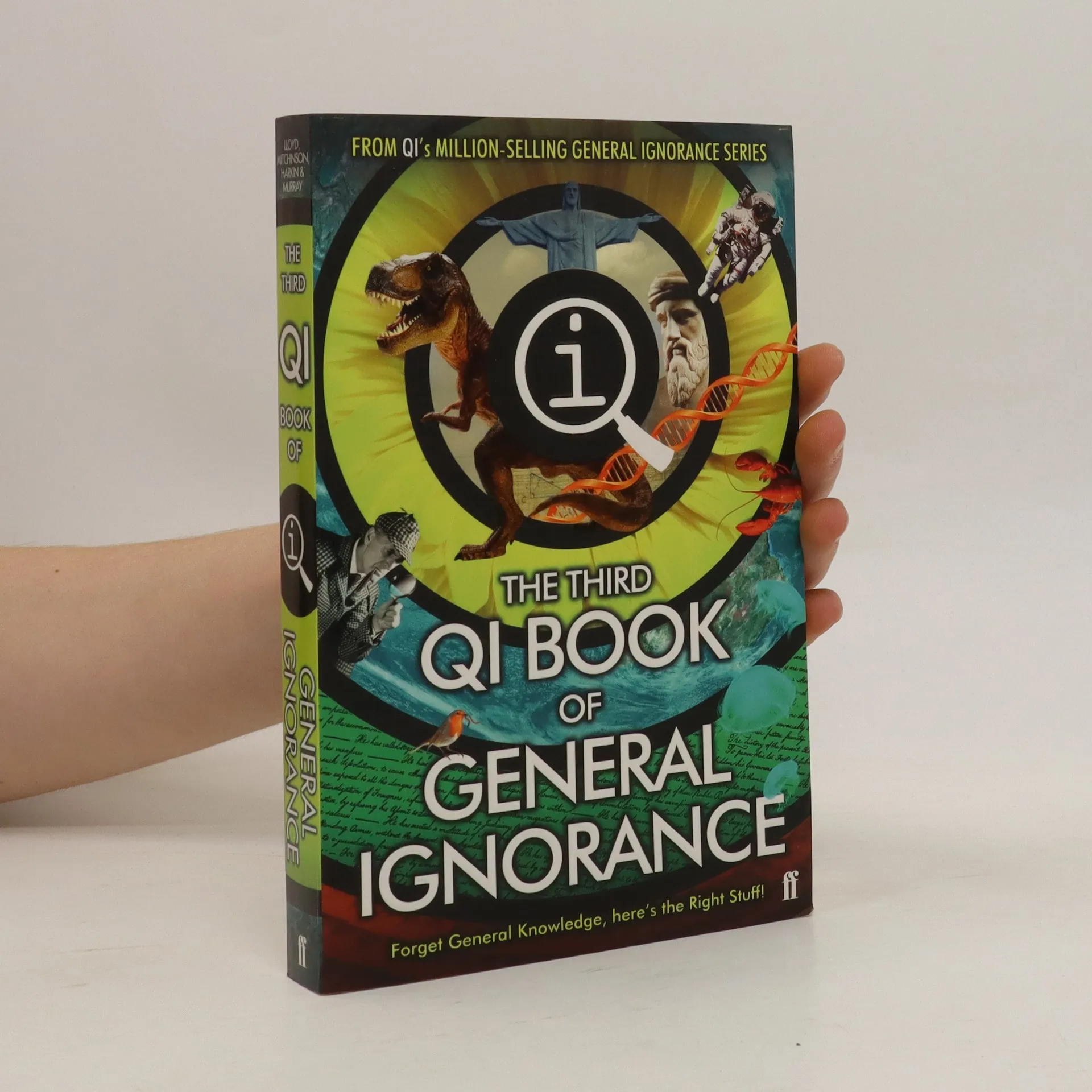
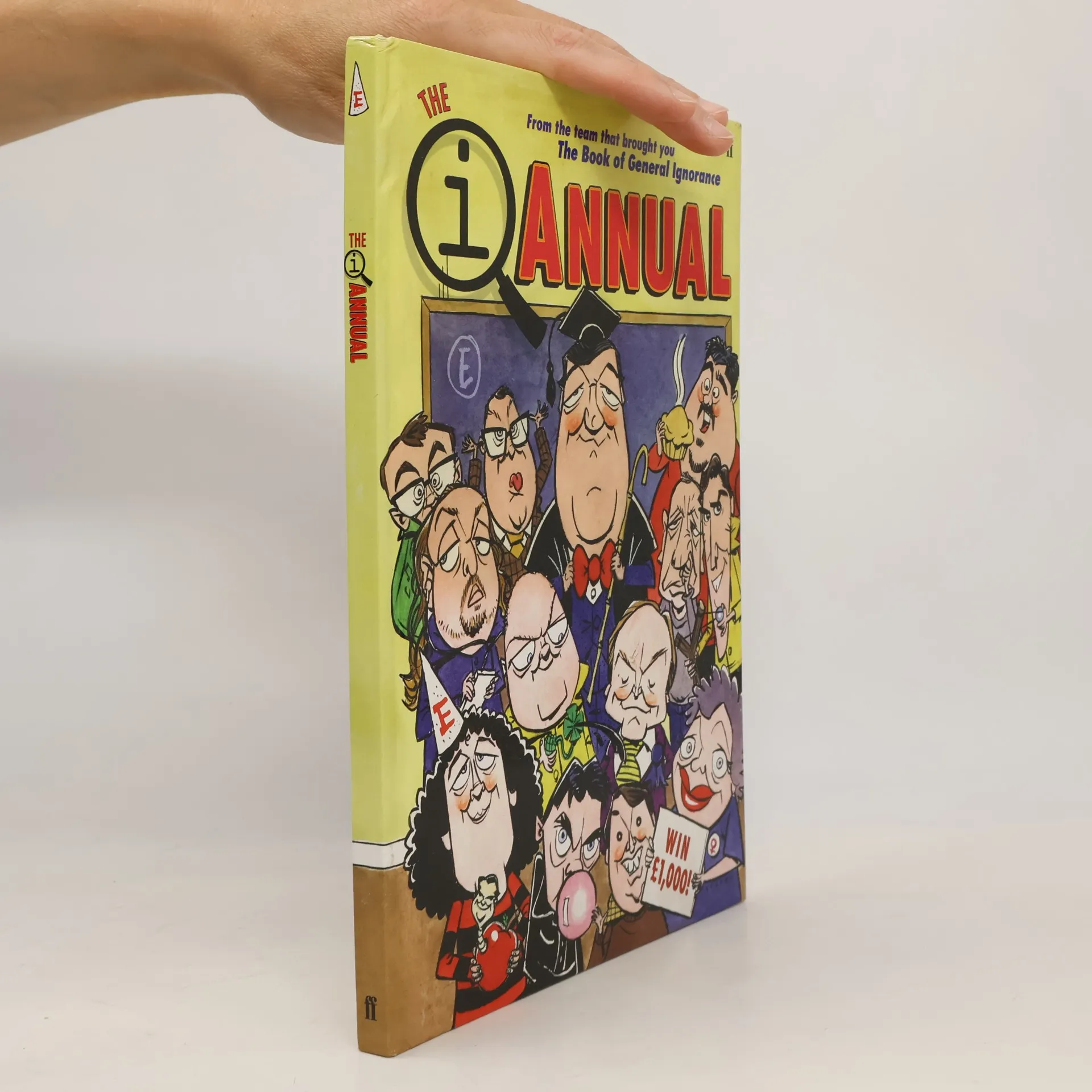
The Third Book of General Ignorance gathers together 180 questions, both new and previously featured on the BBC TV programme's popular 'General Ignorance' round, and show why, when it comes to general knowledge, none of us knows anything at all. Who invented the sandwich? What was the best thing before sliced bread? Who first ate frogs' legs? Which cat never changes its spots? What did Lady Godiva do? What can you legally do if you come across a Welshman in Chester after sunset?
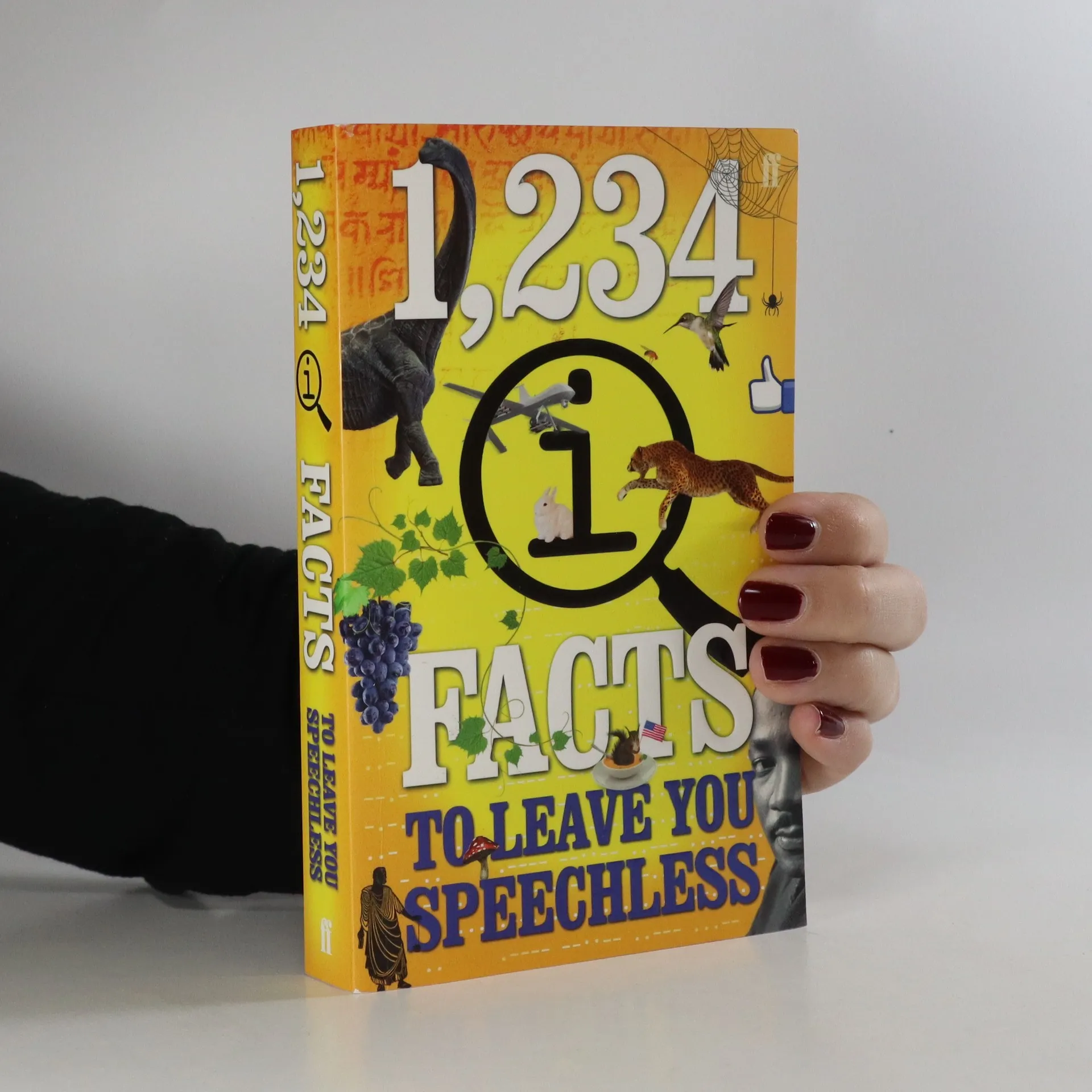
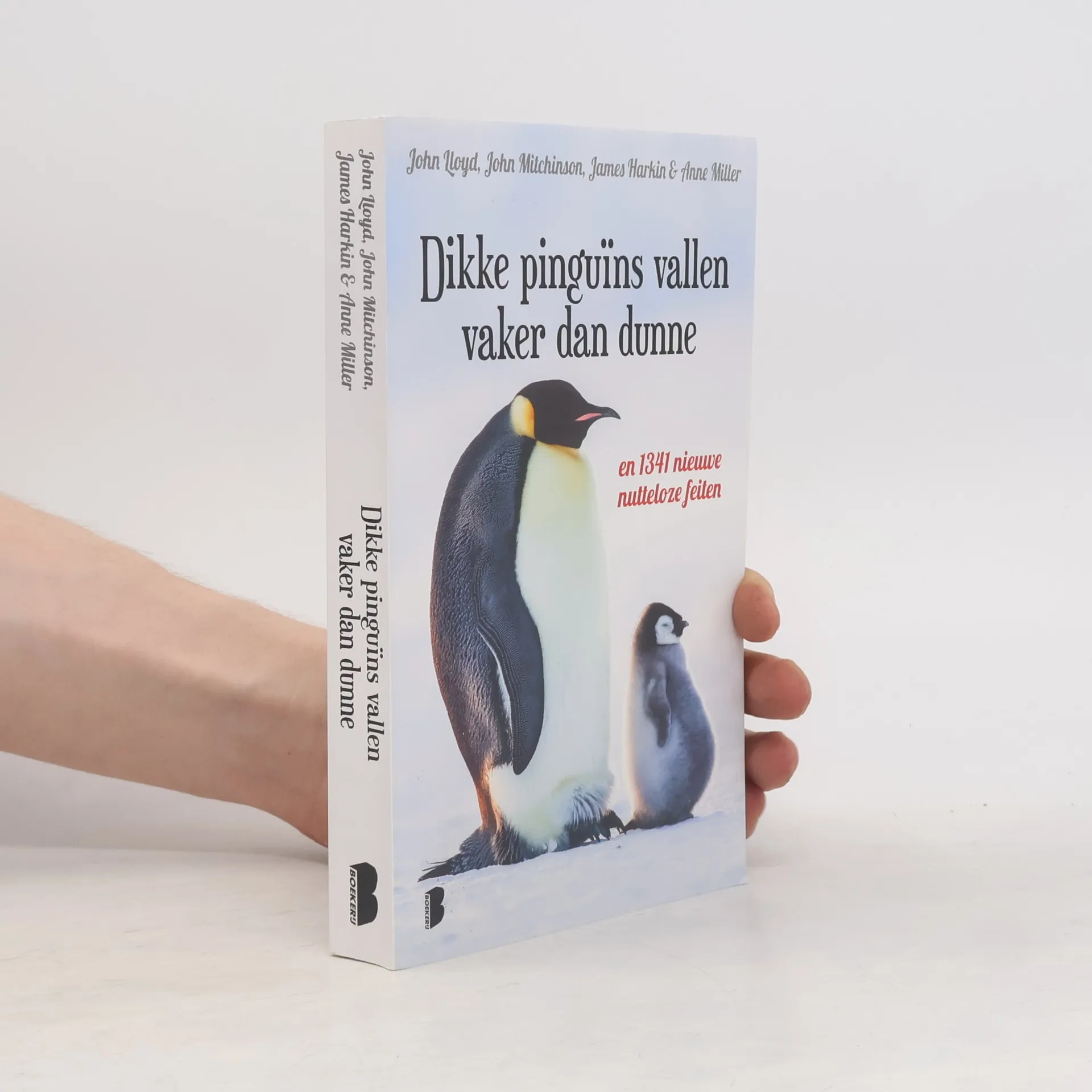
The QI team have blown your socks off, made your jaw drop and knocked you sideways. Now they return with 1,234 brand-new mind-blowing facts that will leave you speechless. - Flowers get suntans. - Denmark imports prisoners. - Bees can fly higher than Mount Everest. - The Republic of Ireland first got postcodes in 2015. - Martin Luther King Jr got a C+ in Public Speaking. - No one in the UK dies of 'natural causes'. - Penguins can't taste fish.
ALL NEW FACTS FROM THE QI TEAM!Orchids can get jetlag. There are 177,147 ways
to tie a tie. The soil in your garden is 2 million years old.1,227 QI Facts
blew your socks off. 1,339 QI Facts made your jaw drop.