A Chinese classic, the Chuang Tzu was written sometime in the 4th century BC, and consists of original teachings, stories, tales and jokes told by Master Chuang, as well as others which have coalesced round his name. It is considered second only to the Tao Te Ching, but the two books coundn't be more different. Where the Tao Te Ching is distant and proverbial in style, the Chuang Tze buzzes with life and with insights, often with considerable humour behind them.
Zhuangzi Livres
Zhuangzi, ou « Maître Zhuang », s'impose comme l'un des premiers penseurs, après Laozi, à avoir façonné la philosophie connue sous le nom de Daojia, ou l'École du Tao. Son style littéraire est remarquablement complexe, mêlant des éléments mythiques, poétiques, narratifs, humoristiques et indirects, tout en conservant une profondeur polysémique. Zhuangzi est classé parmi les plus grands géants littéraires et philosophiques que la Chine ait produits. Son œuvre offre une exploration unique et profonde de l'existence, caractérisée par sa voix distinctive et sa pertinence durable.
A selected translation with an exposition of the philosophy of Kuo Hsiang.
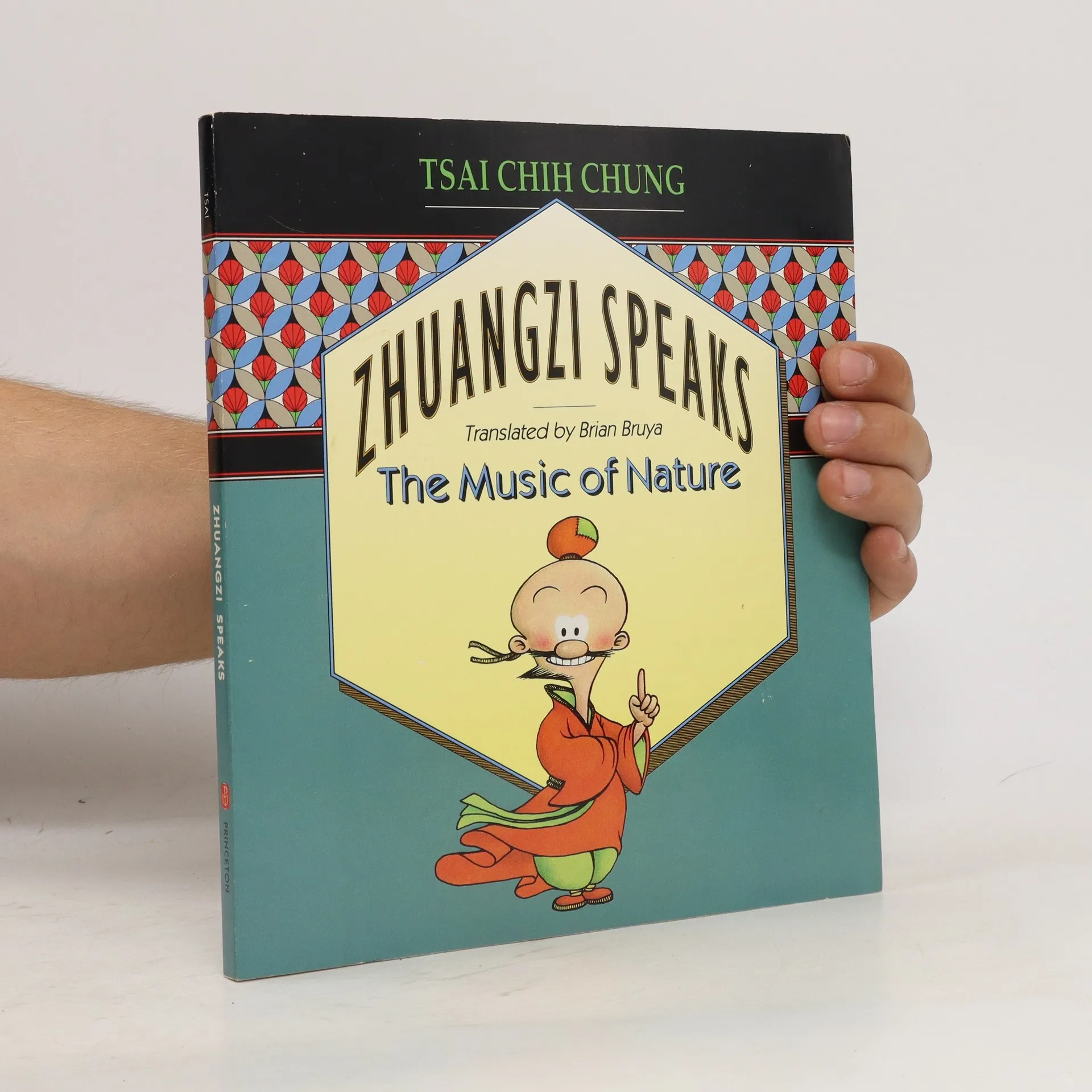
Zhuangzi Speaks. The Music of Nature
- 160pages
- 6 heures de lecture
Selections from the sayings of Zhuangzi rendered into cartoon form and translated into English.
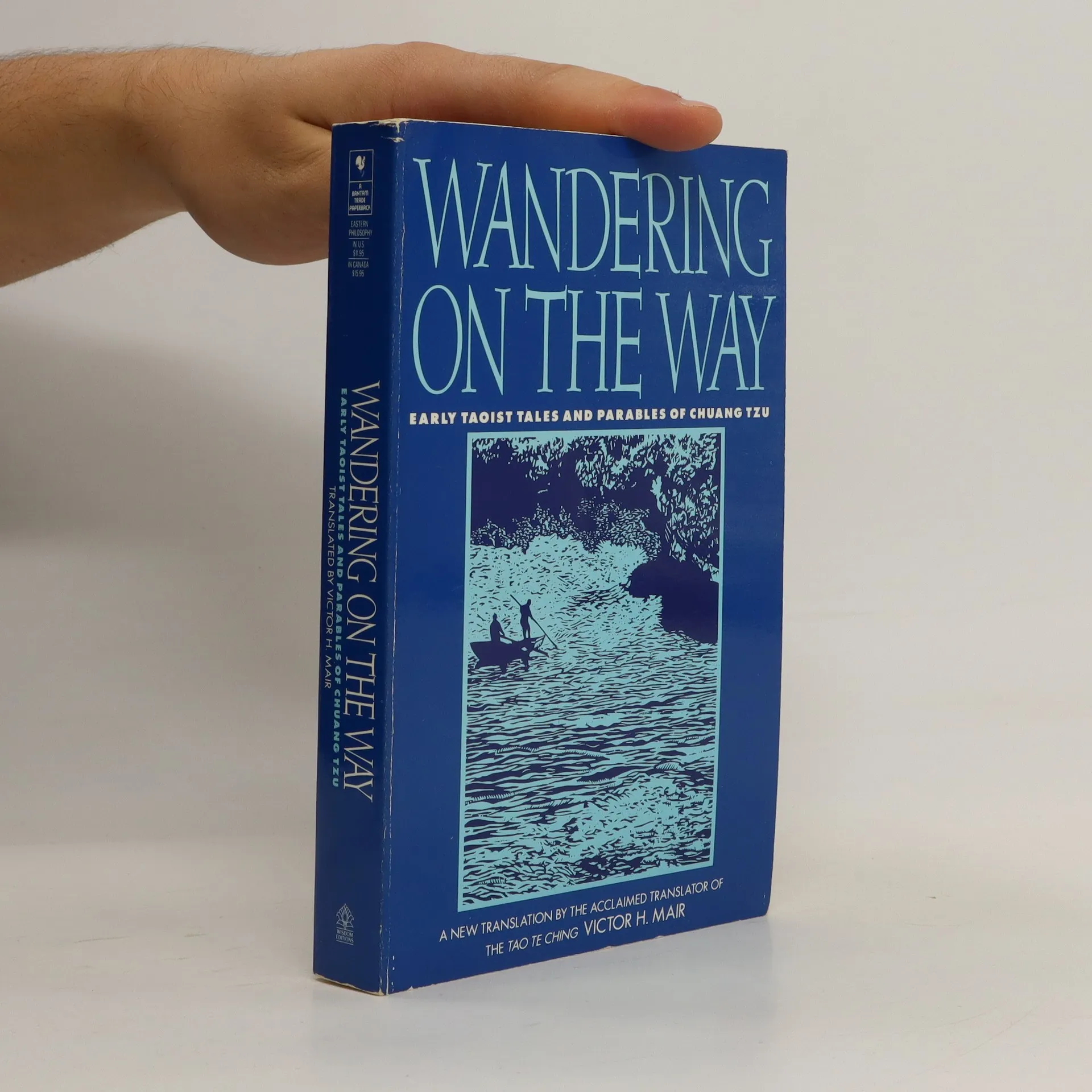
Wandering on the way : early Taoist tales and parables of Chuang Tzu
- 402pages
- 15 heures de lecture
Acclaimed for his authoritative translation of the Tao Te Ching, Victor Mair, one of the foremast translators of ancient Chinese, reclaims for the modern reader another of the great books of Eastern wisdom. Although less well known in the West than the Tao Te Ching, the work of Chuang Tzu is every bit its equal as a classic of Taoist thought. But this collection of tales, poems, and parables is also one of the most playful and witty books in world literature. In this vivid, contemporary translation, Victor Mair captures the quintessential life and spirit of Chuang Tzu while remaining faithful to the text. ... Complete with an authoritative introduction on Chuang Tzu and his place in Chinese thought and history, as well as a glossary of key terms and concepts, this translation by Victor Mair is destined to become the definitive edition of Chuang Tzu's work in our time. — from back cover. Illustrated throughout with woodcuts by the illustrator of the Tao Te Ching.
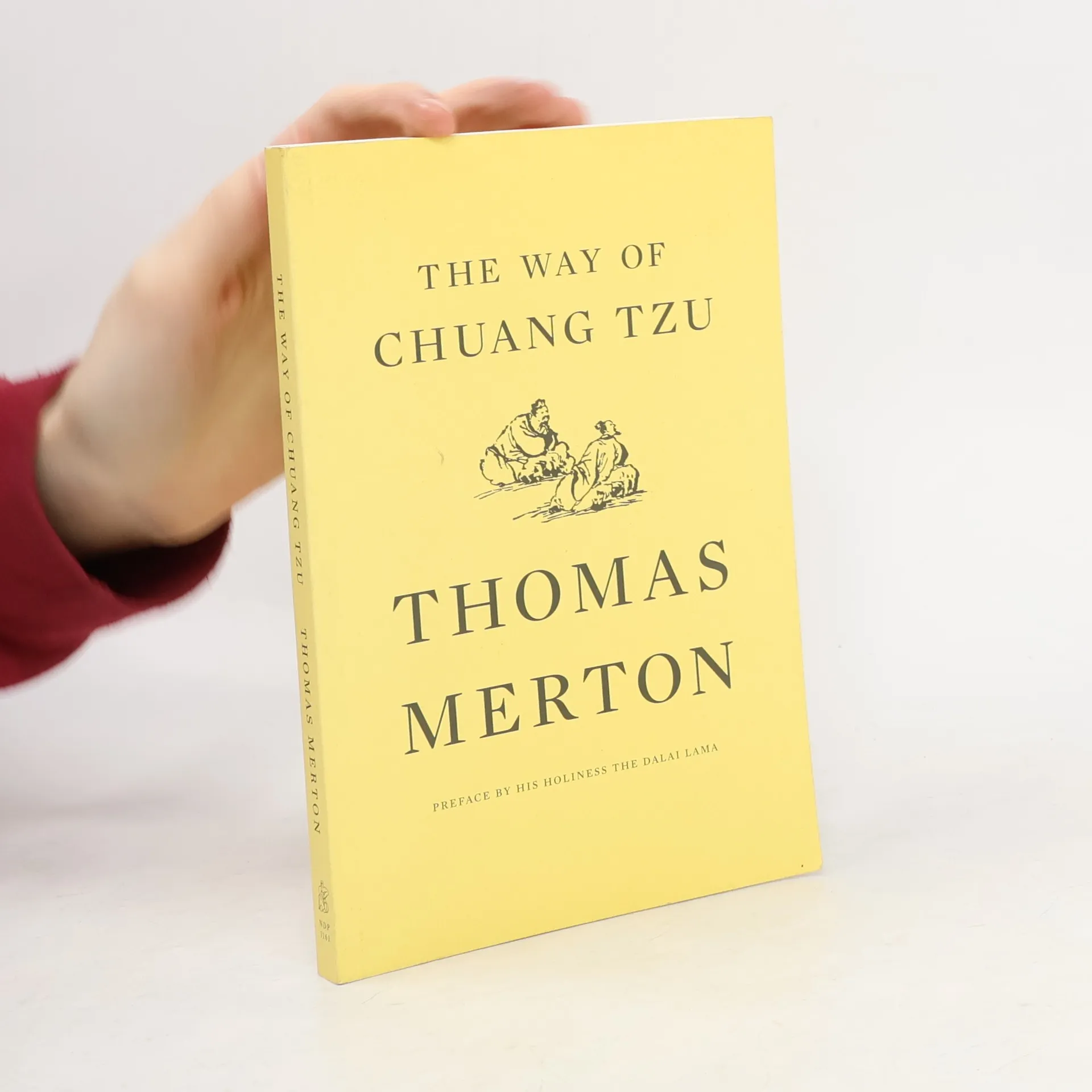
The Way of Chuang Tzu
- 159pages
- 6 heures de lecture
Classic writings from the great Zen master in exquisite versions by Thomas Merton, in a new edition with a preface by His Holiness the Dalai Lama.
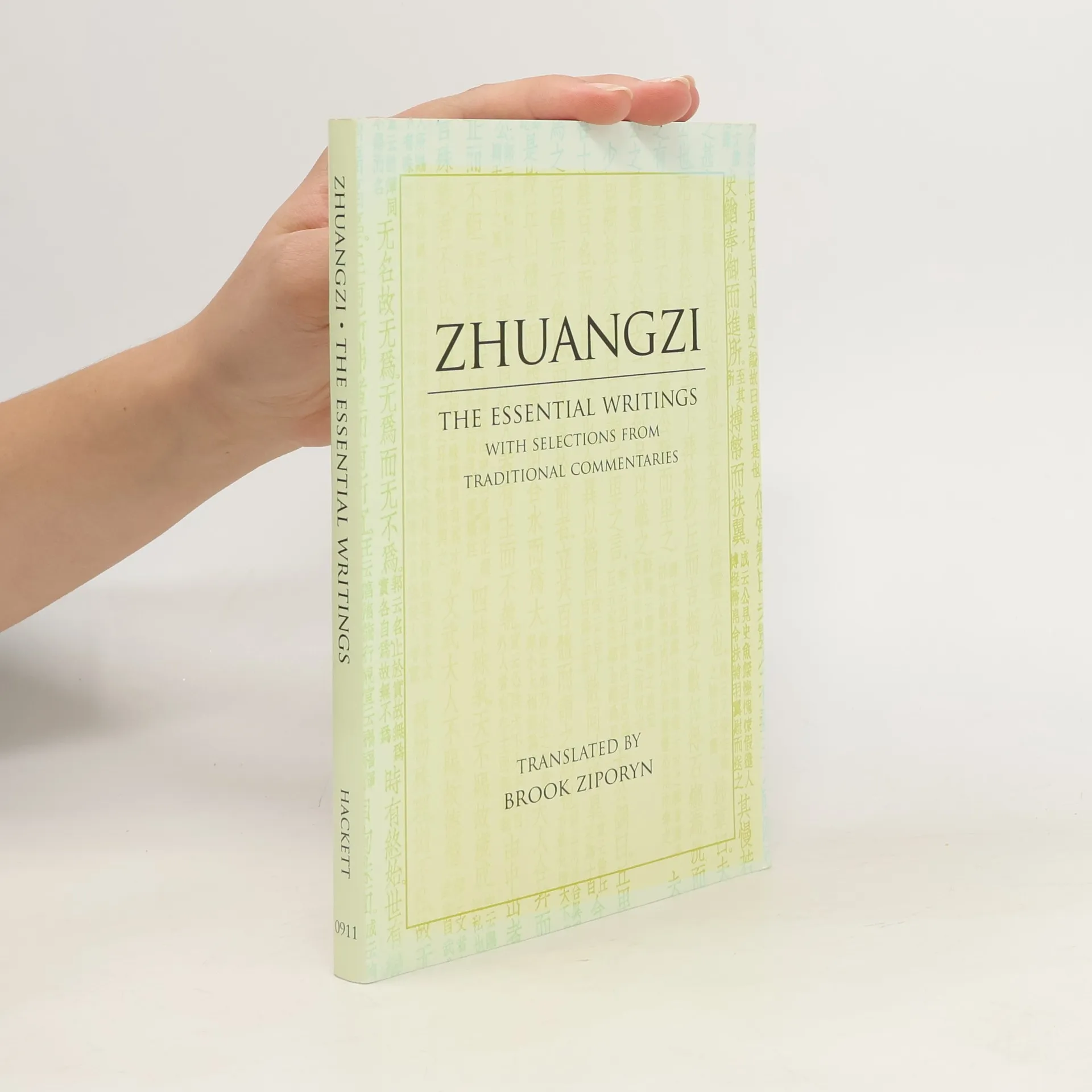
Zhuangzi: The Essential Writings
- 256pages
- 9 heures de lecture
A translation of over two-thirds of the classic Daoist text Zhuangzi (Chuang Tzu), including the complete inner chapters and selections from the outer and miscellaneous chapters, as well as judicious selections from 2000 years of traditional Chinese commentaries.
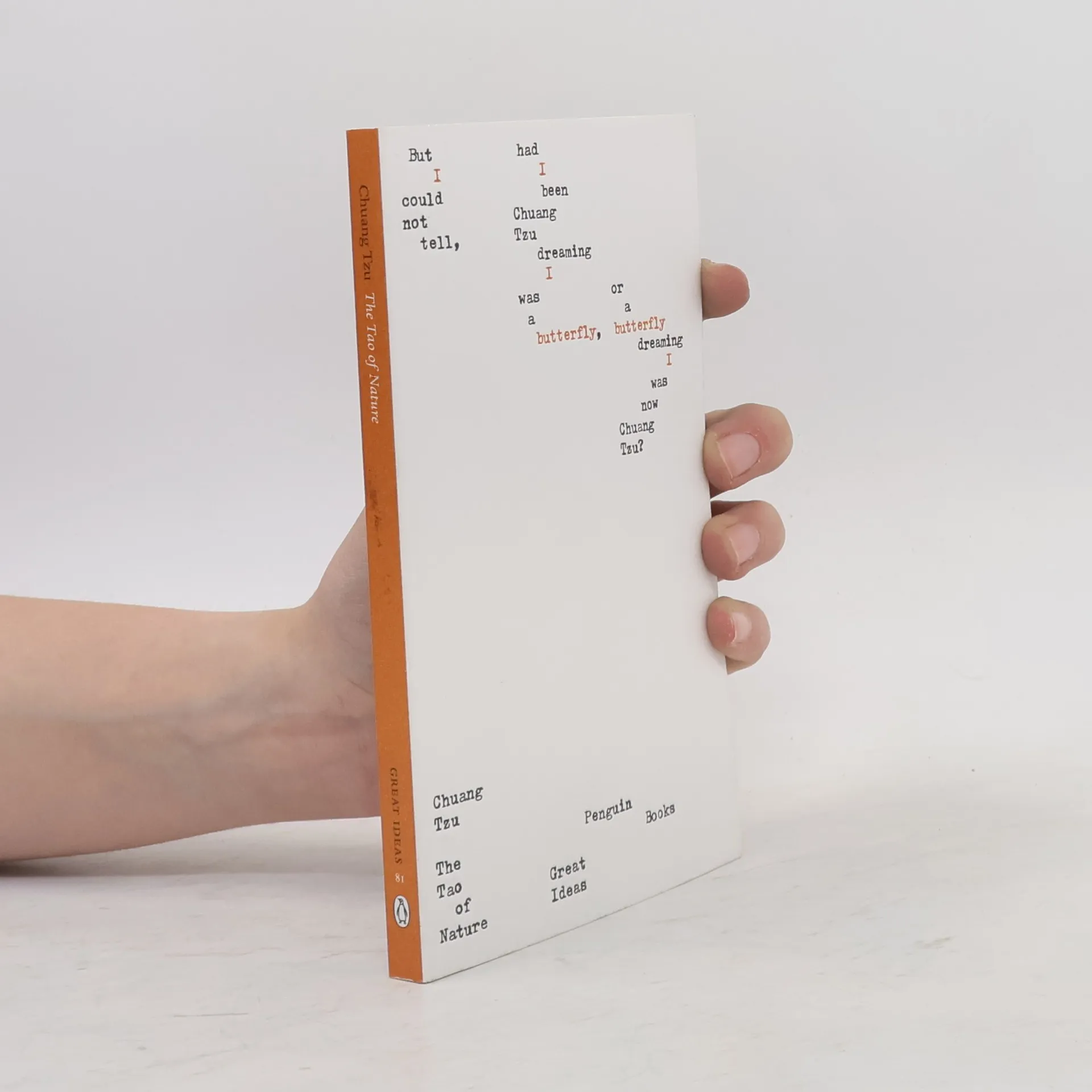
The Tao of Nature
- 128pages
- 5 heures de lecture
Chuang Tzu examines the nature of existence in these dialogues and essays, from the battle to grasp the purpose of life to the search for knowledge. A collection of some of the most absorbing and charming philosophy ever written, THE TAO OF NATURE is also about perfection, perception, the value of skills and the truth revealed by complete understanding.
The Four Chinese Classics
- 544pages
- 20 heures de lecture
Discover 4 seminal masterworks of Chinese thought—Lao Tzu’s Tao Te Ching, the Analects of Confucius, the Chuang Tzu, and the Mencius—presented in one volume for the first time in nearly 2 centuries. Award-winning translator David Hinton offers fresh insights on the most influential texts on Taoism, Zen Buddhism, Chinese philosophy, and more. Hinton’s award–winning experience translating a wide range of ancient Chinese poets makes these books sing in English as never before. But these new versions are not only inviting and immensely readable—they also apply much-needed consistency to key philosophical terms in these texts, lending structural links and philosophical rigor heretofore unavailable in English. Breathing new life into these classics, Hinton’s new translations will stand as the definitive texts for our era. Perhaps the most broadly influential spiritual text in human history, Lao Tzu’s Tao Te Ching is the source of Taoist philosophy, which eventually developed into Ch’an (Zen) Buddhism. Equally influential in the social sphere, Confucius’ Analects is the source of social wisdom in China. The Chuang Tzu is the wild and wacky prose complement to the Tao Te Ching. And with its philosophical storytelling, the Mencius adds depth and complexity to Confucius’ vision.
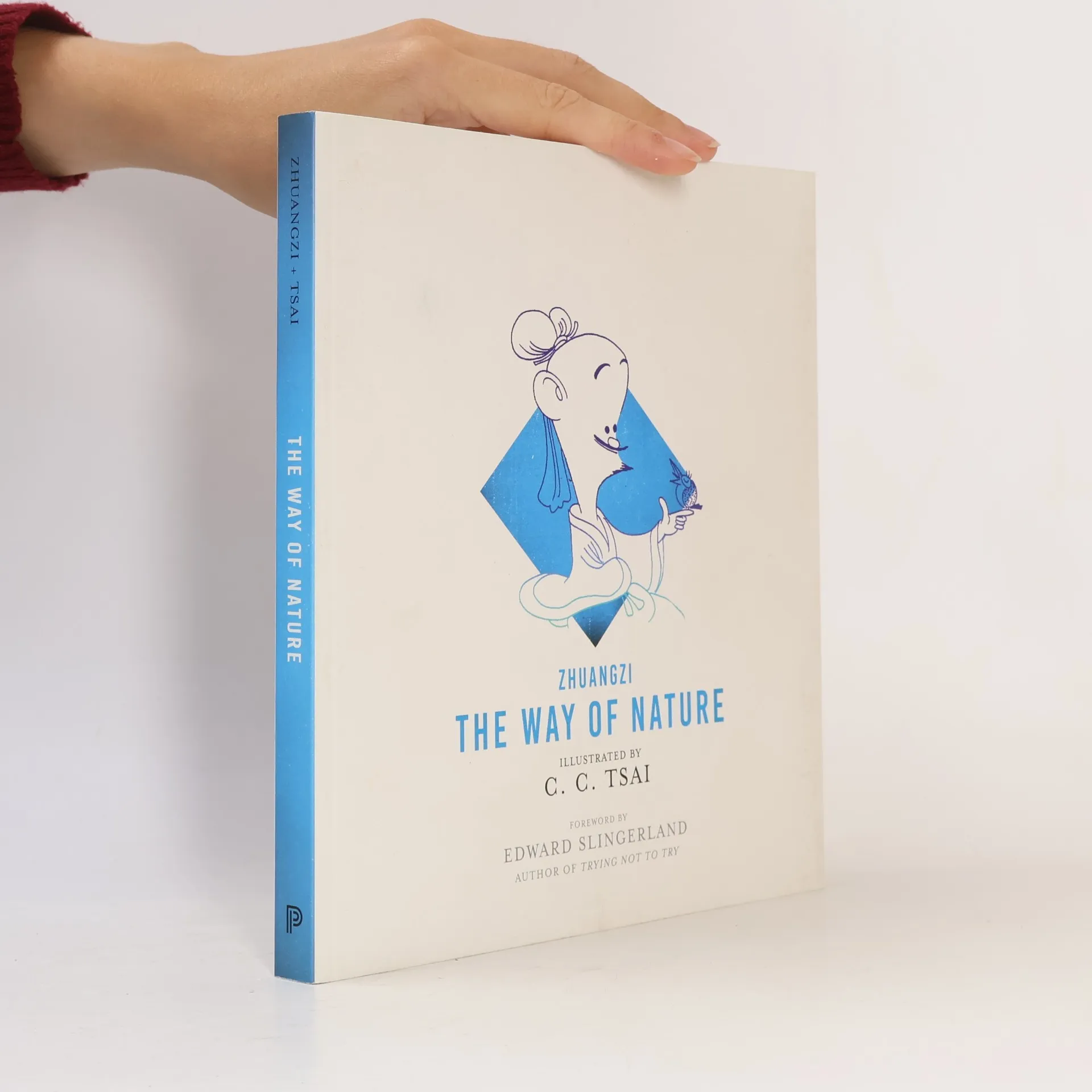
The Way of Nature
- 256pages
- 9 heures de lecture
"The Way of Nature brings together all of Tsai's beguiling cartoon illustrations of the Zhuangzi, which takes its name from its author. The result is a uniquely accessible and entertaining adaptation of a pillar of classical Daoism, which has deeply influenced Chinese poetry, landscape painting, martial arts, and Chan (Zen) Buddhism. Irreverent and inspiring, The Way of Nature presents the memorable characters, fables, and thought experiments of Zhuangzi like no other edition, challenging readers to dig beneath conventional assumptions about self, society, and nature, and pointing to a more natural way of life. Through practical insights and far-reaching arguments, Zhuangzi shows why returning to the spontaneity of nature is the only sane response to a world of conflict."--Provided by publisher
První úplný český překlad taoistického textu Spisy Mistra Zhuanga. Sedm Vnitřních kapitol, patnáct Vnějších kapitol a jedenáct Různých kapitol skládá nejúplnější edici literárního odkazu klasika taoistické filosofie. Jedinečným autorem a nezapomenutelným protagonistou byl starověký filosof Čuang-c´ (4. stol. př. n. l.), bezpochyby jeden z největších vypravěčů a básníků starověku. Jeho rozpravy, dialogy, paraboly a metafory jsou ve svém úhrnu považovány za jednu z největších poem starověké Číny....
Kniha seznamuje z mnoha pohledů s učením taoismu, které má své kořeny v čínském myšlení a chápání světa. Obsahuje též Tao-te-ťing od Lao-c’ -- Moudrost mistra Čuanga. Sborník uspořádal, přeložil a parafrázoval Jiří Navrátil.
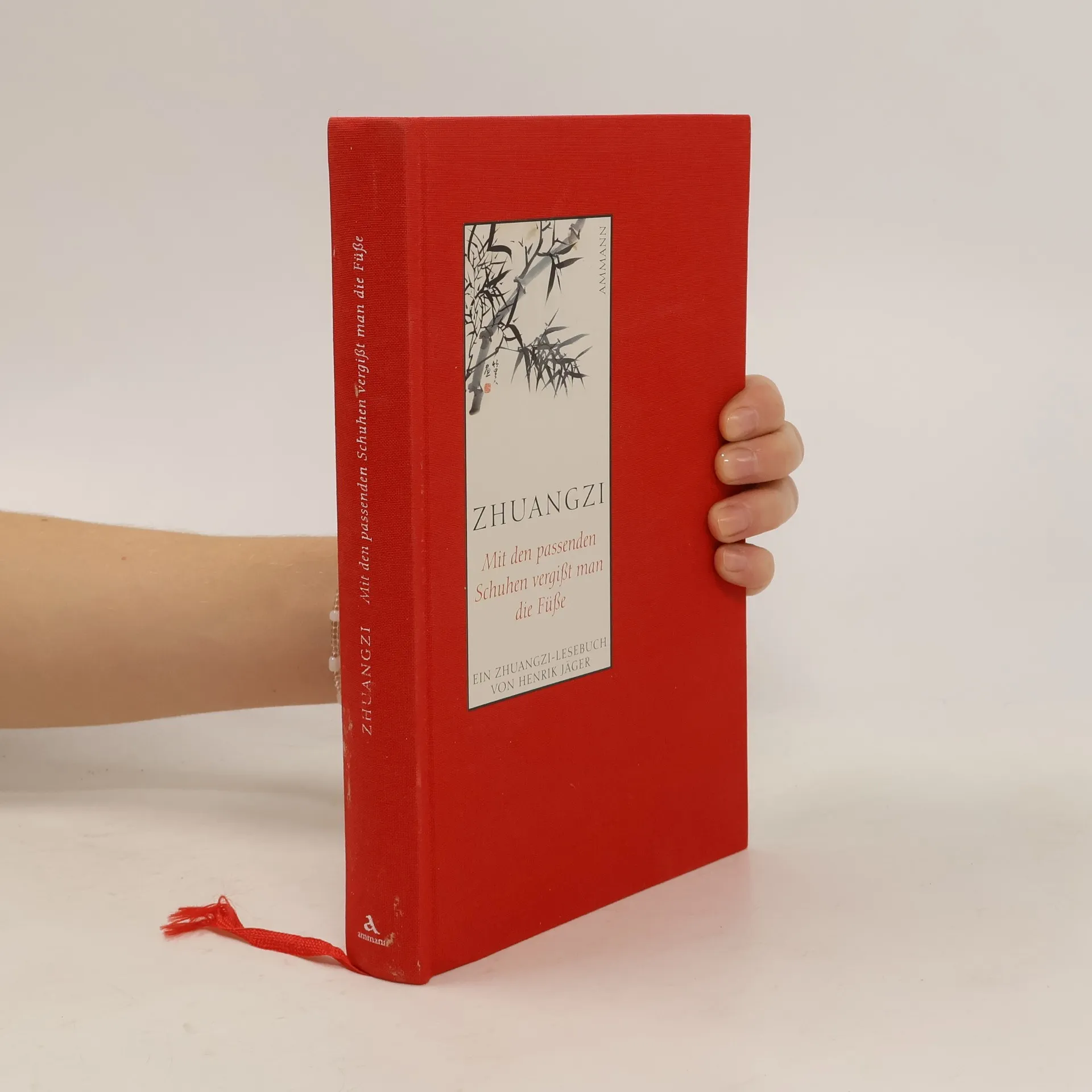
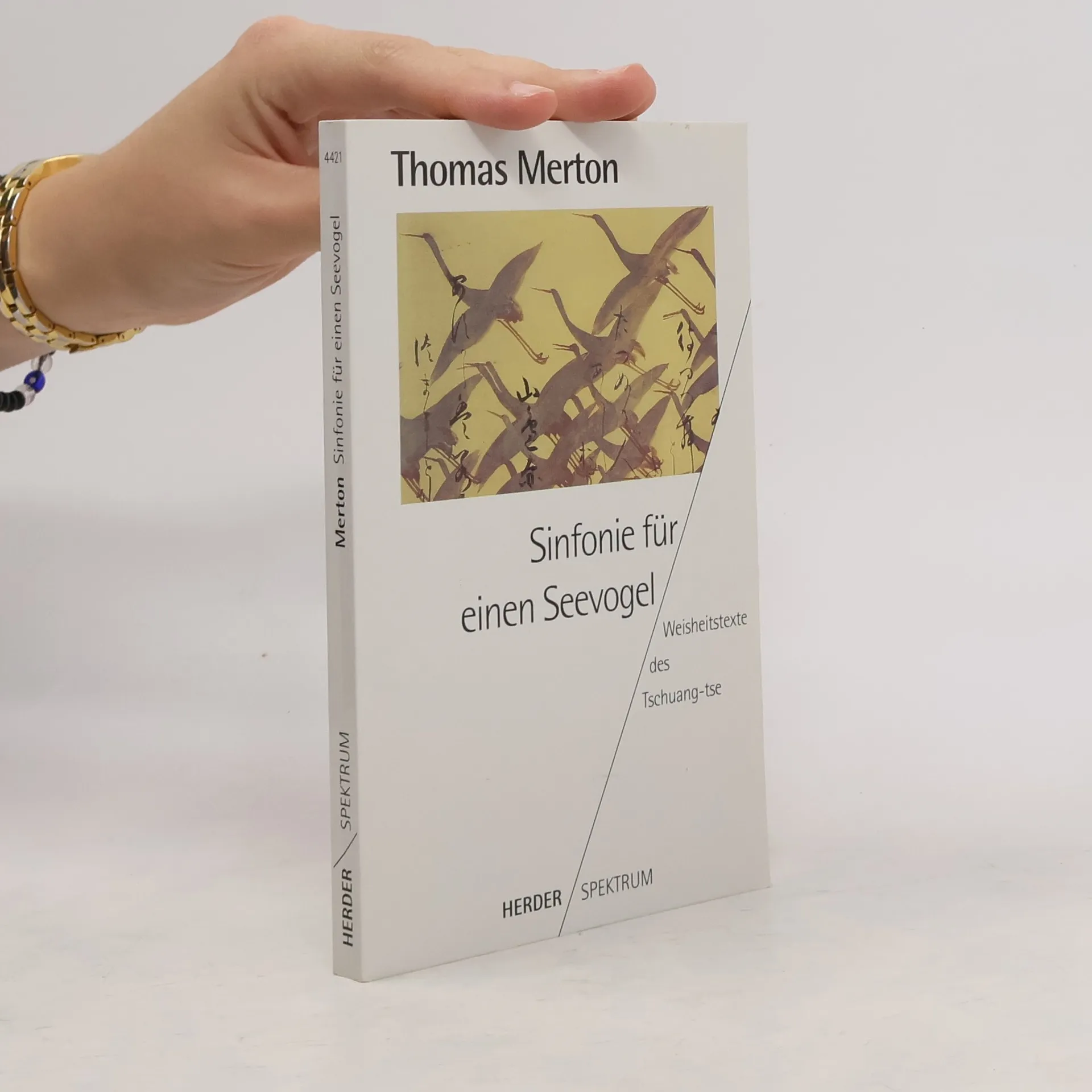
Sinfonie für einen Seevogel
Geschichten und Meditationen des Zhuangzi - Mit e. Vorw. v. Bernardin Schellenberger
- 159pages
- 6 heures de lecture
Hermann Hesse bezeichnete dieses Buch als eines der herrlichsten Chinas. Es beeindruckt durch kreative Weisheit und literarische Qualität. Die Anthologie bietet fundierte Übersetzungen und Hintergrundinformationen. Der Kerngedanke ist, das Leben anzunehmen, wie es ist, und die eigene Identität zu erkennen, symbolisiert durch das Bild der Schuhe.
Müßiggang ist aller Weisheit Anfang – für Zhuangzi. Nur der, der nicht nach Ansehen strebt und den die öffentlichkeit nicht begehrt, führt ein sorgloses Dasein. Freiheit durch Rückzug – die Philosophie des großen Meisters der Spiritualität aus dem 4. Jahrhundert v. Chr. scheint wie geschaffen für den heutigen »gläsernen« Menschen, dessen Privatsphäre immer mehr schwindet. Vor allem die überlegenheit des Seins über das Handeln und der Gelassenheit über die Betriebsamkeit ist es, die der daoistische Meister lehrt.
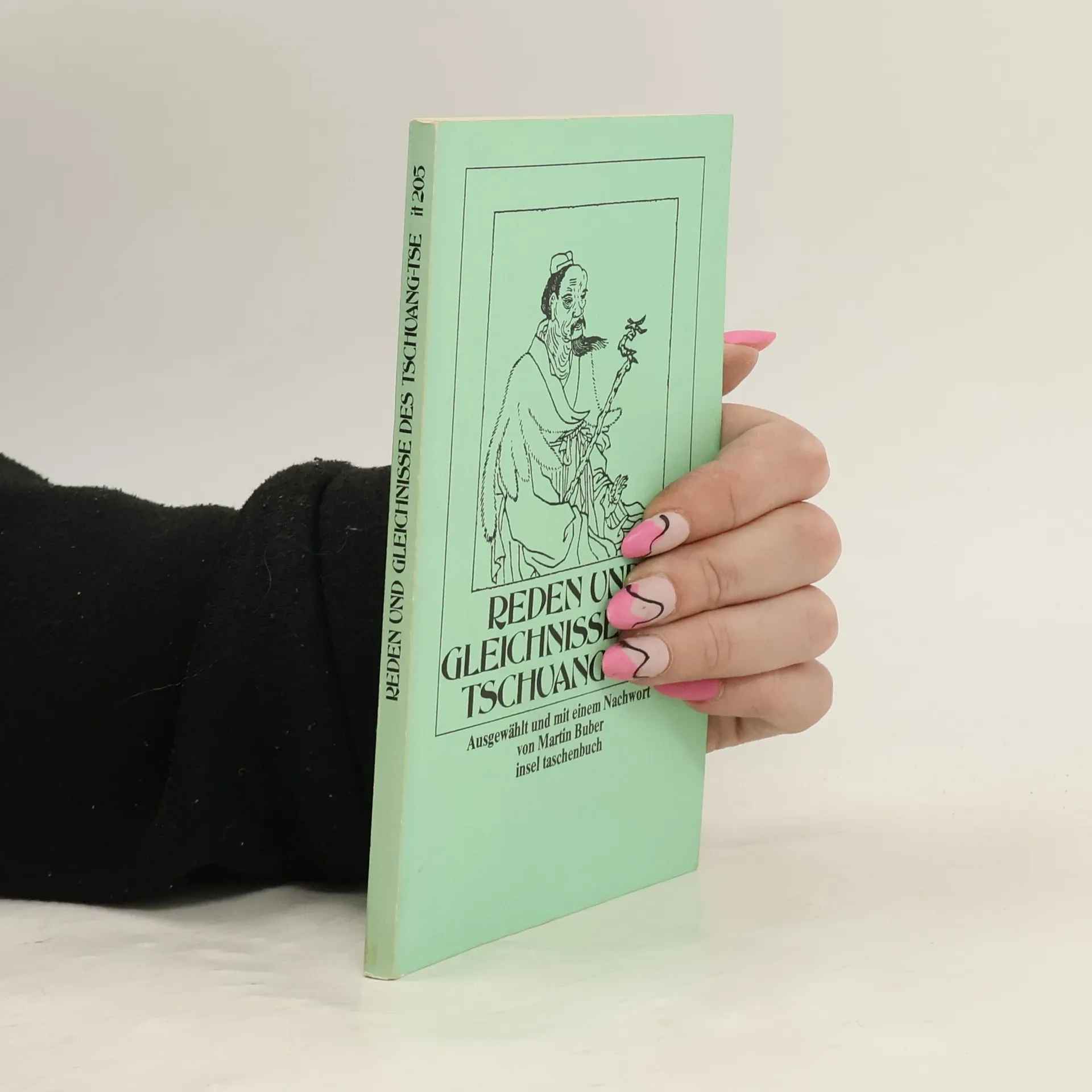
Reden und Gleichnisse des Tschuang-Tse
- 103pages
- 4 heures de lecture
Ve světě taoismu : sborník
- 172pages
- 7 heures de lecture
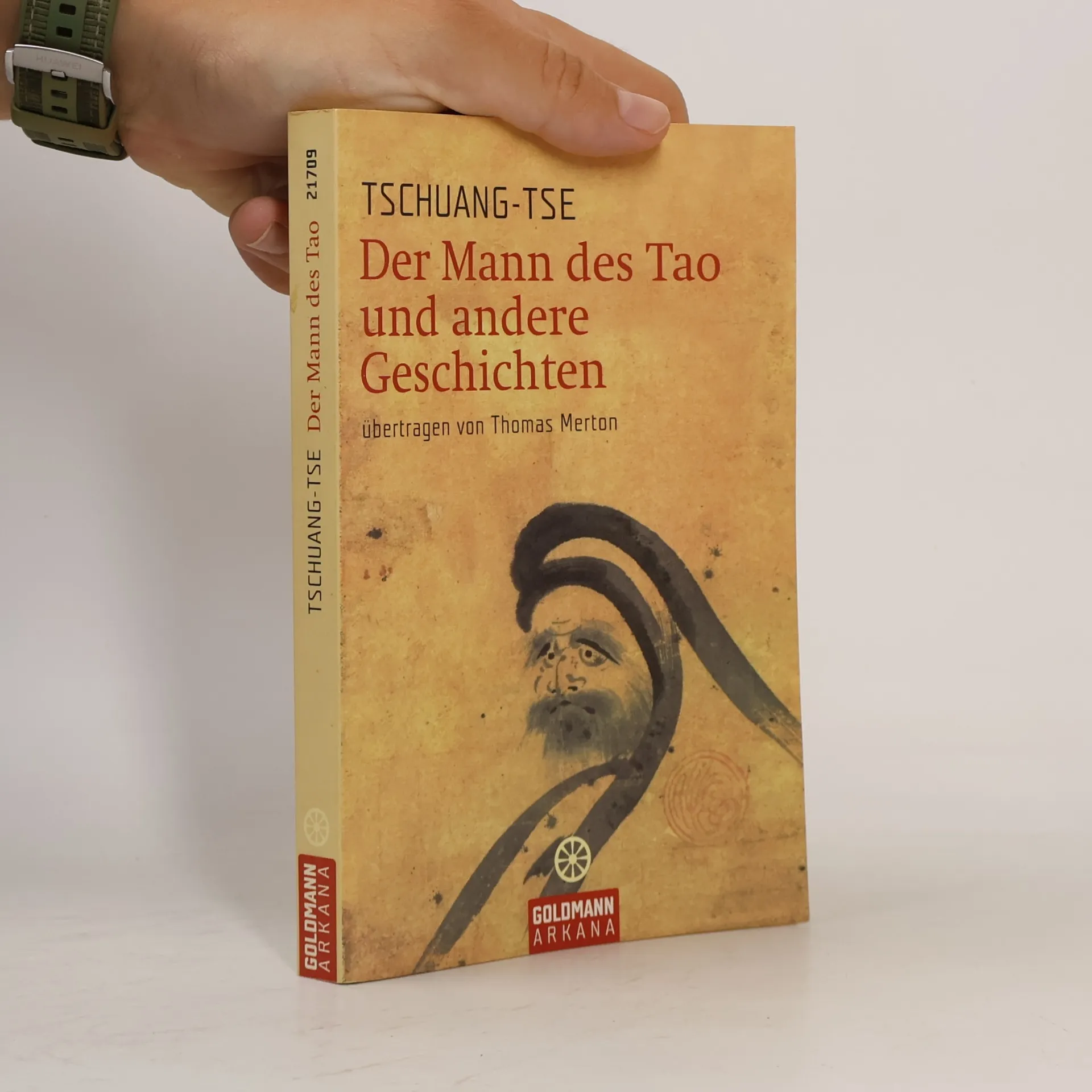
Arkana: Der Mann des Tao und andere Geschichten
- 224pages
- 8 heures de lecture
In Gleichnissen und Anekdoten, in kurzen, witzigen und zuweilen paradoxen Geschichten vermittelt Tschuang-Tse seine Weisheit. In seinem einfachen, knappen Stil hat der chinesische Taoist Bilder von überzeitlicher Gültigkeit geprägt, die nun schon bald zweieinhalb Jahrtausende Menschen in ihren Bann gezogen haben. Die vorliegende Fassung des Trappistenmönchs Thomas Merton zeichnet sich durch besondere Eleganz und Verständlichkeit aus.
Los Capitulos Interiores de Zhuang Zi
- 152pages
- 6 heures de lecture
Los Capítulos Interiores representan la parte esencial de la obra de Zhuang Zi, fechada hacia el siglo IV a. C. Según los bibliógrafos chinos, estos siete primeros capítulos son los únicos que pueden atribuirse al propio Zhuang Zi (Chuangtzu). Con un estilo heterogéneo, que evoca en cierto modo la idea del Caos original, Zhuang Zi nos pasea voluntariamente tanto por los laberintos lógicos del discurso filosófico como por los espacios abiertos y liberadores de la poesía y la mística. Podría decirse que, incluso en los aspectos formales de su obra, el autor sigue su propio Tao. De ahí ese ritmo tan personal, lleno de vacíos y oquedades, que funciona como un mantra, alternando su yin y su yang en un perfecto equilibrio musical, semántico y sintáctico. El soplo de esta obra es, en definitiva, el de un largo poema. Por ello, en esta traducción se ofrece por primera vez al lector en lengua castellana una versión de Los Capítulos Interiores en la que, sin dejar en ningún momento de ser fieles al original, los traductores han hecho una apuesta por la belleza.
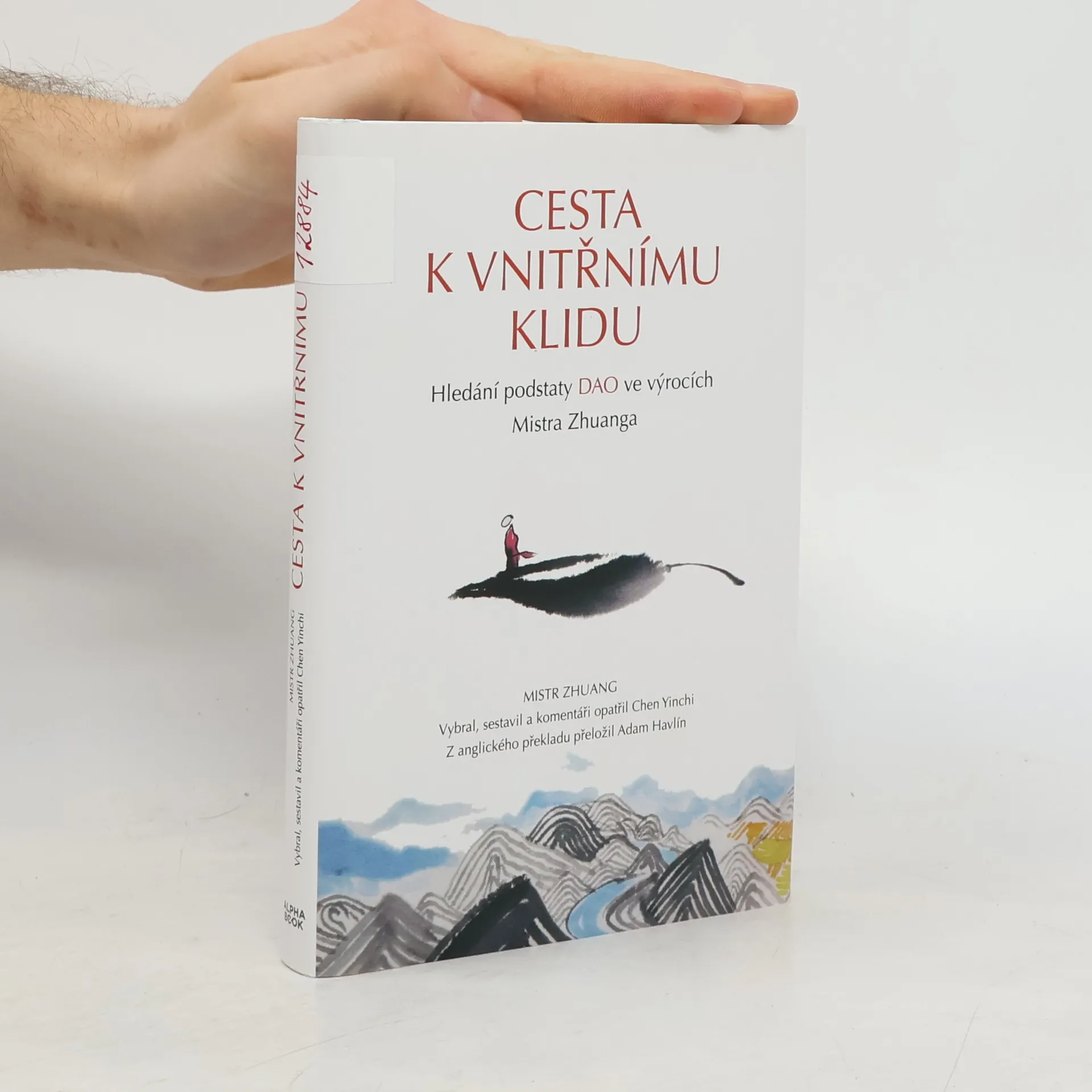
Cesta k vnitřnímu klidu
hledání podstaty dao ve výrocích Mistra Zhuanga
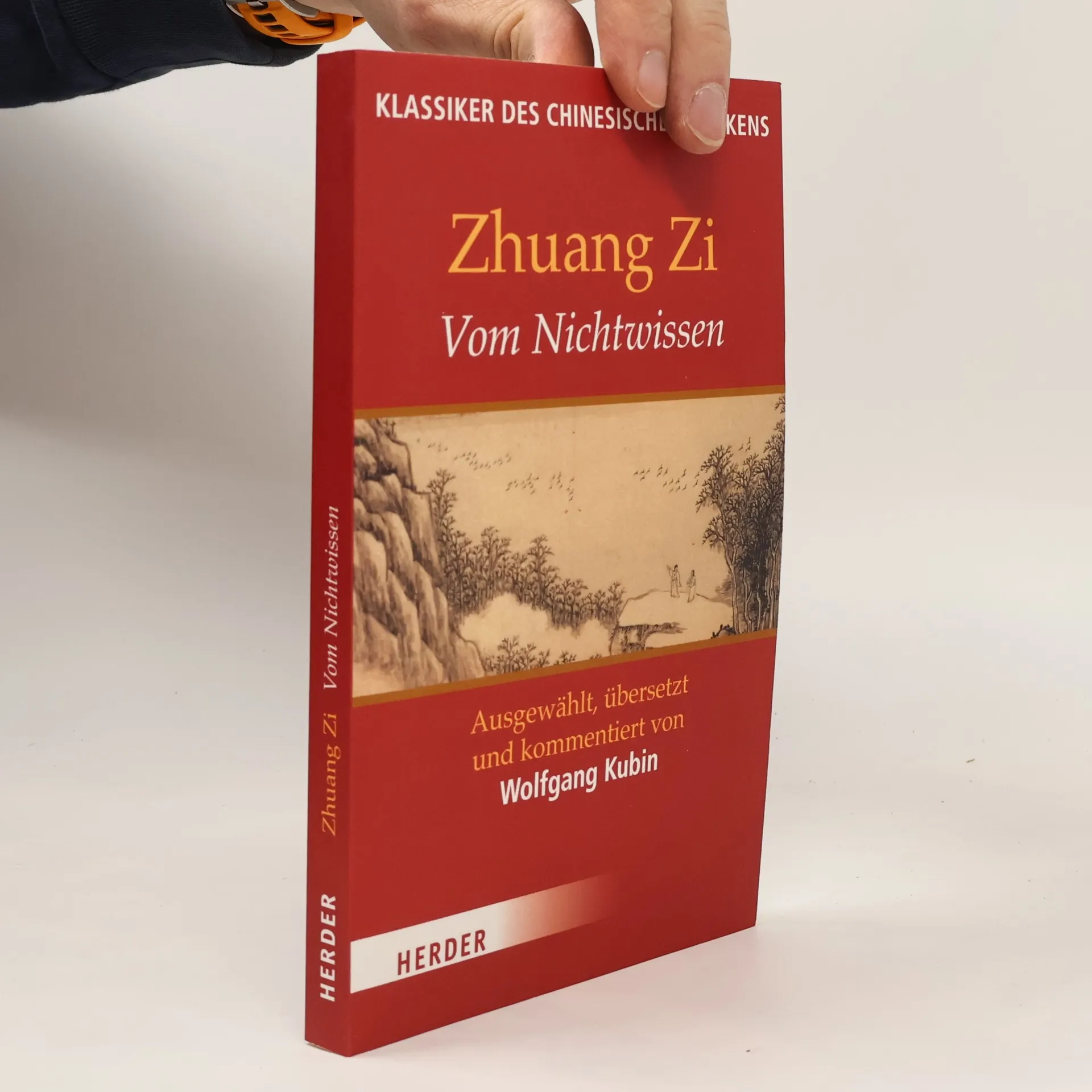
Zhuangzi Das Buch der Spontaneität
Über den Nutzen der Nutzlosigkeit und die Kultur der Langsamkeit
Das Zhuangzi ist ein grundlegendes Werk der chinesischen Philosophie und gilt als eines der bedeutendsten Weisheitsbücher Chinas. Es besticht durch seinen spielerischen und humorvollen Stil und liegt nun in einer vollständigen deutschen Übersetzung vor.
Neben dem Tao Te King von Lao Tse ist das Buch „Zhuangzi“ bzw. „Dschuang Dsi“ (um 300 v. Chr.) das zweite große Buch des Daoismus. Bekannt für seine wunderbaren Bilder und Gleichnisse, entfaltet es eine heitere und doch nachdenkliche Sicht auf die Welt. Wer mit Zhuang Zi den Weg (dao) frei und selbst-los zu gehen vermag, lernt, den Dingen ihren Lauf zu lassen und das Leben so anzunehmen, wie es ist. Eines der großen Weisheitsbücher der Weltliteratur.
Sinfonie für einen Seevogel
- 158pages
- 6 heures de lecture
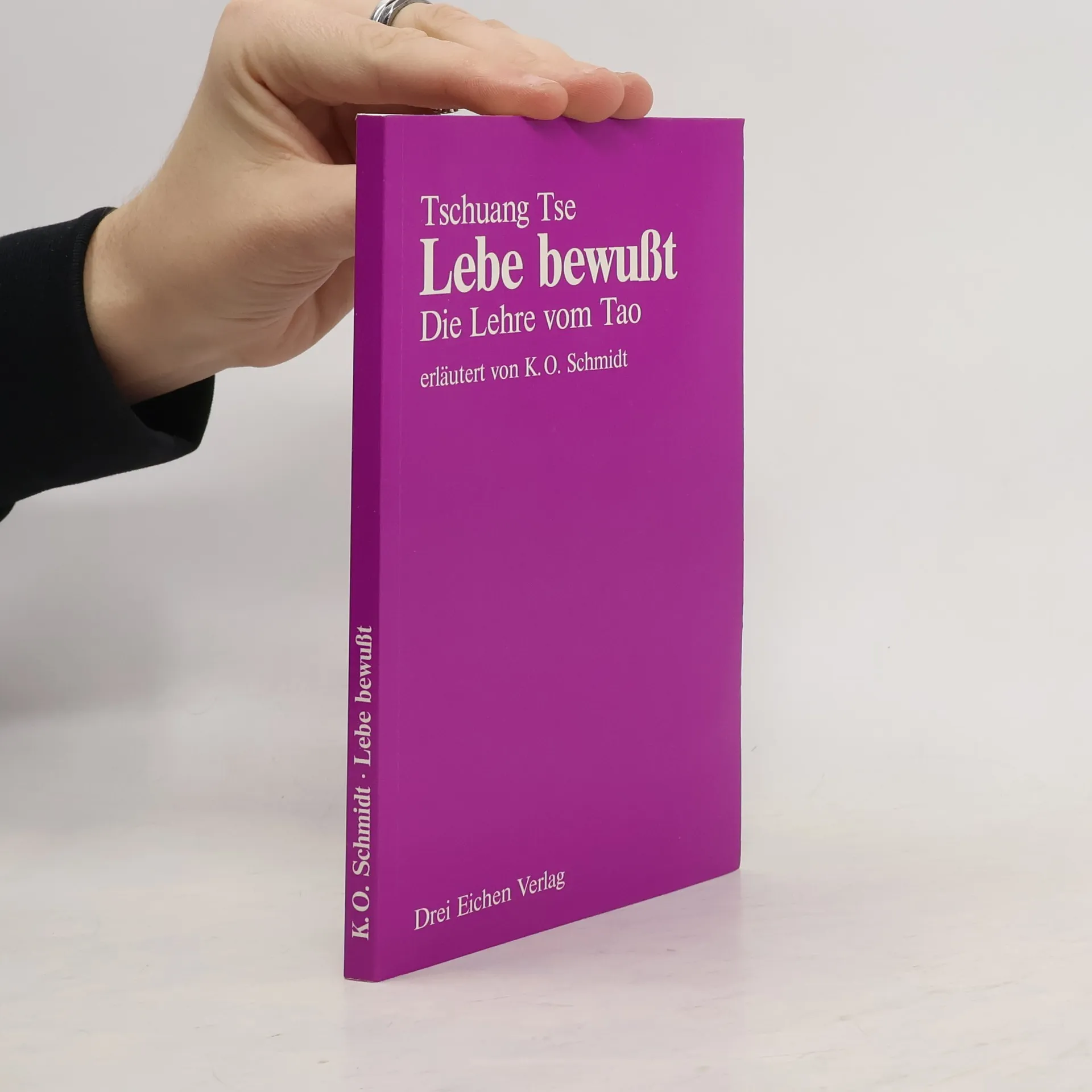
Lebe bewusst!
- 96pages
- 4 heures de lecture
8°, 96 S. - München - Engelberg/Schweiz, Drei Eichen, 1976
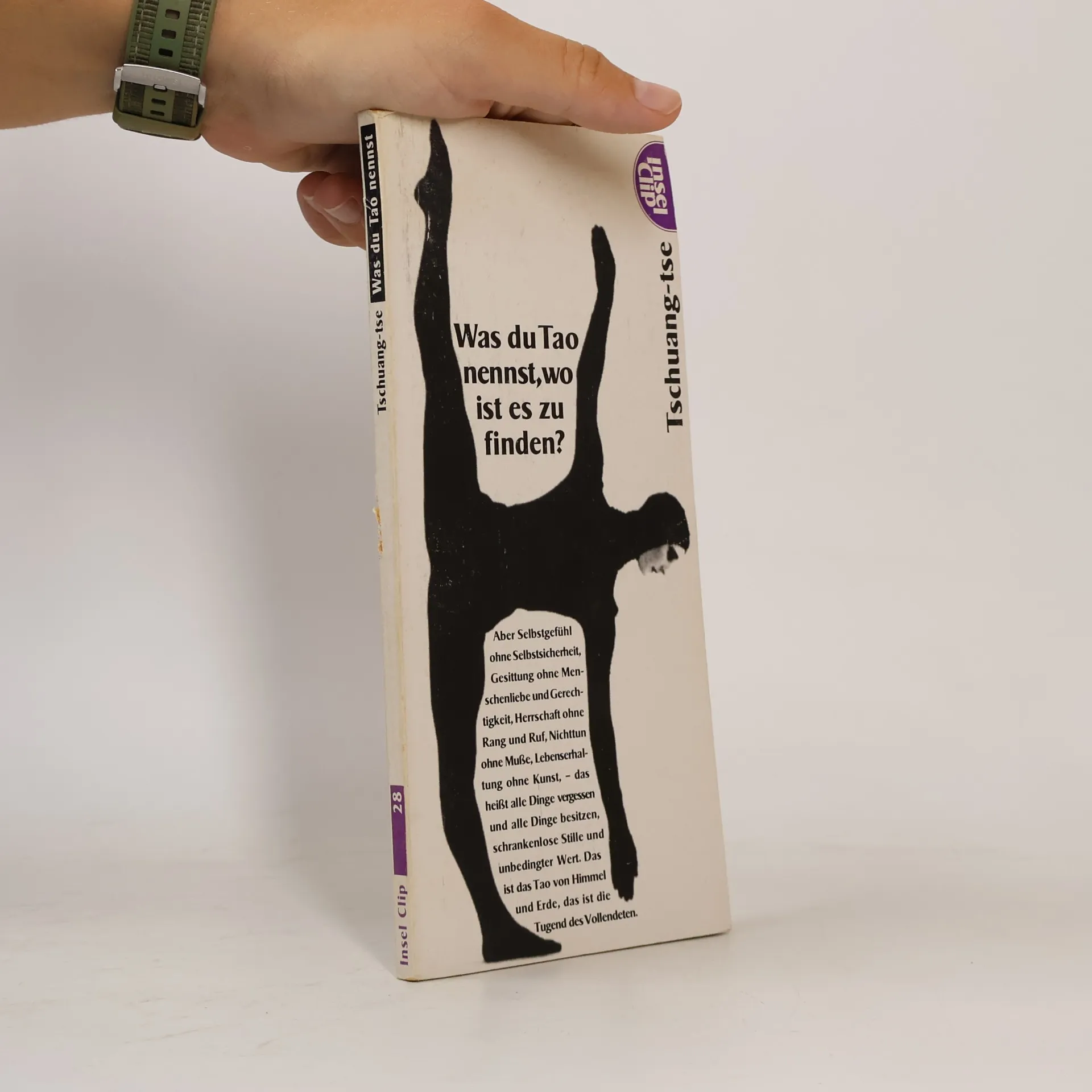
Insel Clip - 28: Was du Tao nennst, wo ist es zu finden?
- 79pages
- 3 heures de lecture
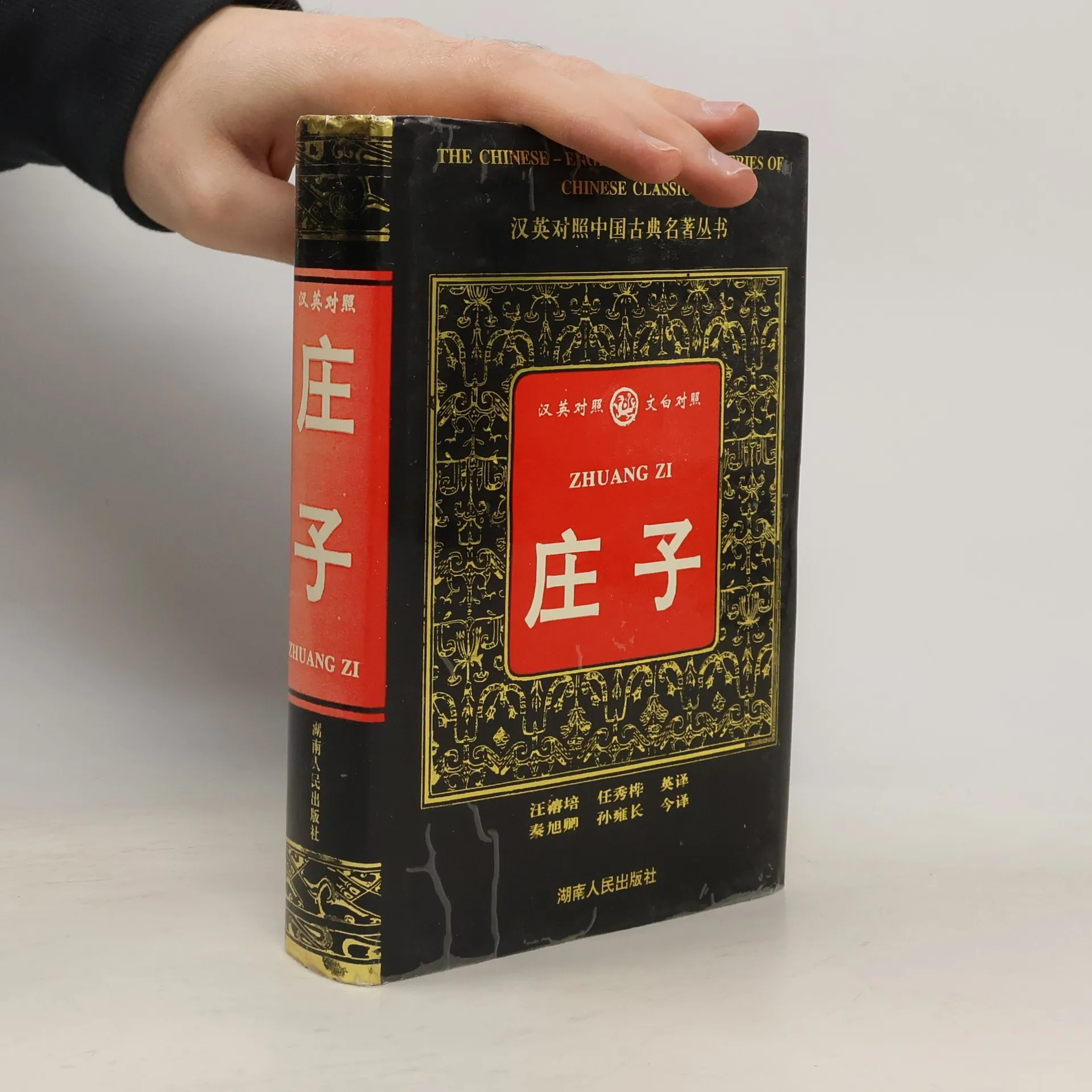
Zhuangzi
Zhuang zi - Chinese-English Parallel Text - Classical Chinese-Vernacular Chinese Parallel Text
- 742pages
- 26 heures de lecture