Lži, které svazují
Nové úvahy o identitě: víra, vlast, rasa, třída a kultura


Kwame Anthony Appiah explore les concepts complexes d'identité et d'éthique dans ses écrits. Son travail fait souvent le lien entre la philosophie et notre vie quotidienne, offrant des aperçus pénétrants sur les dilemmes moraux auxquels nous sommes confrontés. La prose d'Appiah est réputée pour sa clarté et son accessibilité, rendant les idées complexes compréhensibles à un large public de lecteurs. Il incite les lecteurs à réfléchir à la manière dont nous construisons nos identités et à nos responsabilités dans un contexte mondial.



Nové úvahy o identitě: víra, vlast, rasa, třída a kultura
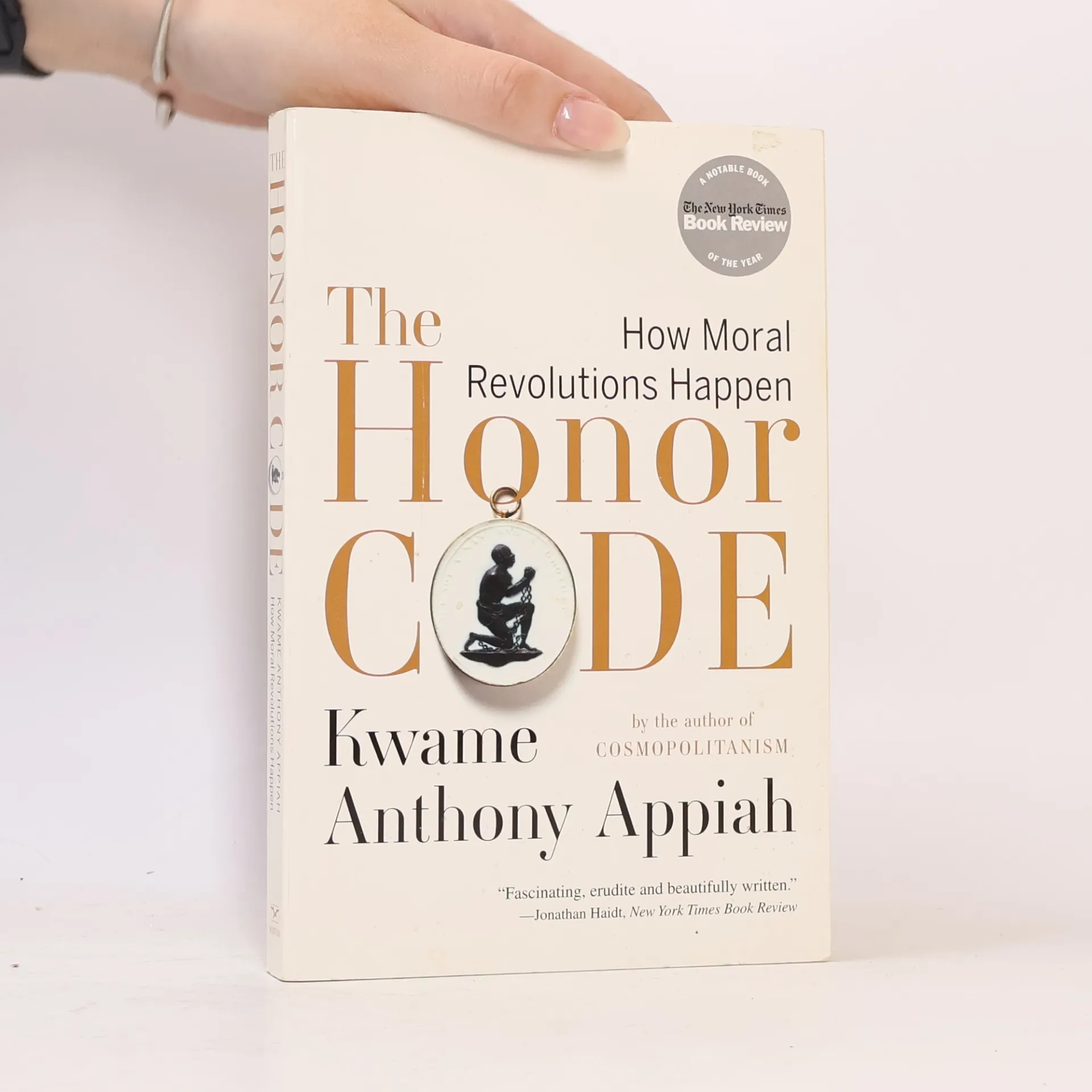
Jak dochází k morálním revolucím
We often think identity is personal. But the identities that shape the world, our struggles, and our hopes, are social ones, shared with countless others. Our sense of self is shaped by our family, but also by affiliations that spread out from there, like our nationality, culture, class, race and religion.Taking these broad categories as a starting point, Professor Appiah challenges our assumptions about how identity works. In eloquent and lively chapters, he weaves personal anecdote with historical, cultural and literary example to explore the entanglements within the stories we tell ourselves. We all know there are conflicts among identities; but Professor Appiah explores how identities are created by conflict. Identities are then crafted from confusions - confusions this book aims to help us sort through. Religion, Appiah shows us, isn't primarily about beliefs. The idea of national self-determination is incoherent. Our everyday racial thinking is an artefact of discarded science. Class is not a matter of upper and lower. And the very idea of Western culture is a misleading myth. We will see our situation more clearly if we start to question these mistaken identities. This is radical new thinking from a master in the subject and will change forever the way we think about ourselves and our communities.
[Appiah's] work reveals the heart and sensitivity of a novelist. . . .Fascinating, erudite and beautifully written.-The New York Times Book Review
Challenges the separatist doctrines which have come to dominate our understanding of the world. This work revives the ancient philosophy of Cosmopolitanism, which dates back to the Cynics of the 4th century, as a means of understanding the complex world.
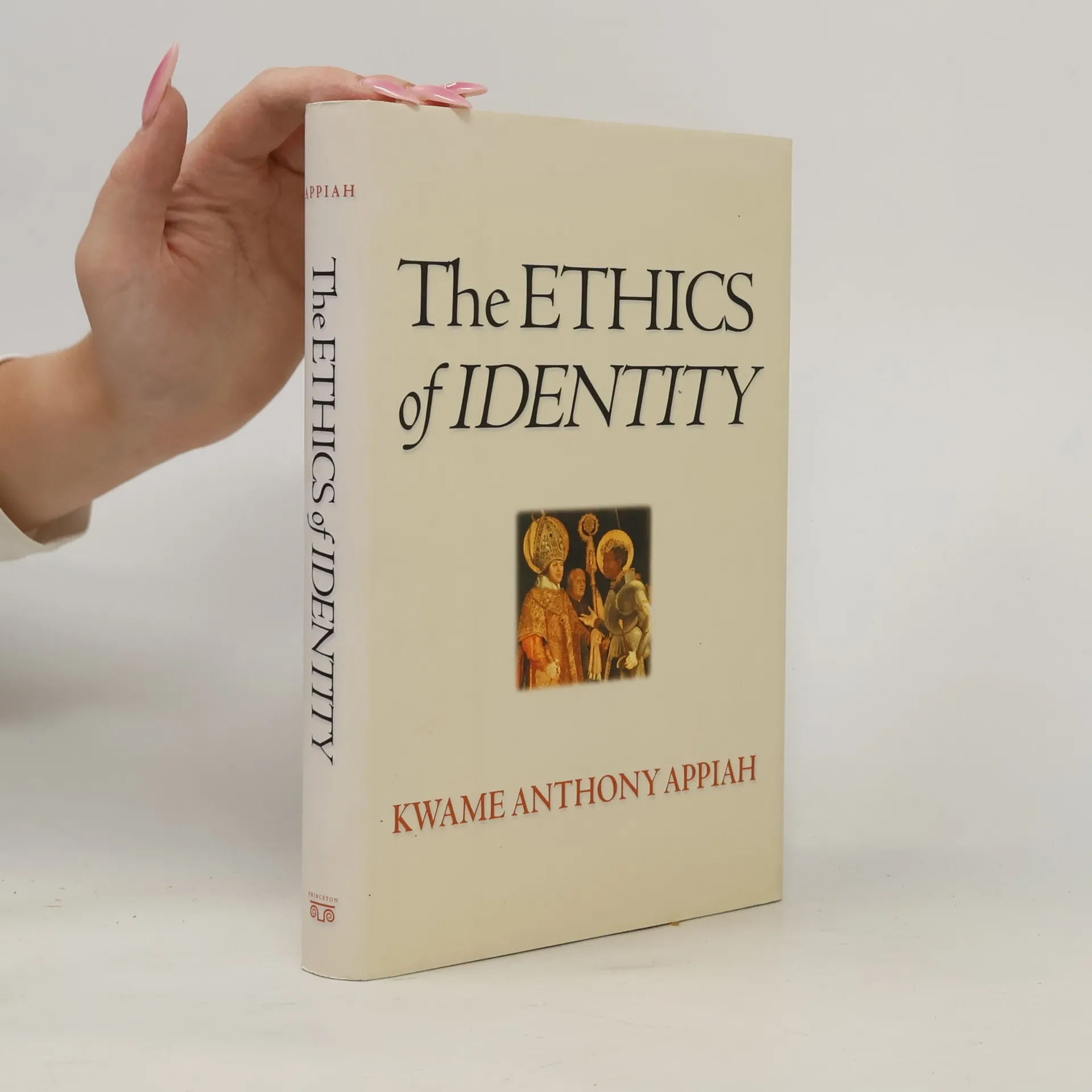
This text explores the ethical significance of identity, including our gender, race, ethnicity, nationality, religion and sexuality, for our obligations to others and to ourselves.
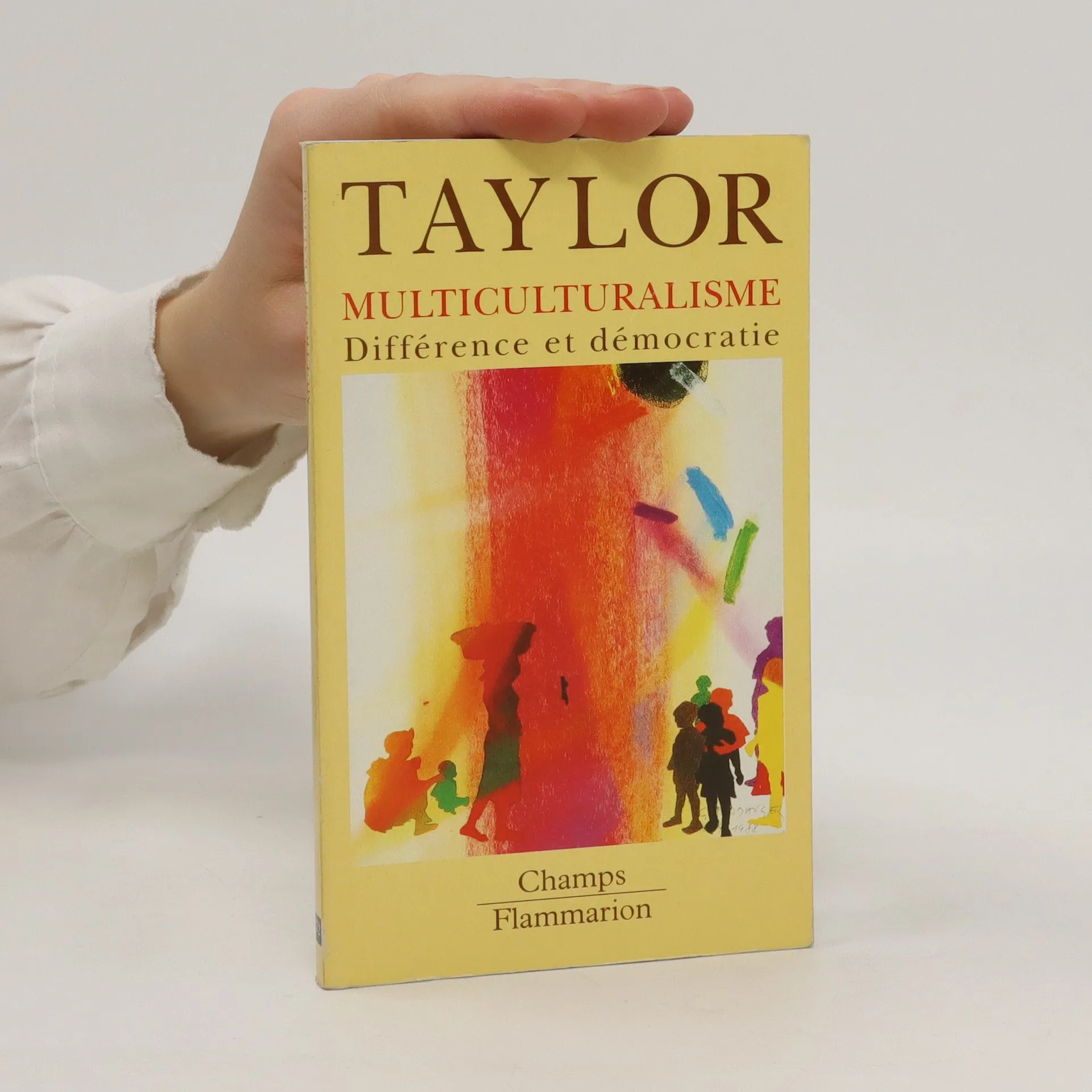
Une étude approfondie du multiculturalisme et de la "politique de la reconnaissance", cet ouvrage réunit un large éventail de philosophes et de scientifiques sociaux pour explorer la controverse politique entourant le multiculturalisme. L'enquête initiale de Charles Taylor, qui examine si les institutions du gouvernement démocratique libéral laissent place - ou devraient laisser place - à la reconnaissance de la valeur des traditions culturelles distinctes, demeure le point central de cette discussion. Elle est désormais enrichie par l'essai approfondi de Jürgen Habermas sur les questions de reconnaissance et l'État constitutionnel démocratique, ainsi que par le commentaire de K. Anthony Appiah sur les tensions entre identités personnelles et collectives, façonnées par la religion, le genre, l'ethnicité, la race et la sexualité, ainsi que sur la tendance dangereuse de la politique multiculturelle à minimiser ces tensions. D'autres penseurs bien connus relient également la demande de reconnaissance aux enjeux de l'éducation multiculturelle, du féminisme et du séparatisme culturel.
A survey of the historical development of the idea of race, this anthology offers pre-twentieth century theories about the concept of race, classic twentieth century sources reiterating and contesting ideas of race as scientific, and several philosophically relevant essays that discuss the issues presented. A general Introduction gives an overview of the readings. Headnotes introduce each selection. Includes suggested further readings.
A guide to the history and current state of Africa and African American heritage includes entries on topics ranging from affirmative action to zydeco.
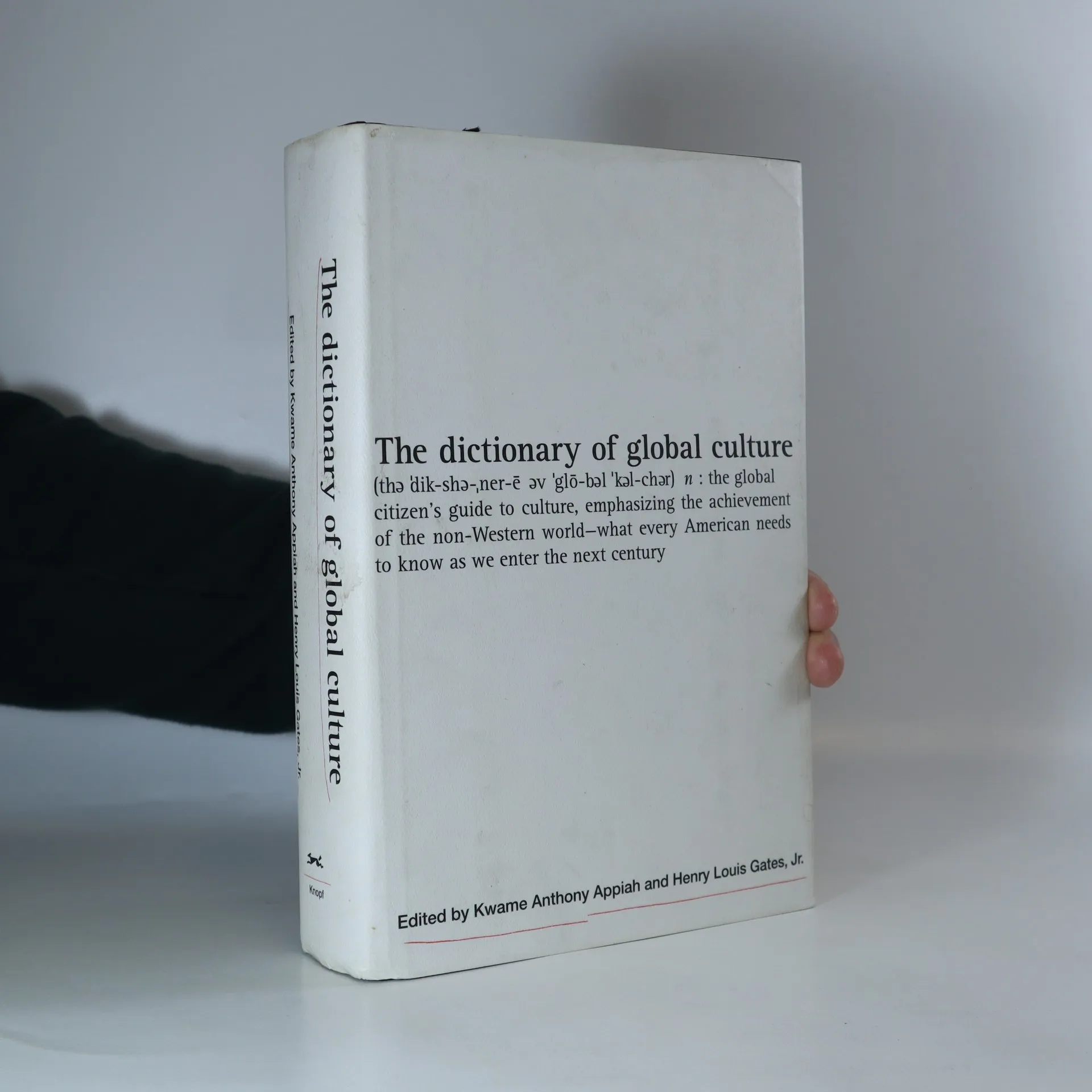
"The global citizen's guide to culture, emphasizing the achievement of the non-Western world -- what every American needs to know as we enter the next century."--Cover