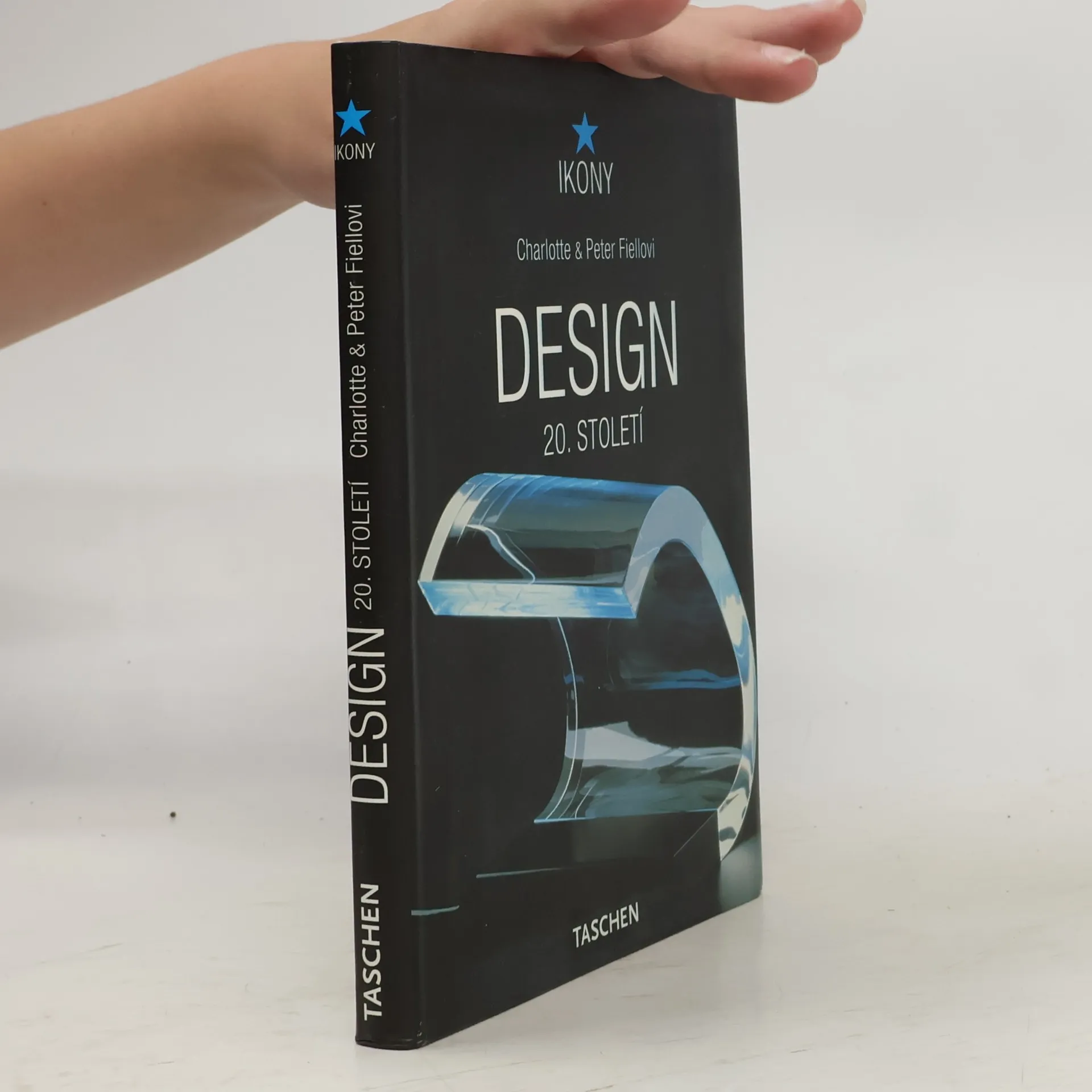
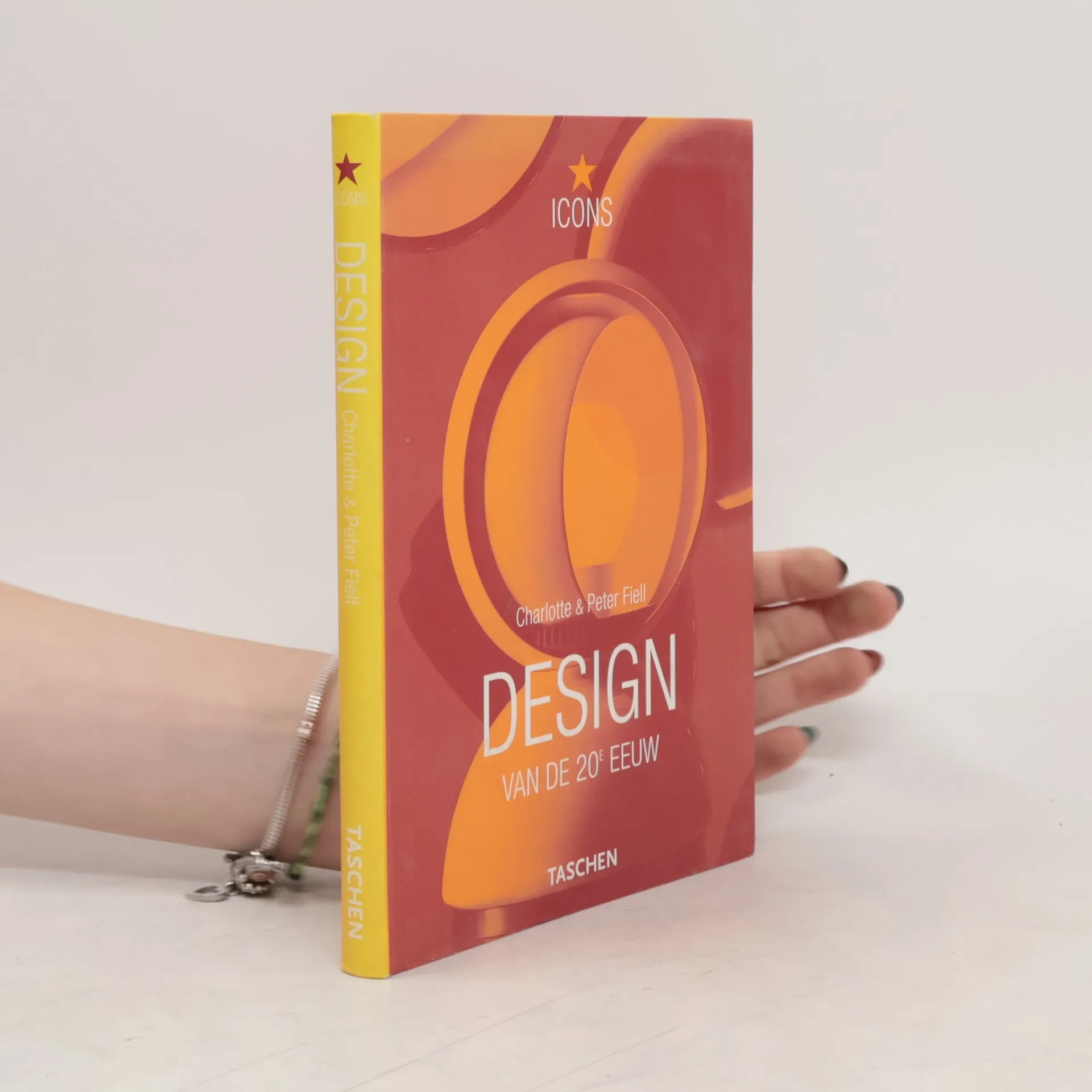
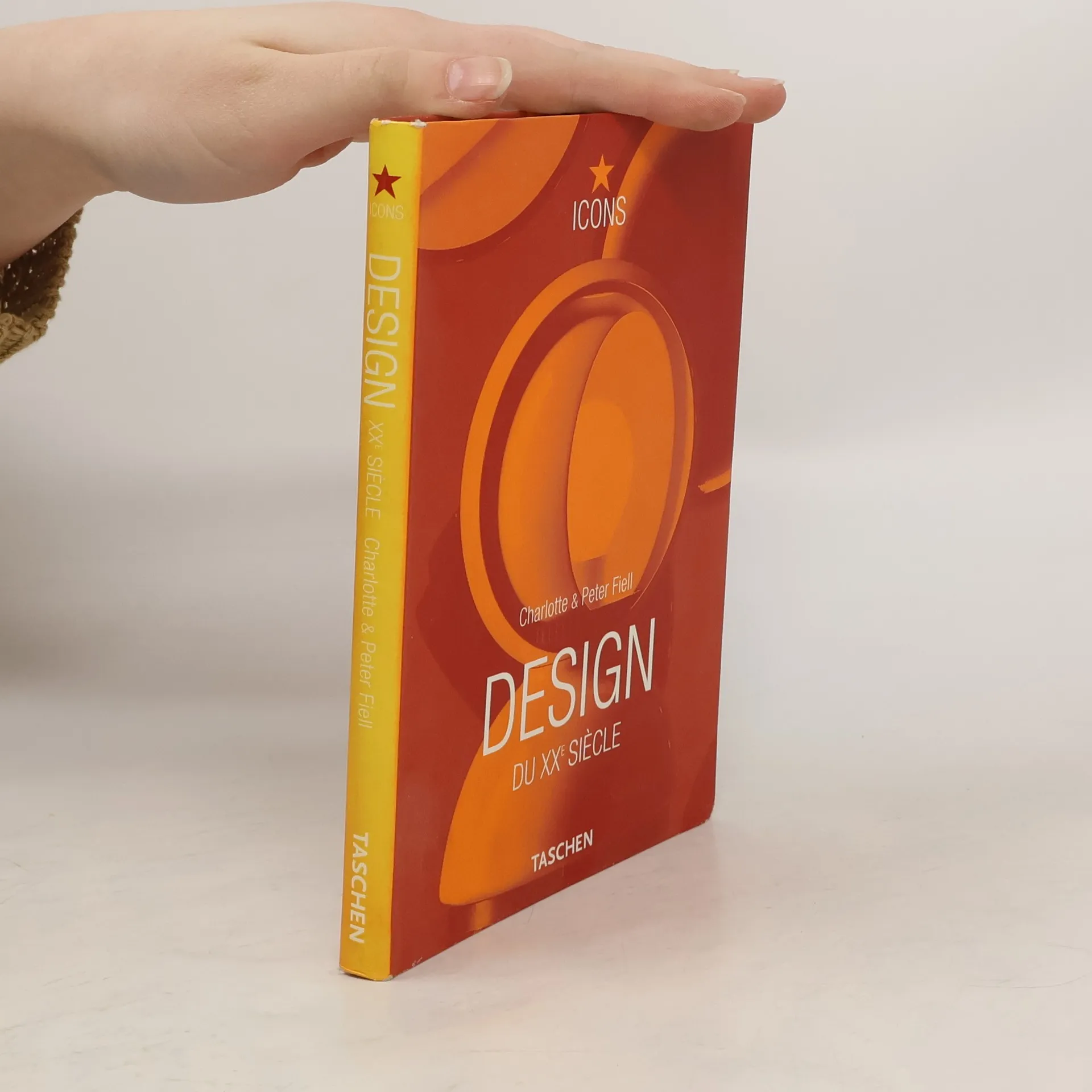
Design du XXe siècle
- 191pages
- 7 heures de lecture
Le design international du XXe siècle, de Alvar Aalto à Zsolnay.


Le design international du XXe siècle, de Alvar Aalto à Zsolnay.
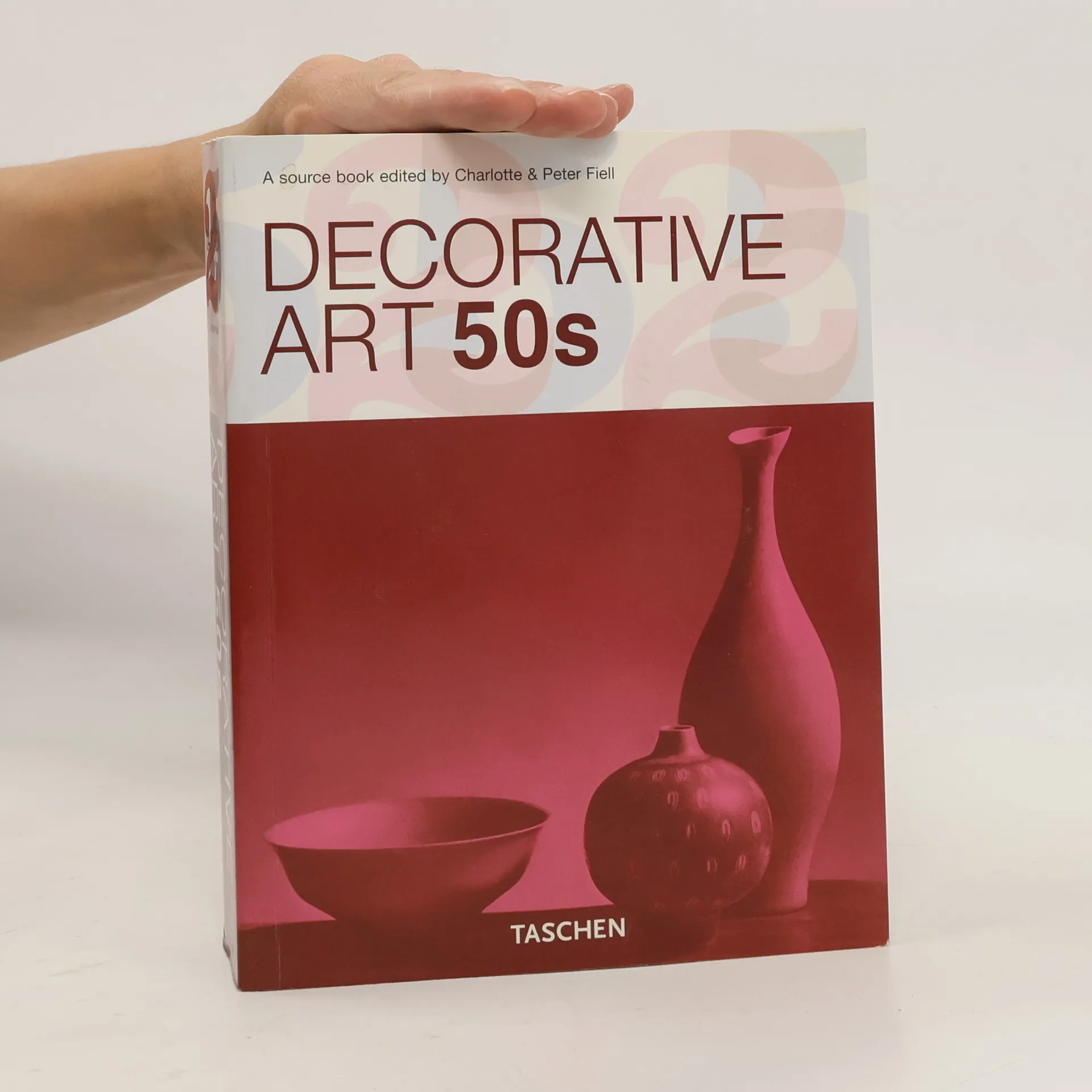
Latex, plastiques et consumérisme fervent : découvrez les tendances de design et les matériaux qui ont littéralement façonné l'Amérique des années 1950. Cet aperçu explore une décennie de reconstruction d'après-guerre, animée par une vision idéaliste et un esprit positif, appliquée des banlieues aux centres-villes, et du mobilier aux objets en métal.
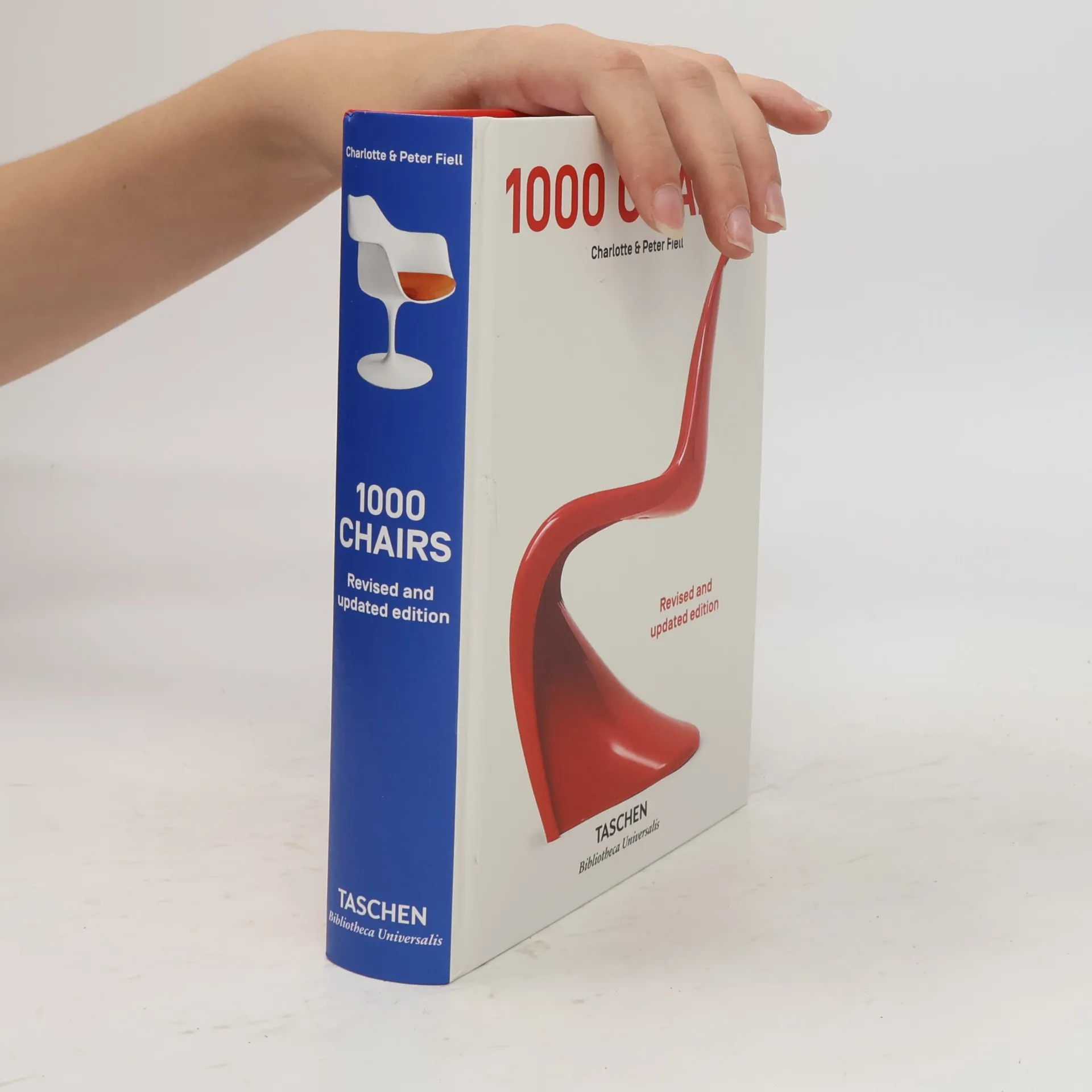
An keinem anderen Möbelstück hat sich die Fantasie der Designer so sehr ausgetobt wie am Stuhl. Die subtile Krümmung einer Rückenlehne, die Drehung eines Stuhlbeins, der Winkel einer Sitzfläche oder die Farbe des ganzen Möbels: Jedes Element spiegelt das Stilbewusstsein einer Ära. Von Gerrit Rietveld und Alvar Aalto bis Verner Panton und Eva Zeisel, vom Jugendstil bis zum Internationalen Stil, von der Pop-Art bis zur Postmoderne: Alle sind sie hier vertreten: Thonets Bugholzstühle und Hoffmanns Sitzmaschinen, Marcel Breuers Wassily-Stuhl und Ron Arads avantgardistische Lehnstühle. Frühe Designer und Pioniere des modernen Stuhls werden neben den jüngsten Sitzmöbelinnovationen präsentiert. Dieses monothematische Kompendium zeigt jeden Stuhl als reine Form nebst biografischen und historischen Informationen über die Stücke und ihre Designer. Ein aufschlussreiches Werk für alle, die Design lieben, und ein unverzichtbares Nachschlagewerk für Sammler!
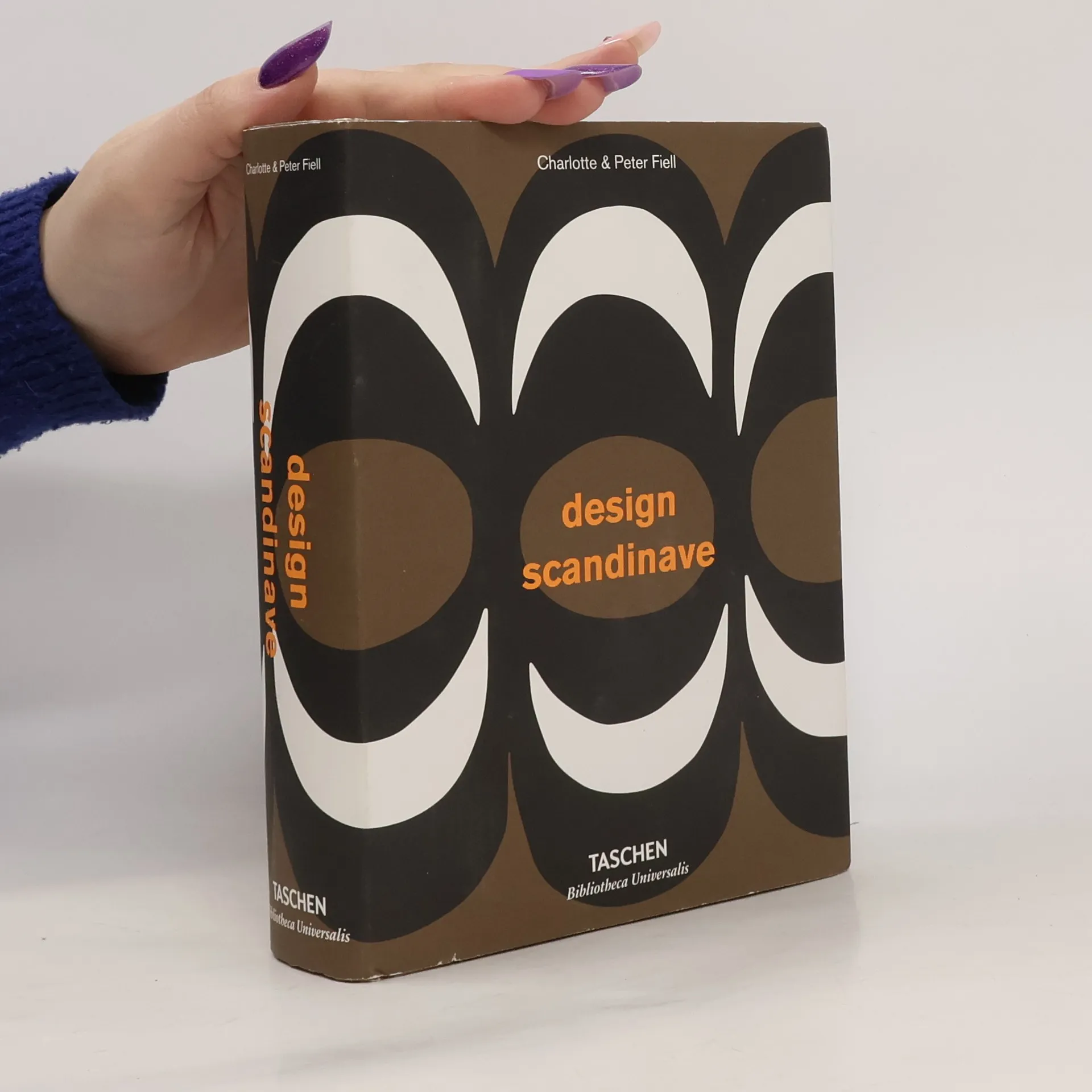
Scandinavia is world famous for its inimitable, democratic designs which bridge the gap between crafts and industrial production, organic forms and everyday functionality. This all-you-need guide includes a detailed look at Scandinavian furniture, glass, ceramics, textiles, jewelry, metalware, and industrial design from 1900 to the present day, with in-depth entries on over 180 designers and design-led companies, plus a list of important design-related destinations across Norway, Sweden, Denmark, Iceland, and Finland. Featured designers and designer-led companies include Verner Panton, Arne Jacobsen, Alvar Aalto, Timo Sarpaneva, Hans Wegner, Tapio Wirkkala, Sigvard Bernadotte, Stig Lindberg, Ingeborg Lundin, Finn Juhl, Fritz Hansen, Artek, Le Klint, Gustavsberg, Iittala, Fiskars, Volvo, Saab, Orrefors, Royal Copenhagen, Holmegaard, Arabia, Marimekko, and Georg Jensen. About the series Bibliotheca Universalis -- Compact cultural companions celebrating the eclectic TASCHEN universe!
double-jumbo Van Gogh: The Complete Paintings hit bookstores around the world. --
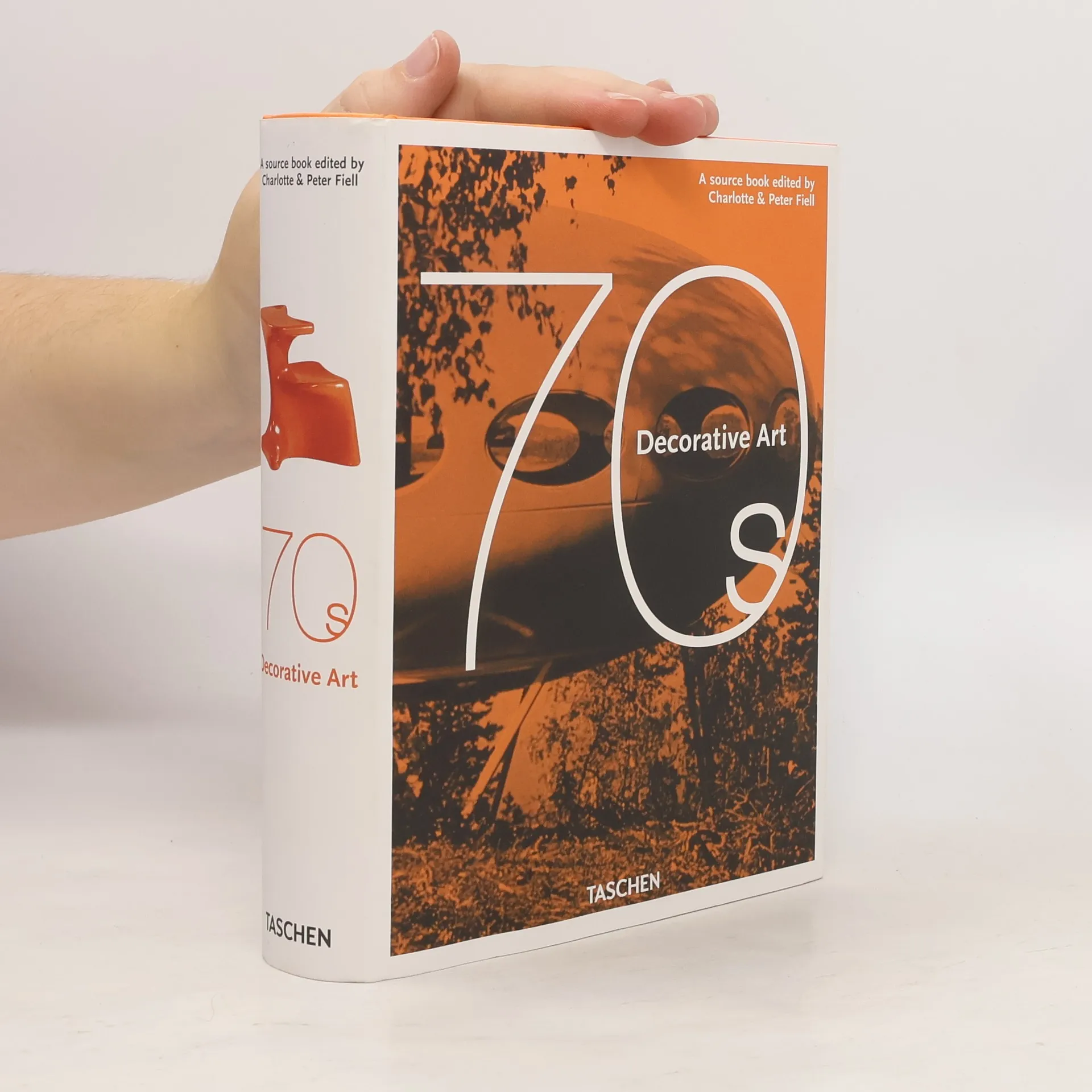
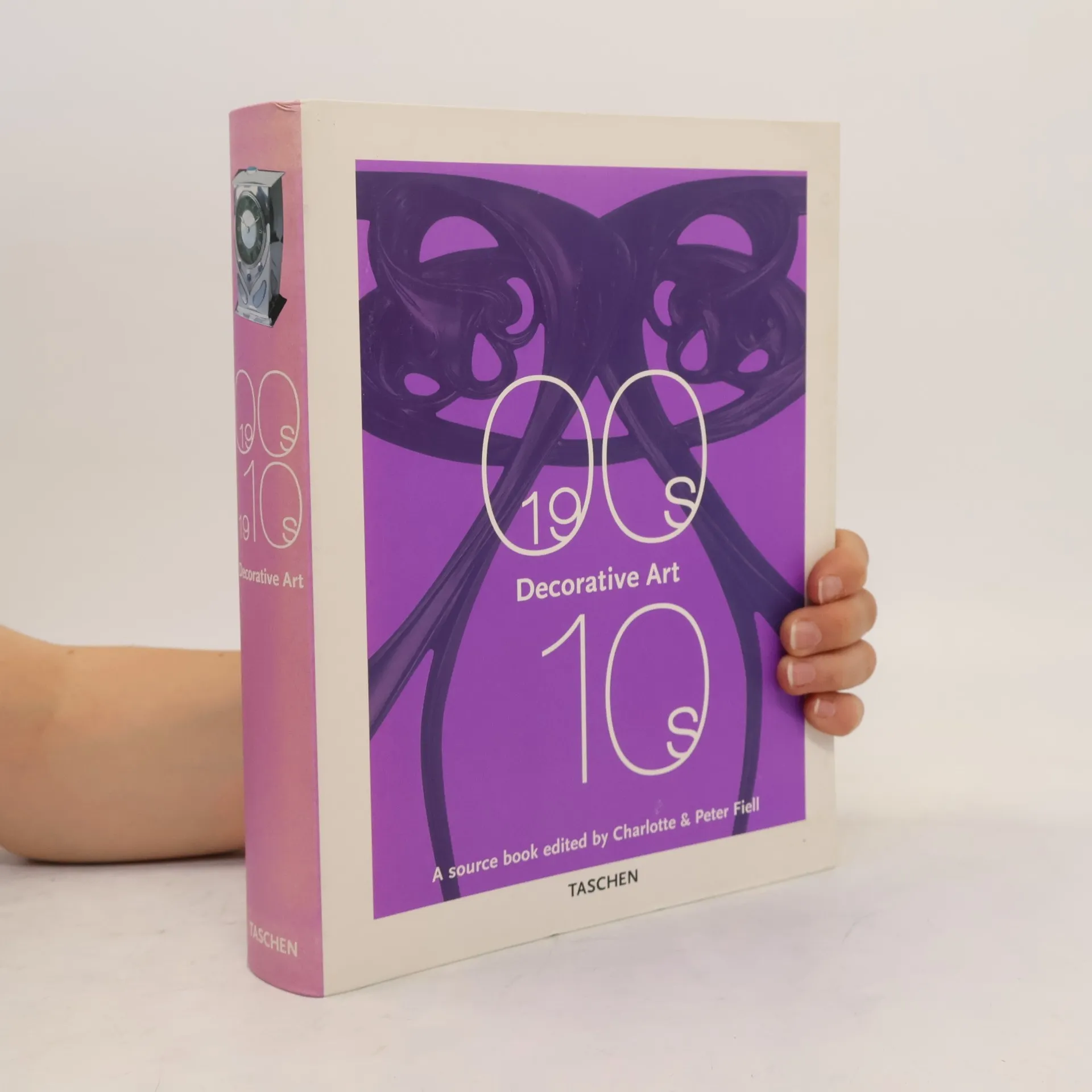
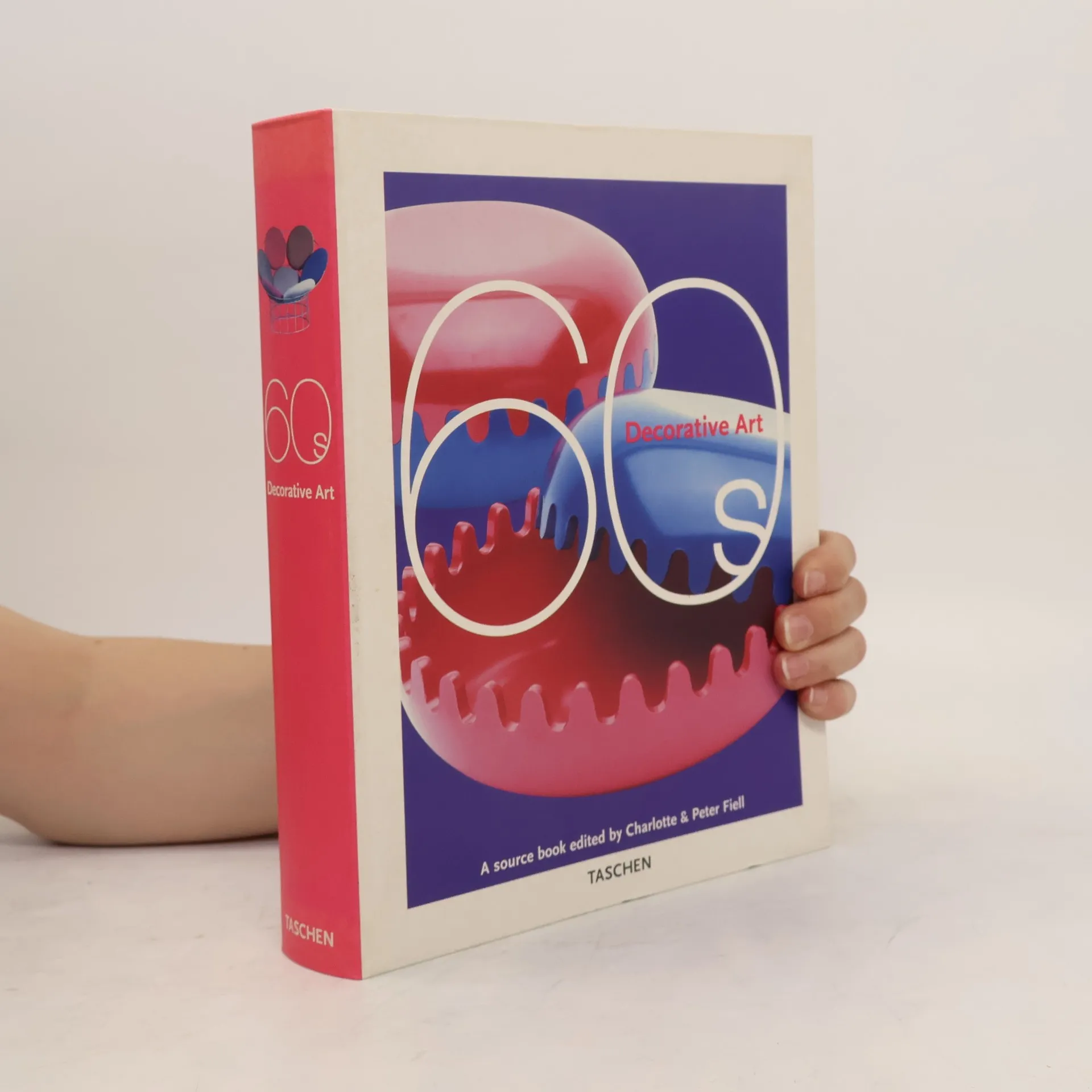
La série TASCHEN Decorative Arts couvre le 20e siècle jusqu'aux années 70 et rassemble le meilleur de Decorative Art, The Studio Yearbook. Ce yearbook a été publié annuellement de 1906 à 1980 et présentait les développements récents dans les domaines de l'architecture, du design d'intérieur, des meubles, de l'éclairage, du verre, des tissus, des métaux et de la céramique. Après la fin de sa publication, les yearbooks sont devenus difficiles à trouver, et les collectionneurs ainsi que les marchands ont payé des prix élevés pour ces œuvres prisées. Decorative Arts de TASCHEN conserve la mise en page originale, offrant ainsi un aperçu authentique des tendances et des styles de chaque décennie.
Un regard vers l'avenir. Une décennie marquée par des aventures dans le futurisme. Publié annuellement de 1906 à 1980, Decorative Art, The Studio Yearbook était dédié aux dernières tendances en architecture, intérieurs, mobilier, éclairage, verrerie, textiles, métallurgie et céramique. Ce volume met en lumière l'esthétique futuriste et expérimentale des années 1970. Après les révolutions des années 1960, le monde du design et de l'architecture est devenu un foyer d'idées de plus en plus excitant et dynamique, riche en écoles et mouvements opposés. C'était une époque plus extrême pour le design que la décennie précédente. L'expérimentation était omniprésente, et de nombreux projets, bien que peu pratiques, étaient des visions avant-gardistes d'un nouveau type d'art décoratif et de design. Divers groupes prônaient un retour aux méthodes naturelles, rejetant le style au profit de l'artisanat ou poussant la logique de la vie industrielle à son extrême concret et en hauteur. Decorative Art 1970s inclut le travail des étoiles les plus brillantes de la décennie, telles qu'Afra et Tobia Scarpa, Luigi Colani, Ettore Sottsass, Achille Castiglioni, Kisho Kurokawa, Norman Foster, Richard Meier et Theo Crosby.
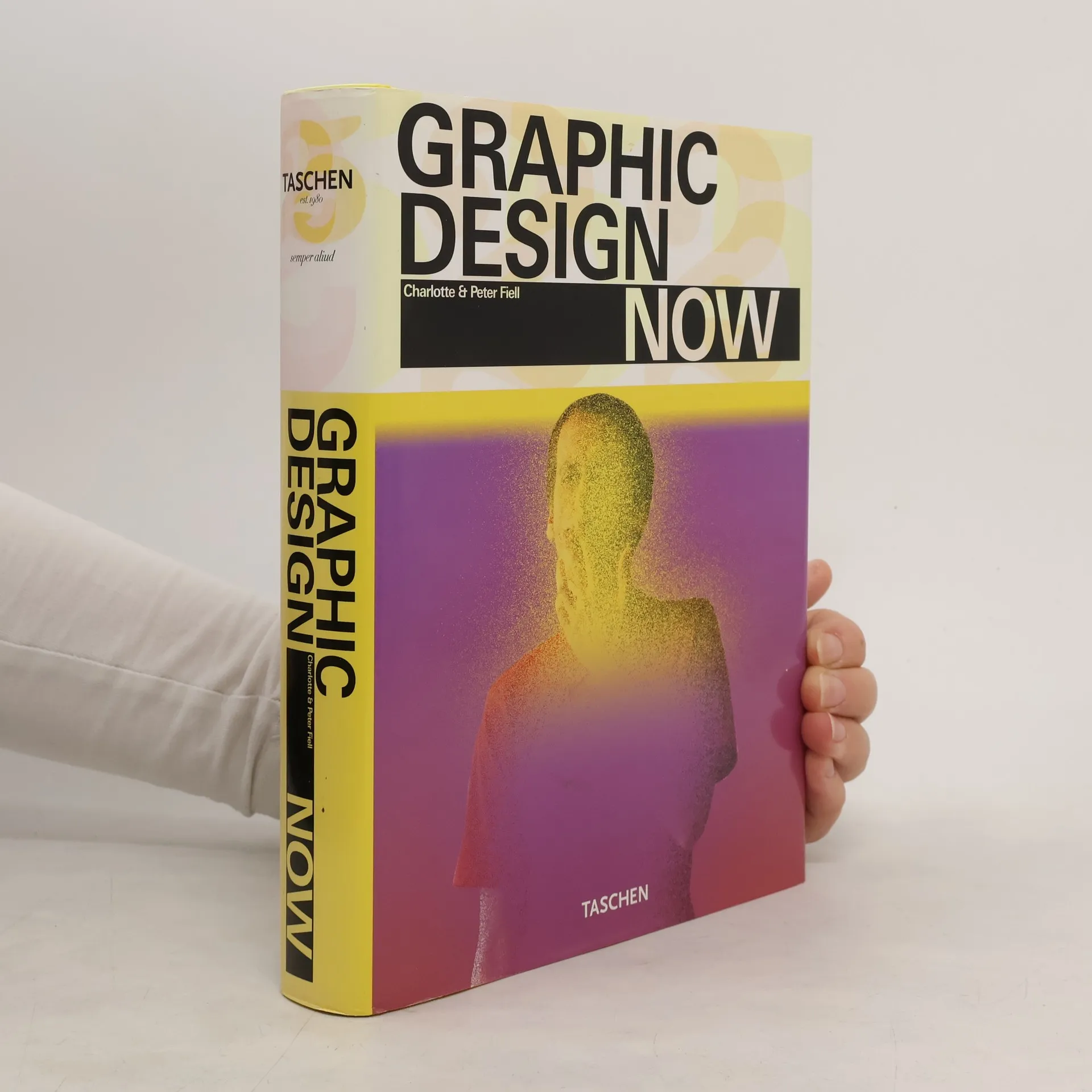
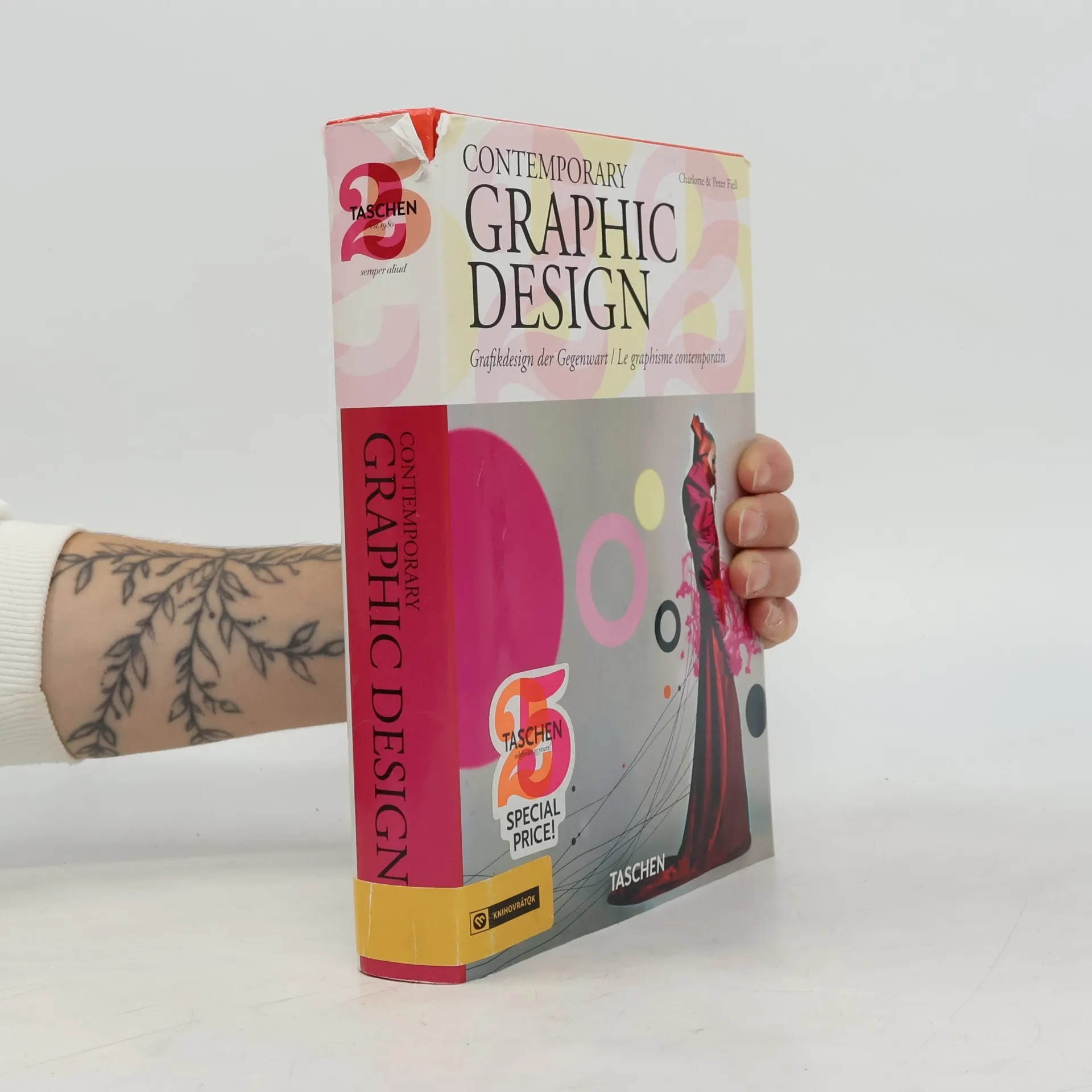
Covering a vast range of cutting-edge graphics, this book presents highlights of today's most progressive graphic currents, including politically charged anti-commercial work alongside contemporary advertising. It explores various aspects of graphic design, from signage and packaging to branding and web design, reflecting the dynamic and evolving nature of the field.
TASCHEN war rund um den Globus unterwegs und hat die Grafik-Trends von heute aufgespürt. Die unterschiedlichsten Anzeigen und Kampagnen - inklusive politischer und antikommerzieller Arbeiten - stehen in diesem Band Seite an Seite mit der neuesten Nike-Werbung. Das Buch bietet einen umfassenden Überblick über die aktuellen Trends von der Marken-Kampagne über Verpackung bis zum Webdesign. Insgesamt sind 52 Designer und Firmen mit aktuellen Arbeiten, Biografien und Kontaktinformationen alphabetisch gelistet. Alle 52 beantworten schliesslich die Frage nach der jeweils ganz persönlichen Vision von der Zukunft des Grafikdesign.
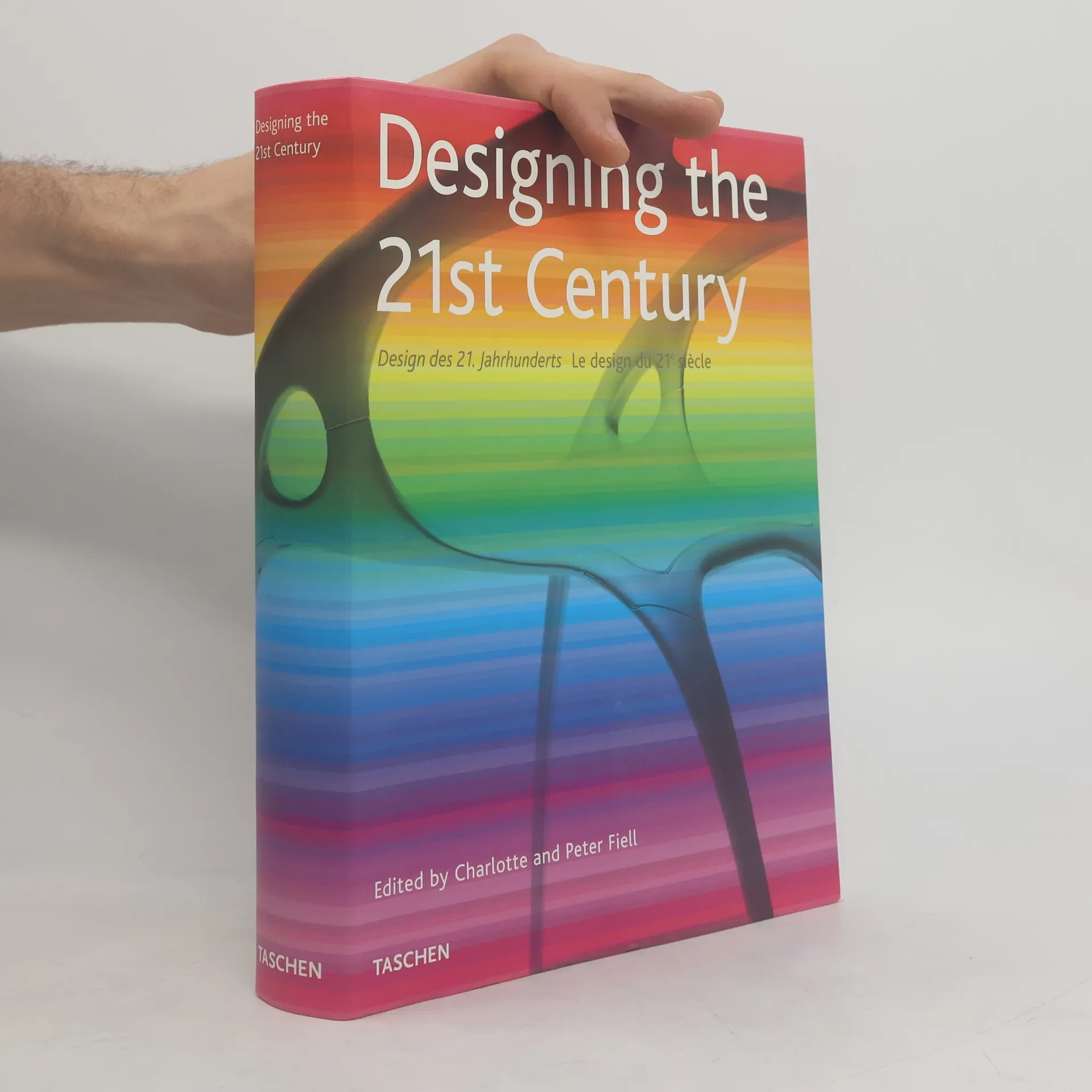
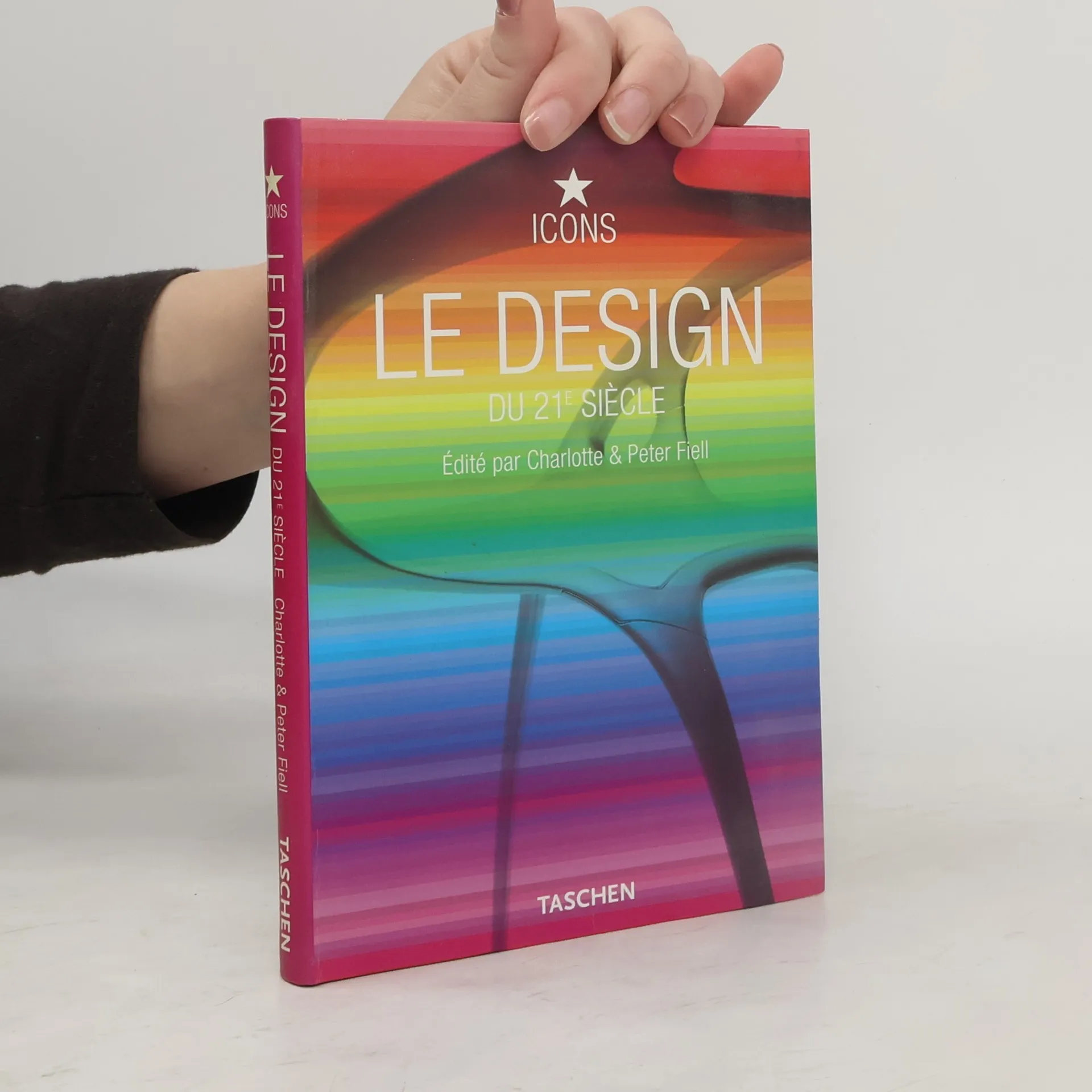
Design der 21. Jahrhunderts = Le design du 21e siècle
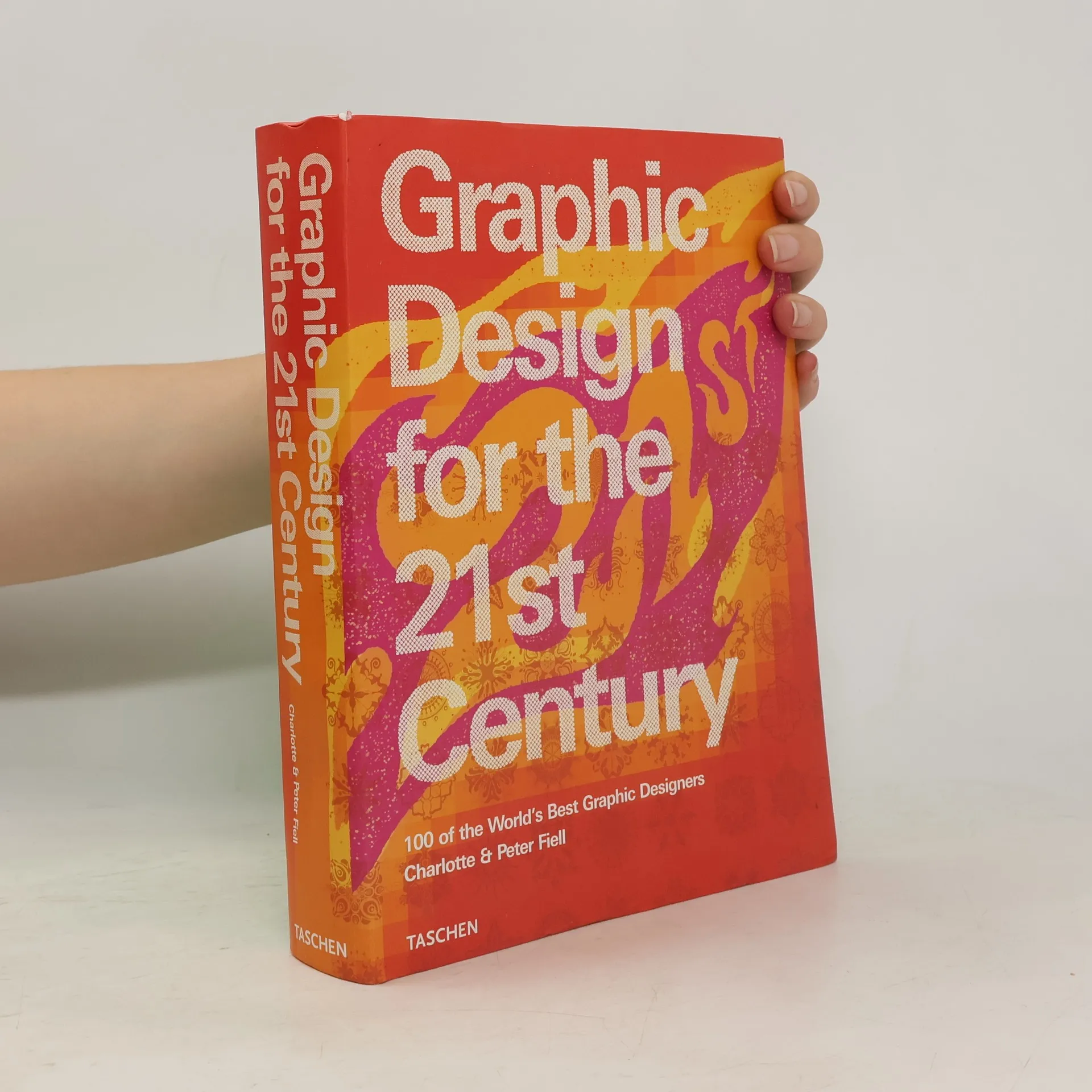
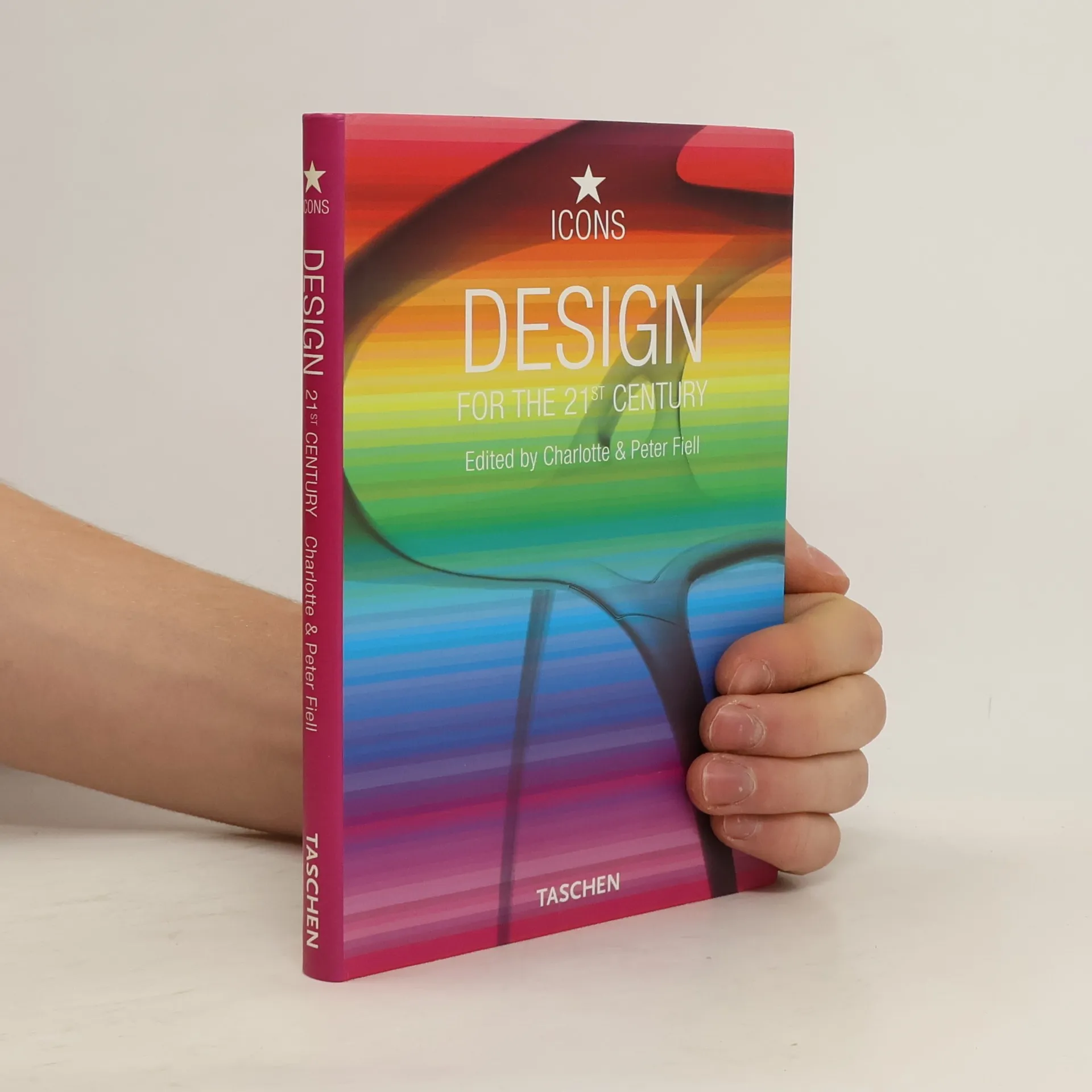
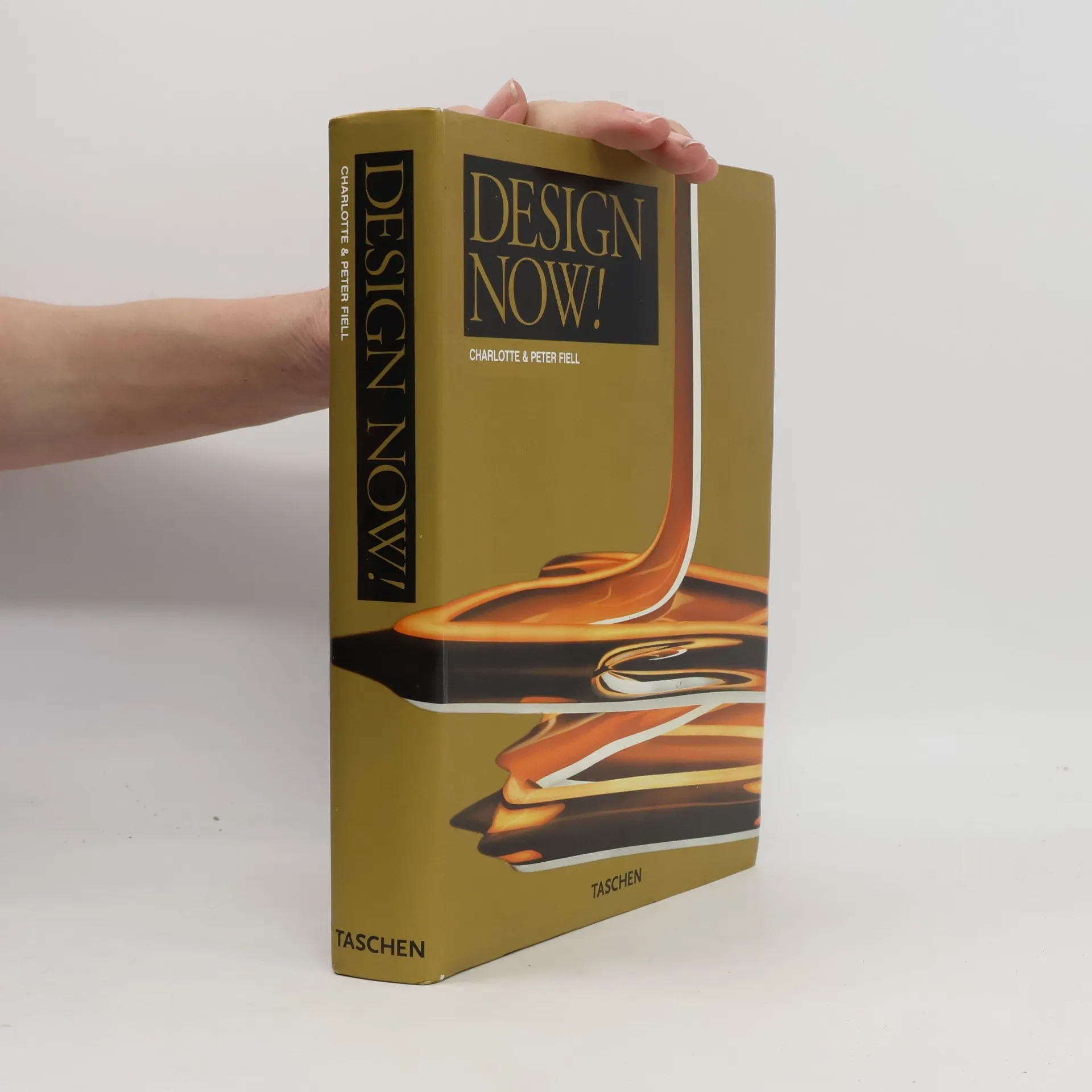
A SNEAK PREVIEW OF 21ST CENTURY AESTHETICS VIA THE VISION OF TODAY'S MOST INNOVATIVE DESIGNERS HOW DO TODAY'S BEST AND BRIGHTEST DESIGNERS SEE THE FUTURE OF DESIGN? INCLUDING A CROSS SECTION OF THE WORLD'S MOST INFLUENTIAL DESIGNERS, FROM SUPERSTARS TO NEWCOMERS, THIS GUIDE EXPLORES CUTTING EDGE PRODUCT DESIGN, FURNITURE, CERAMICS, APPLIANCES, ELECTRONICS, GLASSWARE, AND TEXTILES.
Comment les plus grands designers actuels voient-ils le design du futur ? Des superstars aux nouveaux venus, le design dans ses tendances les plus actuelles.
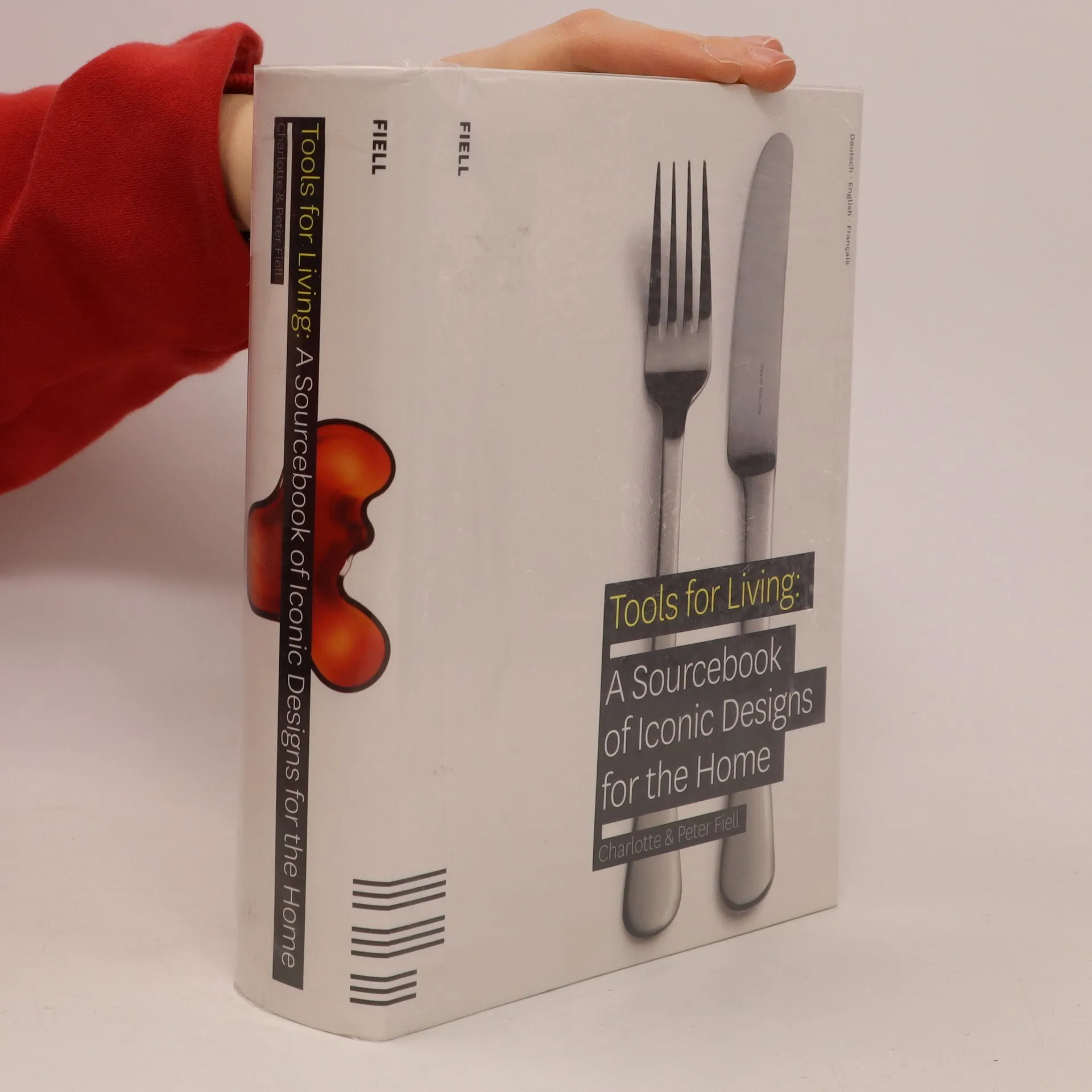
Features the ultimate things designed for the home - from chef knives and pots and pans, to door handles and bathroom taps, to home-office furniture and garden tools. This sourcebook also includes manufacturers' web addresses for each product, so readers can easily find where to buy them.
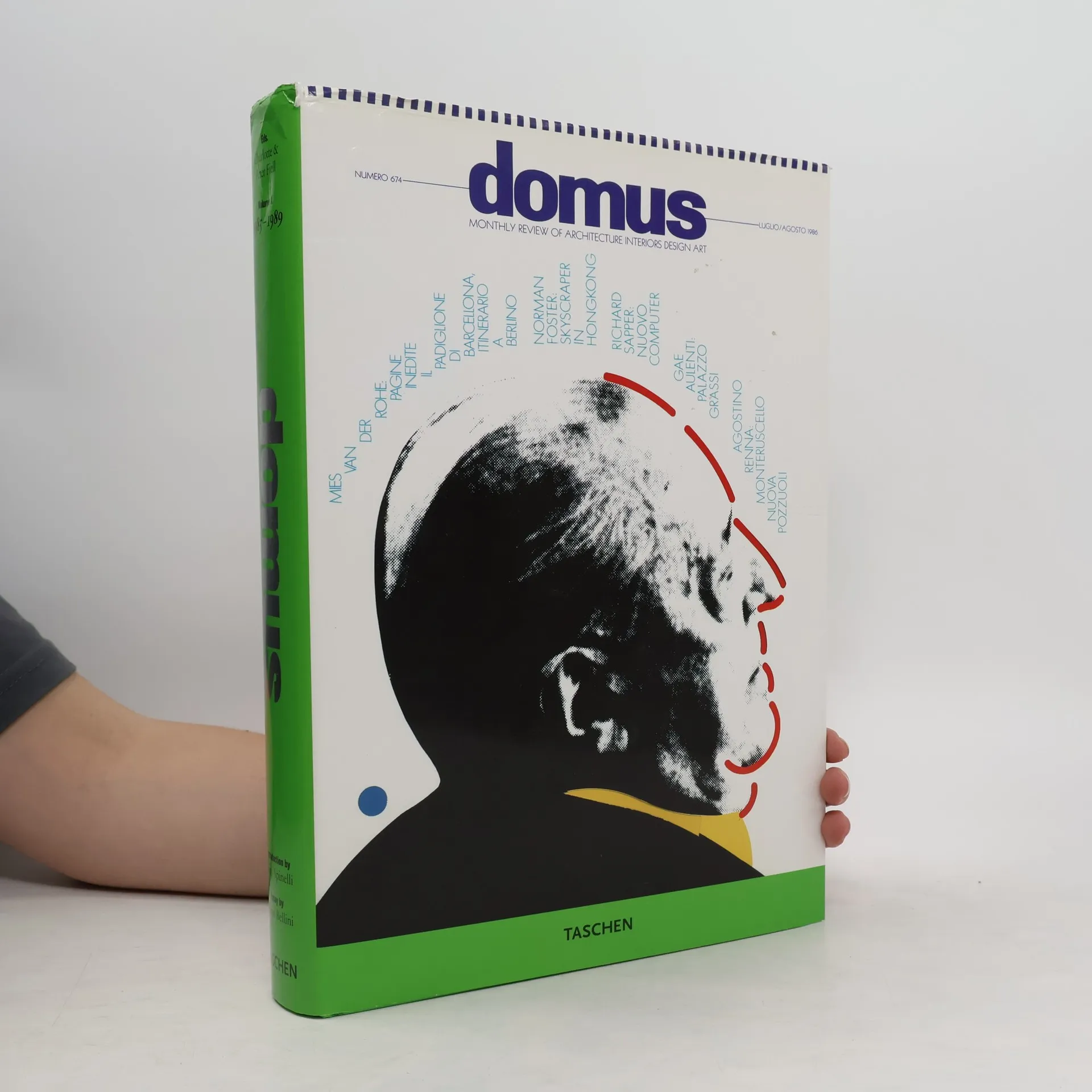
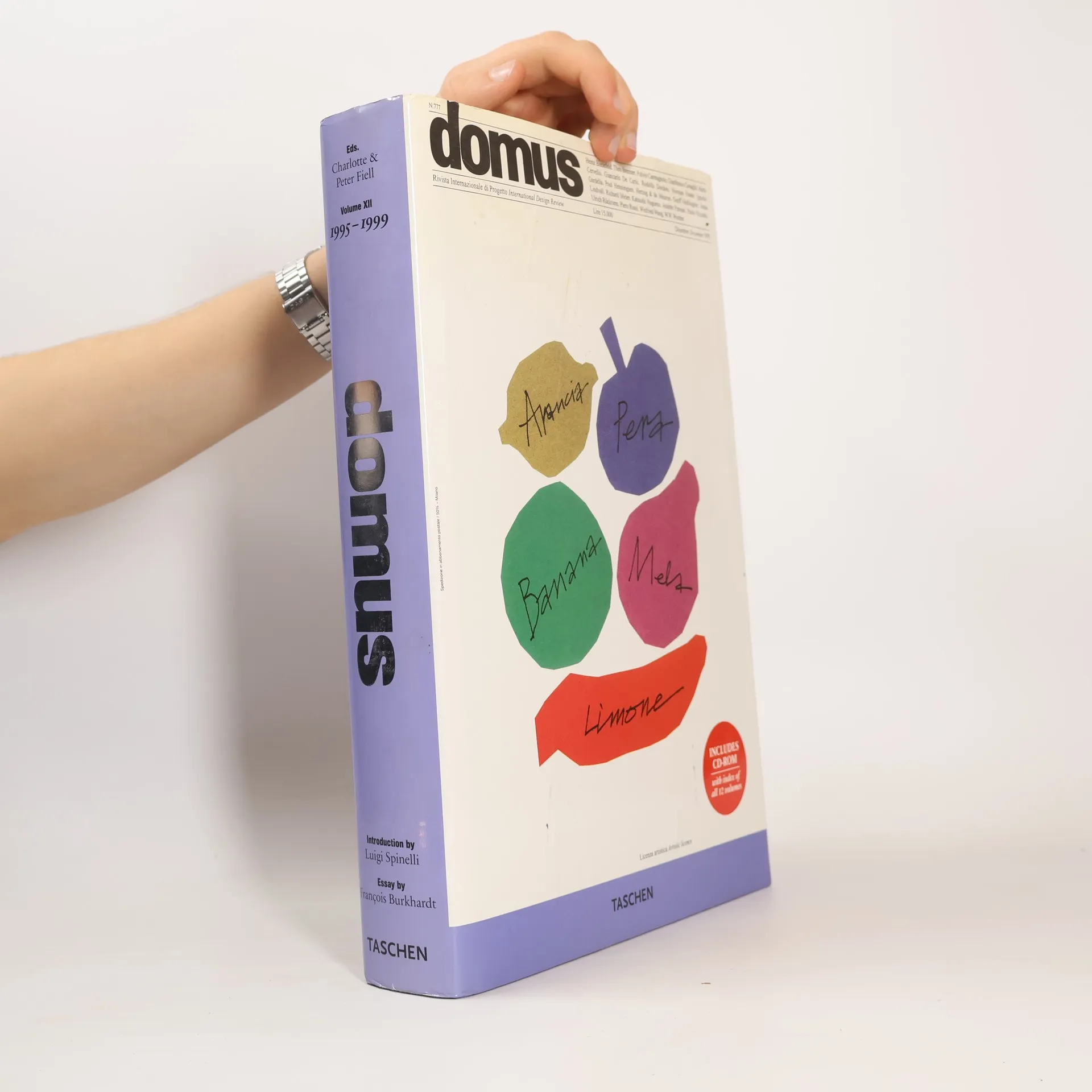
Per ottant'anni la rivista Domus è stata salutata come la rivista di architettura e design più influente del mondo. Fondata nel 1928 dall'architetto milanese Giò Ponti, è sempre rimasta fedele al suo intento iniziale, cioè quello di offrire un punto di vista privilegiato su tutto quello che identifica una particolare periodo, dall'Art Deco al Movimento modernista, dal Funzionalismo al Pop. Concepito con un layout chiaro ed elegante e corredato da articoli chiari ed esaustivi, pagina dopo pagina Domus è la rivista che meglio illustra l'arte e l'architettura a livello mondiale. I valori prima ampiamente riconosciuti, quali la funzionalità, l'eleganza, il rispetto dei materiali furono accantonati per lasciare spazio alle idee pop e alla critica socioculturale delle nuove generazioni di architetti e designer che volevano differenziarsi dai loro padri. In questo decimo volume troviamo la seconda metà degli anni ottanta.
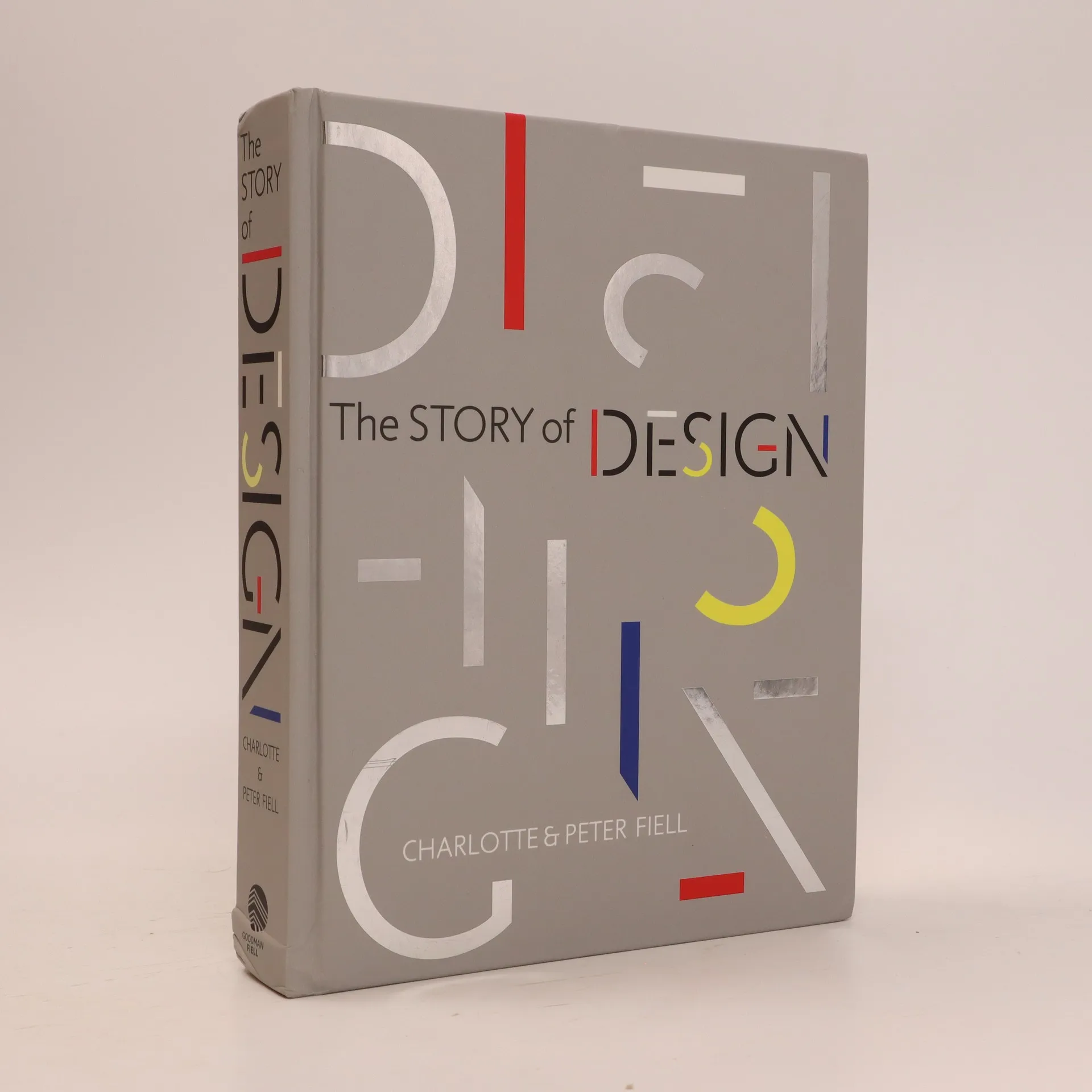
Design is a multi-disciplined approach to problem-solving that has always uniquely reflected humankind's aspirations, needs and desires. It has both shaped and mirrored the spirit of our times. 'The Story of Design' is a fascinating multi-stranded account that is truly comprehensive in its scope, introducing the styles, movements, theories, materials, processes, technologies, leading practitioners and companies that have shaped modern design into what it is today. Contextualizing developments in design with regard to wider social, cultural and political matters, this is an indispensable overview of creative endeavour in the pursuit of the better-designed product.
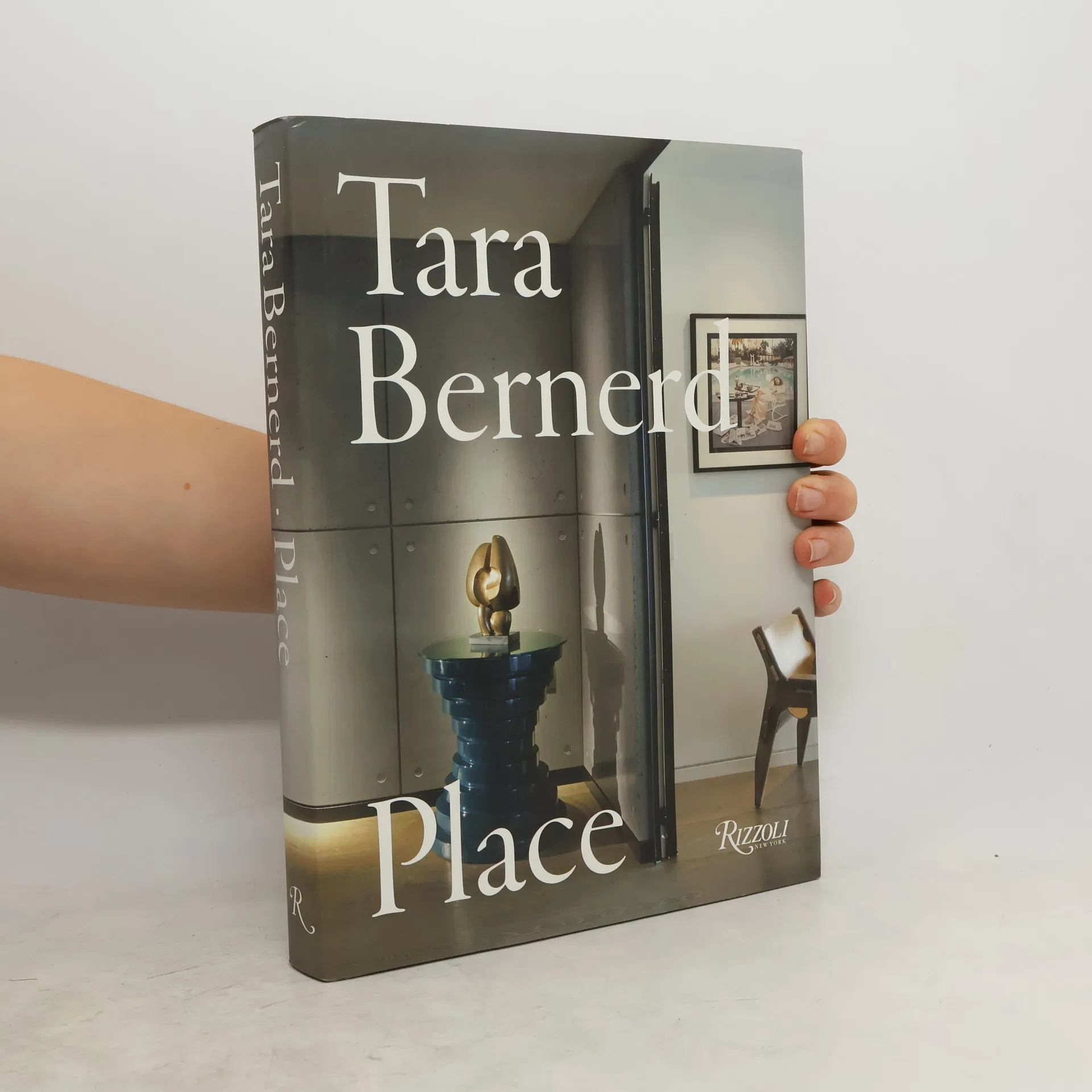
Tara Bernerd’s interior design is highly regarded for her bold and contemporary approach to luxury. London-based designer Tara Bernerd is known for creating interiors that have a very special sense of place. Committed to the utility of good design, Bernerd works on an increasingly global platform with projects around the world. From the interiors of stunning beachside villas to chic urban apartments, her intelligent use of spatial planning, keen eye for composition and detailing, and remarkable flair for color and texture made her one of the most sought-after interior designers in the world. This book captures Bernerd’s intuitive ability to create luxurious interiors that possess a remarkable feeling of character and warmth. By mixing high and low, merging organic with industrial, and incorporating old with new, Bernerd creates a sense of place that is anything but ordinary. She utilizes her impeccable eye for detail, carefully selecting books, candles, glassware, and trays in order to enhance every element of design. Beautifully illustrated with stunning images of Bernerd’s projects, including images of her own home, this luxurious volume celebrates the breadth of Bernerd’s creations and seeks to inspire on every level.
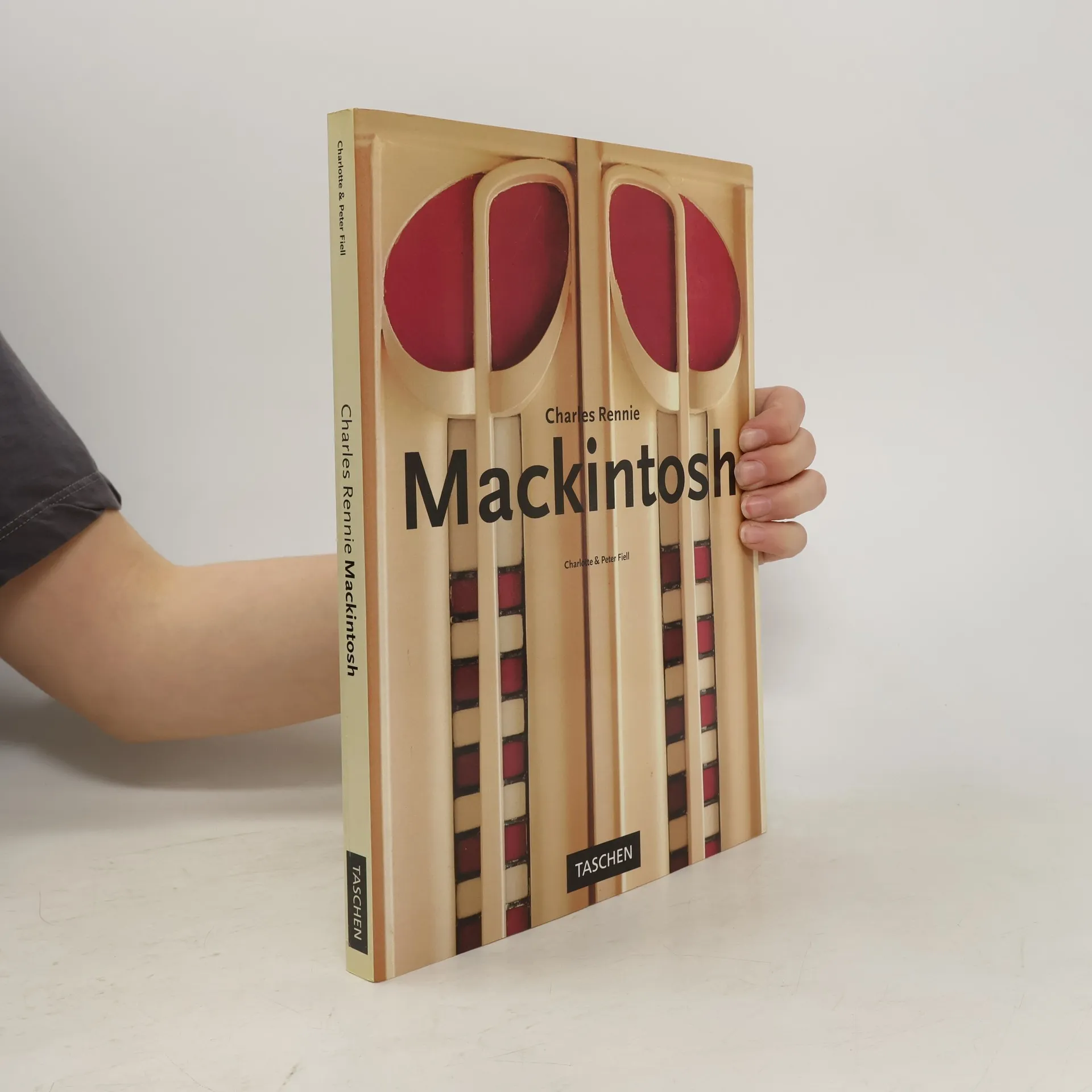
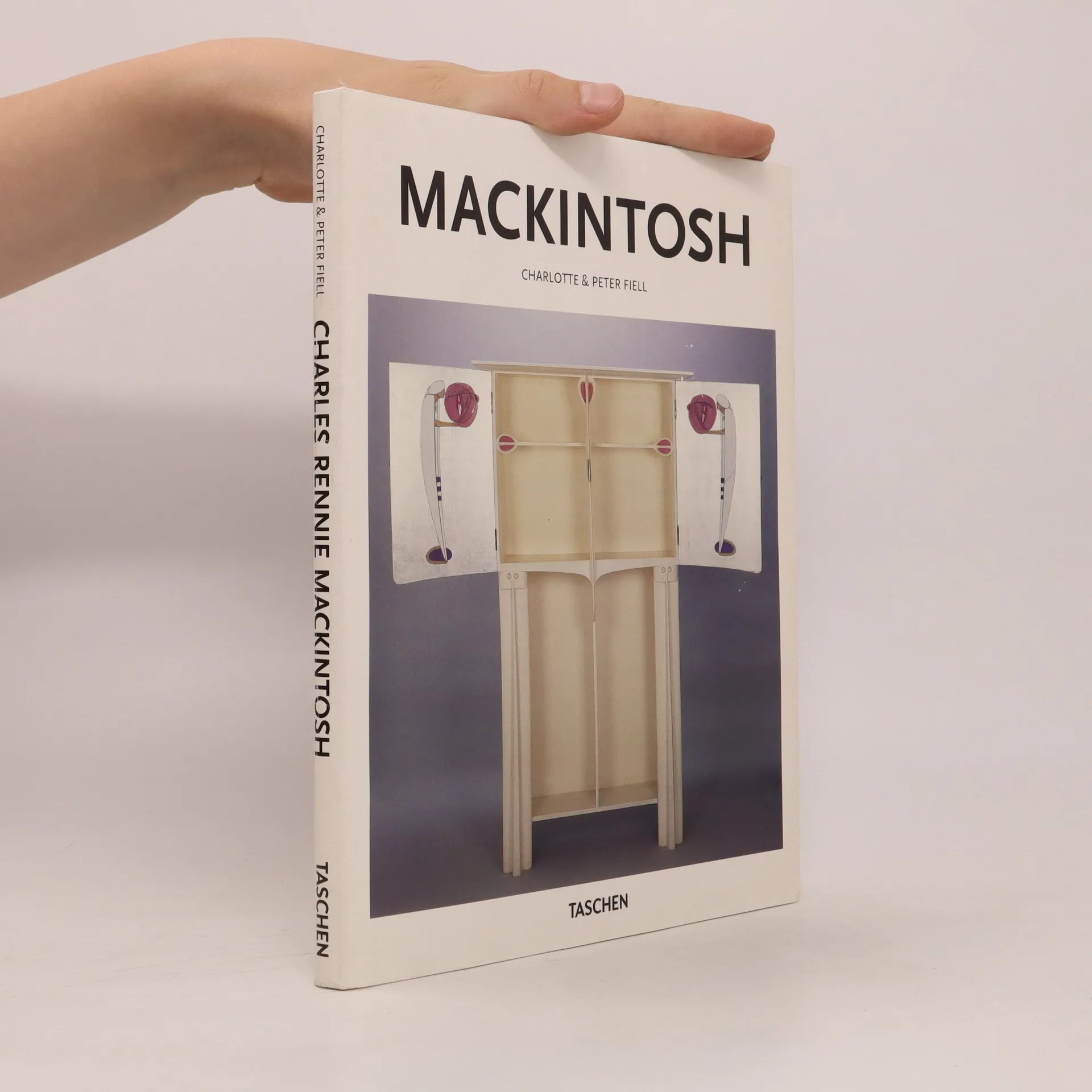
L'introduction résume la vie et la carrière de Charles Rennie Mackintosh, architecte, designer et peintre écossais. Précurseur de l'Art nouveau, Mackintosh fut surtout un créateur original qui est resté en dehors des grands courants stylistiques de son temps. Présentation des principales réalisations de l'artiste : bâtiments, design intérieur, peintures, meubles, tissus dessinés
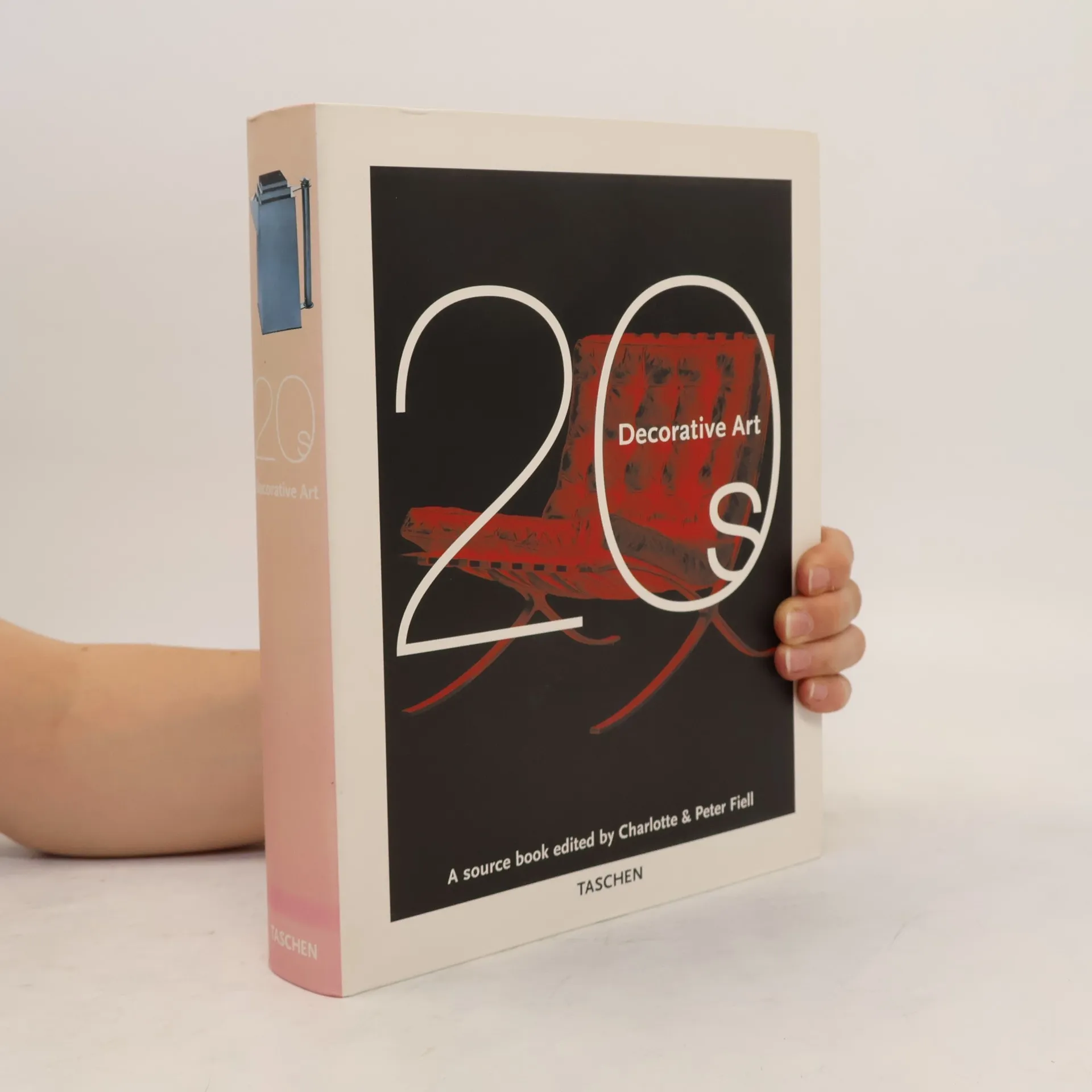
This work reproduces material from "Studio Magazine" - a look at innovations in 1920s interior design and architecture. It spans through the design styles of the roaring Twenties, from the Art Deco movement flaunting excess through Modernism and into Le Corbusiers "machines for living".
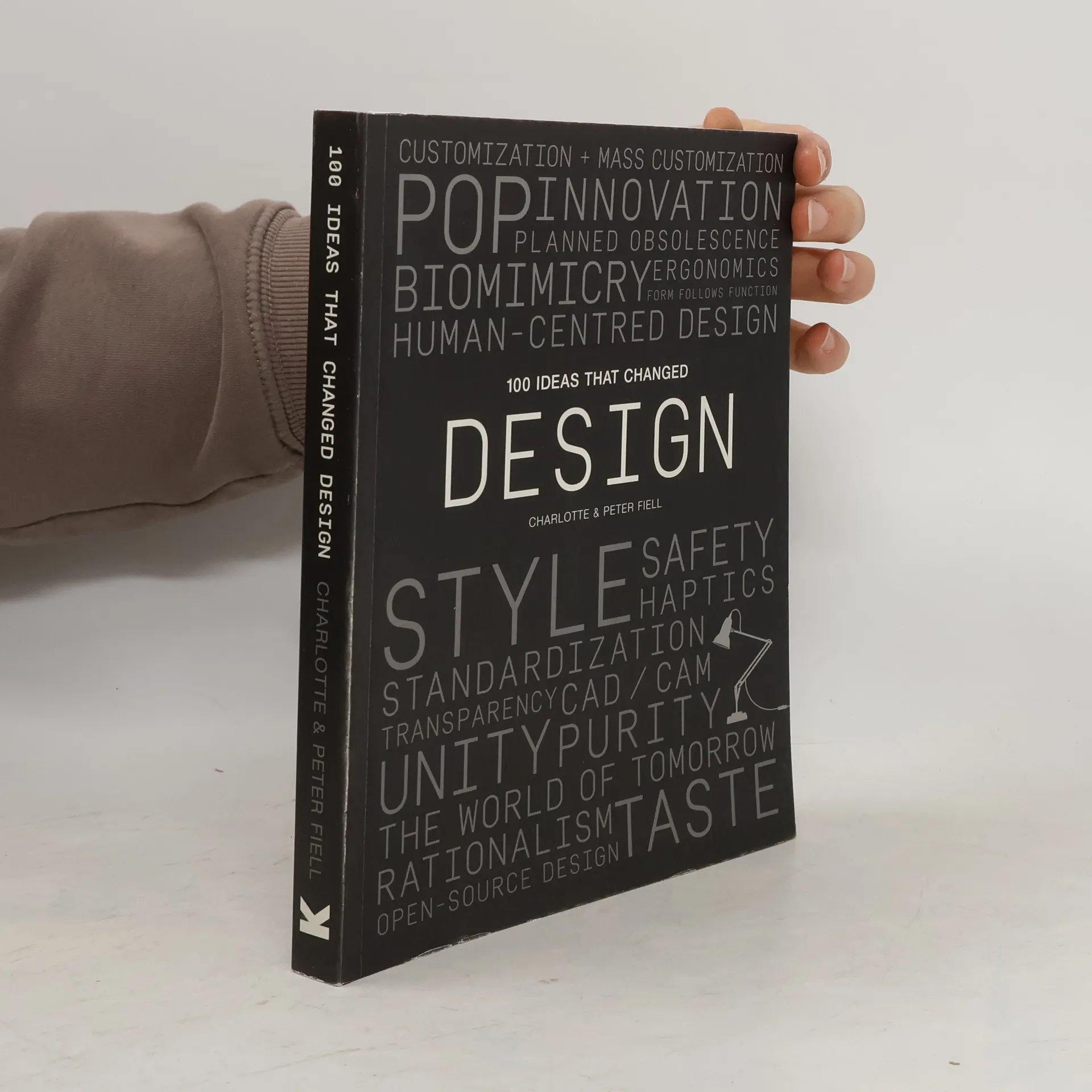
This inspiring book chronicles the most influential ideas that have shaped industrial and product design. Written by two experts on modern design, it provides a concise history of the subject, and offers a fascinating resource to dip into for the general reader.From the origins of modern design in the craft movements of the 19th and early 20th century, and the changes brought about by mass production, the book traces the most important ideas in design through the modern movement and post-war consumer society to more recent ideas such as Open-Source Design and Biomimicry.
This guide to the design trends and styles of the 1930s and 1940s reproduces material from "Studio Magazine" - a work dedicated to decorative arts. It examines the transition from Romanticism to Rationalism, from the opulent Art Deco style to the pragmatic Modernist designs.
This reference book highlights the period which marked the aesthetic transition from the Victorian era to the modern age. It reproduces examples from Studio Magazine's "Decorative Arts Yearbook", looking at the avant garde work of designers such as Charles Rennie Mackintosh.
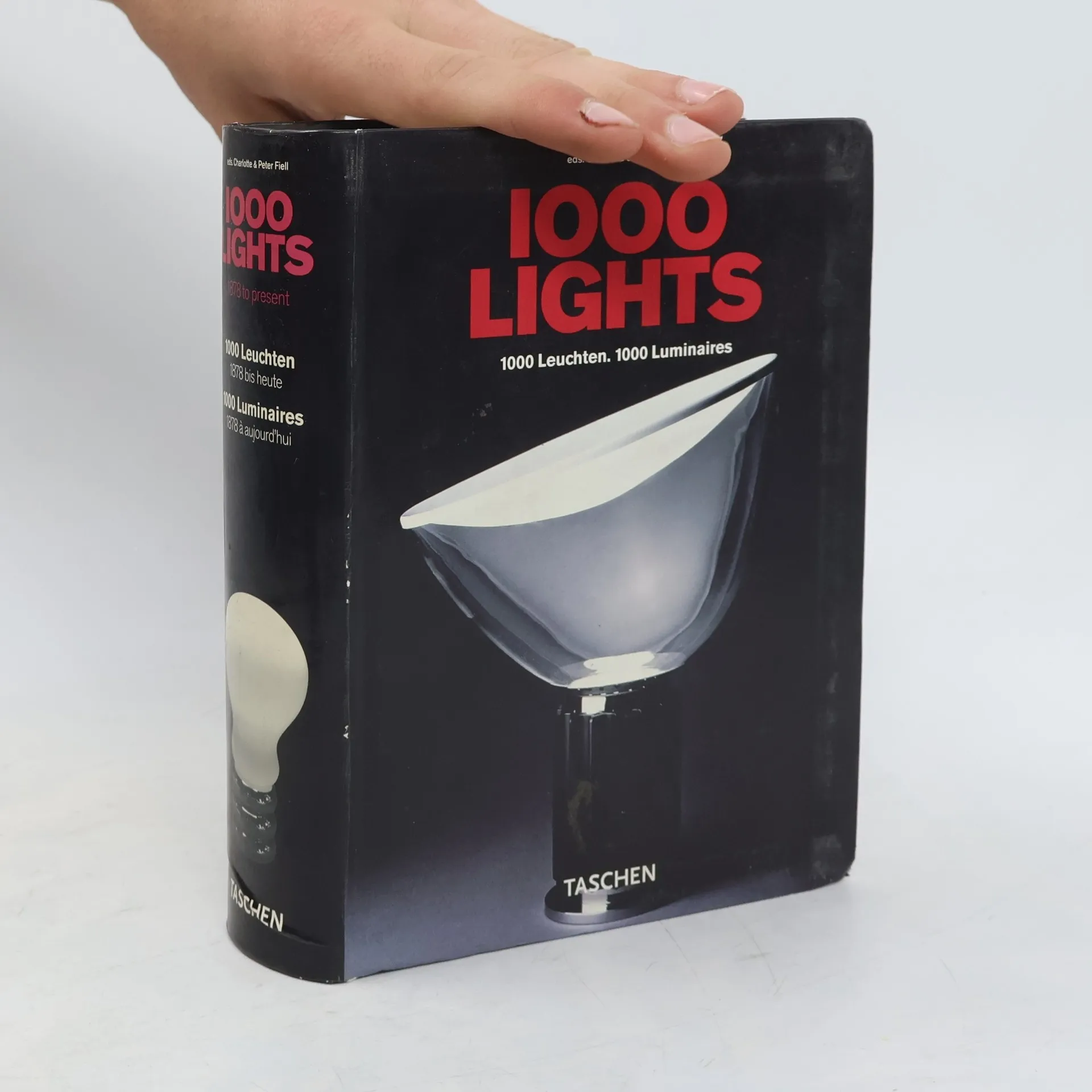
Dieser Band begleitet den Klassiker 1000 Chairs und präsentiert eine außergewöhnliche Auswahl an mehr als 1000 Lichtquellen. In chronolgischer Reihenfolge werden die wichtigsten elektronischen Lichter der Geschichte gezeigt – von Edisons erster Birne über die traumhaften Tiffany-Lampen und extravaganten Designstücke der späten 1960er und der 1970er bis hin zur aktuellsten LED-Technik. Das 704 Seiten starke Buch berücksichtigt dabei alle entscheidenden Stilrichtungen – wie Jugendstil, Art Déco, den Beginn der Moderne, Nachkriegskunst, Pop, Postmoderne und zeitgenössische Kunst.
"Form meets function The industrial designs that shape our lives ... Tracing the evolution of industrial design from the Industrial Revolution to the present day, the book bursts with synergies of form and function that transform our daily experience. From cameras to kitchenware, Lego to Lamborghini, we meet the individual designers, the global businesses, and above all the genius products, that become integrated into even the smallest details of our lives. Alongside star designers like Marc Newson and Philippe Starck, and major global brands like Braun, Samsung, and Apple, lesser-known and newcomer entries such as Brompton Bicycles and Enercon wind turbines attest to product design s restless pace, as well as to today s most pressing challenges and priorities to which it must turn its creative invention."
A sneak preview of 21st century aesthetics via the vision of today's most innovative designers.How do today's best and brightest designers see the future of design? Including a cross section of the world's most influential designers, from superstars to newcomers, this guide explores cutting edge product design, furniture, ceramics, appliances, electronics, glassware, and textiles.
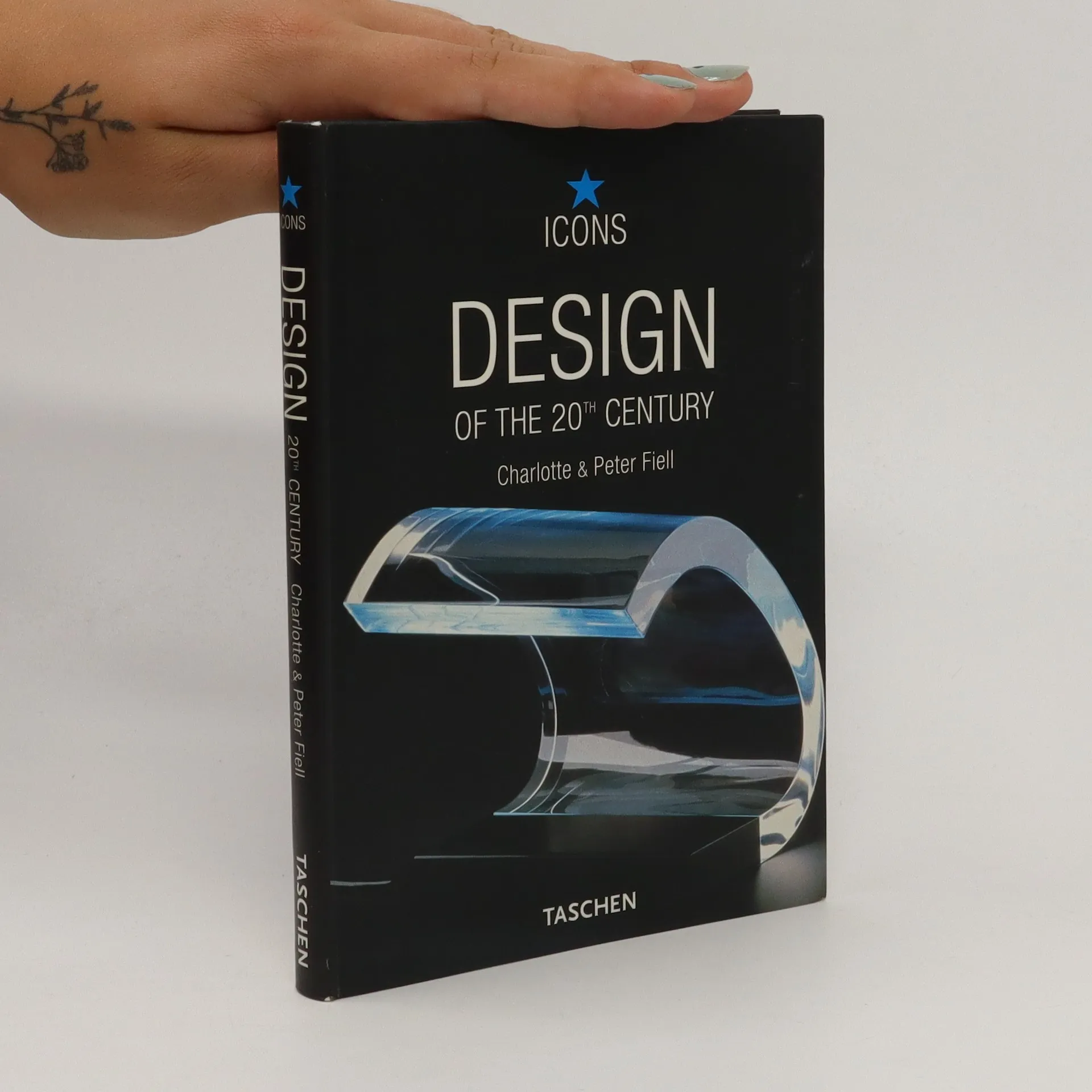
This text is a journey through the shapes and colours, forms and functions of design history in the 20th century. It contains an A-Z of designers and design schools, which builds into a complete picture of contemporary living.
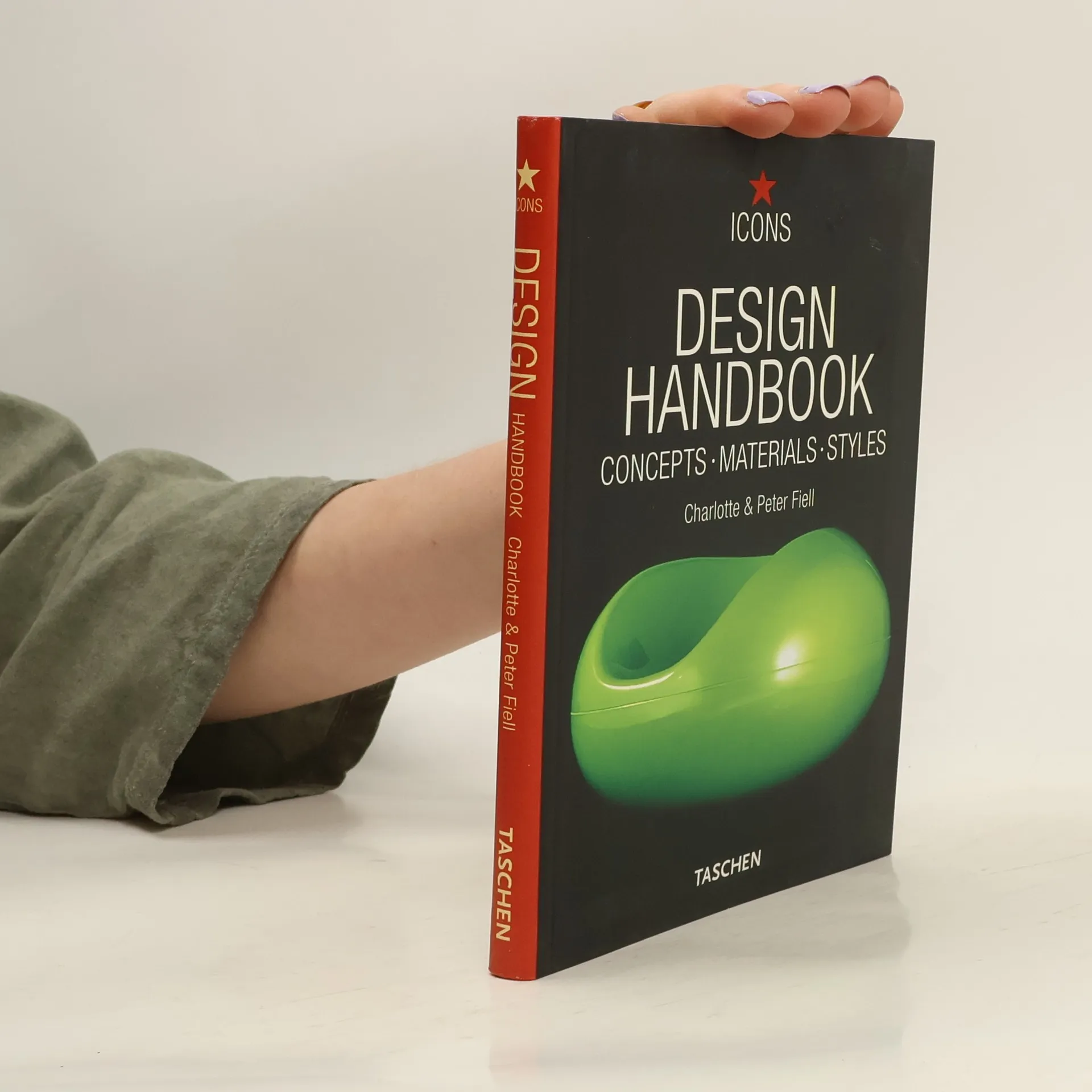
Knowledge is power: A to Z design definitions At last: a highly affordable, user-friendly handbook on design that covers all the major concepts, materials, and styles over the last 150 years with concise, easy-to-understand definitions. And as you'd expect from TASCHEN, it's packed cover to cover with outstanding images too. An absolutely indispensable book for all design fans! The editors: Charlotte J. and Peter M. Fiell run a design consultancy in London specializing in the sale, acquisition, study and promotion of design artifacts. They have lectured widely, curated a number of exhibitions, and written numerous articles and books on design and designers, including TASCHEN?S 1000 Lights, 1000 Chairs, Design of the 20th Century, Industrial Design A-Z, Designing the 21st Century, and Scandinavian Design.
Per ottant&'anni la rivista Domus è stata salutata come la rivista di architettura e design più influente del mondo. Fondata nel 1928 dall&'architetto milanese Giò Ponti, è sempre rimasta fedele al suo intento iniziale, cioè quello di offrire un punto di vista privilegiato su tutto quello che identifica una particolare periodo, dall&'Art Deco al Movimento modernista, dal Funzionalismo al Pop. Concepito con un layout chiaro ed elegante e corredato da articoli chiari ed esaustivi, pagina dopo pagina Domus è la rivista che meglio illustra l&'arte e l&'architettura a livello mondiale. I valori prima ampiamente riconosciuti, quali la funzionalità, l&'eleganza, il rispetto dei materiali furono accantonati per lasciare spazio alle idee pop e alla critica socioculturale delle nuove generazioni di architetti e designer che volevano differenziarsi dai loro padri. In questo nono volume troviamo i primi anni ottanta l&'età del postmodernismo. I nomi sono quelli di Alessandro Mendini, Andrea Branzi, Michele de Lucchi e Ettore Sottsass fra gli altri.
""Domus"" has been hailed as the world's most influential architecture and design journal. Articles that bring to light the incredible history of modern design and architecture are also included.
Per ottant'anni la rivista Domus è stata salutata come la rivista di architettura e design più influente del mondo. Fondata nel 1928 dall'architetto milanese Giò Ponti, è sempre rimasta fedele al suo intento iniziale, cioè quello di offrire un punto di vista privilegiato su tutto quello che identifica una particolare periodo, dall'Art Deco al Movimento modernista, dal Funzionalismo al Pop. Concepito con un layout chiaro ed elegante e corredato da articoli chiari ed esaustivi, pagina dopo pagina Domus è la rivista che meglio illustra l'arte e l'architettura a livello mondiale. I valori prima ampiamente riconosciuti, quali la funzionalità, l'eleganza, il rispetto dei materiali furono accantonati per lasciare spazio alle idee pop e alla critica socioculturale delle nuove generazioni di architetti e designer che volevano differenziarsi dai loro padri. In questo ottavo volume troviamo la seconda metà degli anni settanta, un'epoca segnata dalla crisi petrolifera, quando anche architettura e design dovettero fare i conti con fonti energetiche alternative. I nomi sono Richard Meier, Foster Associates, Arata Isozaki e Kisho Kurakawa.
1965-1969: A Break from the Past, a Nod to the Future. The late 1960s, when a radical change took place in the fields of architecture and design, are the focus of this volume. Old values such as functionality, elegance, and faithfulness to materials, which had been relevant for nearly half a century, lost their importance and made space for the ideas of pop culture and the sociocritical experiments of a new generation of architects and designers who no longer wanted to live within the styles of their fathers and grandfathers. Groups of architects and designers like Archizoom and Archigram questioned long-established status symbols, fashion, and consumption and created provocative alternative designs, which were reflected in Anti and Radical Design. Volume VI in the domus series features designs by Joe Colombo, Ettore Sottsass, Gae Aulenti, Olivier Mourgue, Achille and Pier Giacomo Castiglioni, Verner Panton, Kenzo Tange, Luigi Moretti, Oscar Niemeyer, and Gio Ponti, among many.
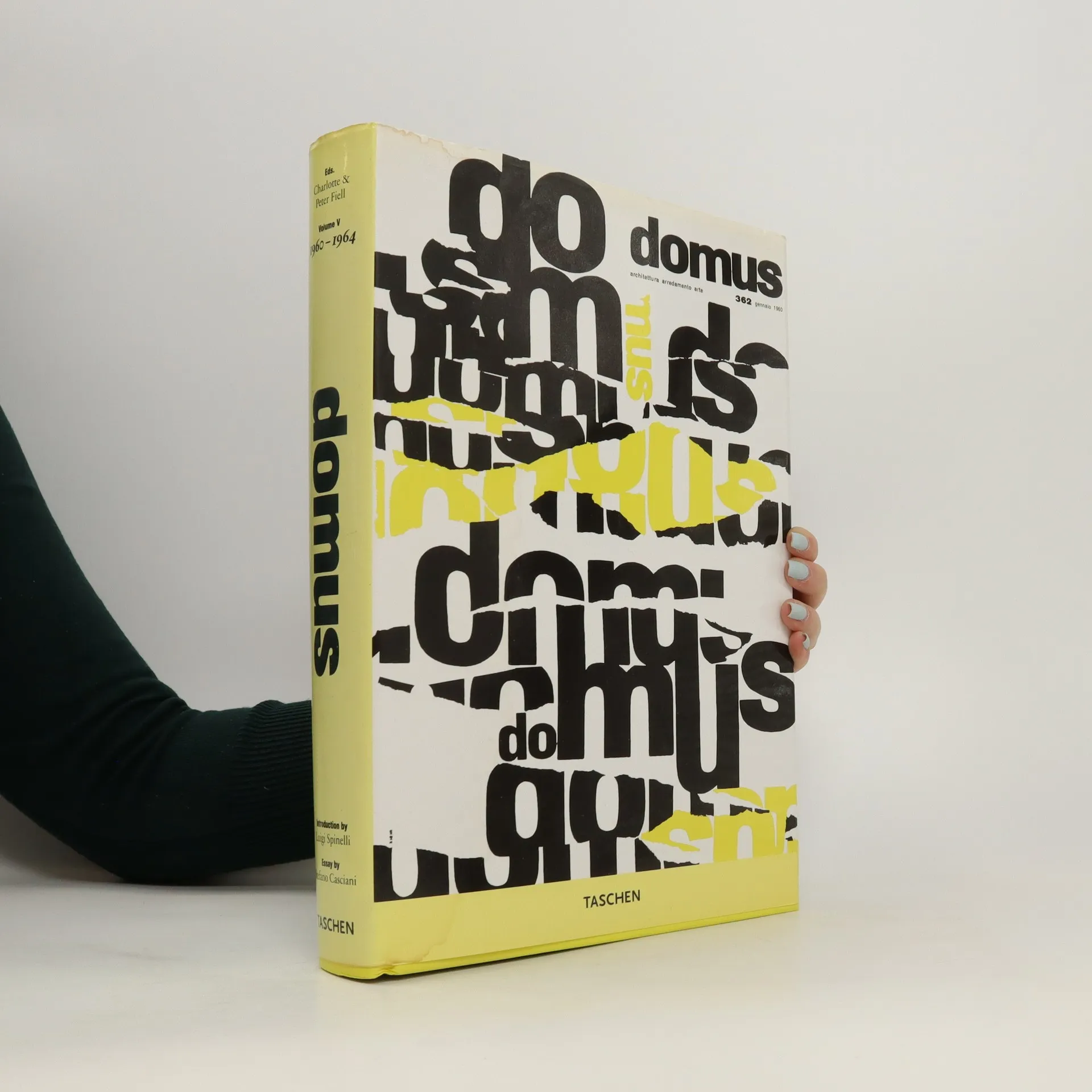
1960-1954: Design Goes Pop. This volume concentrates on the architecture and design of the first half of the 1960s, characterized by the coexistence of a number of different styles. The aftermath of the International style and Good Design were still noticeable whereas Organic Design, which had developed in parallel since the late 1940s, gradually lost its influence. From the early 1960s onwards, a new force took its place, geared toward Pop Art and popular culture, leading to Pop Design. This trend is particularly recognizable in interior design, where a variety of new synthetics and foam plastics replaced traditional materials such as metal, glass or wood, pointing the way to completely new designs. Volume V documents this with examples of designs by Ray and Charles Eames, Verner Panton, Achille and Pier Giacomo Castiglioni, and Joe Colombo. On the architectural side, the impressive buildings of Gio Ponti, Carlo Scarpa, Angelo Mangiarotti, James Stirling, and Eero Saarinen.
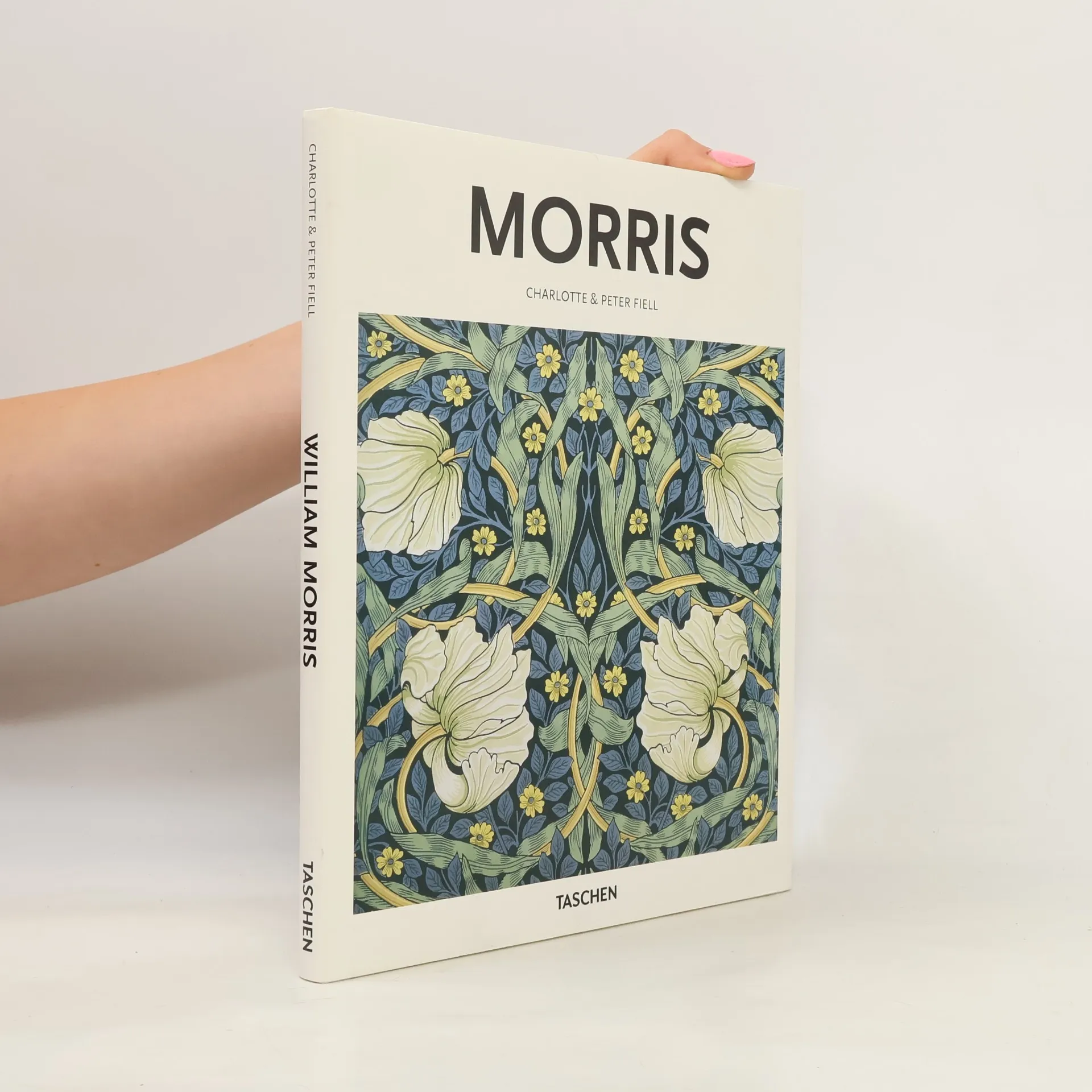
William Morris (1834–1896) war ein herausragender kreativer Geist des 19. Jahrhunderts und ein Pionier der Arts-and-Craft-Bewegung. Als Designer, Handwerker, Schriftsteller, Künstler und Sozialreformer kritisierte er das Industriezeitalter mit seinen massenproduzierten, lieblosen Produkten, die er als moralisches und ästhetisches Problem betrachtete. Morris glaubte, dass es ein Grundbedürfnis sei, von schönen Dingen umgeben zu sein, und träumte von einer Gesellschaft, in der Kunst und Bildung für alle zugänglich sind und Gleichheit in der kreativen Arbeit herrscht. Er war stark vom Mittelalter und den Präraffaeliten beeinflusst und verband Handwerkskunst mit traditionellen Motiven für die Gegenwart. Obwohl seine Arbeiten vor allem von der Aristokratie und dem gehobenen Bürgertum geschätzt wurden, mindert dies nicht seinen visionären Einfluss. Heute sind seine Ideen in Architektur, Textilkunst und Raumgestaltung präsent. Seine Tapetenentwürfe werden weiterhin produziert, und seine floralen Muster finden sich in aktuellen Modekollektionen sowie in Alltagsgegenständen. Dieses reich bebilderte Buch beleuchtet sein facettenreiches Leben und sein grenzenloses kreatives Schaffen, das von Architektur über Möbeldesign bis hin zur Kalligraphie reicht.
Přehled designu 20. století představuje styly, hnutí, školy, firmy a instituce, které určovaly trendy rozvoje teorie i praxe designu, byly novátorské při hledání tvarů i materiálů a technických prostředků. Autoři přitom věnovali pozornost návrhům nábytku, textilií, skla, keramiky, výrobků z kovu, průmyslových výrobků a užité grafiky.
Van organisch tot geometrisch, van Art Deco tot Pop en High-Tech, dit boek bevat alle grote namen, zoals b.v. Bernhard, Bertoia, De Stijl, Dieter Rams, Starck, Charles en Ray Eames om maar slechts enkele te noemen. Kortom een uitgebreide “reis” door de vormen, kleuren en functies in de geschiedenis van design in de 20e eeuw. Rijkelijk geillustreerd en compleet met een lijst van designers en design-opleidingen van A tot Z.
Der schottische Architekt, Designer, Grafiker und Maler Charles Rennie Mackintosh (1868–1928) war ein Pionier der modernen Architektur und des Designs. Sein Gestaltungswille umfasste alles von Gebäuden über Möbel bis hin zu Bettwäsche und Tischbesteck, alles sollte einem einheitlichen, neuen Look dienen. Gemeinsam mit seiner Frau Margaret MacDonald, die ebenfalls Designerin war, bildete er eine Hälfte des Glasgower Kollektivs „The Four“, das Designgeschichte schrieb. Die andere Hälfte bestand aus Margarets Schwester Frances und ihrem Ehemann James Herbert MacNair. Mackintosh liebte kraftvolle Linien, elegante Proportionen und Naturmotive, kombiniert mit einem modernen Sinn für Funktion und einem Hauch Japonismus. Zu seinen bedeutendsten Projekten zählen die Willow Tea Rooms, die er bis zur Speisekarte gestaltete, sowie die Privatwohnhäuser Windyhill und Hill House. Sein bekanntestes Werk, das Mackintosh-Gebäude der Glasgow School of Art, markiert den Übergang von viktorianischer Bauweise zur Moderne. Der Glasgow Style fand auf dem Kontinent großen Anklang, insbesondere in Italien, Deutschland und Österreich, wo Künstler der Wiener Secession und des Jugendstils von seinen lyrischen Formen inspiriert wurden. Dieser Band würdigt Mackintosh als lange verkannten Künstler, der mit seinem Glasgow Style einen entscheidenden Beitrag zum Jugendstil und zum modernen Design leistete.
Not only an in-depth exploration of contemporary design practice, this book is also a rallying call for a more sustainable approach to product design of every type, from lighting and furniture design to consumer electronic equipment, transportation, produ