

Bookbot

Benedetta Craveri

    23 septembre 1942

    Benedetta Craveri, petite-fille du célèbre philosophe Benedetto Croce, est professeure de littérature française. Son travail paraît fréquemment dans des publications prestigieuses telles que The New York Review of Books et le journal italien La Repubblica. Craveri offre des aperçus profonds sur la littérature et la culture françaises. Son expertise et son approche analytique éclairent les complexités des œuvres littéraires.

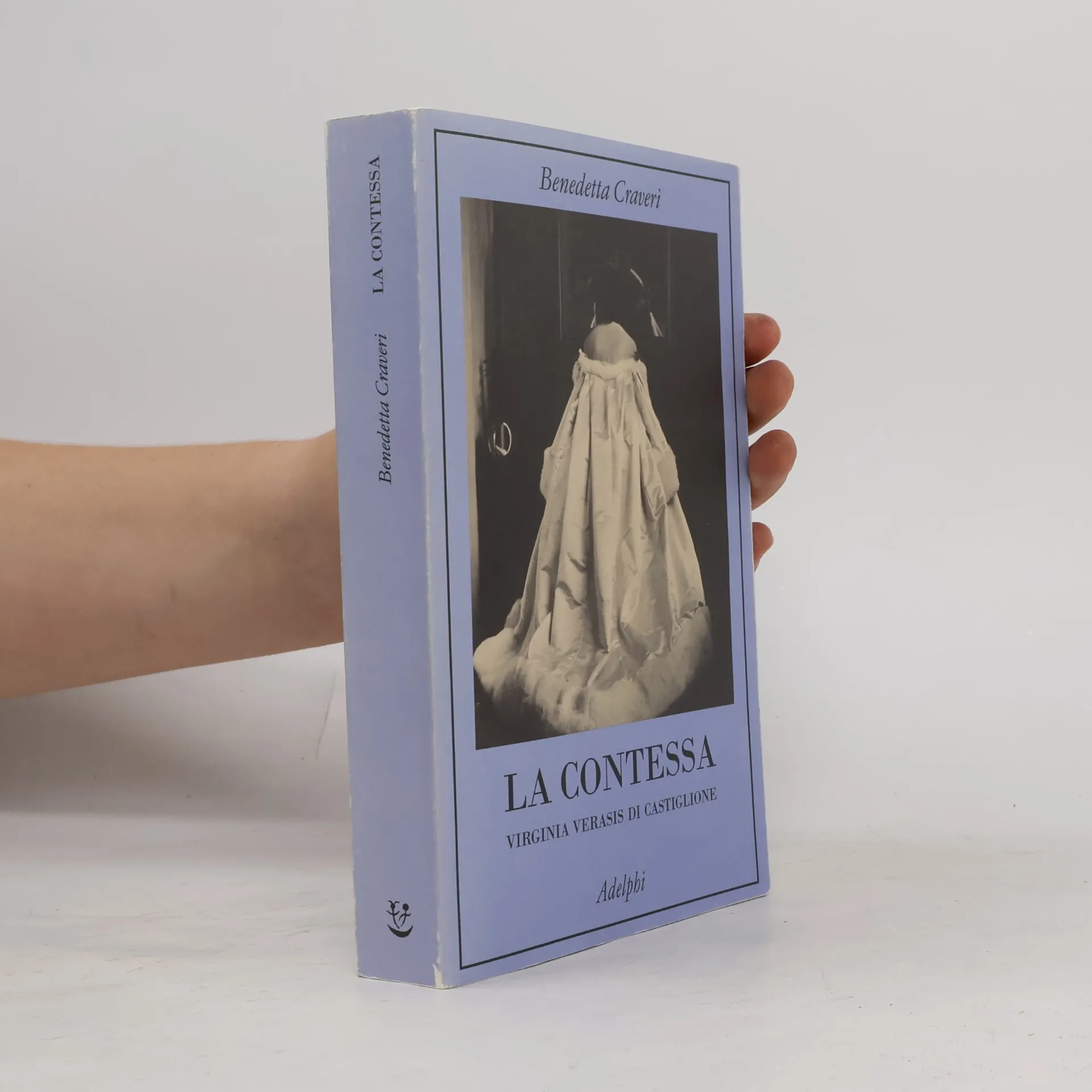
    Gli ultimi libertini
    Amanti e regine
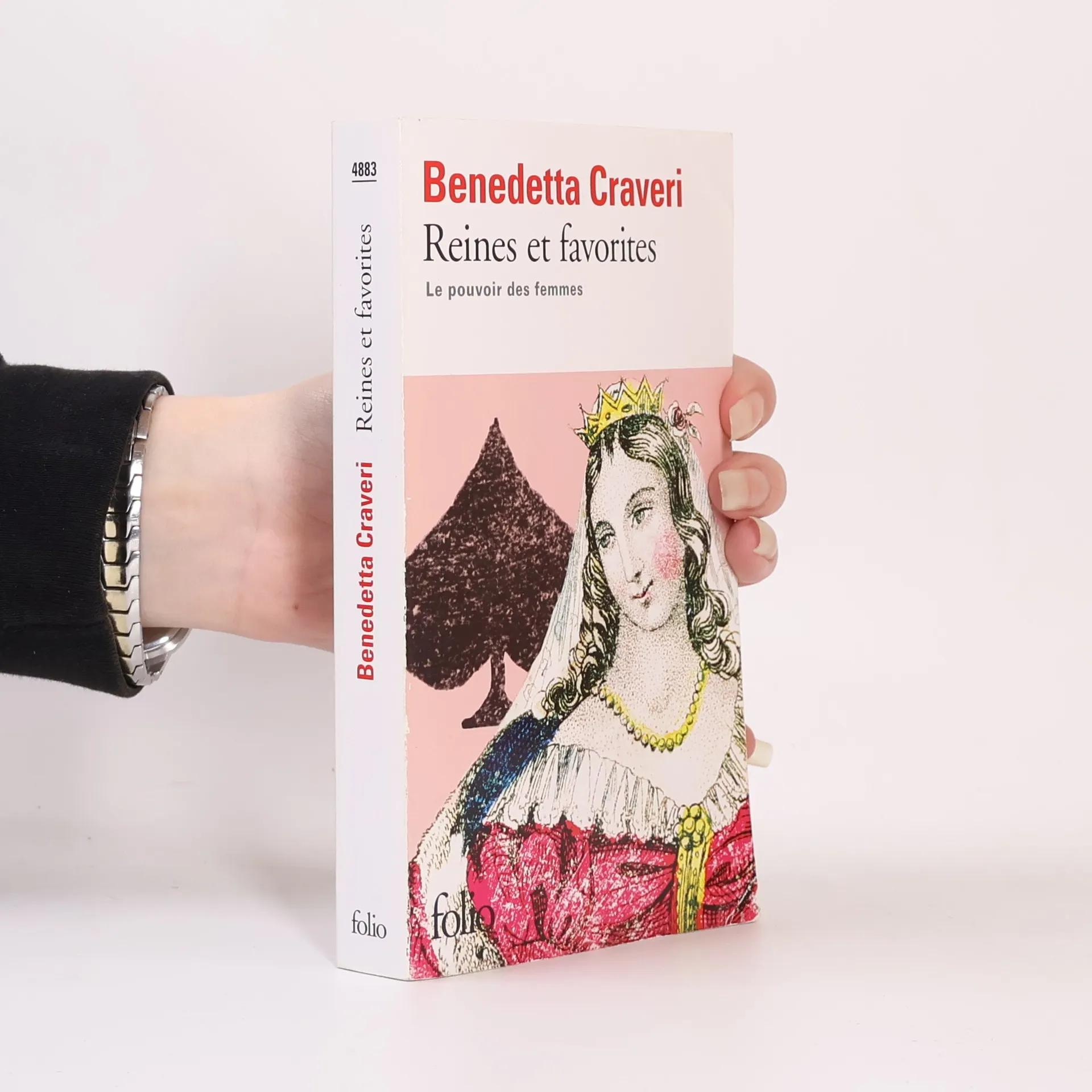
    Reines Et Favorites
    The Age Of Conversation
    The Last Libertines
    • The Last Libertines

      • 680pages
      • 24 heures de lecture
      4,1(29)Évaluer

      In the preface, Benedetta Craveri introduces a group of young aristocrats navigating the final days of the French monarchy, where elite members grappled with reconciling their privileged lifestyles with Enlightenment ideals of justice, tolerance, and social transformation. The narrative centers on seven emblematic characters, chosen for the compelling nature of their lives and loves, as they consciously confront the crisis of the ancien régime while envisioning a new world. These figures—duc de Lauzun, comte de Segur, vicomte de Segur, duc de Brissac, comte de Narbonnes, comte de Vaudreuil, and chevalier de Boufflers—embody aristocratic virtues such as pride, courage, elegance, culture, spiritedness, and conviviality. They are not only masters of seduction but also enlightened individuals eager to contribute to the impending societal changes. However, the arrival of the French Revolution led to their downfall, resulting in poverty, exile, and even execution. Through the intertwined lives of these seven lesser-known historical figures, Craveri illuminates a lost civilization and captures a tumultuous era that resonates with contemporary challenges.

      The Last Libertines
    • The Age Of Conversation

      • 508pages
      • 18 heures de lecture
      3,8(9)Évaluer

      Now in paperback, an award-winning look at French salons and the women who presided over them In the seventeenth and eighteenth centuries, between the reign of Louis XIII and the Revolution, French aristocratic society developed an art of living based on a refined code of good manners. Conversation, which began as a way of passing time, eventually became the central ritual of social life. In the salons, freed from the rigidity of court life, it was women who dictated the rules and presided over exchanges among socialites, writers, theologians, and statesmen. They contributed decisively to the development of the modern French language, new literary forms, and debates over philosophical and scientific ideas. With a cast of characters both famous and unknown, ranging from the Marquise de Rambouillet to Madame de Sta‘l, and including figures like Ninon de Lenclos, the Marquise de Sevigne, and Madame de Lafayette, as well as Pascal, La Rochefoucauld, Diderot, and Voltaire, Benedetta Craveri traces the history of this worldly society that carried the art of sociability to its supreme perfection–and ultimately helped bring on the Revolution that swept it all away.

      The Age Of Conversation
    • Reines Et Favorites

      • 484pages
      • 17 heures de lecture
      4,2(33)Évaluer

      À la Renaissance, les femmes devaient se soumettre à l'autorité de l'homme - comme la noblesse devait se soumettre à celle du roi. Certaines parviendront pourtant à faire de leur condition d'infériorité un atout. Fortes de leurs ambitions, de leur intelligence et de leur beauté, c'est en profitant de la faiblesse masculine quelles se glissent dans les rouages, sans être broyées. Si elles ne peuvent assumer le pouvoir en leur nom, leurs destinées sont parfois spectaculaires. De Diane de Poitiers à Marie-Antoinette, en passant par Catherine de Médicis, la reine Margot, Gabrielle d'Estrées, Madame de Maintenon ou la marquise de Pompadour, Benedetta Craveri nous offre une suite de portraits, passionnants comme des romans, mêlant avec brio la petite et la grande Histoire.

      Reines Et Favorites
    • Gli ultimi libertini

      • 620pages
      • 22 heures de lecture

      «Questo libro» annuncia Benedetta Craveri nella Prefazione «racconta la storia di un gruppo di aristocratici la cui giovinezza coincise con l'ultimo momento di grazia della monarchia francese»: sette personaggi emblematici, scelti non solo per «il carattere romanzesco delle loro avventure e dei loro amori», ma anche (soprattutto, forse) per «la consapevolezza con cui vissero la crisi di quella civiltà di Antico Regime ... con lo sguardo rivolto al mondo nuovo che andava nascendo». Sfruttando, infatti, le qualità migliori della loro casta – «la fierezza, il coraggio, l'eleganza dei modi, la cultura, lo spirito, il talento di rendersi gradevoli» –, il duca di Lauzun, il conte e il visconte di Ségur, il duca di Brissac, i conti di Narbonne e di Vaudreuil e il cavaliere di Boufflers non furono soltanto maestri nell'arte di sedurre, ma da veri figli dei Lumi ambirono ad avere un ruolo nei grandi cambiamenti che si preparavano, e dopo il 1789 seppero affrontare le conseguenze delle loro scelte – la povertà, l'esilio, perfino il patibolo – senza mai perdere l'incomparabile panache che li distingueva. A sua volta, con la «grazia somma della cultura, della curiosità, del pensiero, della scrittura magnifica» che le è stata riconosciuta dai critici, e ancor più dai lettori, l'autrice di Amanti e regine percorre queste sette vite parallele fino all'evento in cui tutte convergeranno – la Rivoluzione – e dopo il quale ciascuno degli «ultimi libertini» seguirà il proprio destino.

      Gli ultimi libertini