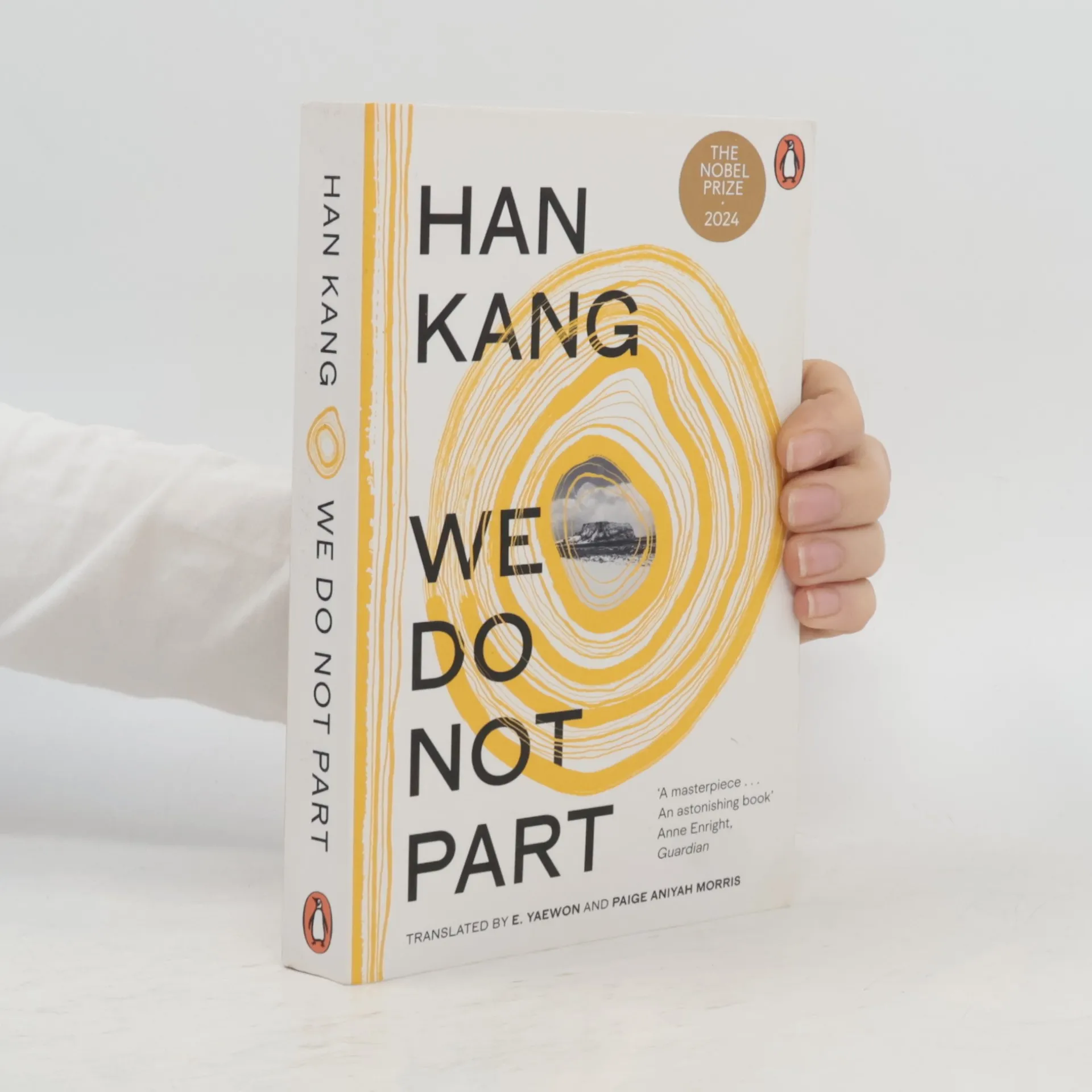
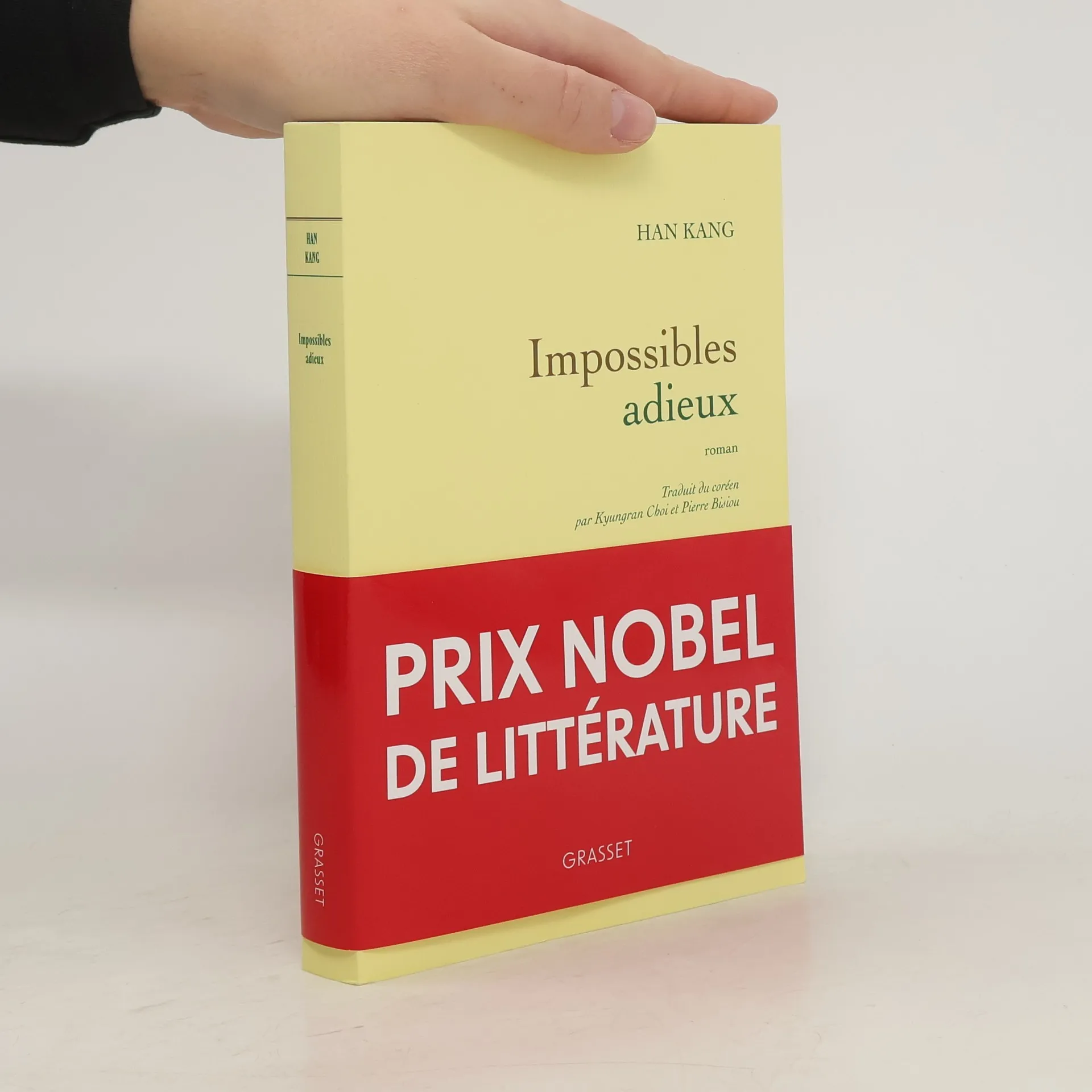
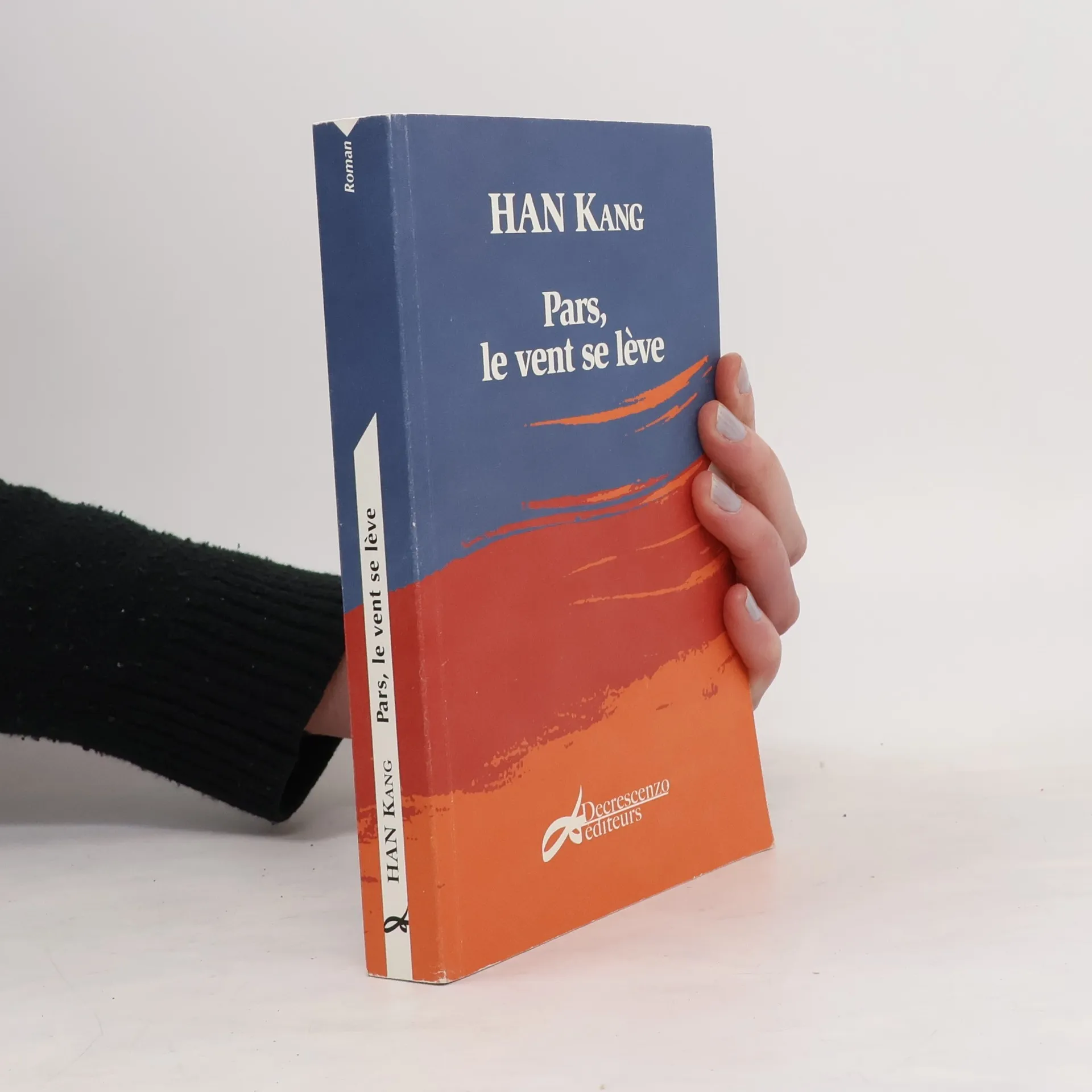
Pars, le vent se lève - Nouvelle édition
- 356pages
- 13 heures de lecture
Han Kang est célébrée pour son regard pénétrant sur la psyché humaine et notre place dans le monde. Ses œuvres explorent des émotions intenses et des relations complexes avec une élégance stylistique unique. Han Kang saisit magistralement la fragilité de l'existence humaine et la recherche de la beauté au milieu de réalités difficiles. Son écriture est une invitation à contempler l'essence de l'humanité et le pouvoir de l'art.


Une nuit, Yonghye se réveille et va au réfrigérateur, qu'elle vide de toute la viande qu'il contient. Guidée par son rêve, elle a désormais un but : devenir végétale, se perdre dans l'existence calme et inaccessible des arbres et des plantes. Ce dépouillement qui devient le sens de sa vie, le pouvoir érotique, floral de sa nudité vont faire voler en éclats les règles de la société, dans une lente descente vers la folie et l'absolu.
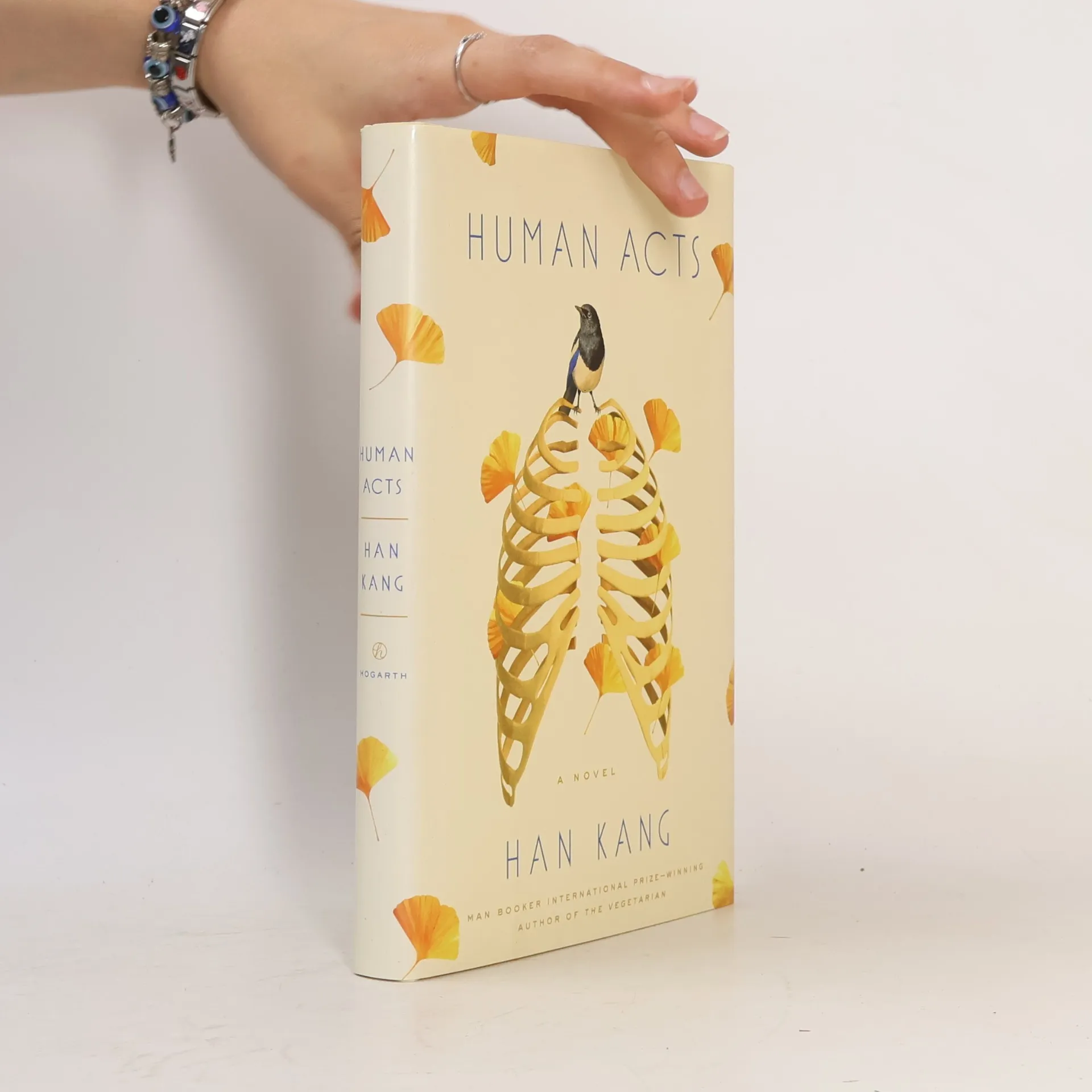
Compulsively readable and deeply resonant, this novel lacerates, haunts, dreams, and mourns, striking a balance between beauty and urgency. It uniquely captures the intensity of brutality, detailing a bloody history that was deliberately forgotten. The narrative speaks the unspeakable, revealing the long wake of killings through the testimonies of both survivors and the deceased, blending gorily real scenarios with beautifully surreal elements. The prose, translated by Deborah Smith, is spare yet dreamy, filled with haunting imagery that compels readers to confront the horrors of the Gwangju uprising. Han Kang's ambition parallels Milton's struggle, aiming to reconcile humanity with itself through an engrossing, relentless portrait of death and agony. The novel is not just a record of suffering during a contentious period in Korean history but also a testament to the willingness to risk discomfort for a cause. Kang excels in unflinching descriptions of death, creating a vivid portrayal of physical decay that is both admirable and challenging. Her storytelling brings historical struggles into the intimate realm of individual experience, exploring the trauma of political brutality with emotional truth. This jarring depiction of the Gwangju demonstrations raises profound questions about humanity, making it a gripping read. With her previous work awarded the Man Booker International Prize, this follow-up is poised to attract signi
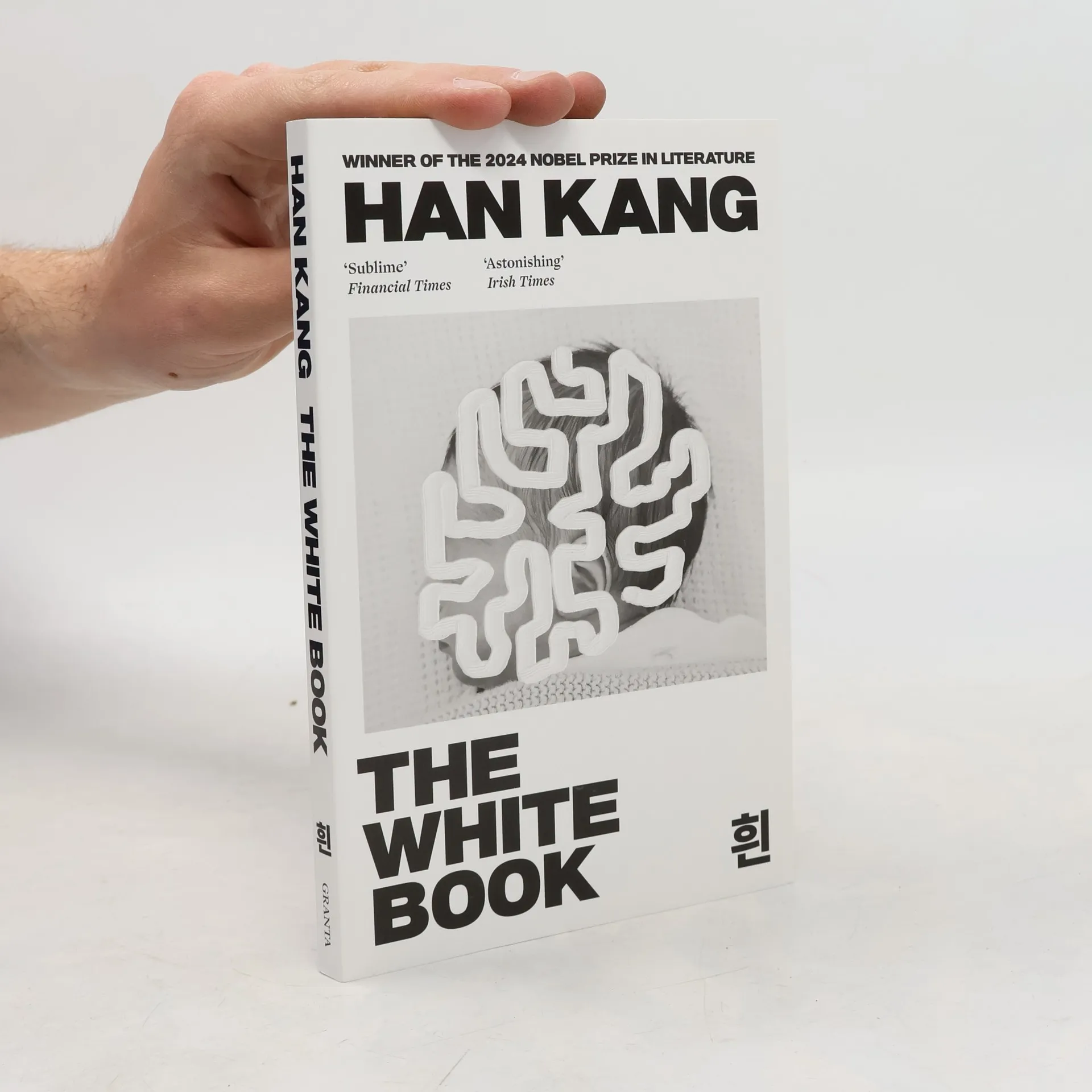
Sixty-five short interconnected chapters portray humanity and all its suffering and resiliency.
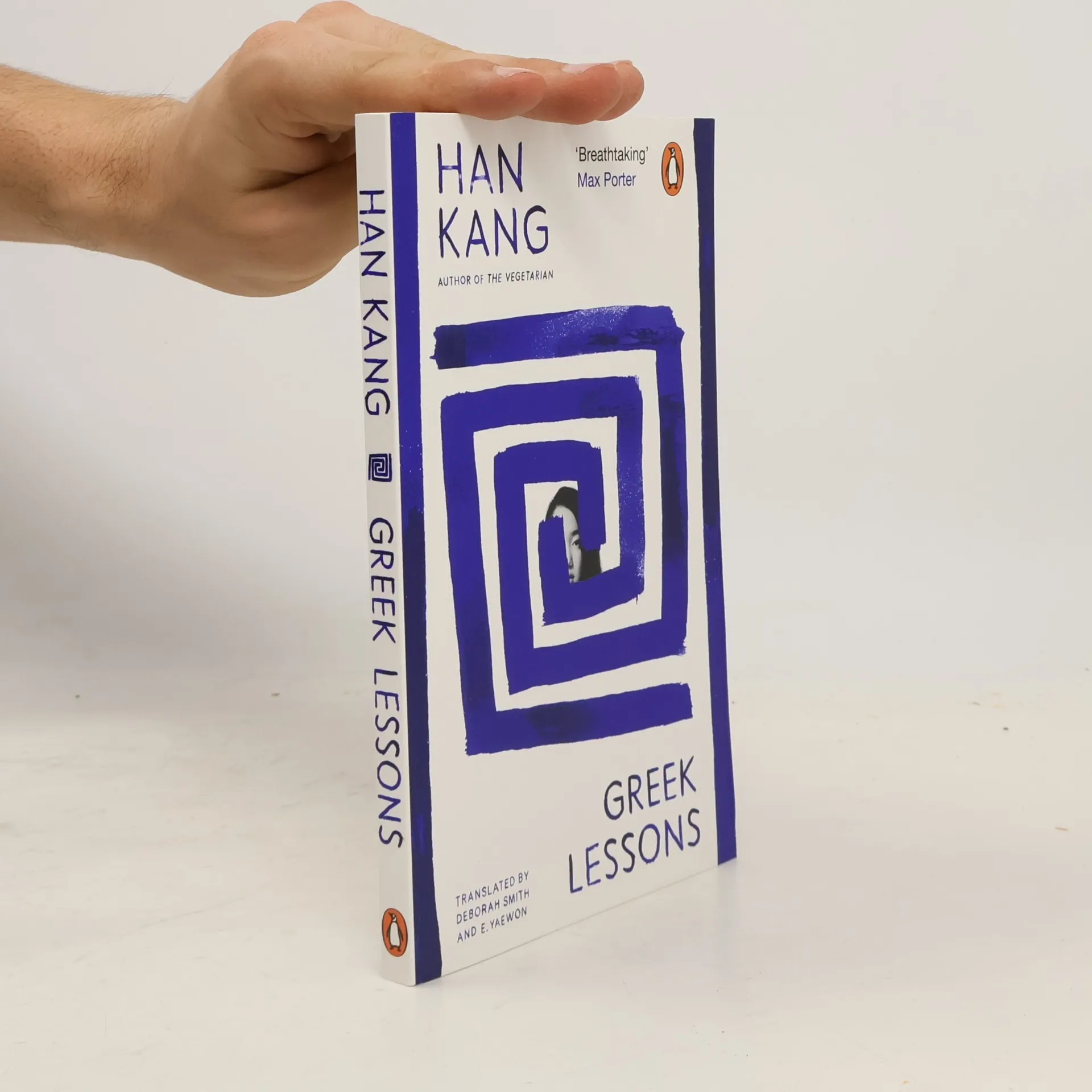
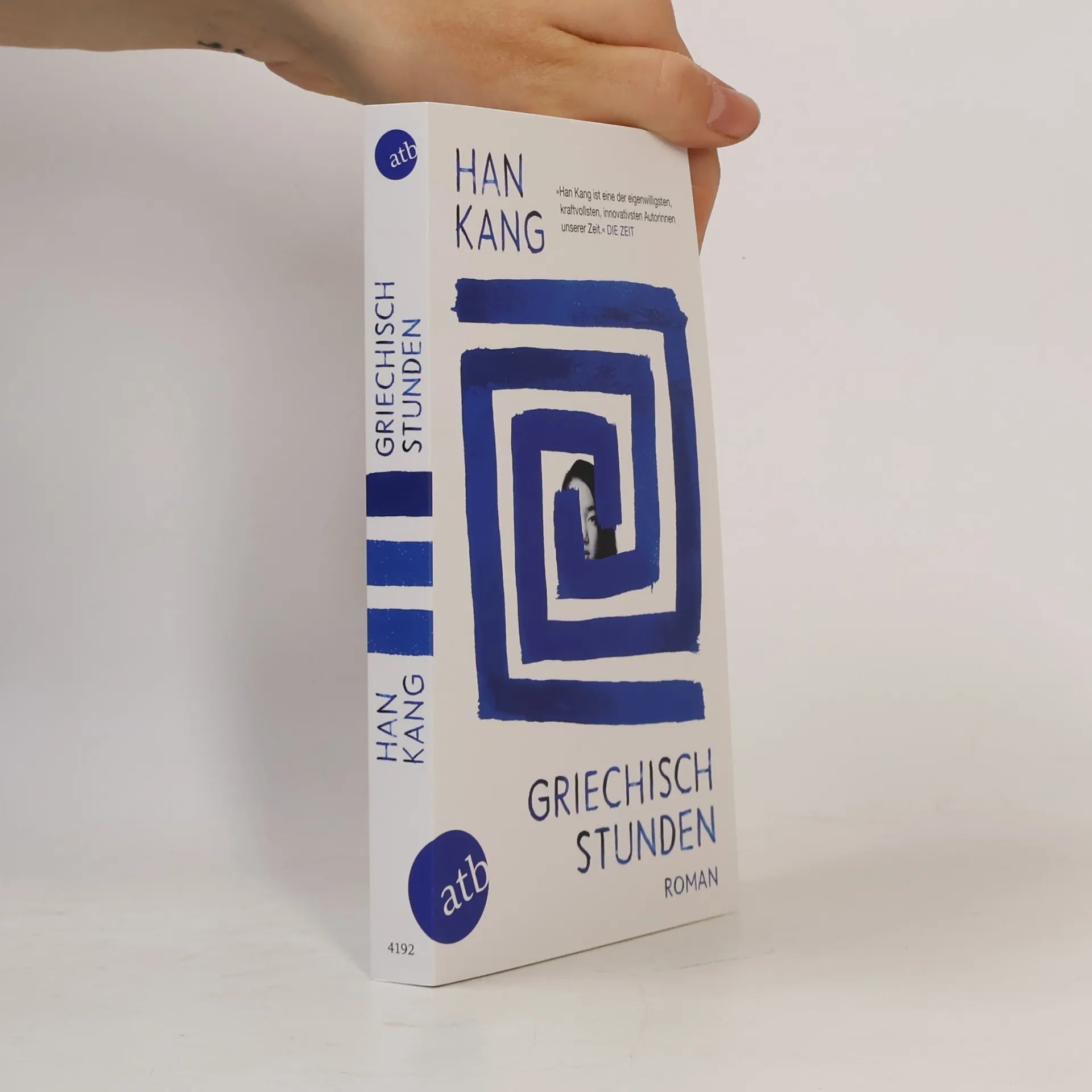
In a classroom in Seoul, a young woman watches her Greek language teacher at the blackboard. She tries to speak but has lost her voice. Her teacher finds himself drawn to the silent woman, for day by day he is losing his sight. Soon they discover a deeper pain binds them together. For her, in the space of just a few months, she has lost both her mother and the custody battle for her nine-year-old son. For him, it's the pain of growing up between Korea and Germany, being torn between two cultures and languages. Greek Lessons tells the story of two ordinary people brought together at a moment of private anguish - the fading light of a man losing his vision meeting the silence of a woman who has lost her language. Yet these are the very things that draw them to one another. Slowly the two discover a profound sense of unity - their voices intersecting with startling beauty, as they move from darkness to light, from silence to expression. Greek Lessons is a tender love letter to human intimacy and connection, a novel to awaken the senses, vividly conjuring the essence of what it means to be alive. Translated by Deborah Smith and Emily Yae Won.
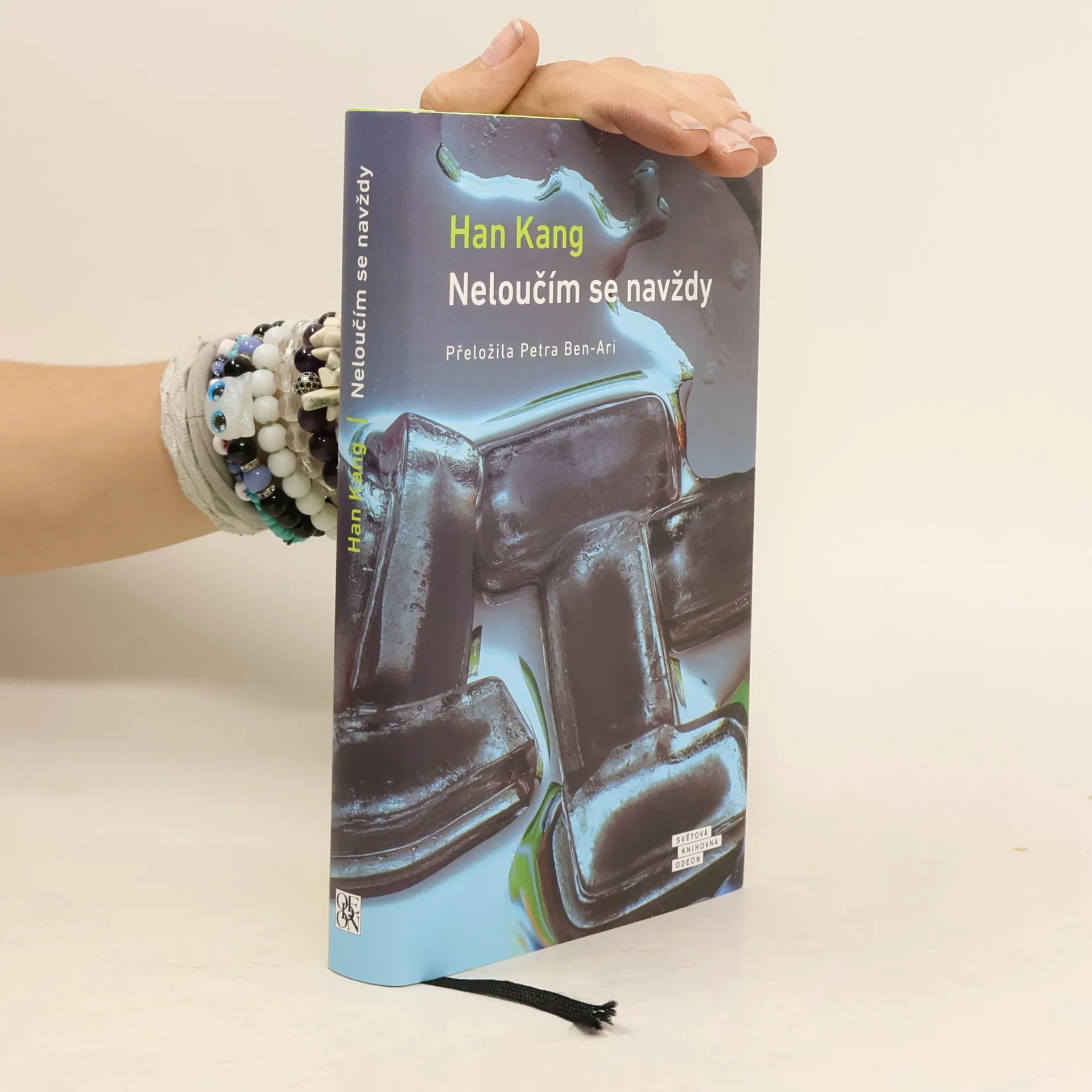
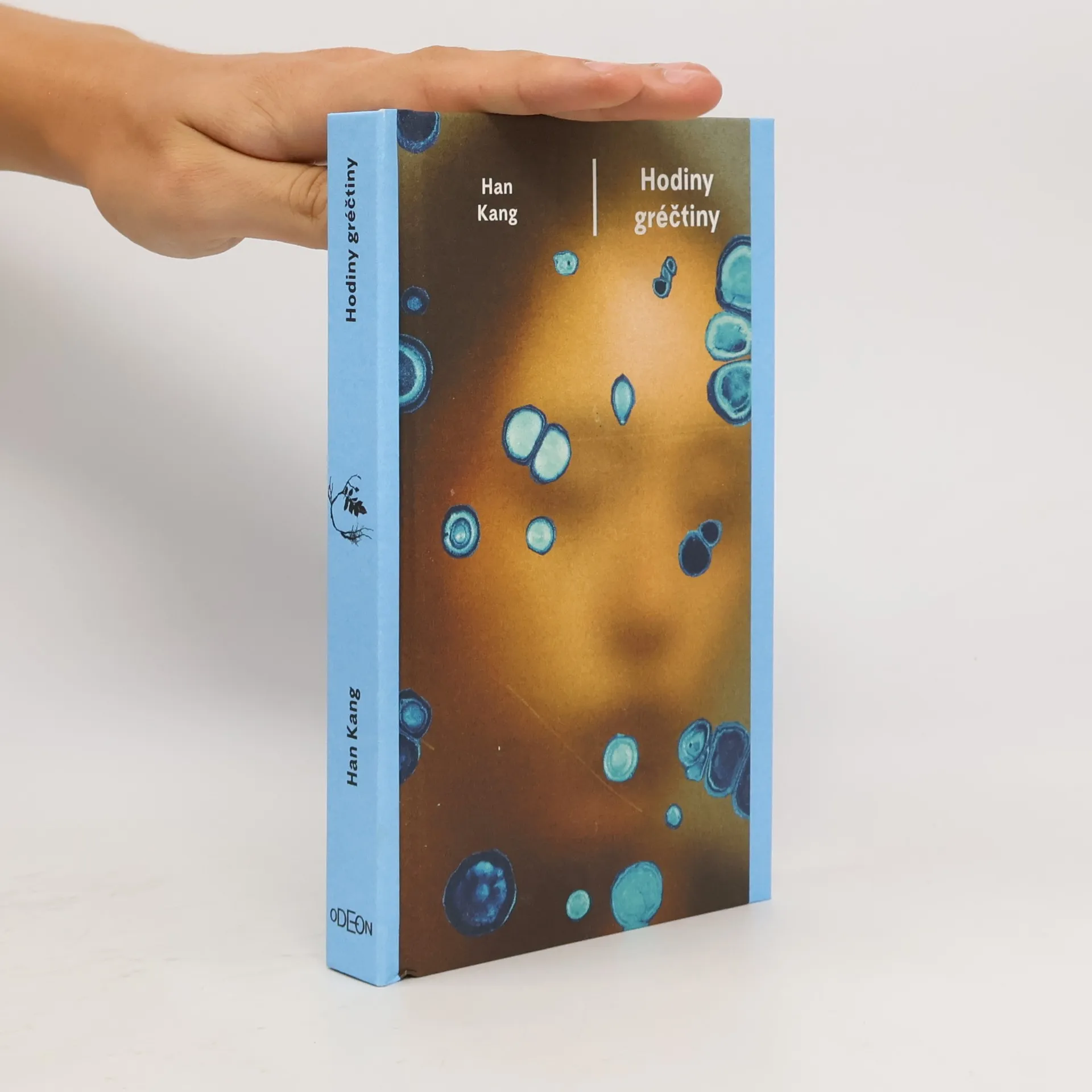
Románová novinka nositelky Nobelovy ceny za literaturu Han Kang se podobně jako její próza Kde kvete tráva zabývá skutečnými historickými událostmi. Tentokrát se vrací až k počátkům Korejské republiky, k masakrům, které se odehrály za vlády prvního prezidenta I Sungmana – ke krvavému potlačení povstání na ostrově Čedžu. Mladémuspisovateli Kjonghaovi jednoho zimního dne zavolá kamarádka Inson, která se ocitla v nemocnici v Soulu. Poprosí ho, aby zajel do jejího rodného domu na ostrov Čedžu a postaral se tam o papouška. Když se Kjongha navzdory silné sněhové bouři dostane do horské vesnice, odhalí tam bolestnou historii Insoniny rodiny poznamenané Čedžuským povstáním. Děj se vrací zpět v čase prostřednictvím vzpomínek, záznamů a dalších materiálů, které po celý život shromažďovala Insonina matka v marném pátrání po svém zmizelém bratrovi.
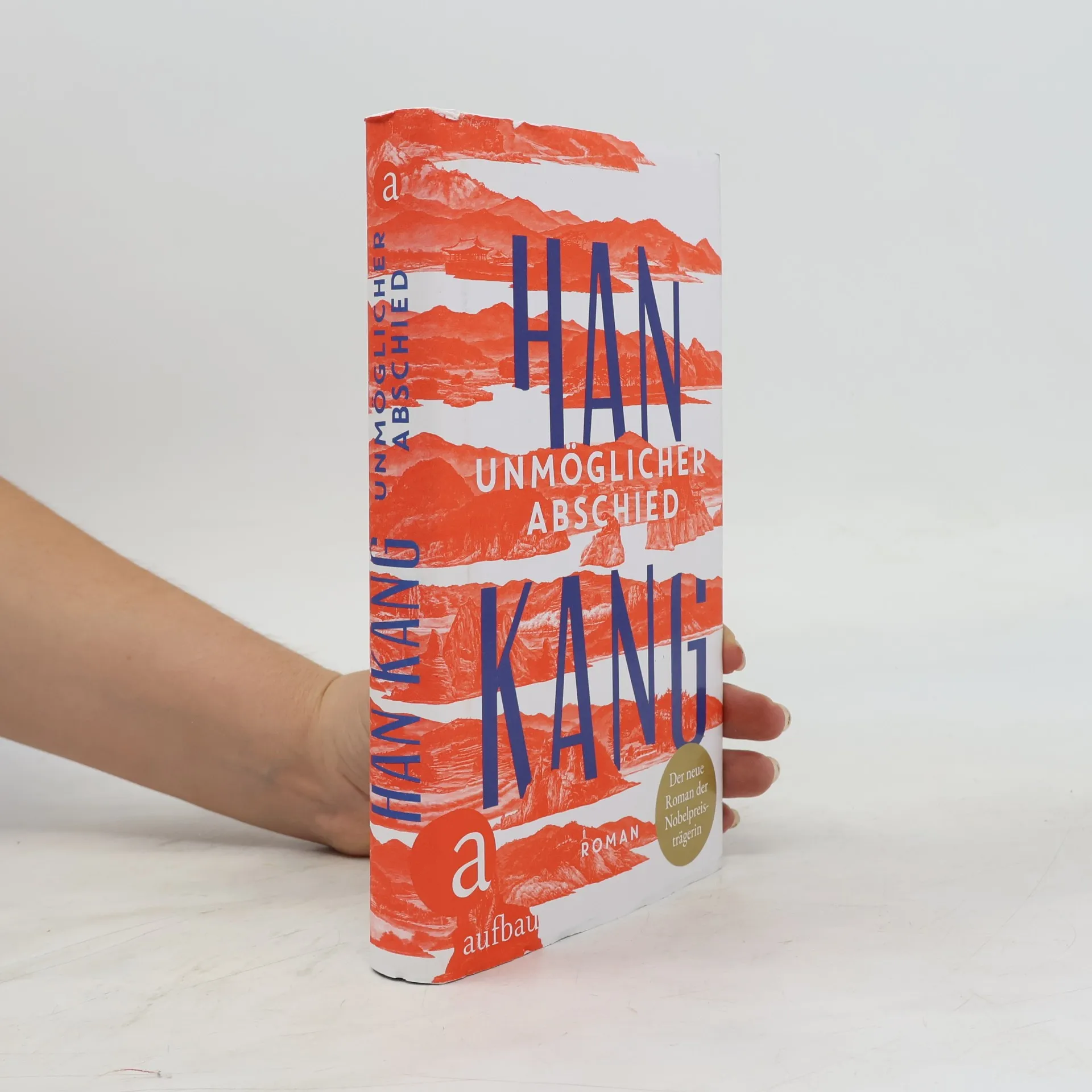
Nobelpreis für Literatur 2024 Der neue große Roman von Han Kang »Unmöglicher Abschied« erzählt die Geschichte einer Freundschaft zwischen zwei Frauen und beleuchtet zugleich ein jahrzehntelang verschwiegenes Kapitel koreanischer Geschichte. Eines Morgens ruft Inseon ihre Freundin Gyeongha zu sich ins Krankenhaus von Seoul. Sie hatte einen Unfall und bittet Gyeongha, ihr Zuhause auf der Insel Jeju aufzusuchen, weil ihr kleiner weißer Vogel sterben wird, wenn ihn niemand füttert. Als Gyeongha auf der Insel ankommt, bricht ein Schneesturm herein. Der Weg zu Inseons Haus wird zu einem Überlebenskampf gegen die Kälte, die mit jedem Schritt mehr in sie eindringt. Noch ahnt sie nicht, was sie dort erwartet: die verschüttete Geschichte von Inseons Familie, die eng verbunden ist mit einem lang verdrängten Kapitel koreanischer Geschichte. Han Kangs neuer Roman ist eine Hymne an die Freundschaft und das Erinnern, die Geschichte einer tiefen Liebe im Angesicht unsäglicher Gewalt – und eine Feier des Lebens, wie zerbrechlich es auch sein mag.
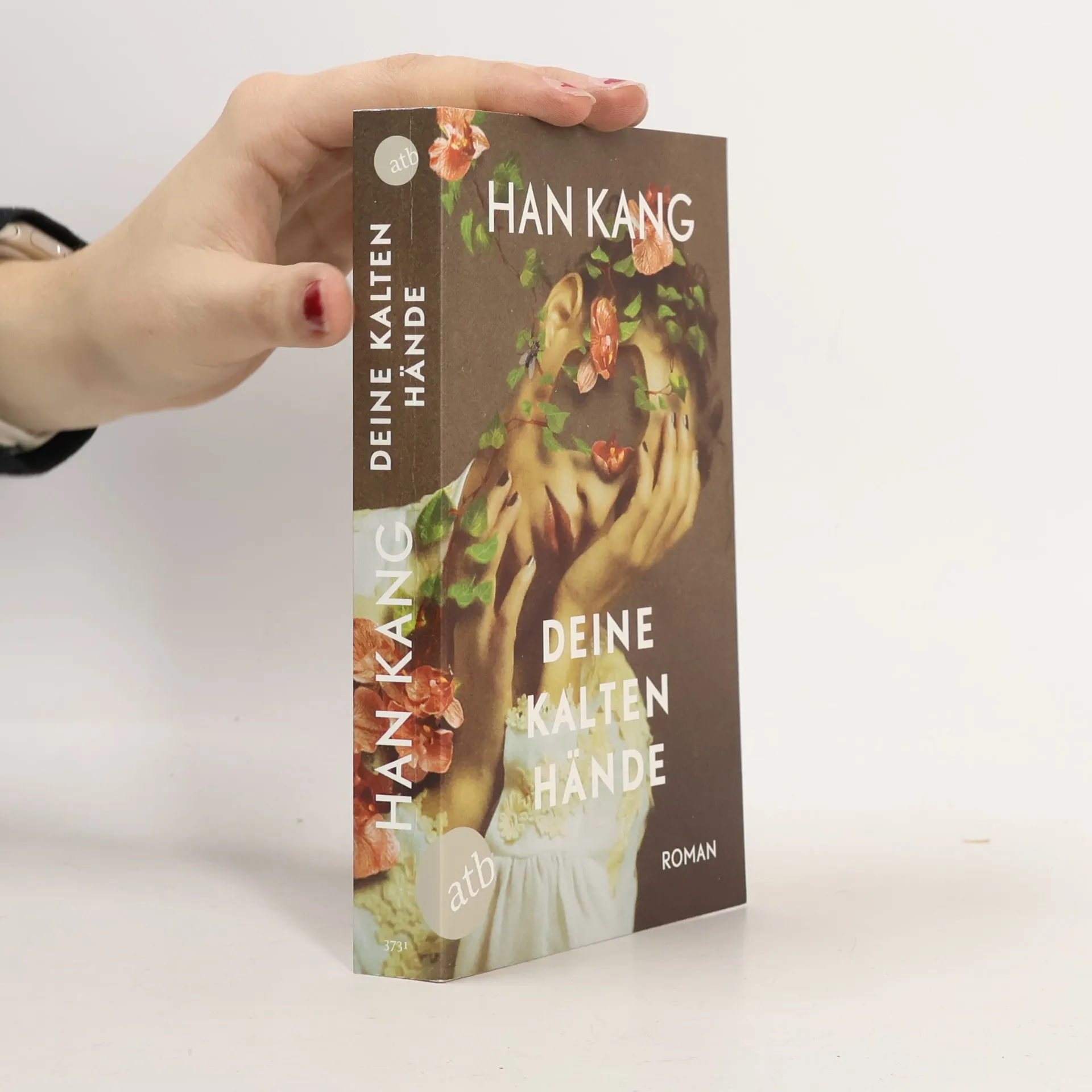
Ein großer Roman über die Einsamkeit der menschlichen Existenz. Eines Tages verschwindet der Bildhauer Jang Unhyong beinahe spurlos. Er hinterlässt seine faszinierenden Gipsabdrücke von Händen und Körpern – und ein bewegendes Tagebuch, das seine lebenslange Suche nach Nähe und Wahrhaftigkeit in einer Welt voller Masken schildert. »Han Kang erzählt zugleich mit großer Brutalität und großer Poesie – eine Mischung, die nur wenigen Schriftstellern gelingt.« Stern. »Man kann sich dieser Stimme nicht entziehen.« Independent. Von der Autorin des internationalen Bestsellers »Die Vegetarierin«.
Before the nightmare, Yeong-hye and her husband lived an ordinary life. But when splintering, blood-soaked images start haunting her thoughts, Yeong-hye decides to purge her mind and renounce eating meat. In a country where societal mores are strictly obeyed, Yeong-hye's decision to embrace a more “plant-like” existence is a shocking act of subversion. And as her passive rebellion manifests in ever more extreme and frightening forms, scandal, abuse, and estrangement begin to send Yeong-hye spiraling deep into the spaces of her fantasy. In a complete metamorphosis of both mind and body, her now dangerous endeavor will take Yeong-hye—impossibly, ecstatically, tragically—far from her once-known self altogether.