Joan Aruz est conservatrice émérite au Département d'art du Proche-Orient ancien du Metropolitan Museum of Art. Son travail est dédié à une profonde compréhension et interprétation des créations artistiques de cette région pivot de la civilisation. Par ses efforts de conservation, elle a rendu le monde fascinant de l'art ancien et sa signification culturelle accessibles à un large public. Son expertise offre une perspective unique sur l'histoire et l'esthétique du Proche-Orient ancien.
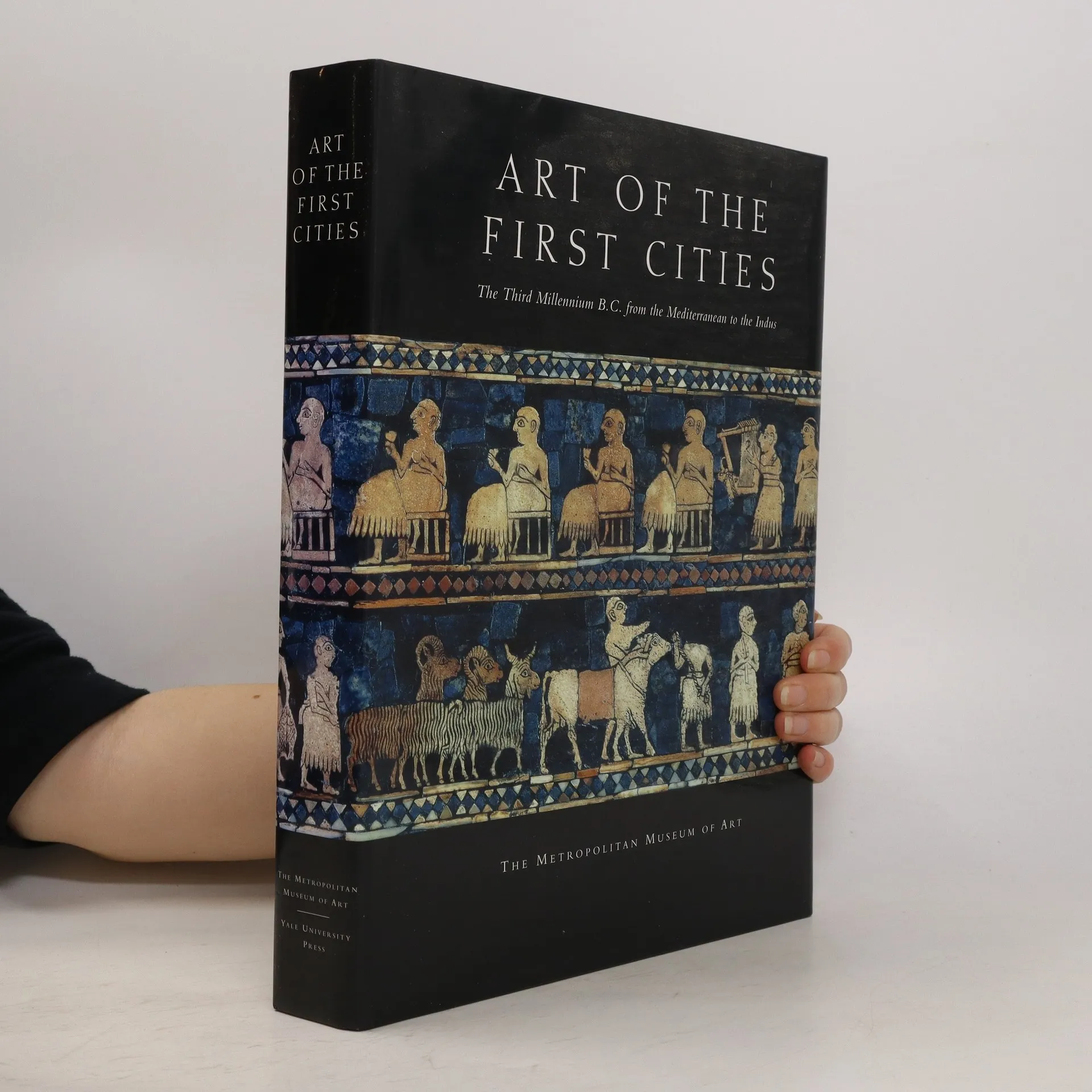
This large volume accompanies an exhibition held at the Metropolitan Museum of Art in New York in 2003, celebrating the artistic achievements of the period during which the first cities emerged in Mesopotamia. The impressive list of international contributors present thematic studies of the major cities of Mesopotamia and their artistic and literary legacy, as well as placing the objects from the exhibition in a social and historical context. Objects include statues, reliefs, animal sculptures, jewellery, plaques, weapons, vessels, seals, and some stunning metal artefacts, many presented in colour.
This study uses seals to examine and plot cultural interactions between the Aegean and Near Eastern worlds during the period of Minoan dominance (c.2600-1360 BC). By identifying distinctive features of seals from Anatolia, Syria and Egypt it is possible to plot geographical interconnections with the Aegean and the Aegean seals with styles influenced by them. The book contains an extensive catalogue of 253 seals.
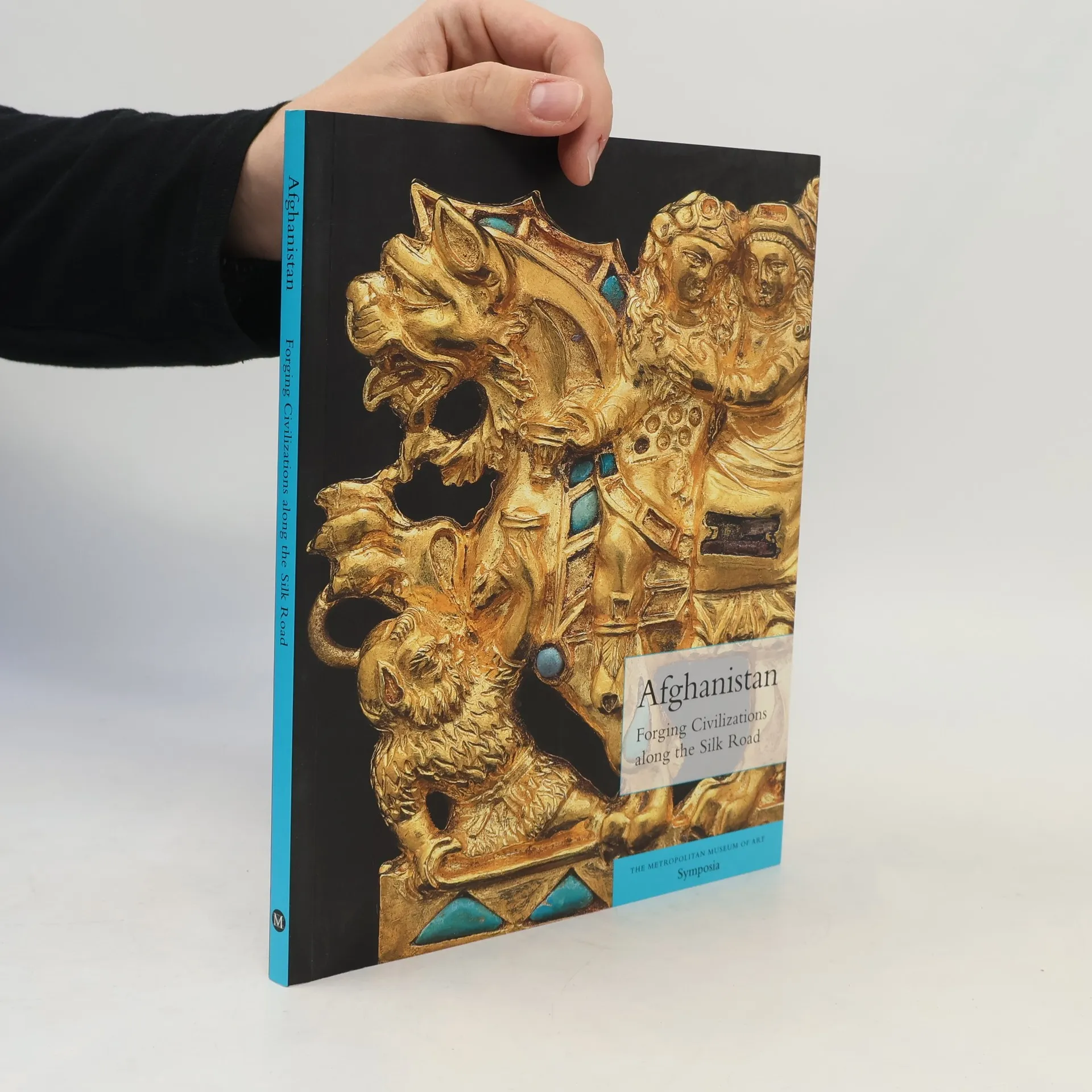
In 2009, a symposium at The Metropolitan Museum of Art coincided with the exhibition "Afghanistan: Hidden Treasures from the National Museum, Kabul," featuring scholars who excavated and interpreted the remarkable artifacts on display. The exhibition's title, "Hidden Treasures," reflects the courage of Afghan colleagues who safeguarded their cultural heritage for twenty-five years amidst the destruction of the National Museum and Taliban attacks, revealing in 2003 that these treasures were securely stored in a bank vault. This event and the symposium celebrate their "rediscovery," marking a significant achievement in cultural preservation, highlighted in an essay by Omara Khan Maddoudi, the museum's director. Afghanistan's strategic location along major trade routes has shaped its rich cultural heritage, influenced by diverse traditions from Greece, Iran, the Eurasian steppes, and China. The essays in this volume focus on key periods of artistic advancement, particularly the Bactrian Bronze Age and the aftermath of Alexander the Great's conquests, emphasizing sites like Aï Khanum, Begram, and Tillya Tepe. These contributions illuminate the significance of the hidden treasures and invigorate discussions surrounding Central Asian arts and culture.