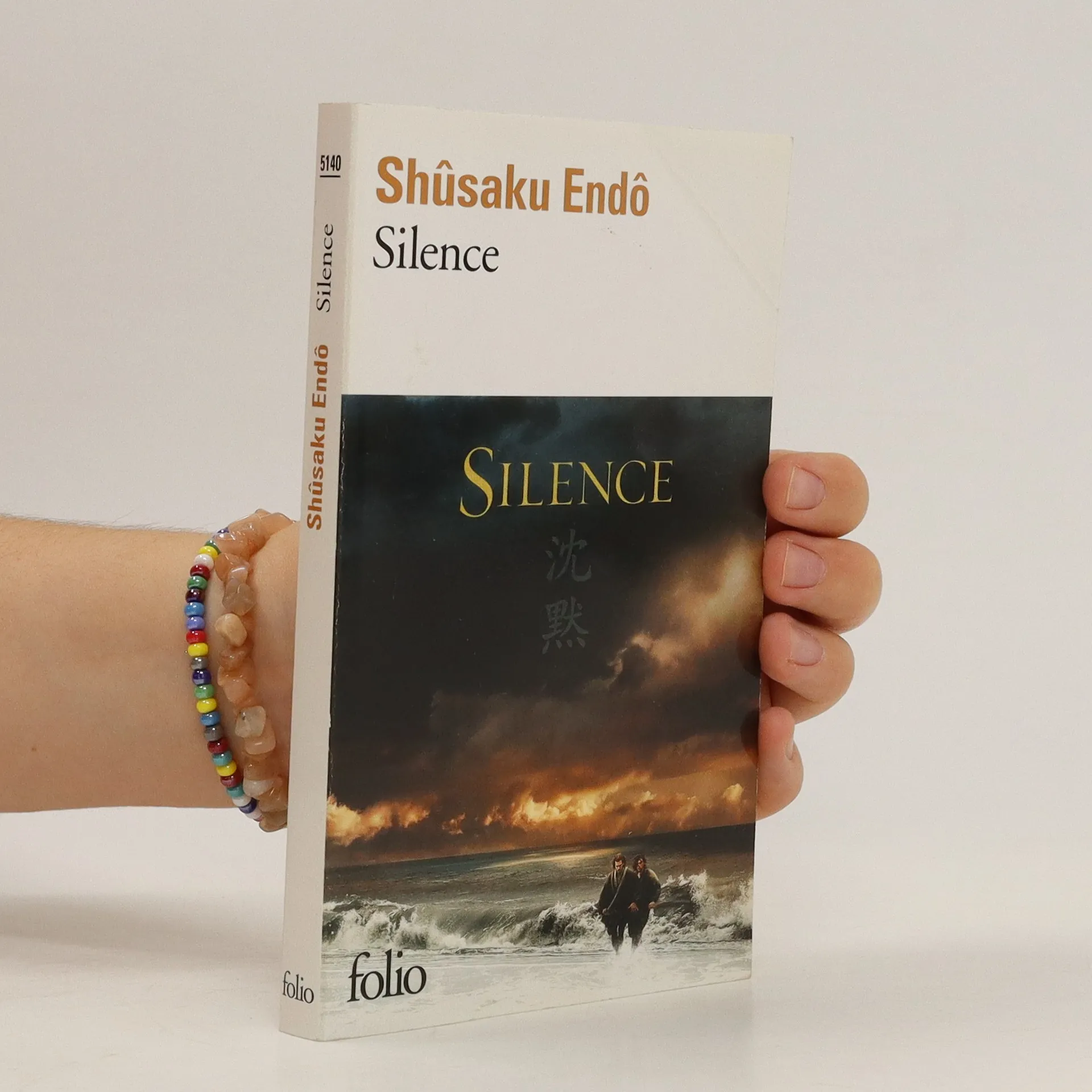
Japon, 1614. Le shogun formule un édit d'expulsion de tous les missionnaires catholiques. En dépit des persécutions, ces derniers poursuivent leur apostolat. Jusqu'à ce qu'une rumeur enfle à Rome : Christophe Ferreira, missionnaire tenu en haute estime, aurait renié sa foi. Trois jeunes prêtres partent au Japon pour enquêter et poursuivre l'oeuvre évangélisatrice... Dans ce roman encensé par la critique internationale, Shûsaku Endô éclaire une part méconnue de l'histoire de son pays. Ce roman d'aventures se fait réflexion sur le caractère universel des religions et le sens véritable de la charité chrétienne, témoignage étonnant des relations complexes entre Japon et Occident.
Martin Scorsese Ordre des livres (chronologique)
17 novembre 1942
Martin Scorsese est un réalisateur, scénariste et producteur de cinéma américain dont l'œuvre aborde des thèmes tels que l'identité italo-américaine, les concepts catholiques romains de culpabilité et de rédemption, le machisme et la violence endémique dans la société américaine. Ses films sont largement considérés comme parmi les plus significatifs et influents du cinéma américain de son époque. L'approche de Scorsese est connue pour son intensité et sa profondeur dans l'exploration de la psyché humaine.


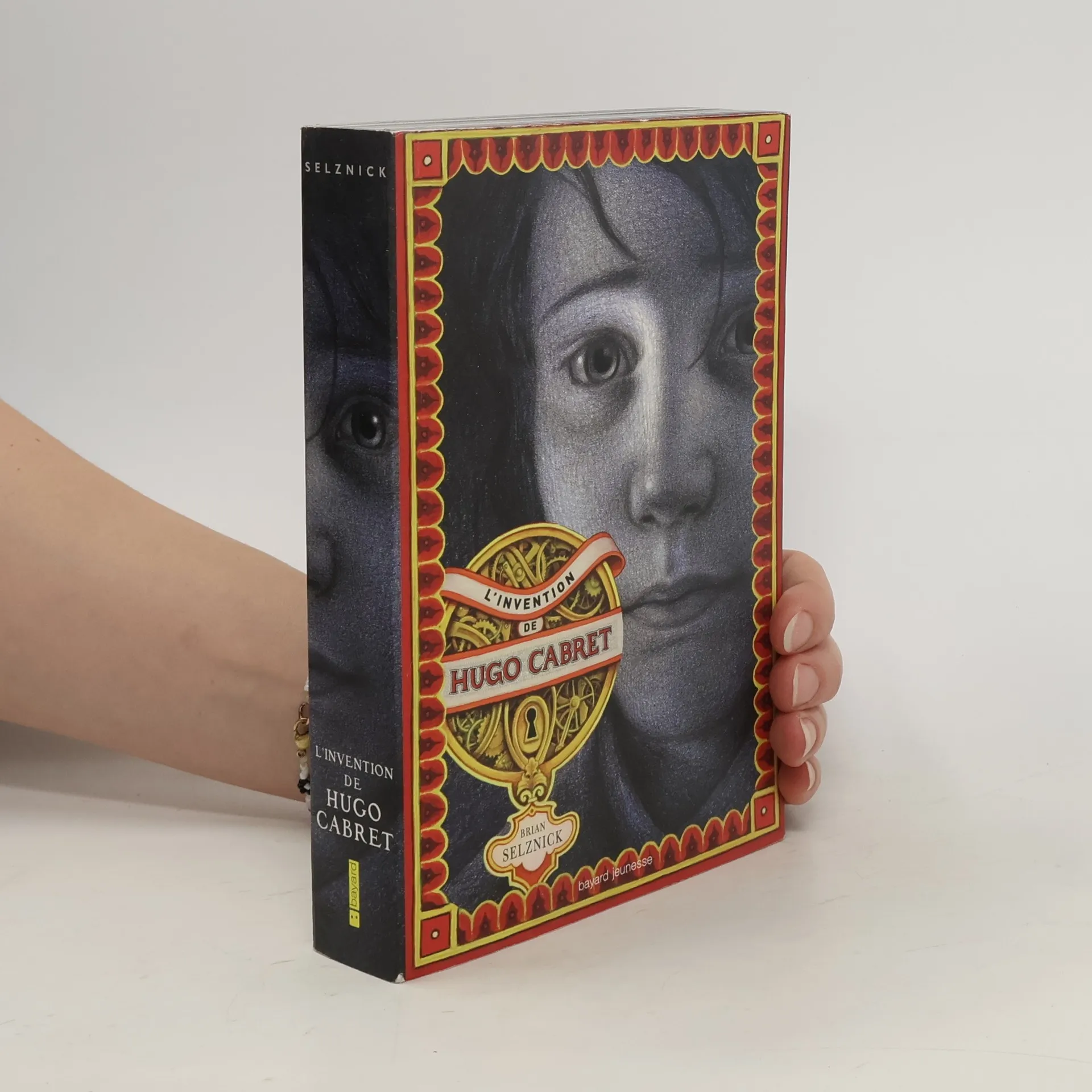
Hugo Cabret est orphelin. Son oncle l'héberge dans les combles de la gare dont il est chargé de régler les horloges. Or, le garçon a une obsession : achever de réparer l'automate sur lequel son père travaillait avant de mourir dans l'incendie du musée où il était employé. Hugo est persuadé que cet automate a un important message à lui délivrer... Une fillette amoureuse des livres, un vieux marchand de jouets, hargneux, une clé volée, un dessin mystérieux, un précieux carnet de croquis forment les rouages de cette fascinante énigme. Brian Selznick, à la fois conteur, dessinateur et concepteur de livres, mêle l'illustration, le roman en images et le cinéma pour créer une forme de récit inédite, et offrir au lecteur une expérience unique. L'invention de Hugo Cabret a reçu la médaille Caldecott 2008, le prix le plus prestigieux aux États-Unis dans la catégorie livre illustré. Il a également été adapté au cinéma par Martin Scorsese en 2011.
Kazan on Directing
- 368pages
- 13 heures de lecture
Elia Kazan was the twentieth century’s most celebrated director of both stage and screen, and this monumental, revelatory book shows us the master at work. Kazan’s list of Broadway and Hollywood successes—A Streetcar Named Desire, Death of a Salesman, On the Waterfront, to name a few—is a testament to his profound impact on the art of directing. This remarkable book, drawn from his notebooks, letters, interviews, and autobiography, reveals Kazan’s method: how he uncovered the “spine,” or core, of each script; how he analyzed each piece in terms of his own experience; and how he determined the specifics of his production. And in the final section, “The Pleasures of Directing”—written during Kazan’s final years—he becomes a wise old pro offering advice and insight for budding artists, writers, actors, and directors.
Woodstock. Three Days That Rocked the World
- 288pages
- 11 heures de lecture
A detailed day-by-day, act-by-act account of events at Yasgur's Farm, featuring photographs and graphic memorabilia.
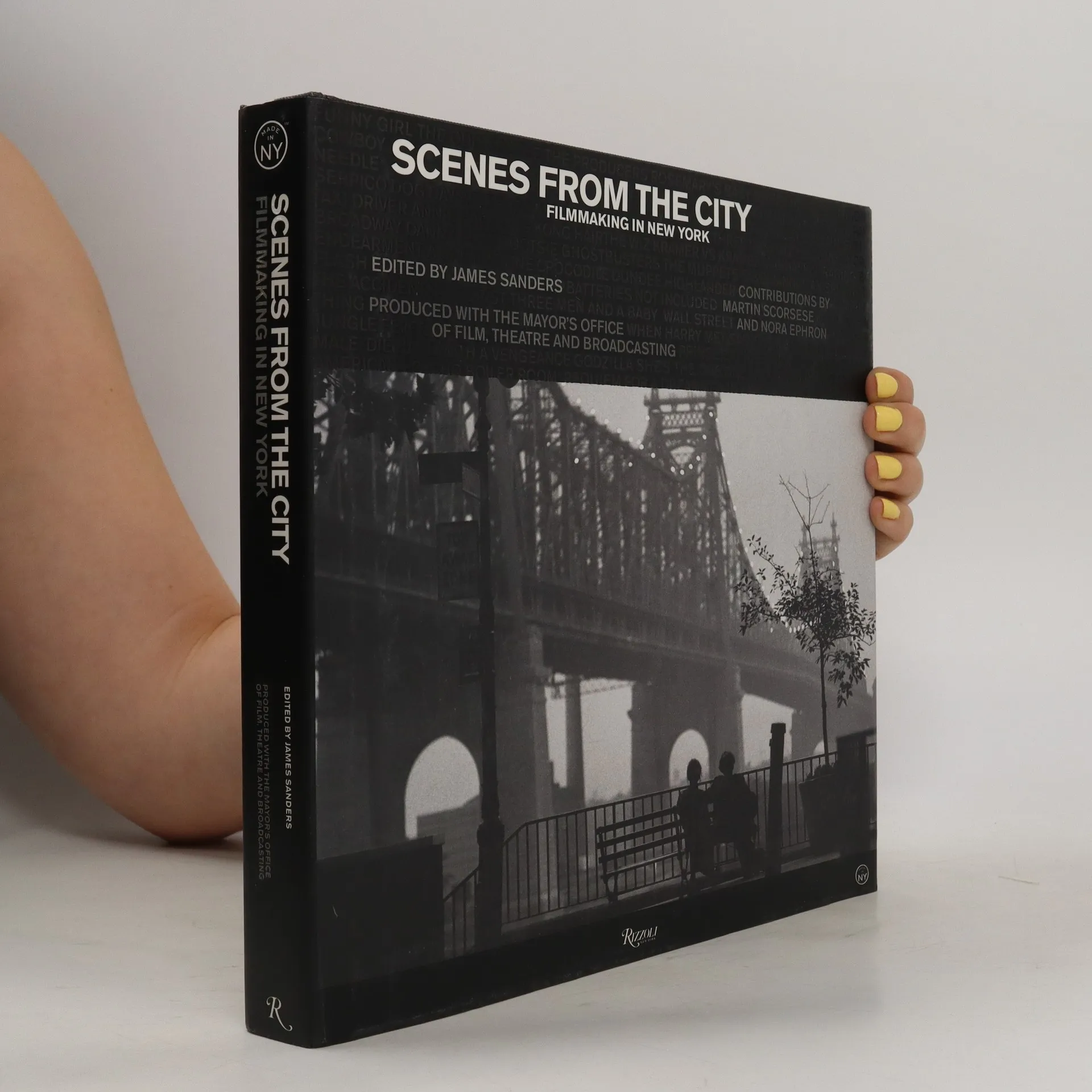
From the cinema verité of the sixties to softer fare like Splash, New York has provided some of the most iconic moments on film. Beginning with a survey of such classics as Breakfast at Tiffany's, Scenes from the City captures how the changing face of New York, as well as the founding of the MOFTB, have contributed to a particular school of film characterized most emphatically in the street-style work of directors as diverse as Martin Scorsese and Spike Lee. With over 200 stills and contributions from noted New York film personalities such as Sidney Lumet and Nora Ephron, the book also includes rare, unpublished, behind-the-scenes shots and stories from the quintessential New York filmmaker himself—Woody Allen. With a special section on the landmark TV series, commercials and music videos filmed in New York, Scenes from the City is an affectionate and vivacious ovation for this captivating "character" that rarely receives billing but always steals the show.
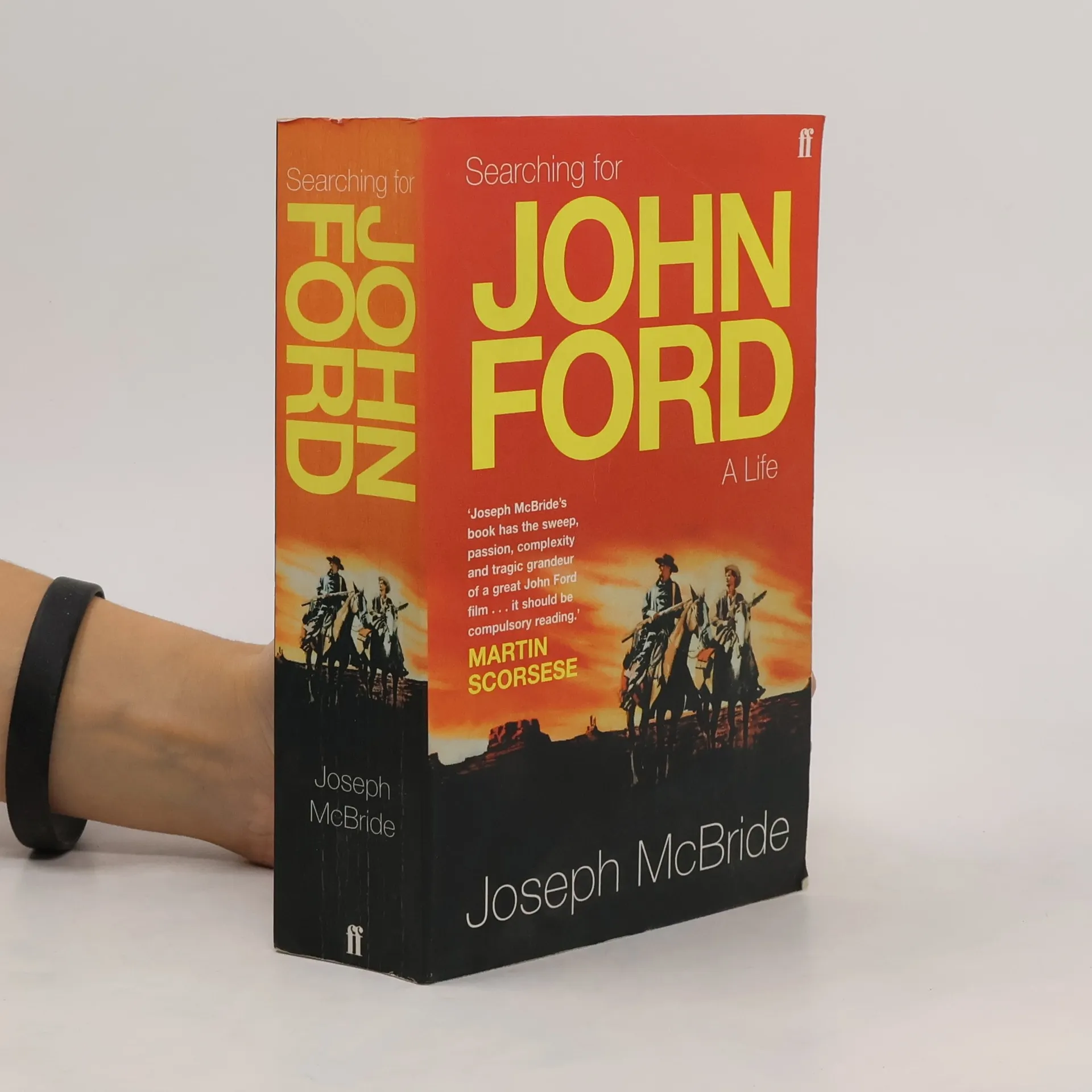
Searching for John Ford
- 848pages
- 30 heures de lecture
This biography provides rare insights into Ford's life as well as his prodigious film career (spanning over 140 movies), and also reveals his work as a spy for the US government in the years leading up to World War II
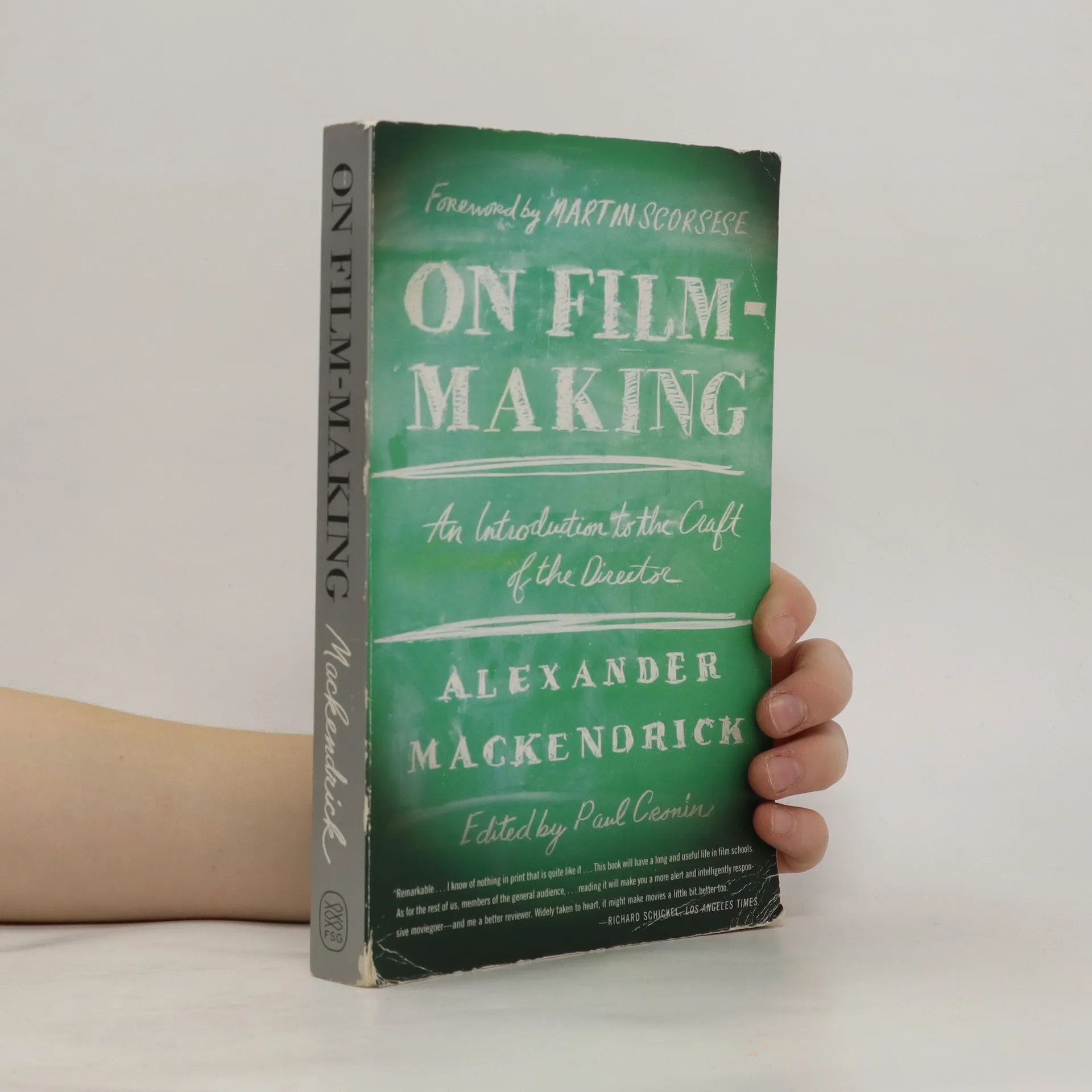
On film-making an introduction to the craft of the director
- 336pages
- 12 heures de lecture
A priceless examination of the filmmaker's craft by the renowned director of Sweet Smell of Success. After over twenty years in the film industry as a screenwriter, storyboard editor, and director of notable films, Alexander Mackendrick left Hollywood to become the Dean of a prestigious film school. His unwavering commitment to filmmaking inspired students at the California Institute for the Arts for nearly twenty-five years. Mackendrick's teaching style included extensive notes, well-crafted storyboards, and handouts featuring excerpts from thinkers like Kierkegaard and Aristotle. Central to his lessons was a straightforward goal: to guide aspiring filmmakers in structuring and writing their stories while effectively utilizing the unique devices of film. This impressive volume, edited by Paul Cronin, compiles the diverse materials that established Mackendrick's reputation as an instructor, providing both professionals and students with access to a filmmaking methodology that is both challenging and refreshingly clear. Meticulously illustrated and drawing on examples from classic films such as North by Northwest, Citizen Kane, and Touch of Evil, Mackendrick's elegant lessons are poised to inspire a new generation of filmmakers.
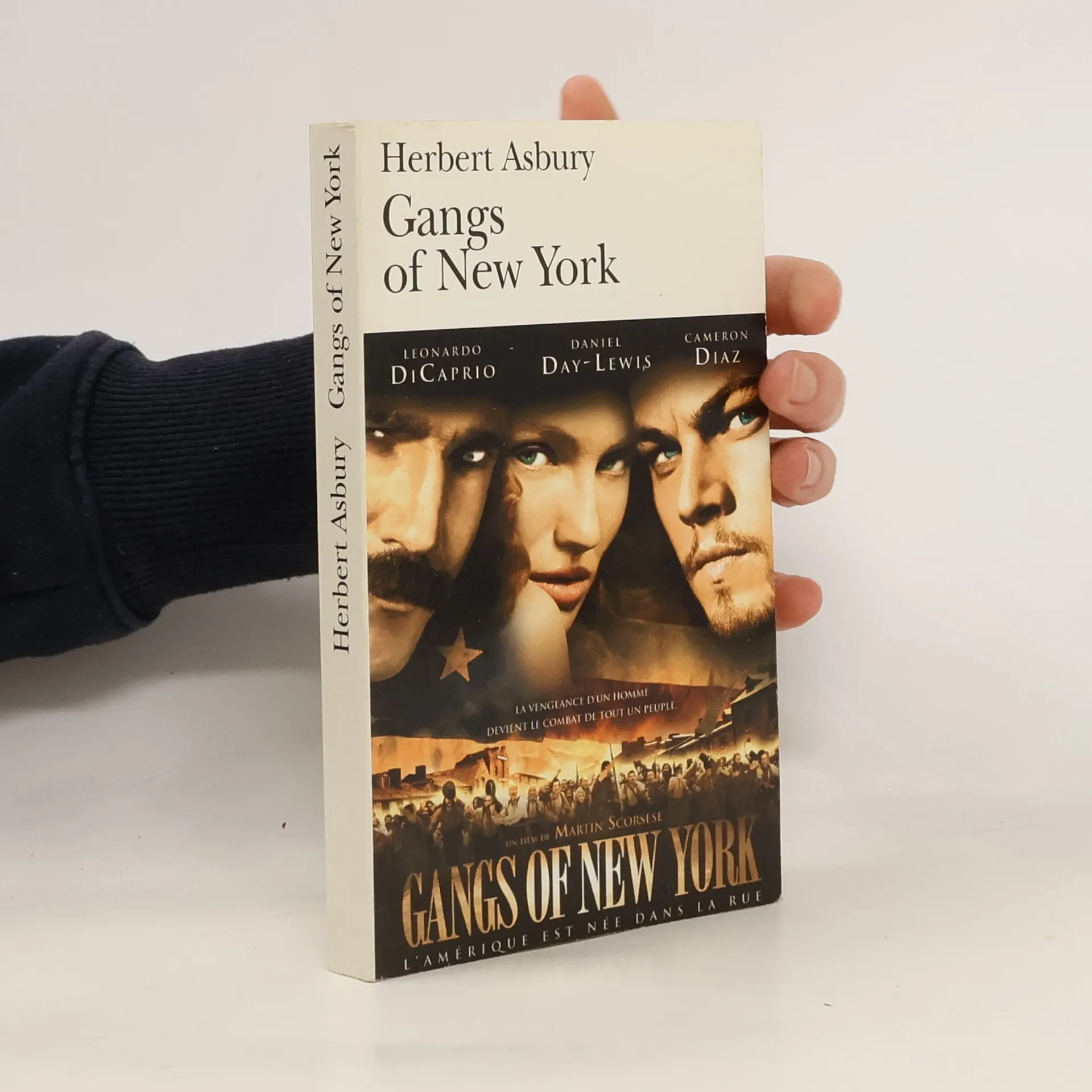
Gangs of New York
- 253pages
- 9 heures de lecture
1840, New York est la ville de l'or et du crime. Fraîchement débarqués sur les rives de Manhattan, les truands fondent des empires éphémères. Dans les lupanars de Five Points et les bas-fonds de Mulberry End, les trafiquants d'armes et d'alcool affrontent les caïds du jeu et de la prostitution. À la tête de ces armées tentaculaires s'illustrent des chefs aux noms bibliques tel Moïse, le colosse roux qui traverse l'Hudson à la nage, ou Leslie le lettré, génie du coffre-fort.
Memo from David O. Selznick
- 640pages
- 23 heures de lecture
David O. Selznick was a unique figure in the golden Hollywood studio era. He produced some of the greatest and most memorable American films ever made--notably, Rebecca, A Star Is Born, Anna Karenina, A Farewell to Arms, and, above all, Gone With the Wind. Selznick's absolute power and artistic control are evidenced in his impassioned, eloquent, witty, and sometimes rageful memos to directors, writers, stars and studio executives, writings that have become almost as famous as his films. Newsweek wrote, I can't imagine how a book on the American movie business could be more illuminating, more riveting or more fun to read than this collection of David Selznick's memos.
The complete script of the five-time Academy Award ® nominated film, with a lengthy introduction with details on the behind-the-scenes production, photos, and a special section in which the authors discuss the 22 films that influenced them. 24 b/w photos. The Newmarket Shooting Script Series features an attractive 7 x 9 1/4 inch format that includes a facsimile of the film's shooting script, as chosen by the writer and/or director, exclusive notes on the film's production and history, stills, and credits.
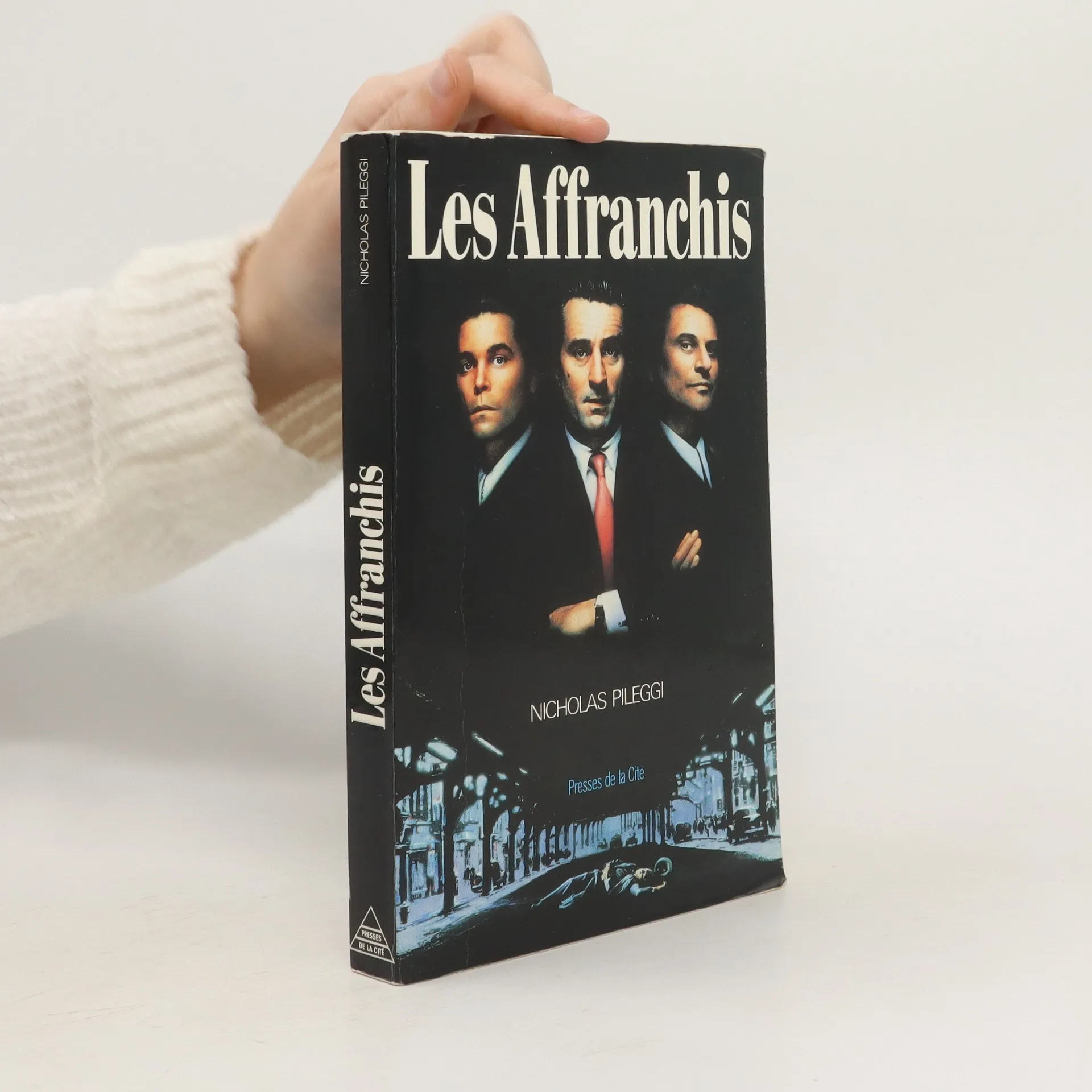
À l'âge de douze ans, mon ambition était de devenir gangster. Pour moi, être un wiseguy valait mieux que d'être président des États-Unis. Être un wiseguy, c'était posséder le monde. Les Affranchis est l'histoire de Henry Hill, racontant les détails fascinants et parfois brutaux de la vie quotidienne d'un mafieux new-yorkais - la violence, les dépenses extravagantes, sa femme, sa maîtresse, son code d'honneur. Des escroqueries de ses débuts à son premier arrestation à seize ans, en passant par son initiation aux affaires de ses amis et patrons, Henry Hill évoque les bons moments, les transactions douteuses, les plaisirs et l'insularité des quartiers contrôlés par la mafia. Mais les choses commencent à déraper. Pour sauver sa propre vie, Hill devient témoin fédéral, et la mafia le traque encore aujourd'hui pour avoir révélé leur implication dans des centaines de crimes, y compris l'incendie criminel, l'extorsion, le détournement, le vol de six millions de dollars de la Lufthansa (le vol d'argent le plus réussi de l'histoire des États-Unis) et le meurtre.
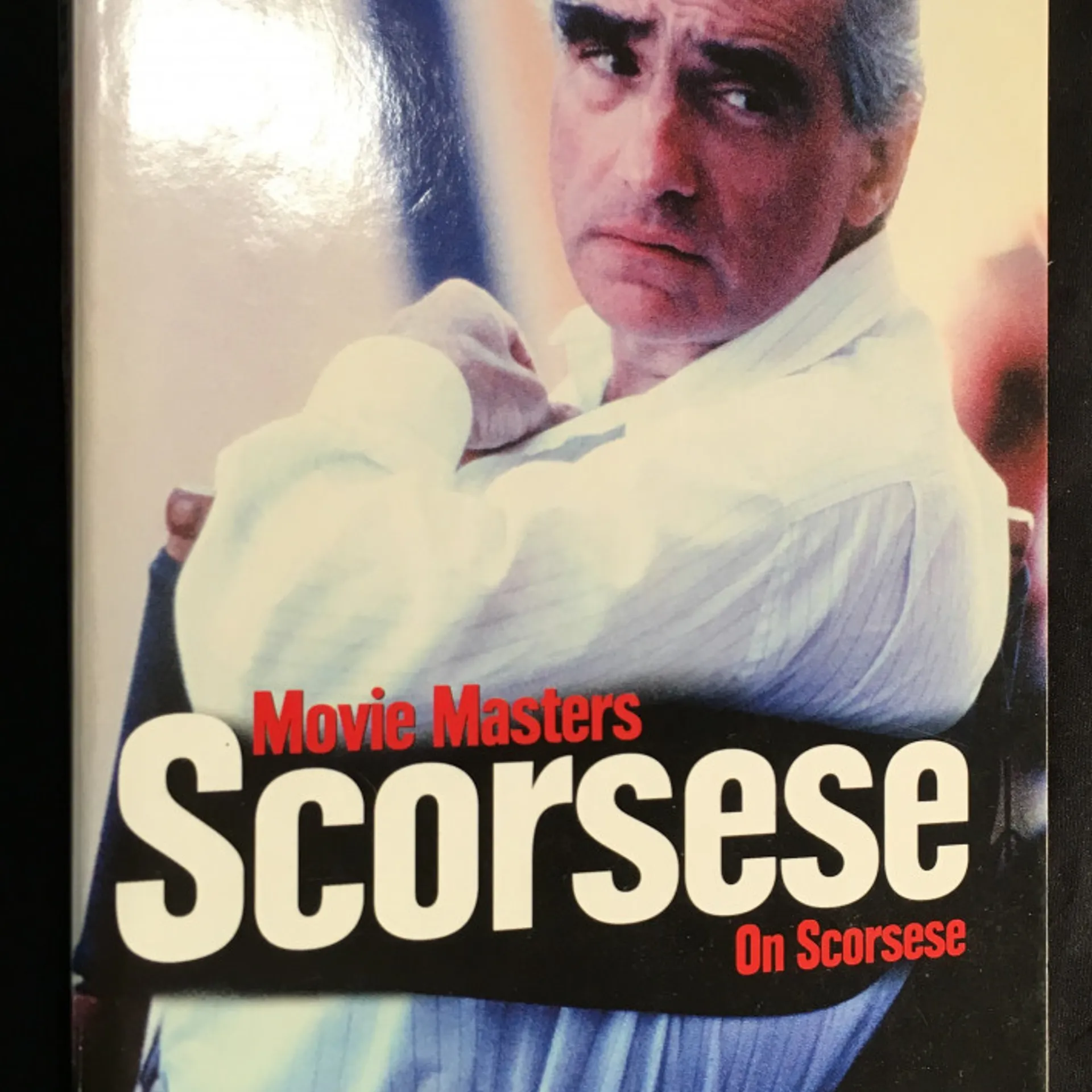
Following the release of Gangs of New York, this is an updated edition of the study of America's foremost film director. It offers Martin Scorsese in his own words and is an insight into a body of work that is perhaps the most personal achievement in modern American cinema. číst celé
New York, New York
- 176pages
- 7 heures de lecture
1st edition Coronet 1977 paperback, vg++ In stock shipped from our UK warehouse