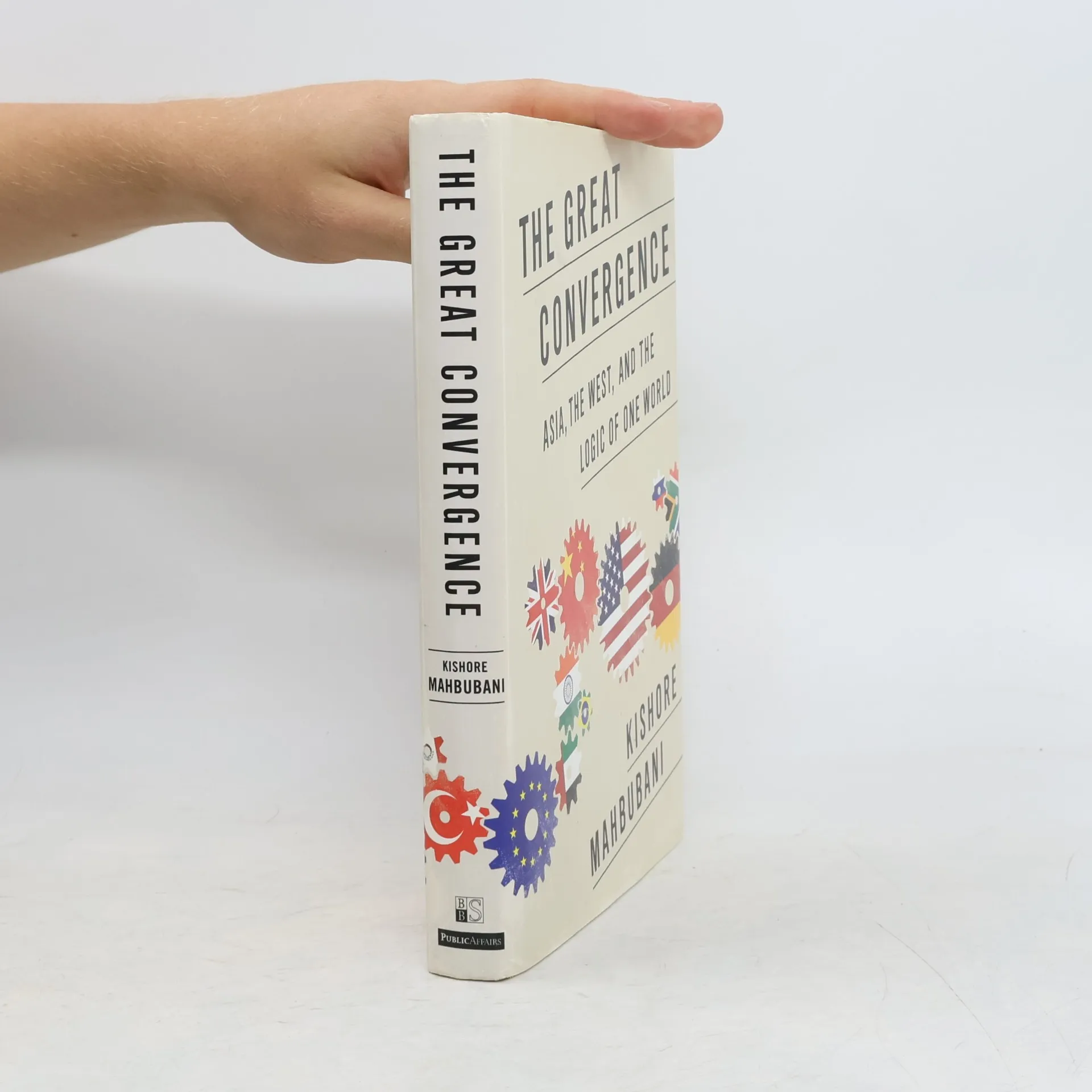
Ils s'observent mutuellement à travers le Pacifique avec des yeux vigilants et parlent l'un de l'autre plutôt que de dialoguer : le concours géopolitique décisif du XXIe siècle entre la Chine et les États-Unis a déjà commencé. Kishore Mahbubani, diplomate et érudit renommé, analyse les profondes tensions dans les relations entre Pékin et Washington. Avec un regard clair, il explique les forces, faiblesses, erreurs et particularités de la Chine et des États-Unis. Dans un contexte de guerres commerciales latentes et de conflits politiques constants, cet ouvrage constitue un guide essentiel pour mieux comprendre ces deux superpuissances, en particulier l'ascension imparable de la Chine.
Kishore Mahbubani Livres
24 octobre 1948
Kishore Mahbubani est un universitaire et ancien diplomate dont le travail se concentre sur la politique publique et les relations internationales. Ses écrits analysent les tendances mondiales et la dynamique de la région Asie-Pacifique, offrant des perspectives éclairées sur les défis et les opportunités contemporains. Il offre un point de vue distinctif sur les complexités de la diplomatie internationale et le rôle de l'Asie en son sein. Ses analyses sont précieuses pour comprendre le paysage mondial en évolution.


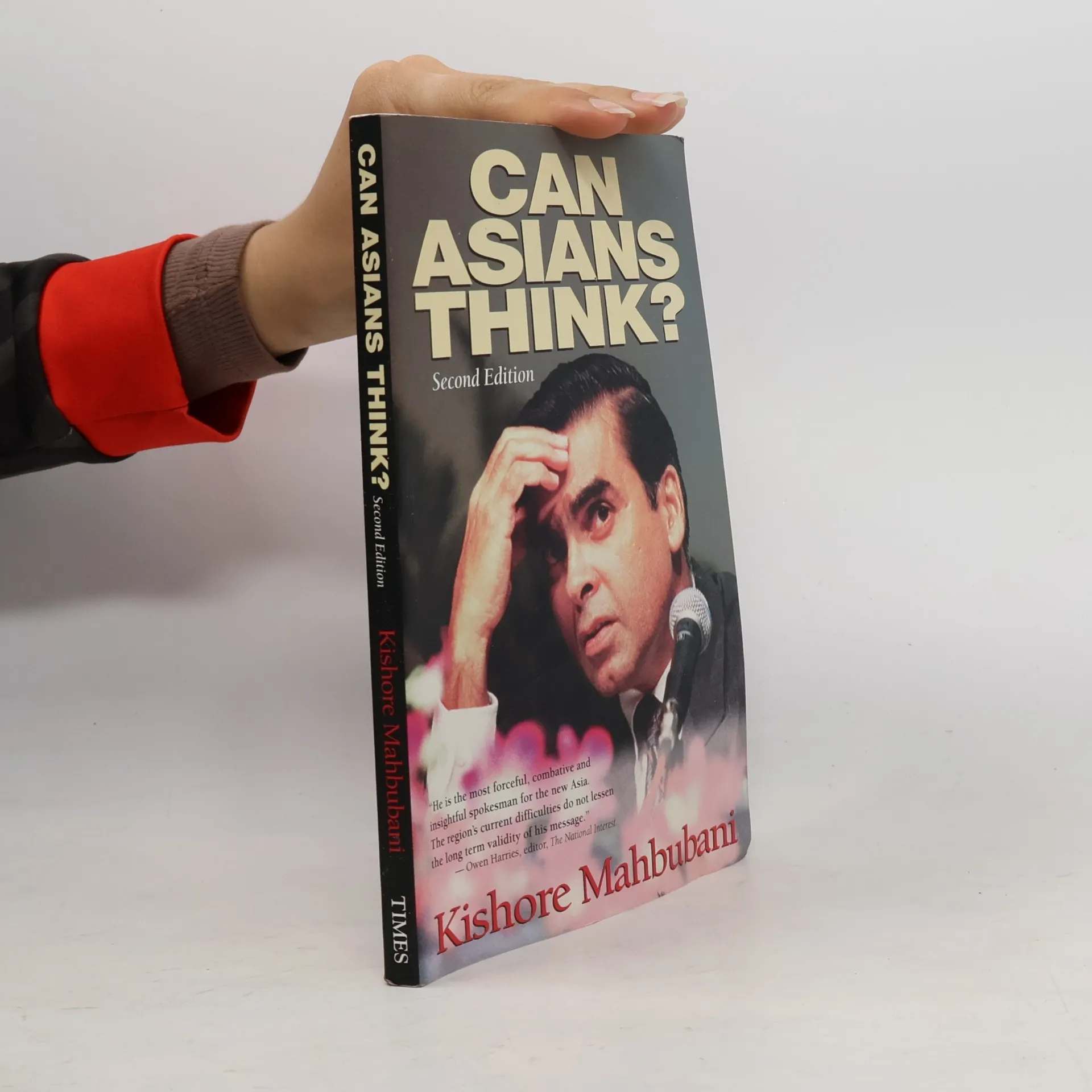

Contrary to the prevailing view in the West that the 500-year dominance of Western civilization points to it being the only universal civilization, Can Asians Think? argues that other civilizations may yet make equal contributions to the development and growth of mankind. Mahbubani continues to illuminate his central arguments with new essays.
The Asian 21st Century
- 280pages
- 10 heures de lecture
Kishore Mahbubani's essays delve into the complexities of Western and Asian relations amid growing global interdependence and heightened geopolitical rivalry. The book examines the unique challenges and dilemmas each region faces, offering insights into their interactions and the broader implications for international dynamics. Through thoughtful analysis, Mahbubani encourages readers to consider the future of global cooperation and competition in a rapidly changing world.
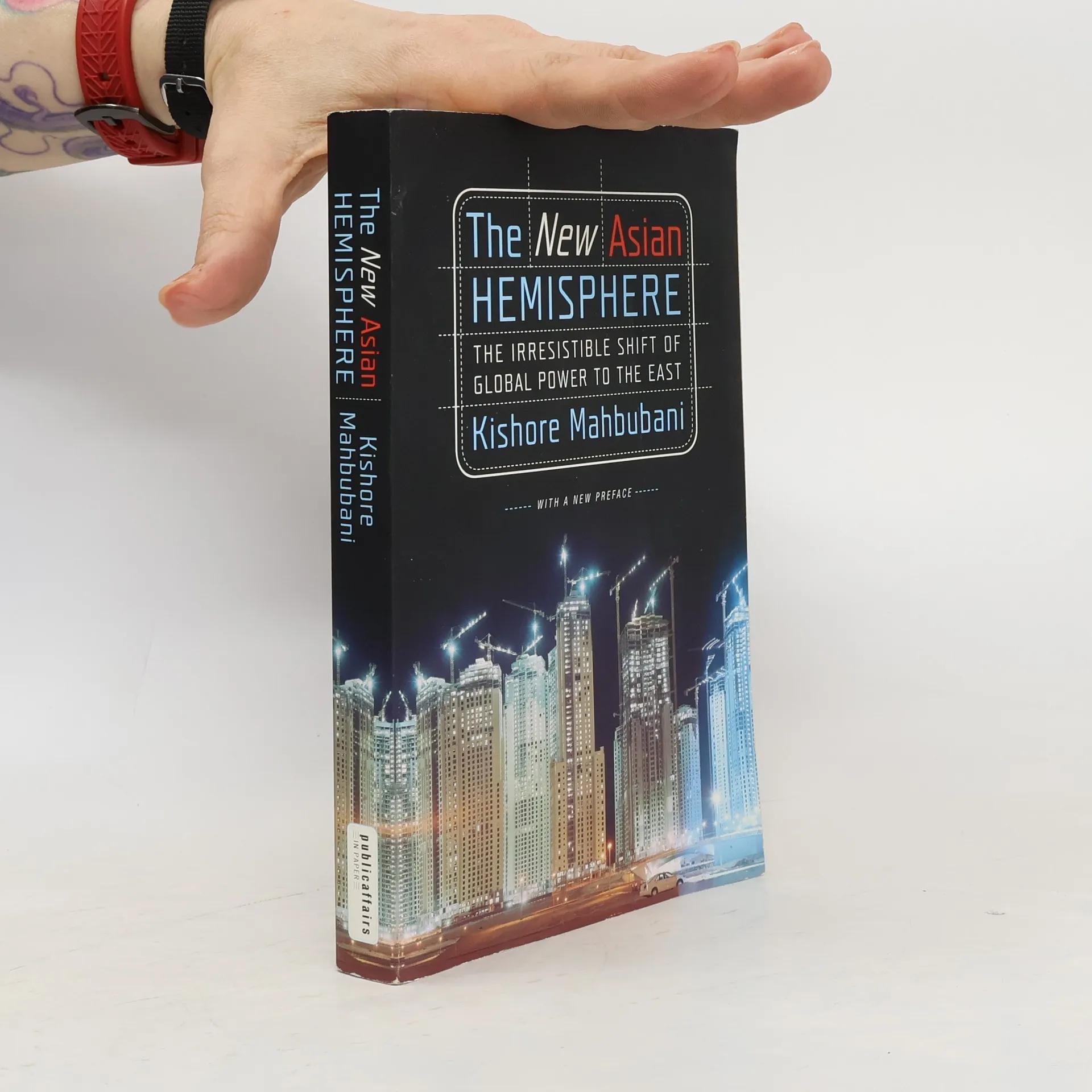
The new Asian hemisphere
- 314pages
- 11 heures de lecture
For centuries, the Asians (Chinese, Indians, Muslims, and others) have been bystanders in world history. Now they are ready to become co-drivers. Asians have finally understood, absorbed, and implemented Western best practices in many from free-market economics to modern science and technology, from meritocracy to rule of law. They have also become innovative in their own way, creating new patterns of cooperation not seen in the West. Will the West resist the rise of Asia? The good news is that Asia wants to replicate, not dominate, the West. For a happy outcome to emerge, the West must gracefully give up its domination of global institutions, from the IMF to the World Bank, from the G7 to the UN Security Council. History teaches that tensions and conflicts are more likely when new powers emerge. This, too, may happen. But they can be avoided if the world accepts the key principles for a new global partnership spelled out in The New Asian Hemisphere.
The ASEAN Miracle
- 264pages
- 10 heures de lecture
The Association of Southeast Asian Nations is a miracle. Why? In an era of growing cultural pessimism, many thoughtful individuals believe that different civilisations cannot live together in peace. The ten countries of ASEAN provide a thriving counter-example of civilizational co-existence. Here 625m people live together in peace. This miracle was delivered by ASEAN.
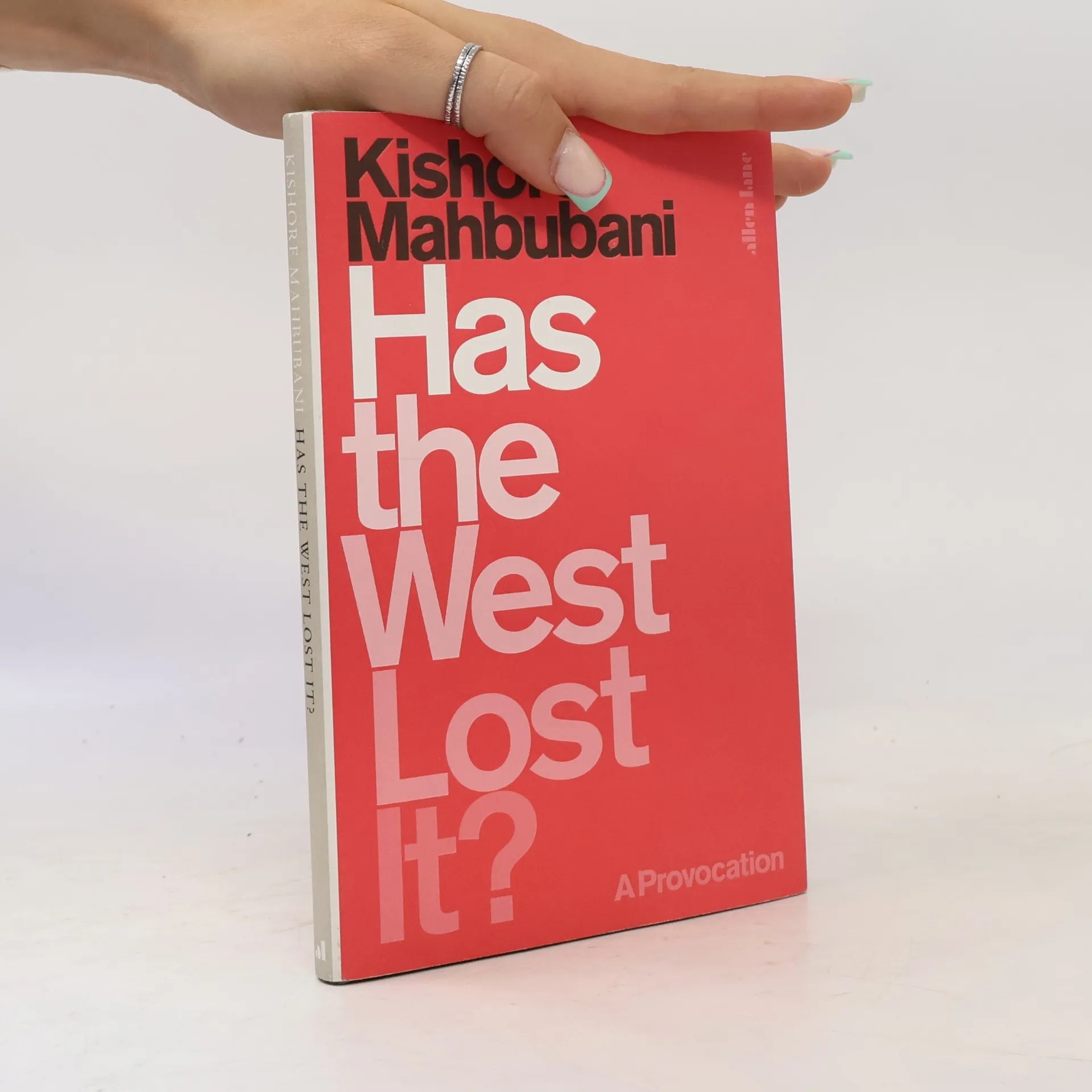
Kishore Mahbubani might well be the most intelligent, friendly and doggedly persistent critic of the West. In this brief book, he delivers some of his trademark analysis and pungent observations. We should all think of it as the cold shower that is urgently needed to revive the West Fareed Zakaria, author of 'The Post-American World'
An influential policy thinker and "muse of the Asian Century" ("Foreign Policy") illuminates the contours of our new global civilization, and shows why power must shift to reflect the new reality.
Ullstein Sachbuch: Impulse 2010
Gedanken zu Politik, Kultur und Wissenschaft
- 223pages
- 8 heures de lecture