Identité et différence Inséré par Locke dans son Essai philosophique concernant l’entendement humain , le « traité de l’identité » a laissé une trace remarquable du XVIIIe siècle à nos jours. Pour la première fois, il donne un nom aux grandes catégories de la métaphysique du sujet : the consciousness , the self , et les associe étroitement dans une problématique de la « conscience de soi ». Pour que celle-ci déploie ses possibilités et ses conflits latents, il faut cependant un moment spécifique de traduction : la proposition par le huguenot français Pierre Coste de leurs équivalents – « la con-science » et « le soi » –, fournissant à toute la philosophie continentale les moyens de sortir des apories du cartésianisme. Cet événement dont nous sommes encore tributaires, l’invention européenne de la conscience , se trouve ici étudié à travers la réédition des textes de Locke et de Coste, augmentée d’une nouvelle traduction et complétée par un commentaire et un dossier. Étienne Balibar Il est professeur émérite à l’université de Paris-Ouest-Nanterre-La Défense.
John Locke Livres

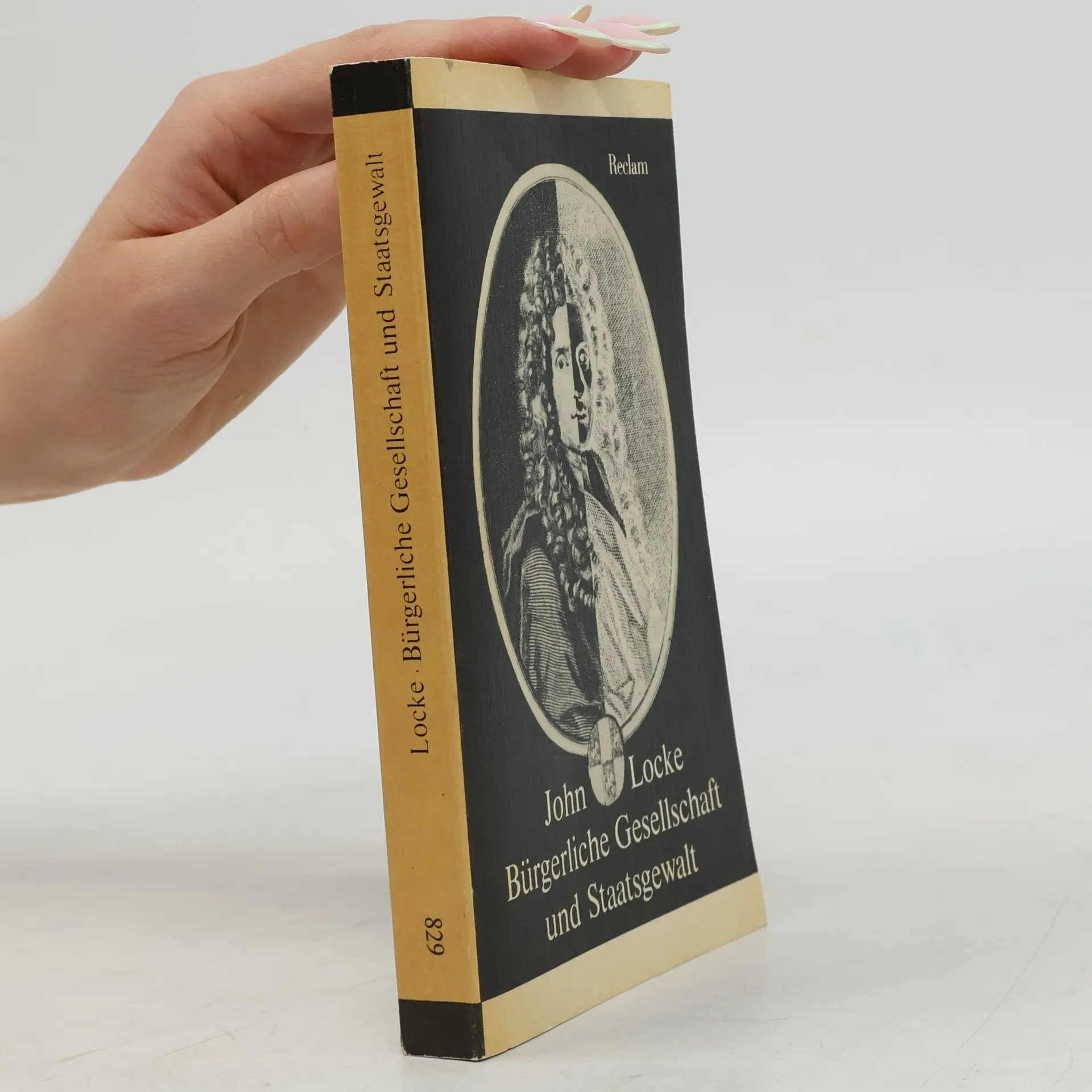
Traité du gouvernement civil
- 381pages
- 14 heures de lecture
The Second Treatise is one of the most important political treatises ever written and one of the most far-reaching in its influence. In his provocative 15-page introduction to this edition, the late eminent political theorist C. B. Macpherson examines Locke's arguments for limited, conditional government, private property and right of revolution and suggests reasons for the appeal of these arguments in Locke's time and since.
Traité du gouvernement civil
Essai et Lettre sur la tolerance
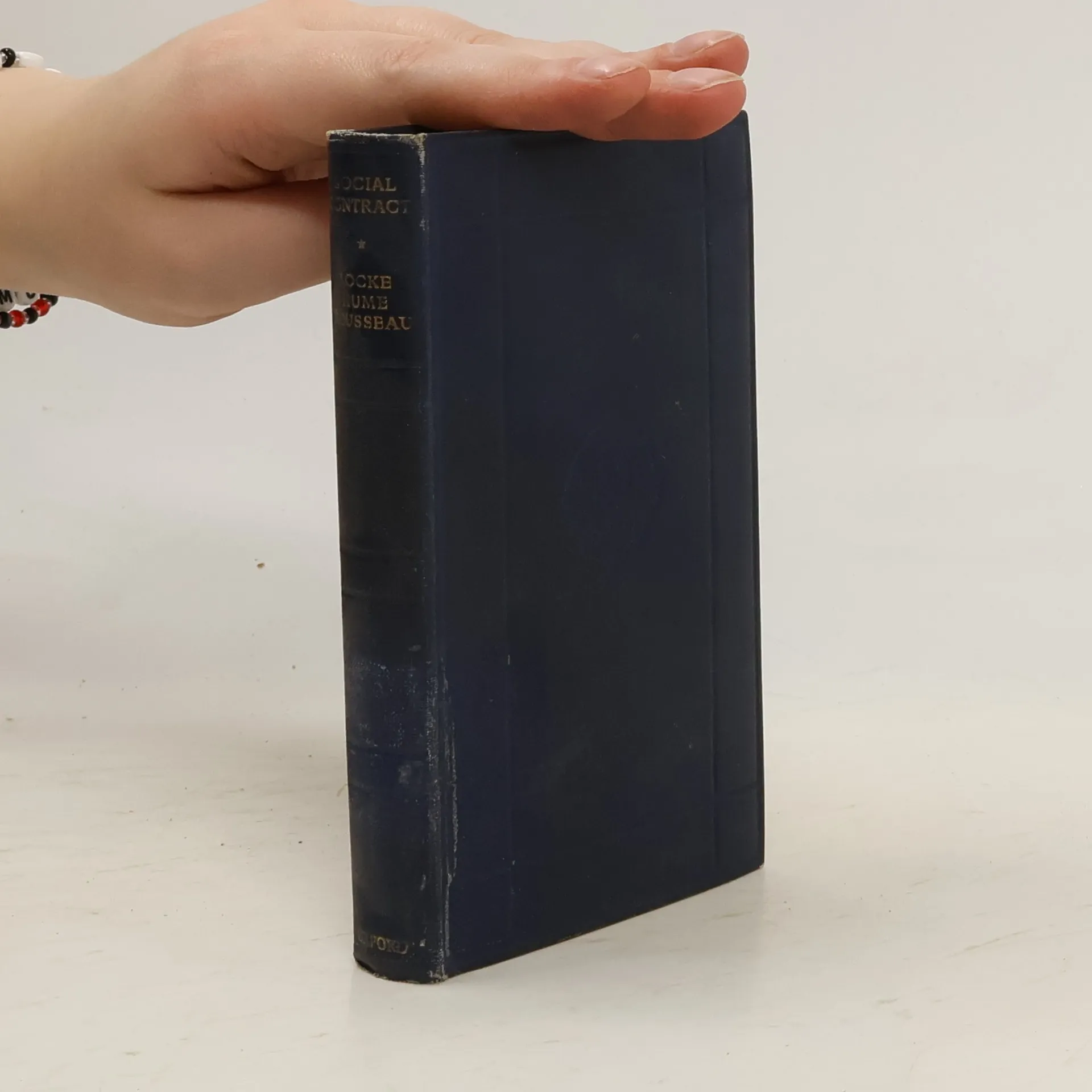
The Leviathan (1651), The Two Treatises of Government (1689), The Social Contract (1762), The Constitution of Pennsylvania (1776)
The Original Texts from Hobbes, Locke, Rousseau and The Founding Fathers of the United States
- 372pages
- 14 heures de lecture
Exploring the evolution of political thought, this collection includes foundational texts that shaped modern governance. It begins with Hobbes' view of the necessity of a strong central authority, followed by Locke's arguments for natural rights and government by consent. Rousseau's work introduces the concept of collective will and social agreements, while the Constitution of Pennsylvania exemplifies practical application of these theories in establishing a democratic framework. Together, these works highlight the transition from absolute rule to democratic principles.
Donovan Creed - 10: The President's Daughter
- 278pages
- 10 heures de lecture
Kidnapping is a hinky business, fraught with pitfalls. Under normal circumstances, Donovan Creed wouldn’t kidnap a family pet, much less a high-profile target. But Creed’s billion-dollar Swiss bank account has been cleaned out by an unknown hacker, leaving him virtually broke for the first time in his adult life. For this reason, against his better judgment, he accepts $8 million to kidnap the President’s daughter. The good news is the client wants her killed immediately after the kidnapping. Except…what if keeping her alive is the key to getting his money back? PRELIMINARY “Best Creed book ever! A joy from start to finish.” “Locke’s ability to make me turn the pages kept me up the whole friggin’ night. Damnit!” “If you like Donovan Creed, you’ll love this kickass novel, The President’s Daughter. It’s Creed and Callie at their best. I loved it!” “Like all John’s books, this one is smart, sassy, and keeps you guessing throughout. He lulls you into thinking you know what’s going to happen next, but you never do. And it’s not your fault. It just proves you’re sane, and he’s not. I see where readers are always asking how he comes up with this stuff. Personally, I don’t want to know!”
The First & Second Treatises of Government (Hardcover)
- 160pages
- 6 heures de lecture
Exploring foundational principles of political philosophy, this complete edition combines two of Locke's influential treatises on governance. It delves into the nature of human rights, the social contract, and the justification of government authority, emphasizing the importance of individual liberty and the rule of law. Locke's arguments laid the groundwork for modern democratic thought, making this collection essential for understanding the evolution of political theory and the role of government in society.
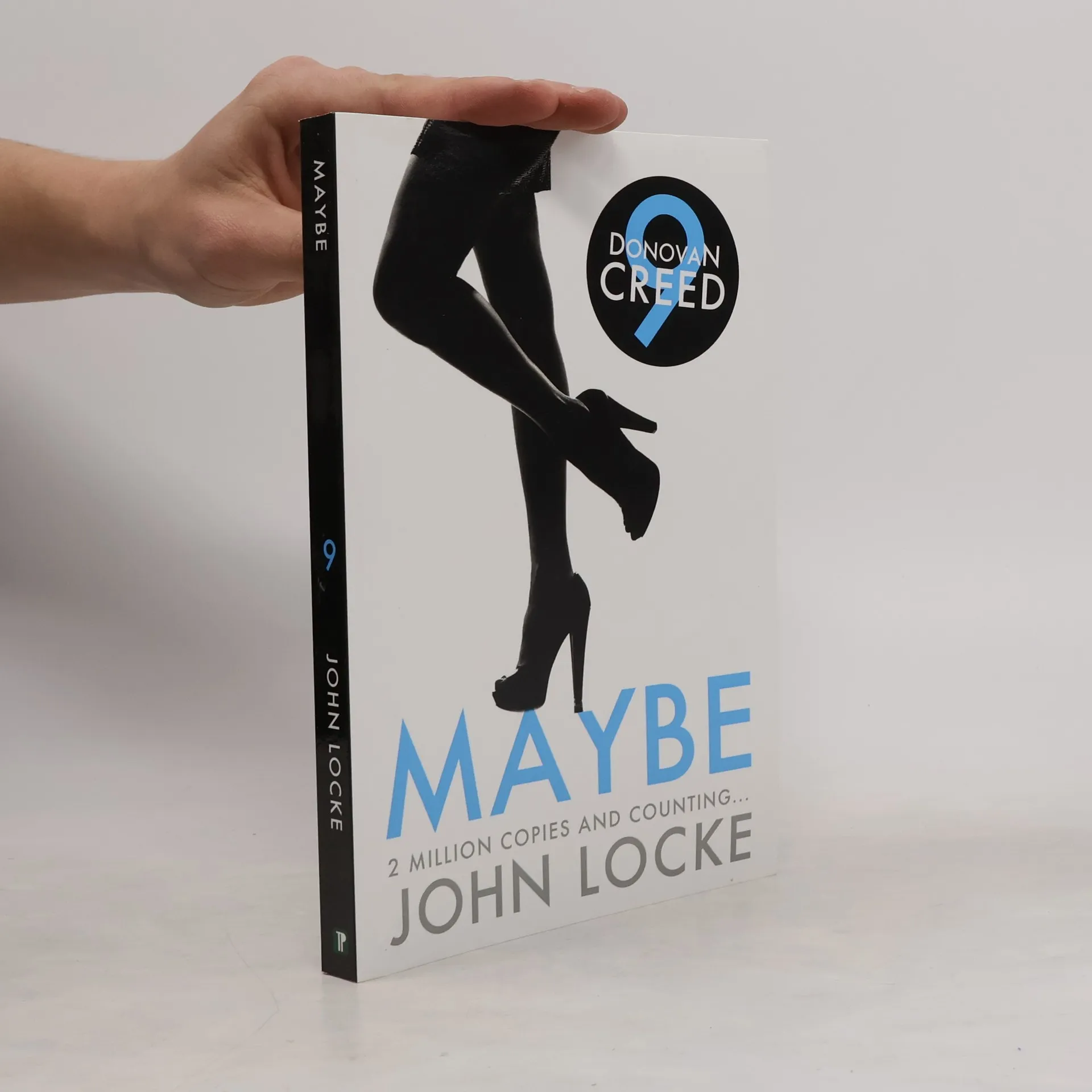
Donovan Creed - 9: Maybe
- 253pages
- 9 heures de lecture
When an angry, unemployed chemist unleashes a bio-terrorist attack against women and children, the president of the United States asks Donovan Creed to get involved. It's just one more thing on Creed's plate.
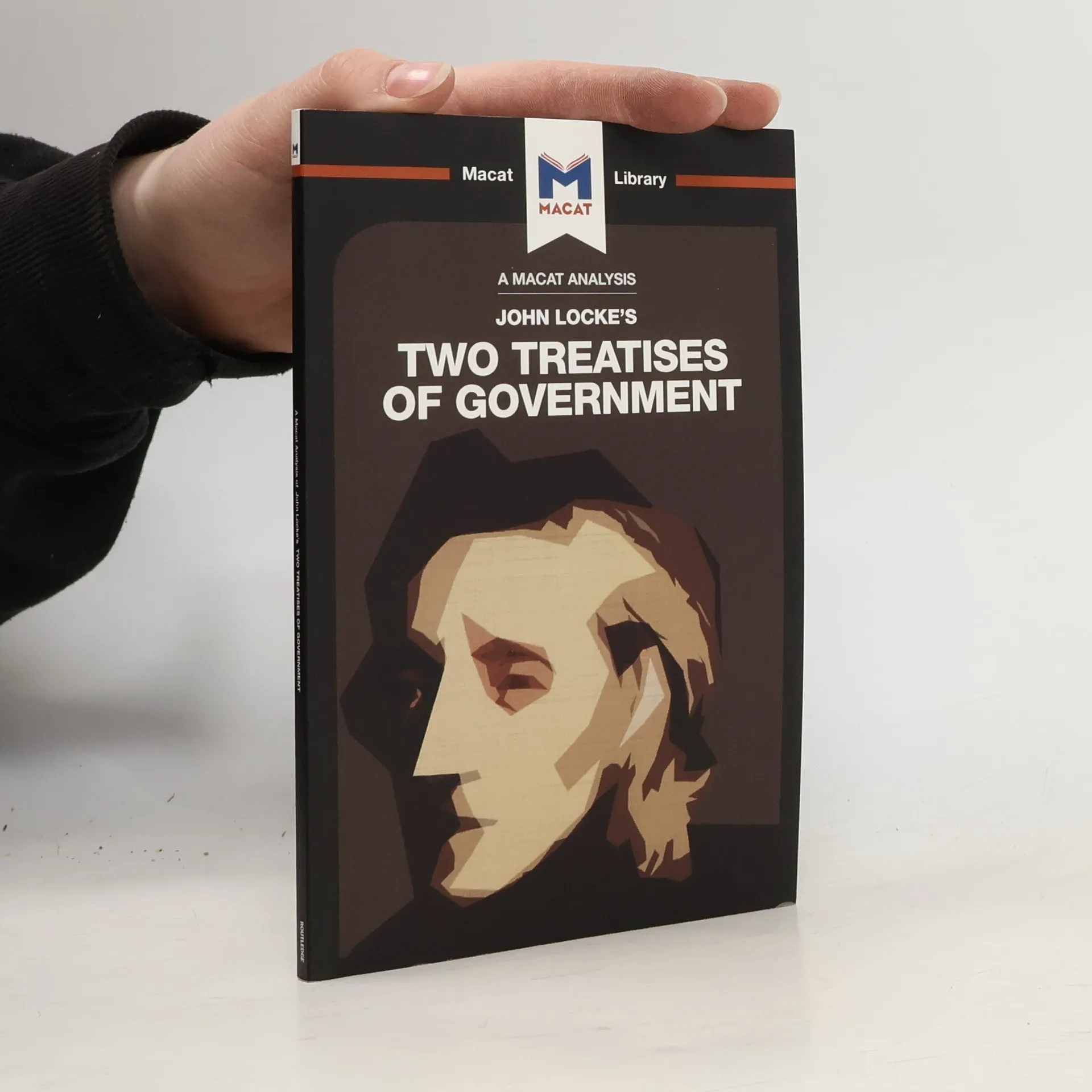
Macat Library: An Analysis of John Locke's Two Treatises of Government
- 102pages
- 4 heures de lecture
John Locke’s 1689 Two Treatises of Government is a pivotal text in political theory, significantly influencing modern politics and the American Constitution. This work is not only a foundational exploration of government legitimacy but also a masterclass in critical thinking, particularly in evaluation and reasoning. The first treatise serves as a thorough critique of Sir Robert Filmer’s Patriarcha, which argued for the divine right of kings, claiming that monarchs derive their authority directly from God through Biblical evidence. Locke systematically dismantles Filmer’s arguments, demonstrating their inadequacy and reliance on flawed evidence, ultimately deeming them invalid. In the second treatise, Locke articulates his own views on legitimate power and its sources. He constructs a compelling argument based on the concept of man in “the state of nature,” advocating that a civilized society should be founded on natural human rights and the social contract. Through logical reasoning and historical context, Locke lays the groundwork for modern democratic thought, emphasizing the importance of individual rights and the role of government as a protector of those rights.
The Love You Crave
- 240pages
- 9 heures de lecture
WHEN YOU'VE ALREADY BETRAYED EVERYONE YOU LOVE, WHO CAN YOU TURN TO FOR HELP? Former CIA assassin Donovan Creed finds himself at odds with mob-connected Tony Spumoni and practically everyone else he knows, including his boss Darwin, lover Gwen, daughter Kimberly, protégé Callie, co-worker Lou, physician Doc Howard, assorted board members, terrorists, and even a zoo full of angry monkeys!
Some Thoughts Concerning Education
- 246pages
- 9 heures de lecture
The book presents a series of letters written by John Locke in 1684, offering his insights on education to friends Mary and Edward Clarke regarding their son. Despite being unmarried and childless, Locke shares his influential Enlightenment philosophies, emphasizing the importance of nurturing a child's mind and character. His correspondence reflects his profound understanding of human development and the role of education in shaping individuals, making it a significant contribution to educational theory.
A Letter Concerning Toleration is the most important of four letters by the renowned 17th-century English thinker John Locke on a topic that continues to engage politicians, philosophers, and general readers. Written in response to the religious and political intolerance of his time (1689), it retains its urgency today. In this work, Locke combines an empirical view of human society with a belief in the existence of a natural law that God has embedded in the order of the world, enabling people to live in a rational community. However, such a community must be practically secured. Locke presents the groundbreaking idea that it is essential to strictly separate public interest from private interest. Faith and various forms of religion, along with their practical expressions in the form of individual churches and sects, represent private interests that the state must not interfere with. Conversely, churches must not, under any pretext, intervene in public affairs.
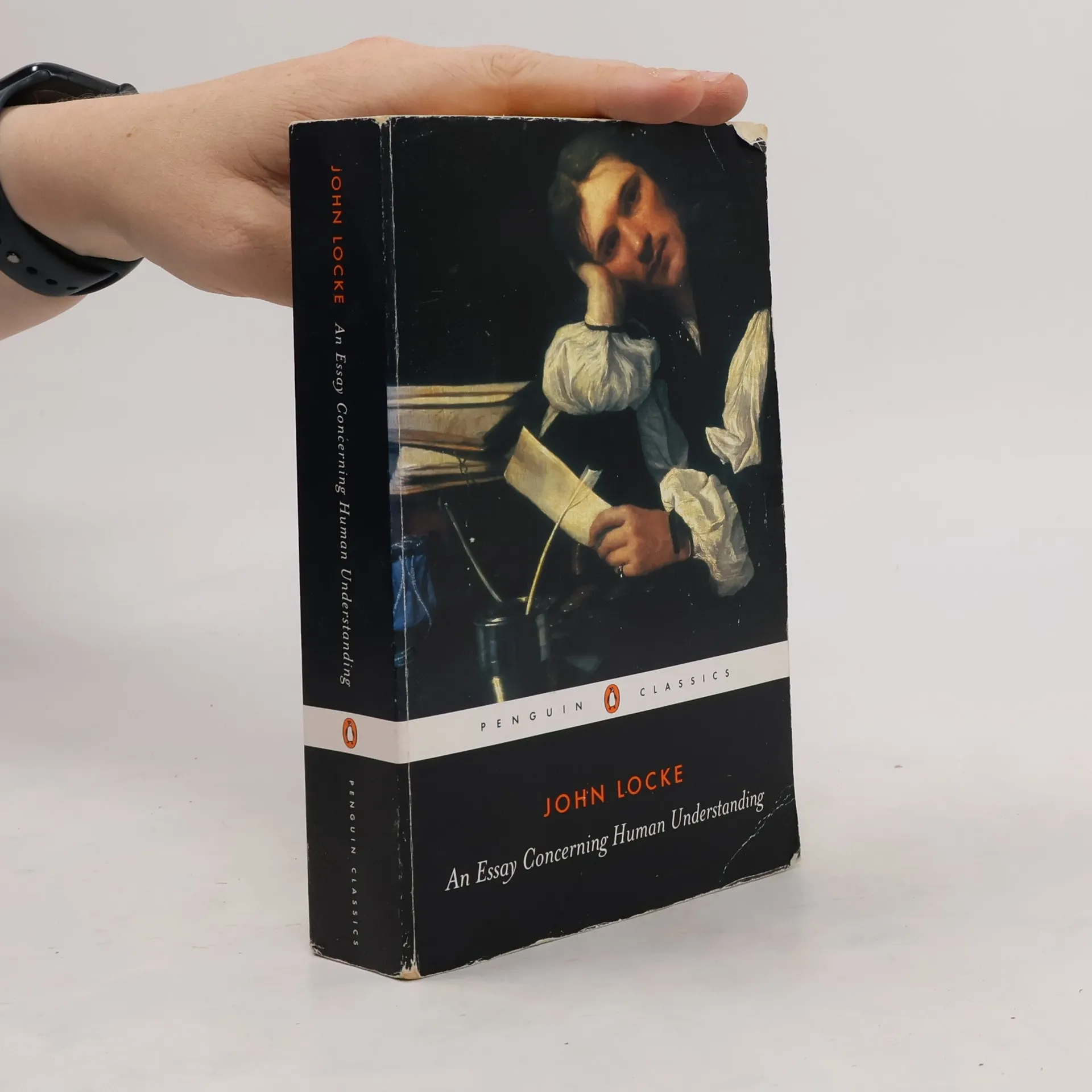
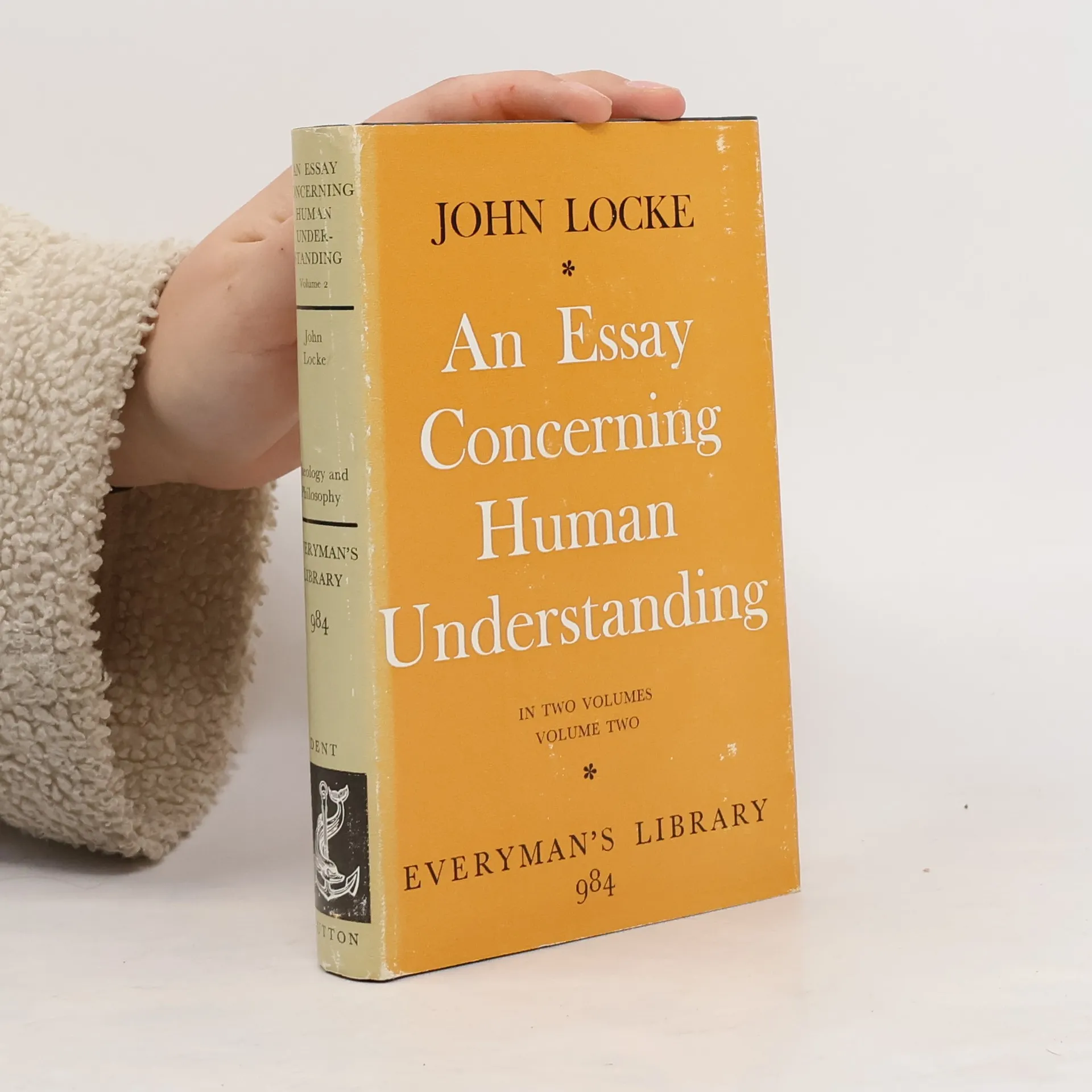
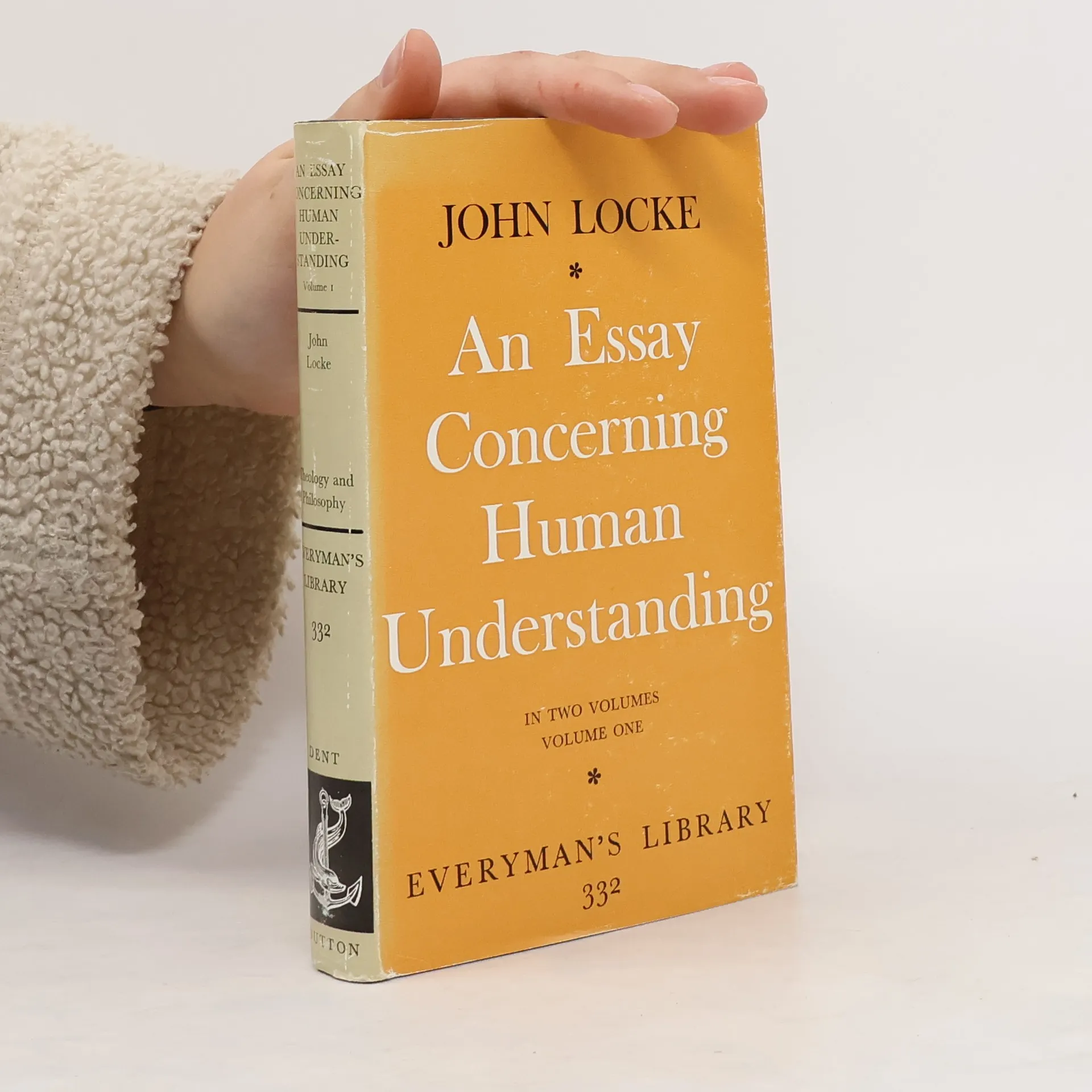
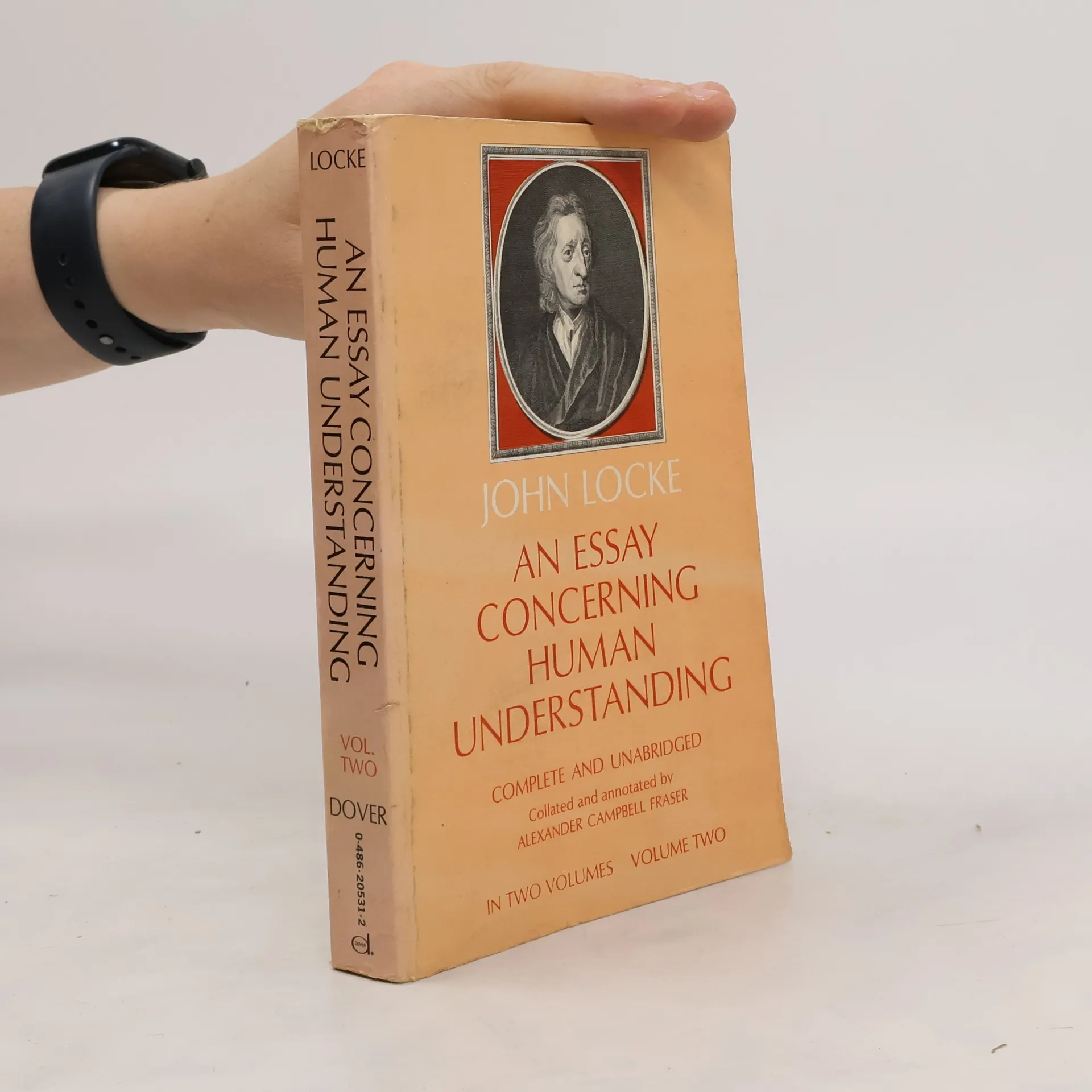
An Essay Concerning Human Understanding
- 816pages
- 29 heures de lecture
Provides an account of how we acquire everyday, mathematical, natural scientific, religious and ethical knowledge. Rejecting the theory that some knowledge is innate in us, this title argues that it derives from sense perceptions and experience, as analysed and developed by reason.
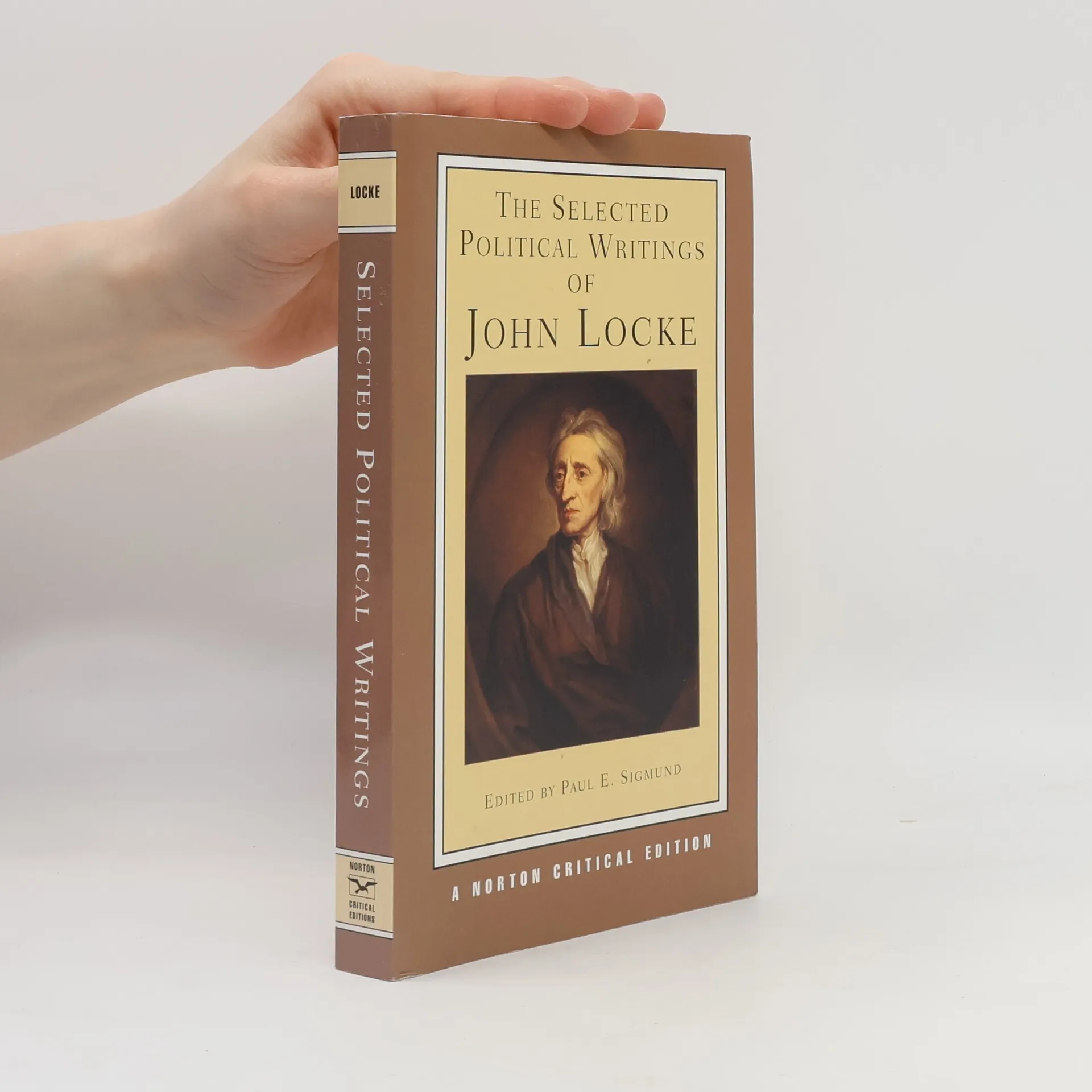
Norton Critical Editions: The Selected Political Writings of John Locke
- 448pages
- 16 heures de lecture
John Locke's revolutionary writings created a sea change in political theory and, eventually, in liberal democracy in practice.
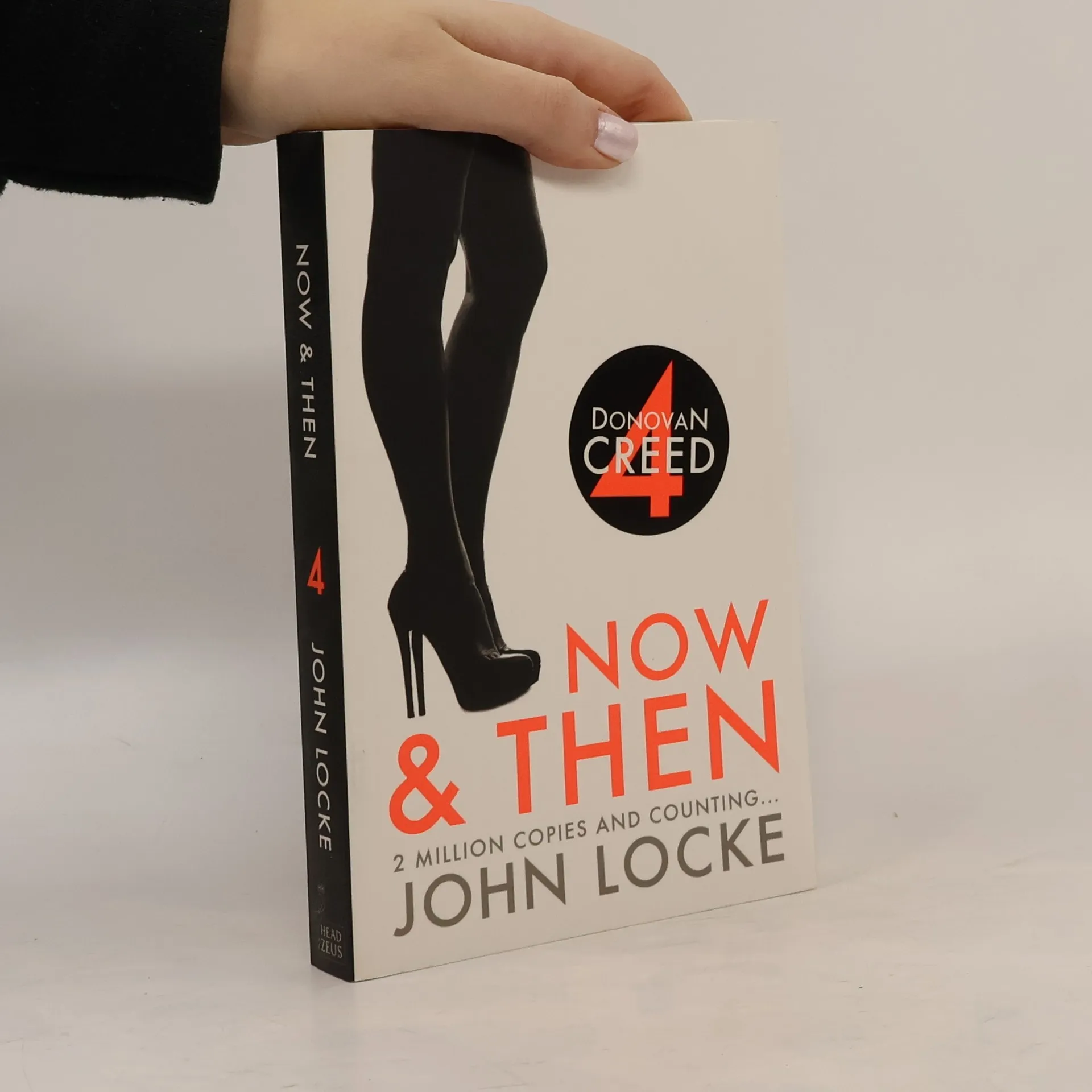
Now and Then
- 288pages
- 11 heures de lecture
When we last encountered Donovan Creed, former CIA assassin and free lance killer, he had successfully stolen billions of dollars from the world's most lethal criminals. Now all he wants is a quiet, romantic vacation with the very sexy Rachel-no fire ants, bi-polar girlfriends, rabid squirrels, accident prone homicidal maniacs, hailstorms, hairless cats, gangs, faith healers, or pirates.
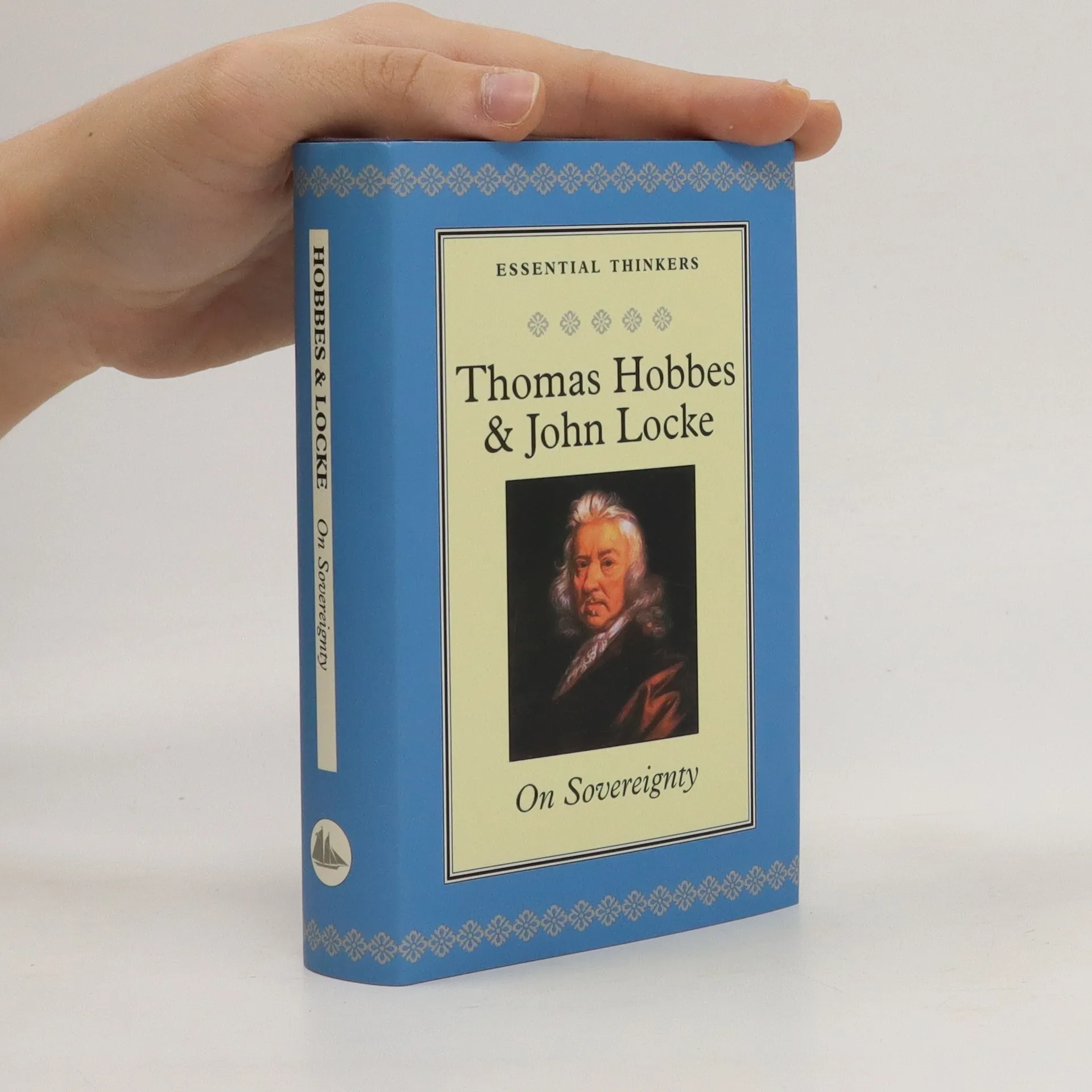
Thomas Hobbes, the royalist, is above all famous for his 'social contract theory', the appeal to the agreement that would be made among rational, free, and equal persons. His conclusion - that we should submit to the authority of an absolute and unlimited sovereign power - may not have found many followers, but his analysis remains unchallenged. John Locke, by contrast, was a parliamentarian. He argued that sovereignity resides with the people, and that the state is supreme only when bound by civil and natural law. It follows that revolution is not only a right, but sometimes an obligation. He was a strong supporter of religious freedom, and of a system of checks and balances in government. Many of his ideas were later embodied in the US constitution.
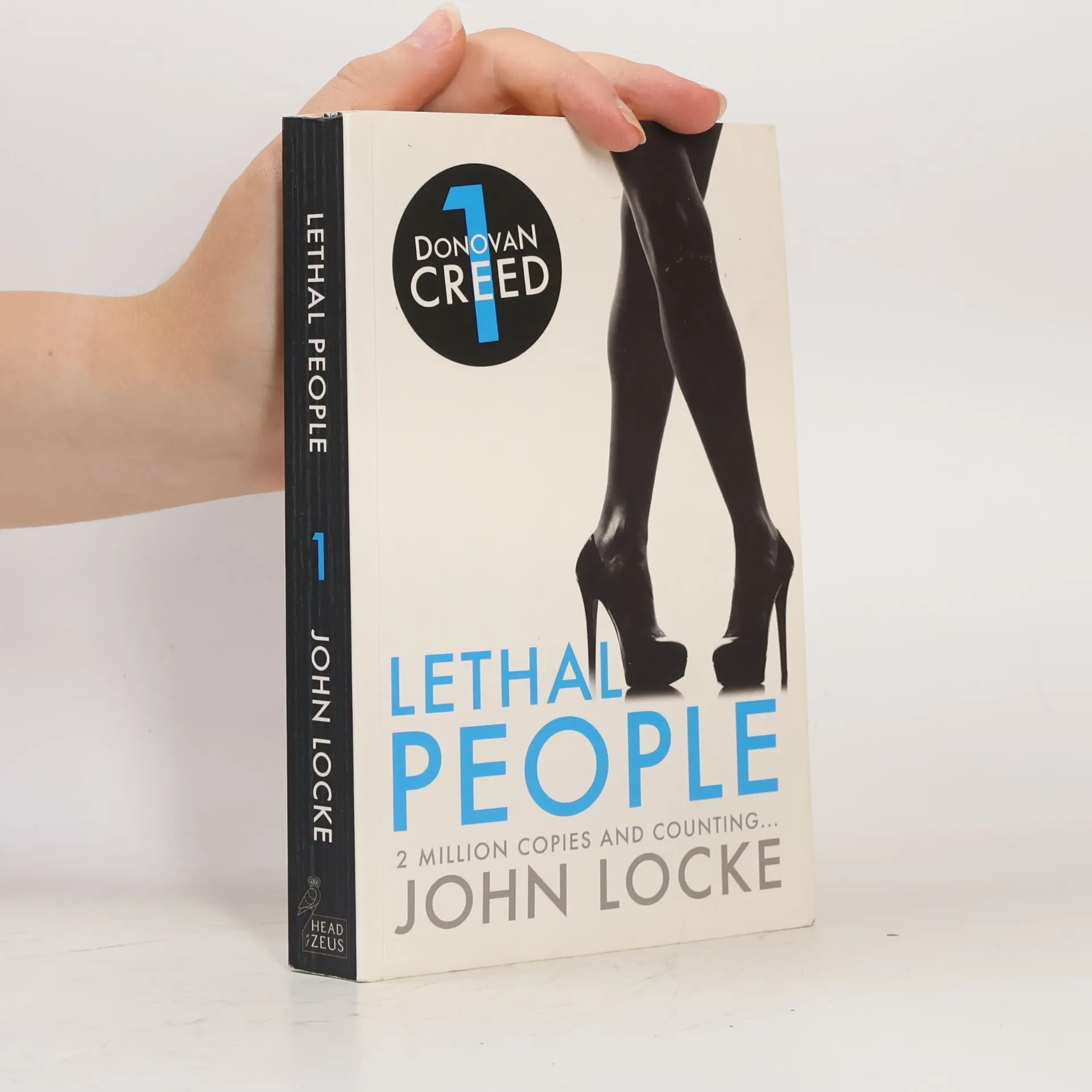
Lethal people
- 282pages
- 10 heures de lecture
Would you let a child die if your family were threatened? When the government wants someone to disappear without a trace, they put in a call to Donovan Creed. Creed is a man of many identities, a ruthless assassin with access to all the technology that the military can offer. You don't want to take on Creed. But then again, most don't even see him coming. When Creed meets an orphaned girl, she reminds him of his own daughter, and he swears to protect her from the men who killed her parents. But when his involvement becomes public knowledge amongst the criminal fraternity, Creed and his family also become targets...
Saving Rachel
- 186pages
- 7 heures de lecture
If you had to choose between your wife or your lover, who would you save? Sam Case is in trouble. He is hiding over nine billion dollars for the world's criminals – drug lords, cartel bosses, even the mafia. And now someone wants to take it all from him. With Sam's world about to be turned on its head, enter Donovan Creed (working under an assumed identity, of course) former CIA assassin. To show Sam he means business, he kidnaps the women Sam loves, and then gives him a choice: save his wife, or save his mistress.
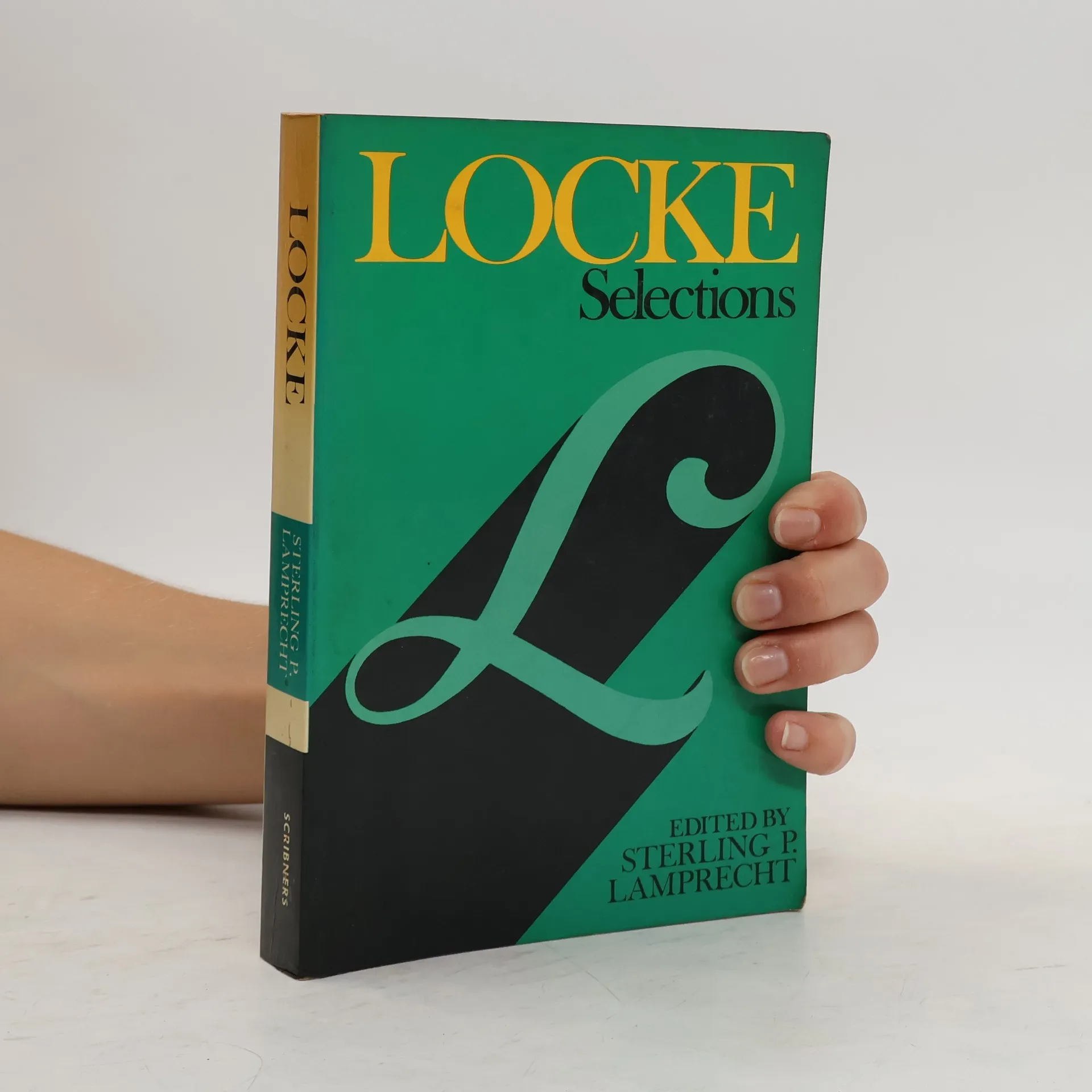
Selections
- 420pages
- 15 heures de lecture
The Prince (1532), The Leviathan (1651), The Two Treatises of Government (1689), The Social Contract (1762), The Constitution of Pennsylvania (1776)
The Original Texts from Machiavelli, Hobbes, Locke, Rousseau and The Founding Fathers of the United State
- 732pages
- 26 heures de lecture
Exploring foundational political theories, this collection features seminal texts from influential thinkers such as Machiavelli, Hobbes, Locke, and Rousseau, alongside the Constitution of Pennsylvania. Each work delves into themes of power, governance, and social contract theory, offering insights into the evolution of political thought from the Renaissance to the Enlightenment. Readers will encounter diverse perspectives on authority, individual rights, and the role of government, reflecting the complex interplay between philosophy and the formation of modern democratic principles.
Second Treatise of Government; The Second Essay in Two Treatises of Government
in large print
- 216pages
- 8 heures de lecture
The book is a reproduction of a historical work, published by Megali, which focuses on producing large print editions to enhance accessibility for individuals with impaired vision. This initiative aims to preserve important texts while ensuring they are readable for a wider audience.
Complete Works of John Locke (Grapevine edition)
- 986pages
- 35 heures de lecture
Explore the profound intellect of John Locke, whose Enlightenment ideas have significantly influenced Western thought. This compilation features his philosophical, political, and epistemological writings, showcasing his clarity and rationality, which appeal to both scholars and general readers. Locke delves into essential questions regarding government, the origins of knowledge, and individual rights and freedoms. His strong advocacy for empiricism and the belief that knowledge stems from experience have established foundational principles for modern philosophy and science.
As a facsimile reprint of a scarce antiquarian work, this edition preserves the original text while acknowledging potential imperfections like marks and notations due to its age. It reflects a commitment to cultural preservation and accessibility, ensuring that significant literary works remain available in high-quality, modern formats that honor their historical context.
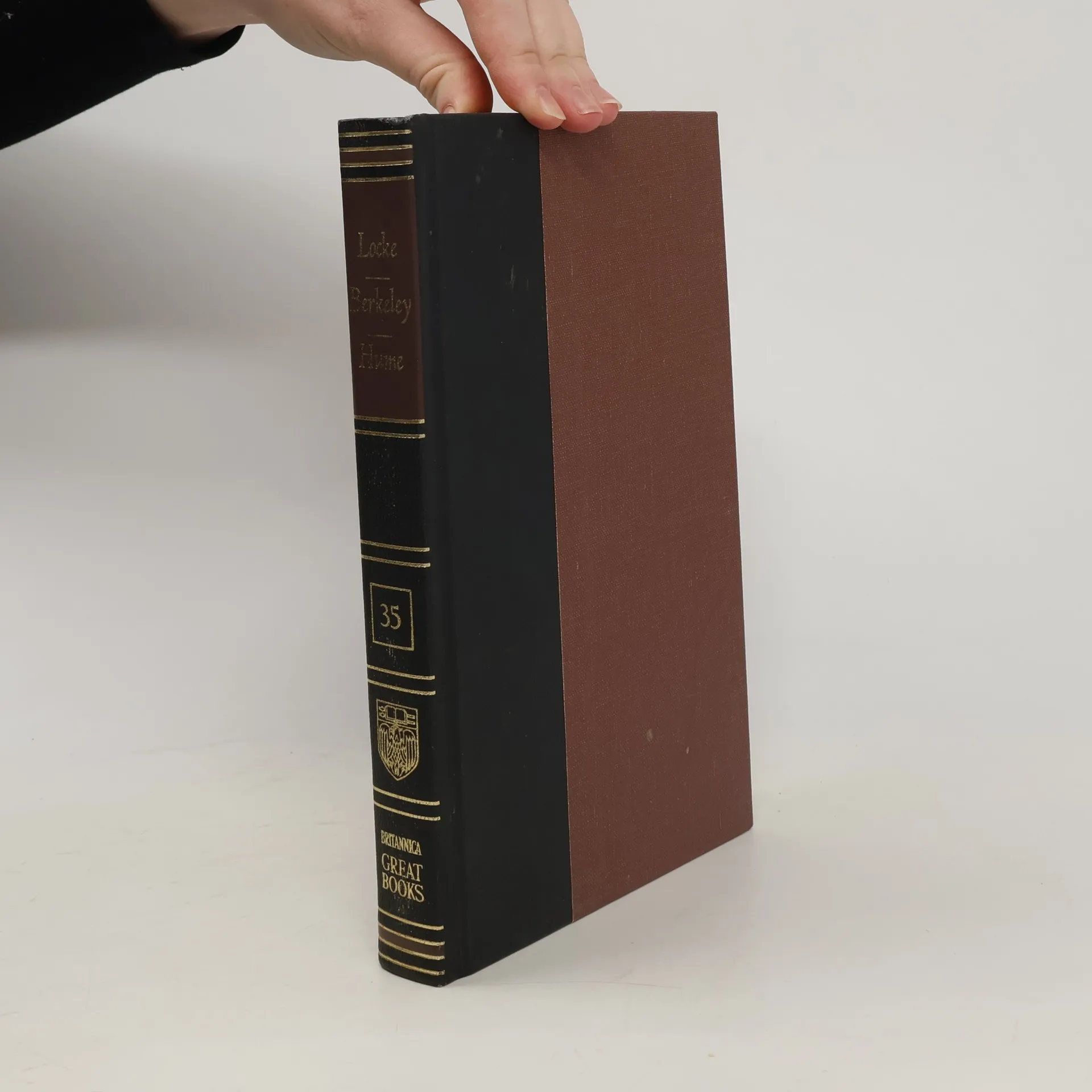
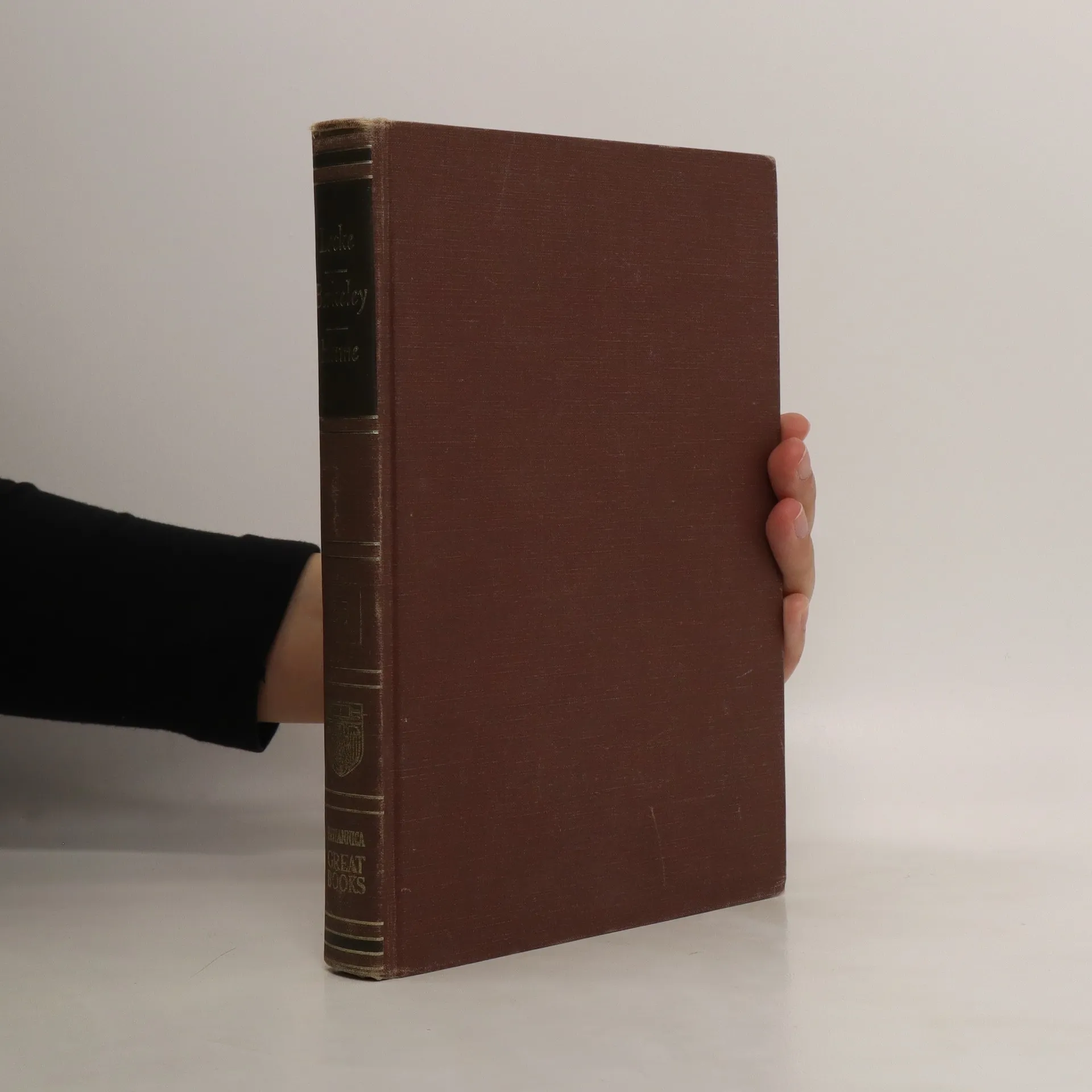
Contents:John Locke:A Letter Concerning TolerationConcerning Civil Government, Second EssayAn Essay Concerning Human UnderstandingGeorge Berkeley:The Principles of Human KnowledgeDavid Hume:Concerning Human Understanding
Isometric Perspective Designs and How to Create Them
- 52pages
- 2 heures de lecture
Isometric perspective is the picture of an object adrift in imaginary space. 75 of these mind-boggling designs form the basis for this unique collection. All of which can be colored in as they are, copied, expanded, or used as a source of graphic and design inspiration. Original Dover (1981) publication. Introduction. Afterword. 75 illustrations.
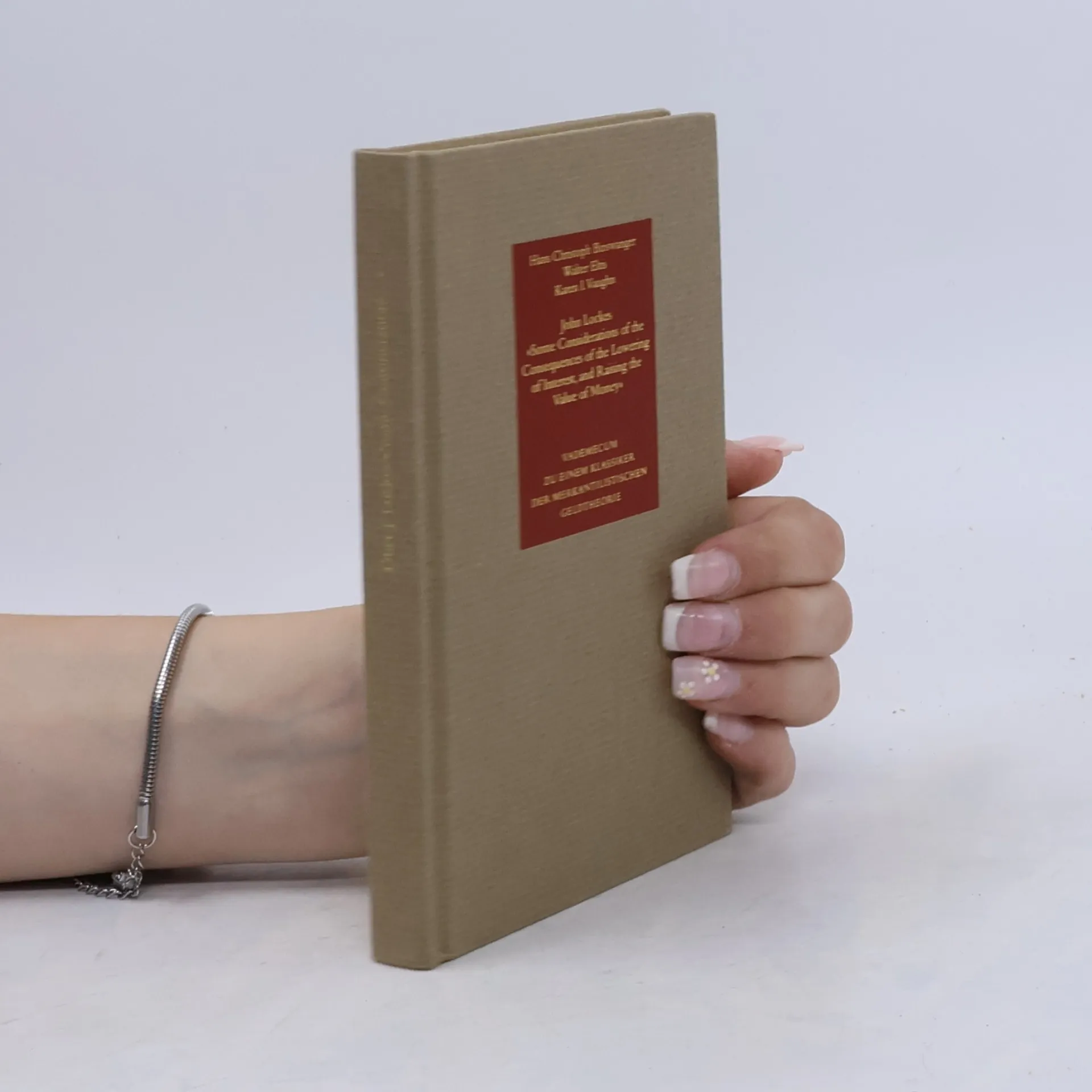
Klassiker der Nationalökonomie: Some Considerations of the Consequences of the Lowering of Interest, and Raising the Value of Money
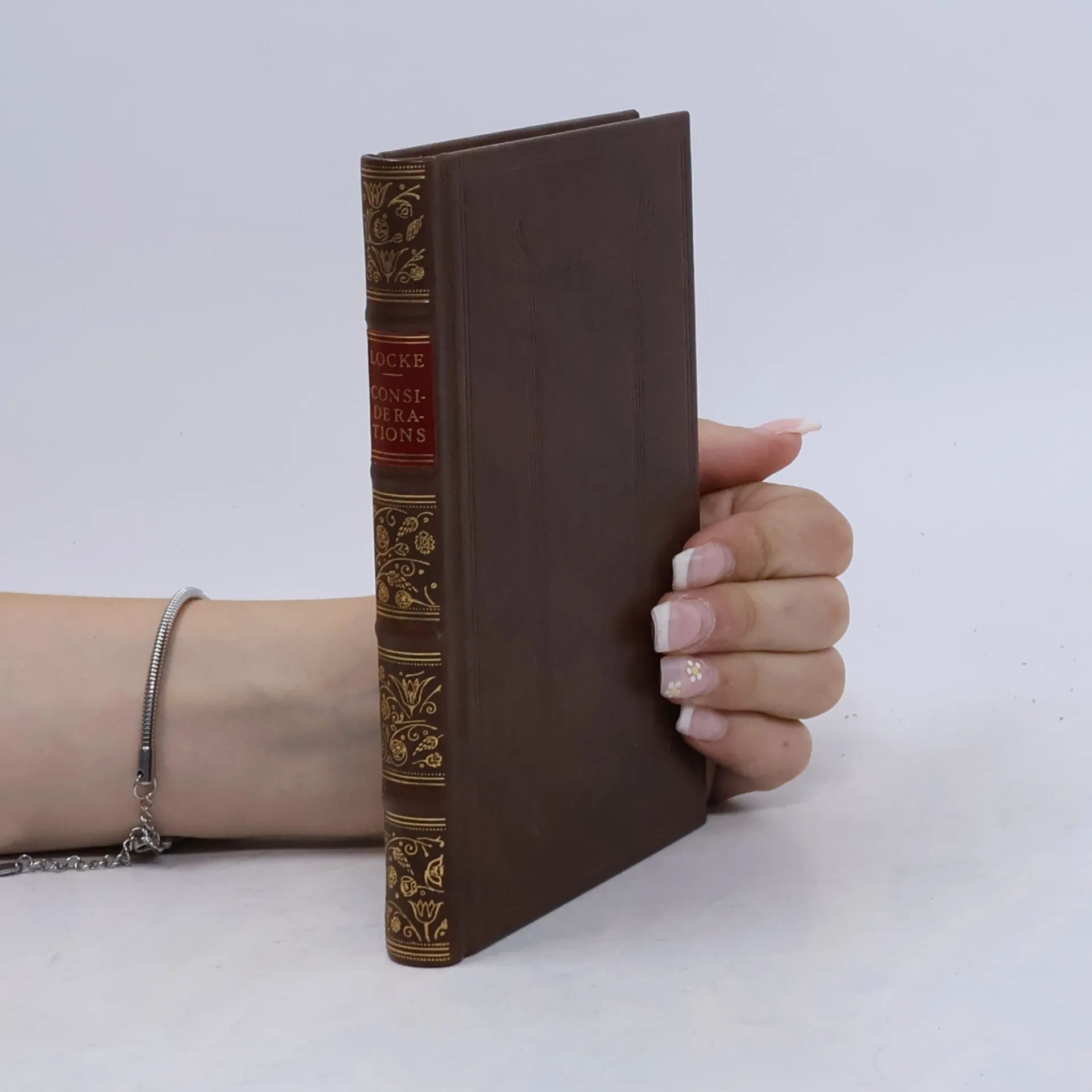
Vademecum zu einem Klassiker der merkantilistischen Geldtheorie - Faksimile der 1692 in London erschienenen Erstausgabe.
- 204pages
- 8 heures de lecture
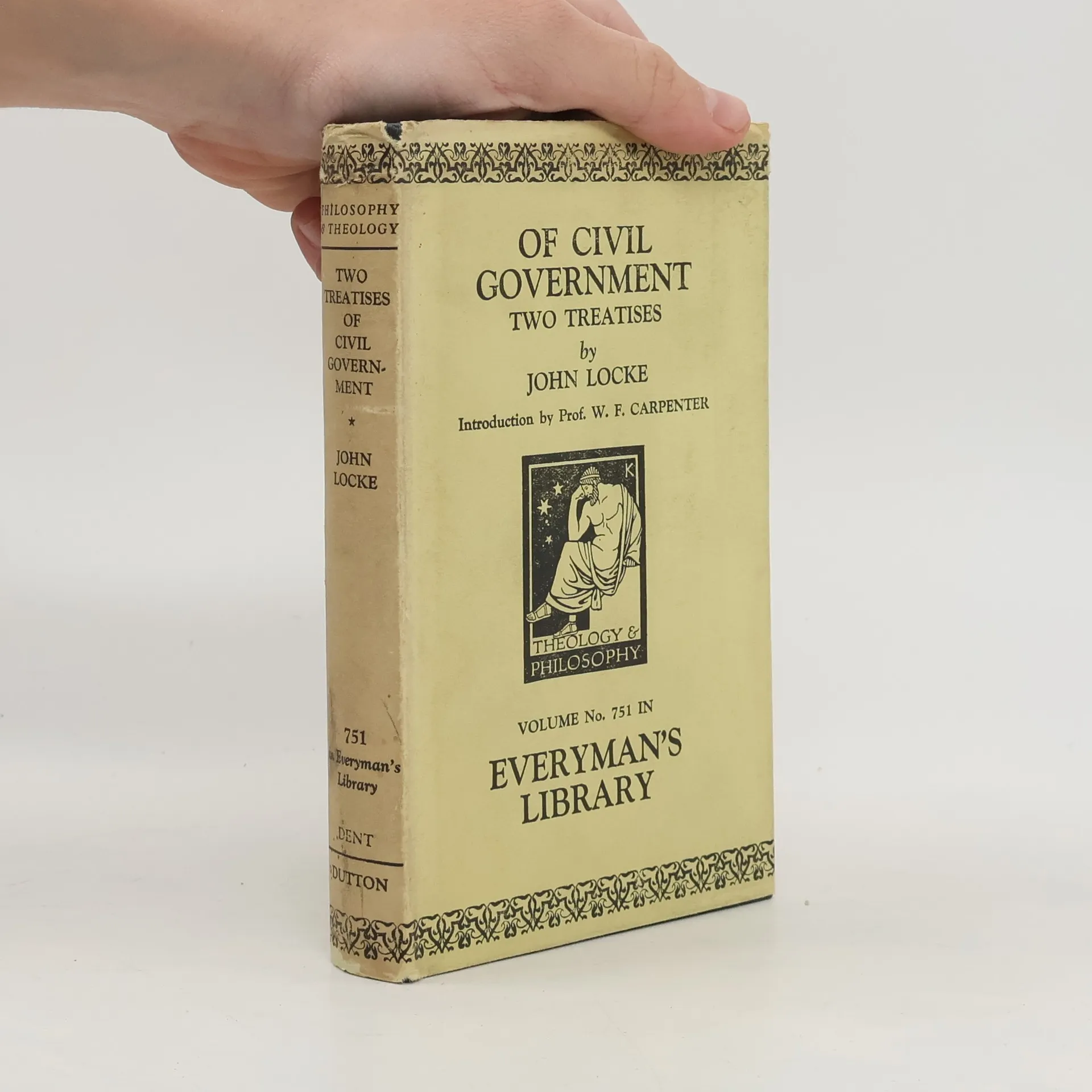
Of Civil Government
Tw Treatises
An Essay Concerning Humane Understanding; In Two Volumes
Volume 1 - in large print
- 556pages
- 20 heures de lecture
This book is a reproduction of a historical work, published by Megali, which focuses on making literature accessible to individuals with impaired vision through large print. The initiative highlights the importance of inclusivity in reading, ensuring that classic texts can reach a wider audience.
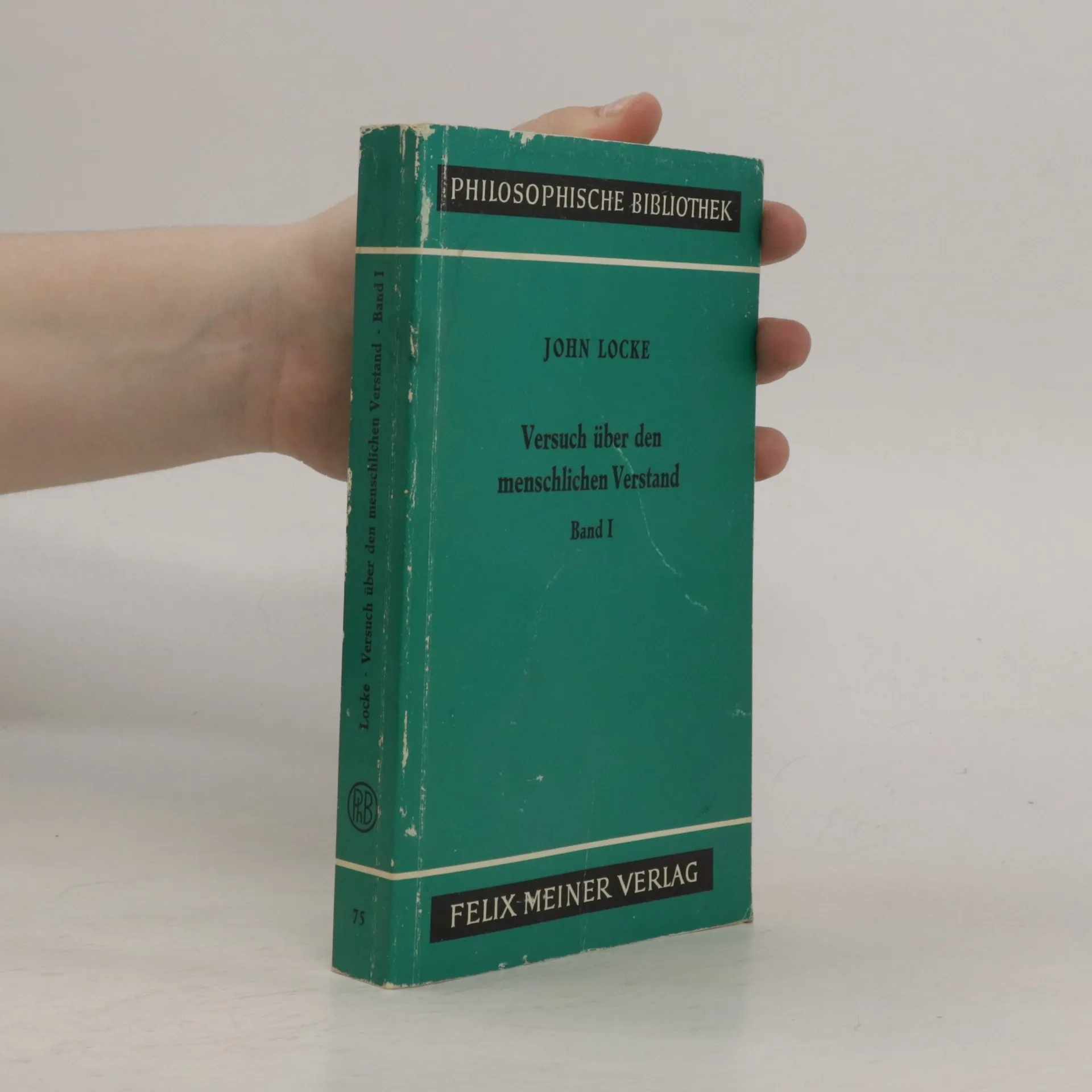
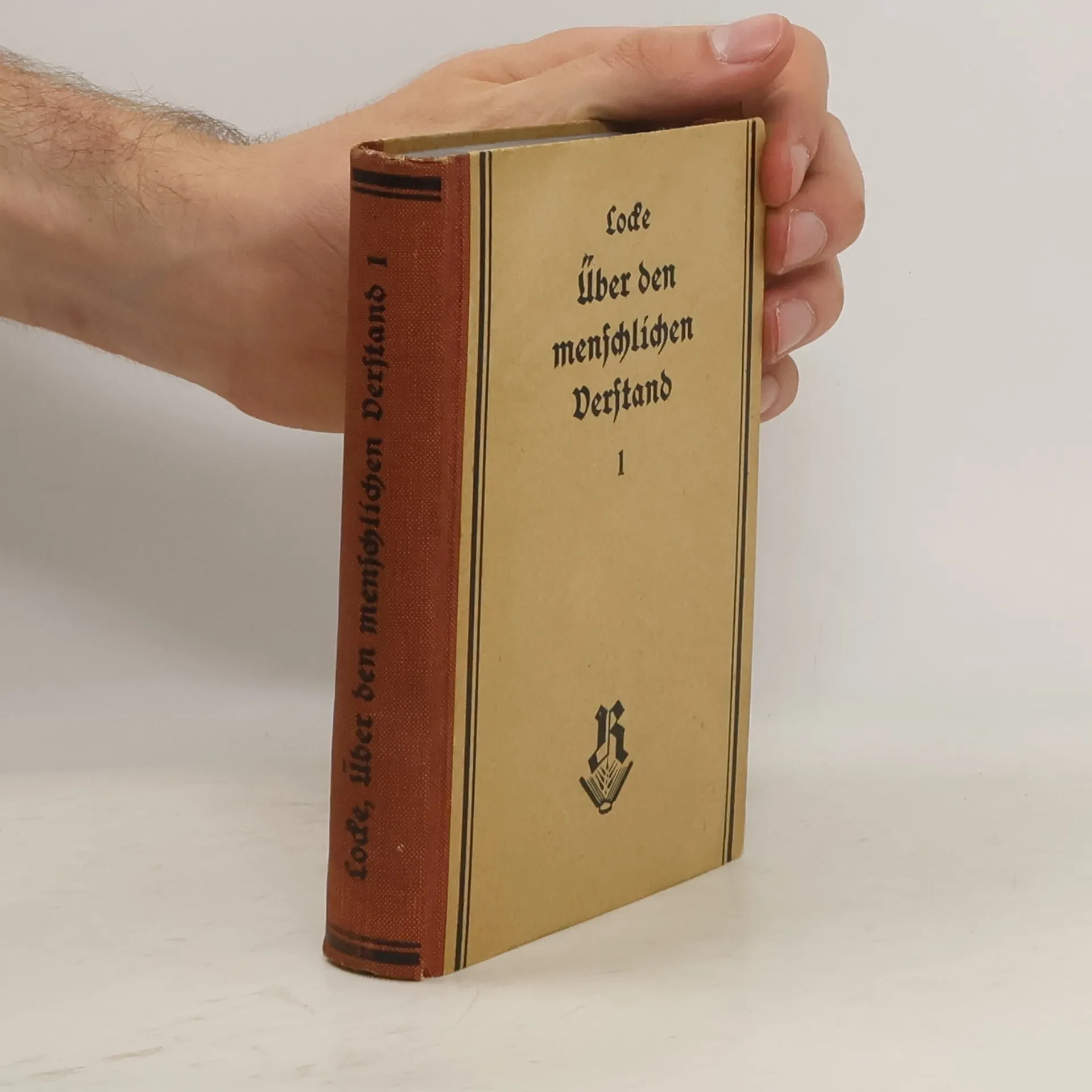
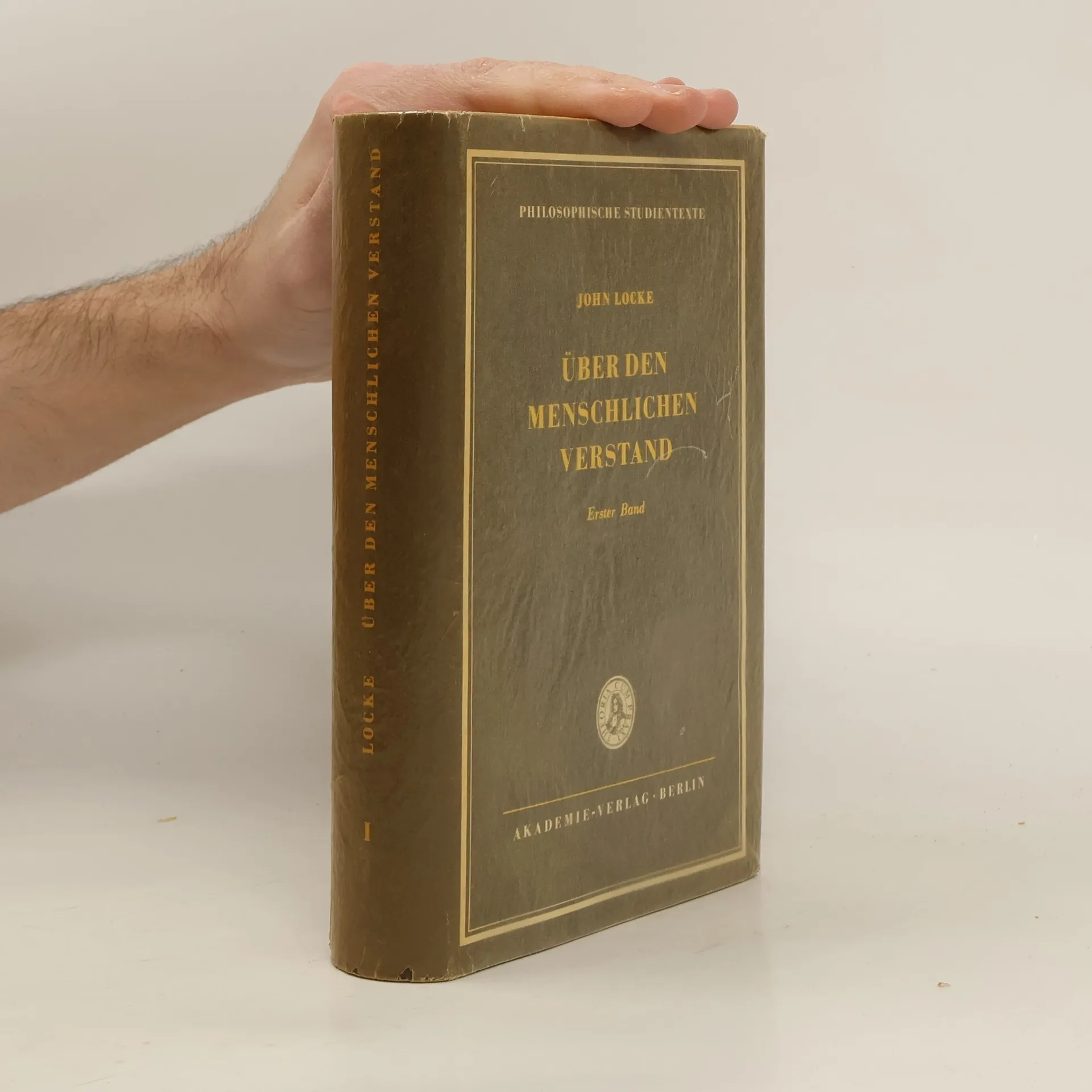
Versuch über den menschlichen Verstand
- 508pages
- 18 heures de lecture
In seinem Hauptwerk begründet Locke den erkenntnistheoretischen Empirismus, d.h. die Lehre von der Abhängigkeit des Verstandes von der Wahrnehmung
Über die Regierung: Ein Essay über den wahren Ursprung, die Ausdehnung und das Ziel der Regierung
- 192pages
- 7 heures de lecture
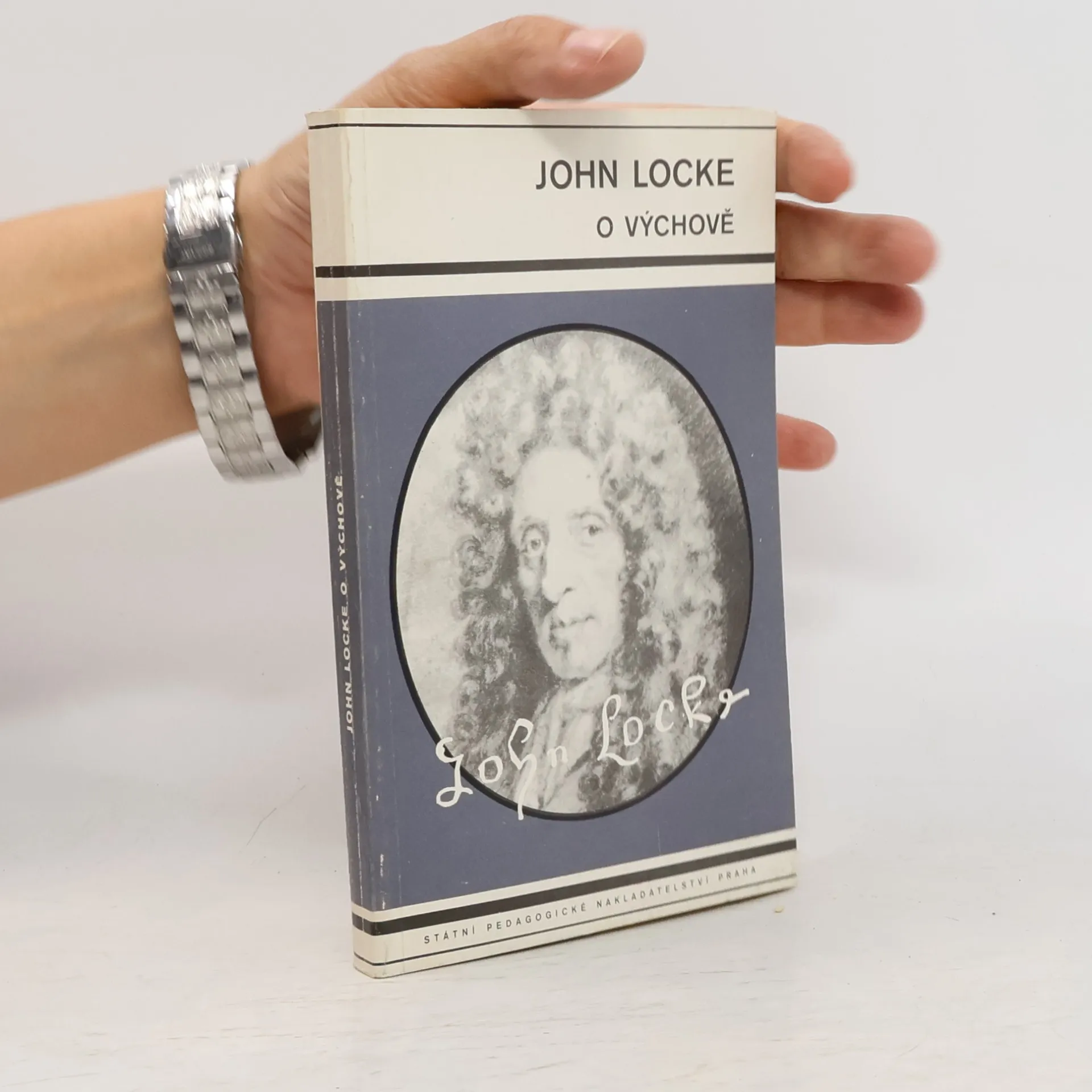
Gedanke über Erziehung
- 200pages
- 7 heures de lecture
Die anonym verfassten Überlegungen zur Erziehung von J. Locke bieten einen tiefen Einblick in die komplexen Aspekte der Bildung. Locke betont, dass seine Gedanken nicht als umfassende Abhandlung verstanden werden sollten, da das Thema zahlreiche Facetten wie unterschiedliche Charaktere, Neigungen und Fehler umfasst. Er erkennt an, dass die Vielfalt der Themen so groß ist, dass sie mehrere Bände füllen könnte. Diese bescheidene Herangehensweise verdeutlicht Lockes Engagement für eine differenzierte Betrachtung der Erziehung.
Brief über die Toleranz
- 120pages
- 5 heures de lecture
Eine flammende Streitschrift gegen religiöse Der Protestant John Locke diskutiert in seinem 1689 erschienenen Sendbrief die Möglichkeit einer wahren Religion – und zeigt dabei verblüffende Der Glaube könne nicht durch äußere Gewalt erzwungen werden. Und niemand erkenne den rechten Weg zu Gott mit größerer Gewissheit als jeder Einzelne. Die radikalen Konsequenzen, die Locke zieht, berühren unmittelbar aktuelle Fragen nach der Toleranz aller Religionen.Erste Übersetzung der lateinischen Urfassung seit 1710.
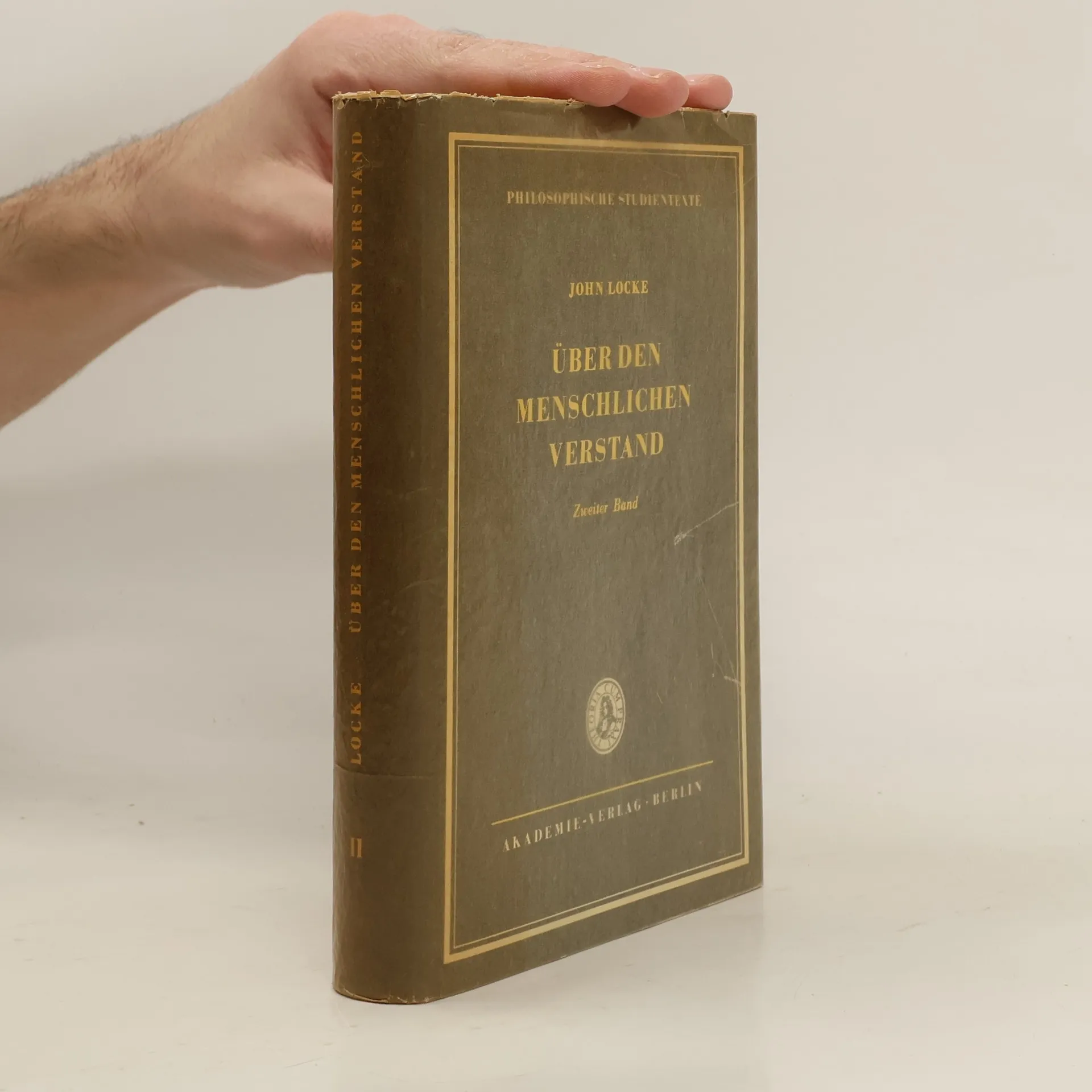
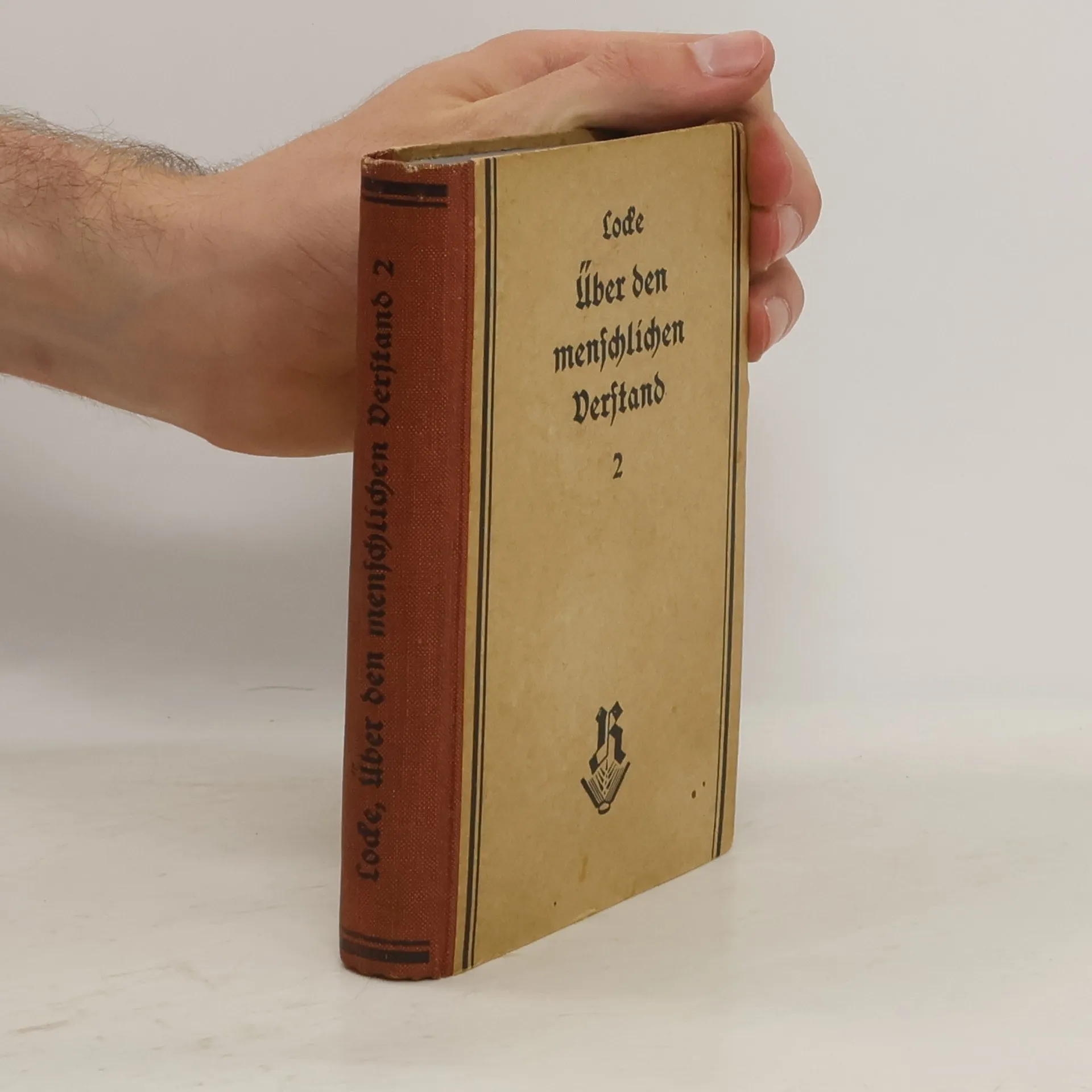
Lockes philosophisches Hauptwerk wurde bereits 1671 begonnen, aber erst 1690 vollständig publiziert. Im Sendschreiben an den Leser berichtet Locke von einer mit Freunden geführten, ergebnislosen Diskussion, die ihn auf den Gedanken gebracht habe, solchen Sacherörterungen eine Untersuchung der Leistungsfähigkeit des menschlichen Verstandesvermögens voranzuschicken. Die Durchführung dieses kritischen Programms beginnt - nach der Widerlegung der überkommenen Lehre von den angeborenen Ideen und Grundsätzen (Buch 1) - mit dem Aufweis des empirischen Ursprungs des gesamten Materials der menschlichen Erkenntnis (Buch 2) und endet - nach einer später eingeschobenen Erörterung über Sprache und Denken (Buch 3) - mit einer Bestimmung der Grenzen und Arten der Erkenntnis (Buch 4). Neben einer Bibliographie von R. Brandt bietet die Ausgabe eine vollständige Übersetzung aller vier Bücher.
Einige Gedanken über Erziehung
- 256pages
- 9 heures de lecture
Band 1: Anleitung des menschlichen Verstandes. Eine Abhandlung von den Wunderwerken. In der Ubersetzung Konigsberg 1755 von Georg David Kypke. XXVIII, 218 S.Band 2: Of the Conduct of the Understanding. A Discourse of Miracles. Nach der ersten Werkausgabe London 1714. VIII, 140 S.John Lockes postum erschienene Schrift Of the Conduct of the Understanding enthalt bereits entscheidende Grundideen der deutschen Aufklarung (z.B. Selbstdenken, Kampf gegen Vorurteile, Unparteilichkeit). Ihre Ubersetzung durch Kants Mitschuler Kypke hat dann wesentlich zur Verbreitung ihres Gedankengutes beigetragen. Die kommentierte Neuerschliessung dieses rar gewordenen Textes, der Kant aufs nachhaltigste beeinflusst hat, bietet eine unentbehrliche Grundlage fur das noch weithin unerforschte Kapitel Locke in Konigsberg. Ebenfalls der Neuausgabe beigegeben wird die von Kypke der Anleitung beigefugte Abhandlung von den Wunderwerken, welche die Grundgedanken der grosseren Schrift auf die Religionsphilosophie ubertragt.
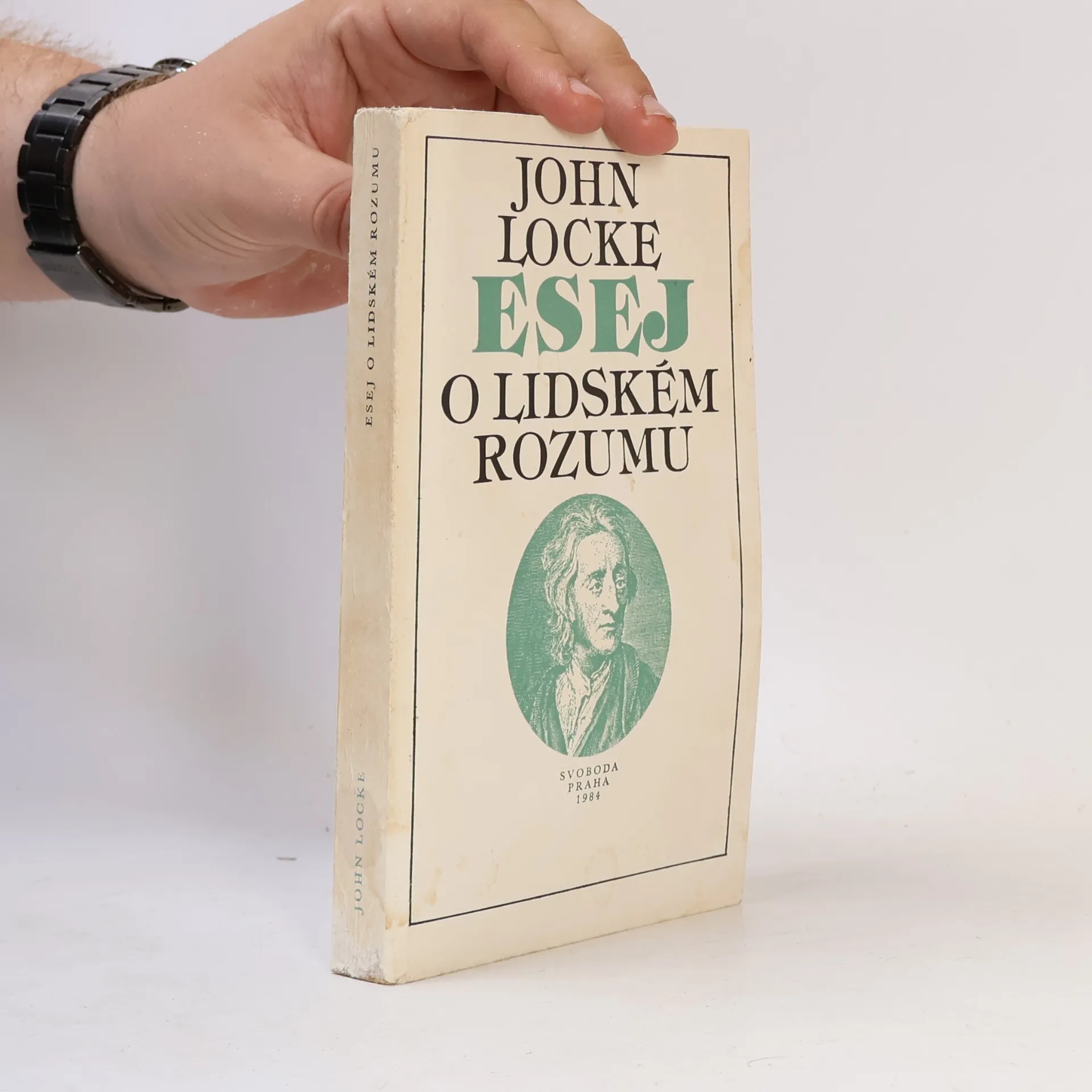
Výbor ze základního díla anglického filosofa a právníka 17. století. Obsah: Lockův Esej o lidském rozumu; Poznámky překladatele; Esej o lidském rozumu; Úvodní slovo ke čtenáři; Výchozí poznámky; PRVNÍ KNIHA – O vrozených duševních obrazech; DRUHÁ KNIHA – O ideálech; TŘETÍKNIHA – O slovech; ČTVRTÁ KNIHA – O poznání a mínění.
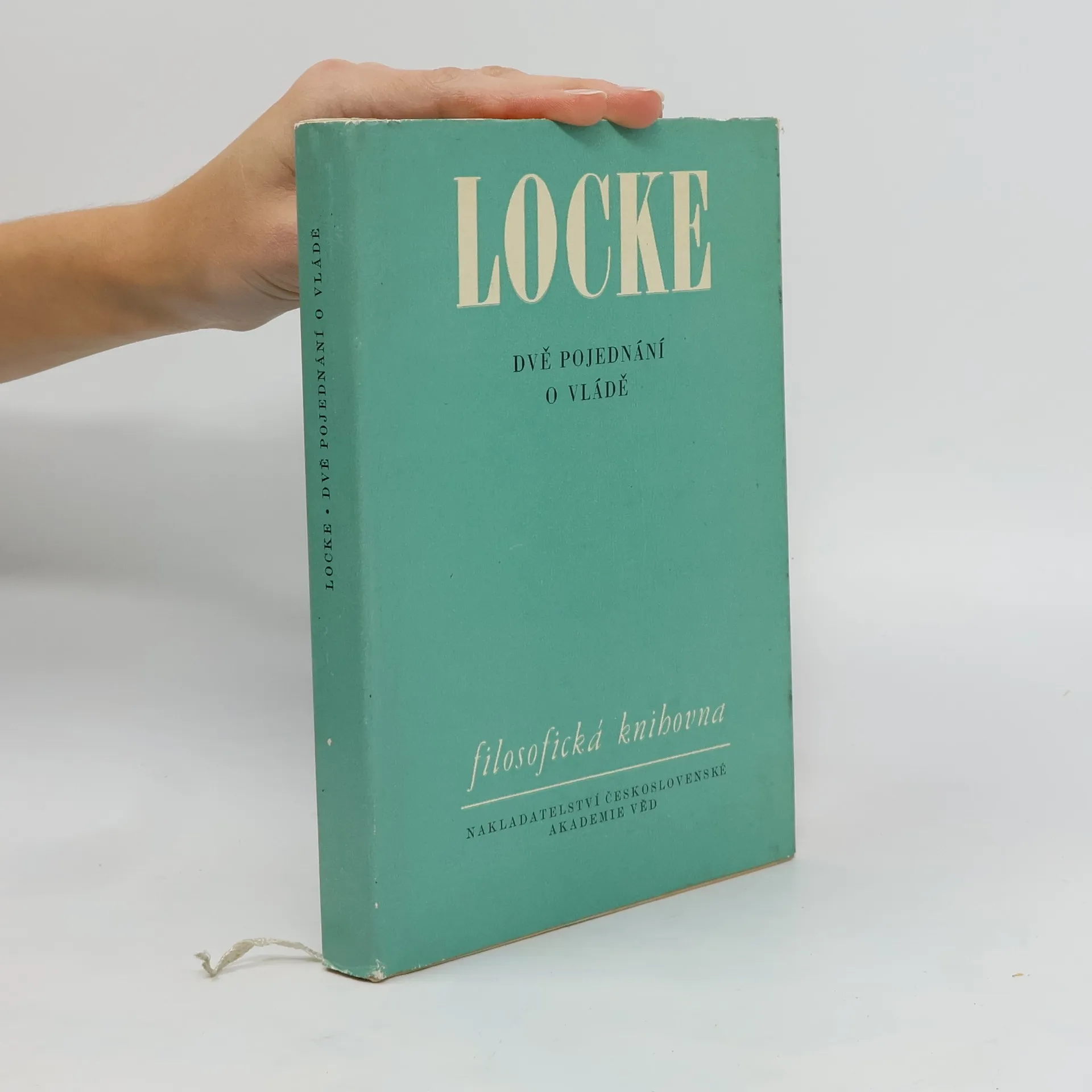
Klasické dílo politické literatury anglického myslitele. V prvé části v důkladném rozboru polemizuje Locke se spisem R. Filmera Patriarcha čili o přirozené moci králů, obhajujícím absolutismus královské moci. Tato polemika vyjadřuje vyhrocené rozpory dvou tříd, feudální a buržoazní, a dvou epoch. V druhé části formuluje autor své názory na původ, rozsah a účel občanské vlády. Lockovo dílo působilo převratně nejen v Anglii, ale i Francii a USA. Pomáhalo překonávat fanatismus církve, absolutismus vlády, scholastickou výchovu a sterilitu metafyziky.
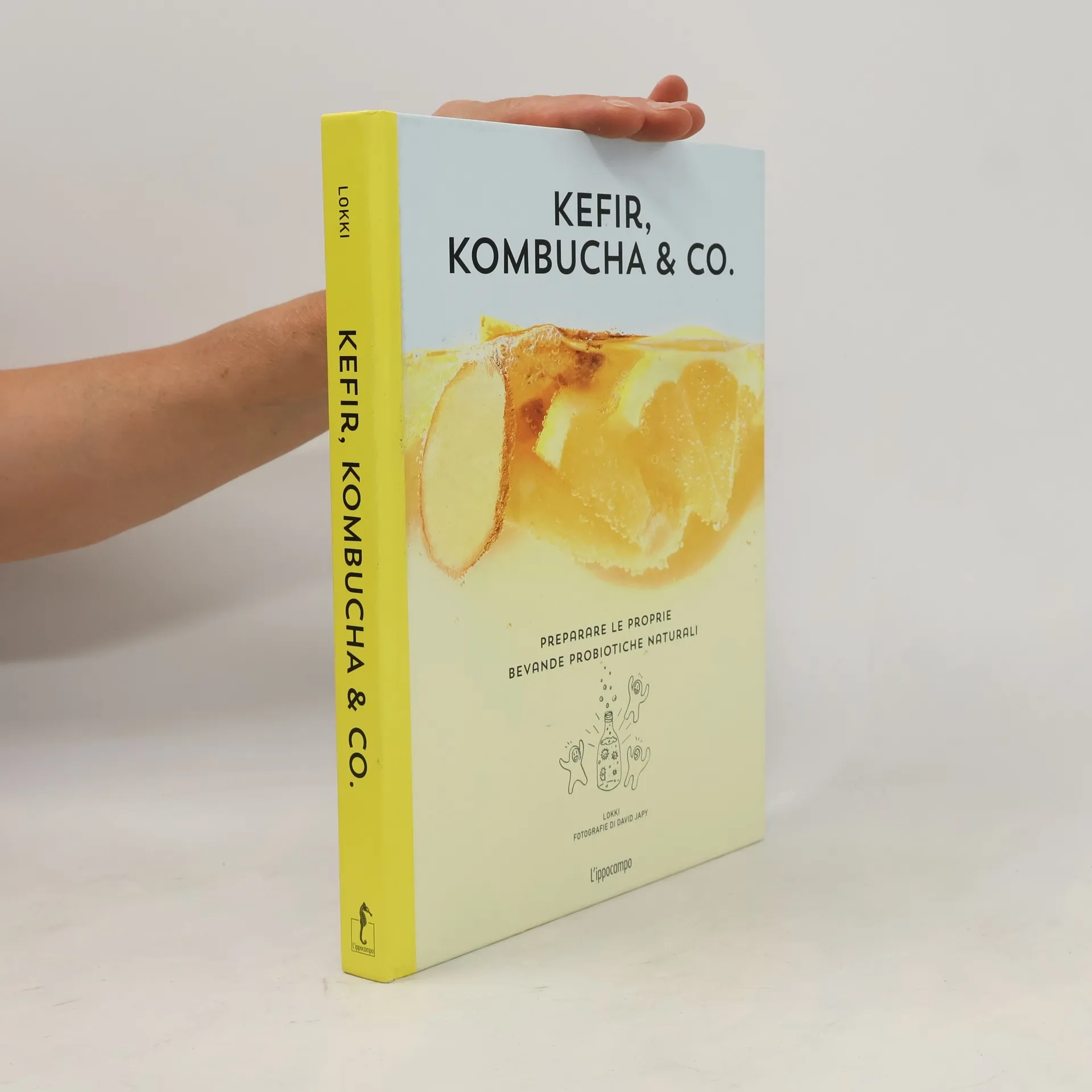
Kefir, kombucha & Co. Preparare le proprie bevande probiotiche naturali
- 160pages
- 6 heures de lecture
Kombucha, kefir, ginger ale, kvas, lassi, tepache… Sono tutte bevande salutari, semplici da realizzare, ideali per dissetarsi e nutrire la flora intestinale, fondamentale per il nostro organismo.Stanchi delle bevande gassate artificiali, troppo zuccherate e piene di additivi, Sebastian e Nina hanno creato il piccolo laboratorio artigianale Lökki, nel sud della Francia, per far scoprire ai loro clienti un tipo di bevande sane e alternative, ottenute per fermentazione naturale di frutta o tè. In questo libro di riferimento, gli autori presentano 40 ricette per imparare a fare da sé bevande probiotiche e aromatizzarle secondo i propri gusti. Sebastian e Nina ci spiegano il ruolo fondamentale degli organismi che si curano del nostro intestino e di quanto sia importante preservarli attraverso queste preparazioni.Ginger bug gazzosa alla violetta, kombucha alla menta… sperimentate anche voi queste ricette sane, originali e gustose!
La ragionevolezza del Cristianesimo
- 181pages
- 7 heures de lecture
De erfenis van Adriaan
- 384pages
- 14 heures de lecture
Als een aantal mensen halverwege de jaren vijftig van de 20e eeuw een verbond met God en met elkaar aangaat, hebben ze niet in de gaten op welke catastrofe hun besloten gemeenschap afstevent.