
Bookbot

Carlos Fortea

    1 janvier 1963
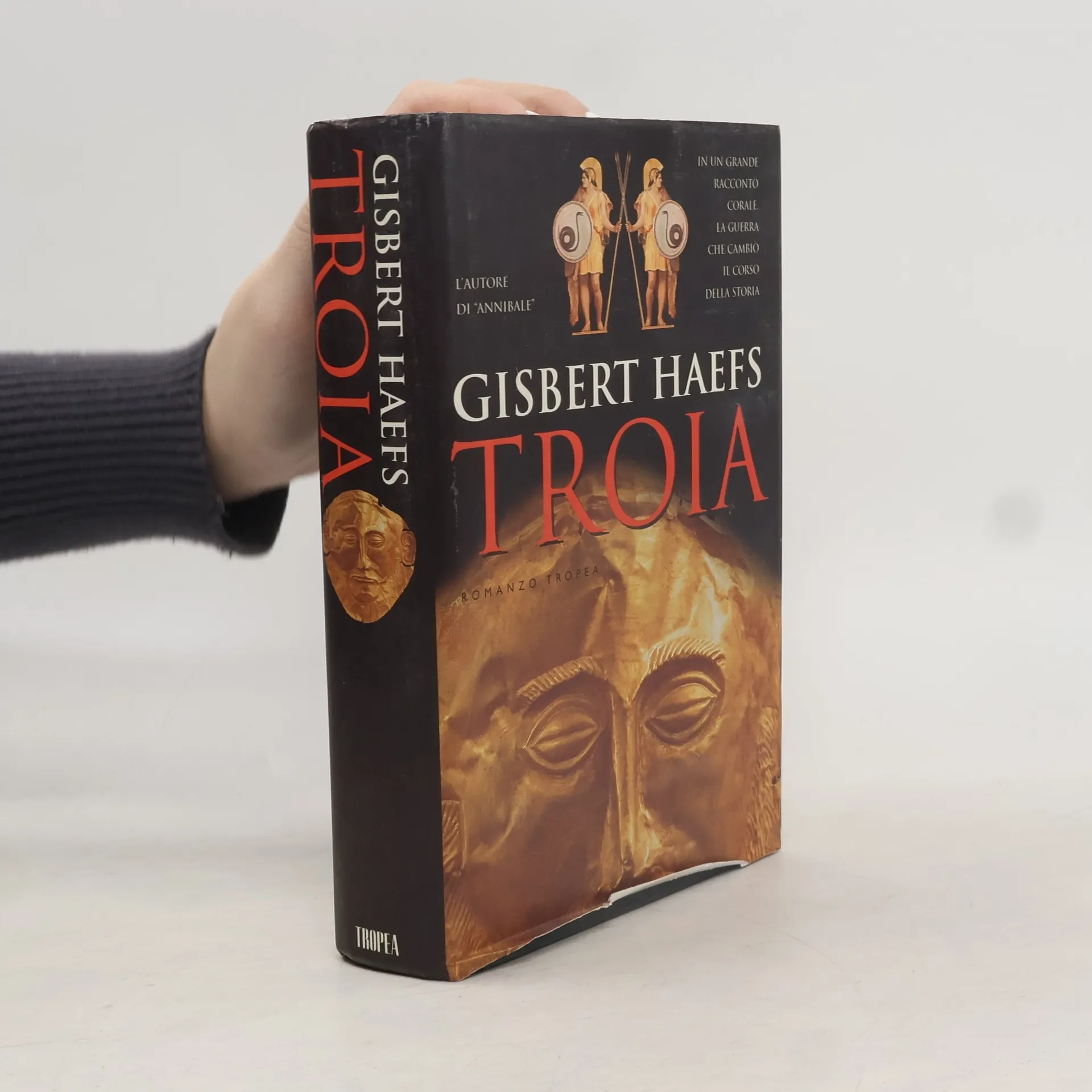
    Troia
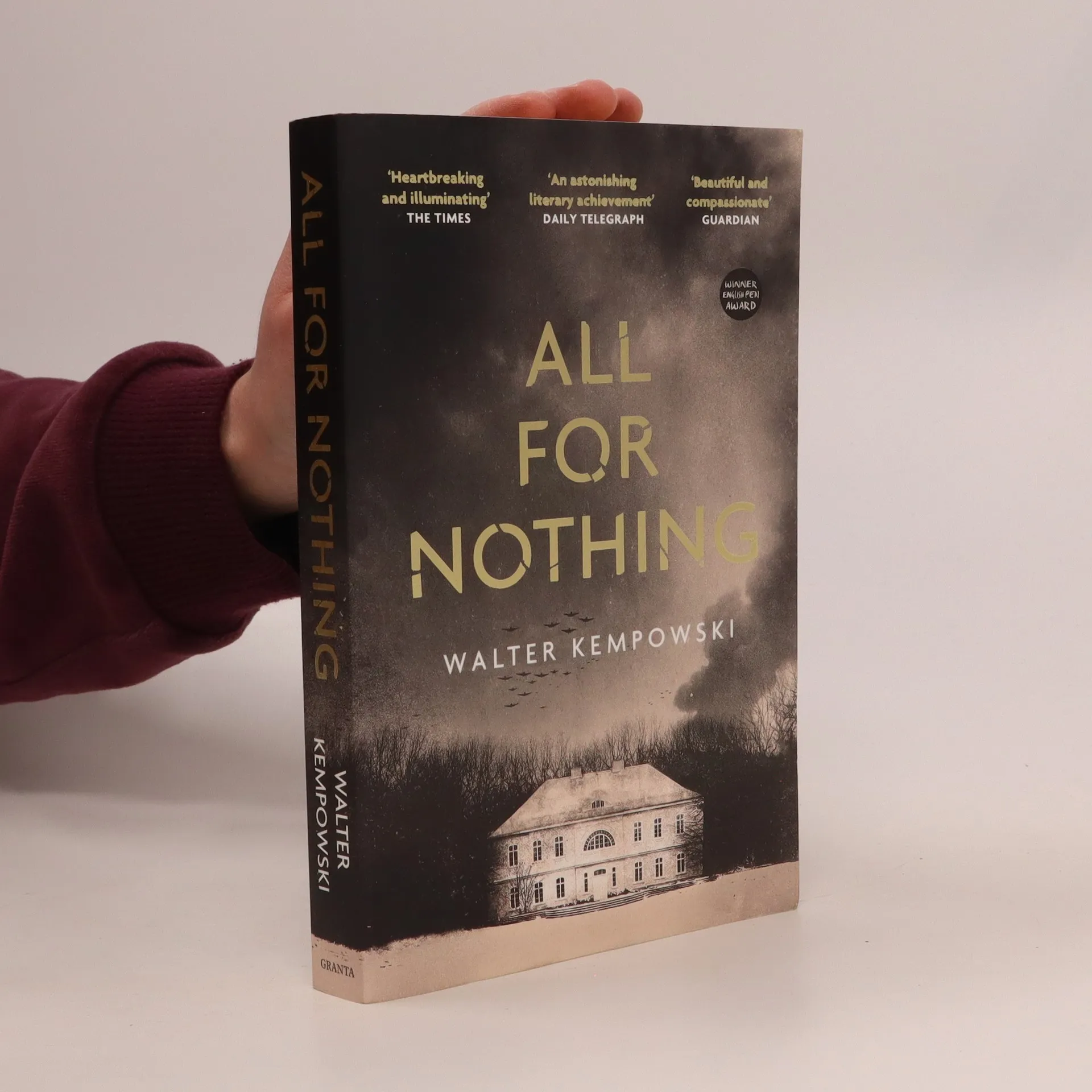
    All for nothing
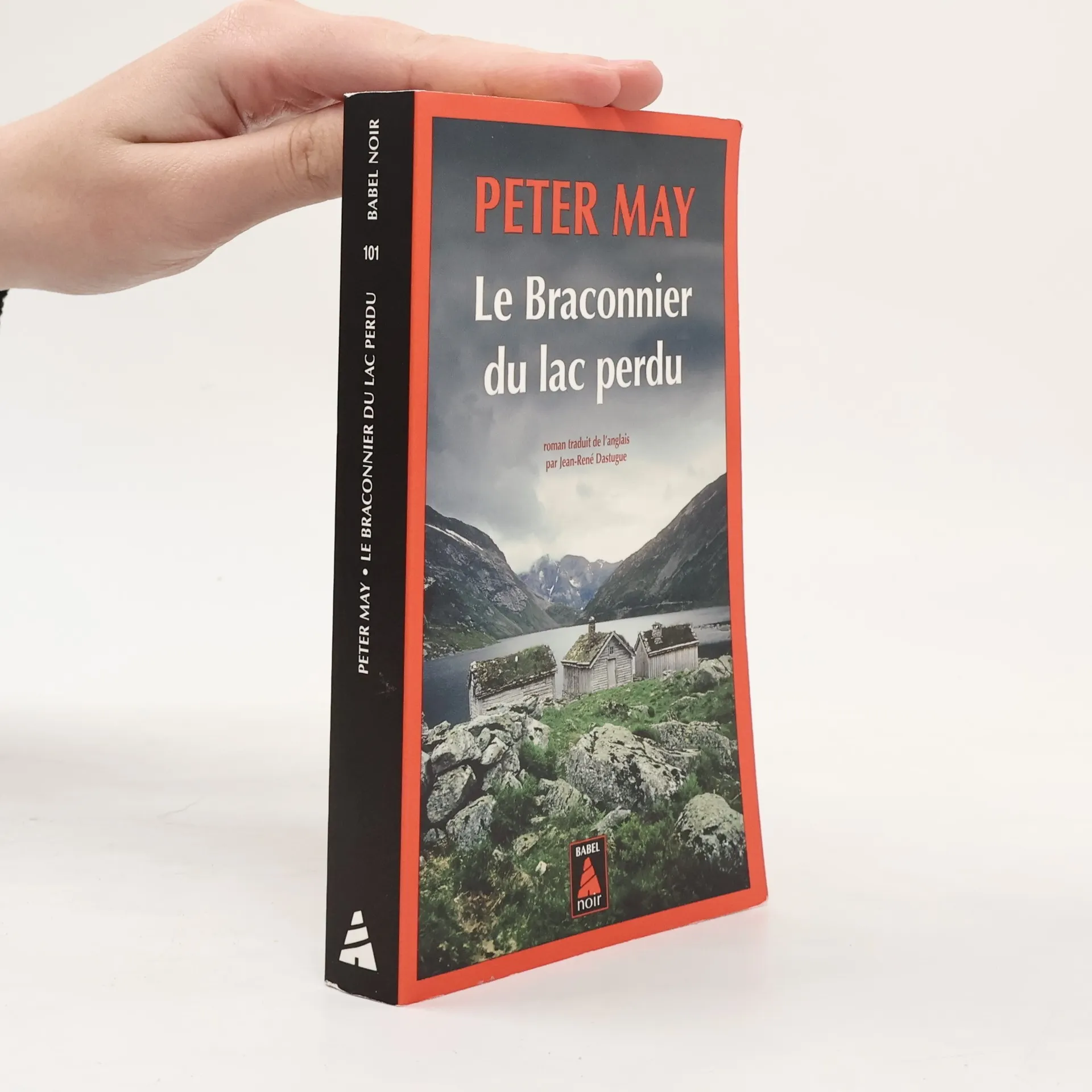
    Le Braconnier du lac perdu
    • All for nothing

      • 352pages
      • 13 heures de lecture

      Winter, January 1945. It is cold and dark, and the German army is retreating from the Russian advance. Germans are fleeing the occupied territories in their thousands, in cars and carts and on foot. But in a rural East Prussian manor house, the wealthy von Globig family tries to seal itself off from the world. Peter von Globig is twelve, and feigns a cough to get out of his Hitler Youth duties, preferring to sledge behind the house and look at snowflakes through his microscope. His father Eberhard is stationed in Italy - a desk job safe from the front - and his bookish and musical mother Katharina has withdrawn into herself. Instead the house is run by a conservative, frugal aunt, helped by two Ukrainian maids and an energetic Pole. Protected by their privileged lifestyle from the deprivation and chaos around them, and caught in the grip of indecision, they make no preparations to leave, until Katharina's decision to harbour a stranger for the night begins their undoing.

      All for nothing2020
      4,0
    • Le Braconnier du lac perdu

      • 368pages
      • 13 heures de lecture

      Opus final de la trilogie de Lewis, Le Braconnier du lac perdu est aussi le plus apocalyptique. Tandis que les hommes font face à la puissance dévastatrice de la nature, l’heure des derniers comptes sonne sur Lewis et réclame son lot de victimes.

      Le Braconnier du lac perdu2015
      4,1
    • Troia

      • 512pages
      • 18 heures de lecture

      In un grande racconto corale, Solone, il famoso statista ateniese del VI secolo, durante un esilio in Egitto, scopre documenti sulla guerra di Troia, avvenuta seicento anni prima. Questa versione della storia suggerisce che la vicenda di Omero, con dèi ed eroi, sia stata una trasposizione epica di eventi causati da motivazioni economiche e politiche, piuttosto che dal noto "rapimento" di Elena. I personaggi come Achille, Odisseo e Menelao sono ritratti con le loro debolezze umane. I veri protagonisti sono i membri di una comunità di mercanti su un'isola deserta dell'Egeo, guidati dall'assiro Ninurta e dalla saggia Tashmetu, ex schiava. Accanto a loro, figure come l'inventore Tsanghar e il riflessivo egizio Djoser, che narra gli eventi. Decidono di ancorare le navi al largo di Troia per un'ambasciata a Priamo e per affari, trovandosi coinvolti nell'assedio che porta alla distruzione della città. Al ritorno, affrontano nuovi pericoli, tra cui il temibile sacerdote Vecchio Scuro. La narrazione è ricca di intrighi, tradimenti e viaggi tempestosi, con un erotismo gioioso e un'ironia disincantata. Il mondo della tarda età del bronzo prende vita, mostrando il conflitto tra le civiltà: l'Oriente in decadenza e l'Occidente razionalista e cinico.

      Troia2004
      3,6