Kenneth Clark Livres
Feminine Beauty
- 216pages
- 8 heures de lecture
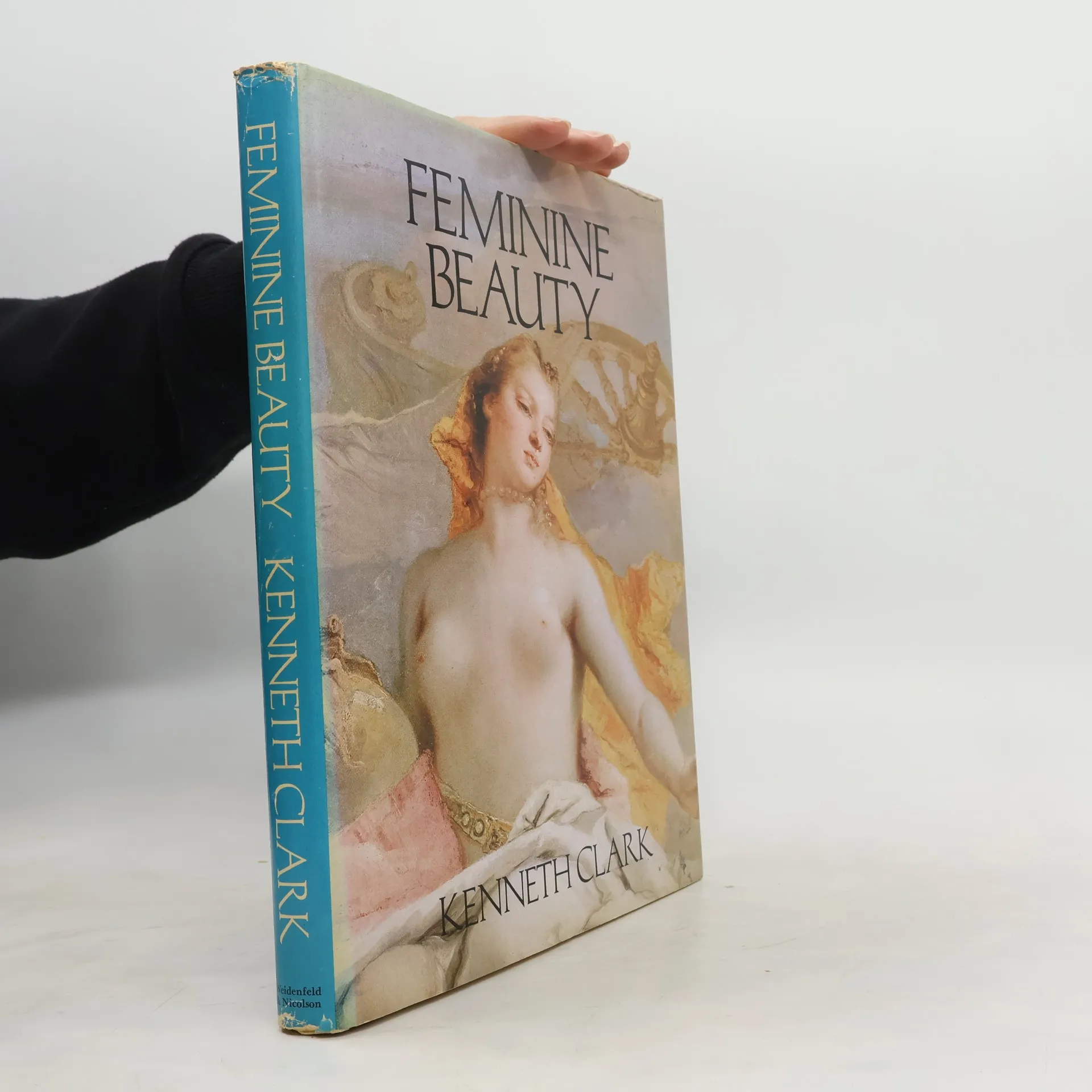
In this richly illustrated book, Lord Clark traces the changes in the western ideal of feminine beauty from Egyptian art of the second millennium BC down to the movie screens of the present day.
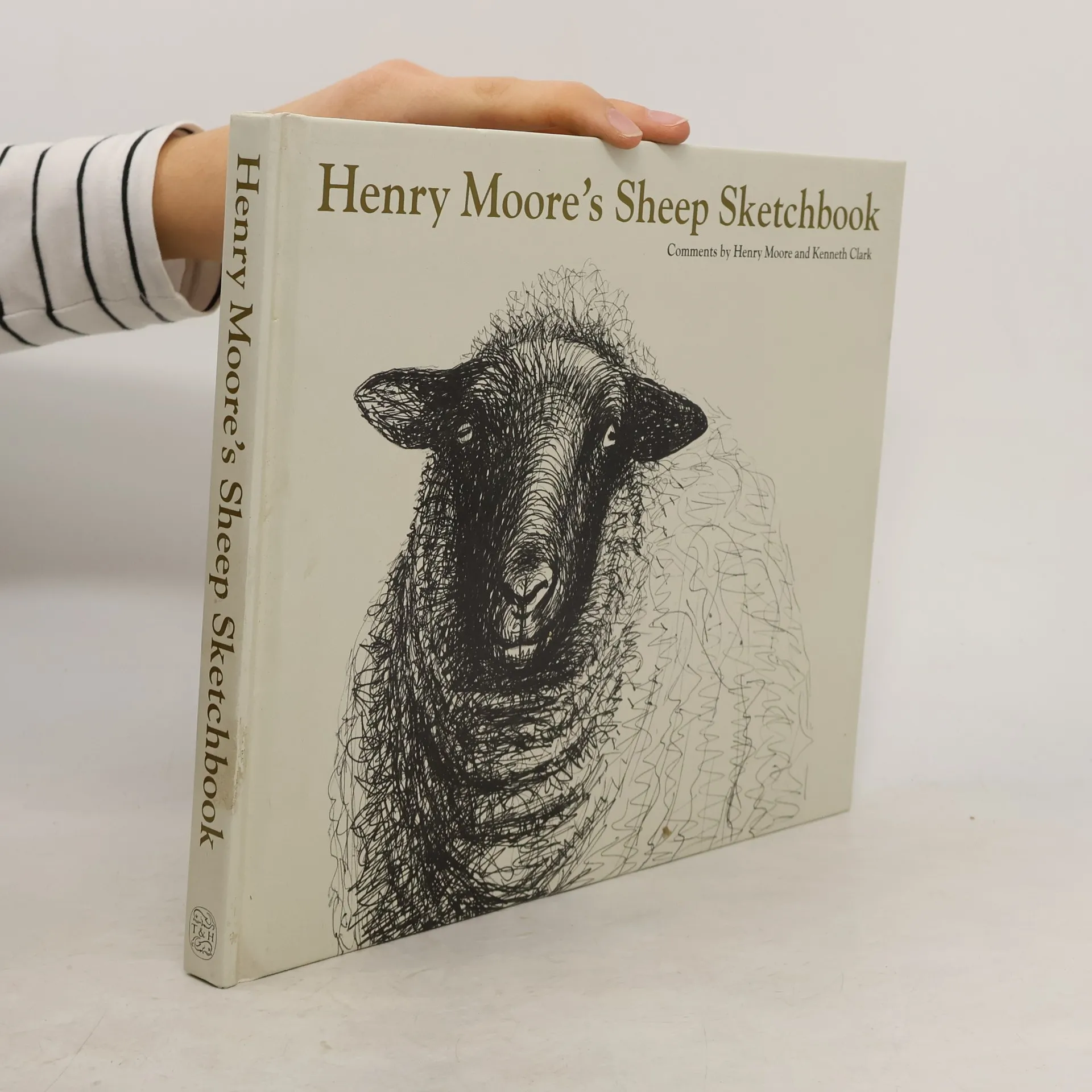
In 1972, when the packing and crating for a major exhibition made it impossible for him to work in his sculpture studios, Henry Moore retreated to a small studio that looks out on a sheep meadow. Over the course of several months, as sheep were suckled and sheared, Moore produced this delightful flock of sketches and drawings. Sheep are as much a commonplace of the English countryside as hedgerows, but Moore looked at them afresh. Here are ewes nurturing their lambs, lambs playing in the meadow, and the swollen stateliness of sheep with full coats of wool. Many of the sketches evoke themes that are important in all Moore's work. The depiction of a ewe and lamb, for instance, suggests the mother-and-child theme often evoked in Moore's sculpture by a large form sheltering a smaller one. Henry Moore presented the sketchbook to his daughter, Mary. In this facsimile edition, first created under Moore's personal supervision, Mary's little lambs will charm anyone who sees these tender, vigorous drawings.
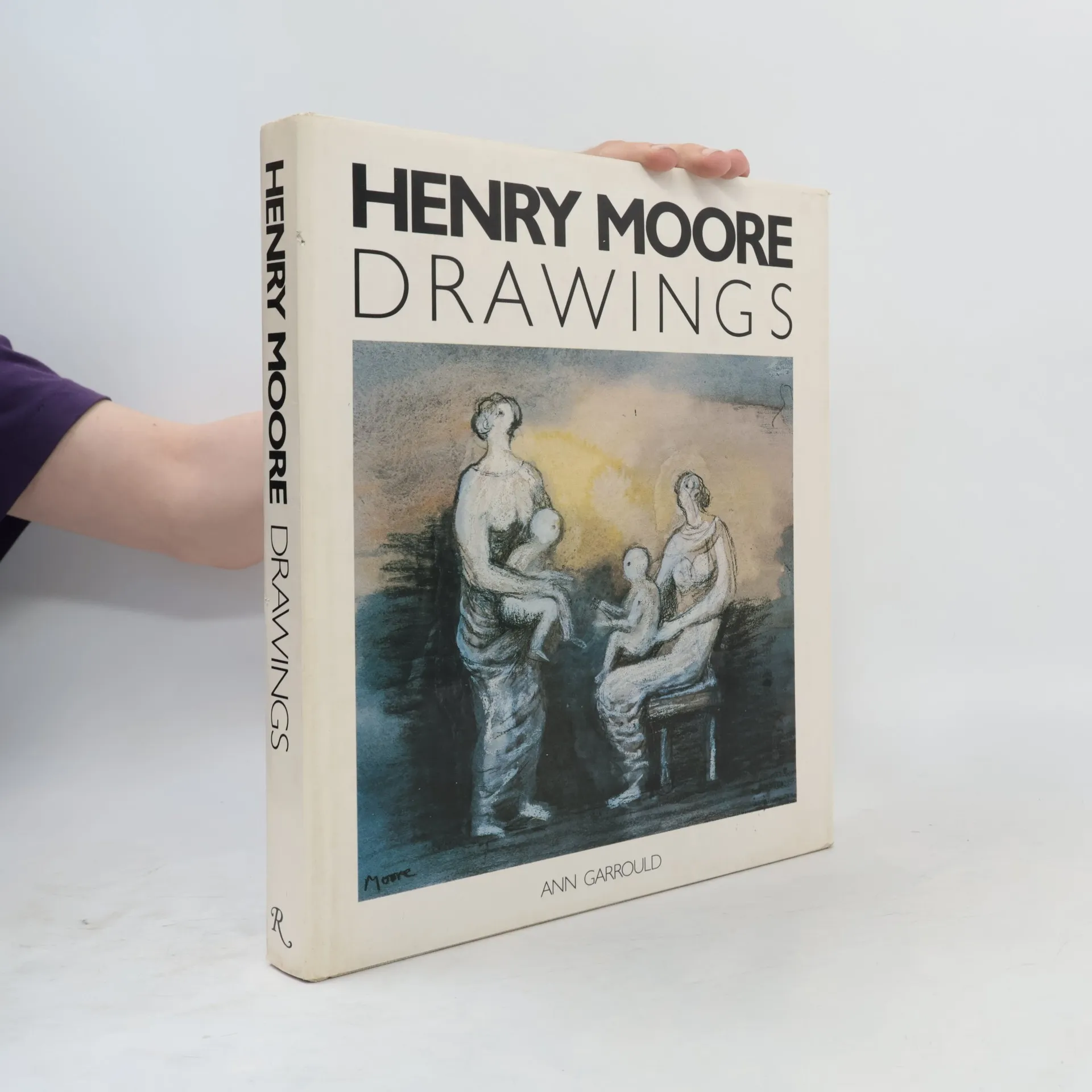
Henry Moore Drawings
- 272pages
- 10 heures de lecture
Though known primarily for his sculpture, these drawings demonstrate Moore's mastery of draftsmanship and his vision of the interrelationship and interdependence of natural and human forms
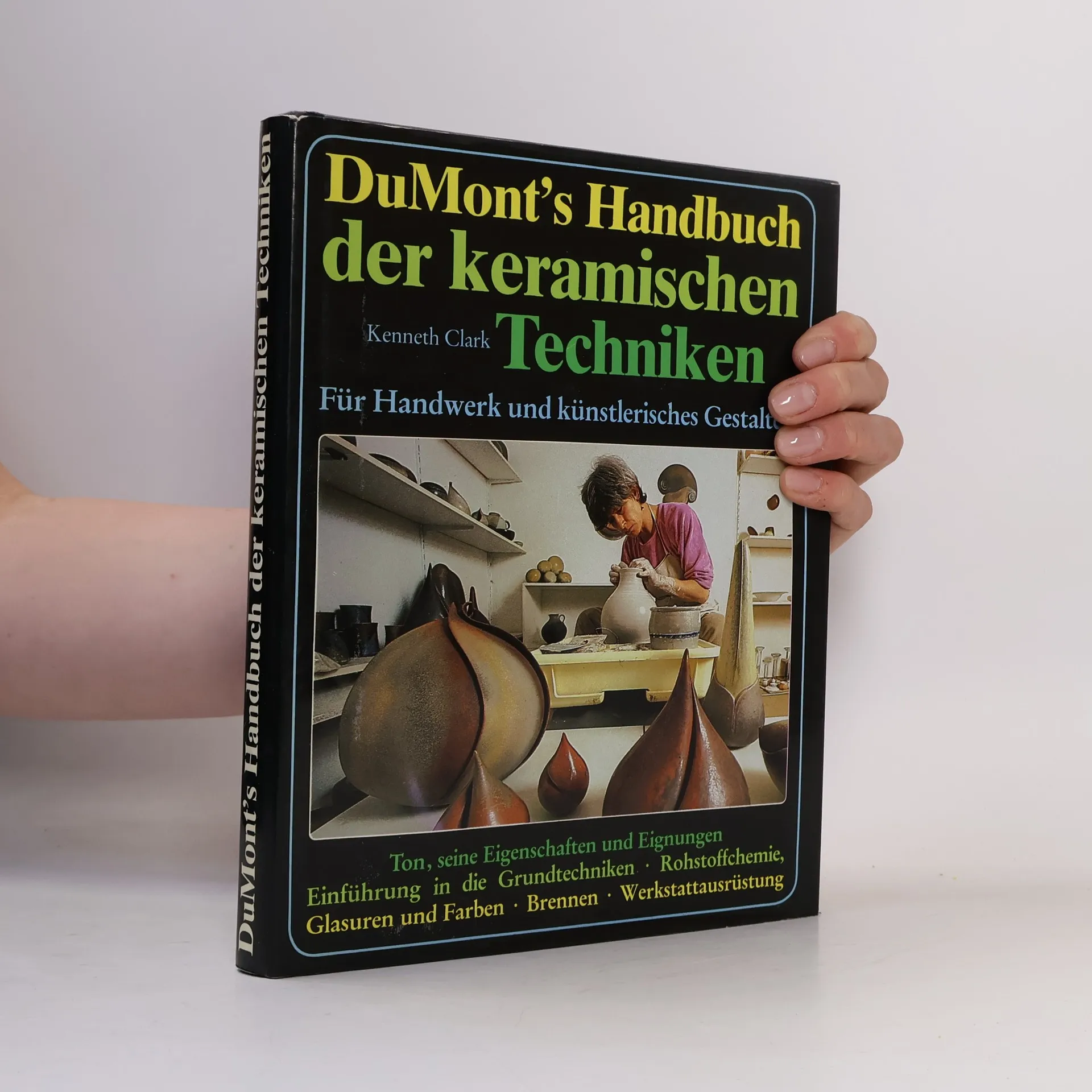
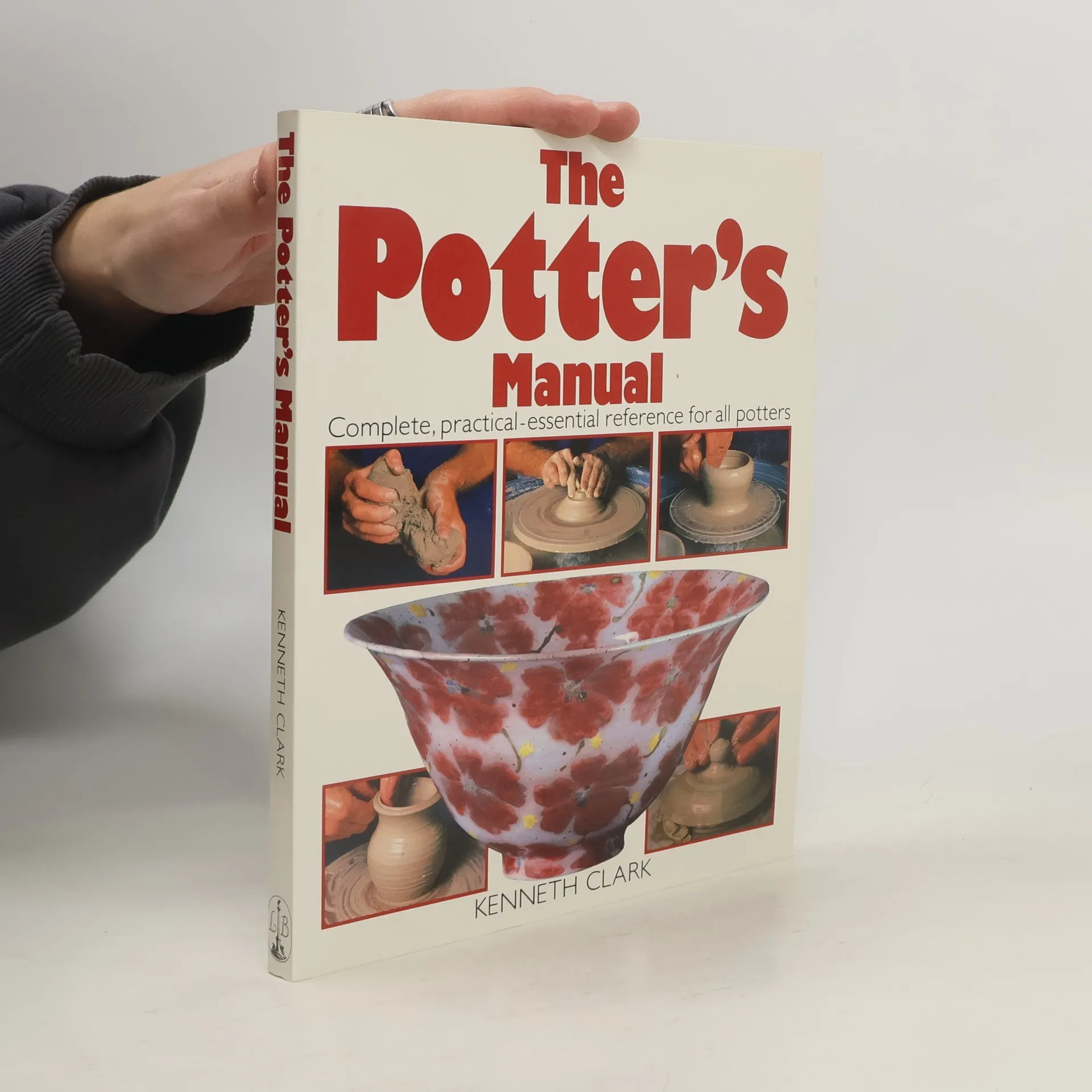
The Potter's Manual
- 208pages
- 8 heures de lecture
In this comprehensive guide to pottery Kenneth Clark explains with the help of practical and informative text together with step-by-step illustrations and examples of finished work the various aspects of pottery. These include techniques of wedge making, pinching, coiling, slab building, throwing, joining, moulding and turning. In addition Clark gives full details on techniques of decoration, tools and equipment, kilns and firing, glazes, pigments and stains finishing with a full glossary. He also suggests ways in which potters can extend their techniques of production to meet the needs of changing markets and conditions, whilst trying to keep a balance between the work of the artist innovator and the production potter or ceramicist.
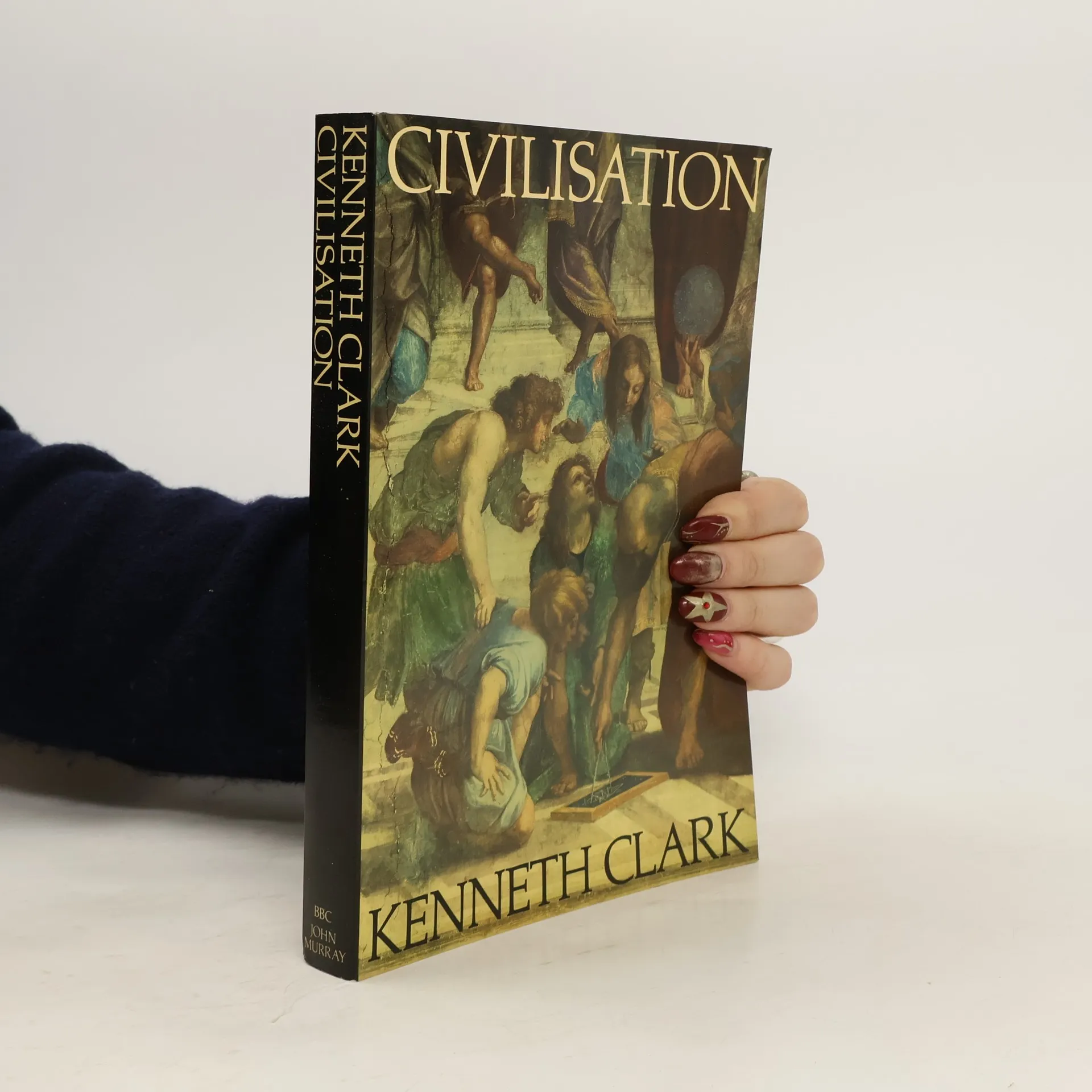
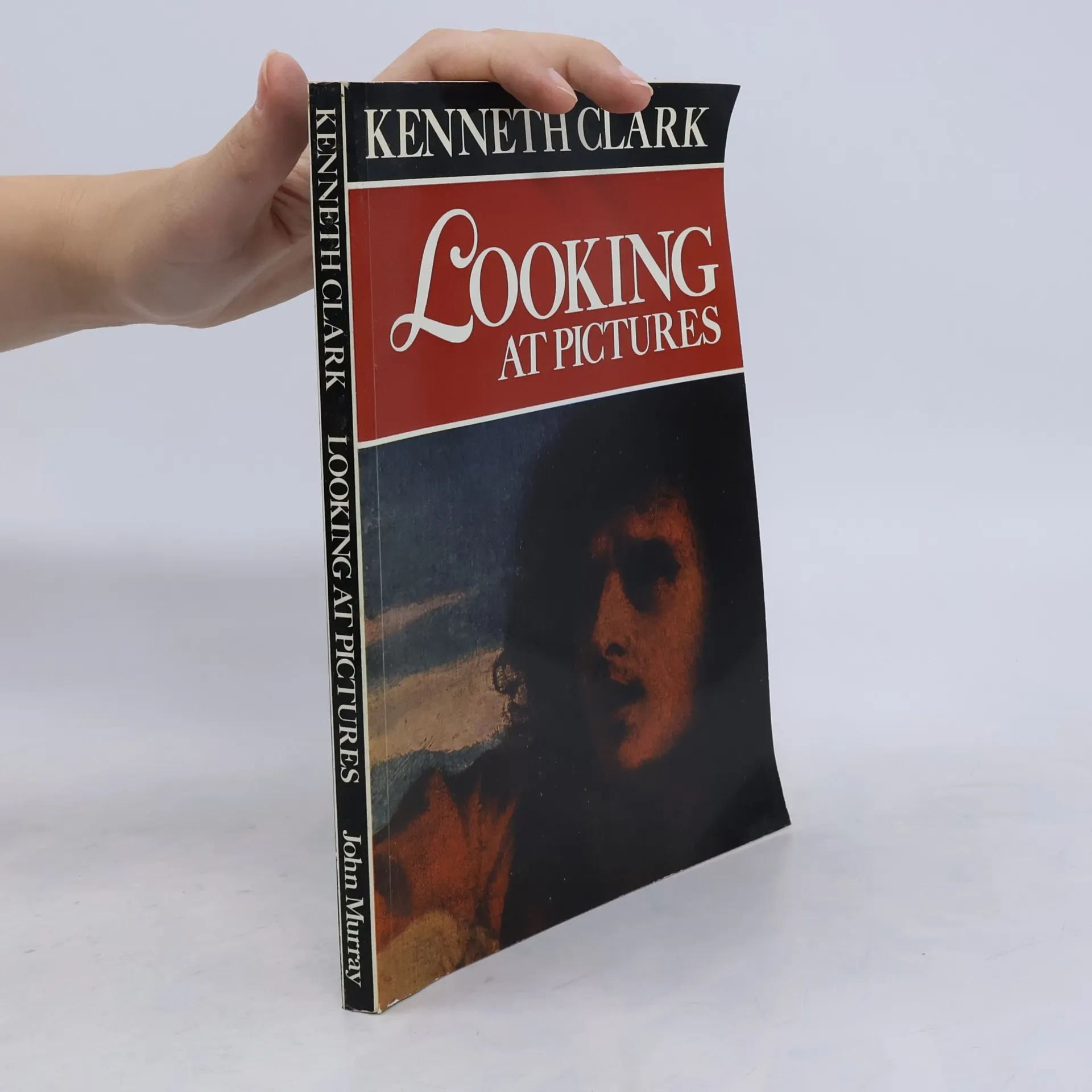
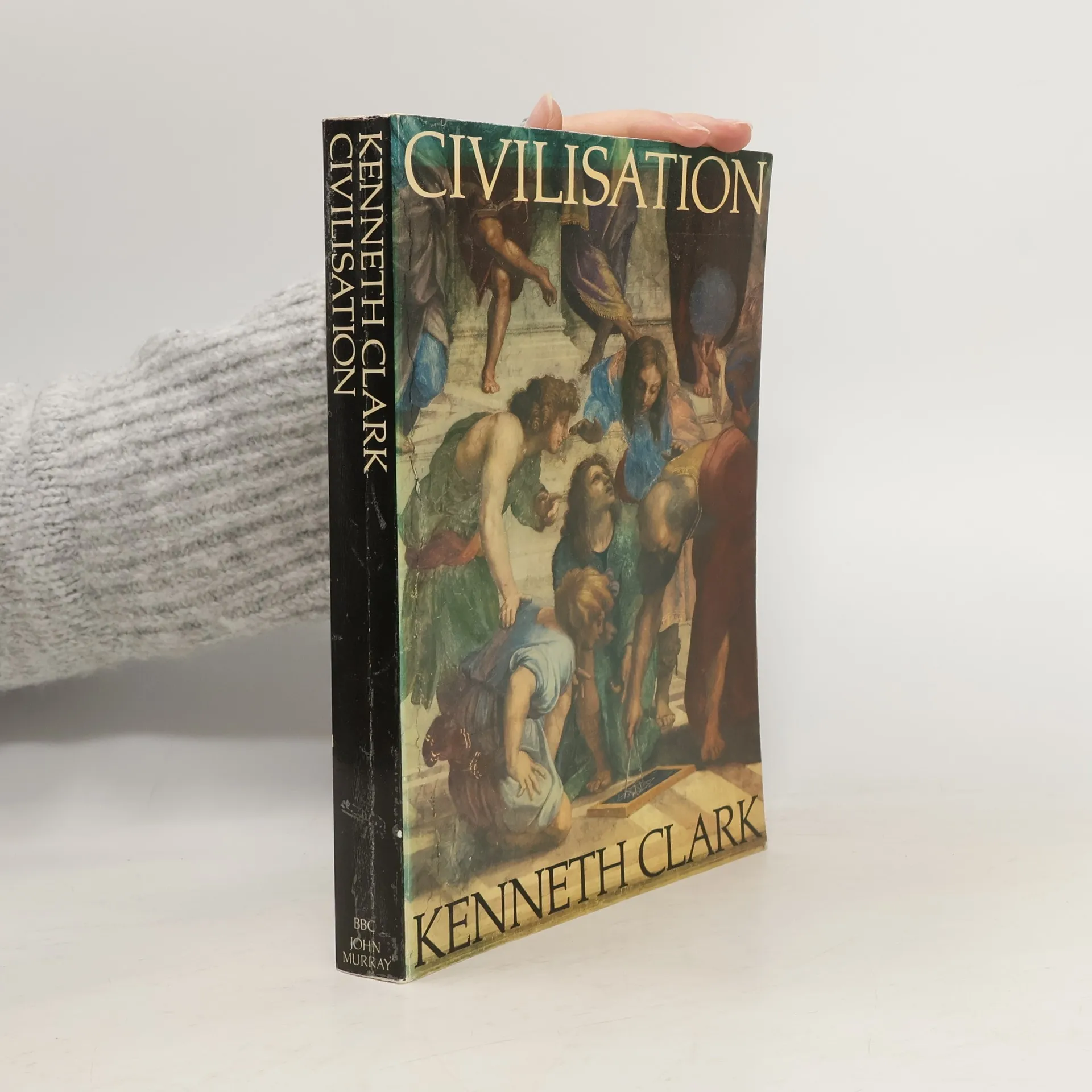
A personal view of how Western Europe evolved after the collapse of the Roman Empire and produced the ideas, books, buildings, works of art and great individuals that make up a Civilisation.
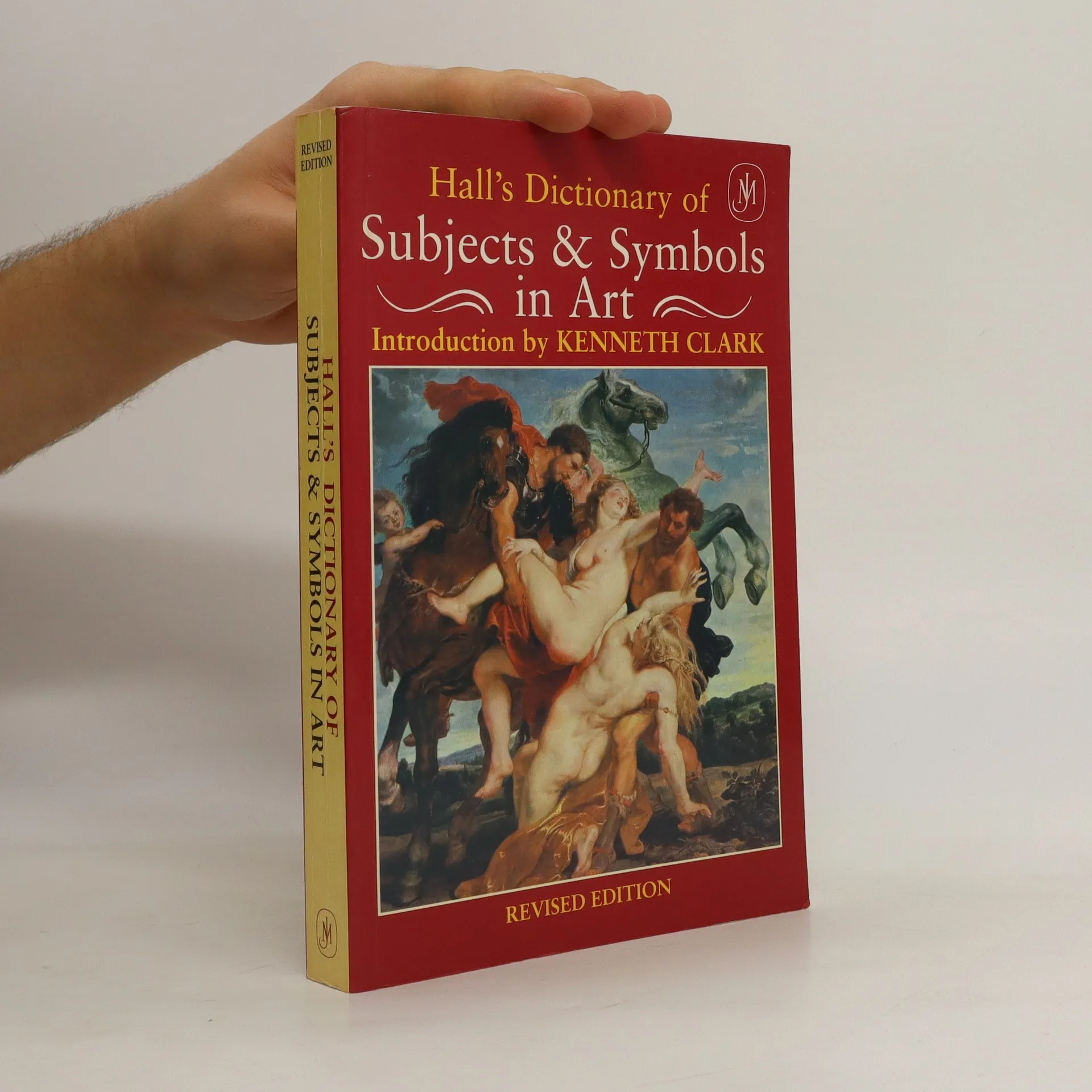
Dictionary of Subjects and Symbols in Art
- 384pages
- 14 heures de lecture
A dictionary of themes common to western art -- especially those arising from classical and Christian sources -- primarily from the Renaissance onward. Included are persons (and personifications), objects (especially attributes), and common events (e.g., The Raising of Lazarus). Special attention is paid to the interpretation of symbols in art. There is a list of sources at the beginning of the dictionary and an index at the end, but no illustrations. [Review, Oberlin Art Library Staff, BQP 6/16/2005]
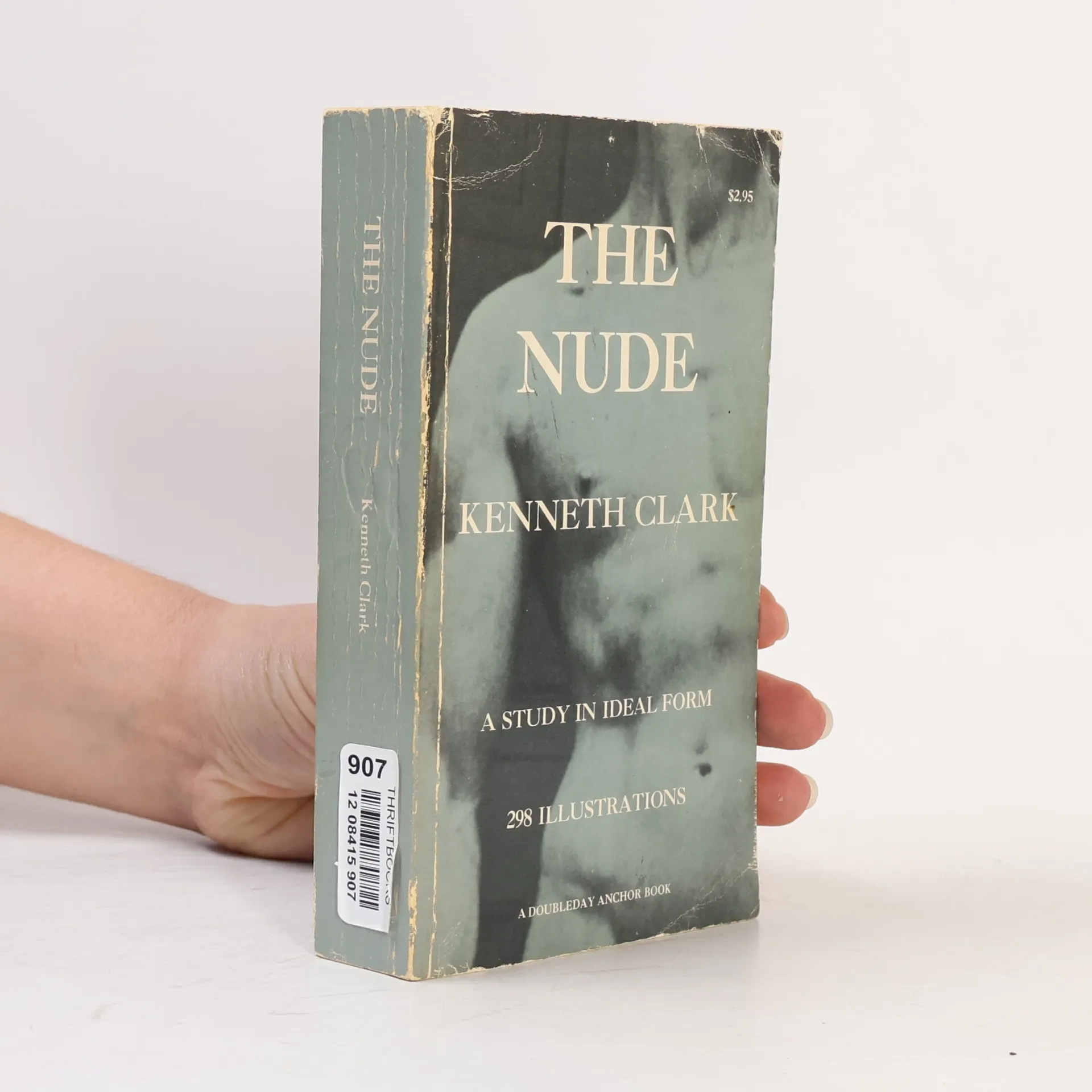
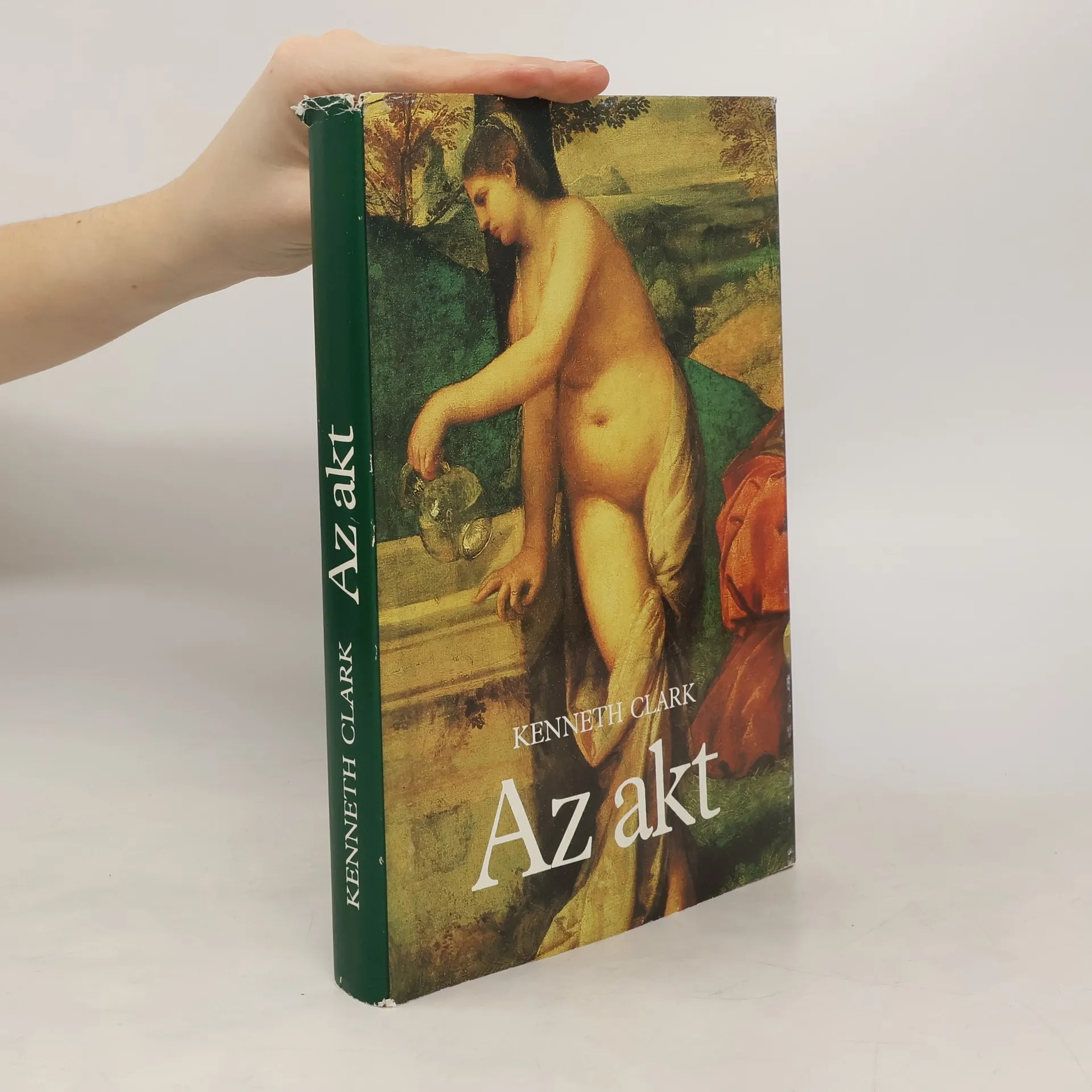
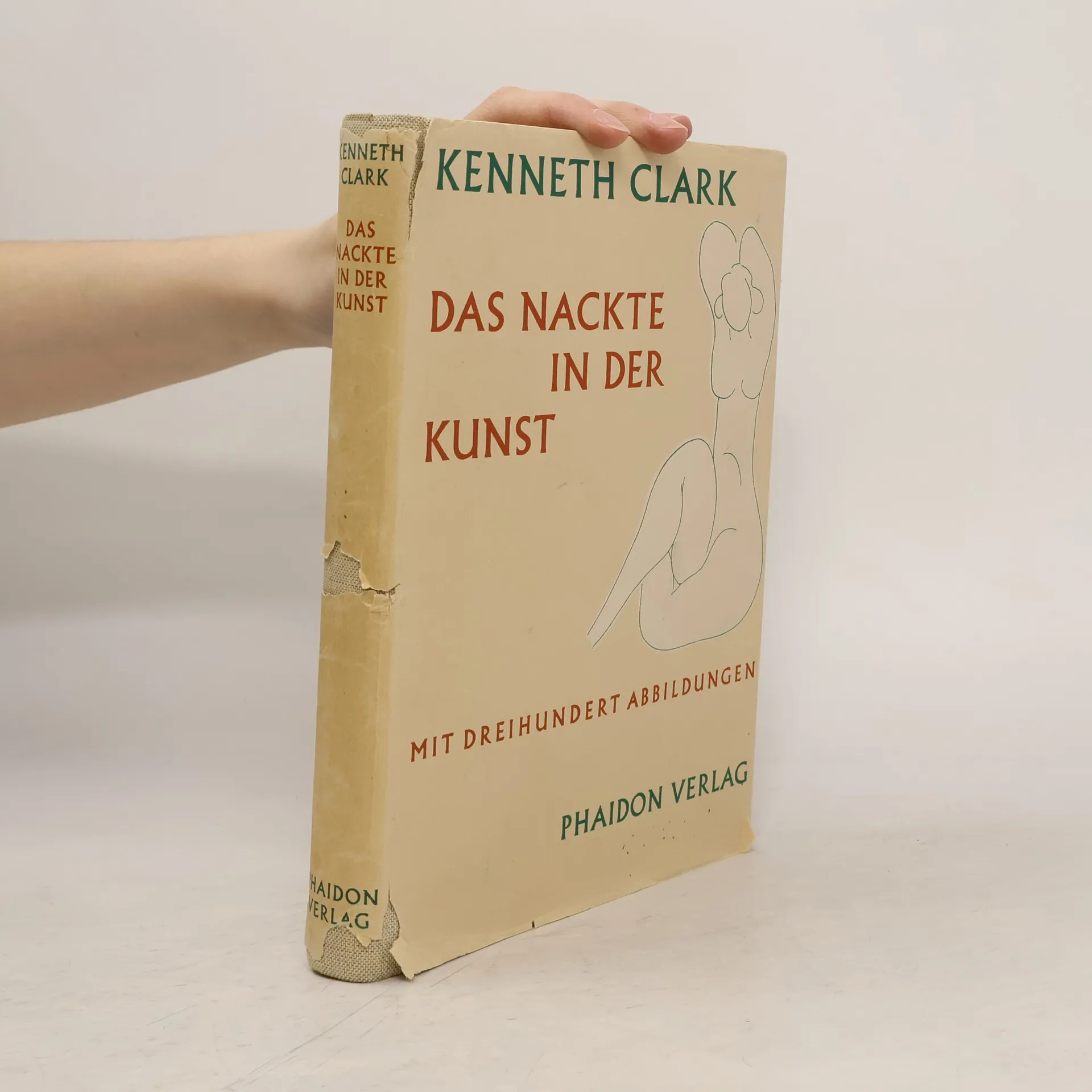
Sir Kenneth Clark offers a history and critical appraisal of the role of nude figures in the portrayal of beauty, energy, pathos, and ecstasy in classic Renaissance art.
The tile : making, designing and using
- 176pages
- 7 heures de lecture
Tiles are a beautiful form of ceramic that lend themselves to an extraordinary diversity of uses and treatments. In this outstanding overview, Kenneth Clark, a distinguished tile designer and maker, introduces readers to their creation, ornamentation, and use. Tile making using earthenware, stoneware, porcelain, and paper clay is fully described as are the decorative techniques, like painting, screen printing, and sgraffito. The work of leading tile designers is also examined, along with their approaches and applications. To complete the book, Clark offers practical information on the uses of tile, including floors, walls, roofs, fireplaces, murals, and swimming pools; details on how to repair tiles; and advice on how to protect and care for them. Written by an expert, and with 280 color photos, The Tile is sure to captivate anyone interested in learning or appreciating the skills of this age-old craft.
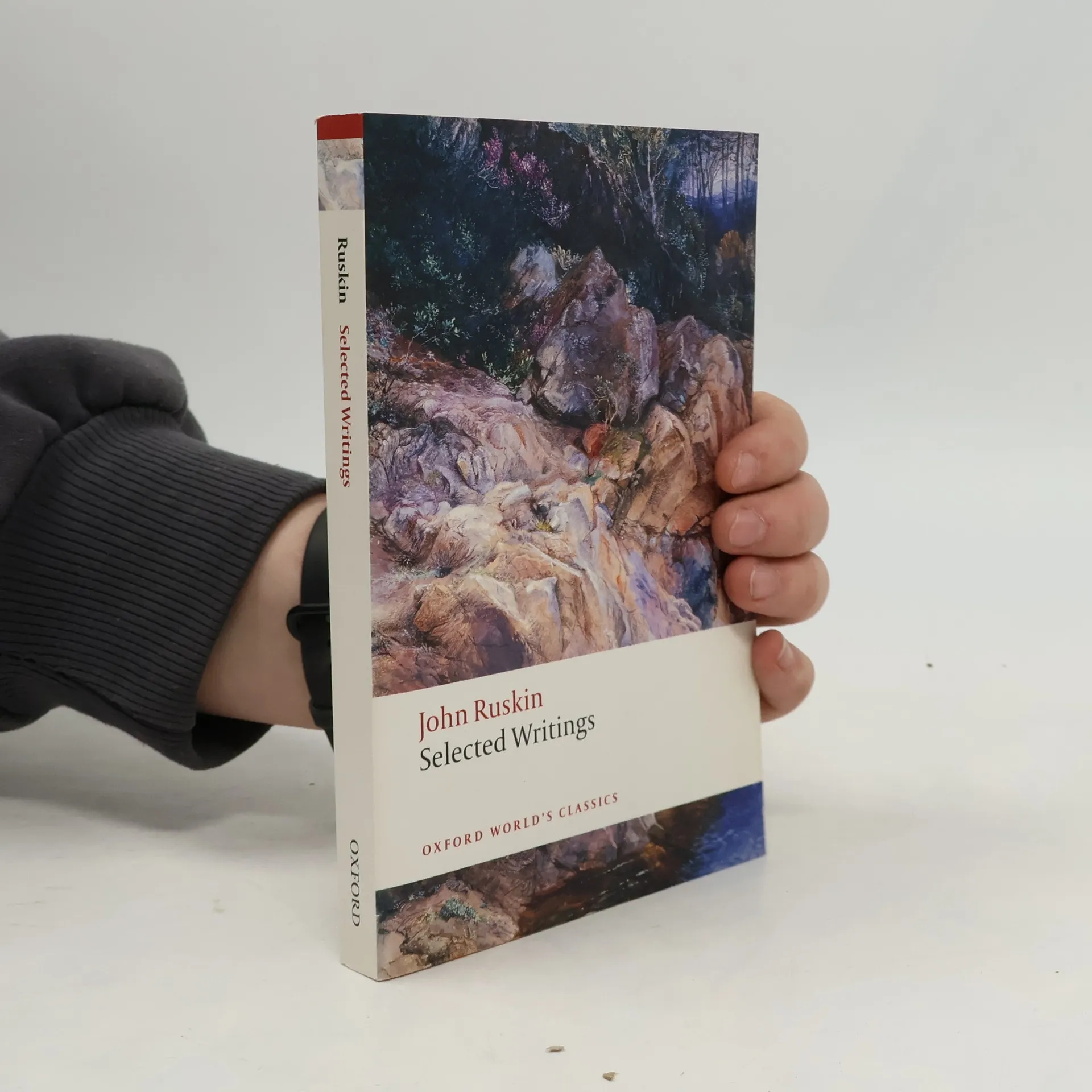
Selected Writings
- 324pages
- 12 heures de lecture
Ruskin was the most powerful and influential critic of the nineteenth century. He wrote about nature, art, architecture, politics, history, myth and much besides. This new selection draws on the whole range of his output, including representative material from all his major works. The introduction outlines the development of his life and thought and shows why he remains such a rewarding writer today.
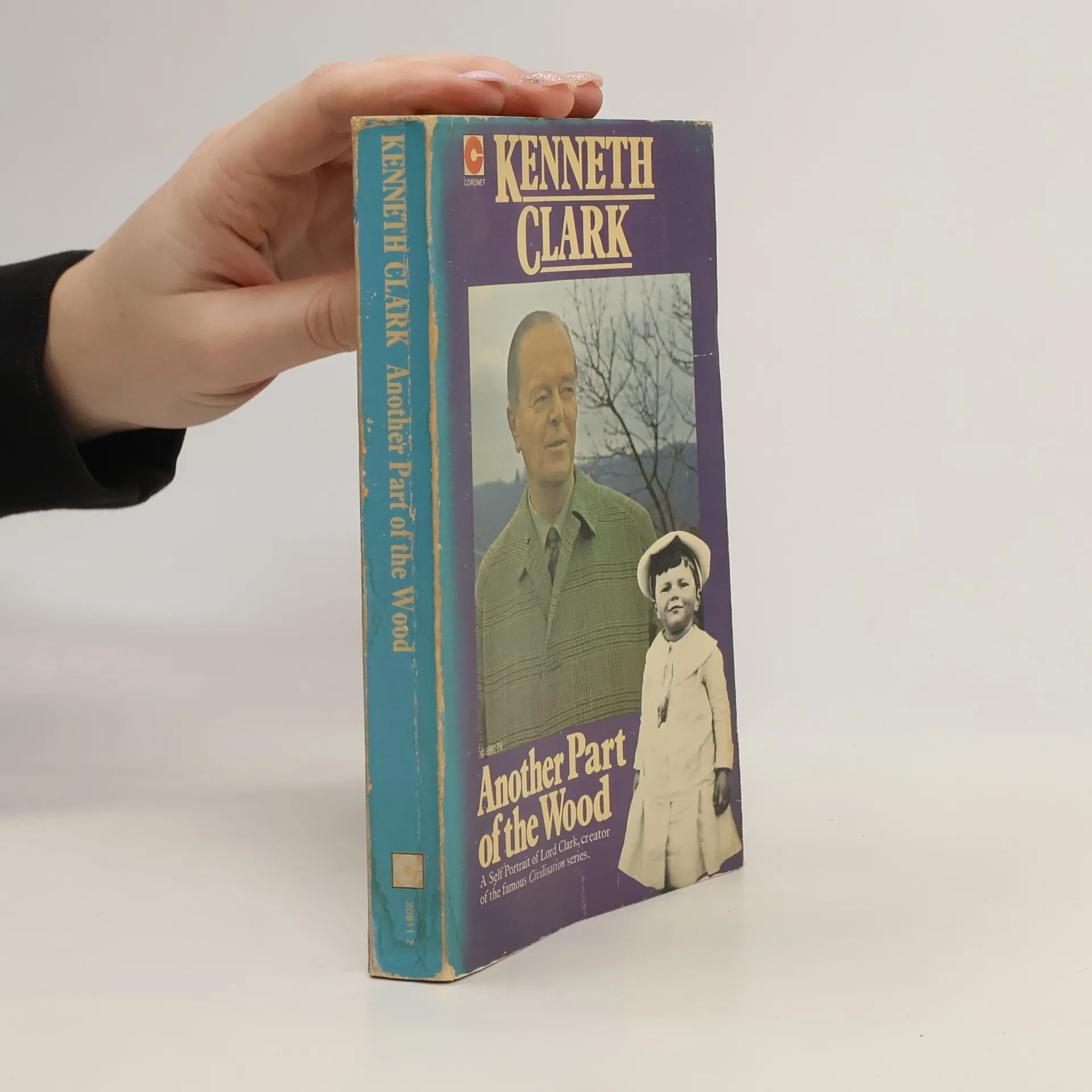
The distinguished British art historian and critic recounts his Edwardian childhood, his aesthetic development and education, the early years of his marriage, and his pre-war relationships with a gallery of famous and influential people
Kenneth Clark's sweeping narrative looks at how Western Europe evolved in the wake of the collapse of the Roman Empire, to produce the ideas, books, buildings, works of art and great individuals that make up our civilisation. The author takes us from Iona in the ninth century to France in the twelfth, from Florence to Urbino, from Germany to Rome, England, Holland and America. Against these historical backgrounds he sketches an extraordinary cast of characters -- the men and women who gave new energy to civilisation and expanded our understanding of the world and of ourselves. He also highlights the works of genius they produced -- in architecture, sculpture and painting, in philosophy, poetry and music, and in science and engineering, from Raphael's School of Athens to the bridges of Brunel.
Westminster Abbey
- 264pages
- 10 heures de lecture
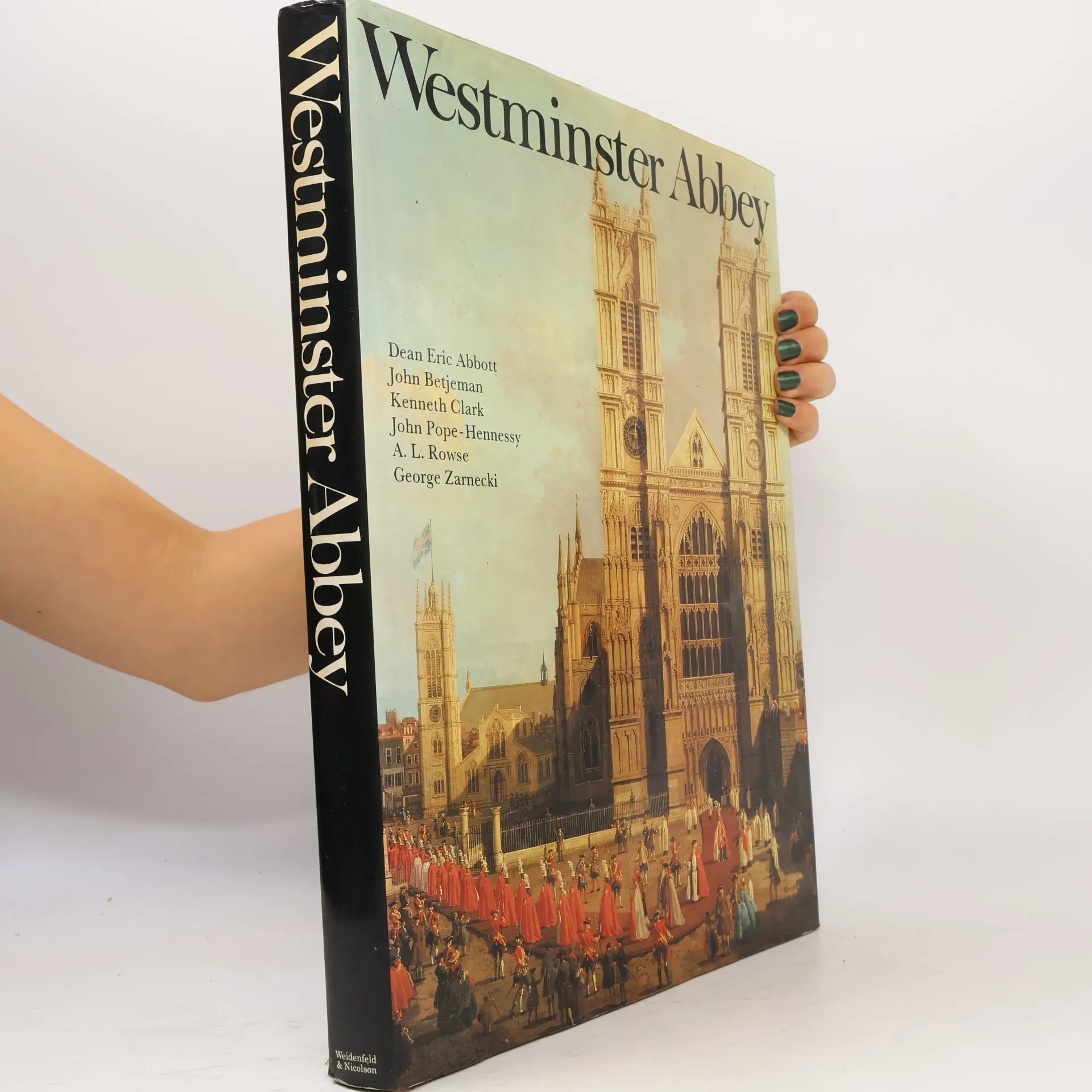
Large coffee table hard back.
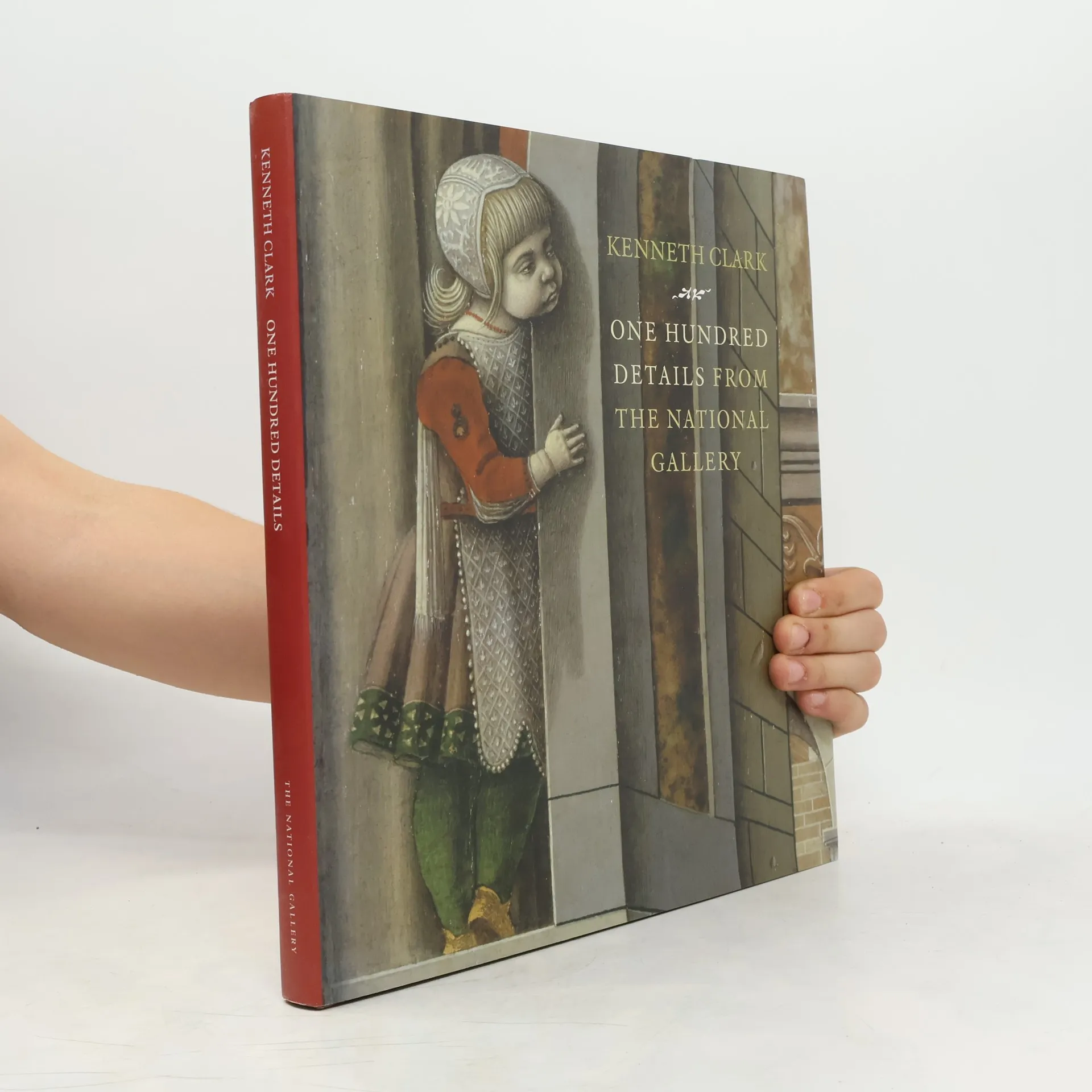
One Hundred Details from the National Gallery
- 155pages
- 6 heures de lecture
Presents photographic reproductions of details from paintings in the National Gallery, London and commentary on them.
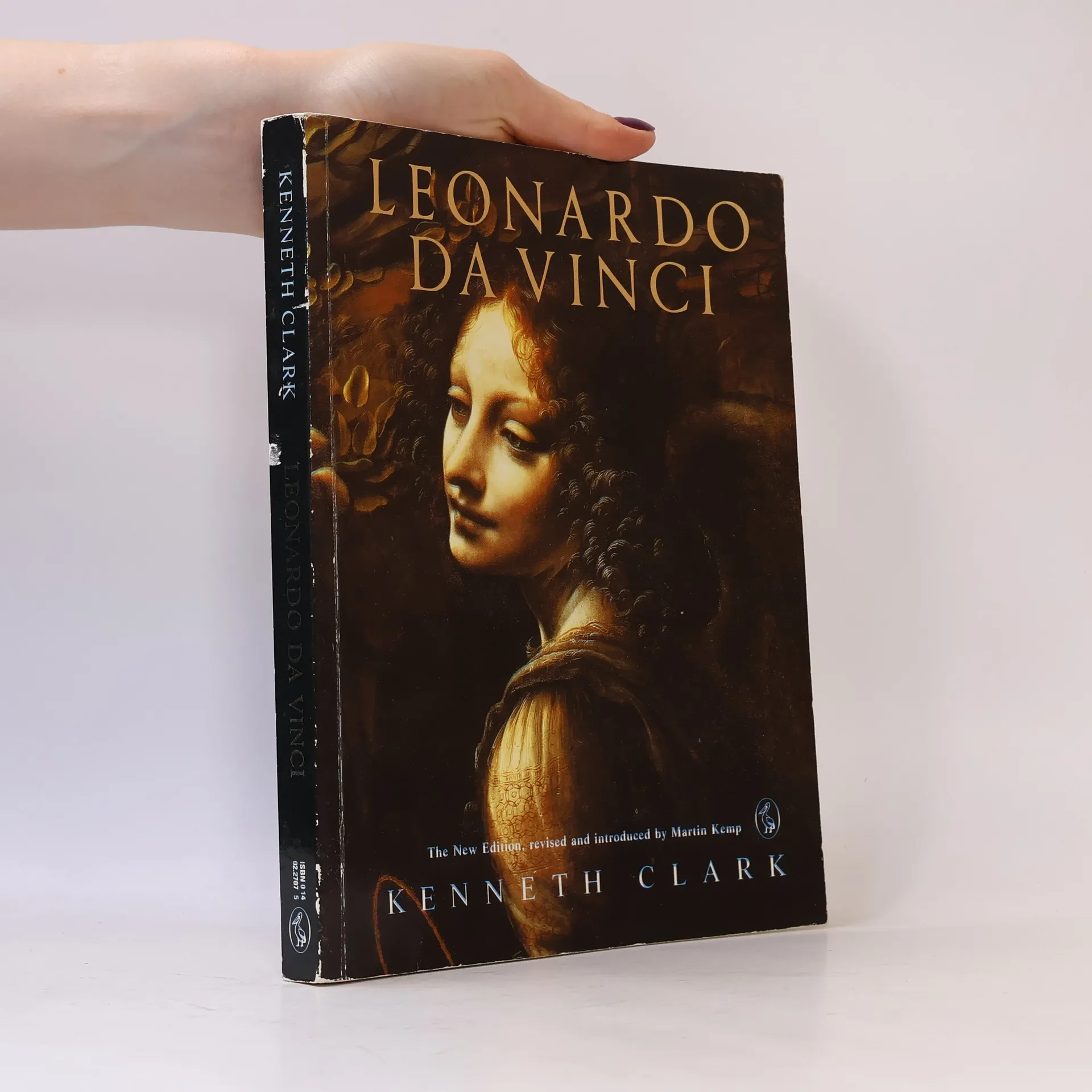
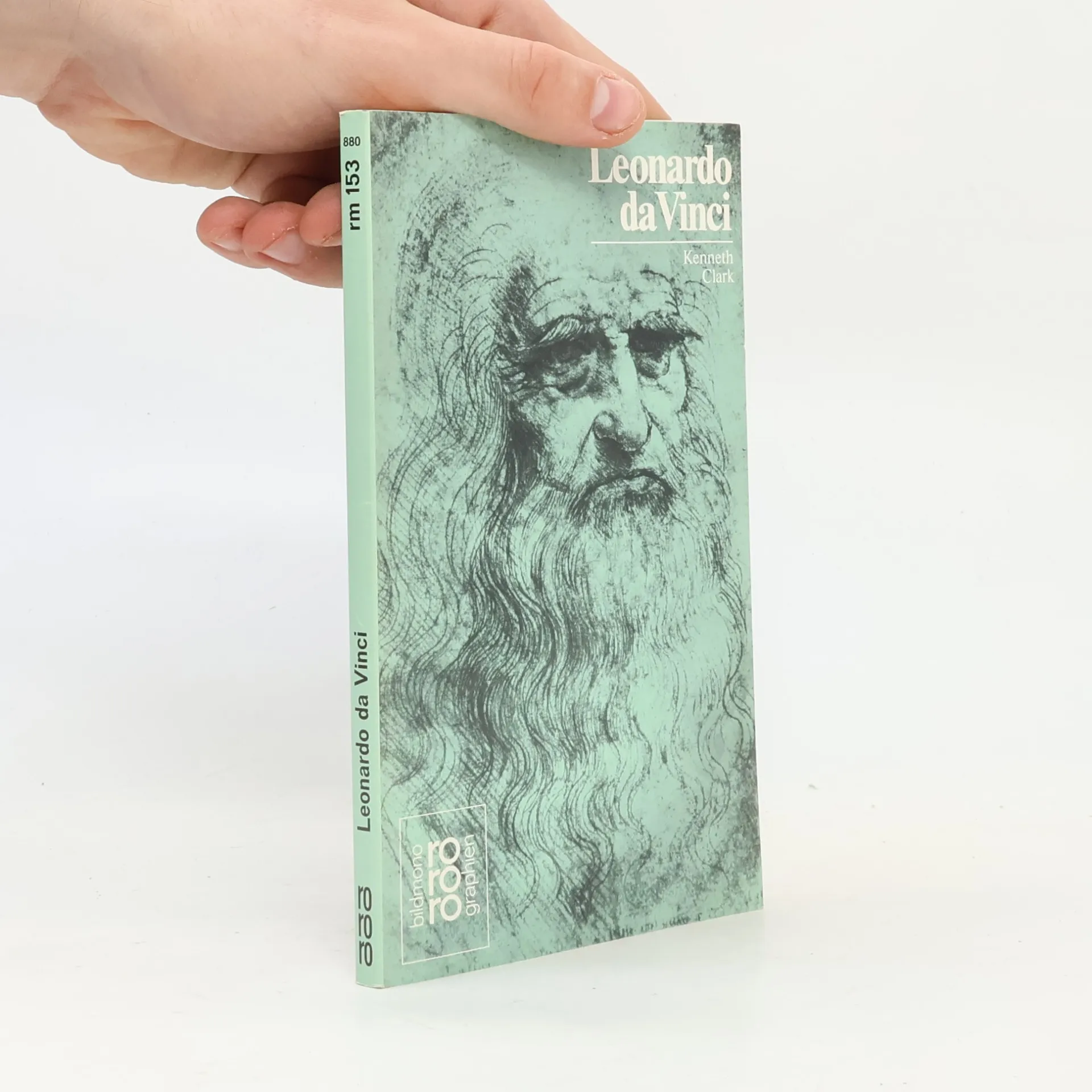
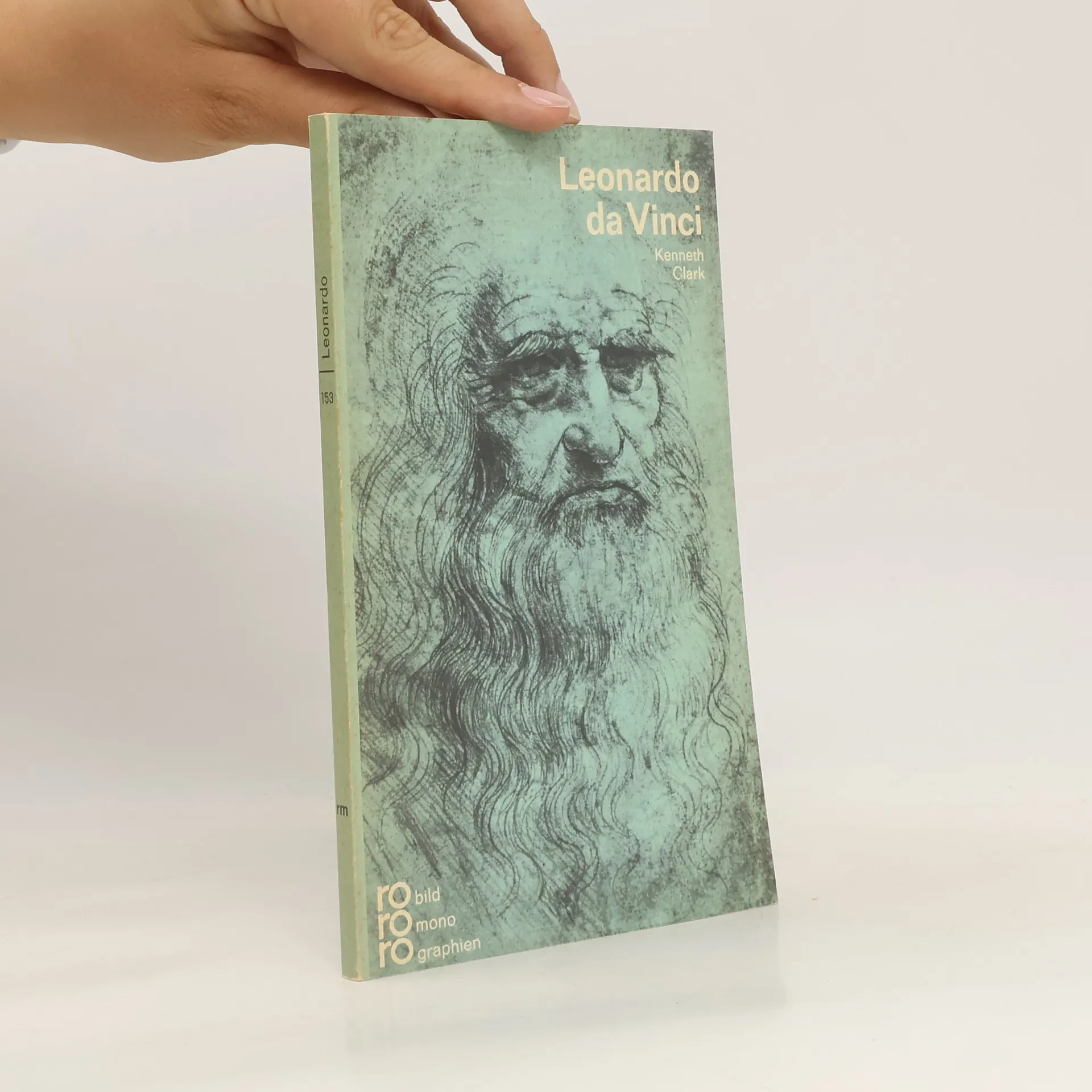
Clark's study of Leonardo is generally considered the clearest introduction available to the work of the controversial genius. This edition contains 128 plates, integrated into the text; a revised list of dates; an updated bibliography; and a new introduction.
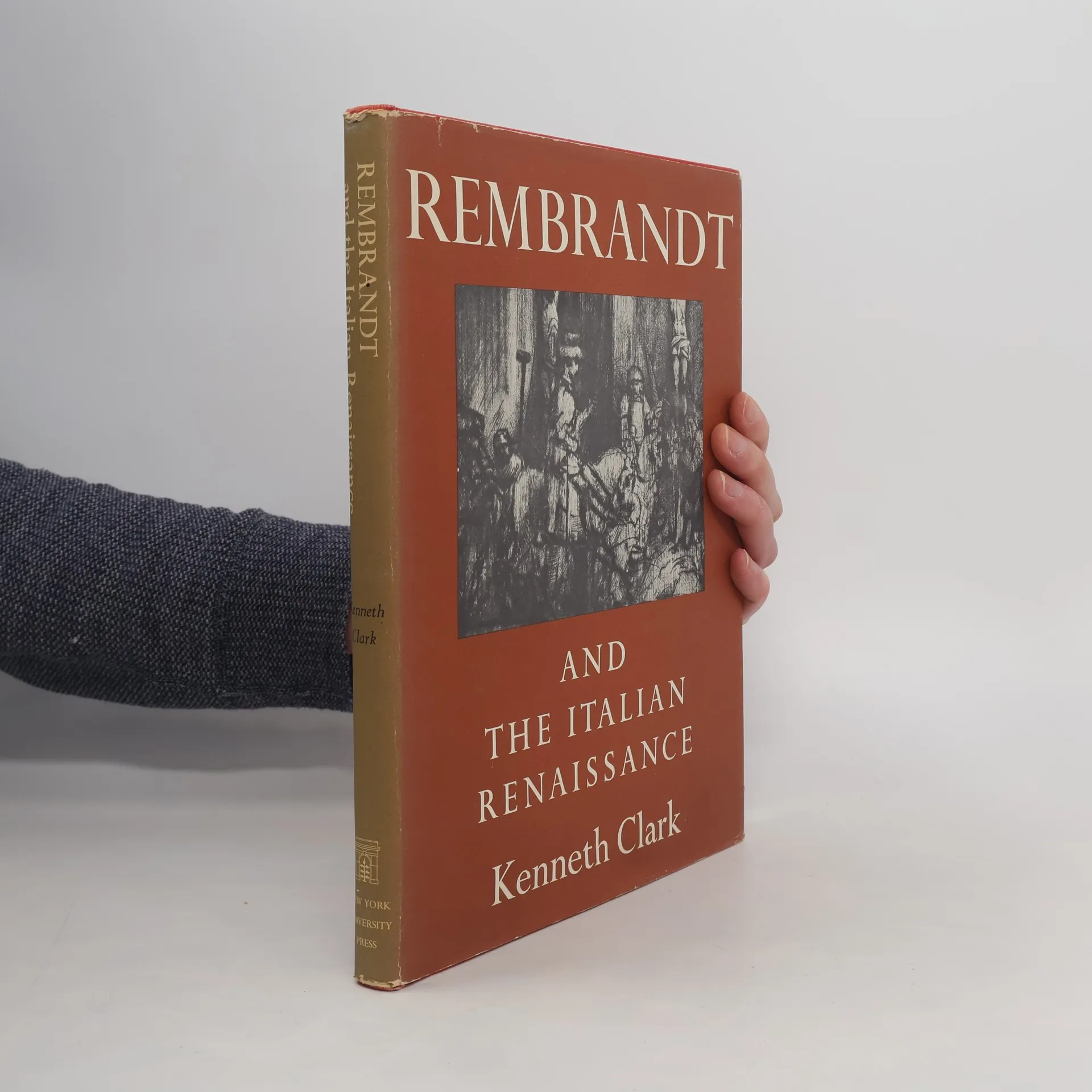
Rembrandt and the Italian Renaissance
- 226pages
- 8 heures de lecture
Leonardo da Vinci in Selbstzeugnissen und Bilddokumenten
- 192pages
- 7 heures de lecture
Az akt
- 397pages
- 14 heures de lecture
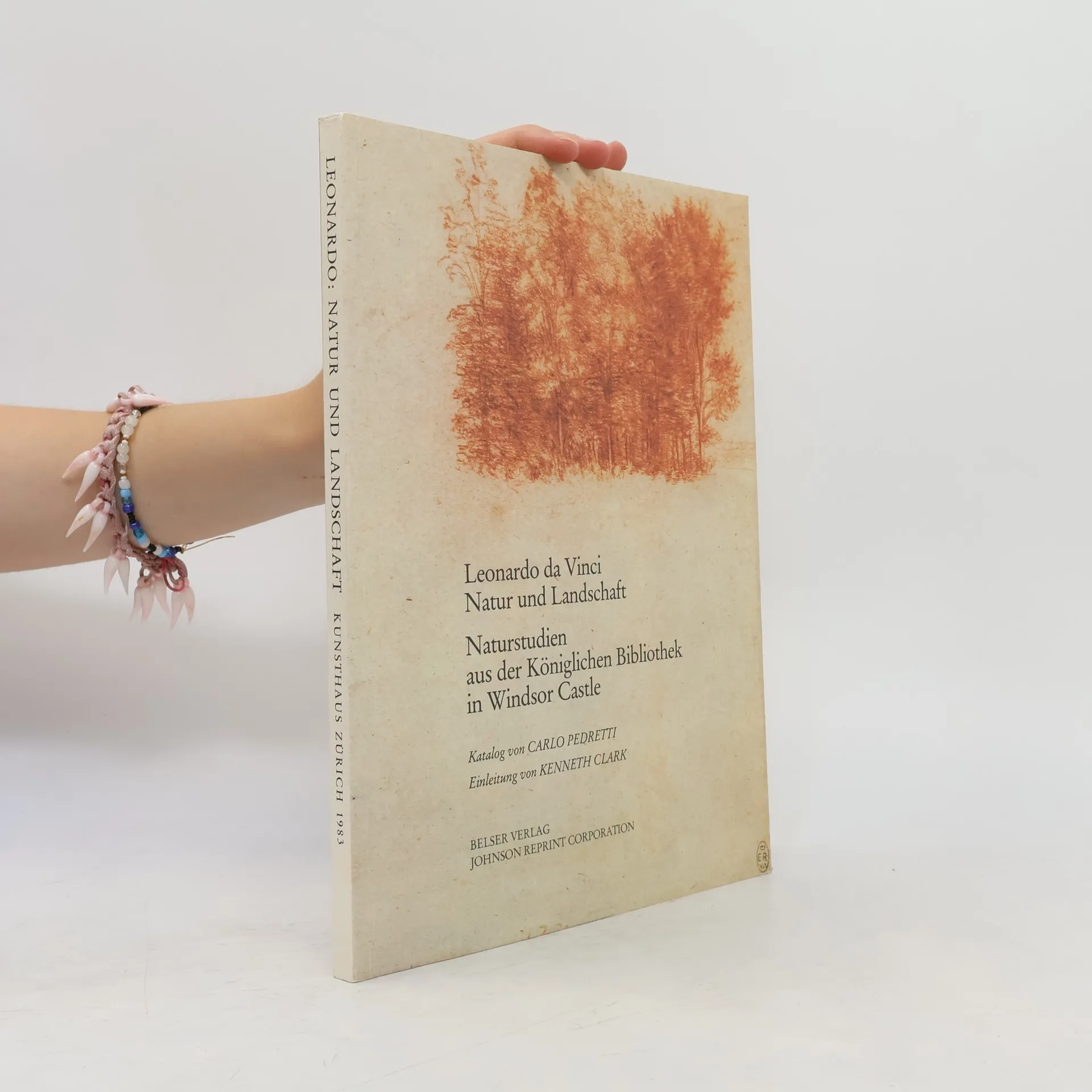
Leonardo da Vinci : Natur und Landschaft : Naturstudien aus der Königlichen Bibliothek in Windsor Castle
- 95pages
- 4 heures de lecture
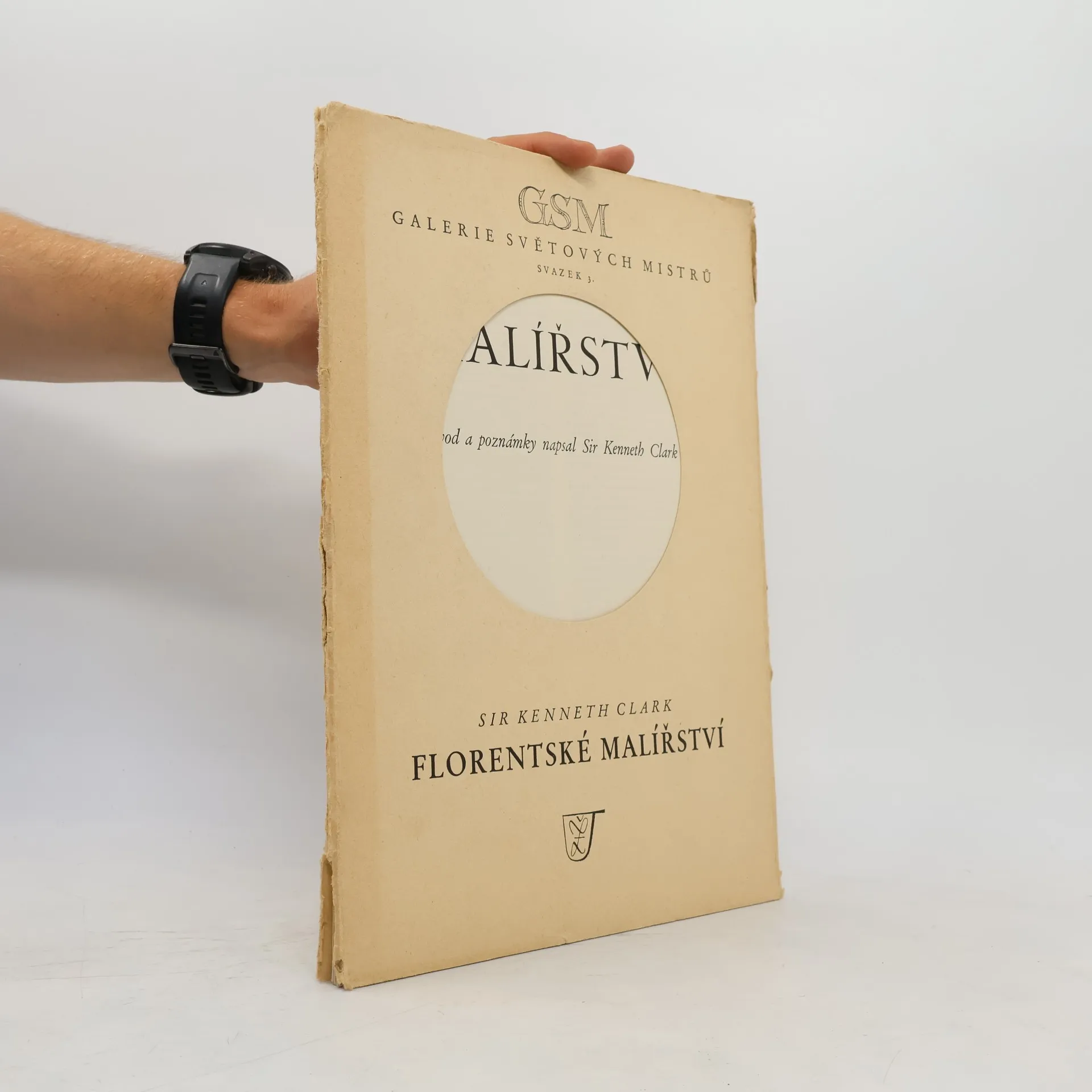
Florentské malířství
Galerie světových mistrů. Svazek 3.
DuMont's Handbuch der keramischen Techniken
- 208pages
- 8 heures de lecture
Libro usado en buenas condiciones, por su antiguedad podria contener señales normales de uso
Das Nackte in der Kunst
mit dreihundert Abbildungen