Edwin Abbott Abbott Ordre des livres (chronologique)
20 décembre 1838 – 12 octobre 1926
Edwin Abbott Abbott fut un pédagogue et théologien anglais, dont l'œuvre la plus célèbre est la satire mathématique Flatland. Abbott a exploré de profondes questions philosophiques et théologiques à travers ses écrits, utilisant souvent des formes littéraires non conventionnelles pour examiner ces thèmes. Son travail philologique représente également une contribution significative aux études de la langue anglaise. Sa production littéraire s'étend au-delà de la satire pour inclure des romans religieux publiés anonymement et des discussions théologiques qui ont suscité un débat considérable.


Silanus the Christian
- 282pages
- 10 heures de lecture
The book offers a significant exploration of themes related to philosophy, psychology, and religion, particularly within the context of Christianity. Recognized for its historical importance, it has been meticulously reformatted and redesigned for clarity and readability, ensuring its accessibility for modern readers. Alpha Editions aims to preserve this classic work, allowing both present and future generations to engage with its profound insights.
The Kernel and the Husk; Letters on Spiritual Christianity
in large print
- 480pages
- 17 heures de lecture
This work is a reproduction of a historical text, presented in large print to enhance accessibility for individuals with impaired vision. The publishing house Megali focuses on making such works available, ensuring that important historical literature remains accessible to a wider audience.
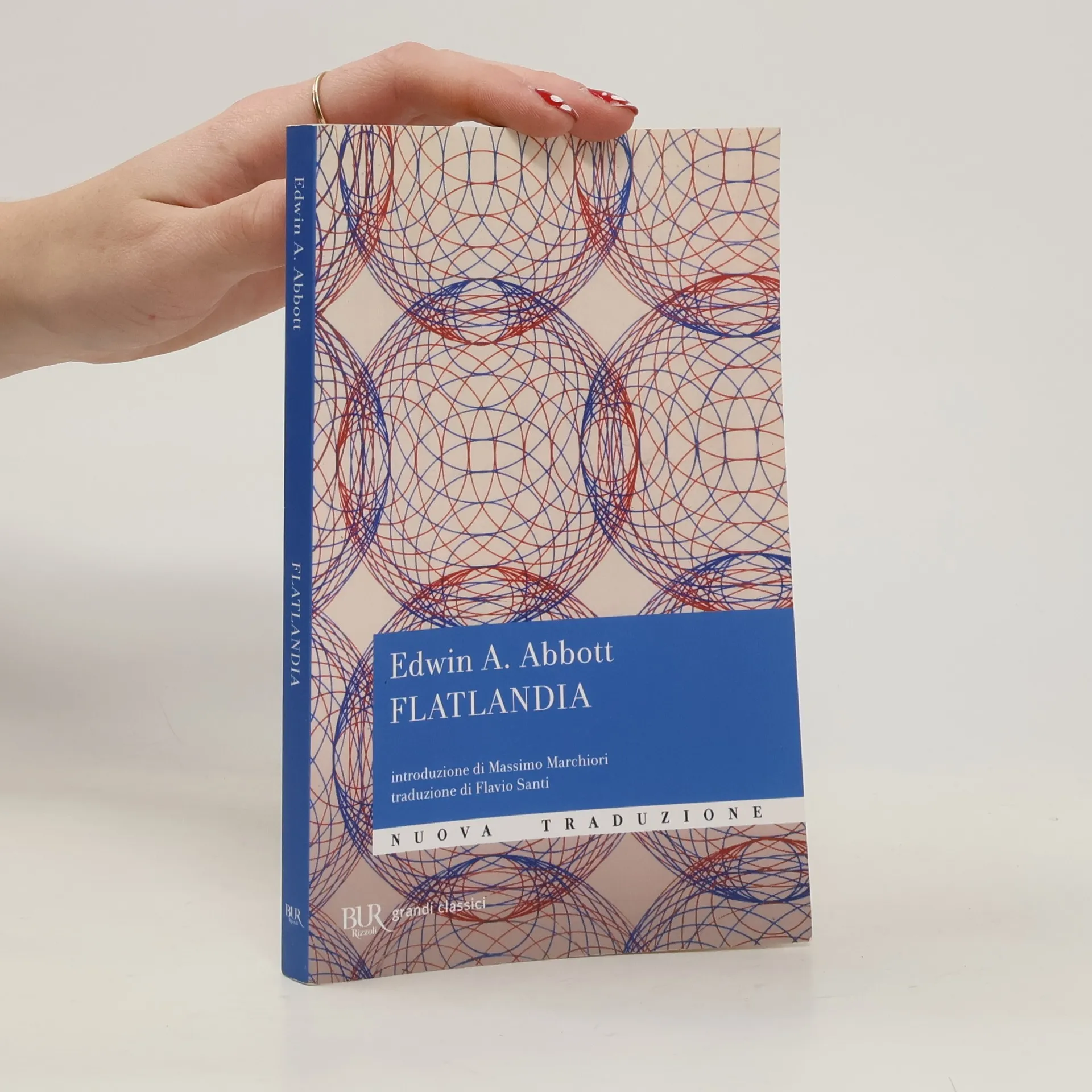
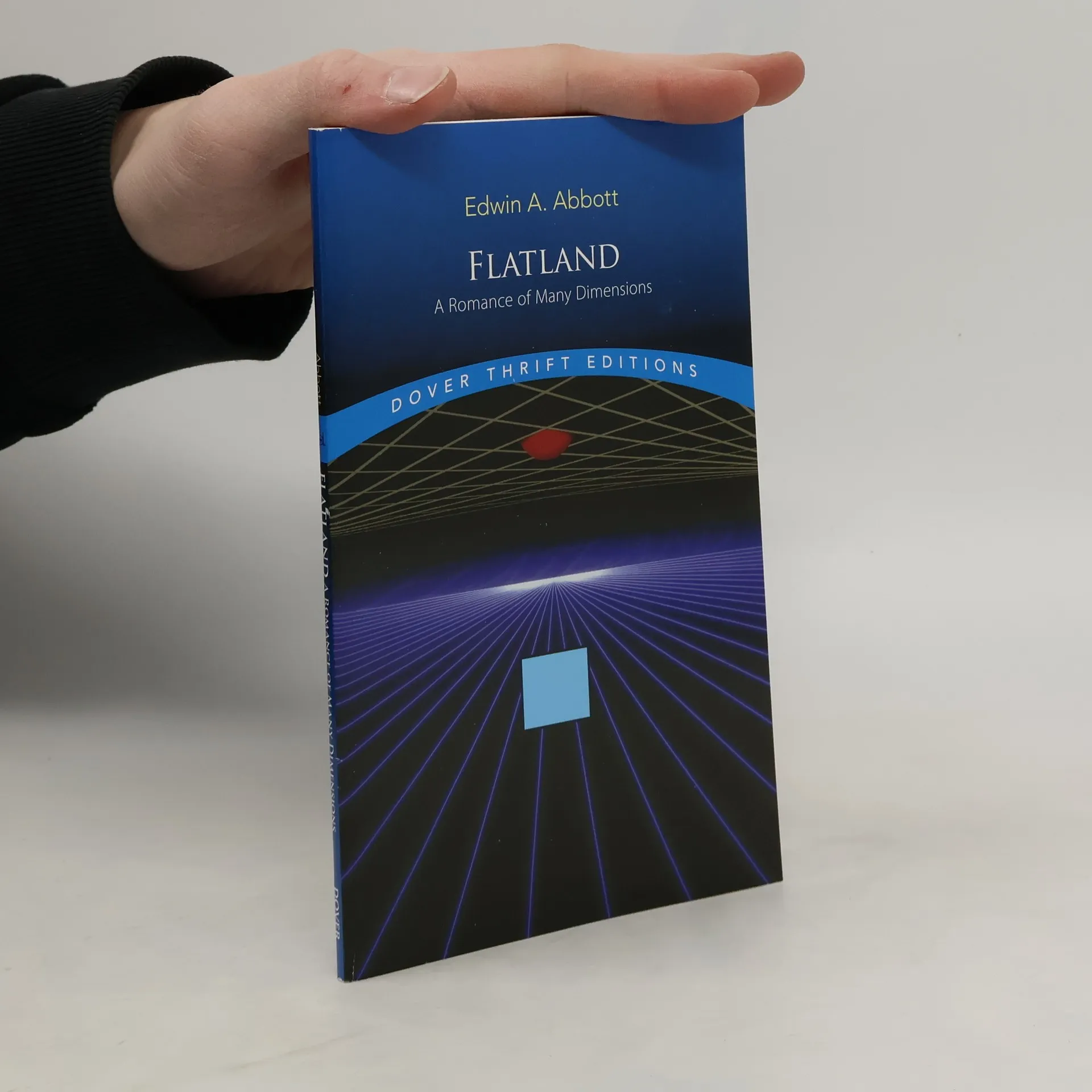
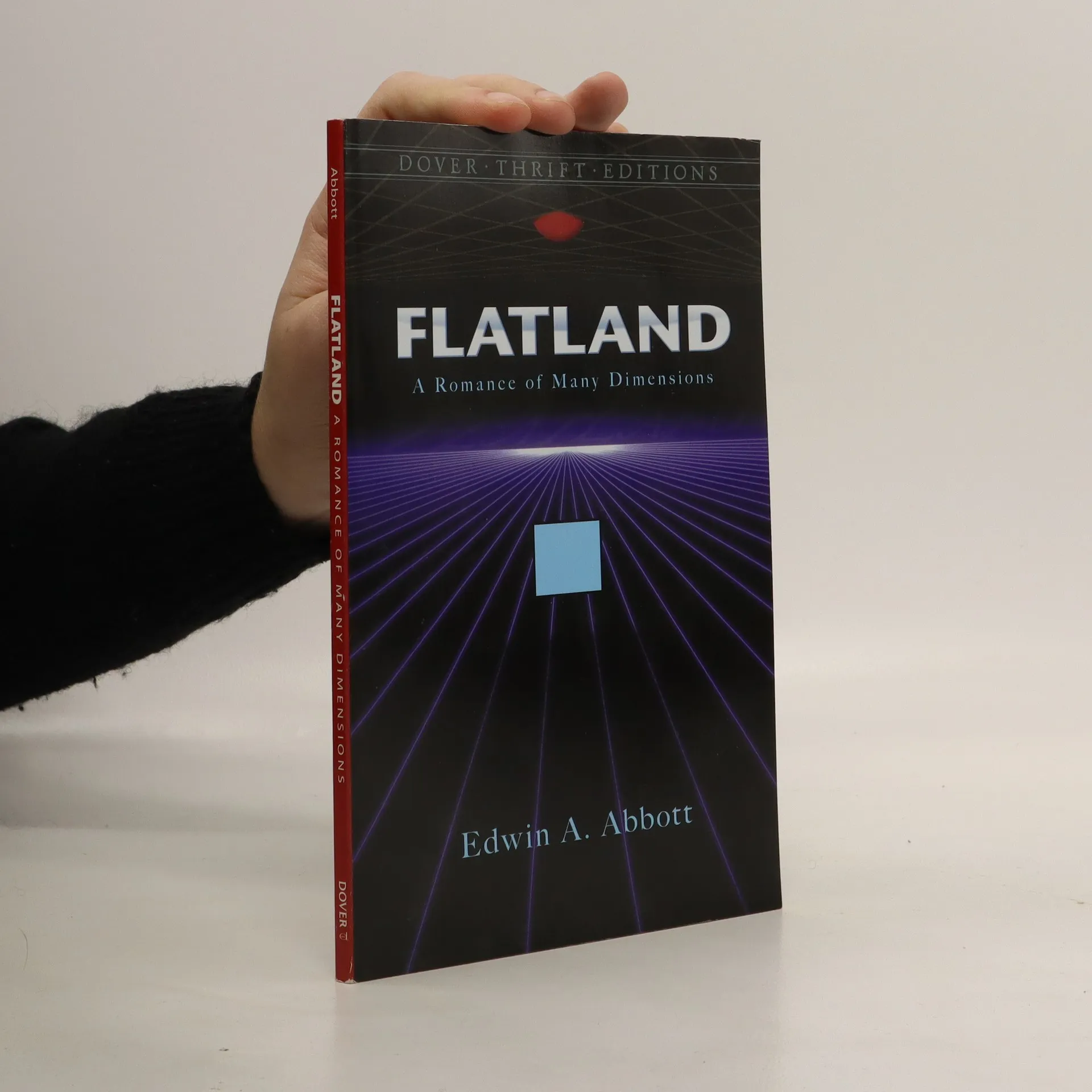
Set in a two-dimensional world, the story explores themes of dimensions and social hierarchy through the experiences of a square who encounters a three-dimensional being. This satirical novella critiques Victorian society and its rigid class structure while introducing mathematical concepts in a unique narrative. Abbott's work combines humor and social commentary, making it a thought-provoking read that transcends its era.
St. Thomas Of Canterbury. His Death And Miracles Volume 1
- 360pages
- 13 heures de lecture
Excerpt from St. Thomas of Canterbury, Vol. 1 of 2: His Death and Miracles IN the course of preparing a critical commentary on the Four Gospels, it became necessary to consider other instances of documents relating the same fact in different language, as the Gospels relate in different language the acts and words of Christ. About the Publisher Forgotten Books publishes hundreds of thousands of rare and classic books. In rare cases, an imperfection in the original, such as a blemish or missing page, may be replicated in our edition. We do, however, repair the vast majority of imperfections successfully; any imperfections that remain are intentionally left to preserve the state of such historical works.
The Fourfold Gospel; Section I
- 194pages
- 7 heures de lecture
This section serves as an introduction to the tenth part of a series that has previously focused on words. This volume aims to elucidate thoughts using evidence derived from earlier elucidations. The earlier parts can be seen as a process of letting down nets, while this one attempts to draw them in. The "nets" refer to extensive footnotes in previous volumes, which were often lengthy and seemingly digressive, written with future investigations in mind. Just as fishermen sometimes appear to row away from a shoal while trying to encircle it, the previous volumes may have seemed to stray from their main focus. In contrast, this volume may face criticism for having insufficient notes to support the statements made in the text. The author requests readers to understand that it is not feasible to both draw in and let down nets simultaneously. The publisher, Forgotten Books, specializes in reproducing rare and classic works, utilizing advanced technology to digitally reconstruct texts while preserving their original format and addressing imperfections. However, some original flaws may still be present in the reproduction, as they are intentionally retained to maintain the historical integrity of the work.
The Fourfold Gospel; Section V
- 830pages
- 30 heures de lecture
Excerpt from The Fourfold Gospel: Section V; The Founding of the New Kingdom, or Life Reached Through Death I should be disposed to substitute, instead of any defence of my own, an imaginary defence, such as the Fourth Evangelist might be supposed to make - and indeed does make, by implication - in his Gospel It will save space, and avoid a tedious repetition of he may have thought, if I may be allowed, instead of such a clause, to substitute inverted commas and to represent him, thinking aloud, as follows. About the Publisher Forgotten Books publishes hundreds of thousands of rare and classic books. In rare cases, an imperfection in the original, such as a blemish or missing page, may be replicated in our edition. We do, however, repair the vast majority of imperfections successfully; any imperfections that remain are intentionally left to preserve the state of such historical works.
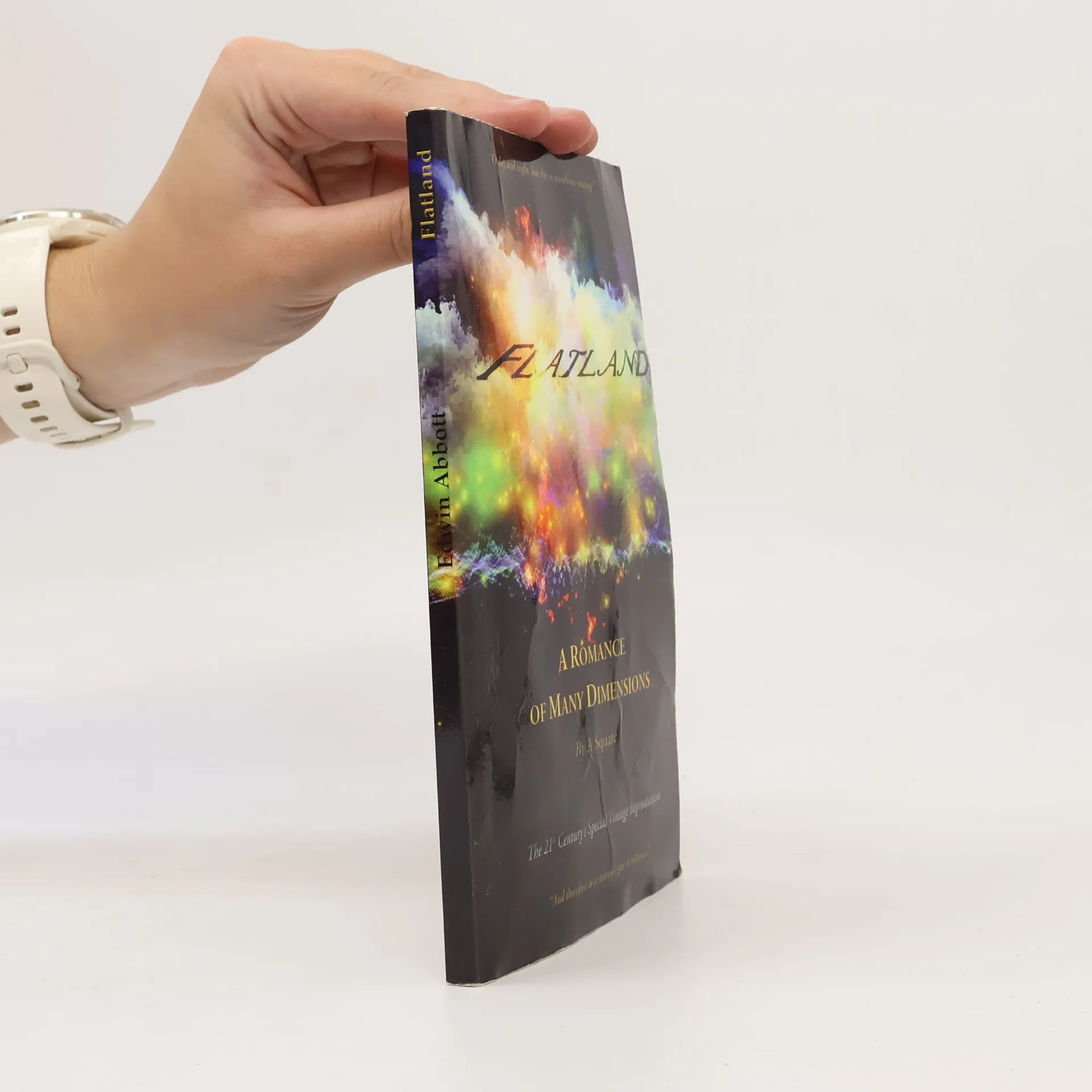
Set in a two-dimensional world inhabited by geometric shapes, this satirical novella critiques Victorian society through its portrayal of social hierarchy and ignorance. The special edition features meticulous attention to detail, ensuring an authentic reproduction of the original 1884 text and illustrations. Collaboratively produced by Chiron Academic Press and Edition l'Aleph, it offers a unique reading experience for enthusiasts and collectors, making it a valuable addition to any library.
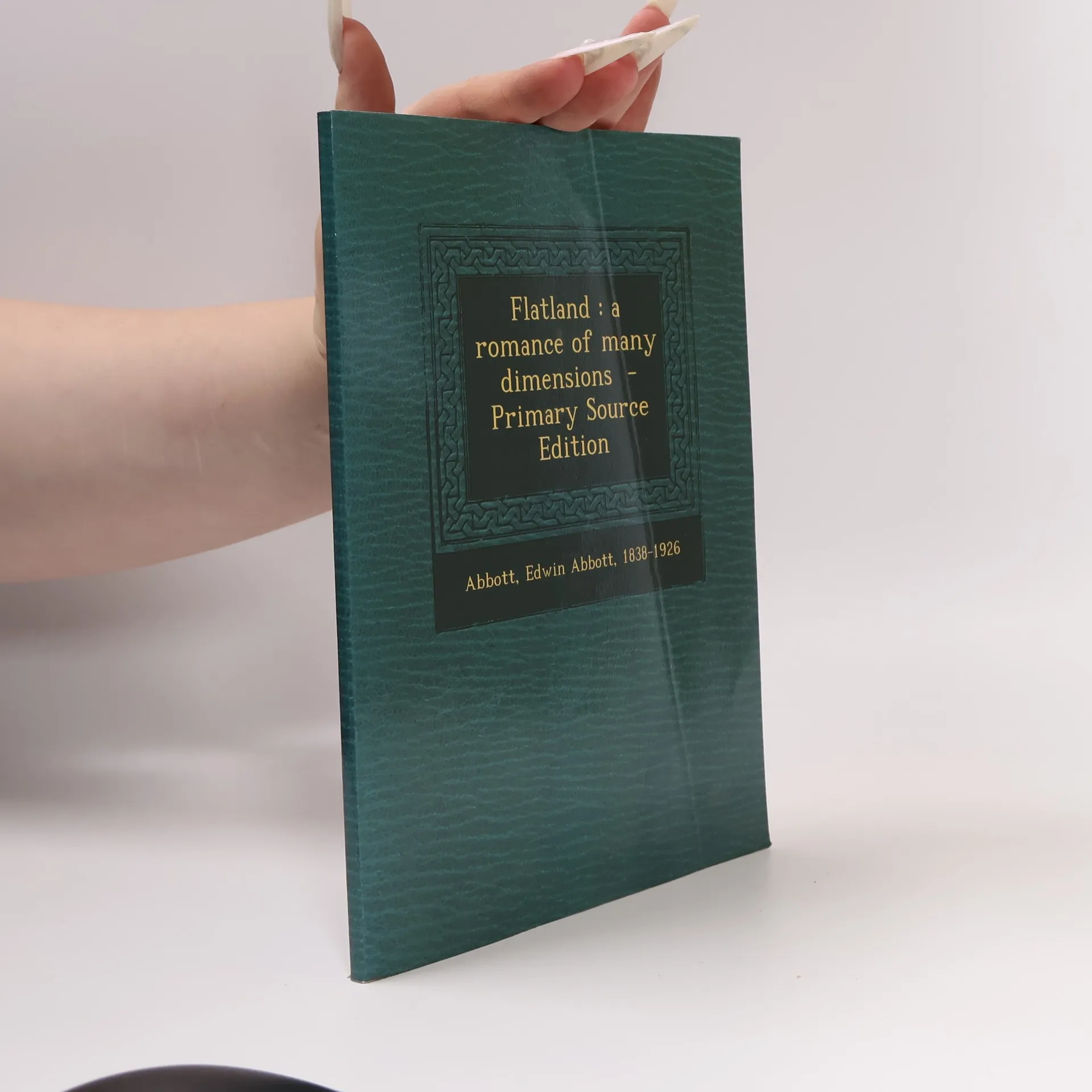
This is a reproduction of a book published before 1923. This book may have occasional imperfections such as missing or blurred pages, poor pictures, errant marks, etc. that were either part of the original artifact, or were introduced by the scanning process. We believe this work is culturally important, and despite the imperfections, have elected to bring it back into print as part of our continuing commitment to the preservation of printed works worldwide. We appreciate your understanding of the imperfections in the preservation process, and hope you enjoy this valuable book.
Flatland / Sphereland: This Volume Is Two Books In One
- 328pages
- 12 heures de lecture
Flatland : the classic speculation on life in four dimensions; Sphereland : a continuing speculation on an expanding universe
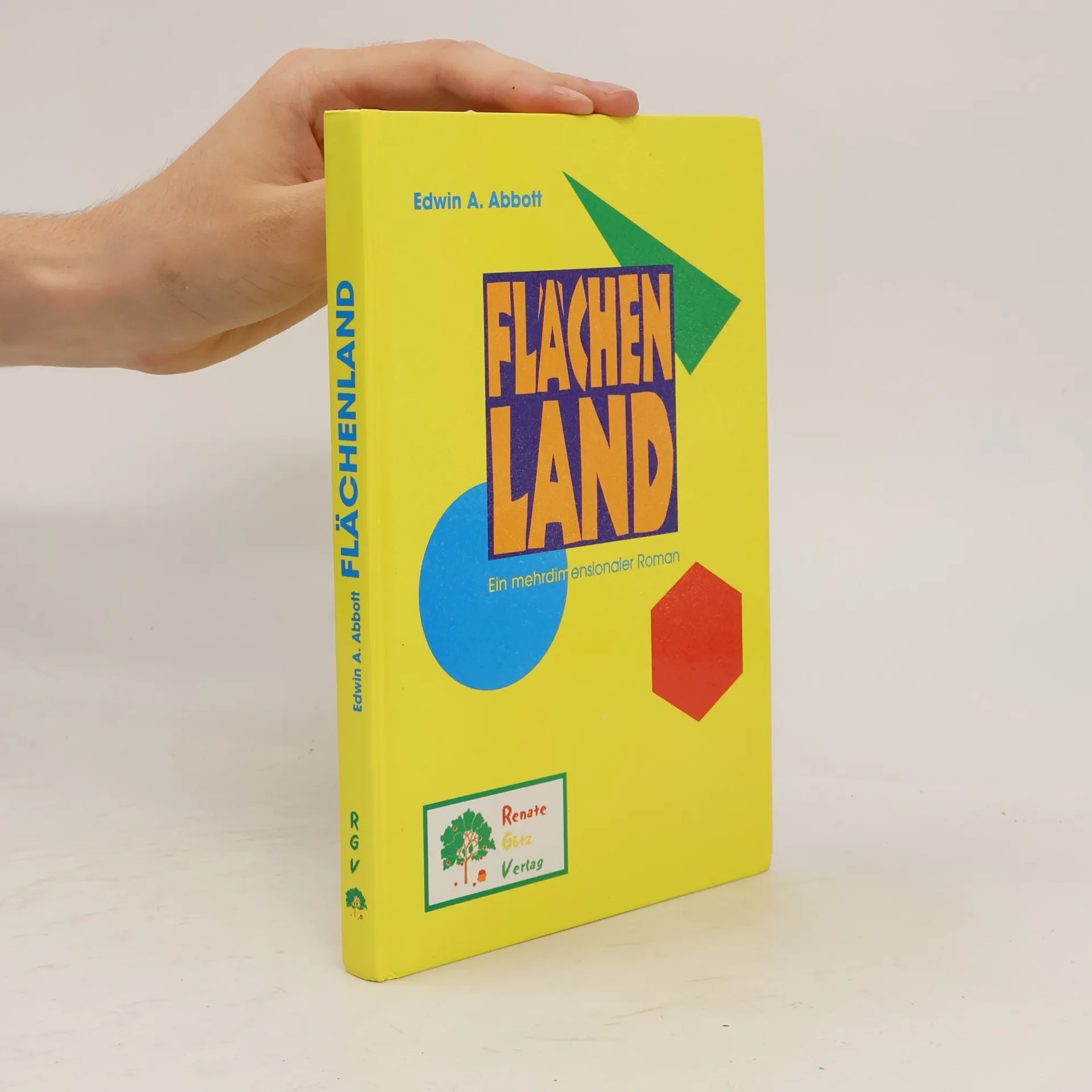
Flächenland
Ein Mehrdimensionaler Roman
A humorous examination with serious overtones of the concepts of space, time, and dimension.
Flatland
A Romance of Many Dimensions
A humorous examination with serious overtones of the concepts of space, time, and dimension.