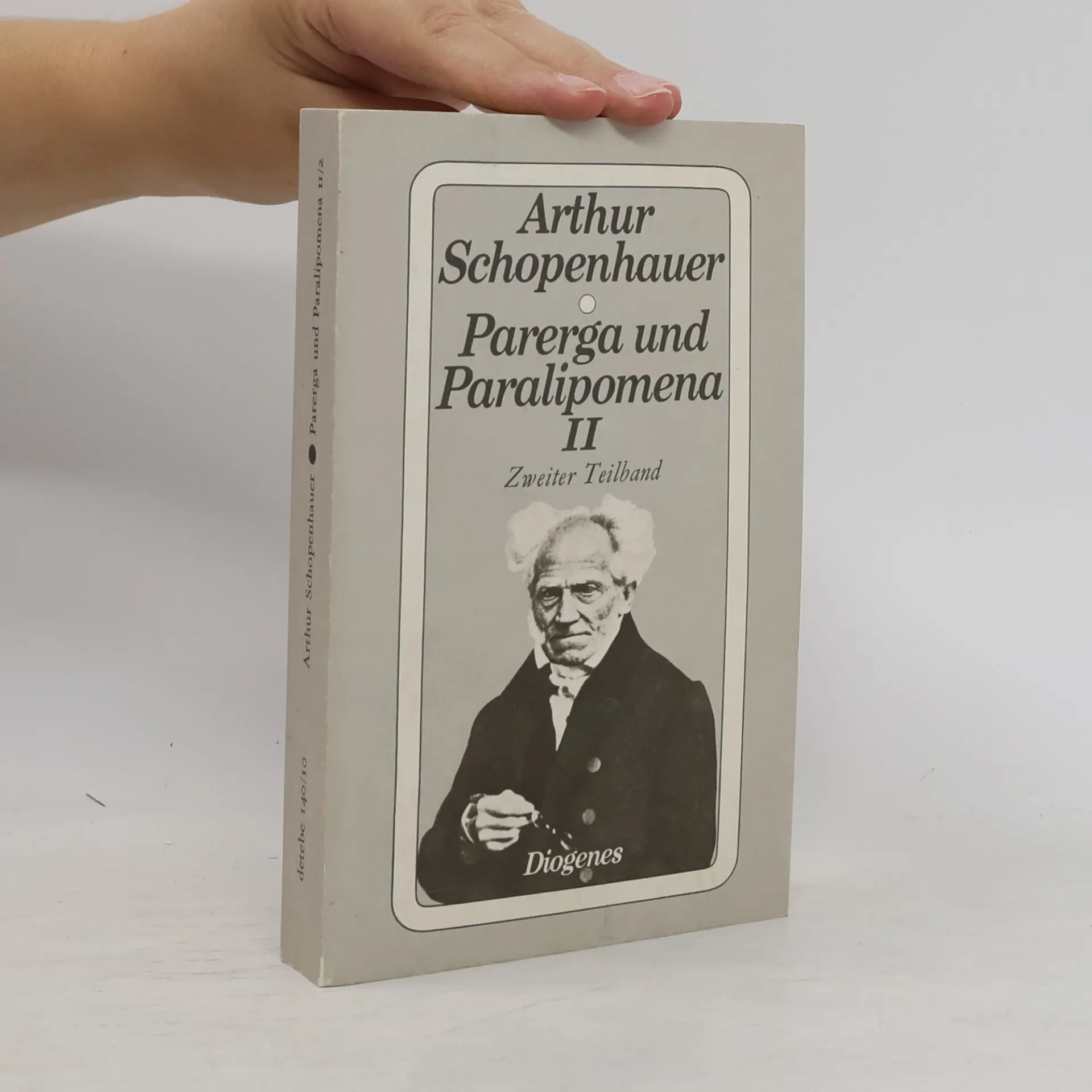

Parerga & paralipomena
- 950pages
- 34 heures de lecture
Arthur Schopenhauer fut un philosophe allemand, célèbre pour son exploration profonde du monde comme volonté et représentation. Il chercha à faire carrière dans le milieu universitaire en affinant et en développant la philosophie d'Emmanuel Kant concernant l'expérience humaine. Son œuvre plonge dans la nature fondamentale de l'existence et la condition humaine, faisant de lui une figure centrale de la pensée philosophique. La perspective distincte de Schopenhauer sur le pessimisme et l'éthique continue d'influencer le discours contemporain.


Cette édition Quadrige est la reprise de l'édition reliée parue en 1966 aux Puf et dont la 14e édition est parue en 1996. L'année du centenaire de sa mort 1960, des articles parus, la plupart considérait les publications du "vieux solitaire, irascible et grincheux" philosophe comme n'ayant plus qu'un intérêt historique d'autant que peu de textes étaient disponibles en français. L'avenir les détrompa. D'où l'intérêt de cette traduction qui permet de redécouvrir l'oeuvre et la pensée de Schopenhauer, initiateur entre autres de Nietzsche, Thomas Mann, André Gide, sans compter les "admirateurs" actuels. Lors de la première publication de l'ouvrage son auteur n'avait pas trente ans, les éditions suivantes ont été augmentées de commentaires qui parfois trahissent davantage la maturité et même la vieillesse d'où les critiques de "philosophe grincheux et solitaire"... Sa philosophie n'est pas celle d'un système mais davantage une vision intuitive augmentée au fil des années, qu'on accepte ou qu'on rejette, dont l'enseignement se rapproche de celui d'Epicure. Cet ouvrage est l'un des plus grands classiques de la philosophie à l'égal de la "Critique de la raison pure" de Kant.
La philosophie, telle que la comprend et la pratique Schopenhauer, est une chasse aux illusions. Dans l'Essai sur le libre arbitre, traduit en 1877 et jamais réédité depuis, il démontre que l'homme est incapable d'agir par lui-même et il relègue au rang de mirage cette mystérieuse faculté appelée libre arbitre. L'homme est prisonnier de lui-même. La seule liberté dont il puisse disposer est une connaissance approfondie de soi. Leçon que Freud, qui avait bien lu Schopenhauer, retiendra et qu'il appliquera sur un plan thérapeutique. Vision aussi très moderne de la condition humaine. Les hommes sont responsables de ce qu'ils font mais innocents de ce qu'ils sont. À l'homme d'assumer le hasard de ce qu'il est. Le caractère est un destin.
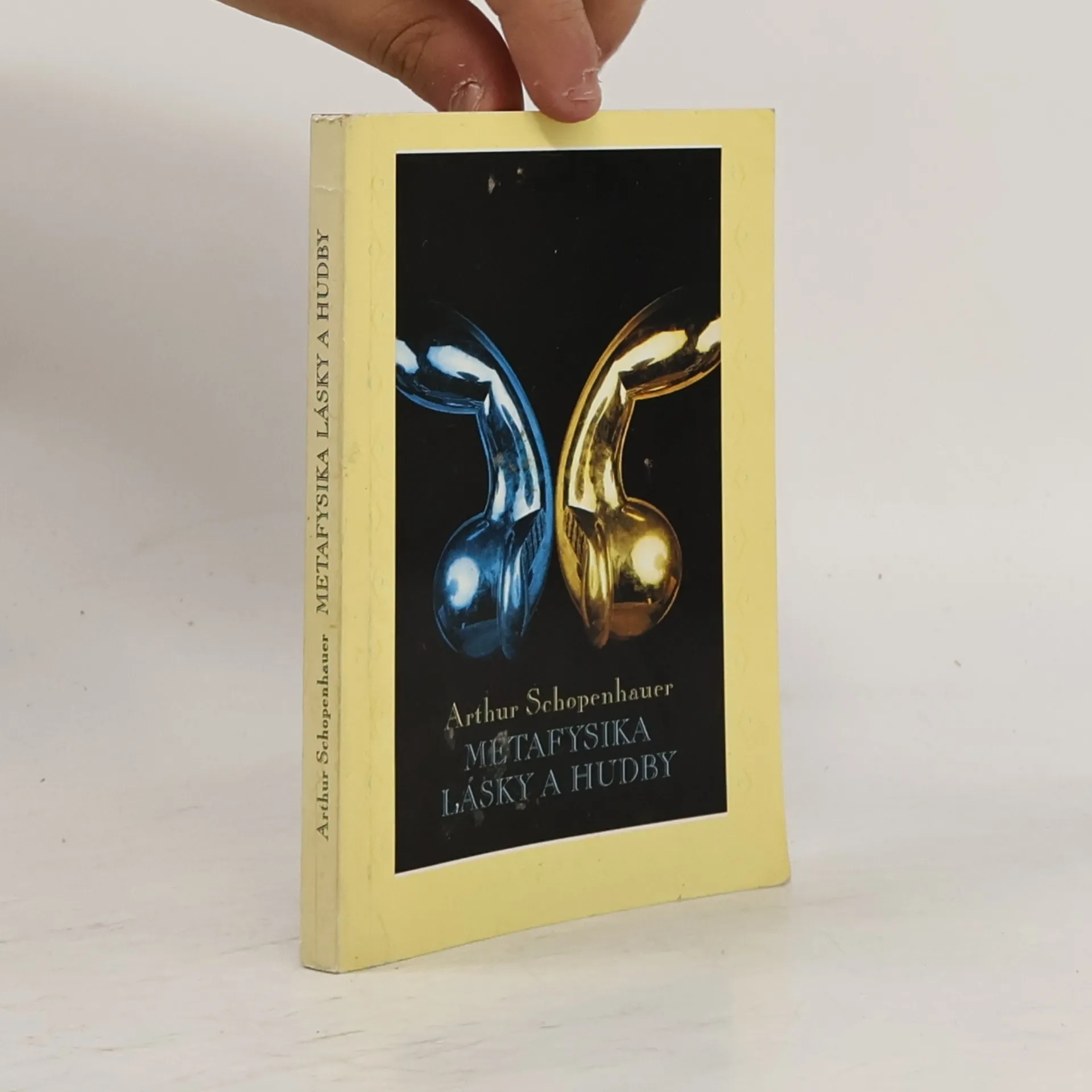
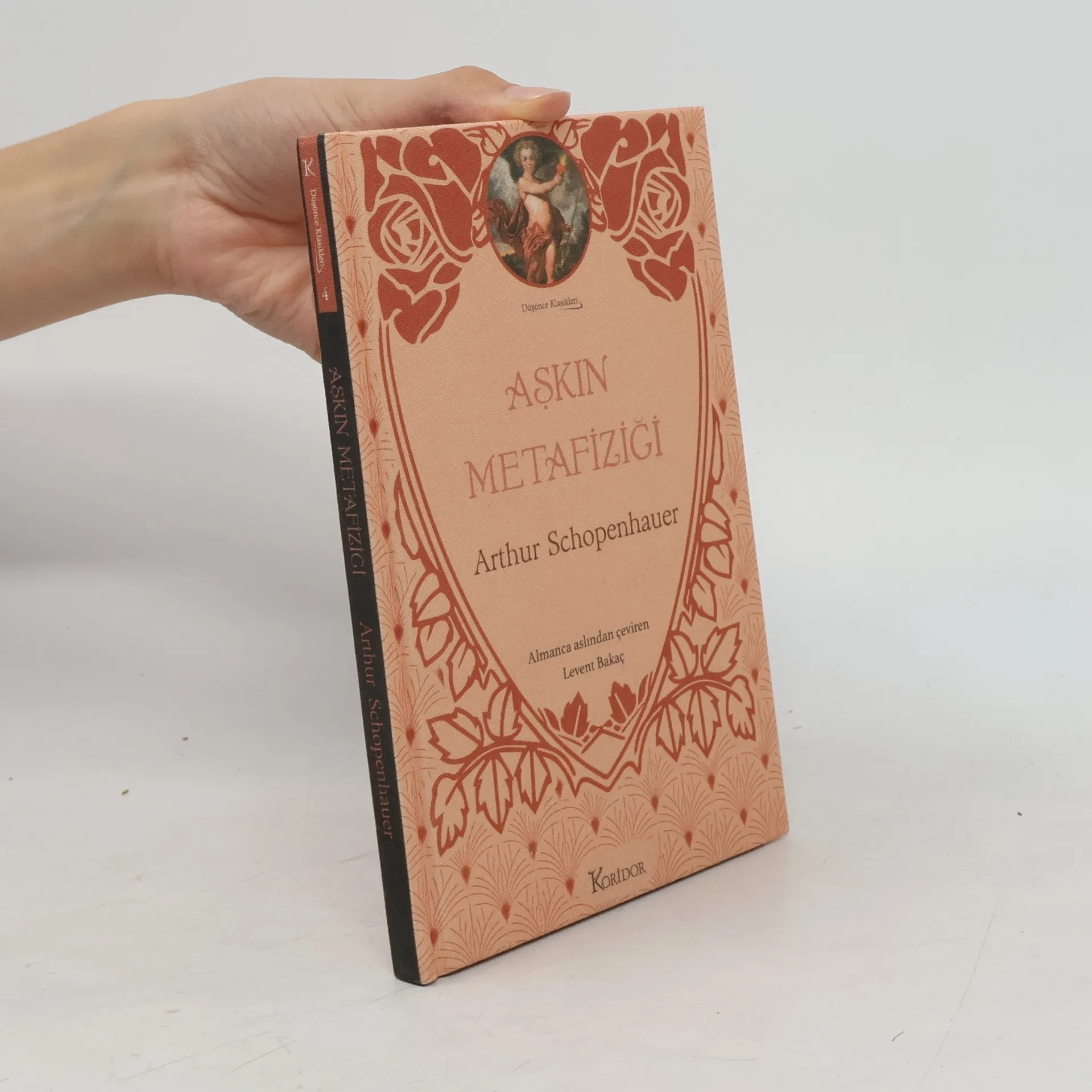
Il peut sembler qu'en publiant sous forme de livres séparés les deux textes de Schopenhauer intitulés 'Métaphysique de l'amour et Métaphysique de la mort', qui constituent deux chapitres des Compléments au Monde comme Volonté et Représentation, on aille contre les intentions de l'auteur, lequel nous avertit d'avoir, si on veut le comprendre, à lire intégralement tout ce qu'il a écrit. Cependant, cette exigence, qui est au fond celle de tous les philosophes, est en réalité moins impérieuse lorsqu'il s'agit de Schopenhauer.
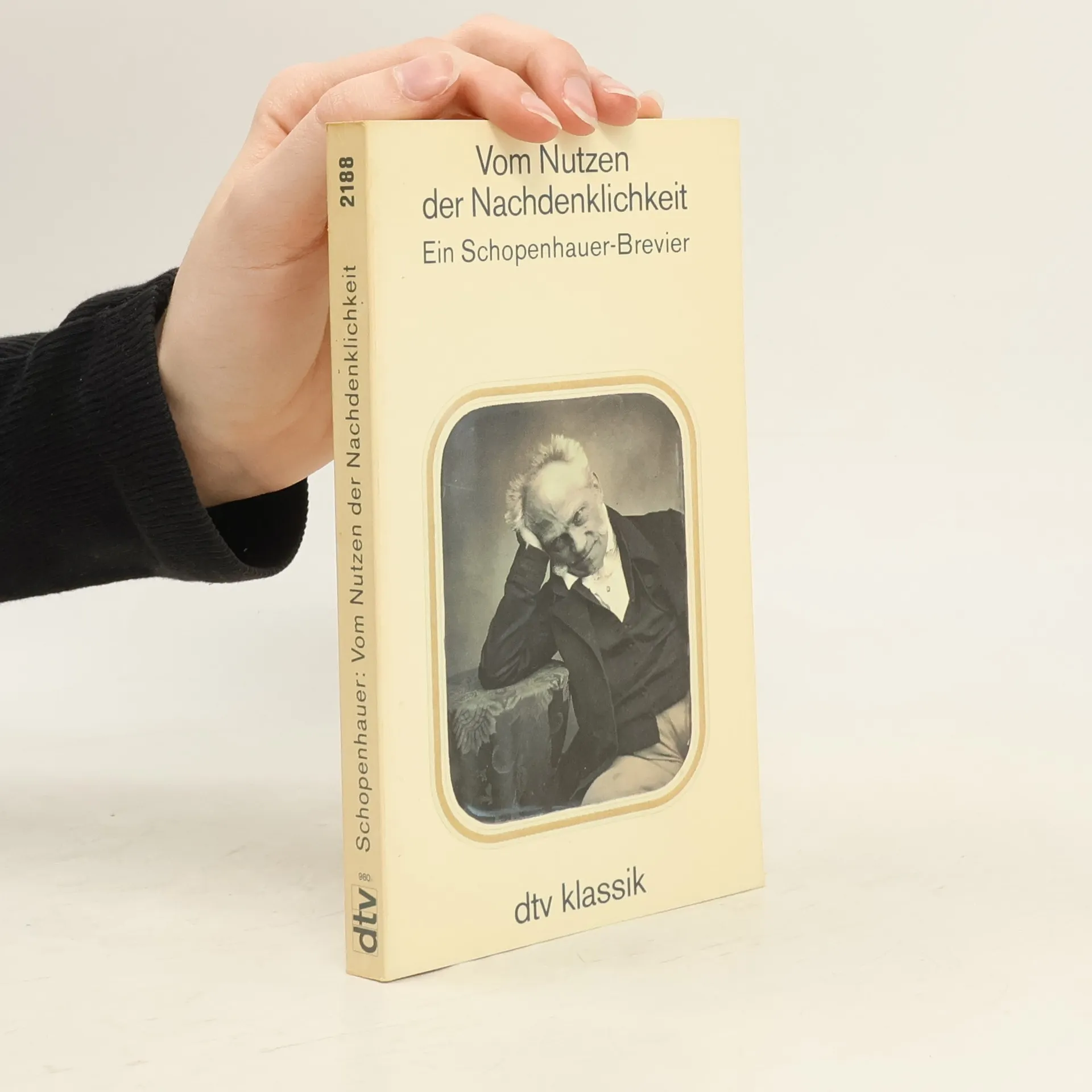
Un court traité à l'usage de quiconque croit sincèrement aux dividendes de la pensée. Rédigé à Berlin en 1830-31 , ce traité fut publié pour la première fois en 1864. Il est suivi dans la présente édition d'une postface de Franco Volpi.
L'art de l'insulte Après le succès de L'Art d'être heureux (" Points Essais ", 2013), Franco Volpi propose cette fois une anthologie thématique de la pratique de l'insulte, dont Schopenhauer le misanthrope était fervent défenseur dans ses écrits, mais aussi pratiquant assidu : " Que de fois m'a étonné l'intelligence de mon chien, mais sa bêtise aussi ; il en a été de même avec le genre humain. " Il en résulte ce petit ouvrage, qu'on pourrait considérer comme " posthume ", où l'on voit le pire de Schopenhauer – comme ses idées sur les femmes (" La femme, de par sa nature, est destinée à obéir ") – et plus d'une fois le meilleur, le Schopenhauer dérangeant, en pleine forme, cocasse, fin observateur des mœurs de son temps, sans oublier l'écrivain de talent. Arthur Schopenhauer (1788-1860) Connu surtout pour sa critique radicale de l'idéalisme allemand, sa réputation de penseur original tient à son principal ouvrage, Le Monde comme volonté et comme représentation, qui a influencé nombre d'écrivains et de philosophes des XIXe et XXe siècles. Textes réunis et présentés par Franco Volpi Traduit de l'allemand par Éliane Kaufholz-Messmer
With the publication of Parerga and Paralipomena in 1851, there finally came some measure of the fame that Schopenhauer thought was his due. Described by Schopenhauer himself as 'incomparably more popular than everything up till now', Parerga is a miscellany of essays addressing themes that complement his work The World as Will and Representation, along with more divergent, speculative pieces. It includes essays on method, logic, the intellect, Kant, pantheism, natural science, religion, education, and language. The present volume offers a new translation, a substantial introduction explaining the context of the essays, and extensive editorial notes on the different published versions of the work. This readable and scholarly edition will be an essential reference for those studying Schopenhauer, the history of philosophy, and nineteenth-century German philosophy.
With the publication of the Parerga and Paralipomena in 1851, there finally came some measure of the fame that Schopenhauer thought was his due. Described by Schopenhauer himself as 'incomparably more popular than everything up till now', the Parerga is a miscellany of essays addressing themes that complement his work The World as Will and Representation, along with more divergent, speculative pieces. It includes his 'Aphorisms on the Wisdom of Life', reflections on fate and clairvoyance, trenchant views on the philosophers and universities of his day, and an enlightening survey of the history of philosophy. The present volume offers a new translation, a substantial introduction explaining the context of the essays, and extensive editorial notes on the different published versions of the work. This readable and scholarly edition will be an essential reference for those studying Schopenhauer, the history of philosophy, and nineteenth-century German philosophy.
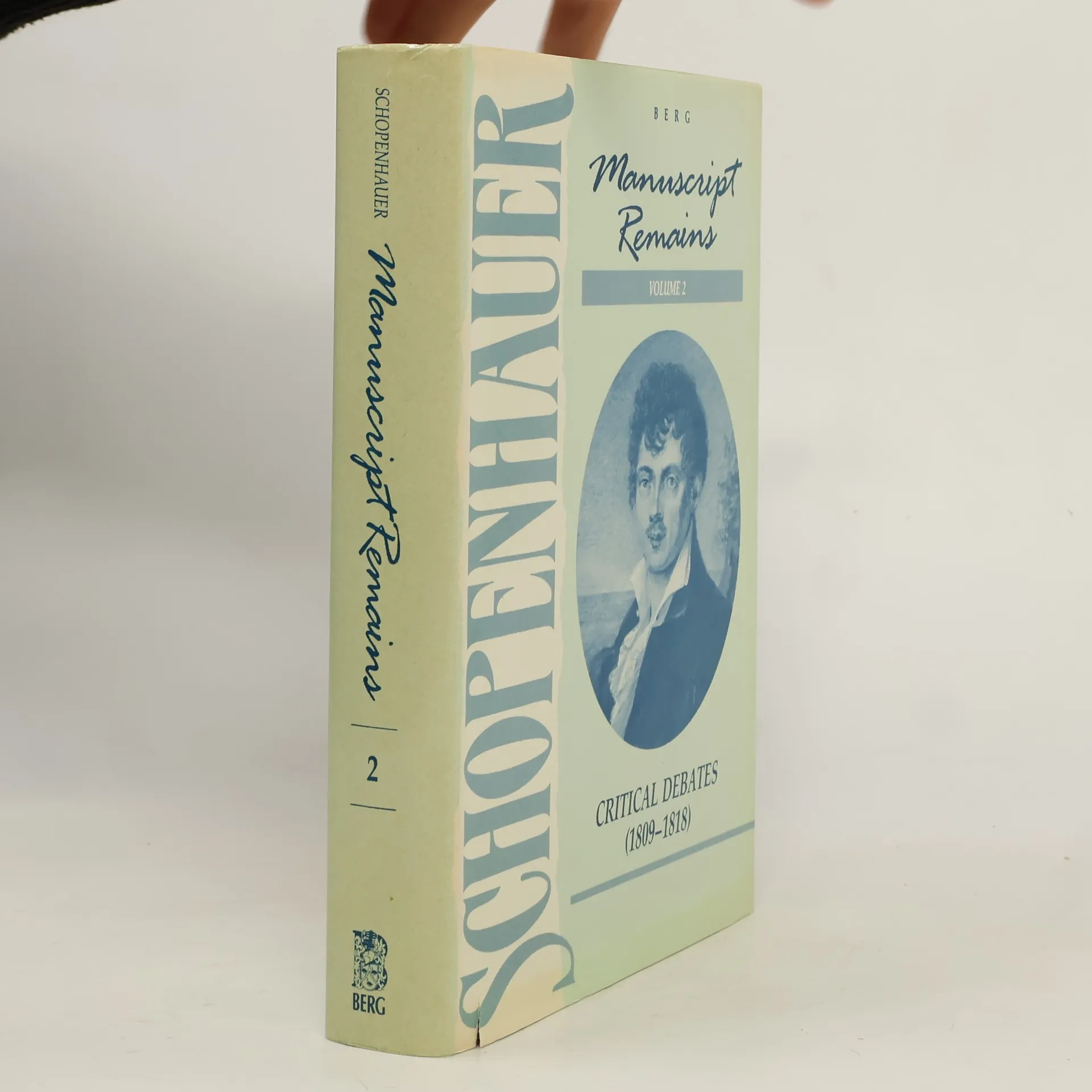
This historico-critical edition of Schopenhauer's manuscript remains contains Schopenhauer's entire surviving philosophical notes, from his university years until his death in 1860. Translated here into English for the first time, it provides a fascinating insight into the workings of Schopenhauer's mind and an important key to his philosophical work. Translated by E.F.J. Payne
This historico-critical edition of Schopenhauer's manuscript remains contains Schopenhauer's entire surviving philosophical notes, from his university years until his death in 1860. Translated here into English for the first time, it provides a fascinating insight into the workings of Schopenhauer's mind and an important key to his philosophical work.Translated by E.F.J. Payne.
This historico-critical edition of Schopenhauer's manuscript remains contains Schopenhauer's entire suviving philosophical notes, from his university years until his death in 1860. Translated here into English for the first time, it provides a fascinating insight into the workings of Schopenhauer's mind and an important key to his philosophical work.
Exploring profound themes such as possessions, reputation, and the nature of desire, Arthur Schopenhauer presents a candid analysis of the human condition in his works. He introduces the concept of "will" as a driving force that leads to suffering through relentless desires. Schopenhauer argues that true happiness can only be achieved by renouncing these impulses, offering a pragmatic solution to life's challenges. His engaging writing style and sharp wit make these philosophical insights accessible and thought-provoking.
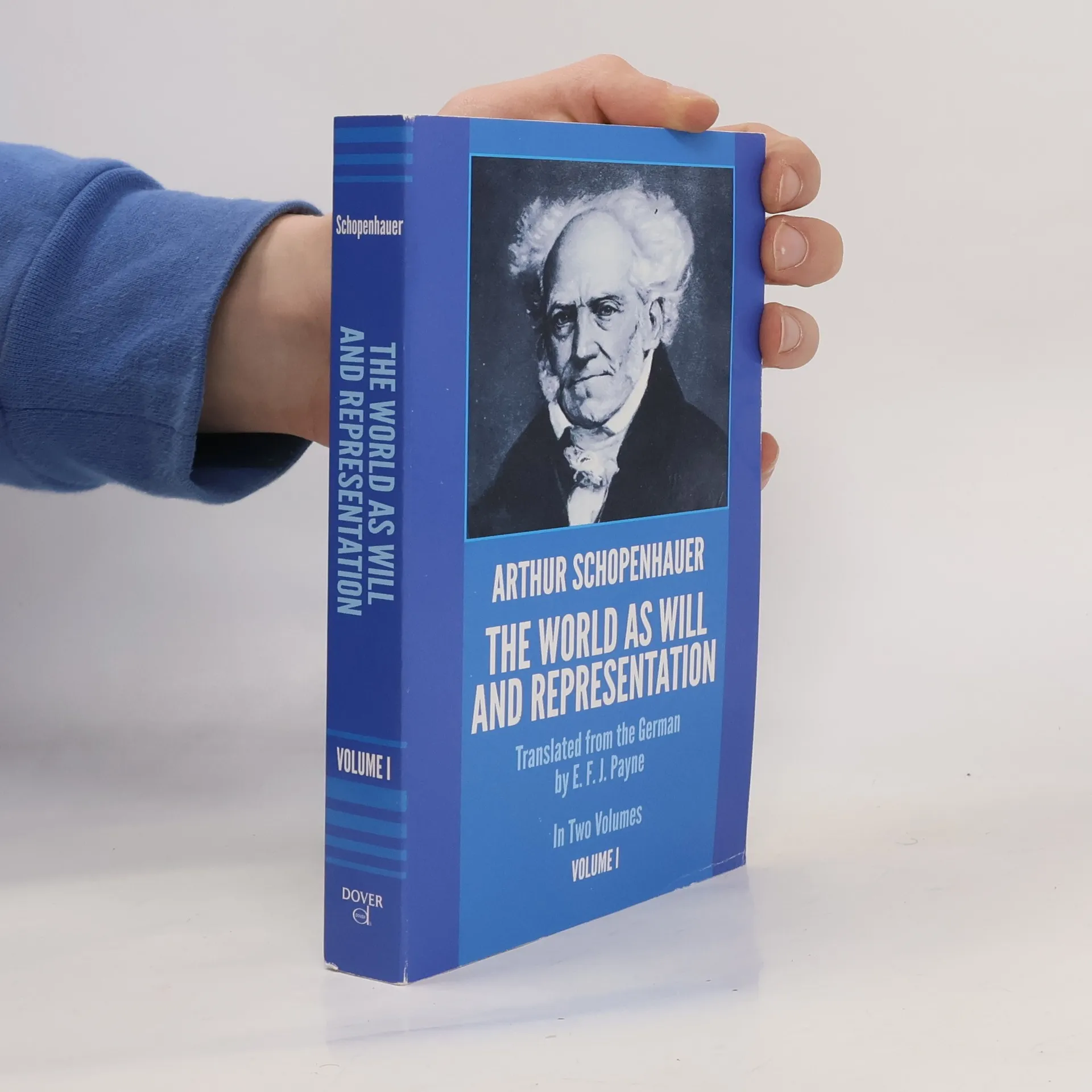
Volume 2 of the definitive English translation of one of the most important philosophical works of the 19th century, the basic statement in one important stream of post-Kantian thought. Corrects nearly 1,000 errors and omissions in the older Haldane-Kemp translation. For the first time, this edition translates and locates all quotes and provides full index.
Exploring the nature of reality, Arthur Schopenhauer presents a philosophy that transcends sensory perception, arguing that our understanding is limited to personal interpretation. He diverges from Kant's ethical views, emphasizing the significance of inner experiences driven by the Will. Schopenhauer's insights into the human condition reveal a cycle of insatiable desires leading to suffering, with true happiness remaining elusive. This third volume of his seminal work, "The World as Will and Representation," is recognized as a pivotal text in post-Kantian philosophy.
Exploring the concept of existence driven by an insatiable will, this second volume of Arthur Schopenhauer's influential treatise delves into profound philosophical insights that summarize his extensive contemplation. Ideal for psychology students and philosophy enthusiasts, it offers a significant perspective on human motivation and desire. The modern edition includes a new biography of Schopenhauer, enhancing the reader's understanding of this seminal German philosopher's impact on the 19th century and beyond.
Exploring themes of style, authorship, and the nature of genius, this collection features essays by the renowned philosopher Arthur Schopenhauer. His writing is characterized by clarity and a dry wit, making complex ideas accessible without the need for footnotes. Schopenhauer's influence extends across various fields, impacting notable philosophers, psychologists, and artists. His reflections not only delve into the essence of literature and art but also highlight the importance of independent thought and criticism in creative expression.
Arthur Schopenhauer's Die Welt als Wille und Vorstellung is one of the most important philosophical works of the 19th century, the basic statement of one important stream of post-Kantian thought. It is without question Schopenhauer's greatest work, and, conceived and published before the philosopher was 30 and expanded 25 years later, it is the summation of a lifetime of thought. For 70 years, the only unabridged English translation of this work was the Haldane-Kemp collaboration. In 1958, a new translation by E. F. J. Payne appeared which decisively supplanted the older one. Payne's translation is superior because it corrects nearly 1,000 errors and omissions in the Haldane-Kemp translation, and it is based on the definitive 1937 German edition of Schopenhauer's work prepared by Dr. Arthur Hubscher. Payne's edition is the first to translate into English the text's many quotatioins in half a dozen languages, and Mr. Payne has provided a comprehensive index of 2,500 items. It is thus the most useful edition for the student or teacher.
A new, comprehensive English anthology What is the meaning of life? How should I live? Is there any purpose to the universe? Generations have turned to the great German philosopher Arthur Schopenhauer for answers to such essential questions of existence. His influence has extended not only to later philosophers—Nietzsche, Freud, and Wittgenstein among them—but also to musicians, artists, and important novelists such as Tolstoy, Thomas Mann, and Proust. The Essential Schopenhauer, the most comprehensive English anthology now available of this seminal thinker’s writings, will open English readers to Schopenhauer’s profound ideas. Selected by Wolfgang Schirmacher, president of the International Schopenhauer Association, The Essential Schopenhauer is an invaluable and accessible introduction to Schopenhauer’s powerful body of work.
Exploring the philosophical pessimism of Schopenhauer, this collection features English translations of essays from "Parerga and Paralipomena," which was published in 1851 to complement his earlier works. T. Bailey Saunders' translations, initiated in the late 19th century, offer valuable insights into Schopenhauer's thoughts and reactions to post-Kantian romanticism. This edition, printed on premium acid-free paper, serves as an excellent resource for those looking to deepen their understanding of Schopenhauer's significant contributions to Western philosophy.
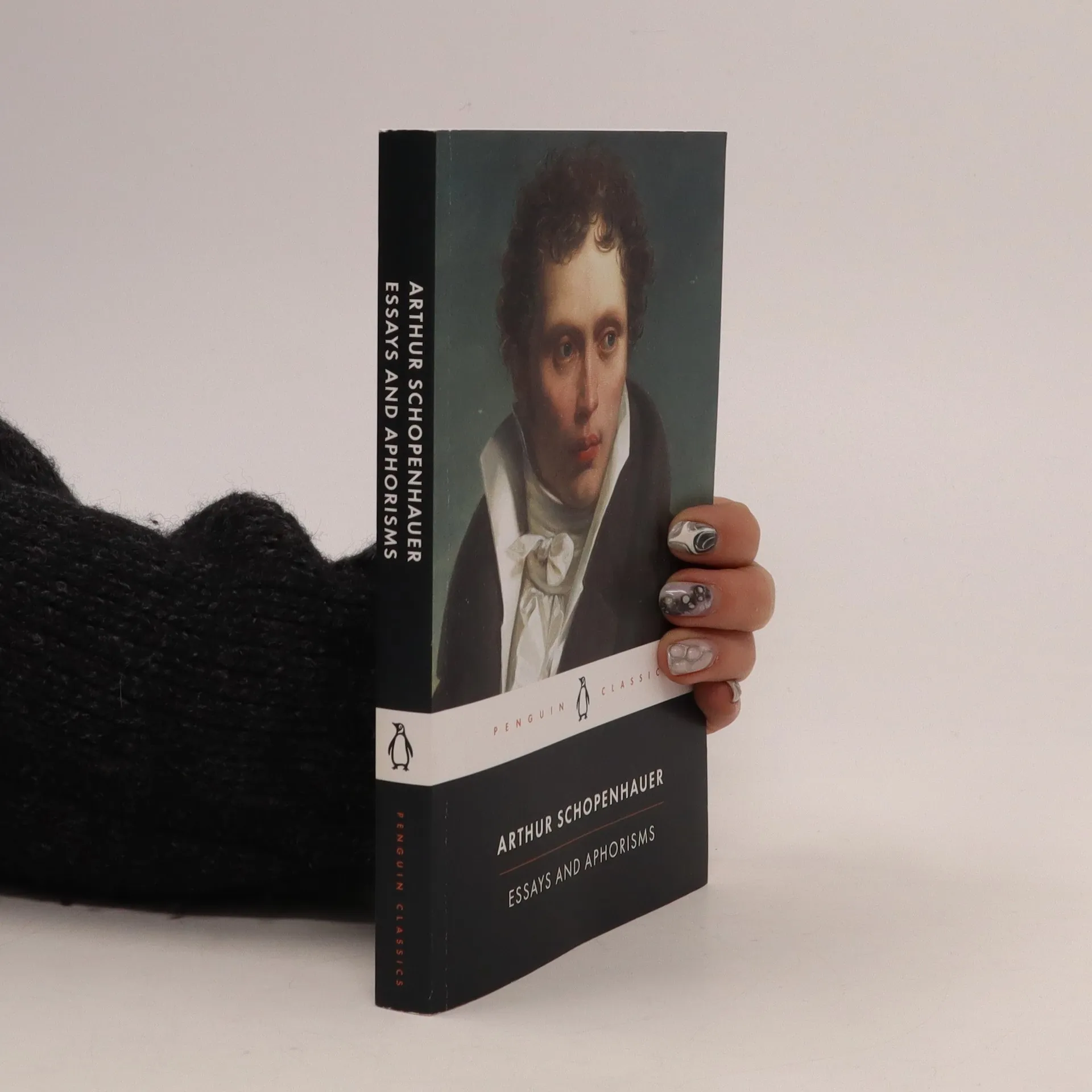
Exploring the complexities of human existence, this collection presents Arthur Schopenhauer's profound philosophical insights from the mid-1800s. His essays delve into themes such as free will, the pursuit of happiness, and the inherent pain tied to unfulfilled desires. Blending pessimism with Eastern thought, Schopenhauer examines art, beauty, and a contemplative lifestyle as means to transcend life's struggles. He also critiques social norms, advocating for kindness and empathy. This influential work remains a cornerstone of existential philosophy, challenging conventional beliefs and offering a fresh perspective on human life.
One of the greatest philosophers of the nineteenth century, Schopenhauer (1788-1860) believed that human action is determined not by reason but by 'will' - the blind and irrational desire for physical existence. This selection of his writings on religion, ethics, politics, women, suicide, books and many other themes is taken from Schopenhauer's last work, Parerga and Paralipomena, which he published in 1851. These pieces depict humanity as locked in a struggle beyond good and evil, and each individual absolutely free within a Godless world, in which art, morality and self-awareness are our only salvation. This innovative - and pessimistic - view has proved powerfully influential upon philosophy and art, directly affecting the work of Nietzsche, Wittgenstein and Wagner among others.
Exploring the philosophical insights of Arthur Schopenhauer, this work delves into his views on pessimism, the nature of reality, and the human condition. Schopenhauer's unique perspective emphasizes the role of desire and suffering in life, challenging readers to confront the darker aspects of existence. Through a blend of metaphysics and psychology, he offers a profound understanding of the human experience, influencing a wide range of thinkers and artists. The text serves as a gateway to his influential ideas and their lasting impact on philosophy.
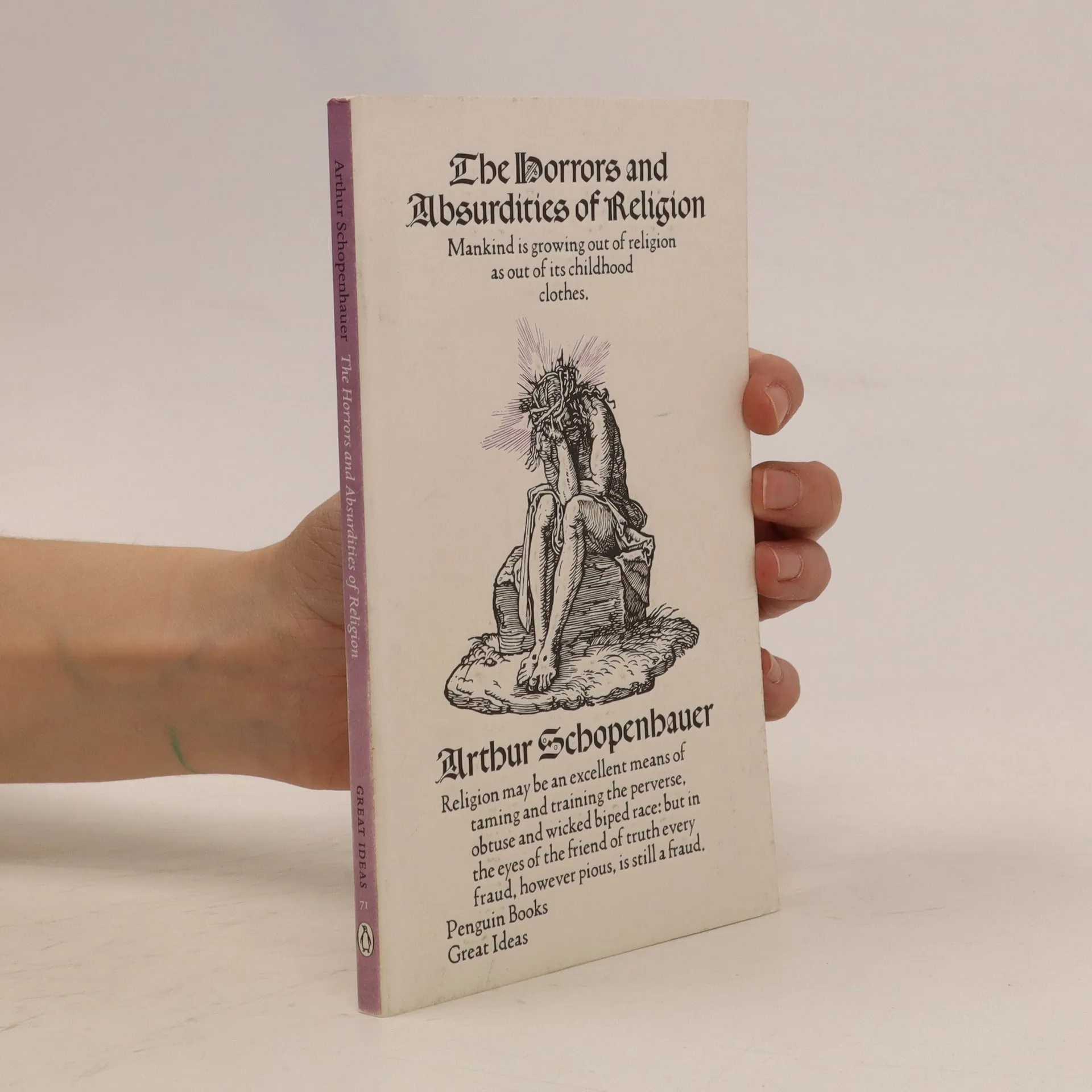
A fascinating examination of ethics, religion and psychology, this selection of Schopenhauer's works contains scathing attack on the nature and logic of religion, and an essay on ethics that ranges from the American slavery debate to the vices of Buddhism. Throughout history, some books have changed the world. They have transformed the way we see ourselves - and each other. They have inspired debate, dissent, war and revolution. They have enlightened, outraged, provoked and comforted. They have enriched lives - and destroyed them. Now Penguin brings you the works of the great thinkers, pioneers, radicals and visionaries whose ideas shook civilization and helped make us who we are.
A collection of essays by Schopenhauer on the perception of the importance of art, morality and self awareness in a blind struggle against a Godless, meaningless world radically transformed our understanding of the individual and remains a searing vision of the human condition.
Exploring profound themes such as free will, morality, and the essence of humanity, this collection of essays by Arthur Schopenhauer showcases his accessible prose and dry wit. Renowned for his influence on a wide array of thinkers and artists, Schopenhauer's reflections are both insightful and engaging, devoid of complex jargon. The book includes a biographical sketch and an introduction, providing context for his philosophical contributions, which blend Western and Eastern thought. Illustrated and part of the European Writers Series, it spans 144 pages.
Translated From The German By R. B. Haldane, M.A. And J. Kemp, M.A.; Complete Edition Of Three Volumes, Vol. I. - III.
Exploring the philosophical concepts of will and representation, this complete edition delves into the nature of reality and perception as articulated by Arthur Schopenhauer. The three volumes offer a comprehensive translation of his seminal work, emphasizing the interplay between desire, suffering, and the human experience. Schopenhauer's insights challenge conventional views, making profound connections between metaphysics and psychology, while influencing later thinkers and movements. This edition provides a thorough understanding of his ideas for both scholars and enthusiasts.
New Large Print Edition including a biographical note
The essays offer insightful critiques of life from a seasoned observer with extensive worldly experience. Schopenhauer's unique ability to perceive and analyze the intricacies of existence provides readers with profound reflections on the human condition, showcasing his inspired observational skills.
Translated From The German By R. B. Haldane, M.A. And J. Kemp, M.A.; In Three Volumes - Vol. III.
Exploring the philosophical concepts of will and representation, this volume delves into Schopenhauer's ideas on the nature of reality and human experience. It examines the interplay between desire and suffering, emphasizing the role of art and aesthetics as a means of transcending the will. The translation by R. B. Haldane and J. Kemp aims to convey the depth of Schopenhauer's thought, making complex ideas accessible to readers. This third volume continues the profound inquiry into existence and the human condition.
Focusing on metaphysics and ethics, Arthur Schopenhauer was a pivotal German philosopher whose ideas shaped the course of modern philosophy. His profound insights and unique perspectives left a lasting impact on later thinkers, including Friedrich Nietzsche, highlighting his significance in the German philosophical tradition. Schopenhauer's exploration of human existence and the nature of reality continues to resonate in contemporary philosophical discussions.
Counsels and Maxims : Translated by T. BaiIey Saunders
Focusing on the nature of existence, Schopenhauer's philosophy presents a world driven by a blind, insatiable will, contrasting sharply with the ideals of his contemporaries. He builds upon Kant's transcendental idealism while introducing an atheistic metaphysical system that embraces concepts from Indian philosophy, including asceticism and self-denial. His influential work embodies philosophical pessimism, challenging prevailing notions of idealism and offering a profound critique of human desire and suffering.
Focusing on religion and philosophy, this collection features Arthur Schopenhauer's critical essays that delve into ethics, free will, and human nature. The centerpiece, "Religion: A Dialogue," critiques organized religion and advocates for personalized spirituality, while questioning traditional beliefs about the divine. Additional essays, like "The Christian System," challenge Christian teachings, and "On Books and Reading" reflects on literature's significance. Schopenhauer's insights provide a compelling exploration of philosophical and religious themes that resonate in contemporary thought.
Arthur Schopenhauer's metaphysical theory emphasizes the dominance of will over intellect, shaping the thoughts of influential figures like Nietzsche, Wagner, Wittgenstein, and Freud. His ideas explore the complexities of human motivation and existence, offering profound insights that resonate across various fields of philosophy and art. Schopenhauer's work invites readers to reconsider the nature of desire and the human condition, marking him as a pivotal figure in the development of modern thought.
Translated From The German By R. B. Haldane, M.A. And J. Kemp, M.A.; In Three Volumes - Vol. II.
Exploring the philosophical concepts of will and representation, this volume delves into Schopenhauer's metaphysics and aesthetics. It examines the nature of reality as shaped by human perception and desire, emphasizing the interplay between the will to live and the pursuit of artistic expression. Through a critical analysis of various philosophical ideas, it challenges readers to consider the underlying forces that drive existence and influence the human experience. This work is essential for those interested in philosophy, art, and the nature of reality.
Exploring the nature of human happiness, this philosophical essay dissects happiness into three components while offering practical guidelines for achieving pleasure and success. Schopenhauer emphasizes the importance of individual willpower and rational thought over societal impulses. His insights encourage readers to strive for a life that transcends mere existence, advocating for a deeper fulfillment and purpose. This final work serves as a reflective guide on living life to its fullest potential.
The Art of Literature : Translated by T. BaiIey Saunders
The book explores the philosophy of Arthur Schopenhauer, highlighting his key work, which presents the world as a manifestation of a blind, insatiable will. It delves into his rejection of German idealism and his embrace of transcendental idealism, influenced by Kant. Schopenhauer's unique perspective incorporates elements of Indian philosophy, such as asceticism and self-denial, contributing to his reputation as a pioneer of philosophical pessimism. His ideas offer a profound critique of contemporary thought and explore the nature of existence.
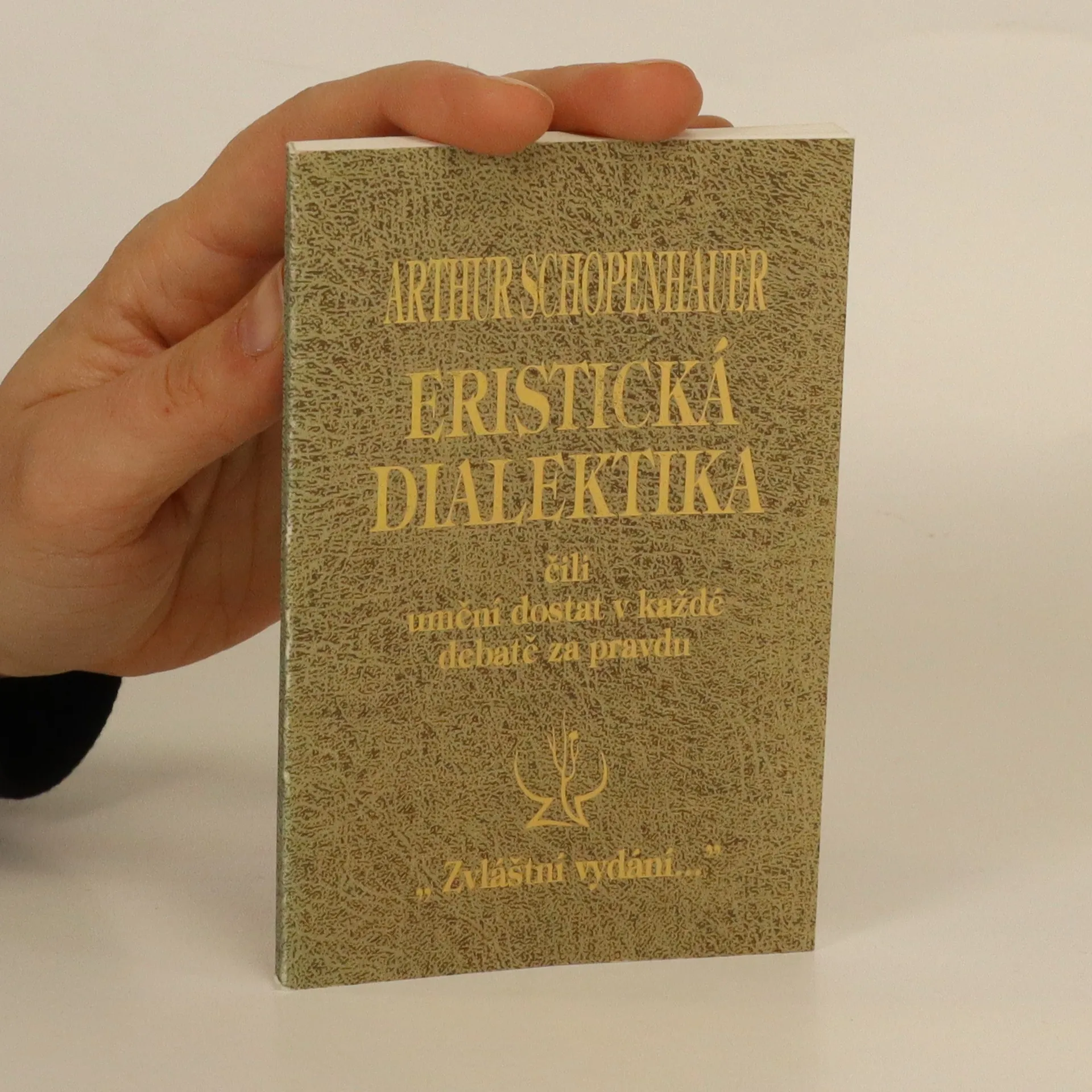
První kompletní české vydání hlavního Shopenhauerova díla ve dvou svazcích.
This historico-critical edition of Schopenhauer's manuscript remains contains Schopenhauer's entire suviving philosophical notes, from his university years until his death in 1860. Translated here into English for the first time, it provides a fascinating insight into the workings of Schopenhauer's mind and an important key to his philosophical work.Translated by E.F.J. Payne.
Hlavné dielo Arthura Schopenhauera, ktoré vychádza na Slovensku prvý raz, je výsledkom autorovho celoživotnéh myšlienkového úsilia a predstavuje ucelený súhrn jeho filozofických názorov a životných postojov. Pozostáva z dvoch zväzkov. Prvý zväzok načrtáva tridsaťročný Schopenhauer s geniálnym rozmachom za jediný rok a podáva v ňom systematický výklad celej svojej voluntaristickej filozofickej koncepcie. Druhý zväzok vzniká pomaly a postupne v priebehu ďalších dvadsiatich piatich rokov filozofovho života. Prvý raz vychádza v roku 1844 ako súčasť druhého vydania práce. Tvoria ho štyri knihy doplnkov k prvému zväzku, v ktorých podrobnejšie rozpracúva, ilustruje a a komentuje nosné idey svojho filozofického systému.
První kompletní české vydání hlavního Shopenhauerova díla ve dvou svazcích.
Druhý zväzok vzniká pomaly a postupne v priebehu ďalších dvadsiatich piatich rokov Schopenhauerovho života. Prvý raz vychádza v roku 1844 ako súčasť druhého vydania práce. Tvoria ho štyri knihy doplnkov k prvému zväzku, v ktorých podrobnejšie rozpracúva, ilustruje a komentuje nosné idey svojhofilozofického systému. Tieto doplnky podobne ako jednotlivé paragrafy prvého zväzku majú charakter samostatných, ucelených filozofických esejí a vyznačujú sa brilantným jazykom a vybrúseným literárnym štýlom.
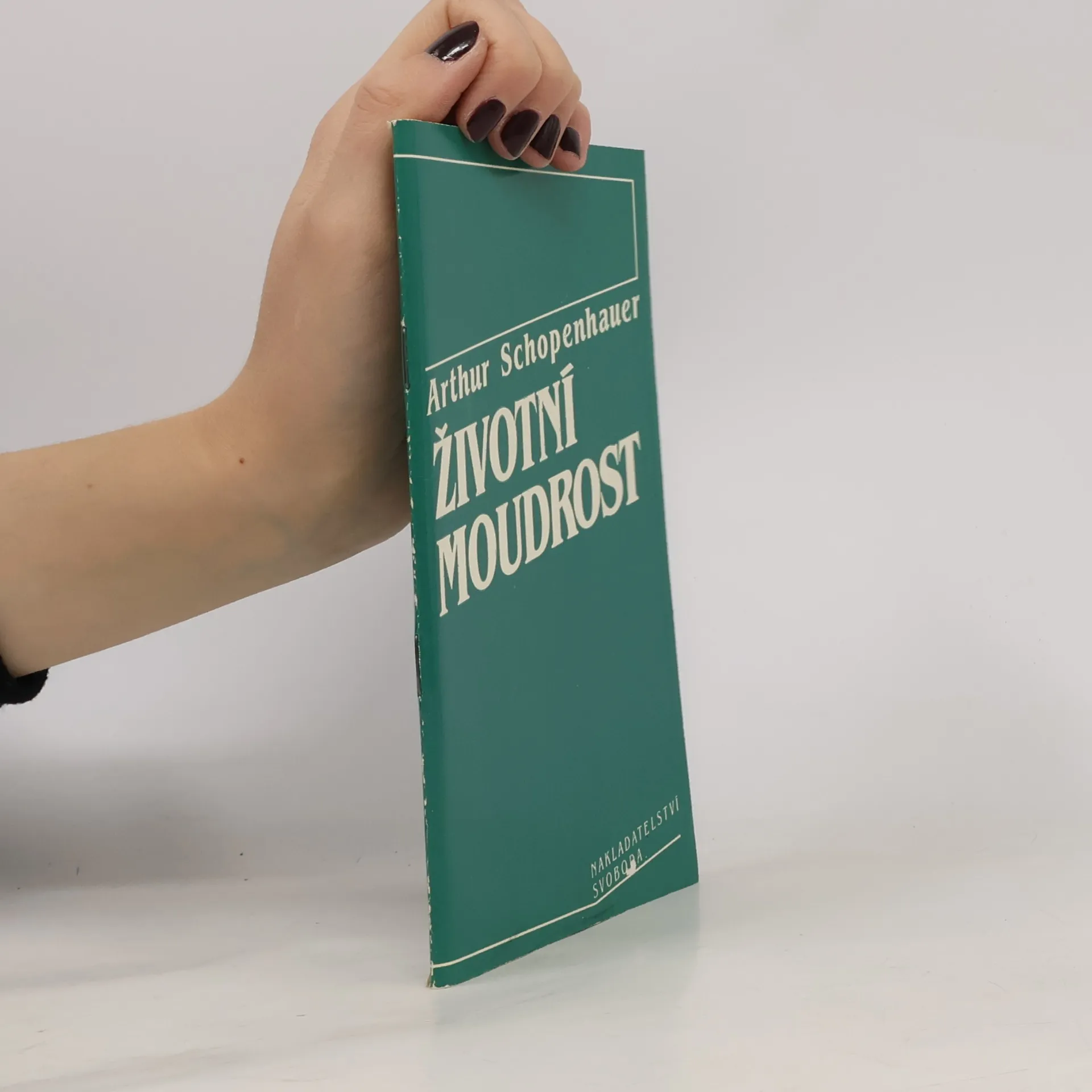
Známý německý filosof devatenáctého století podává v této knížce souhrn své životní moudrosti v praktickýchh radách, jak dosíci životního štěstí.Není tu žádná abstraktní filosofie, nýbrž duchaplné, paradoxní a zábavné stati o tom, jak má člověk hospodařit se svými tělesnými a hlavně ovšem duševními silami, jak se má vyhýbat všem životním nepříjemnostem u sebe i ve styku se společností, a hlavně o tom, že pravé štěstí člověka je v něm samém, v jeho vědomostech, schopnostech a vědomí, a v tom, jak je dovede správně užívat.
První kompletní české vydání hlavního Shopenhauerova díla ve dvou svazcích.
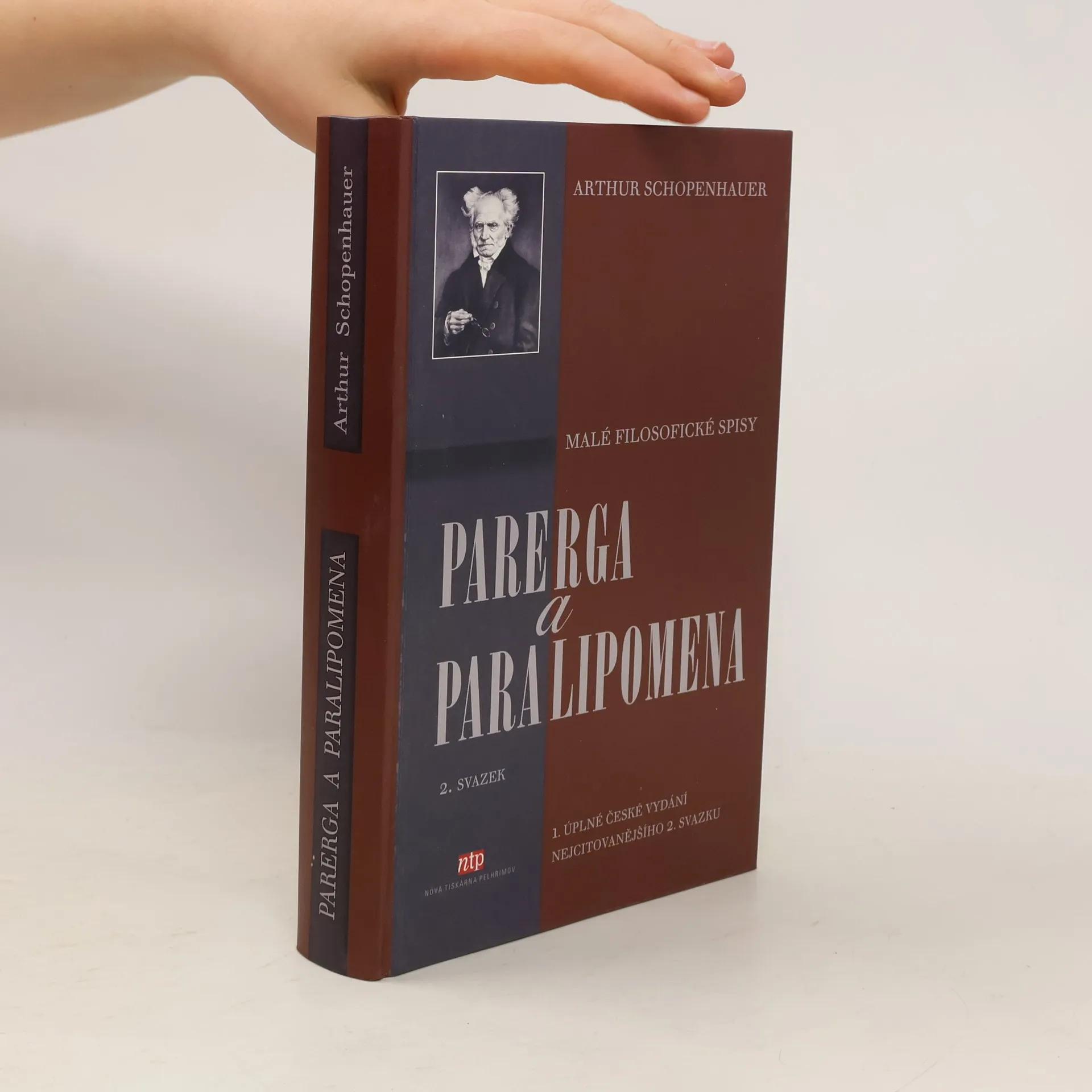
Kniha je prvním úplným českým překladem druhého svazku Schopenhauerových Parerg a paralipomen, čili krátkých filozofických esejů.
stw 661–665. Die Bände sind auch einzeln erhältlich
Arthur Schopenhauer wurde am 22. Februar 1788 in Danzig geboren. Sein Vater entstammte einer angesehenen Danziger Kaufmannsdynastie, seine Mutter Johanna Schopenhauer wurde später eine bekannte Schriftstellerin. Als Kind zog er mit seiner Familie nach Hamburg, wo der Vater 1805 verstarb. Während Schopenhauers Mutter und Schwester nach Weimar übersiedelten, blieb er in Hamburg und konnte durch seinen Anteil am väterlichen Erbe frei von finanziellen Sorgen leben. 1809 begann er an der Universität Göttingen ein Studium der Medizin, das er jedoch bald zugunsten der Philosophie aufgab. Über seine in Weimar lebende Mutter wurde er mit Goethe bekannt. 1816 veröffentlichte Schopenhauer eine eigene Farbenlehre mit dem Titel Ueber das Sehn und die Farben, was zu einer Verstimmung mit Goethe führte. 1819 erschien Schopenhauers Hauptwerk Die Welt als Wille und Vorstellung, das im Laufe der Jahre von ihm jedoch noch erheblich erweitert wurde. 1820 begann Schopenhauer an der noch jungen Berliner Universität zu lehren. Er war ein bedeutender Schüler Kants und vertrat als einer der ersten Philosophen im deutschsprachigen Raum die Überzeugung, daß der Welt ein unvernünftiges Prinzip zugrundeliege. Schopenhauer starb am 21. September 1860 in Frankfurt am Main.
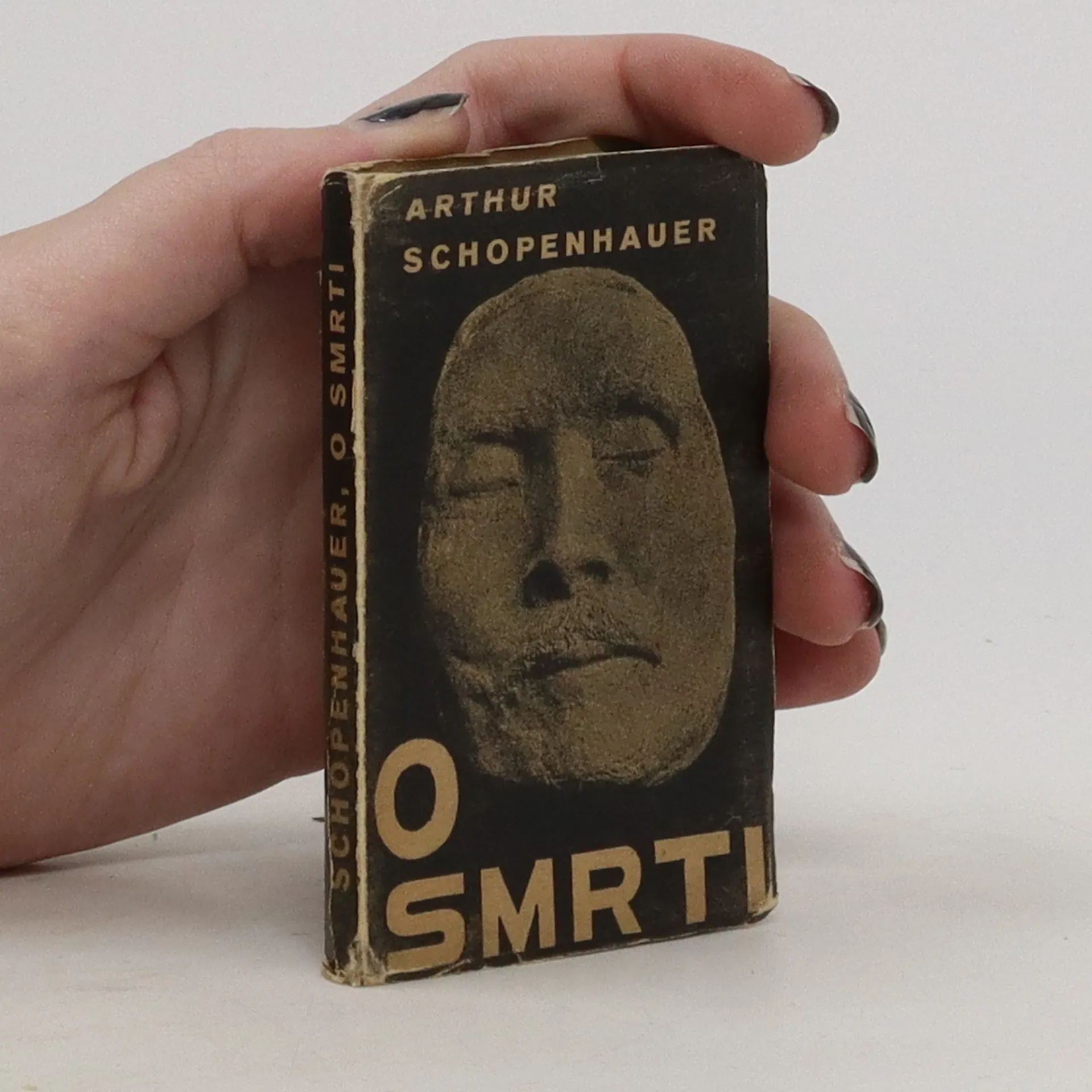
Esej o tom, že se nás smrt netýká. Překlad brožurky, kterou do 1. světové války fasovali němečtí vojáci.
Svazek obsahuje tři spisy významného německého filozofa (17881860): O čtverém kořeni věty o dostatečném důvodu; O vůli v přírodě; Dva základní problémy etiky. Přeložil Milan Váňa a předmluvu napsal Ladislav Major.
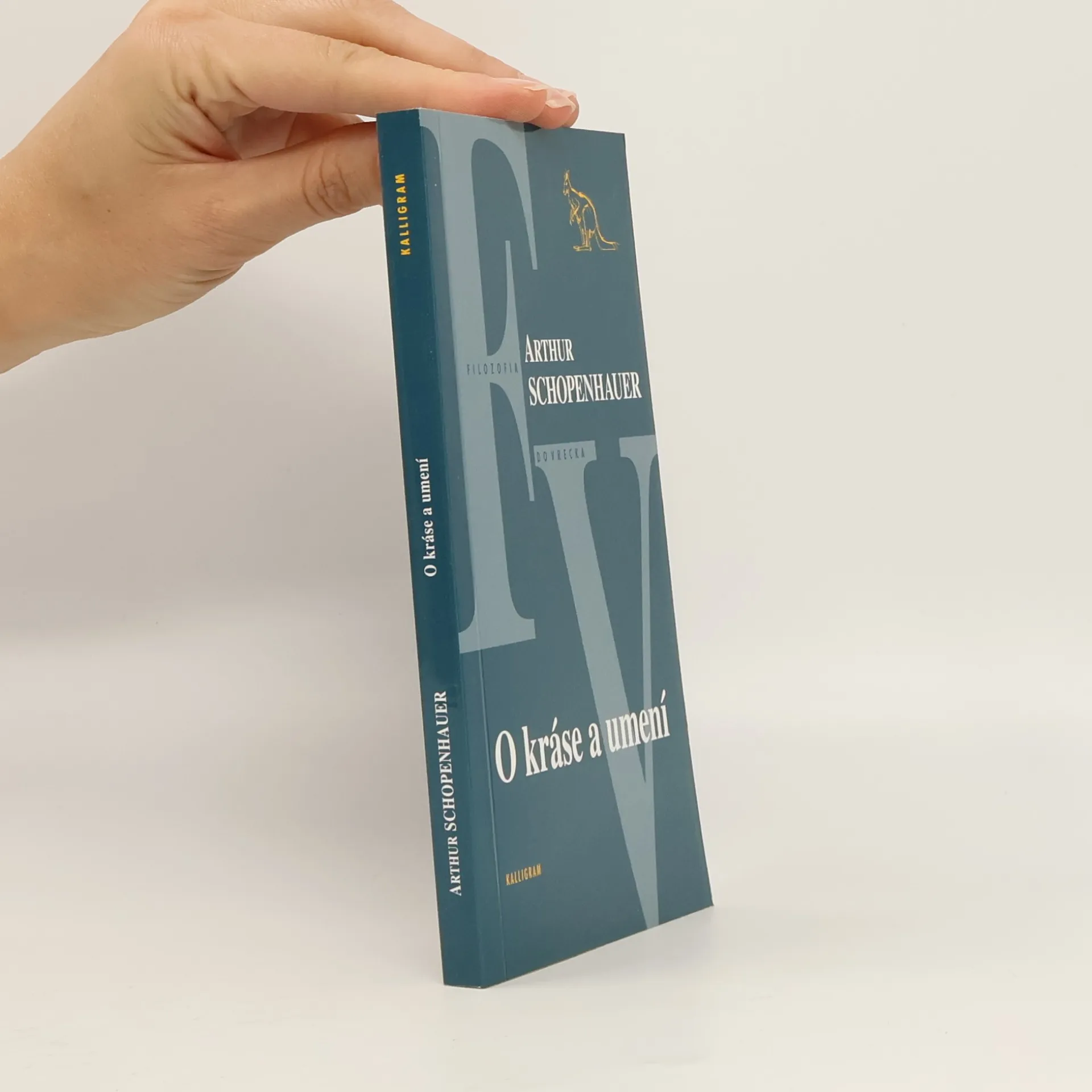
Arthur Schopenhauer je jednou z najosobitejších postáv nemeckého filozofického myslenia 19. storočia. Jeho pesimistická filozofická koncepcia, ktorá sa označuje ako voluntaristický idealizmus, nadobudla veľký vplyv najmä v druhej polovici 19. storočia, a to nielen vo filozofických kruhoch, ale aj v širšom umeleckom a intelektuálnom prostredí. V publikácii O kráse a umení vyslovuje tento filozof svoje názory na krásu estetiku a umenie. Schopenhauer chápe umenie ako poznanie, ktoré človeku umožňuje oprostiť sa na čas od otrockej služby vôli a zakúsiť tak bolestí zbavený, nadpozemský stav mysle. Umenie je preto jednou z dvoch možných ciest, ktoré umožňujú dospieť k (v prípade umenia len prechodnému) vykúpeniu človeka z neznesiteľného utrpenia, ktorým je život.
Nicht jeder, der die besten Argumente vorbringt, gewinnt auch die Diskussion. Manchmal muss man Tricks und Kniffe anwenden, einfach das Publikum auf seine Seite ziehen oder den Gegner in Wut versetzen, damit er vergisst, was eigentlich wichtig war. Hierbei ist Schopenhauers kleines, aber lehrreiches Buch über die Kunst zu Streiten eine unverzichtbare Hilfe und eines der wichtigsten Werke der philosophischen Rhetorik und Argumentationstheorie; unterhaltsam und pointiert verrät uns der streitlustigste Philosoph, wie man auch ohne gute Argumente als Sieger aus einer Diskussion hervorgeht. Denn eines darf man auch nicht vergessen: Streiten kann und soll auch Spaß machen.
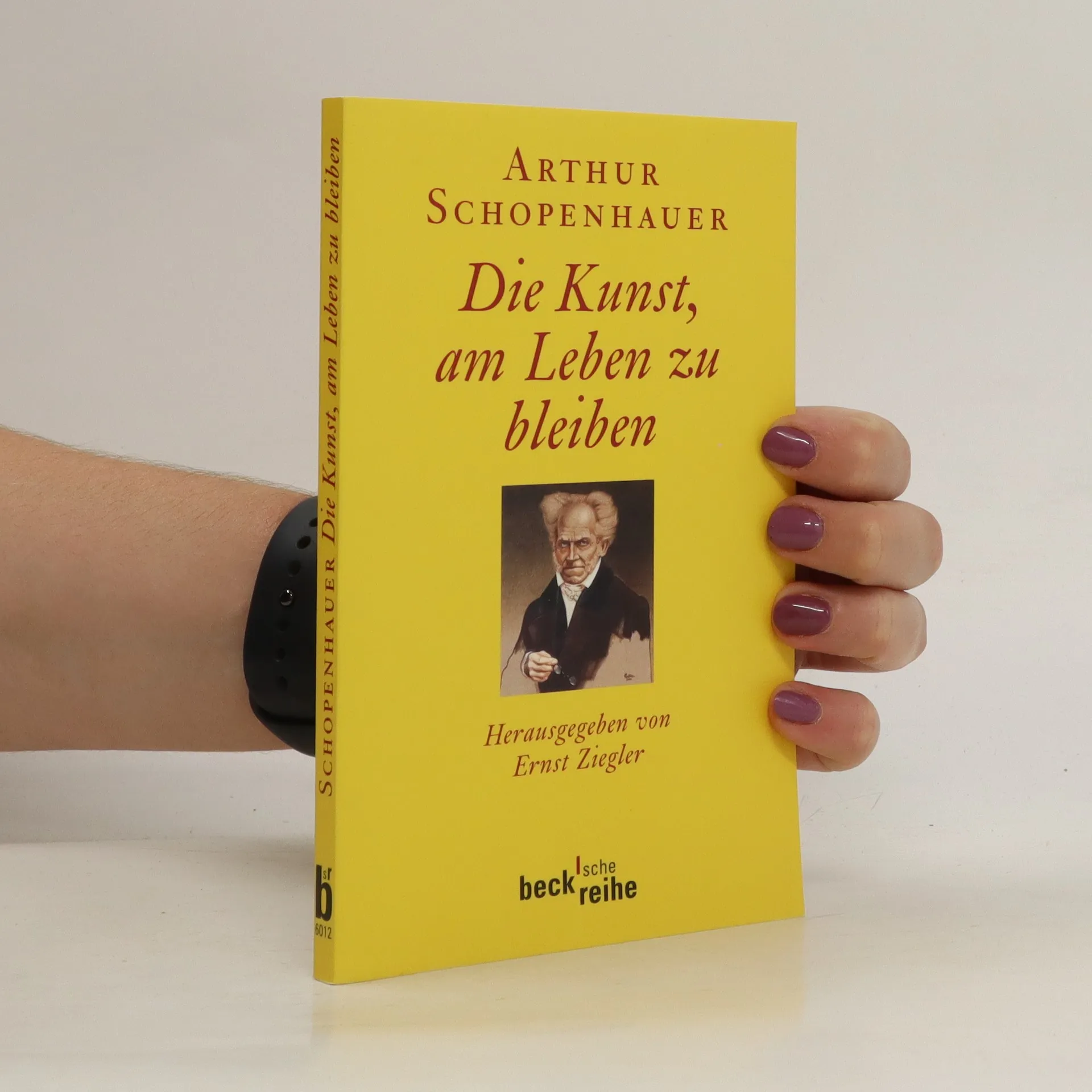
Arthur Schopenhauer: Frauenhasser, Menschenfeind, Pessimist. Harmlose Alltagsweisheiten wird man bei dem für seine beißenden Kommentare berüchtigten Philosophen vergeblich suchen. Wer aber nur düstere Weltsicht, kritische Zeitdiagnose und in letzter Konsequenz gar eine Empfehlung zum Selbstmord erwartet, liegt vollkommen falsch: Was sich aus Schopenhauers Nachdenken ergibt, ist die Einsicht, wie wenig selbstverständlich es ist, jeden Tag aufs Neue zu beginnen: Es ist eine Kunst, am Leben zu bleiben!
The remarkable best-seller -- a long-lost, 300-year-old book of wisdom on how to live successfully yet responsibly in a society governed by self-interest -- as acute as Machiavelli yet as humanistic and scrupulously moral as Marcus Aurelius.
Arthur Schopenhauer, born on February 22, 1788, in Danzig, hailed from a prominent merchant family. After his father's death in 1805, he remained in Hamburg while his mother and sister moved to Weimar. This allowed him to live without financial concerns due to his inheritance. Schopenhauer began studying medicine at the University of Göttingen in 1809 but soon shifted his focus to philosophy. Through his mother, he became acquainted with Goethe. In 1816, he published his own color theory, "Ueber das Sehn und die Farben," which caused a rift with Goethe. His seminal work, "Die Welt als Wille und Vorstellung," was published in 1819 and later expanded significantly. In 1820, he began teaching at the newly established University of Berlin. A notable student of Kant, Schopenhauer was among the first philosophers in the German-speaking world to argue that an irrational principle underlies existence. He passed away on September 21, 1860, in Frankfurt am Main. Schopenhauer's philosophical contributions continue to resonate, exploring themes of will, representation, and the nature of reality. His works remain influential in various fields, including psychology, literature, and existential thought.
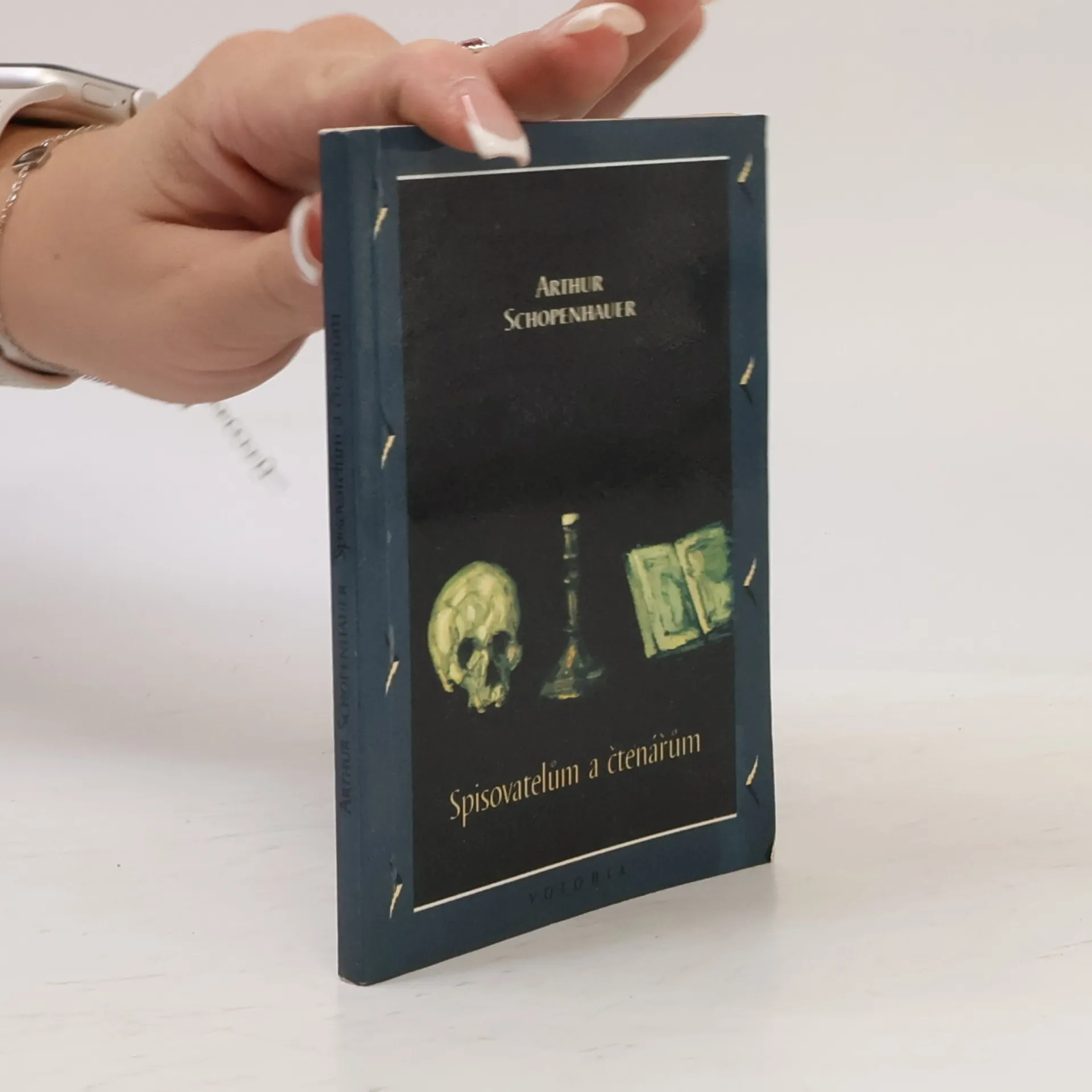
Schopenhauerovo bouřlivé (do jisté míry motivované vlastním literárním neúspěchem) zamýšlení nad hledání kvality v literatuře a nad smyslem čtenářství.
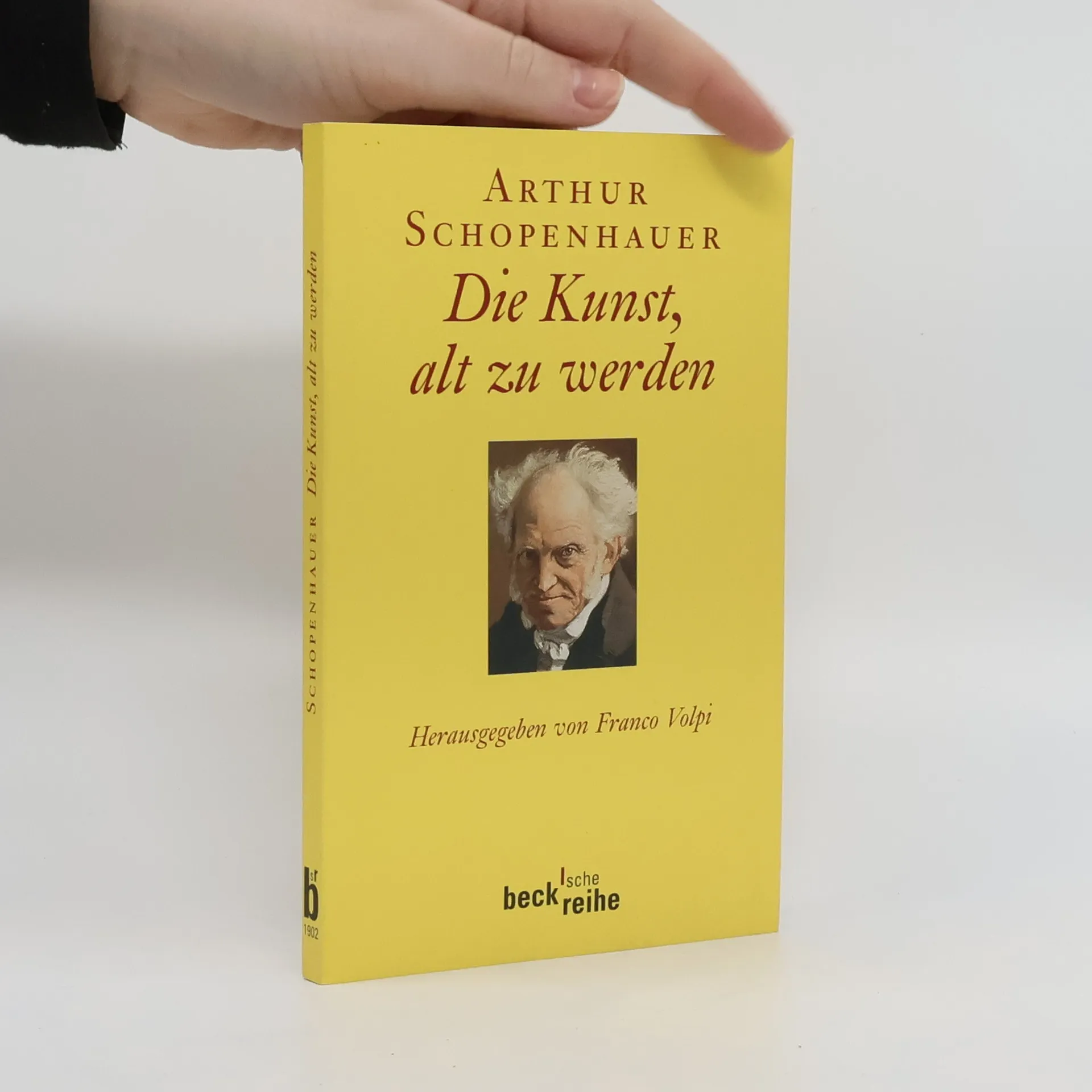
Schopenhauers Die Kunst, alt zu werden reiht sich ein in eine lange Tradition philosophischen Nachdenkens über das Alter. In den hier versammelten Aphorismen und Miniaturen begegnet uns Schopenhauer nicht als der notorische Misanthrop und Pessimist. Ihm gelingt vielmehr eine Hommage an das Altern und die Vergänglichkeit, die zugleich sein Testament und eine Anleitung zum Glücklichsein ist. Am Ende entläßt uns Schopenhauer mit der tröstlichen Gewißheit, daß das Alter zumindest jene Gelassenheit und Geistesruhe gewährt, die Glück überhaupt erst ermöglicht.
Ängsten und Nöten kann man durch Erkenntnis und Übung effektiv begegnen, auch wenn die Situation ausweglos erscheint.
11 works of Arthur Schopenhauer German philosopher (1788-1860) This ebook presents a collection of 11 works of Arthur Schopenhauer. A dynamic table of contents allows you to jump directly to the work selected. Table of Contents: - Essays of Arthur Schopenhauer - The Essays of Arthur Schopenhauer Counsels and Maxims - The Essays of Arthur Schopenhauer On Human Nature - The Essays of Arthur Schopenhauer on Religion and a Dialogue - The Essays of Arthur Schopenhauer on Studies in Pessimism - The Essays of Arthur Schopenhauer on the Art of Controversy - The Essays of Arthur Schopenhauer on The Art of Literature - The Essays of Arthur Schopenhauer on the Wisdom of Life - The World As Will And Idea Volume I - The World As Will And Idea Volume II - The World As Will And Idea Volume III
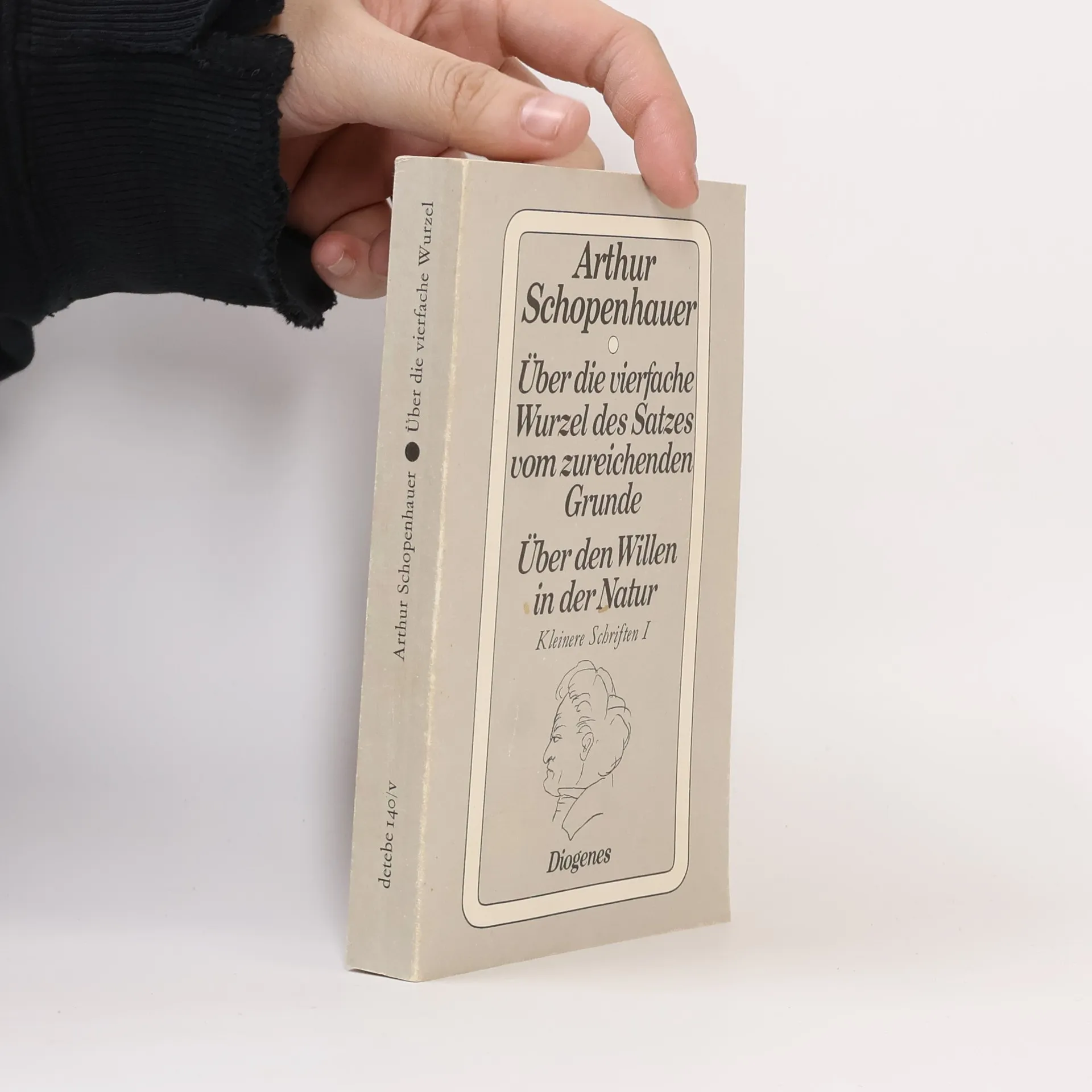
Diese elementarphilosophische Abhandlung, von Schopenhauer im Alter von 26 Jahren verfaßt, bildet eigenen Aussagen zufolge den Unterbau seines ganzen philosophischen Systems. Dieses Jugend- und Schlüsselwerk hat der sechzigjährige Schopenhauer noch einmal überarbeitet, um es mit weiterführenden, erhellenden und berichtigenden Anmerkungen zu versehen.
Wie können wir glücklich sein auf dieser Welt? Wie können wir unser Leben meistern, wie werden wir gelassen? Noch immer gilt Arthur Schopenhauer als der Philosoph der Pessimisten: Sagt er nicht, dass Glück nur in der Abwesenheit von Leid bestehe? – Dieses Buch entdeckt einen ganz anderen Schopenhauer, den Freund der Tiere und der Menschen, einen Denker, der nach neuen Wegen sucht, mit offenen Augen und frohem Herzen das Leben zu bestehen.
Im Gegensatz zum Tier, das den Tod erst im Sterben kennenlernt, trägt der Mensch die Gewissheit seines Todes stets mit sich herum. Der Tod steht unausweichlich im Hintergrund und kann jeden Augenblick herantreten. Arthur Schopenhauer, der Meisterdenker des Pessimismus, ist gleichwohl der Überzeugung, dass der „Kern unseres Wesens“ im Tod unversehrt bleibt. Vom Tod betroffen ist das individuelle Bewusstsein. Doch dieses ist ohnehin nur Schein. „Wir werden im Augenblicke des Sterbens inne, dass eine bloße Täuschung unser Dasein auf unsere Person beschränkt hatte.“
Arthur Schopenhauer war unter den großen Philosophen vielleicht der sprachgewaltigste, ein Sprachkünstler, der die Philosophie aus den Universitäten zurück zu den Menschen mit »Herz und Kopf« brachte.
"Афоризмы житейской мудрости" А. Шопенгауэра — одно из наиболее значительных и популярных этических произведений в новоевропейской философии. Опирающийся на основное сочинение Шопенгауэра "Мир как воля и представление", этот трактат дает яркую и целостную картину философского восприятия жизни, с его отношением к воспитанию, долгу, судьбе, одиночеству.
"Wenn die Welt erst ehrlich genug geworden sein wird, um Kindern vor dem 15. Jahr keinen Religionsunterricht zu erteilen; dann wird etwas von ihr zu hoffen sein."Arthur Schopenhauers Bemerkungen über Religion sind ebenso grantelig-bissig wie tiefgrü Religion verkörpert für ihn ein zwar verständliches, aber nicht ungefährliches Anliegen der Menschen.Das E-Book enthält neben dem Dialog "Über Religion" den (gekürzten) Essay "Über das metaphysische Bedürfnis des Menschen" sowie Ausschnitte aus den "Parerga und Paralipomena".
La pluma de Shopenhauer, en prosa incisiva y elegante, se clava en la justa diana de lo que es el centro y la médula de la vida intelectual: lo auténtico y lo original. "Verdadero valor sólo tiene lo que uno ha pensado, ante todo, para sí mismo. Básicamente, sólo los pensamientos propios tienen verdad y vida." Libro actual y oportuno: una protesta -casi un trallazo- ante el diluvio de tantos libros mediocres y pretenciosos -puro relumbrón y oropel, copias de copias- que hoy nos inunda y ahoga. "Hay dos clases de escritores: los que escriben para expresar algo y los que escriben 'para escribir'". "La vida de un pensamiento dura tan sólo hasta que llega hasta el punto límite de la palabra". Y donde terminan las palabras empieza la música... "La música es el verdadero lenguaje universal que entodas partes se entiende y expresa, con la mayor precisión y verdad, la esencia íntima del mundo. Sin jamás causarnos un sufrimiento real, siempre nos produce gozo, aún en sus acordes más dolorosos". Estas páginas son de las más agudas y más brillantes que sobre música se han escrito.
Es gerät manchmal in Vergessenheit, dass Schopenhauers wichtigste Werke bereits Anfang des 19. Jahrhunderts im Kontext der Klassischen deutschen Philosophie erschienen sind – so seine Dissertation von 1813. Diese lange nicht mehr verfügbare, konzise erste Fassung liegt nun in einer kritisch edierten Neuausgabe vor. Schopenhauer wurde mit dieser Arbeit an der Universität Jena promoviert. Kaum war das Buch erschienen, lobten Goethe und G. E. Schulze seine Arbeit. Fünf Jahre später wies er in »Die Welt als Wille und Vorstellung« auf die Bedeutung der Dissertation für dessen Verständnis hin. Ausgangspunkt der Untersuchung ist der Satz »Nihil est sine ratione« (nichts ist ohne Grund), den Schopenhauer als tradiertes Prinzip jeder Seinsordnung vorstellt. In den folgenden Kapiteln werden die verschiedenen Fassungen des Satzes von Descartes bis Kant und seinen Nachfolgern untersucht. Das Ergebnis zeigt, dass Gründe für Zusammenhänge nicht Merkmale einer Seinsordnung sind, sondern unseren Vorstellungen angehören. Die Erstfassung der »vierfachen Wurzel« ist gegenüber der späteren Überarbeitung erheblich kürzer und stringenter, wobei der Willensbegriff hier noch nicht zentral ist. Die kritische Neuedition ermöglicht einen unverstellten Blick auf die Schärfe, das historische Denken und die intellektuelle Eigenständigkeit, die Schopenhauer bereits als jungen Philosophen auszeichneten.
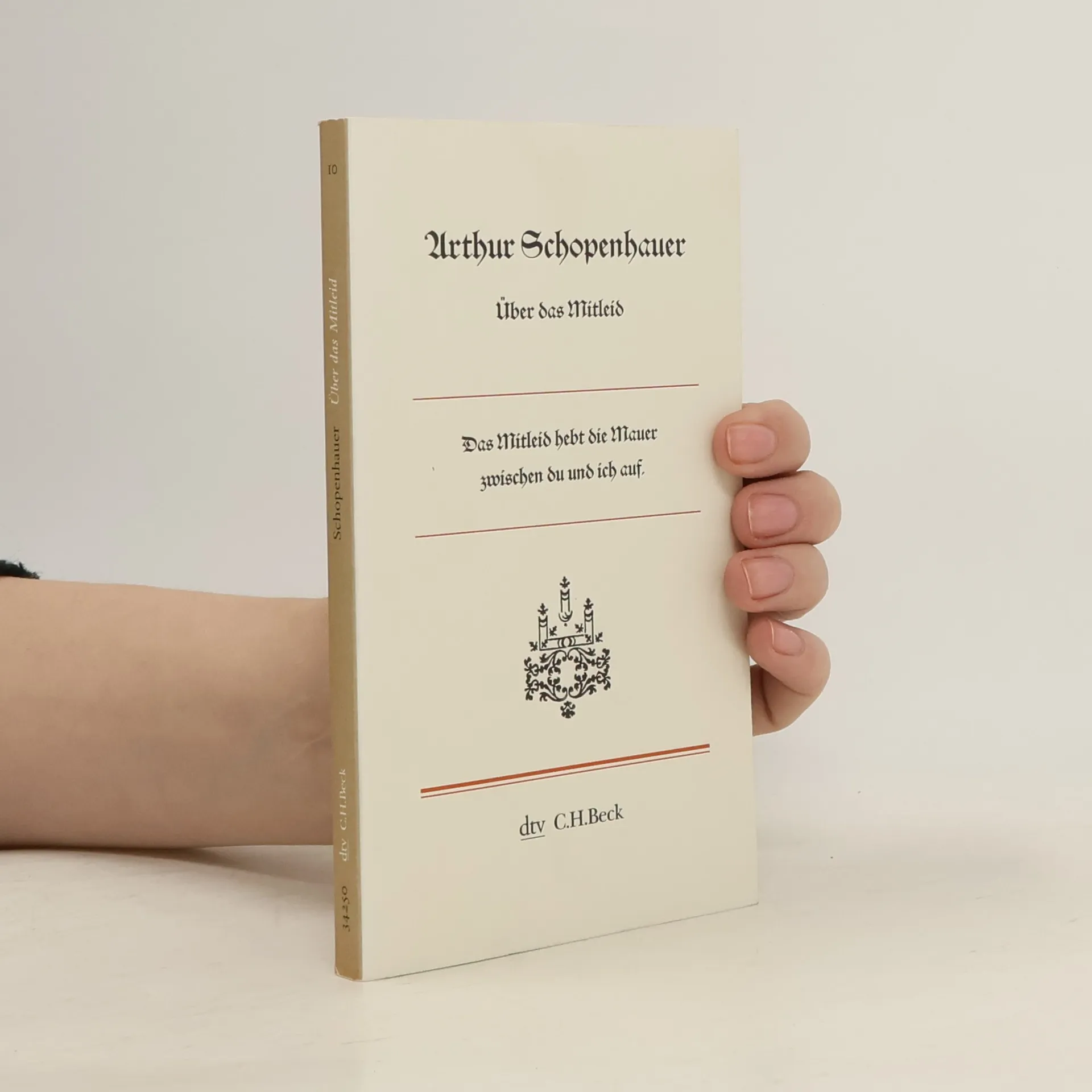
»Das Mitleid hebt die Mauer zwischen Du und Ich auf.« Mitleid ist nach Schopenhauer das Fundament der Menschenliebe, der Gerechtigkeit und der Ethik. Es schließt die Liebe zu den Tieren ein und ist die natürliche, uneigennützige und allein wirklich moralische Triebfeder ethischen Handelns. Es ist damit die Basis einer jeden Tugend. In der von Schopenhauer empfohlenen Haltung des Mitleid-Empfinden-Wollens scheint eine Quelle moralischer Energie verborgen zu sein, die den Menschen bewahren und das noch offene Potential von Toleranz und Solidarität ausschöpfen möchte. Dadurch soll in einer durch zunehmende kulturelle Konflikte gekennzeichneten Gesellschaft Humanität wieder möglich sein. Mit einem Nachwort von Franco Volpi.
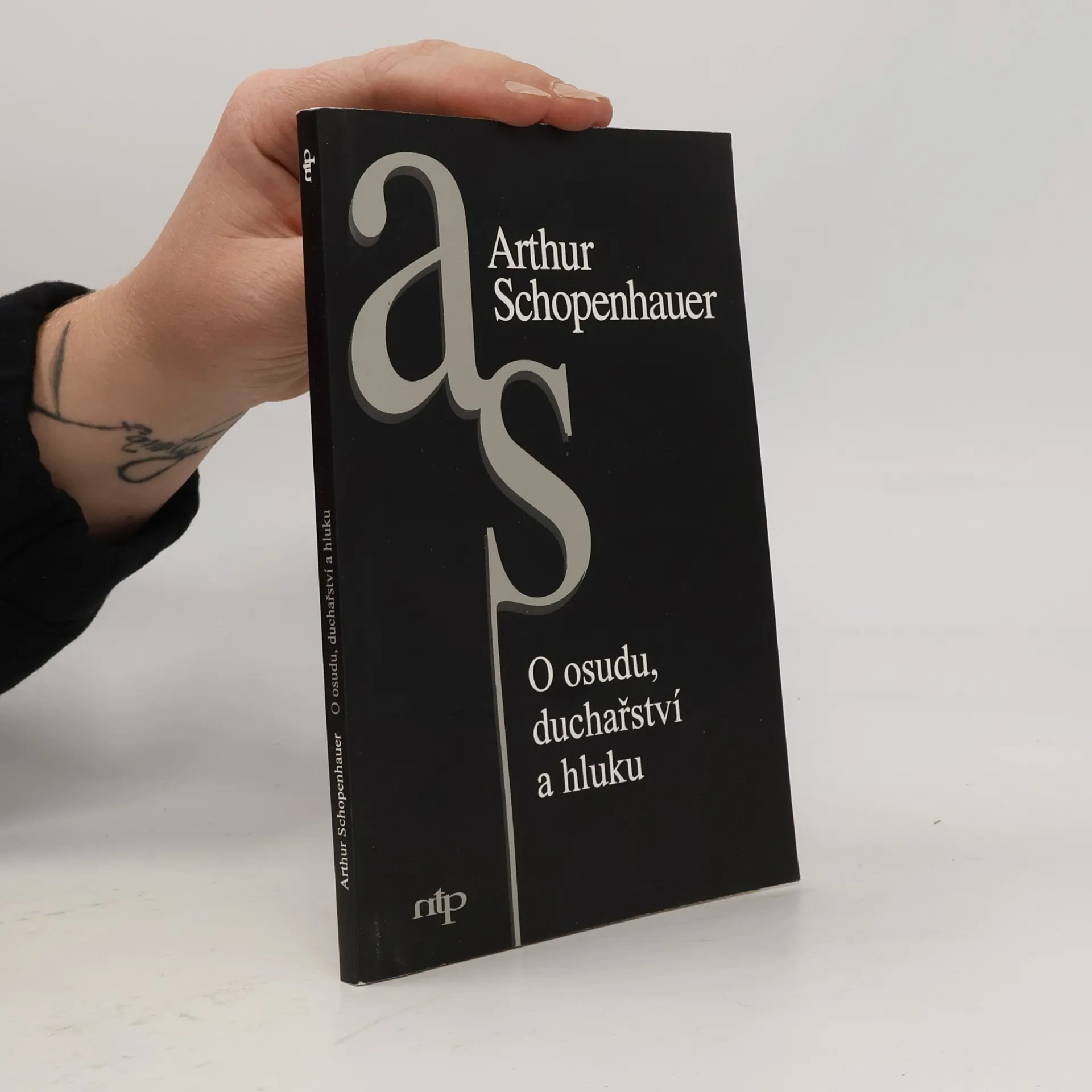
První práce klade důraz na roli osudu v životě člověka, neboť každá lidská bytost má již při narození určenu příslušnou životní dráhu, k níž bude díky osudu vždy směřovat. Tuto nepopiratelnou danost však většina lidí pochopí až v závěru vlastního života, jenž se právě tehdy projeví jako umělecké dílo vedené určitým pevným záměrem. V následujícím textu Schopenhauer vymezuje podstatu vlastní teorie snů - zaměřuje se především na tzv. pravdivý sen, kdy sníme pouze skutečnost, která nás obklopuje. Pravdivé snění stojí u zrodu náměsíčnictví a hypnotického spánku... Sny německý filozof pojímá zcela v souladu s vlastní koncepcí vůle, jež coby věc o sobě vůbec nepodléhá omezení času a prostoru. Závěrečný příspěvek odhaluje negativní vliv různých forem hluku na člověka a velice originálně tak předjímá nebezpečí, ohrožující současnou společnost. Lidská bytost, nedostatečně citlivá vůči hluku, nedokáže ocenit veškeré myšlenky, vědecké i umělecké snažení. Úvahy významného německého voluntaristického filozofa o lidském životě, snech a nebezpečí hluku.
Mit e. Nachw. hrsg. v. Böhmer, Otto A. 210 S. N.-A.
* hudba * láska * metafyzika * německá filozofie * voluntarismus
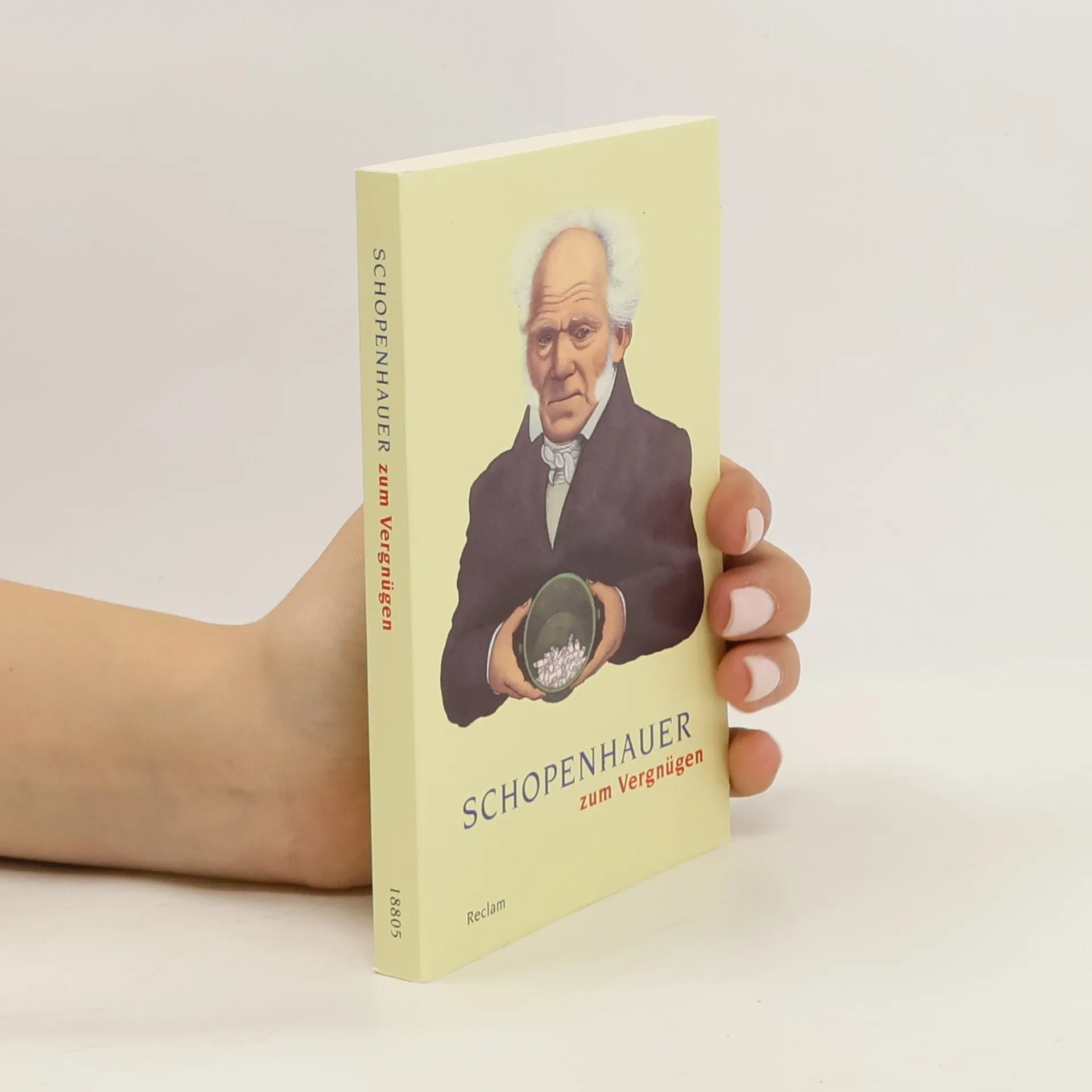
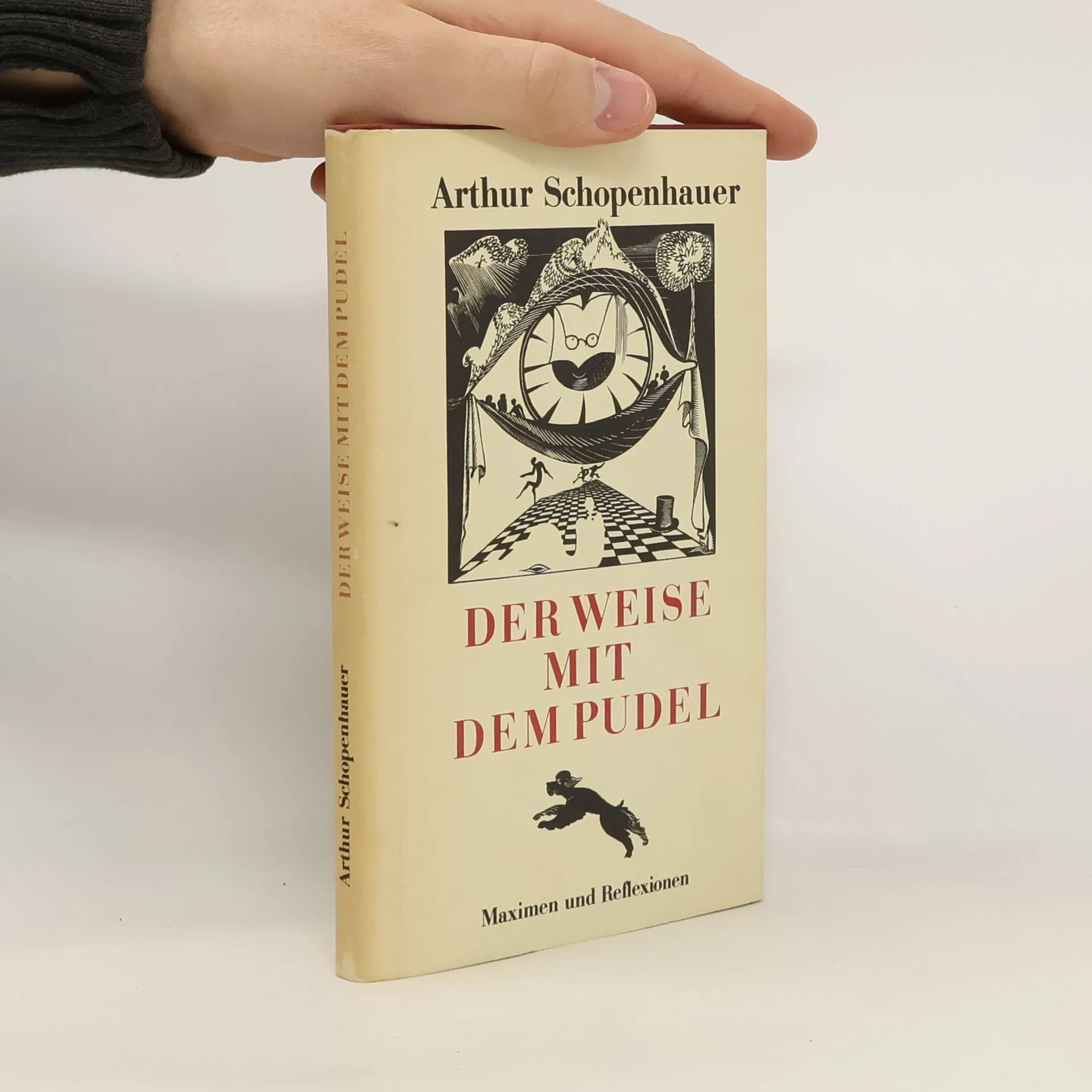
Gebet eines Skeptikers Gott, – wenn du bist, – errette aus dem Grabe Meine Seele, – wenn ich eine habe. SCHOPENHAUER In der Reihe »Zum Vergnügen« zeigen Gedichte, Aphorismen, Briefe und Werkausschnitte berühmte Dichter und Denker von einer neuen Seite: das charakteristisch Andere, das nicht Erwartete, aber doch Erahnte, gedankliche Ab-, Um- und Seitenwege, verlockende Heimlichkeiten, kleine Gemeinheiten, hübsche Bonmots.
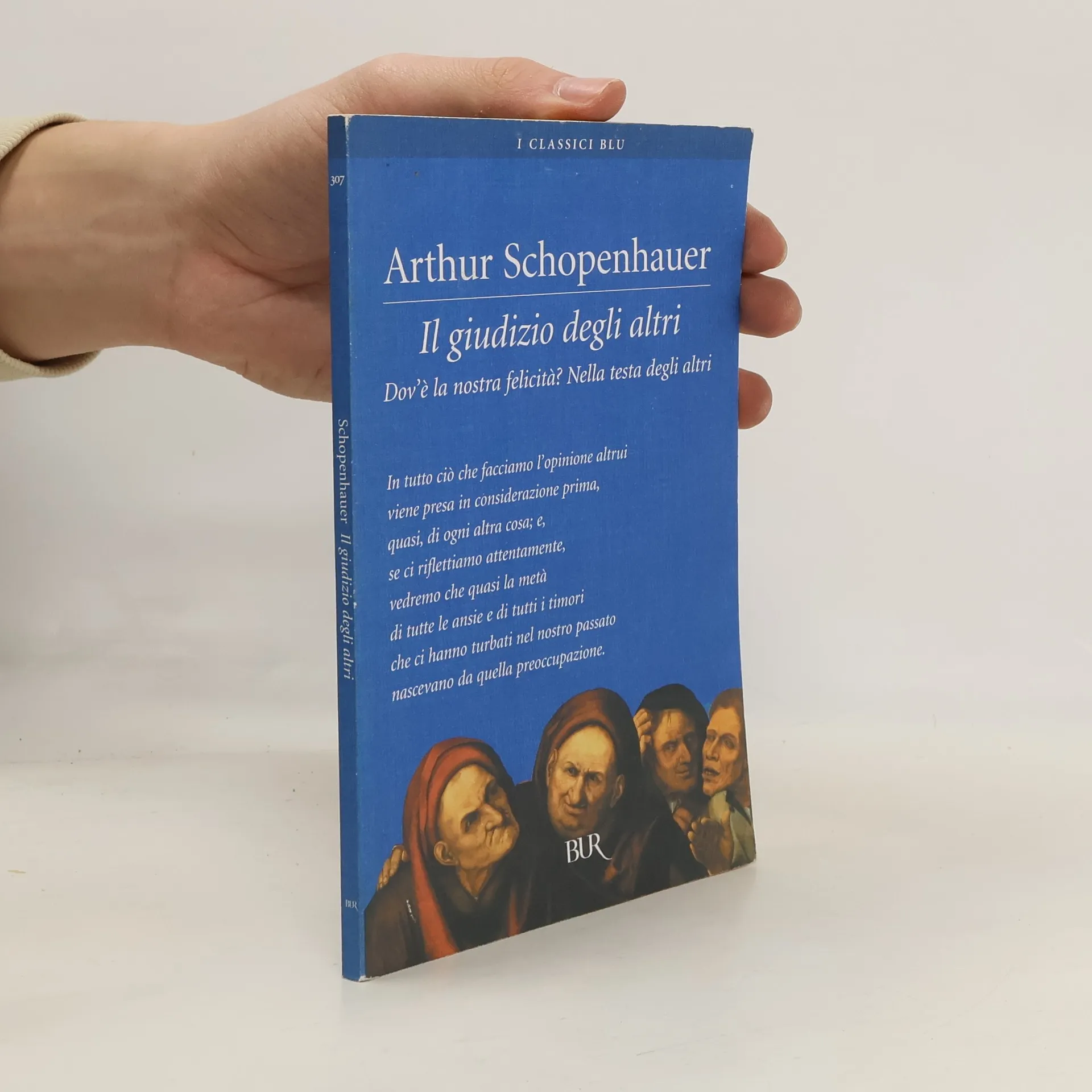
L’onore (la rispettabilità) è l’opinione che gli altri hanno di noi. Da questa premessa muove Schopenhauer, passando in rassegna i generi e sottogeneri di onore presenti nel consorzio umano: privato, pubblico, sessuale, nazionale, dell’umanità, cavalleresco. Quest’ultimo è definito come l’onore secondo la follia, sottratto cioè al dominio della ragione e soggetto, invece, alla legge della superiorità fisica, che rivela l’aspetto più basso e volgare della natura umana, la sua animalità. Ebbene, le offese all’onore nulla potranno contro l’uomo colto, che mostri di possedere nell’animo l’aristocrazia dei sentimenti. Dalle offese, anzi, il suo onore trarrà incremento. Ricco di puntuali citazioni (greche, latine, di Shakespeare, di Voltaire e molti altri), questo è un saggio scaturito dal vivo dell’esperienza reale, sottoposta al vaglio di un’osservazione acuta, guidata dal tenace e appassionato amore per la verità che contraddistingue tutto il pensiero di Schopenhauer.