

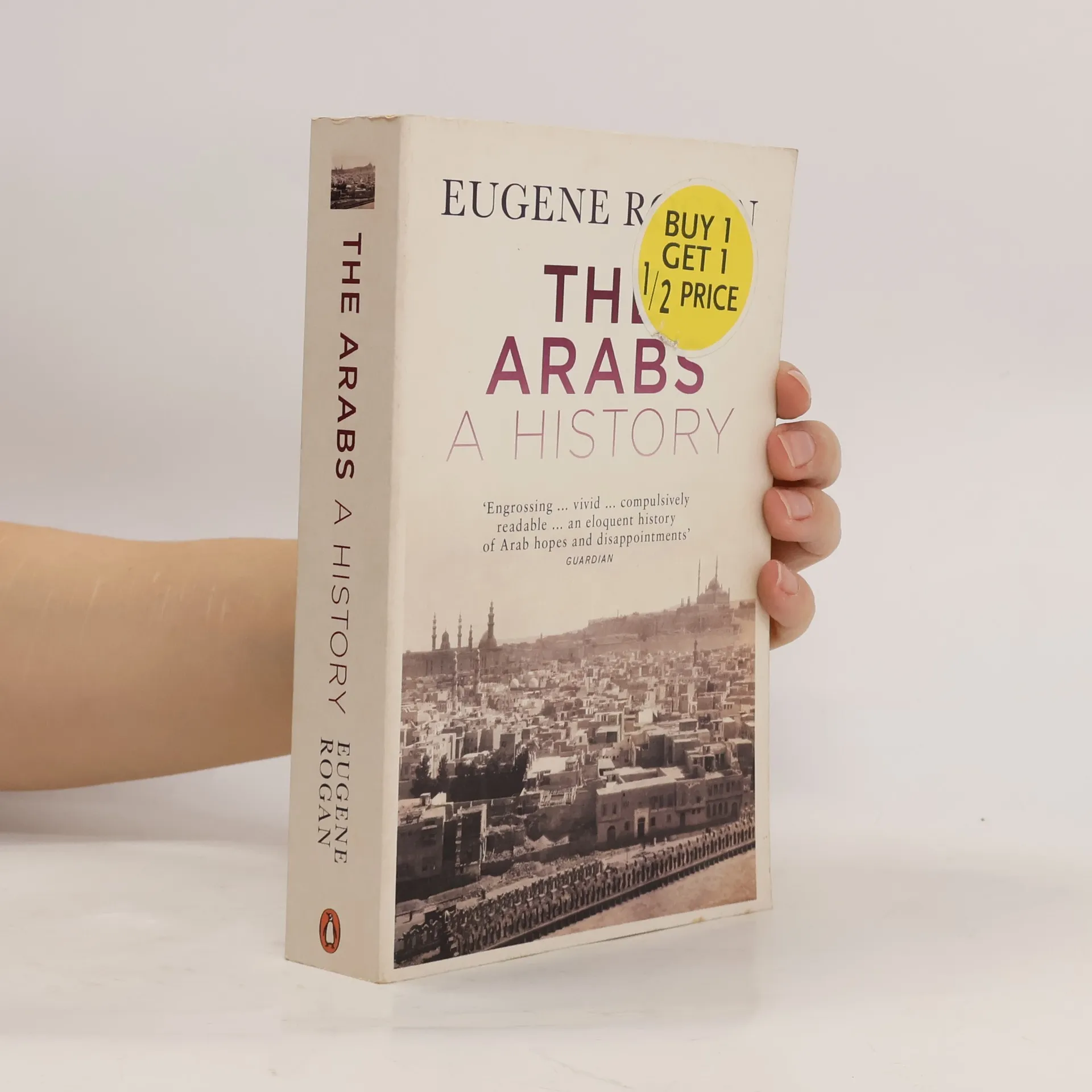
The history of the Arab world is a story of colonization, war and resistance but also rich creativity, encompassing a diverse area from Morocco to Iraq. Eugene Rogan's accalimed book traces five hundred years of tumultuous history, from the Ottoman conquests to today's world, drawing on accounts of politicians, poets, intellectuals and ordinary people to tell this story through the eyes of the Arab men and women who lived it.
Eugene L. Rogan Livres
1 janvier 1960
Eugene Rogan est un éminent spécialiste de l'histoire du Moyen-Orient, axé sur ses complexités modernes. Ses travaux explorent les dynamiques politiques et sociales complexes qui ont façonné la région. Les analyses de Rogan offrent aux lecteurs des perspectives profondes sur les fondements historiques des événements contemporains. Sa longue carrière académique à l'Université d'Oxford souligne son expertise.

The Damascus Events
- 400pages
- 14 heures de lecture
This remarkable book recreates one of the watershed moments in the history of the Middle East: the ferocious outbreaks of disorder across the Levant in 1860 which resulted in the massacre of thousands of Christians in Damascus. Eugene Rogan brilliantly recreates the lost world of the Middle East under Ottoman rule. The once mighty empire was under pressure from global economic change and European imperial expansion. Reforms in the mid-nineteenth century raised tensions across the empire, nowhere more so than in Damascus. A multifarious city linked by caravan trade to Baghdad, the Mediterranean and Mecca, the chaos of languages, customs and beliefs made Damascus a warily tolerant place. Until the reforms began to advantage the minority Christian community at the expense of the Muslim majority. But in 1860 people who had generally lived side by side for generations became bitter enemies as news of civil war in Mount Lebanon arrived in the city. Under the threat of a French expeditionary force, the Ottomans dealt with the disaster effectively and ruthlessly - but the old, generally quite tolerant Damascene world lay in ruins. It would take a quarter of a century to restore stability and prosperity to the Syrian capital. This is both an essential book for understanding the emergence of the modern Middle East from the destruction of the old Ottoman world, and a uniquely gripping story.
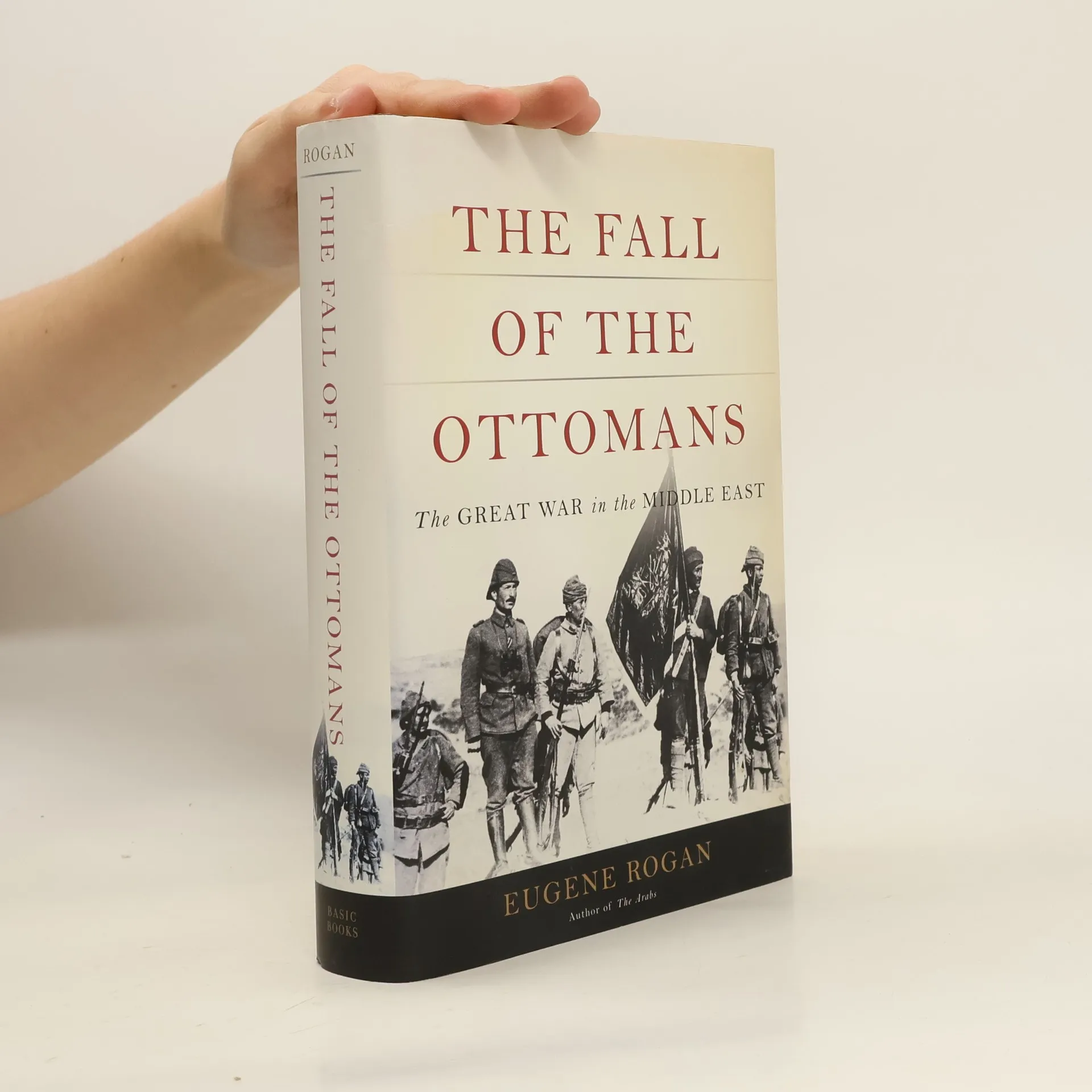
Evaluates the impact of World War I on the Ottoman Empire and the Middle East as a whole, explaining the region's less-understood but essential contributions to the war and the establishment of present-day conflicts