Explique comment les systèmes économiques et politiques, influencés par les pressions financières et politiques ou les modes du moment, développent leur propre version de la vérité sans lien avec la réalité.
John Kenneth Galbraith Livres
15 octobre 1908 – 29 avril 2006
John Kenneth Galbraith était un économiste canado-américain de premier plan, reconnu comme une voix majeure du libéralisme américain et du socialisme démocratique du XXe siècle. Ses écrits offraient des perspectives pointues sur les affaires économiques, caractérisés par un style distinctif qui propulsa ses livres au rang de best-sellers. Auteur prolifique, ses essais et livres exploraient la dynamique du capitalisme moderne et des sociétés d'abondance. Le travail de Galbraith continue d'informer et d'influencer les discussions sur l'équité économique et le progrès social.



Le nouvel État industriel
- 473pages
- 17 heures de lecture
Publié en 1967, cet ouvrage est devenu un classique. Il a bousculé les idées reçues en montrant, par une analyse du système économique américain, qu'un ensemble quasi omnipotent de grandes sociétés anonymes conditionne désormais le comportement du consommateur et impose largement sa loi à la puissance publique. La "techno-structure", sorte d'autorité collégiale dont les motivations et les objectifs n'ont qu'un lointain rapport avec ceux des actionnaires et des managers d'hier, mène une série d'actions stratégiques (planification, maîtrise des prix, publicité) dont la fin n'est plus la maximisation du profit, mais la croissance pour la croissance. Cette hégémonie a ses dangers (l'un d'eux est la course aux armements). L'économiste se fait donc philosophe et moraliste et appelle à la constitution de "pouvoirs compensateurs" : la collectivité scientifique et enseignante peut en être un. L'auteur considère comme définitive la troisième édition que voici. Il y riposte à ses critiques, notamment sur la prétendue souveraineté du consommateur, sur le profit maximum, sur le rôle du capitaliste et celui du bureaucrate. Il précise sa pensée sur les deux modes de planification : celui qui répond au marché, celui qui remplace le marché. Il constate aussi deux changements importants : l'épanouissement des conglomérats d'entreprises de second rang, pris en charge par la technostructure, et leur fonctionnement au détriment du profit.
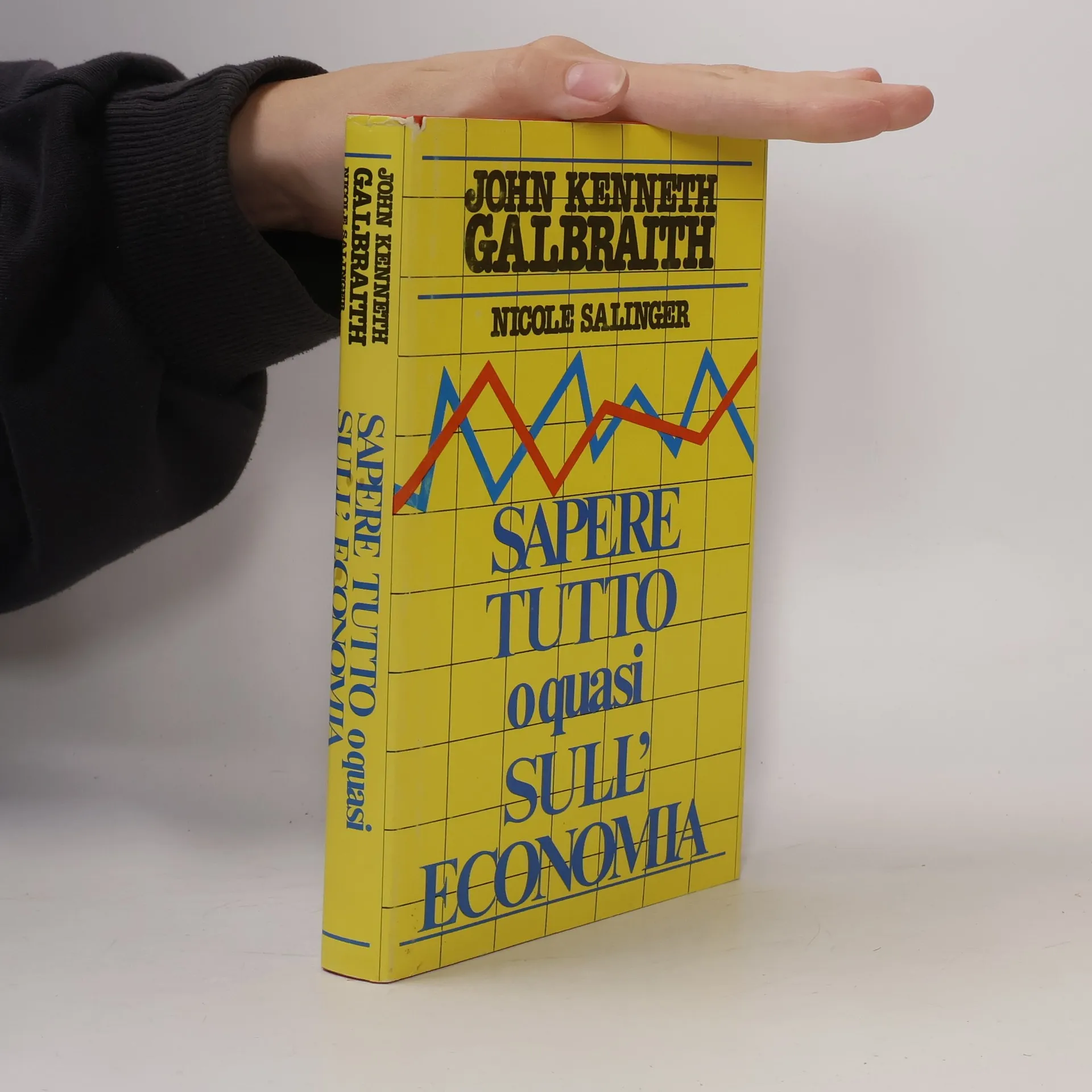
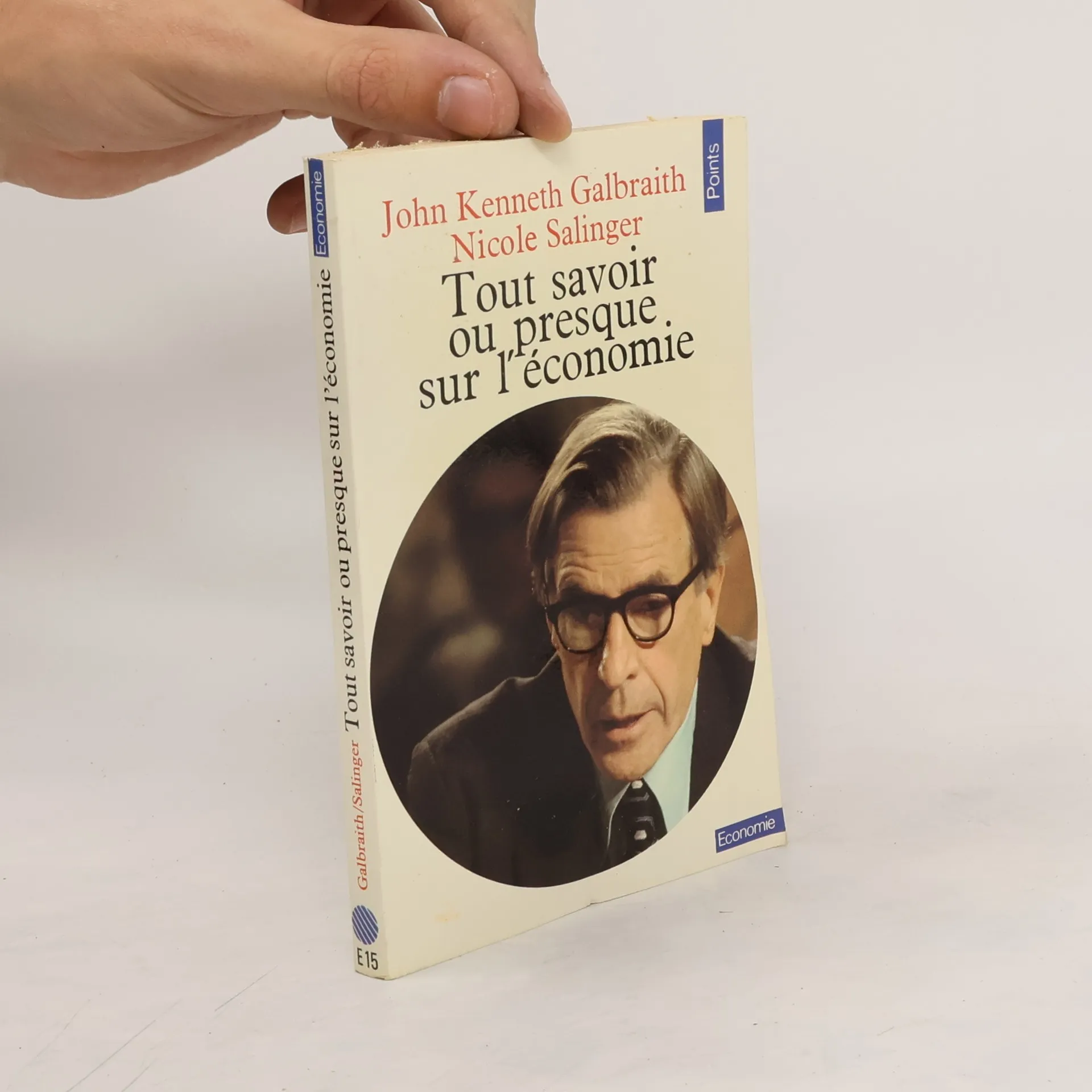
Tout savoir, ou presque, sur l'économie
- 184pages
- 7 heures de lecture
John Kenneth Galbraith a déjà trop apporté à la science économique pour craindre la colère de ses " chers collègues "... tant mieux. Cette proposition reconnue et une notoriété internationale indiscutable lui permettent, pour notre plaisir, de céder à un penchant singulièrement subversif : user d'un langage compréhensible, voire de l'humour qui lui est propre, pour initier ses interlocuteurs aux mystères de l'économie moderne. Nicole Salinger lui pose des questions insistantes et faussement naïves auxquelles vous aimeriez qu'il réponde.
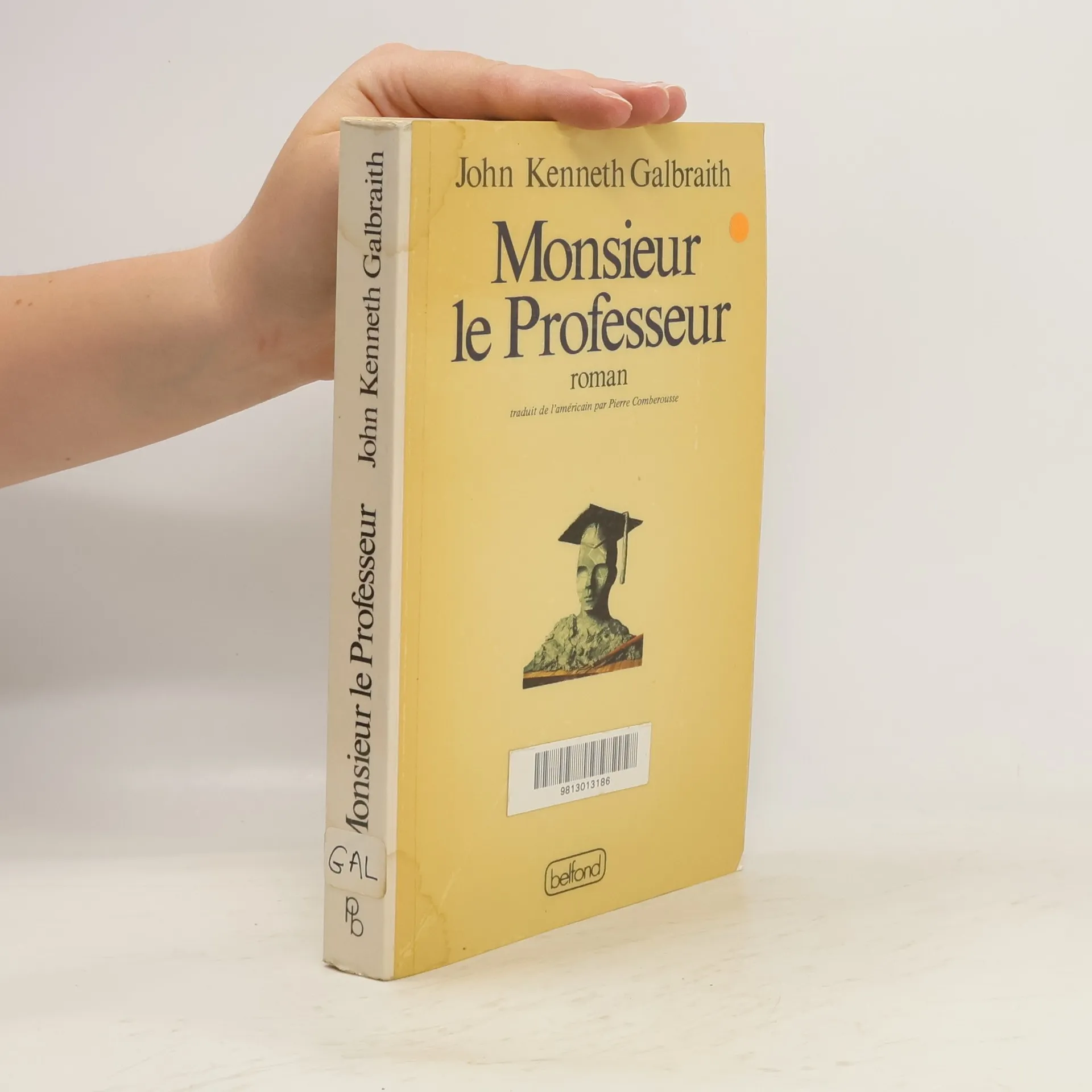
Monsieur le professeur
- 251pages
- 9 heures de lecture
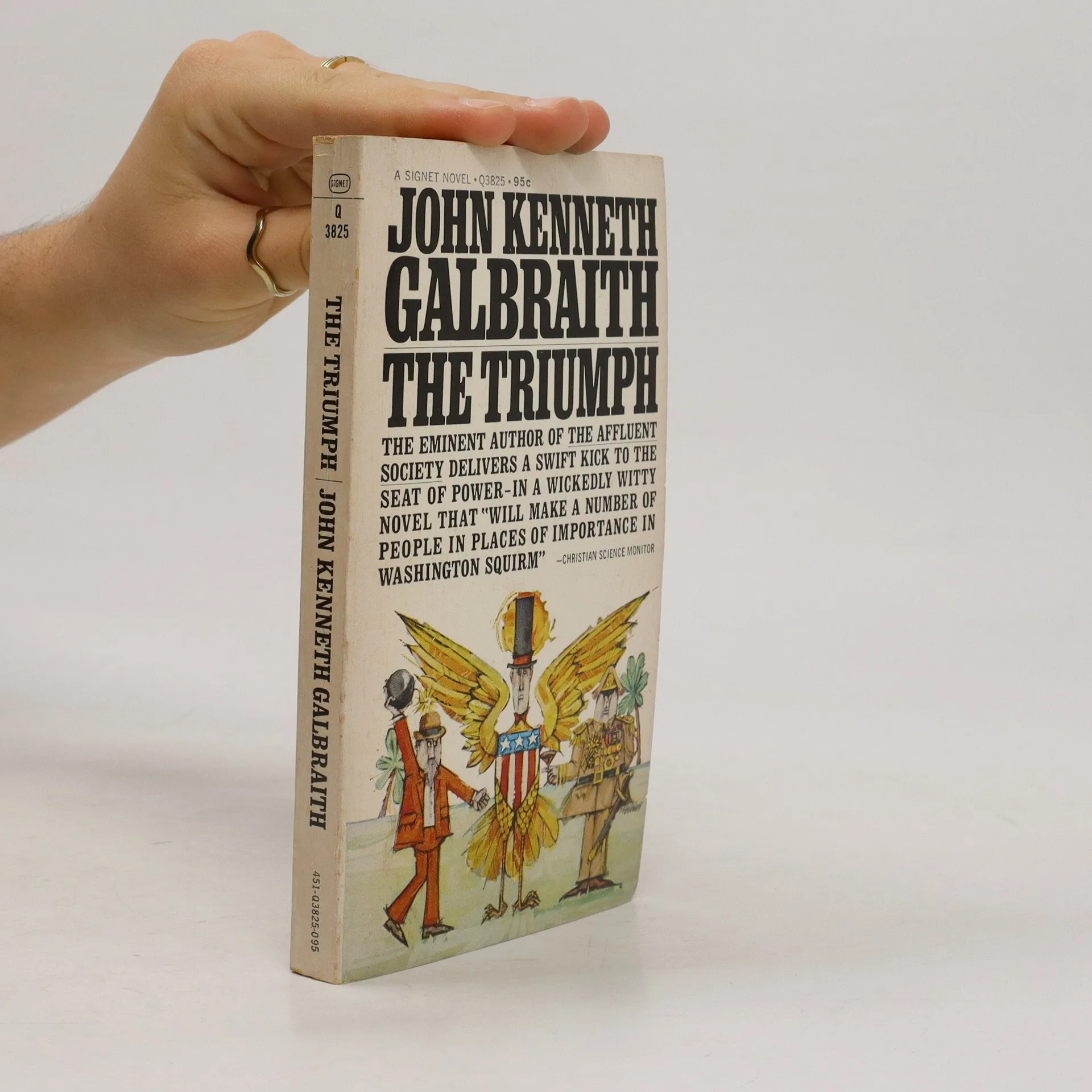
Un règlement de compte avec les establishments financier, universitaire, politique, etc. Le célèbre et controversé économiste des Etats-Unis a imaginé la vie d'un jeune collègue libéral qui mise sur la bêtise (la "démence spéculative") de ses compatriotes pour faire fortune à la bourse, puis se voit accuser d'anti-patriotisme. Première cible visée: Harvard Business School. La critique anglo-saxonne est rétive. On la comprend...
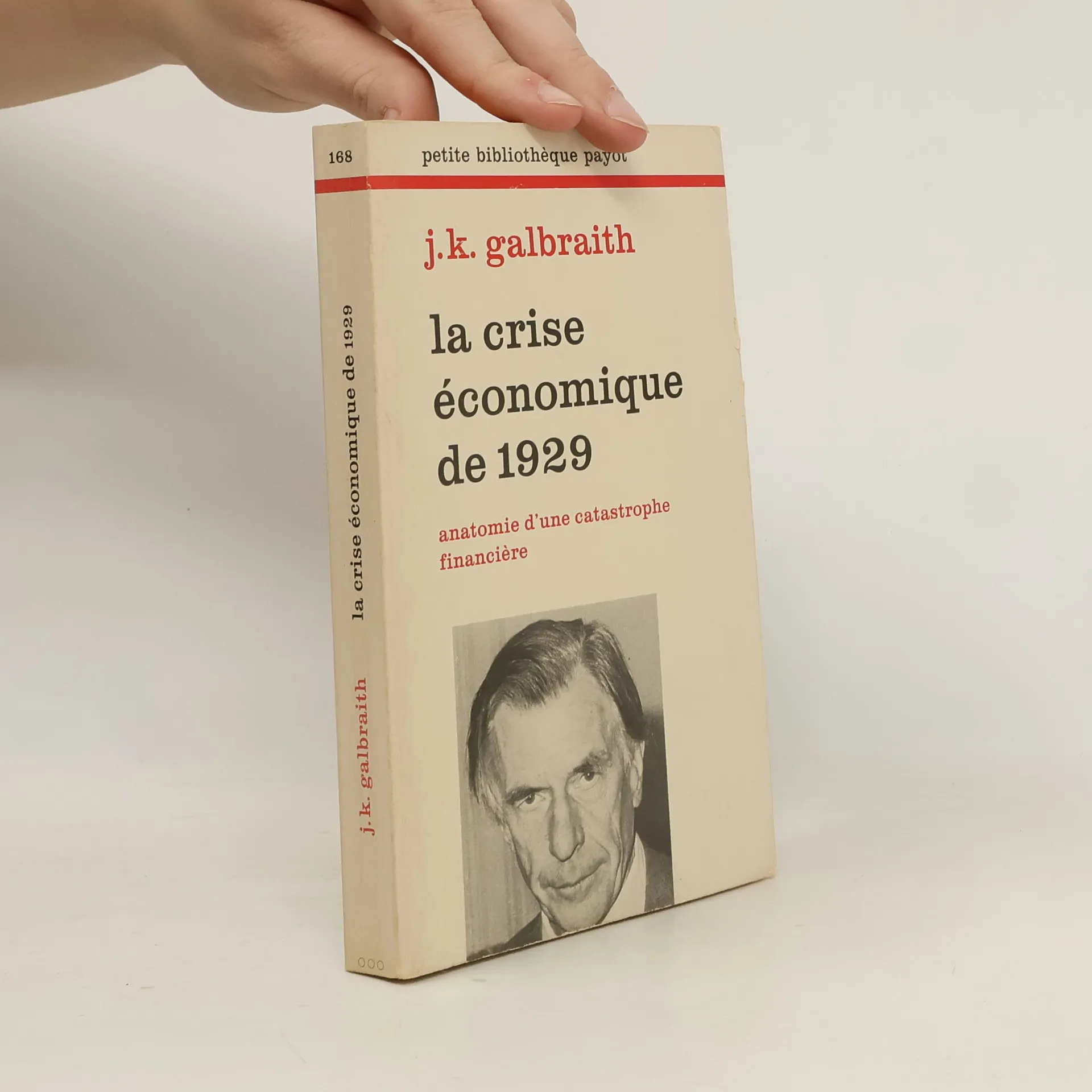
Petite bibliothèque Payot - 168: La crise économique de 1929
Anatomie d'une catastrophe financière
- 219pages
- 8 heures de lecture
L'auteur de La société de consommation discute de l'anatomie de la catastrophe financière.
The Culture of Contentment
- 195pages
- 7 heures de lecture
This book traces the course of America's current sense of contentment, stemming from the economic comfort achieved by the fortunate, politically dominant community during the Reagan-Bush era of the 1980s. Galbraith focuses on the results of this stasis, including short-term thinking and investment, government as a burden, and corporate sclerosis. The author also explores international issues, such as the parallels between the denial of trouble in Eastern Europe and problems unrecognized in America. This book is a groundbreaking assessment of the future of America.
Discusses the many sources and instruments of power, and explains how power is utilized by organizations and businesses and in economics and political and military life
Autobiography of economist Professor John Kenneth Galbraith, and the events and famous people of the times.
The Essential Galbraith
- 400pages
- 14 heures de lecture
An anthology of essays, articles, and excerpts from the renowned economist features selections from some of his most important works, including Afluent Society, The Age of Uncertainty, The New Industrial State, and The Great Crash, along with introduction to each essay from the author. Original. 15,000 first printing.
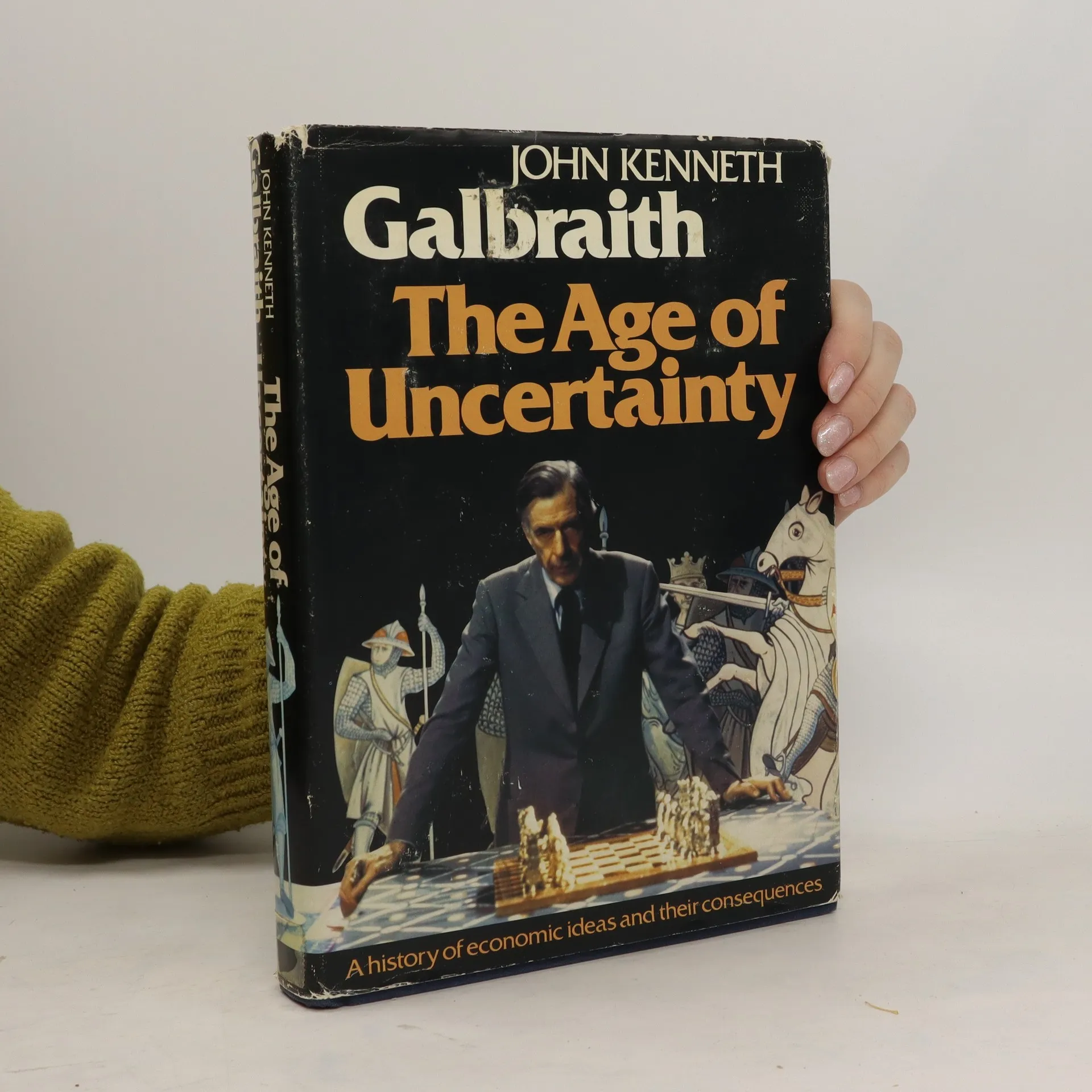
The age of uncertainty
- 365pages
- 13 heures de lecture
ForewordThe Prophets & Promise of Classical CapitalismThe Manners & Morals of High CapitalismThe Dissent of Karl MarxThe Colonial IdeaLenin & the Great UngluingThe Rise & Fall of MoneyThe Mandarin RevolutionThe Fatal CompetitionThe Big CorporationLand & PeopleThe MetropolisDemocracy, Leadership, CommitmentA Major Word of ThanksNotesList of IllustrationsIndex
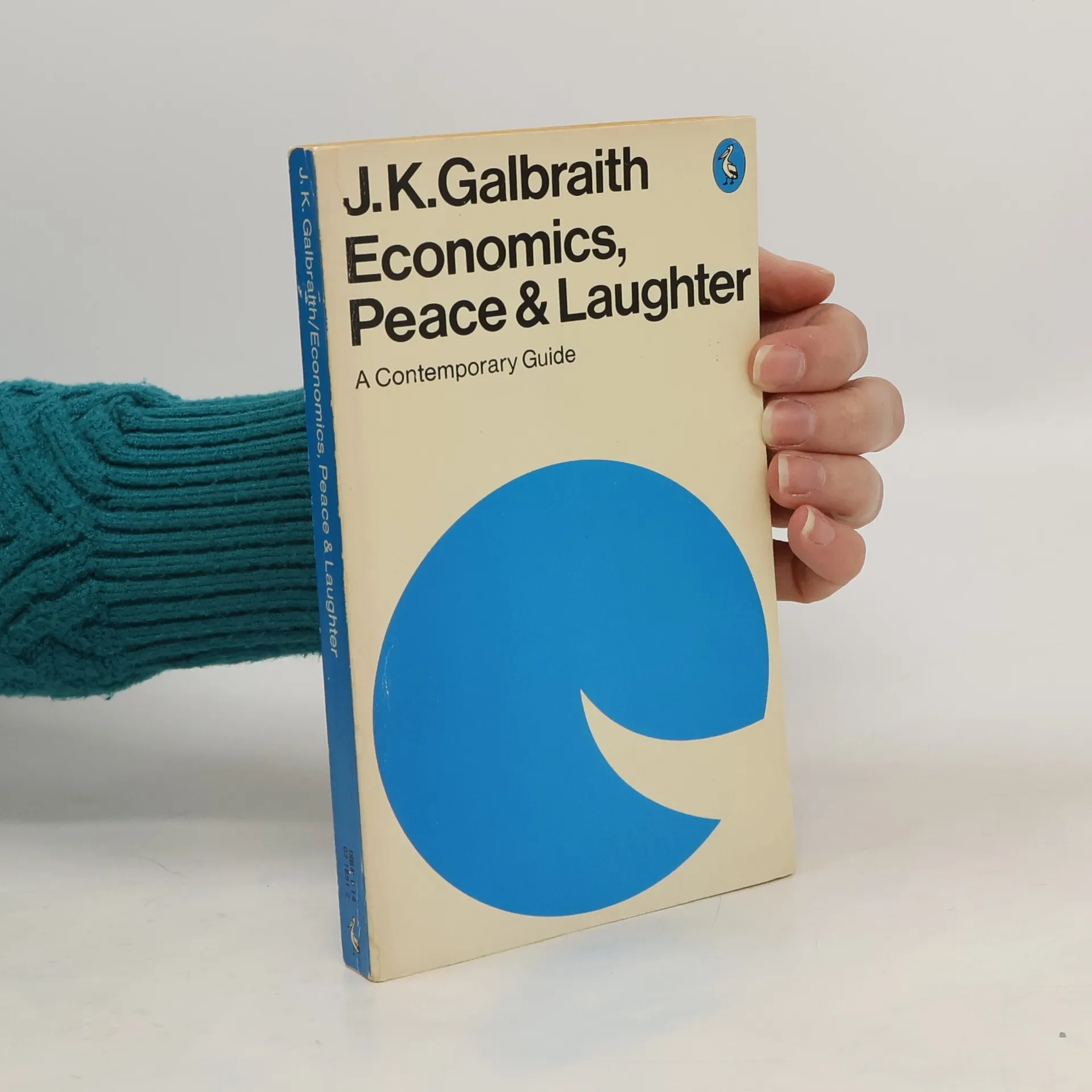
Economics, Peace & Laughter. A Contemporary Guide
- 304pages
- 11 heures de lecture
A collection of essays by J.K. Galbraith, edited by Andrea D. Williams.
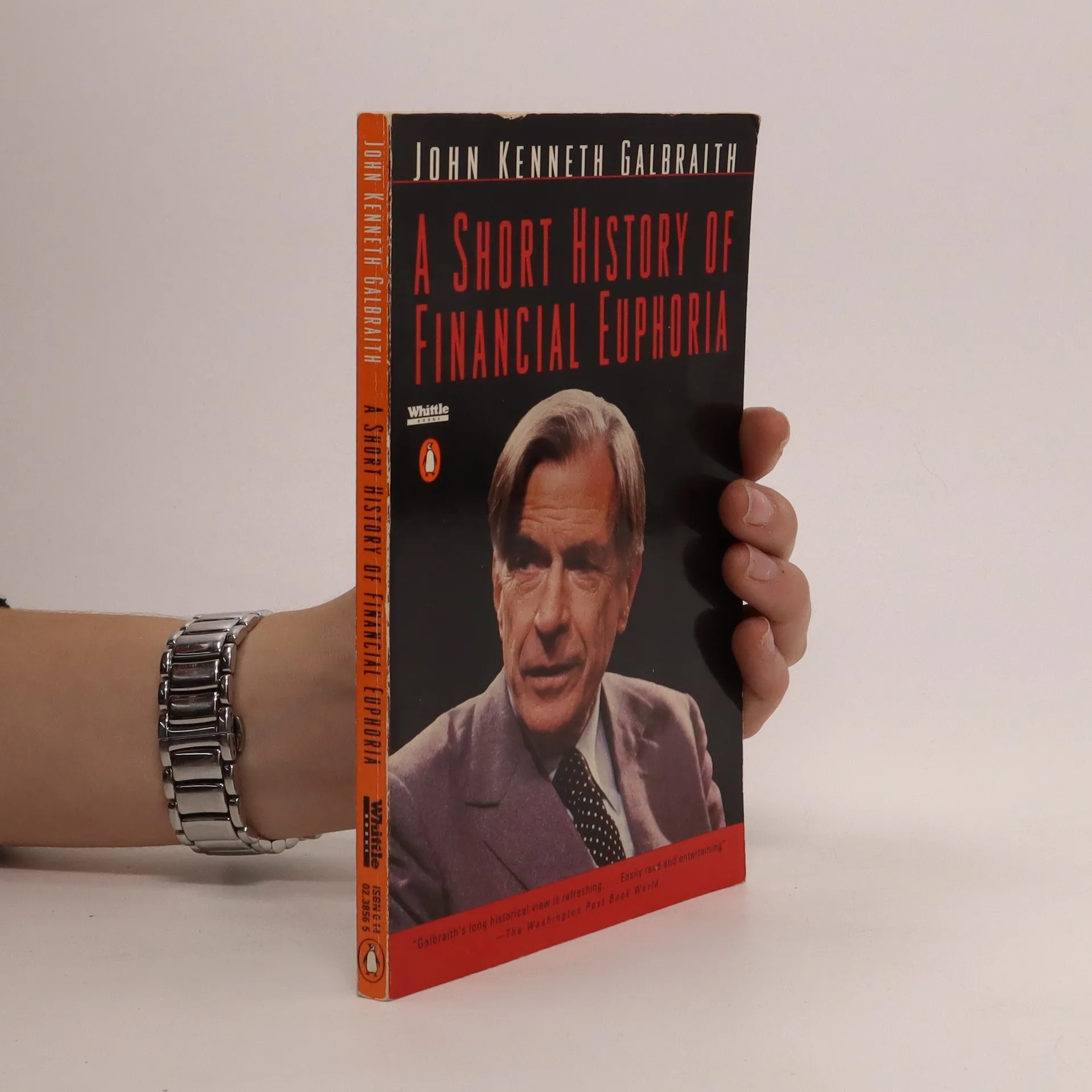
The world-renowned economist offers "dourly irreverent analyses of financial debacle from the tulip craze of the seventeenth century to the recent plague of junk bonds." — The Atlantic .With incomparable wisdom, skill, and wit, world-renowned economist John Kenneth Galbraith traces the history of the major speculative episodes in our economy over the last three centuries. Exposing the ways in which normally sane people display reckless behavior in pursuit of profit, Galbraith asserts that our "notoriously short" financial memory is what creates the conditions for market collapse. By recognizing these signs and understanding what causes them we can guard against future recessions and have a better hold on our country's (and our own) financial destiny.
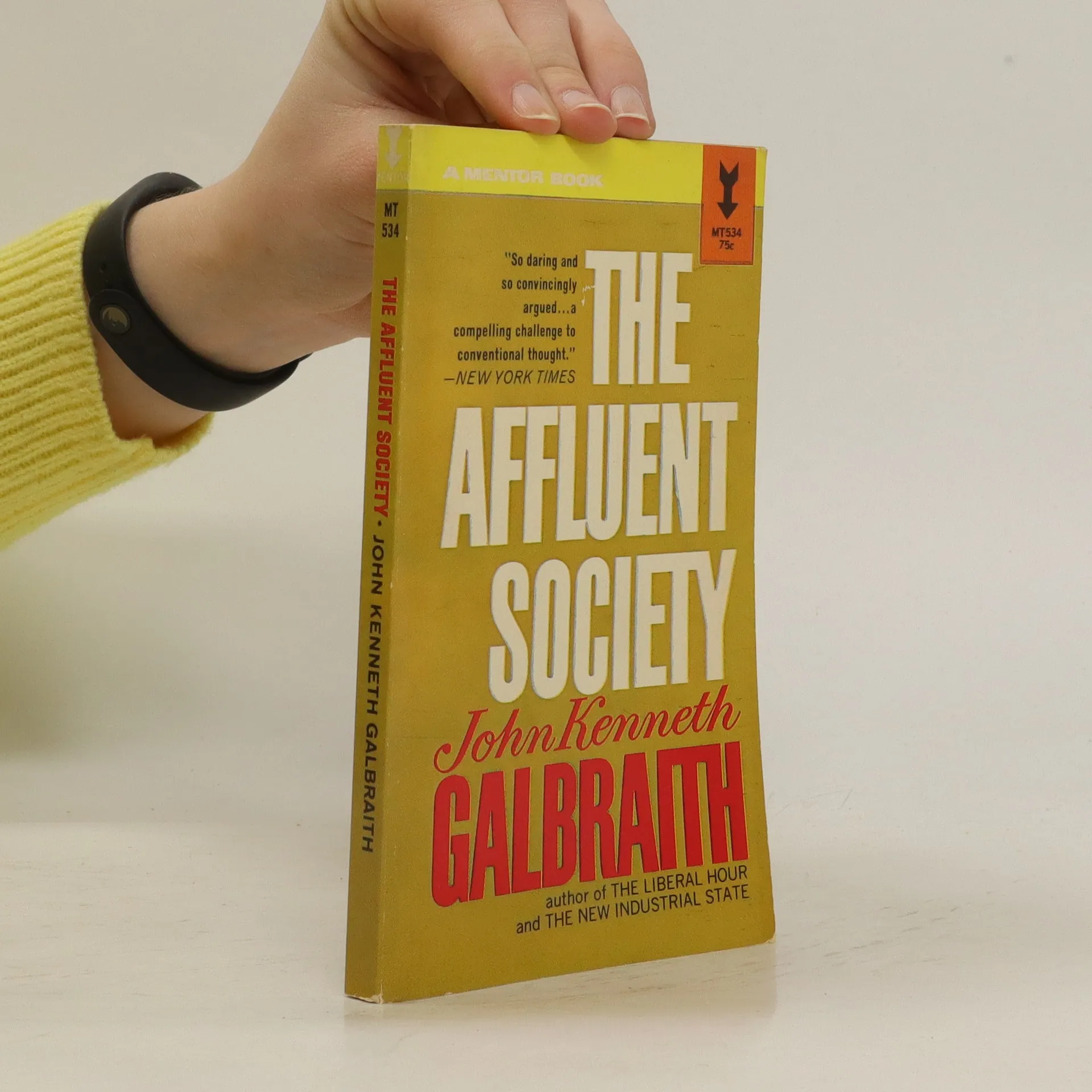
A leading economist discusses his theories on social disequilibrium and suggests ways of restoring the economic balance
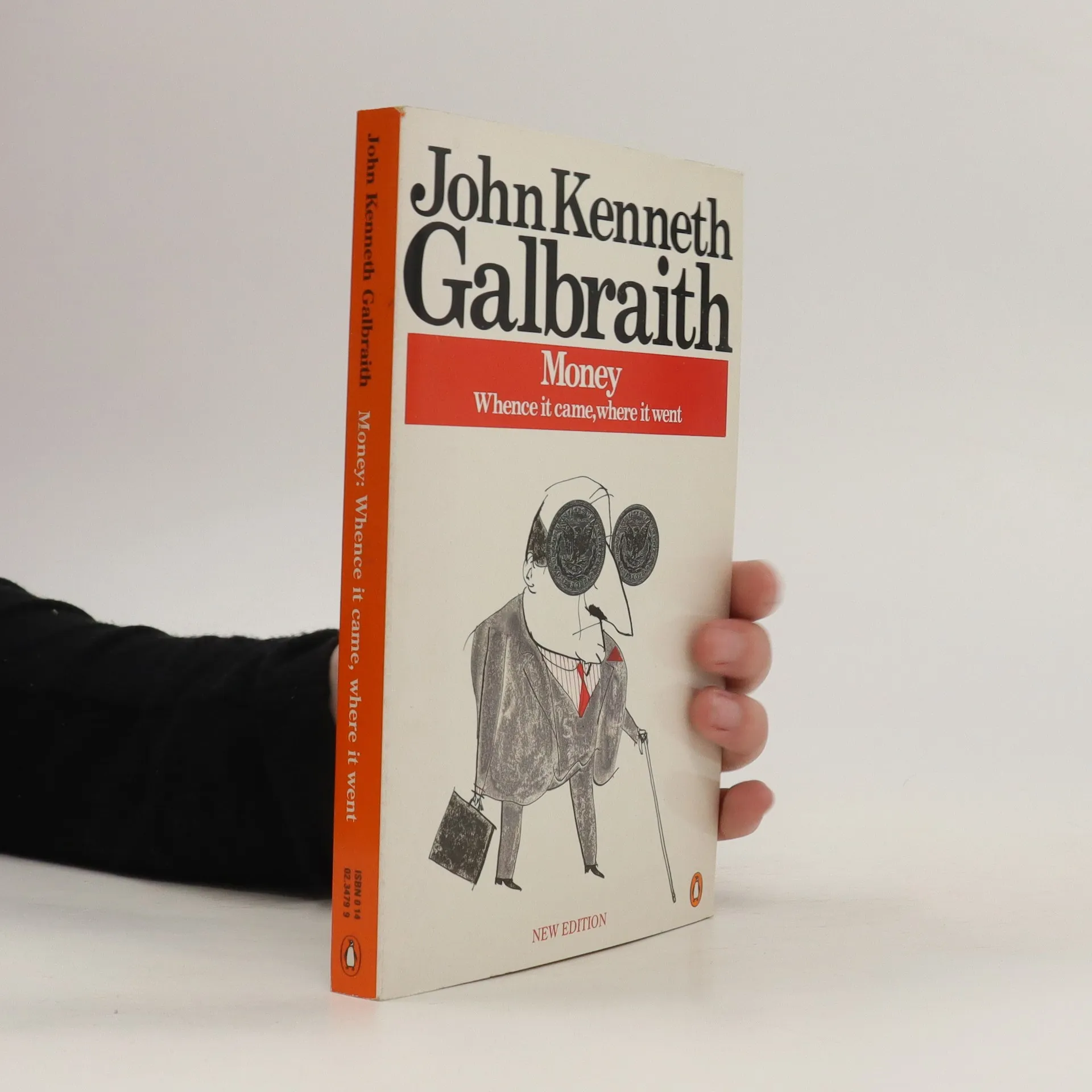
Combines a history of money and monetary institutions, with an analysis of money's changing role in the sum total of economic analysis and policy.
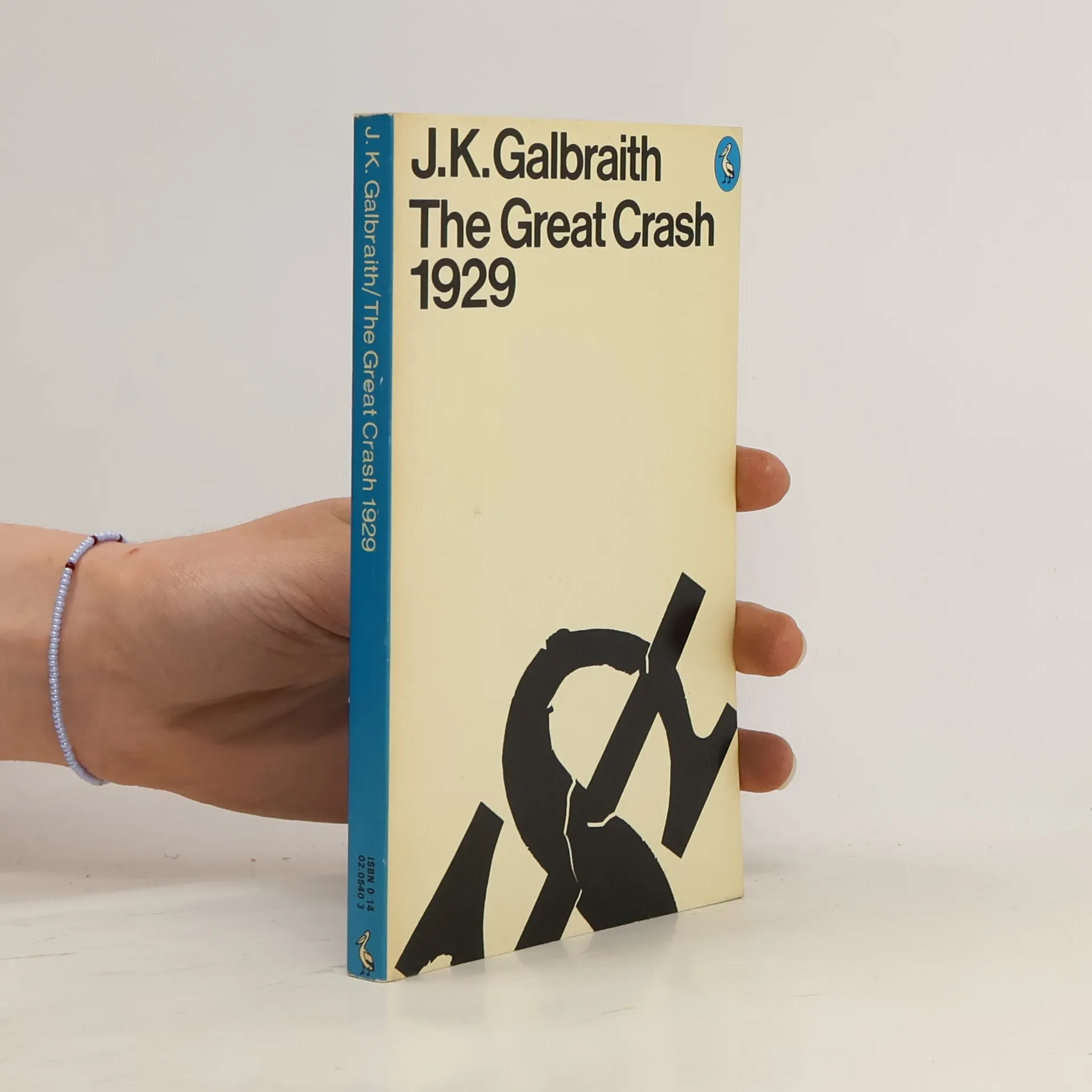
No account of the financial insanity of 1929 has been issued in a form at once so readable, so humorous, and so carefully authenticated as this classic book. J.K. Galbraith examines the 'gold rush fantasy' in American psychology and describes its dire consequences. The Florida land boom, the operations of Insull, Kreuger and Hatry, and the fabulous Shenandoah Corporation all come together in this penetrating study of concerted human greed and folly. From the cold figures of Wall Street the author wrenches a truly human drama.
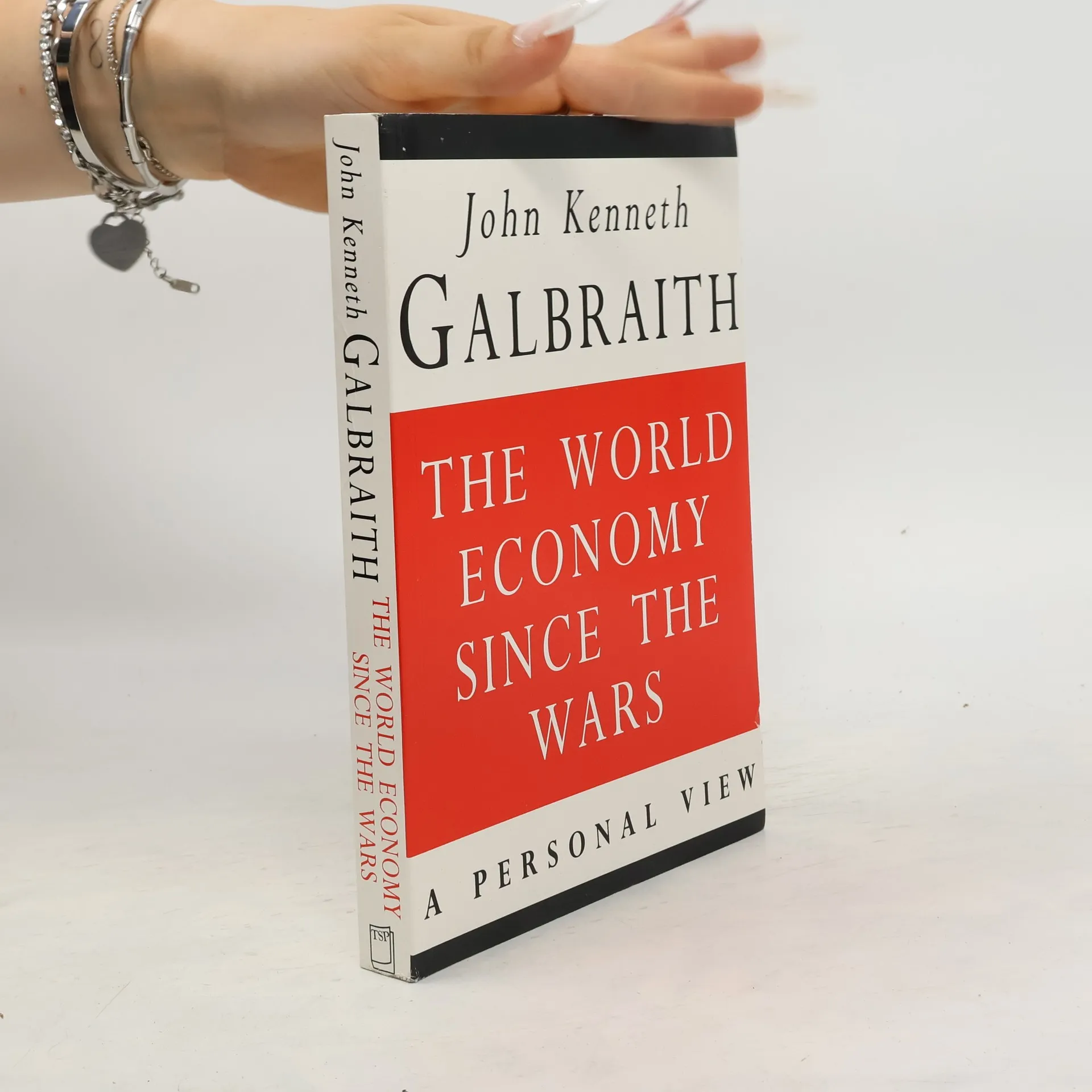
A comprehensive look at the world economy since World War I. Galbraith traces economic development from the Russian Revolution, Great Depression, and Roosevelt's New Deal, through to the end of colonialism and the emergent Third World, Reagan and Thatcher, and the new Economic Global Village.
The Good Society
- 151pages
- 6 heures de lecture
In this tightly argued and eloquent book, the preeminent economist John Kenneth Galbraith presents the blueprint for a society that is compassionate to the less fortunate and economically feasible for all. He points the way toward the achievable goals for a "good society": personal liberty, basic well-being, racial and ethnic equality, and the opportunity for a rewarding life. However, this is no utopian approach to the economic challenges facing America; Galbraith recognizes human weakness, differences in ability and motivation, and the formidable obstacles facing those who challenge the status quo. Still, Galbraith's optimism shines through as he explains how we could establish a more humane world by shedding today's conventional wisdom about inflation, the deficit, taxes, and immigration, and by recognizing the immense value of education and environmental responsibility and the political action that the good society demands
A Tenured Professor
- 197pages
- 7 heures de lecture
When America's most distinguished economist last year turned his observant eye and celebrated brilliance to fiction, the result was hailed by the New York Times as "his wisest and wittiest" novel yet. A respected Harvard professor creates an economic forecasting model identifying speculative folly, enabling him of society's hidden agendas that is at once a morality tale and a comic delight.
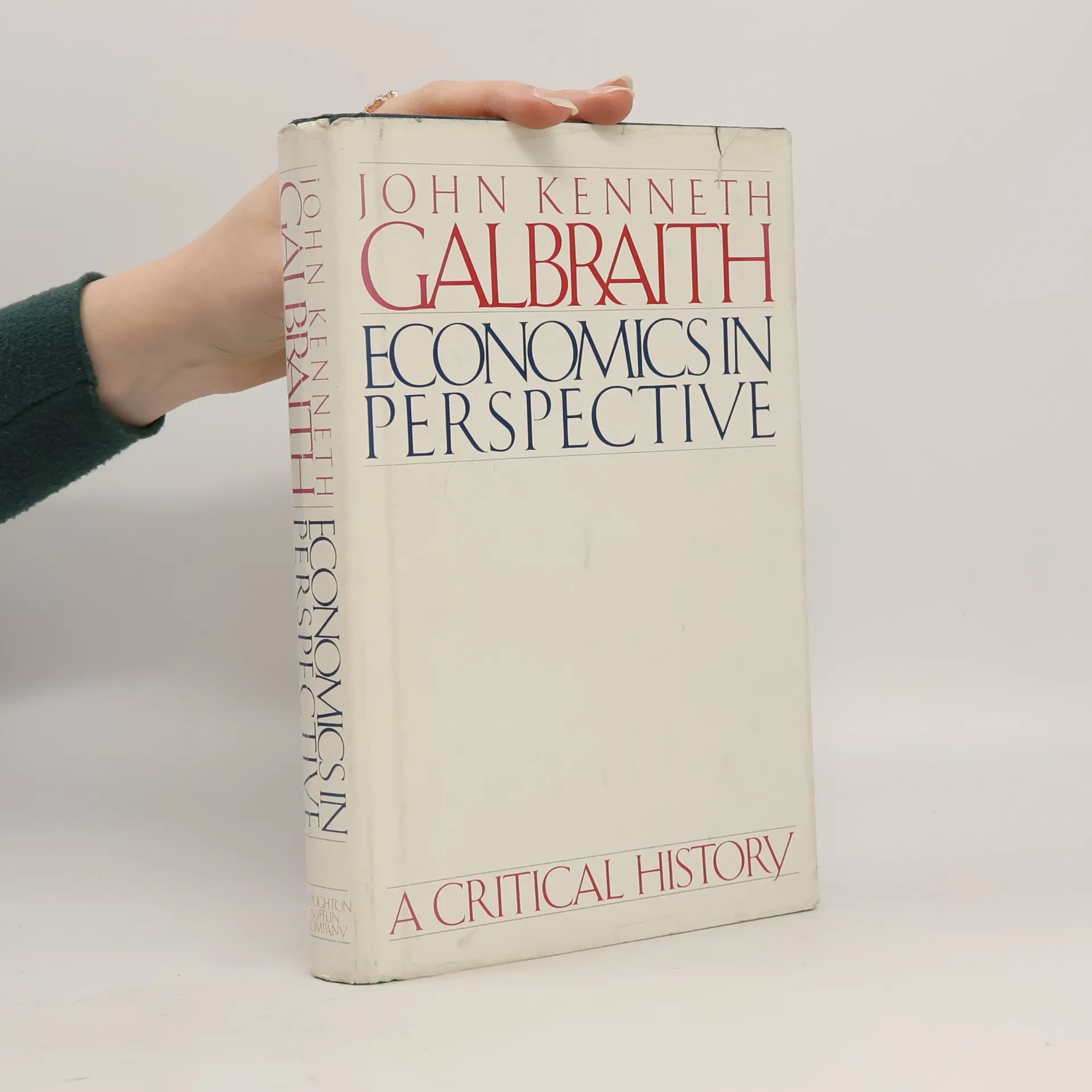
Galbraith supplies a much-needed overview of the development of this ambitious and imperfect science. A lively account of the social, political, financial and industrial preoccupation of the Western world.
The World Reference Encyclopedia
Geology, History, Biology, Astronomy, Science, The Arts
- 256pages
- 9 heures de lecture
Die Geschichte der Spekulationsblasen
Die Psychologie hinter vier Jahrhunderten Gier und Panik an der Börse
- 128pages
- 5 heures de lecture
Eigentlich sind wir alle ziemlich schlau. Nur das mit dem Geld klappt nicht so recht … und manchmal geht es sogar richtig schief. Doch warum nur? Mit „Die Geschichte der Spekulationsblasen“ macht sich John Kenneth Galbraith, einer der ganz großen Ökonomen des 20. Jahrhunderts, auf die Suche nach der Antwort. Und er sucht an den richtigen Stellen – den Finanzkatastrophen der letzten vier Jahrhunderte: der Tulpenmanie des 17. Jahrhunderts, der Südseeblase im 18. Jahrhundert, den Hochrisiko-Anleihen im 20. Jahrhundert. Mit Geist und Witz erklärt Galbraith die psychologischen Mechanismen hinter diesen Blasen … damit der Leser sie durchschaut und sich dagegen wappnen kann. Dieses Meisterwerk zum Thema Finanzpsychologie war vergriffen und wird nun im Börsenbuchverlag wieder aufgelegt.
Die Geschichte der Wirtschaft im 20. Jahrhundert
- 285pages
- 10 heures de lecture
Galbraith gehört zu den berühmtesten Wirtschaftswissenschaftlern der Welt. Während des Zweiten Weltkrieges war er beratend für Präsident Roosevelt tätig. In der Regierungszeit von John F. Kennedy vertrat er die Vereinigten Staaten als Botschafter in Indien. Mit diesem Buch schrieb er eine historisch-kritische Abhandlung über die unterschiedlichen ökonomischen Theorien, sei es die von Adam Smith oder John Maynard Keynes. Das Buch wird durch ein übersichtliches Personen- und Sachregister komplettiert.
Mächte, Märkte & [und] Moneten
- 400pages
- 14 heures de lecture
China
- 159pages
- 6 heures de lecture
Die Arroganz der Satten
- 159pages
- 6 heures de lecture
Bietet eine Erklärung für die Massenarmut in armen Ländern, basierend auf der Tendenz von Männern und Frauen, sich einem Gleichgewicht ländlicher Armut zu unterwerfen, und schlägt Politiken vor, die dieses Gleichgewicht stören würden.
German
China
Porträt einer Wirtschaft














![Mächte, Märkte & [und] Moneten](https://rezised-images.knhbt.cz/1920x1920/44017510.webp)