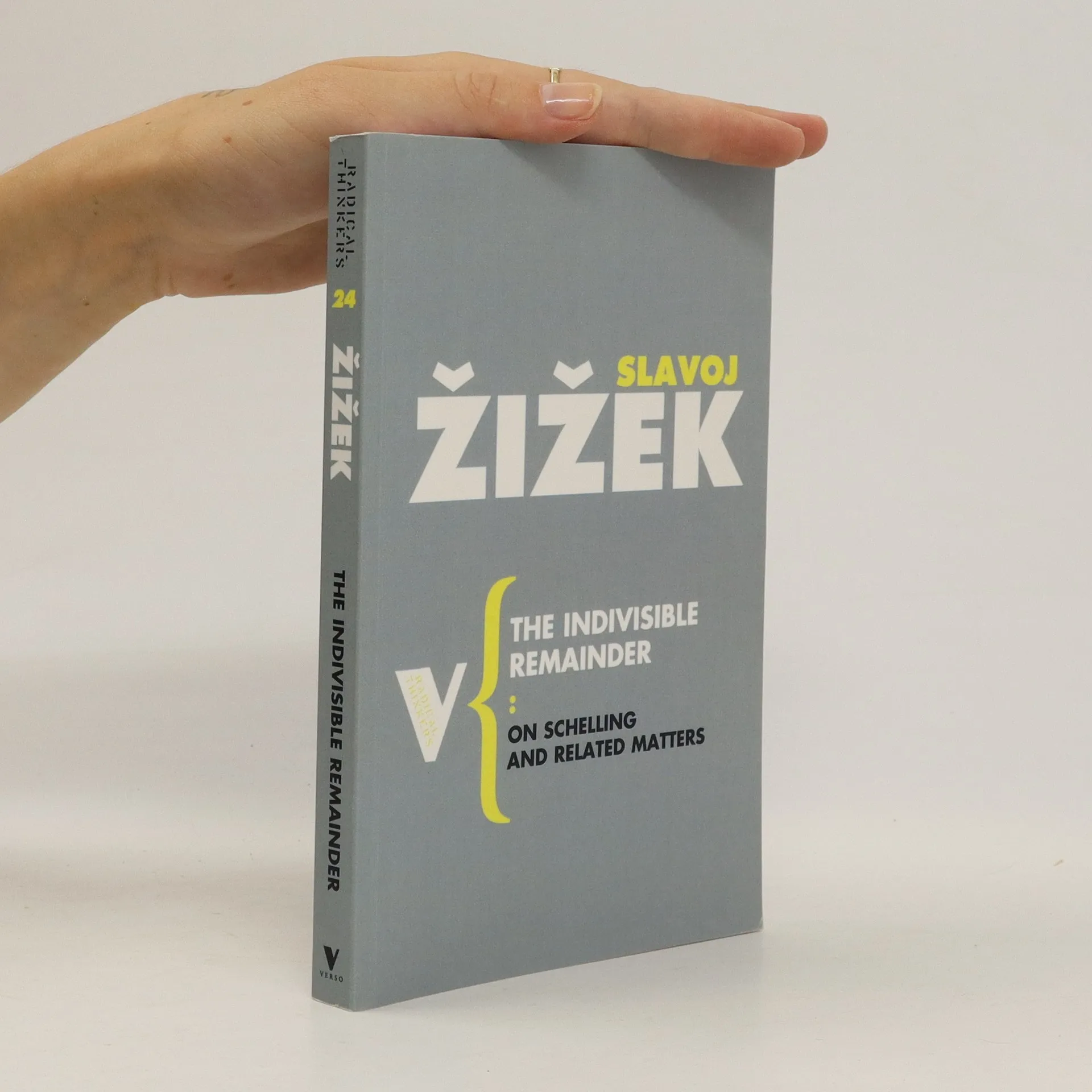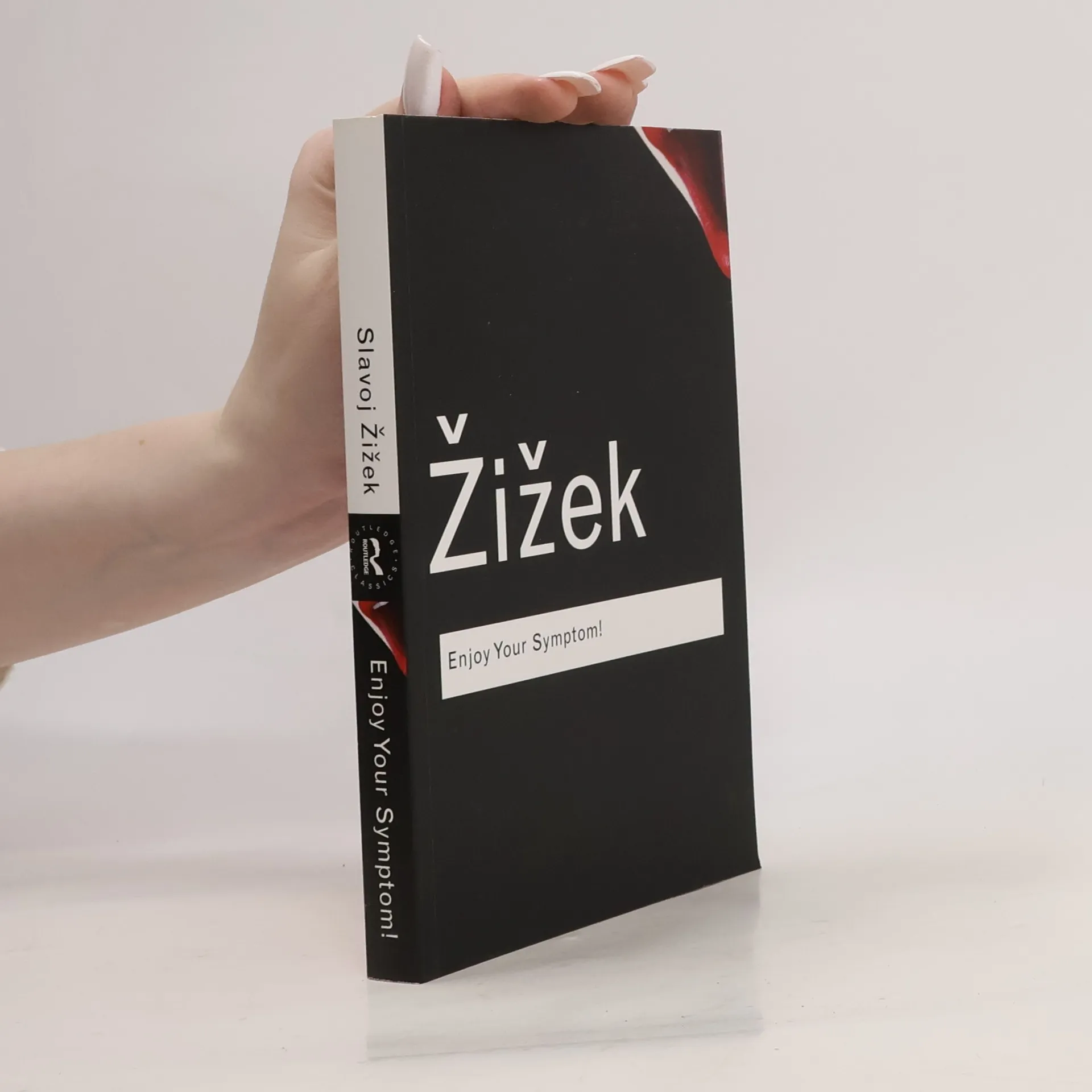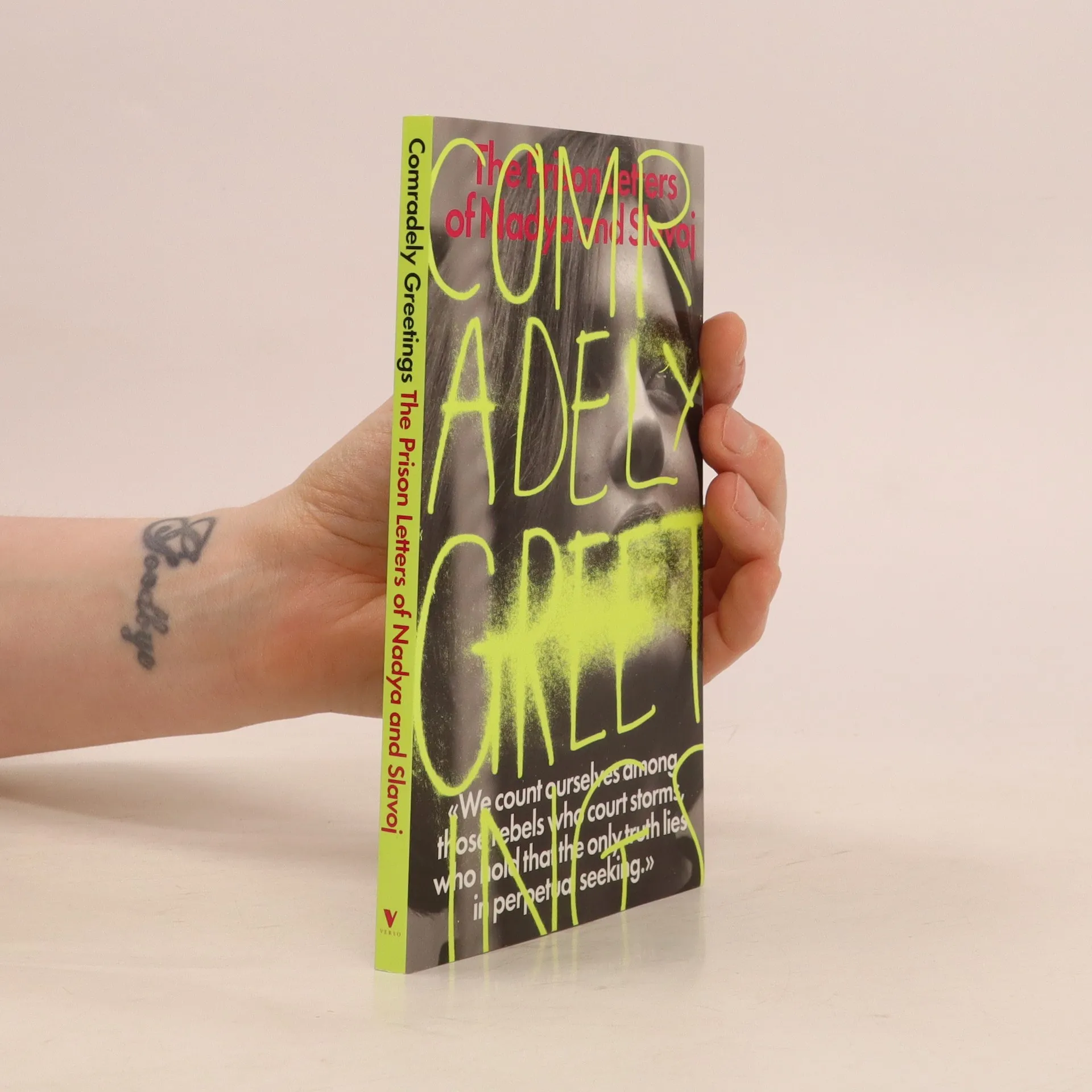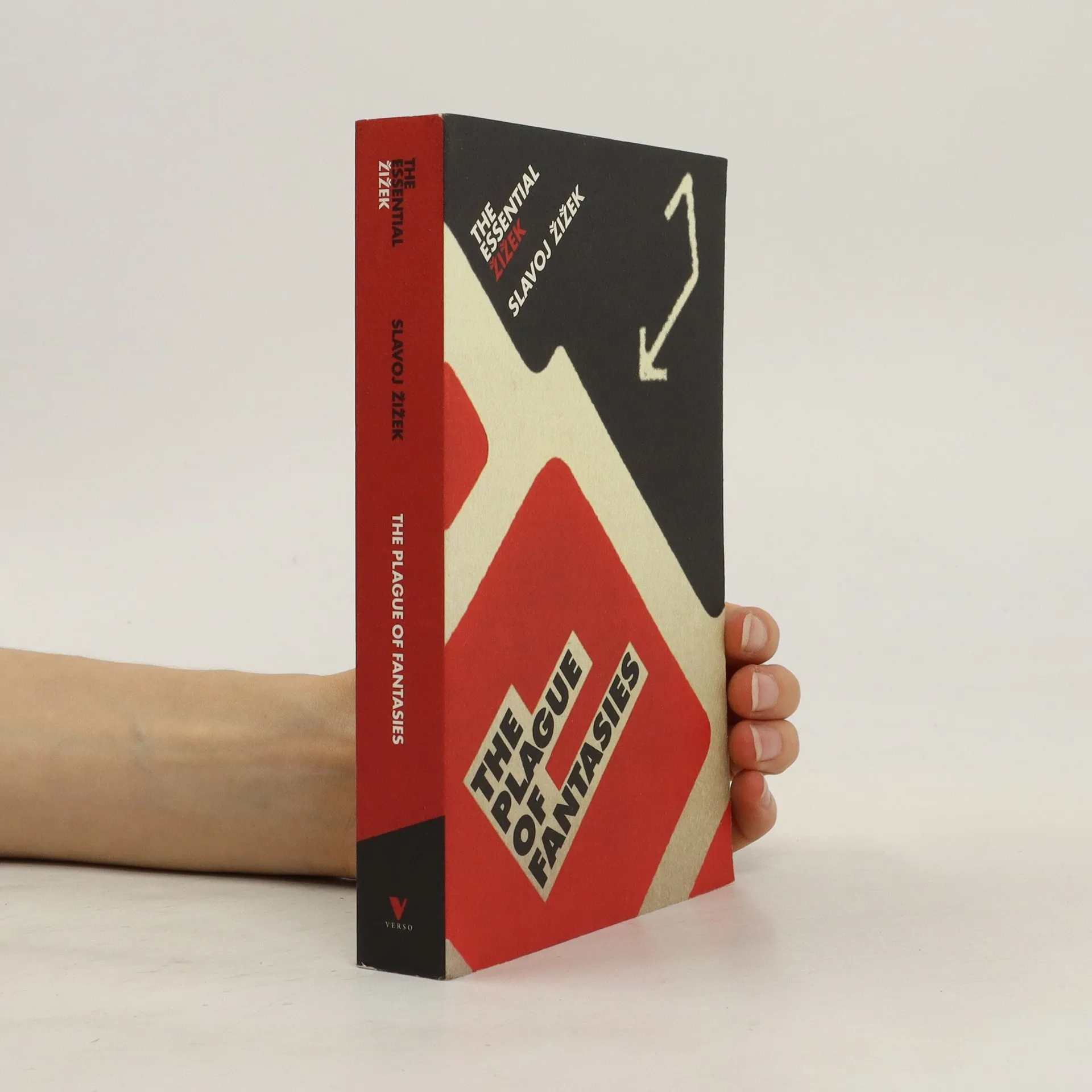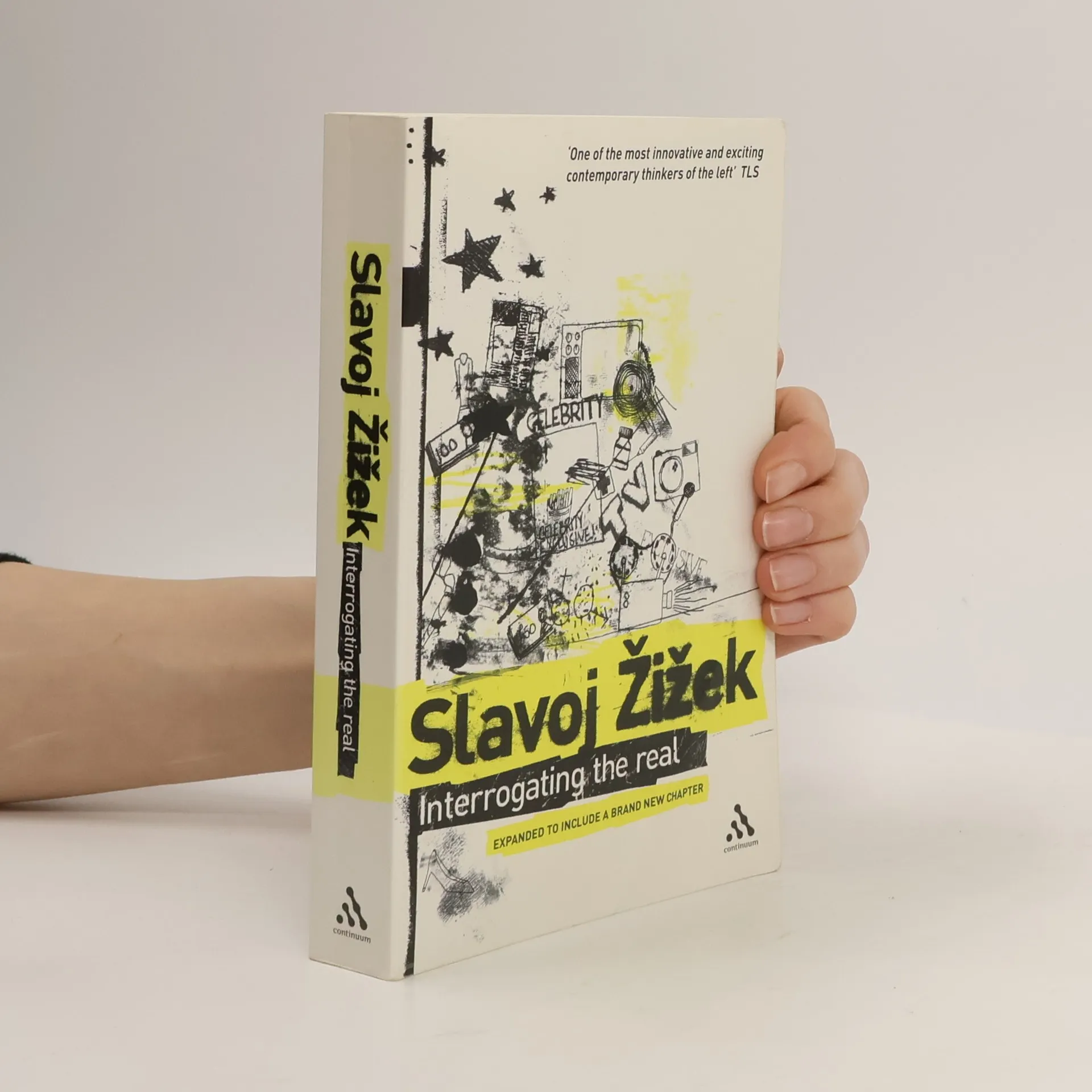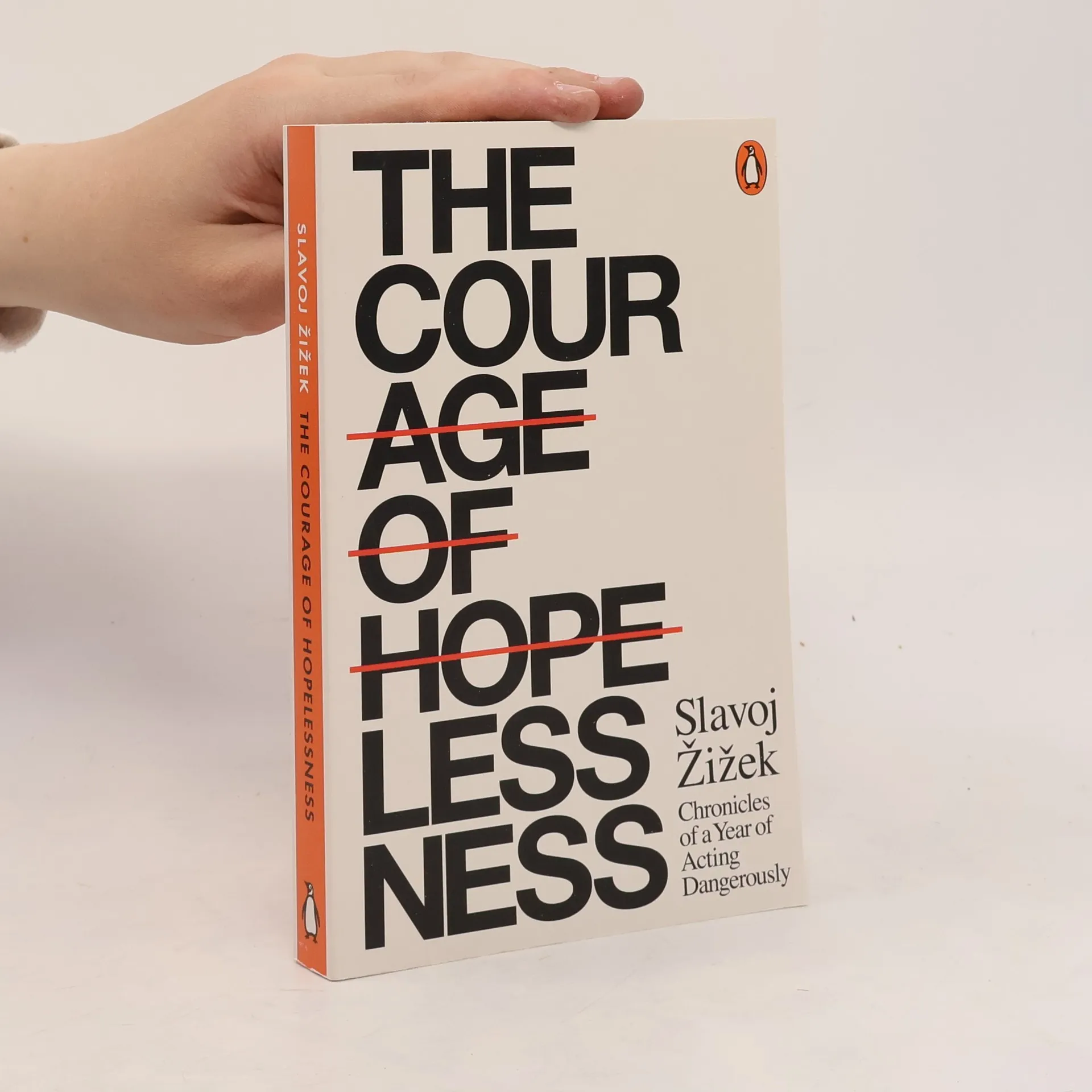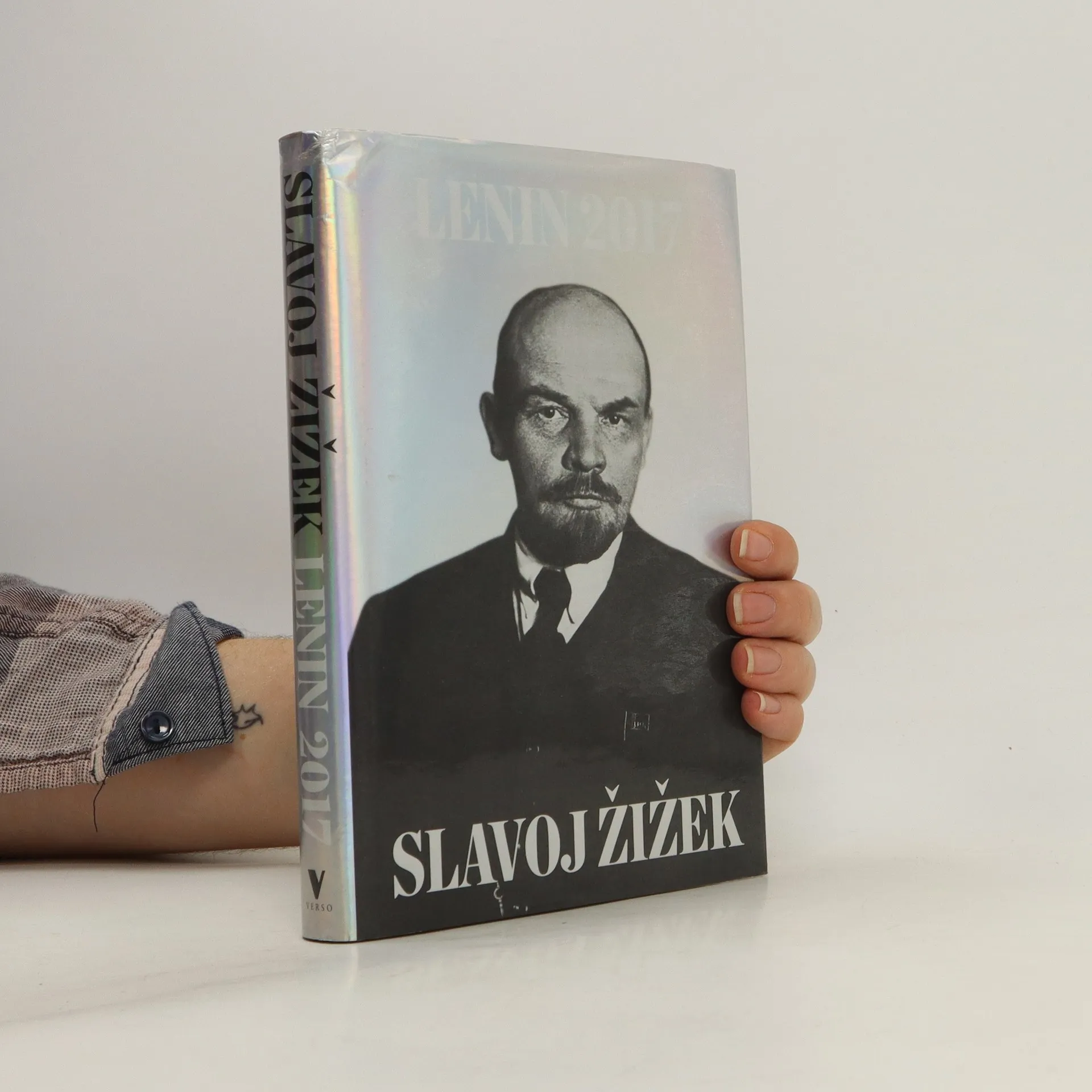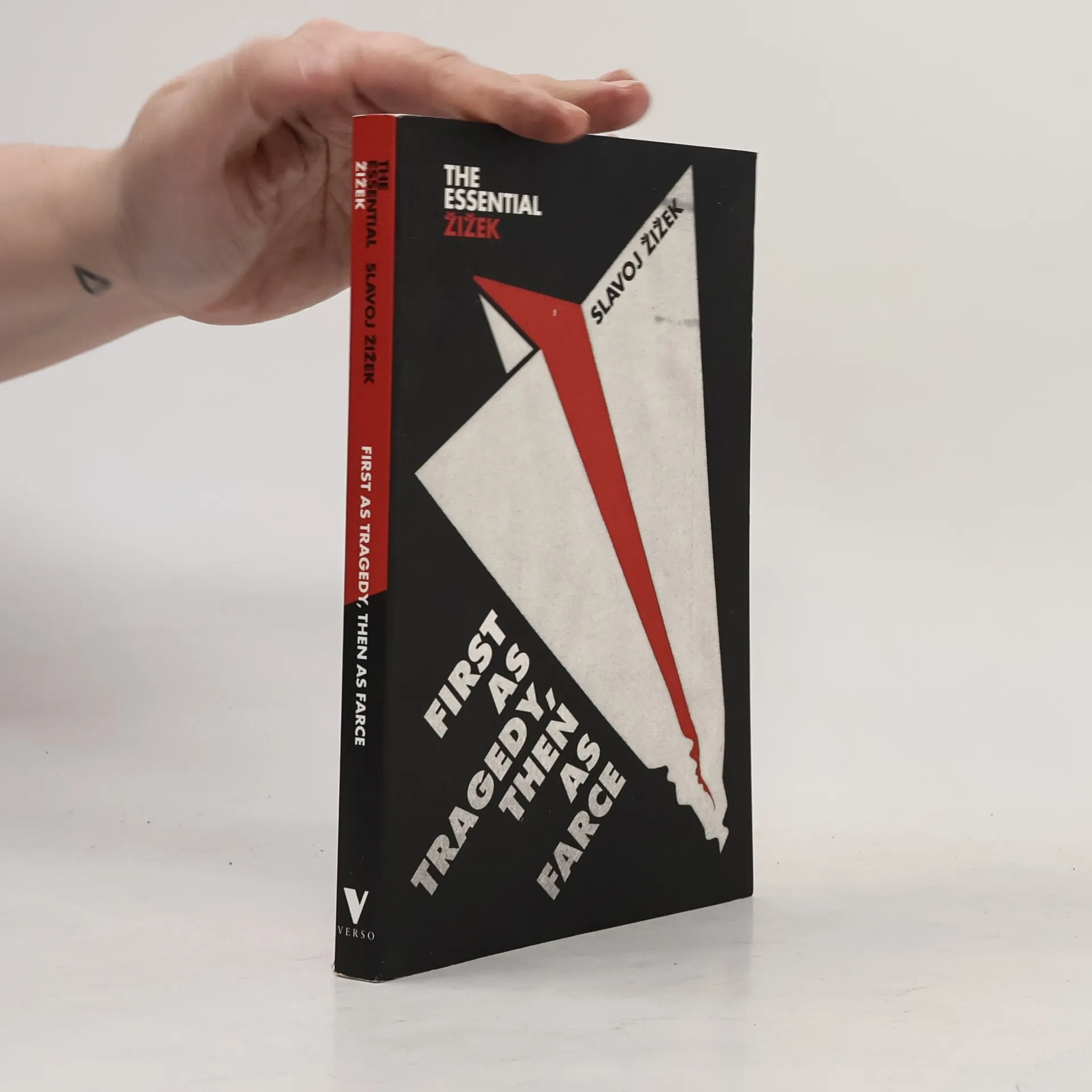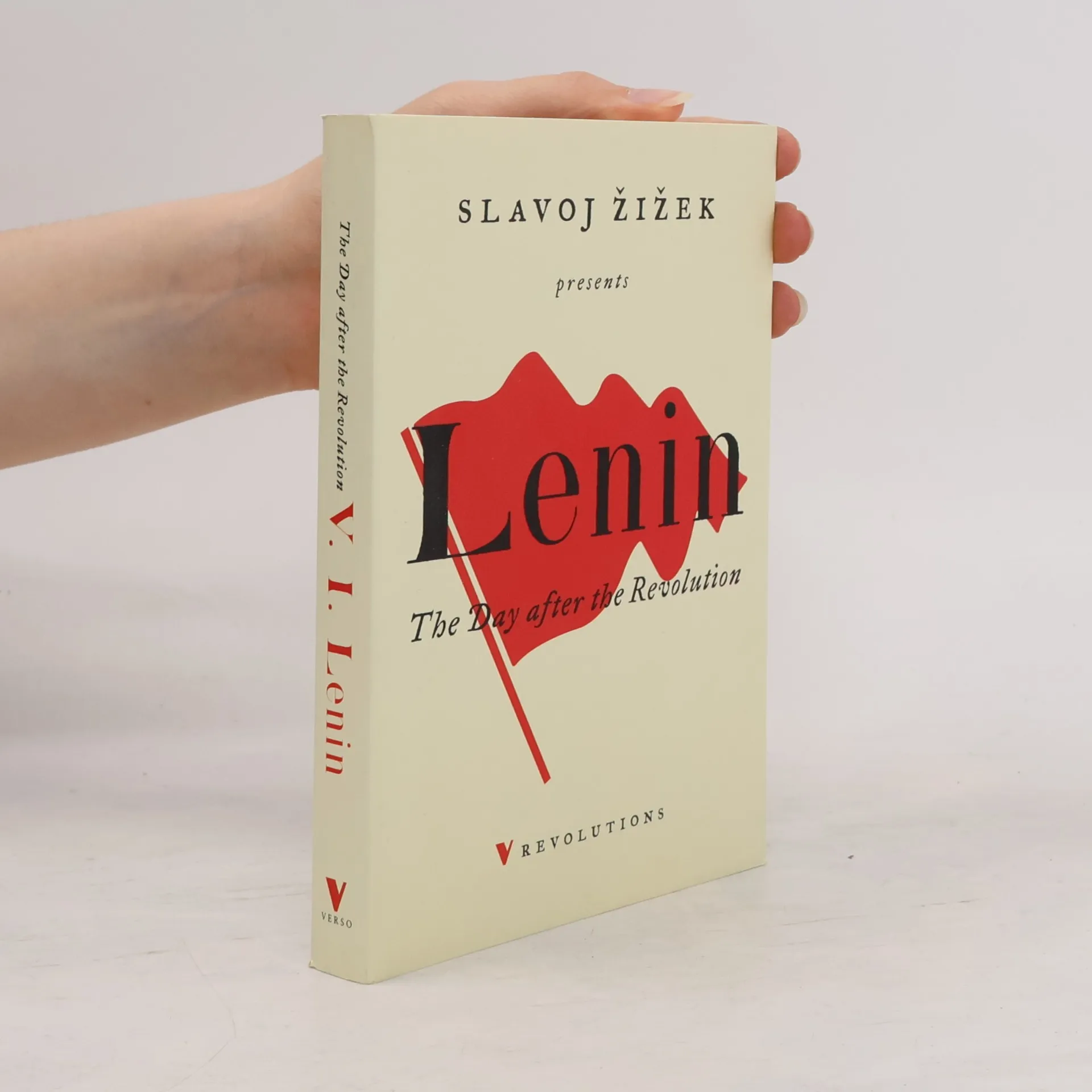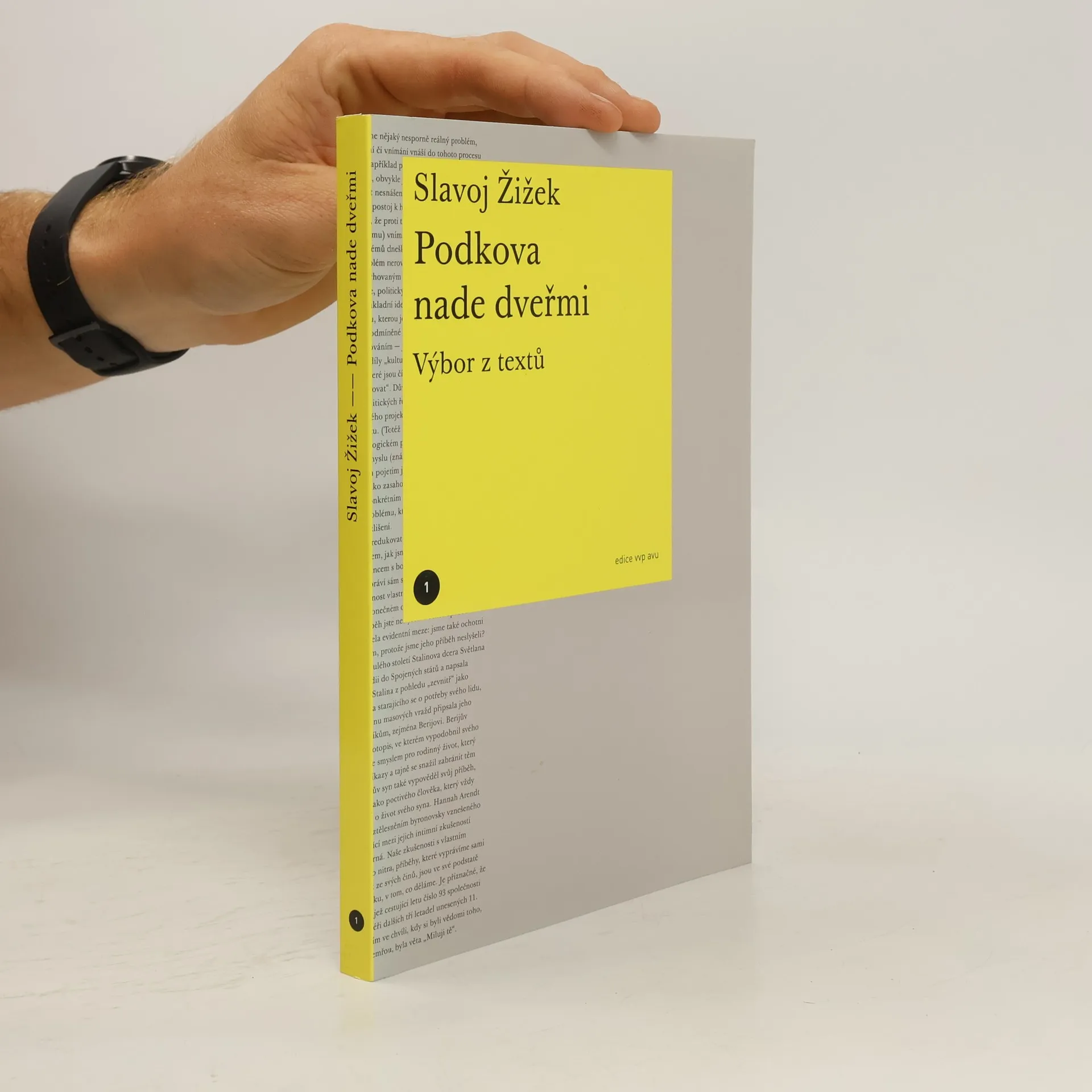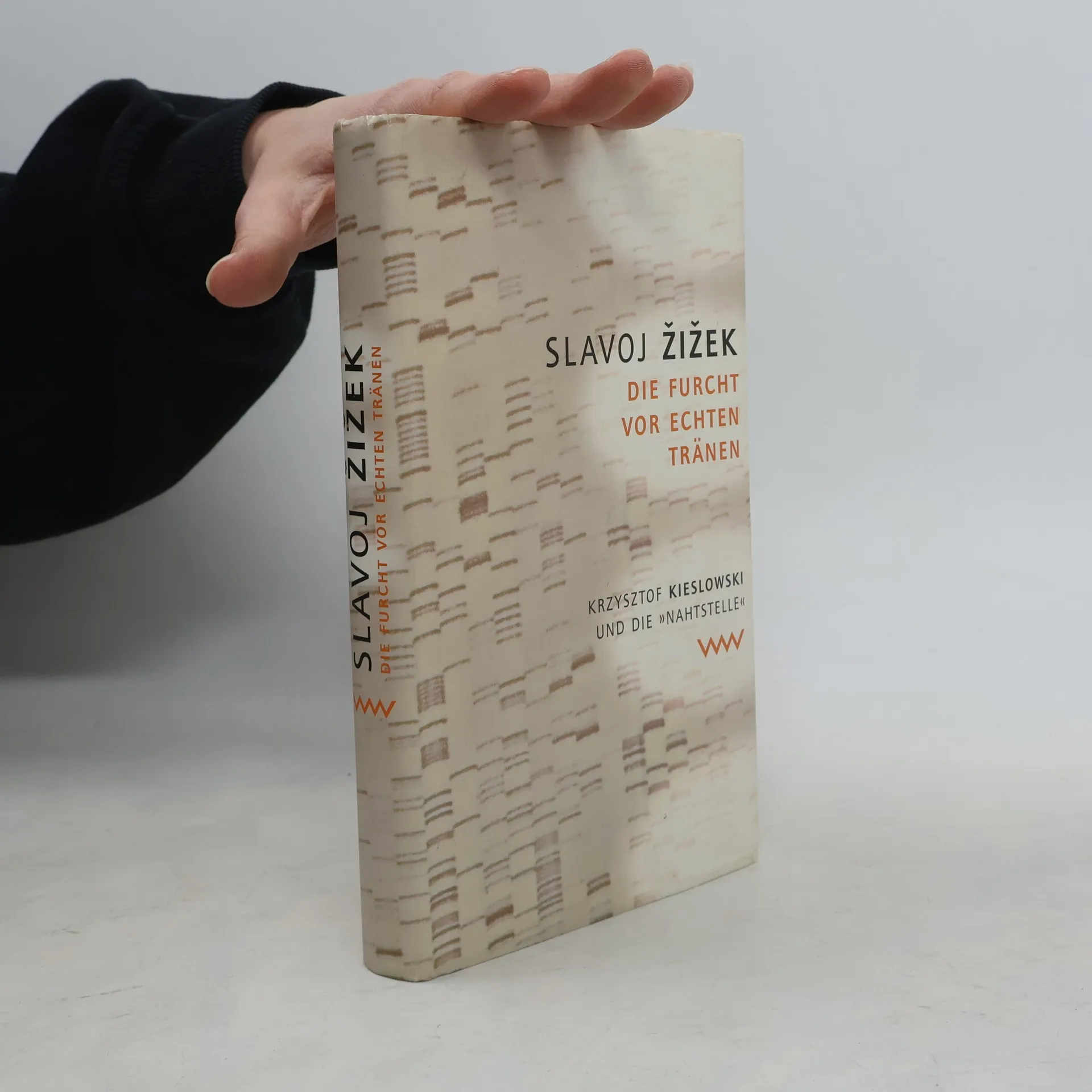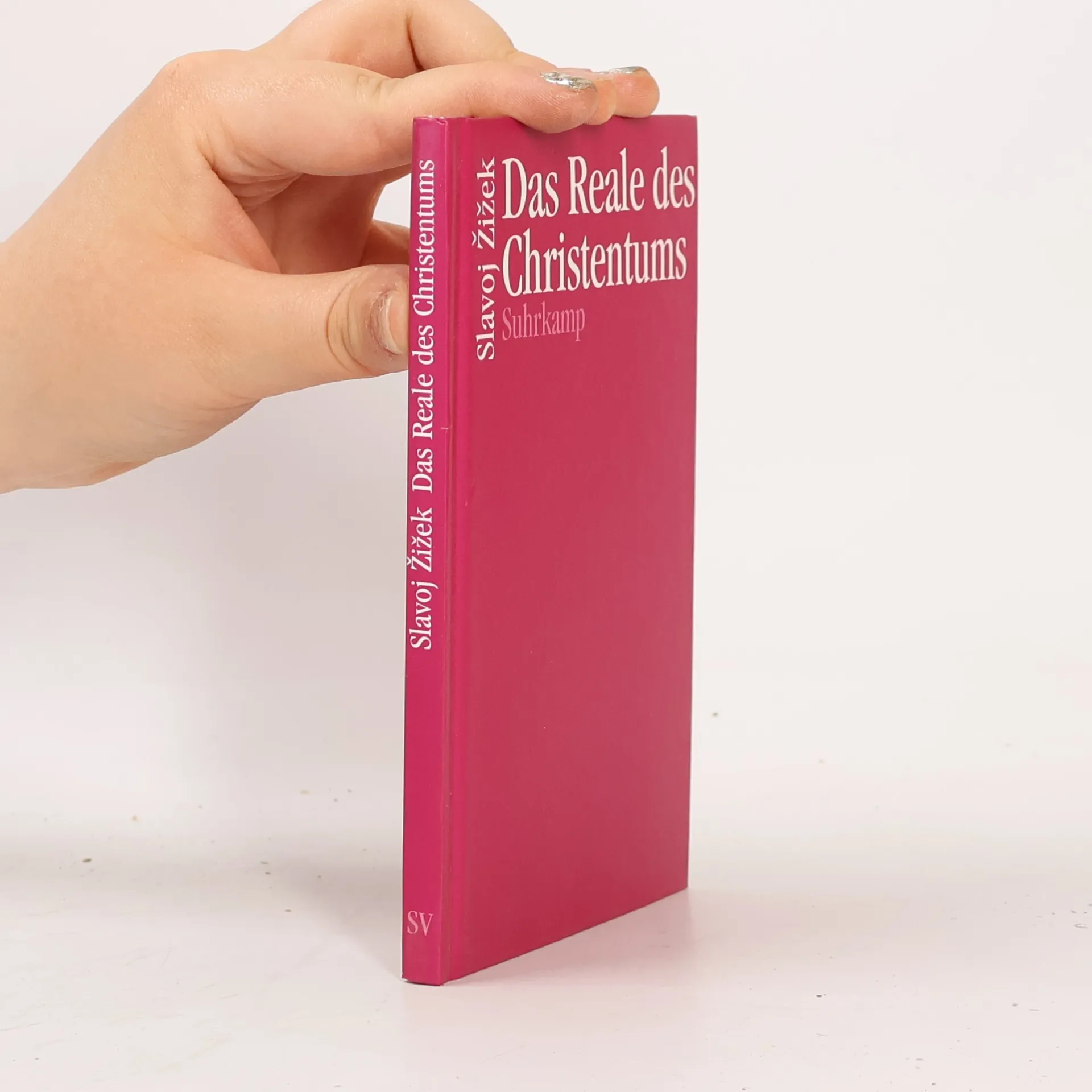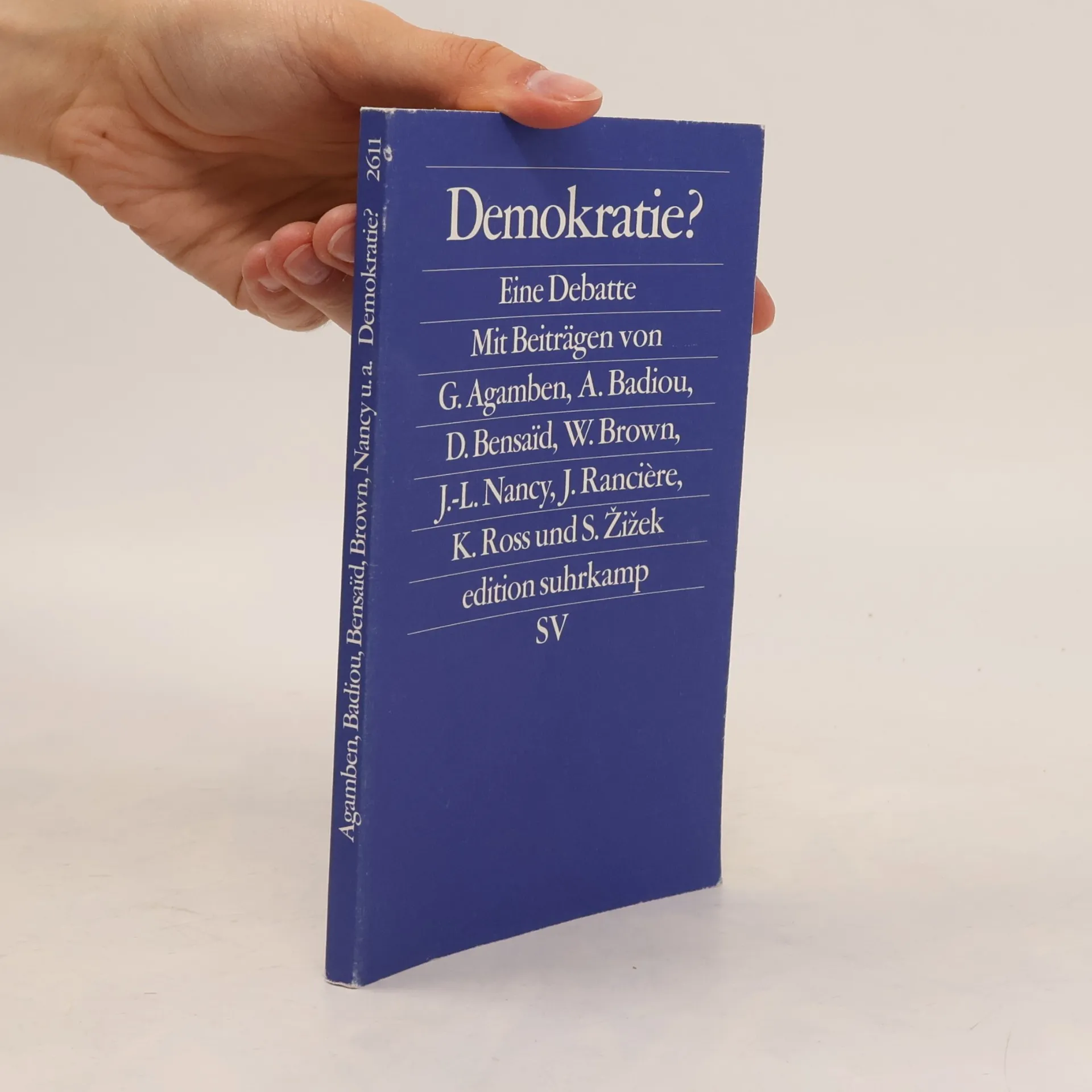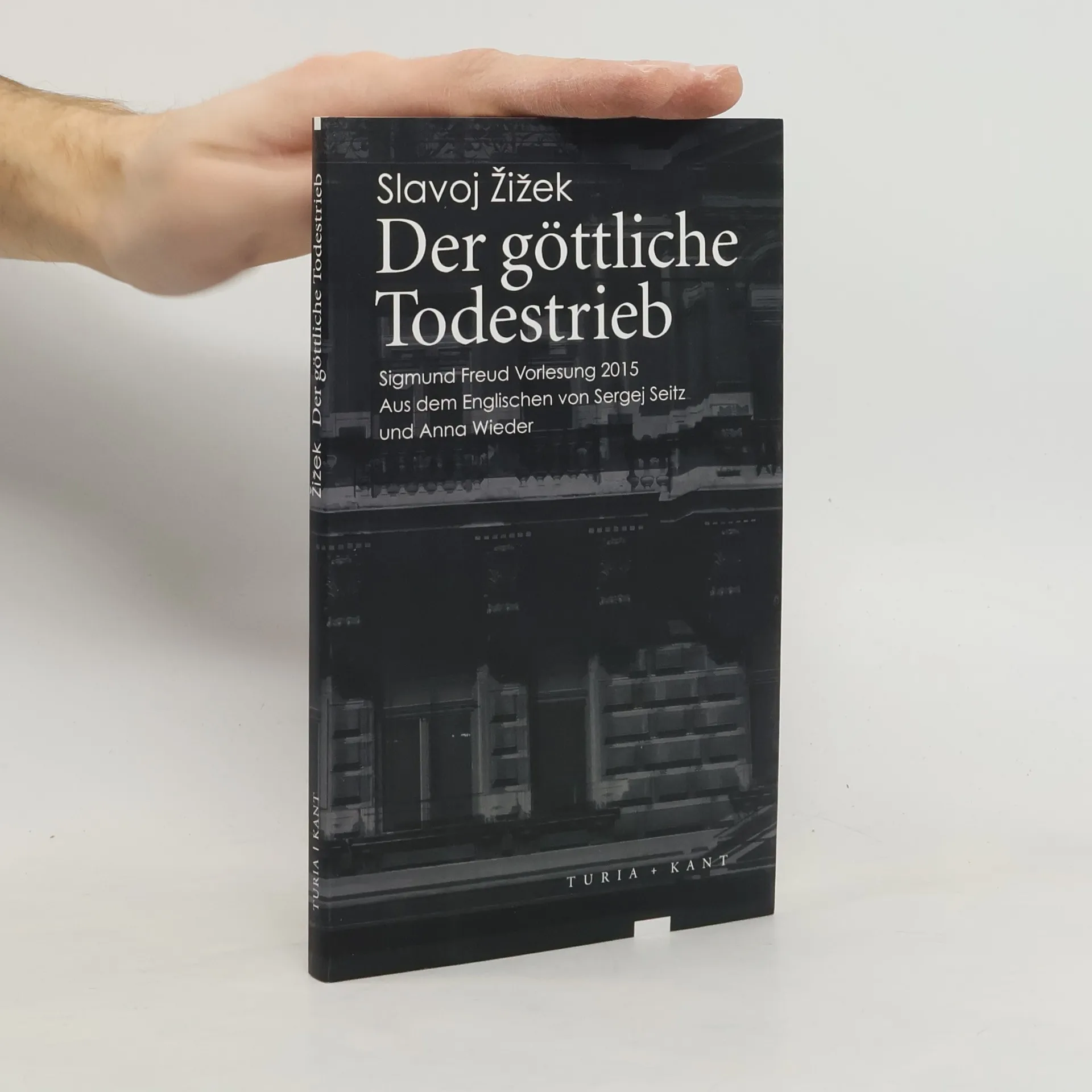

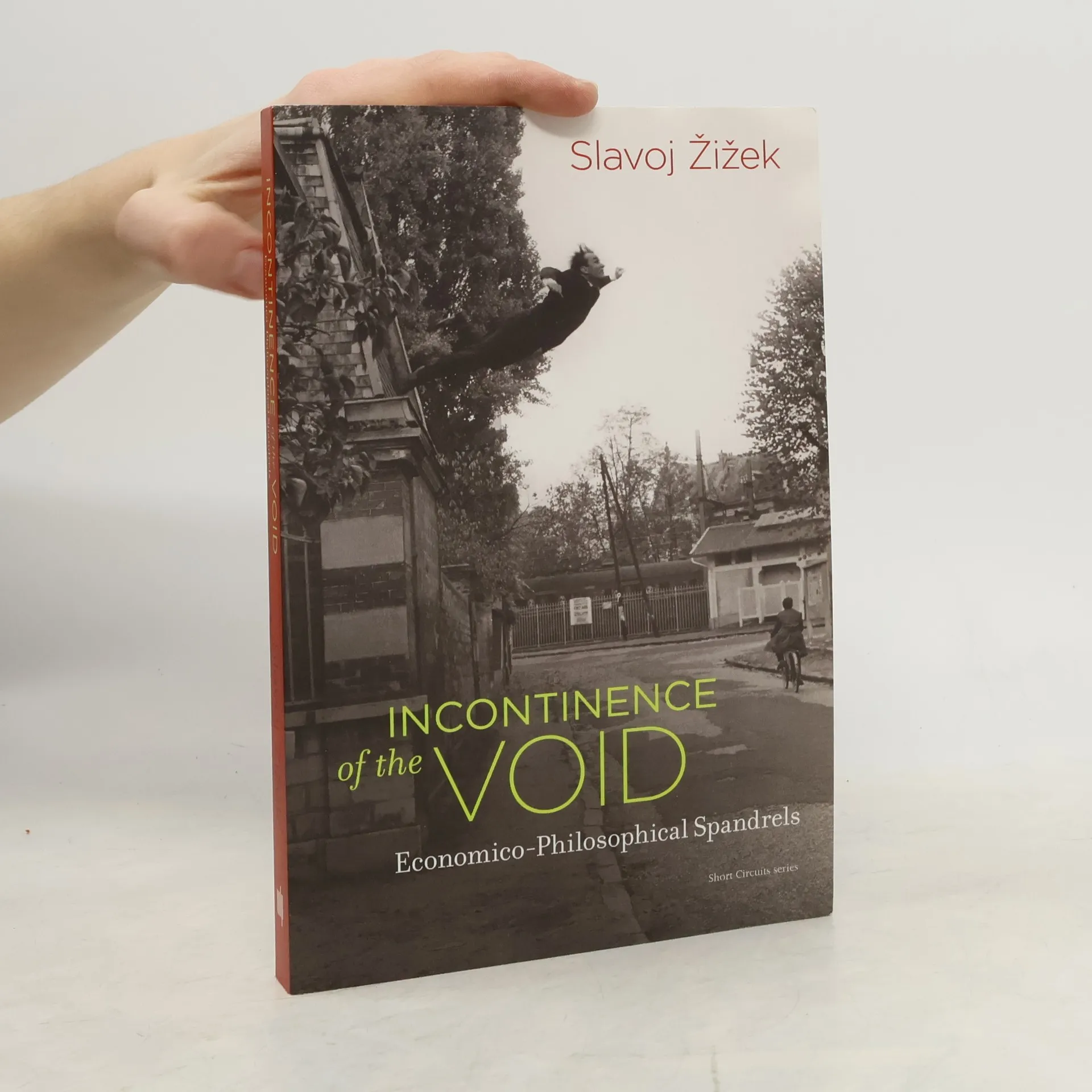

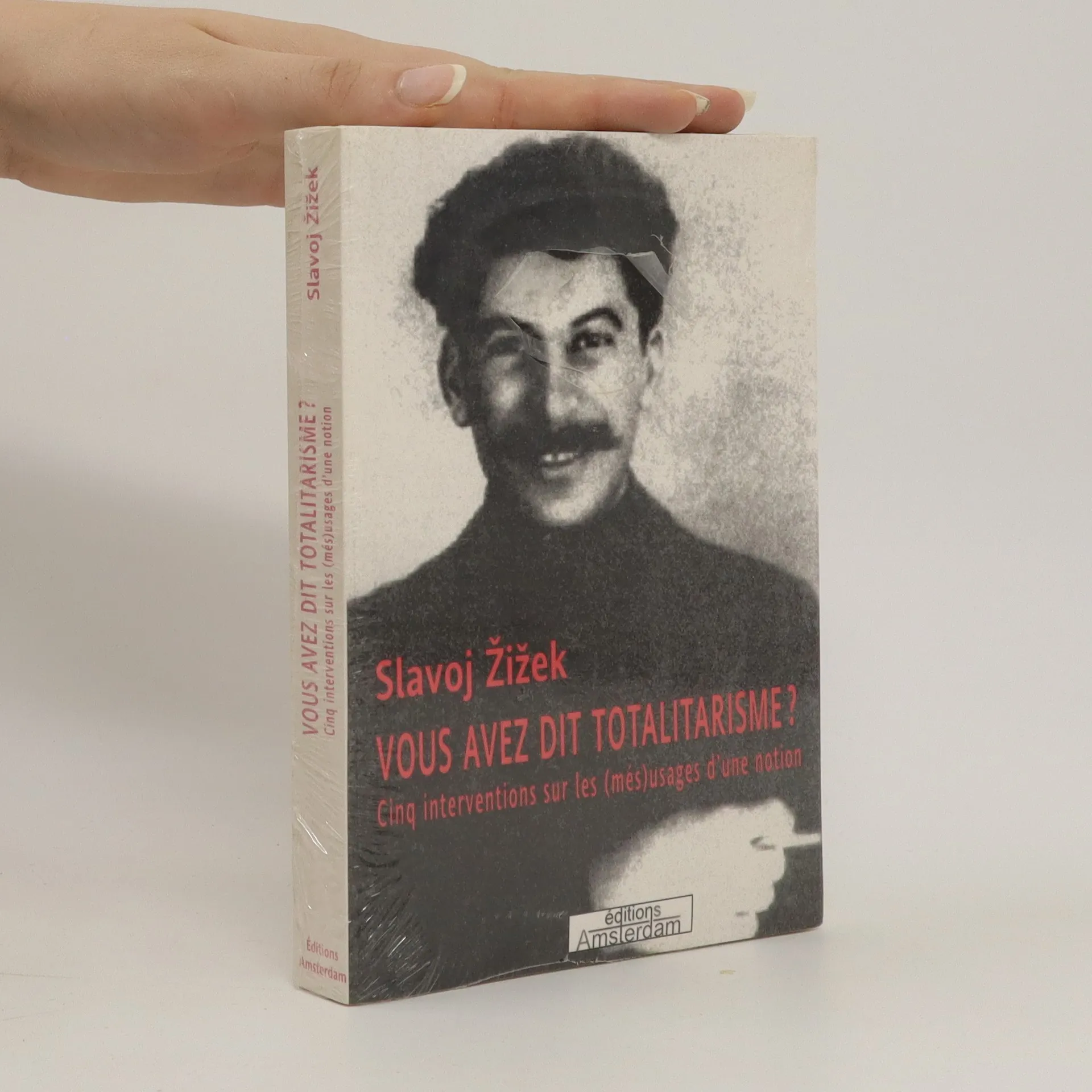
Dans les cinq essais, polémiques et incisifs, qui consituent Vous avez dit totalitarisme ?, Slavoj Žižek propose au lecteur non une histoire ou une déconstruction systématique de la notion de totalitarisme, mais l'analyse de différents usages actuels dont elle fait l'objet. Ces enquêtes, qui prennent notamment appui sur l'œuvre de Jacques Lacan, constituent autant de méditations sur les conditions de possibilité, ou d'impossibilité, de l'émergence de sujets politiques aujourd'hui.Au terme du parcours défini par ces "interventions", il apparaît, pour reprendre les termes de l'auteur, que "la notion de totalitarisme a toujours été une notion idéologique au service de l'opération complexe visant à neutraliser les 'radicaux libres', à garantir l'hégémonie libérale-démocrate, et à dénoncer la critique de gauche de la démocratie libérale comme pendant ou double de la dictature fasciste de droite. […] Loin d'être un concept théorique valable, la notion de totalitarisme est une sorte de subterfuge théorique; au lieu de nous donner les moyens de réfléchir, de nous contraindre à appréhender sous un jour nouveau la réalité historique qu'elle désigne, elle nous dispense de penser, et même nous empêche activement de le faire."

Slavoj Žižek Livres
Slavoj Žižek est un philosophe et critique culturel slovène, réputé pour son application novatrice des œuvres de Jacques Lacan à la culture populaire. Son œuvre exhaustive explore un large éventail de sujets, allant de la politique et de l'idéologie à la subjectivité et à la psychanalyse. Les essais et livres de Žižek mêlent fréquemment des concepts théoriques à des analyses des phénomènes sociaux et médiatiques contemporains. Son style singulier et ses perspectives provocatrices en font un penseur majeur de notre époque.


Reading Hegel
- 216pages
- 8 heures de lecture
A spirit is haunting contemporary thought – the spirit of Hegel. All the powers of academia have entered into a holy alliance to exorcize this spirit: Vitalists and Eschatologists, Transcendental Pragmatists and Speculative Realists, Historical Materialists and even ‘liberal Hegelians’. Which of these groups has not been denounced as metaphysically Hegelian by its opponents? And which has not hurled back the branding reproach of Hegelian metaphysics in its turn? Progressives, liberals and reactionaries alike receive this condemnation. In light of this situation, it is high time that true Hegelians should openly admit their allegiance and, without obfuscation, express the importance and validity of Hegelianism to the contemporary intellectual scene. To this end, a small group of Hegelians of different nationalities have assembled to sketch the following book – a book which addresses a number of pressing issues that a contemporary reading of Hegel allows a new perspective on: our relation to the future, our relation to nature and our relation to the absolute.
Less Than Nothing
- 1038pages
- 37 heures de lecture
A thousand-page resurrection of Hegel, from the bestselling philosopher and critic who has been hailed as “one of the world’s best-known public intellectuals” (New York Review of Books) For the last two centuries, Western philosophy has developed in the shadow of Hegel, an influence each new thinker struggles to escape. As a consequence, Hegel’s absolute idealism has become the bogeyman of philosophy, obscuring the fact that he is the defining philosopher of the historical transition to modernity, a period with which our own times share startling similarities. Today, as global capitalism comes apart at the seams, we are entering a new period of transition. In Less Than Nothing—the product of a career-long focus on the part of its author—Slavoj Žižek argues it is imperative we not simply return to Hegel but that we repeat and exceed his triumphs, overcoming his limitations by being even more Hegelian than the master himself. Such an approach not only enables Žižek to diagnose our present condition, but also to engage in a critical dialogue with key strands of contemporary thought—Heidegger, Badiou, speculative realism, quantum physics, and cognitive sciences. Modernity will begin and end with Hegel.
Organs without Bodies
- 232pages
- 9 heures de lecture
Slavoj Žižek takes the work of French philosopher Gilles Deleuze as the beginning of a dazzling enquiry into the realms of radical politics, philosophy, film and psychoanalysis.
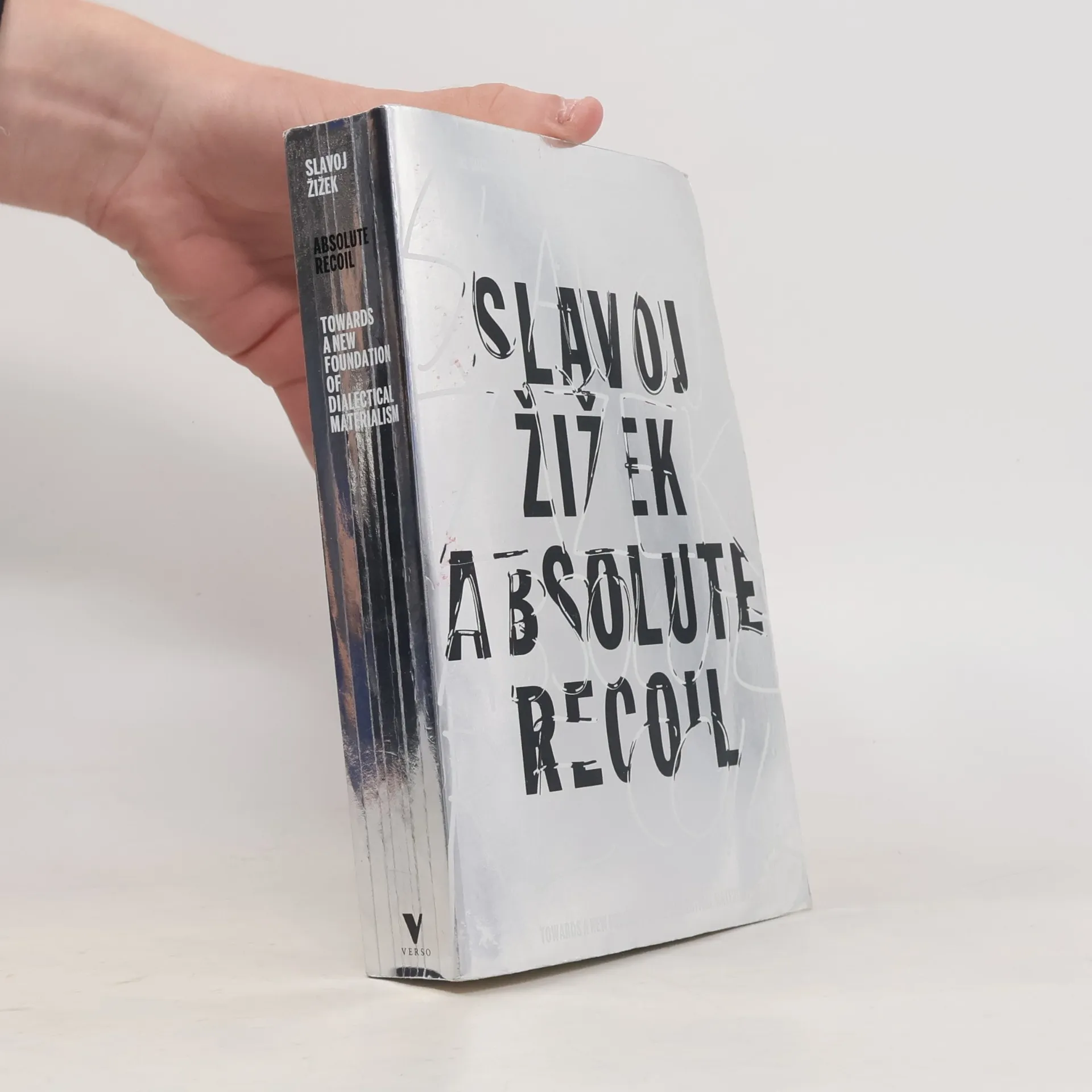
Absolute Recoil
- 448pages
- 16 heures de lecture
Zizek's philosophical masterwork, now out in paperback
Sex and the Failed Absolute
- 496pages
- 18 heures de lecture
In this profound exploration, Slavoj Zizek redefines dialectical materialism, critiquing influential thinkers and engaging with diverse topics from quantum mechanics to sexual difference. Utilizing striking imagery and Hegelian concepts, he offers fresh interpretations of Hegel and Kant, alongside vibrant discussions on film, politics, and culture.
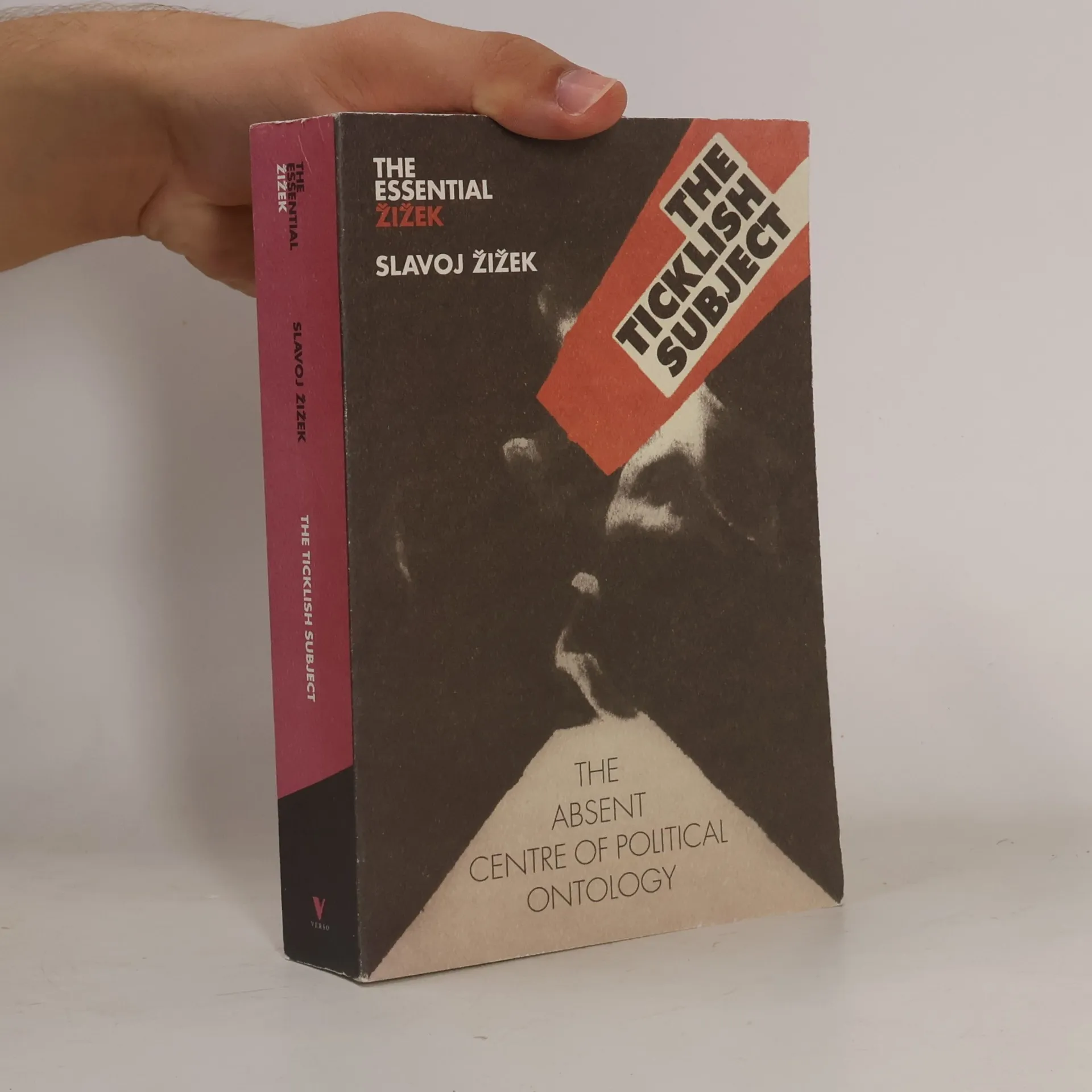
Slavoj Žižek, the maverick philosopher, author of over 30 books, acclaimed as the “Elvis of cultural theory”, and today’s most controversial public intellectual. His work traverses the fields of philosophy, psychoanalysis, theology, history and political theory, taking in film, popular culture, literature and jokes—all to provide acute analyses of the complexities of contemporary ideology as well as a serious and sophisticated philosophy. His recent films The Pervert’s Guide to the Cinema and Žižek! reveal a theorist at the peak of his powers and a skilled communicator. Now Verso is making his classic titles, each of which stand as a core of his ever-expanding life’s work, available as new editions. Each is beautifully re-packaged, including new introductions from Žižek himself. Simply put, they are the essential texts for understanding Žižek’s thought and thus cornerstones of contemporary philosophy. The Ticklish Subject: The Absent Centre of Political Ontology: A specter is haunting Western thought, the specter of the Cartesian subject. In this book Slavoj Žižek unearths a subversive core to this elusive specter, and finds within it the indispensable philosophical point of reference for any genuinely emancipatory project.
As we emerge (though perhaps only temporarily) from the pandemic, other crises move center stage: outrageous inequality, climate disaster, desperate refugees, mounting tensions of a new cold war. The abiding motif of our time is relentless chaos. Acknowledging the possibilities for new beginnings at such moments, Mao Zedong famously proclaimed "There is great disorder under heaven; the situation is excellent." The contemporary relevance of Mao's observation depends on whether today's catastrophes can be a catalyst for progress or have passed over into something terrible and irretrievable. Perhaps the disorder is no longer under, but in heaven itself. Characteristically rich in paradoxes and reversals that entertain as well as illuminate, Slavoj Žižek's new book treats with equal analytical depth the lessons of Rammstein and Corbyn, Morales and Orwell, Lenin and Christ. It excavates universal truths from local political sites across Palestine and Chile, France and Kurdistan, and beyond. Heaven In Disorder looks with fervid dispassion at the fracturing of the Left, the empty promises of liberal democracy, and the tepid compromises offered by the powerful. From the ashes of these failures, Žižek asserts the need for international solidarity, economic transformation, and--above all--an urgent, "wartime" communism.
Totalitarianism, as an ideological notion, has always had a precise strategic function: to guarantee the liberal-democratic hegemony by dismissing the Leftist critique of liberal democracy as the obverse, the twin, of the Rightist Fascist dictatorships. Instead of providing yet another systematic exposition of the history of this notion, Žižek’s book addresses totalitarianism in a Wittgensteinian way, as a cobweb of family resemblances. He concludes that the devil lies not so much in the detail of what constitutes totalitarianism as in what enables the very designation totalitarian: the liberal-democratic consensus itself.
Virtue and terror
- 160pages
- 6 heures de lecture
Robespierre's defense of the French Revolution remains one of the most powerful and unnerving justifications for political violence ever written, and has extraordinary resonance in a world obsessed with terrorism and appalled by the language of its proponents. Yet today, the French Revolution is celebrated as the event which gave birth to a nation built on the principles of enlightenment. So how should a contemporary audience approach Robespierre's vindication of revolutionary terror? Zizek takes a helter-skelter route through these contradictions, marshaling all the breadth of analogy for which he is famous.