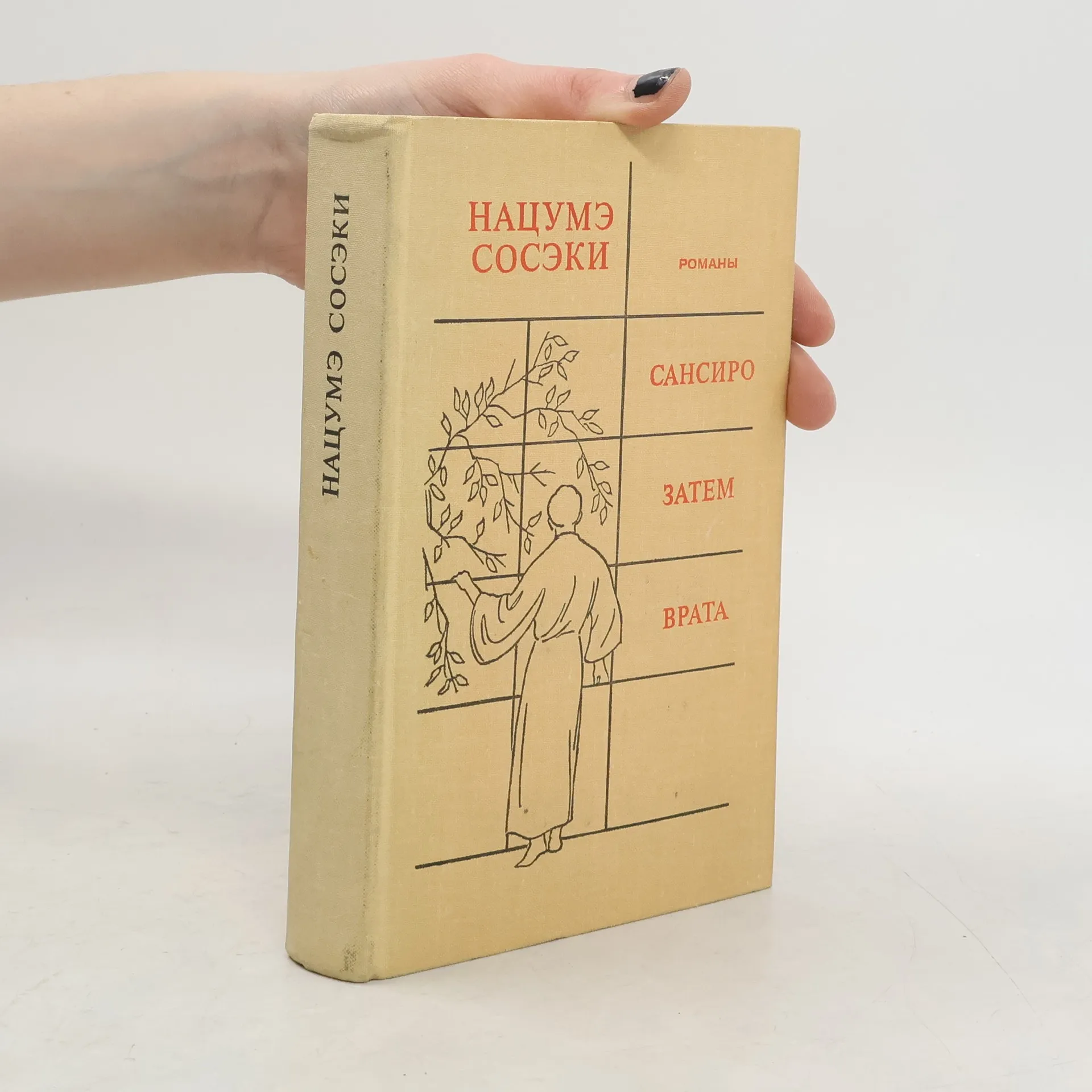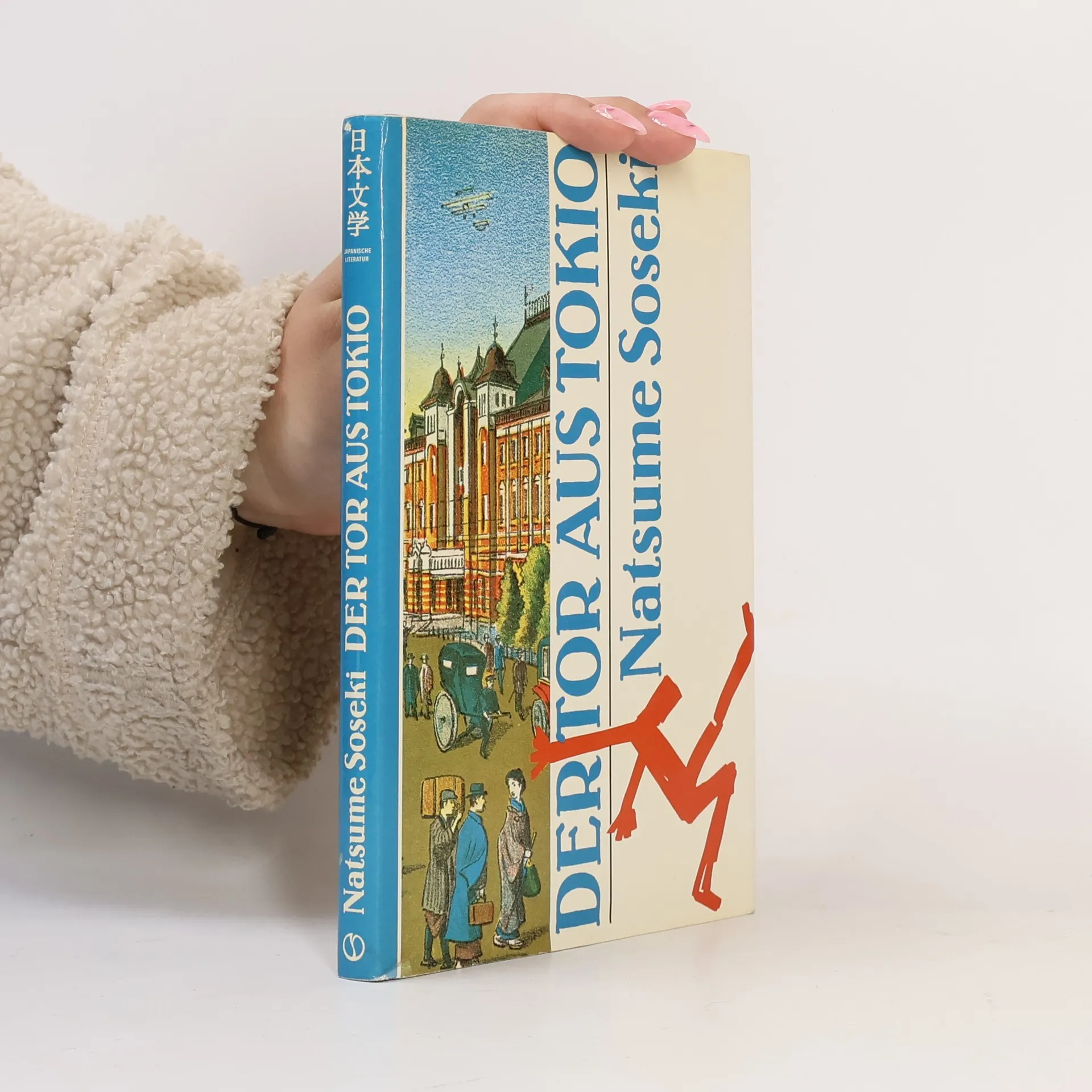
Bookbot

Sōseki Natsume

    9 février 1867 – 9 décembre 1916

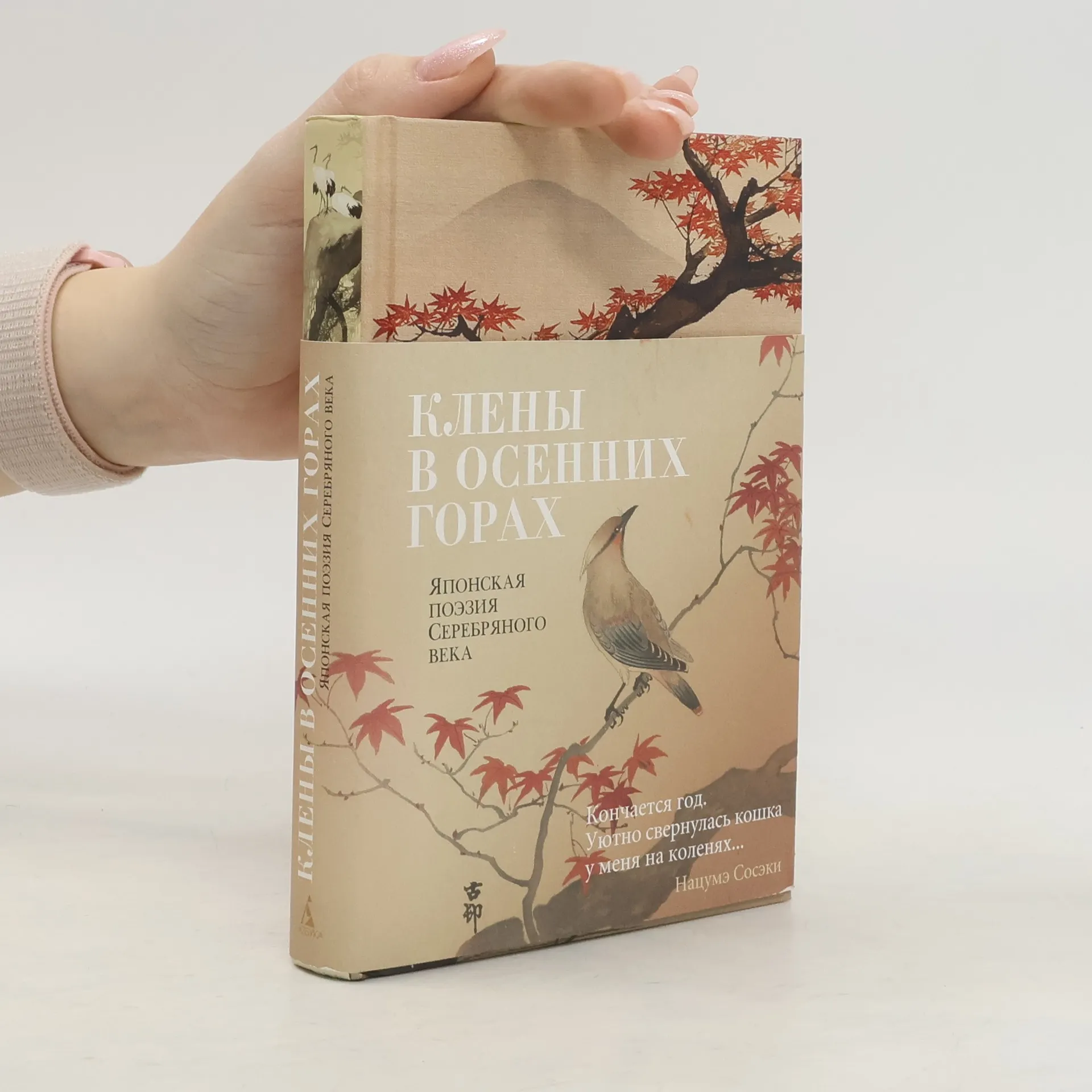
    Natsume Sōseki fut un romancier et un érudit littéraire japonais influent qui eut un impact profond sur la littérature moderne du Japon. Ses œuvres explorent souvent les thèmes de l'identité, de l'aliénation et de la moralité dans un Japon en rapide modernisation. Sōseki mêle avec brio humour, ironie et profondeur psychologique pour créer des personnages et des récits inoubliables. Son héritage littéraire est si important qu'il est souvent considéré comme le plus grand écrivain de l'histoire moderne du Japon.

    Sōseki Natsume
    The Miner
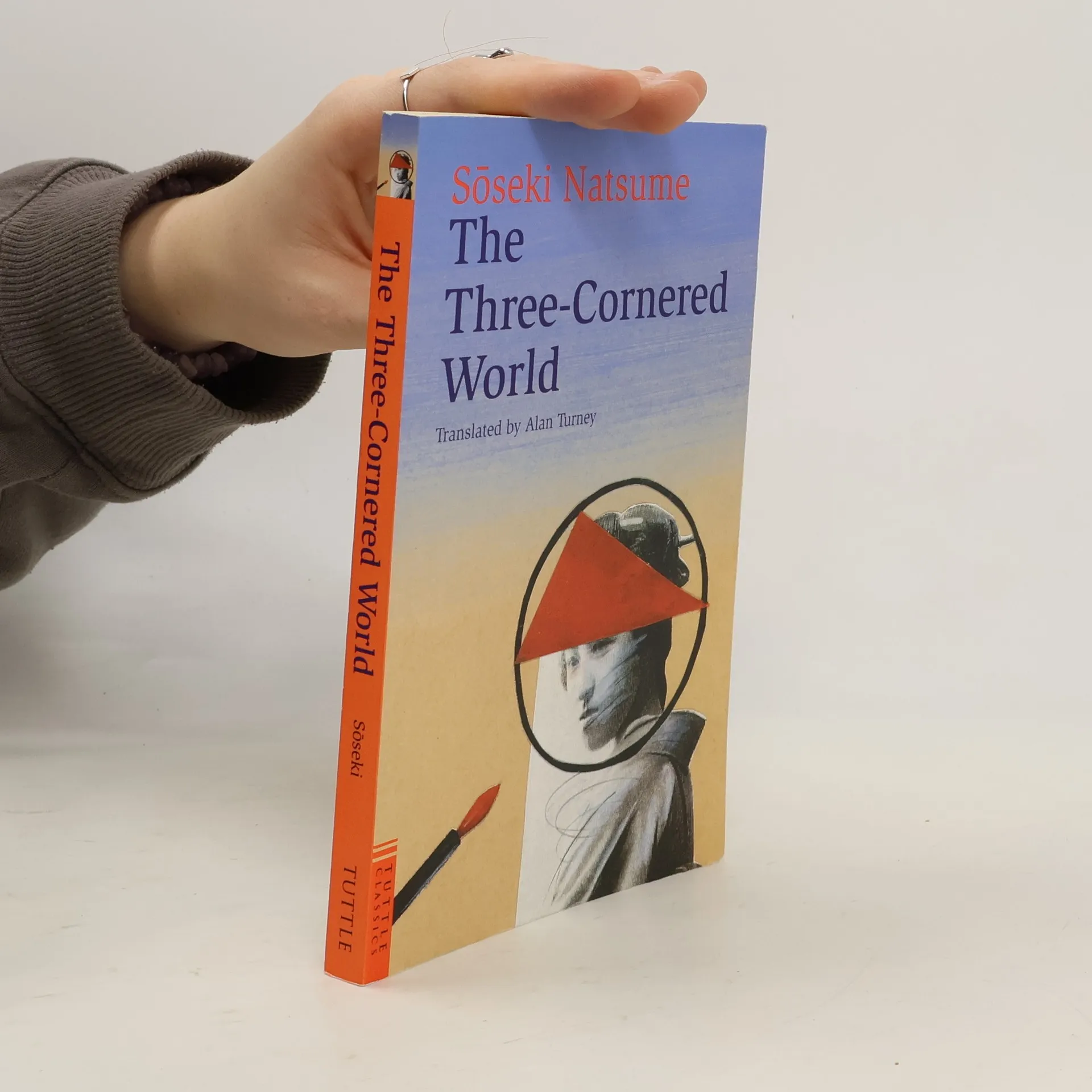
    The Three-Cornered World
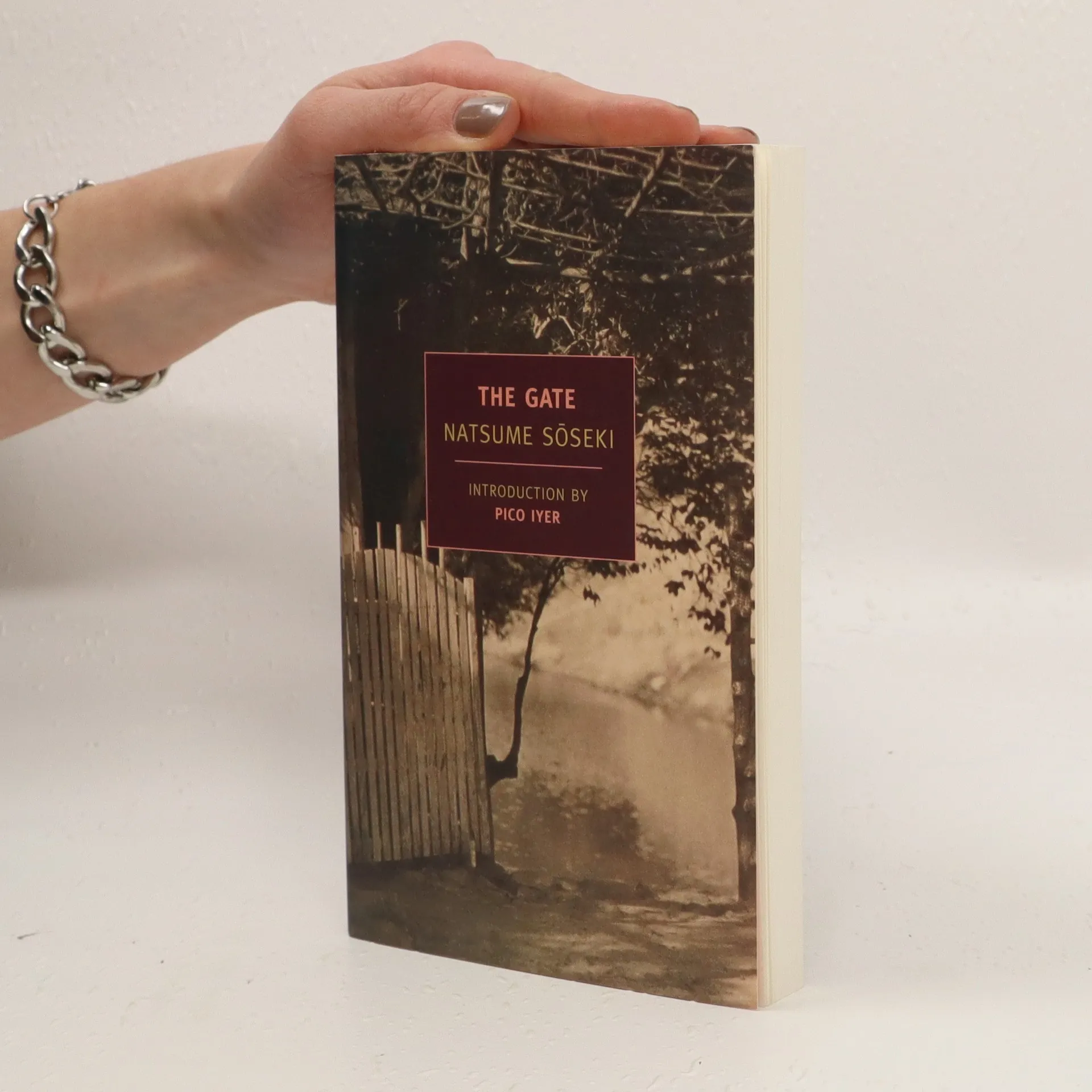
    The Gate
    Light and Darkness
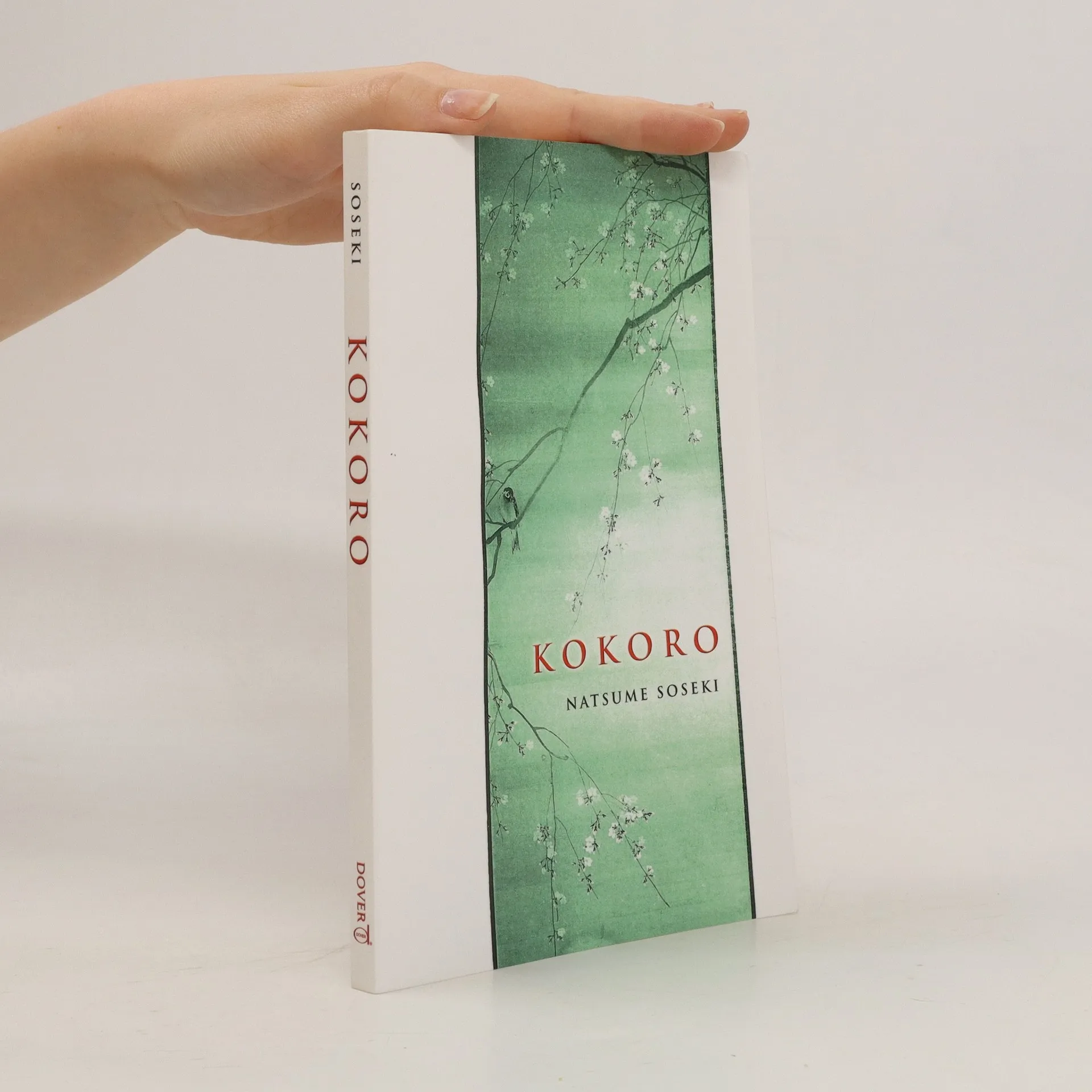
    Kokoro
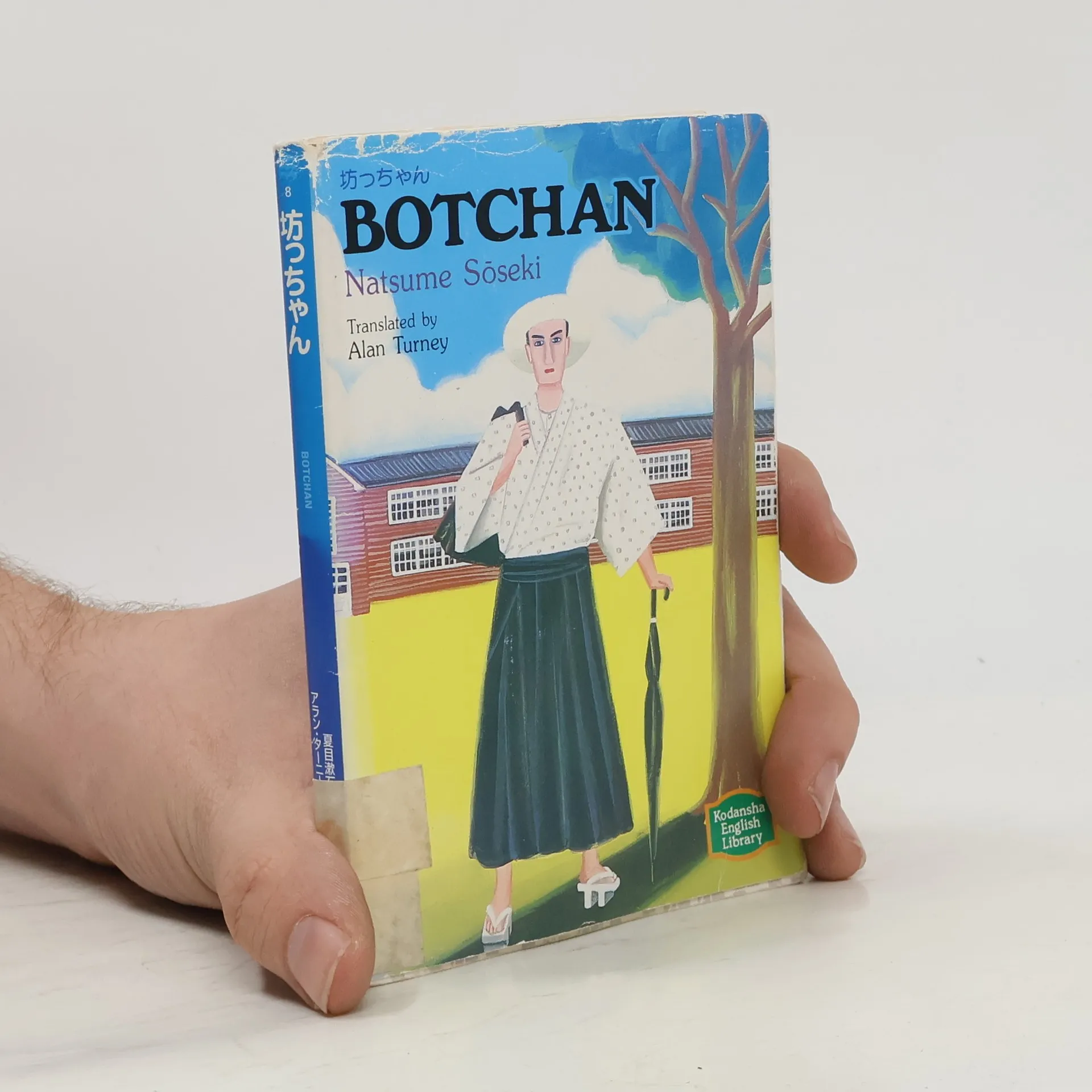
    Kodansha English Library - 8: Botchan
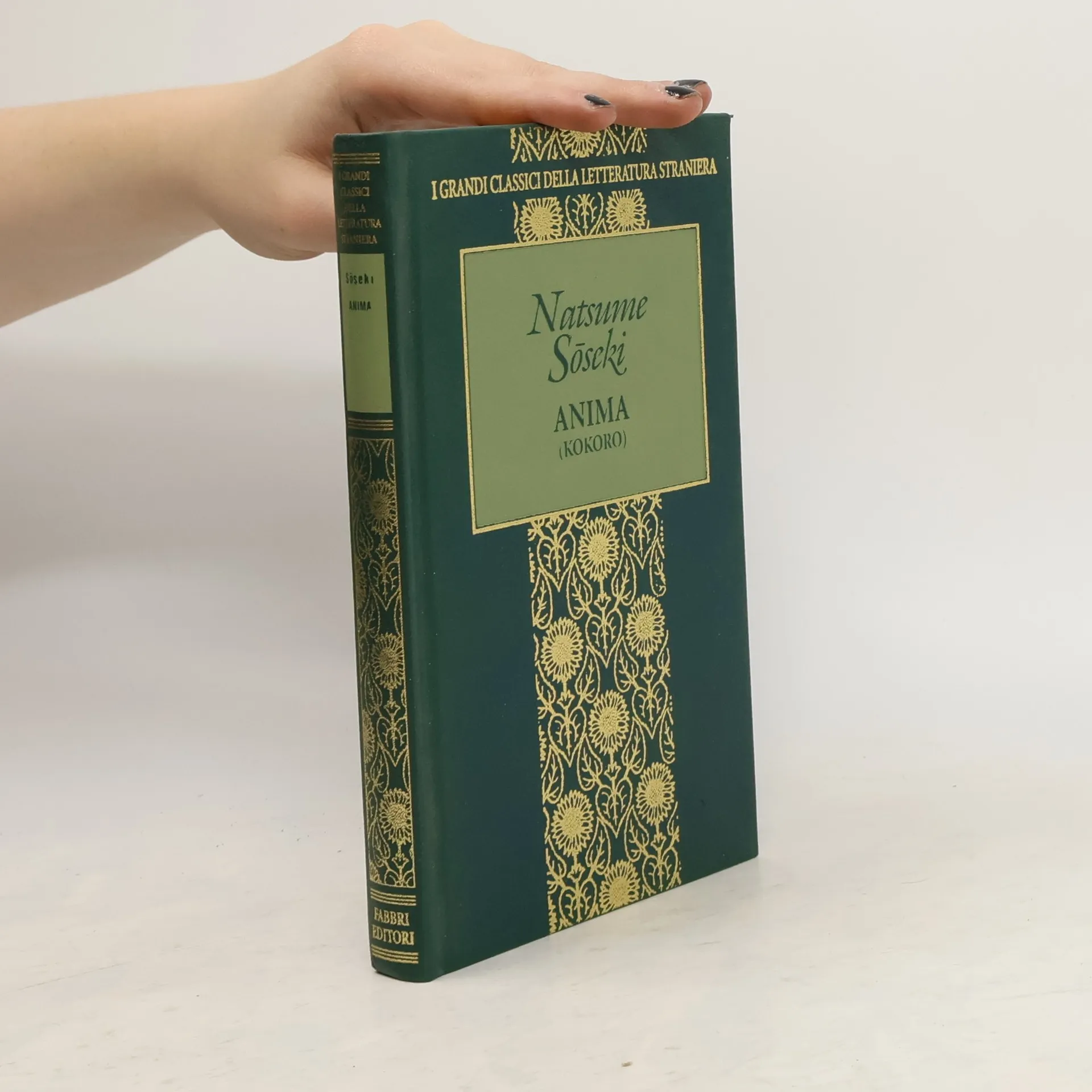
    • Kokoro

      • 208pages
      • 8 heures de lecture

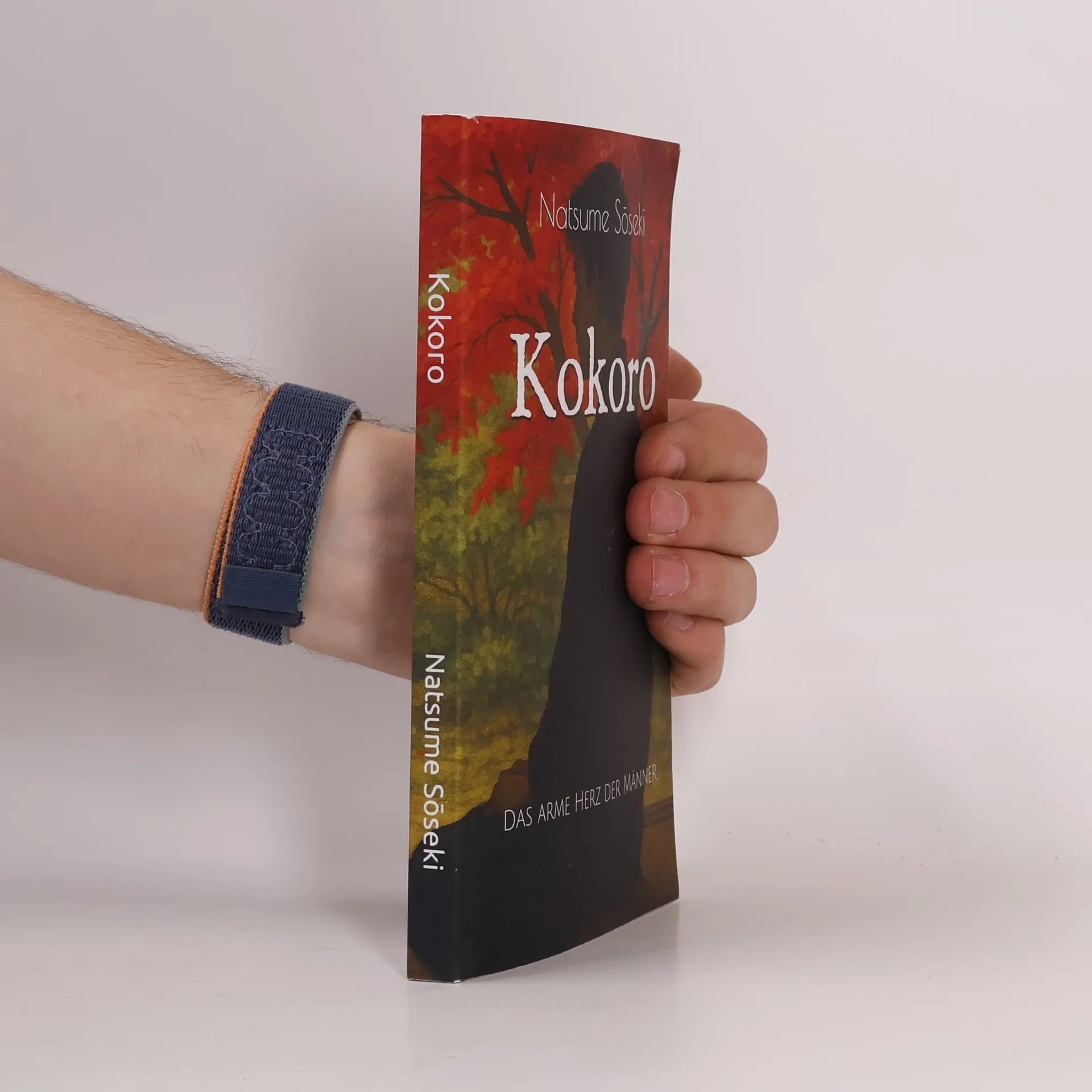
      "Rich in understanding and insight."—The New YorkerWhat is love, and what is friendship? What is the extent of our responsibility to ourselves and to others? Kokoro, signifying "the heart of things," examines these age-old questions in terms of the modern world.A trilogy of stories that explores the very essence of loneliness, Kokoro opens with "Sensei and I," in which the narrator recounts his relationship with an intellectual who dwells in isolation but maintains a sophisticated worldview. "My Parents and I" brings the reader into the narrator's family circle, and "Sensei and His Testament" features the eponymous character's explanation of how he came to live a life of solitude.Natsume Soseki (1867–1916), perhaps the greatest novelist of the Meiji period, remains one of Japan's most widely read authors. He wrote this novel in 1914, at the peak of his career, and it remains an excellent introduction to modern Japanese literature.

      Kokoro
      4,1
    • Light and Darkness

      • 400pages
      • 14 heures de lecture

      Originally published in Japanese with the romanized title of Meian.

      Light and Darkness
      3,9
    • The Gate

      • 227pages
      • 8 heures de lecture

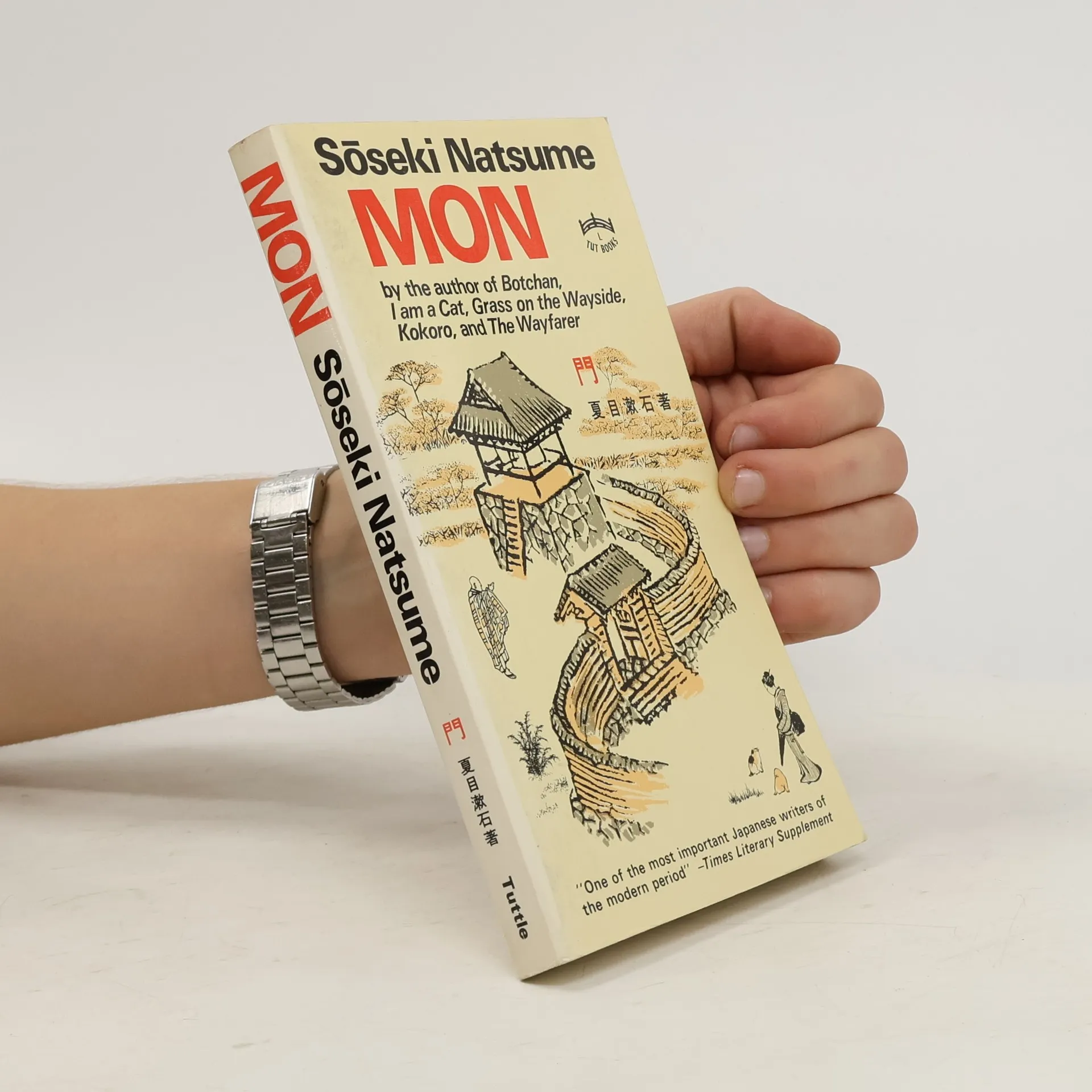
      An NYRB Classics Original A humble clerk and his loving wife scrape out a quiet existence on the margins of Tokyo. Resigned, following years of exile and misfortune, to the bitter consequences of having married without their families’ consent, and unable to have children of their own, Sōsuke and Oyone find the delicate equilibrium of their household upset by a new obligation to meet the educational expenses of Sōsuke’s brash younger brother. While an unlikely new friendship appears to offer a way out of this bind, it also soon threatens to dredge up a past that could once again force them to flee the capital. Desperate and torn, Sōsuke finally resolves to travel to a remote Zen mountain monastery to see if perhaps there, through meditation, he can find a way out of his predicament. This moving and deceptively simple story, a melancholy tale shot through with glimmers of joy, beauty, and gentle wit, is an understated masterpiece by one of Japan’s greatest writers. At the end of his life, Natsume Sōseki declared The Gate, originally published in 1910, to be his favorite among all his novels. This new translation captures the oblique grace of the original while correcting numerous errors and omissions that marred the first English version.

      The Gate
      4,0
    • In The Three-Cornered World , an artist leaves city life to wander in the mountains on a quest to stimulate his artistic endeavors. When he finds himself staying at an almost deserted inn, he becomes obsessed with the beautiful and strange daughter of the innkeeper, who is rumored to have abandoned her husband and fallen in love with a priest at a nearby temple. Haunted by her aura of mystery and tragedy, he wants to paint her. As he struggles to complete his picture and sove the enigma of her life, his daily conversations with those at the inn and the village provide clues and inspiration toward solving the mysteries she presents. Natsume Soseki examines each event and scene in this story in minute detail, creating balanced pictures in each small situation. Interspersed with philosophies of both the East and West, Soseki's writing blends two very different cultures and presents the unique world of an artist struggling with his craft and his environment. An evocative picture of the daily life in a mountain village of the times, The Three-Cornered World provokes thought and images equally.

      The Three-Cornered World
      4,0
    • A rediscovered Japanese modernist classic, translated by renowned Murakami translator Jay Rubin and with a new introduction by Murakami himself.

      The Miner
      3,9
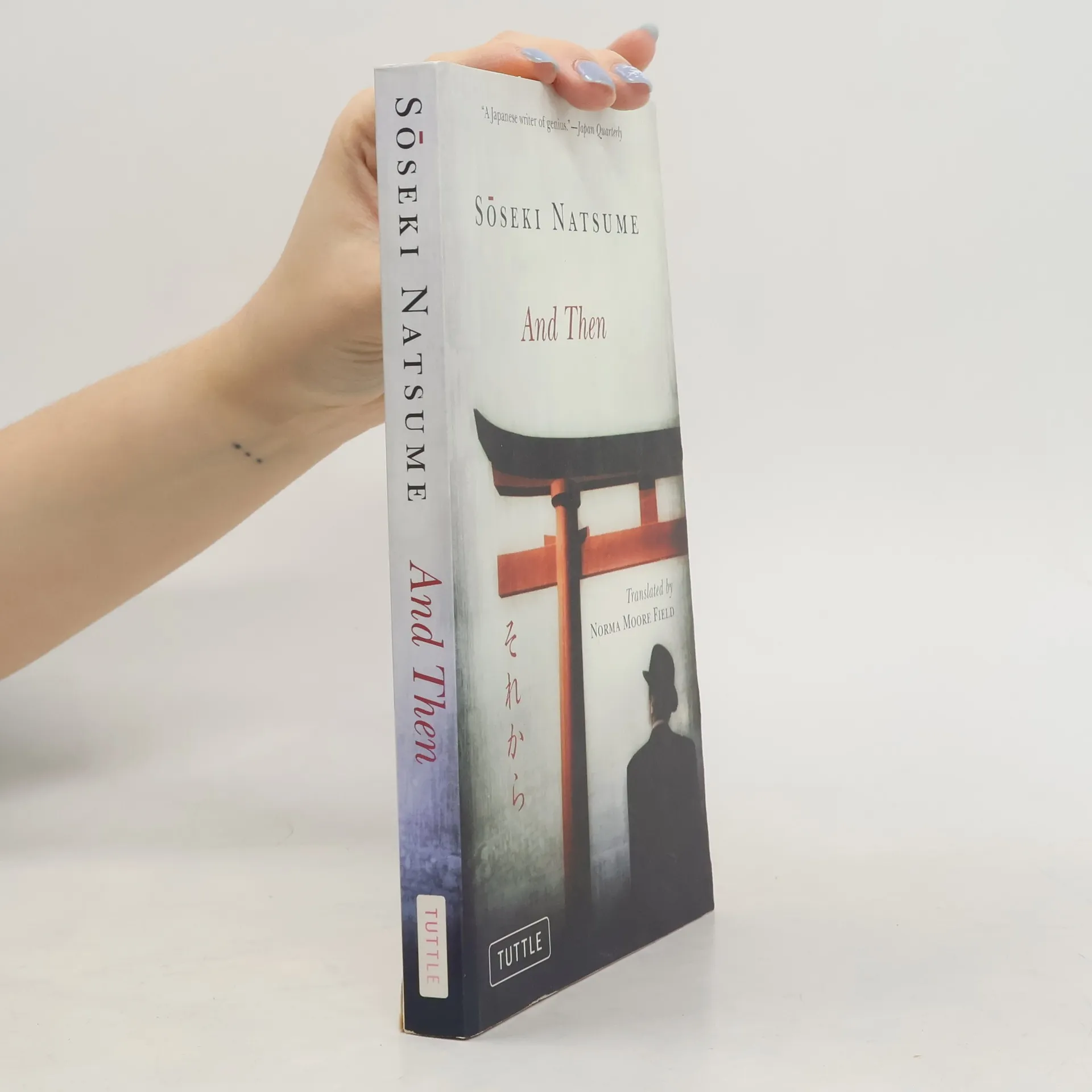
    • And Then

      • 248pages
      • 9 heures de lecture

      "A Japanese writer of genius."—Japan Quarterly Soseki Natsume is considered to be one of Japan's most beloved and respected authors. And Then is ranked as one of his most insightful and stirring novels. Daisuke, the protagonist, is a man in his twenties who is struggling with his personal purpose and identity as well as the changing social landscape of Meiji-era Japan. As Japan enters the Twentieth Century, ancient customs give way to western ideals, and Daisuke works to resolve his feelings of disconnection and abandonment during this time of change. Thanks to his father's wealth, Daisuke has the luxury of having time to develop his philosophies and ruminate on their meaning while remaining intellectually aloof from traditional Japanese culture and the demands of growing industrialization. Then Daisuke's life takes an unexpected turn when he is reunited with his college friend and his sickly wife. At first, Daisuke's stoicism allows him to act according to his intellect, but his intellectual fortress begins to show its vulnerabilities as his emotions start to hold greater sway over his inner life. Daisuke must now weigh his choices in a culture that has always operated on the razor's edge of societal obligation and personal freedom.

      And Then
      3,9
    • Grass on the wayside

      • 169pages
      • 6 heures de lecture

      Grass on the Wayside (Michikusa), Sōseki’s only autobiographical novel, was written in 1915 when he was forty-eight. He was ill at the time and died the following year. It is an intensely personal document in which the author describes his loneliness, the failure of his marriage, and above all his sense of the futility of human relationships. It was the first autobiographical novel of its kind to appear in modern Japan. No one before Sōseki had written with such concern about his own marriage or with such intelligence and articulateness about his private life. The novel manages to avoid the annoying reticence and vagueness of most Japanese works of the genre. Its people are alive and refuse to be overwhelmed in the misty Japanese scene. It is a measure of Sōseki’s honesty and skill that for all the narrator’s self-centeredness and seeming lack of sympathy for his wife, she emerges—as so many women in Japanese fiction do not—as an understandable yet complex personality. Grass on the Wayside is a somber work. In writing his only autobiographical novel toward the end of his career, Sōseki tried, perhaps too hard, to restrain his inclination to dramatize. Yet it is as passionate as anything he wrote, and through it he introduced to the modern Japanese novel a certain new quality of commitment. —from the inside front cover UNESCO Collection of Representative Works, Japan Series This translation first published in 1969 Tut Books L

      Grass on the wayside
      3,7
    • A timeless psychological study of a young man's deep alienation from society. Set in the early 20th century, Kokoro opens with a chance encounter on a beach near Tokyo that irrevocably links a young student to a man he simply calls Sensei (Teacher). Intrigued by Sensei's aloofness, the student calls upon him with increasing frequency. Eventually, Sensei and his beautiful wife open their home and their lives to him. Only later does the student learn the devastating secret that has haunted Sensei since his youth. Kokoro has sold millions of copies in Japan where it is taught in schools and is a perennial favorite. Its lucid prose and universal themes of friendship, betrayal and the struggle for meaning in a changing world have made it popular internationally as well. This English-language manga version will make the book accessible to a new generation of foreign readers. The manga includes depictions of suicide and may not be suitable for some readers.

      Soseki Natsume's Kokoro: The Manga Edition
      3,7
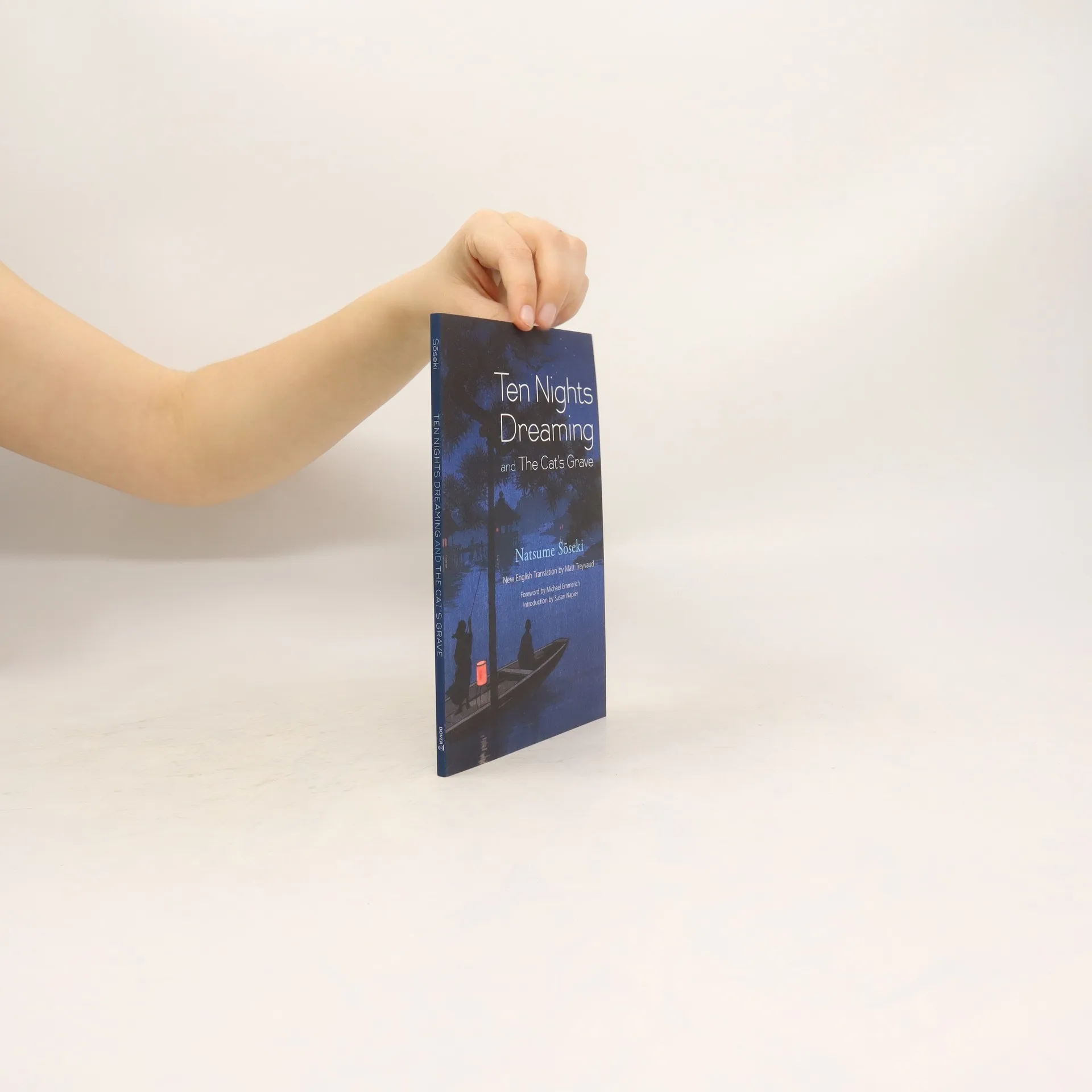
    • Ten Nights Dreaming

      • 96pages
      • 4 heures de lecture

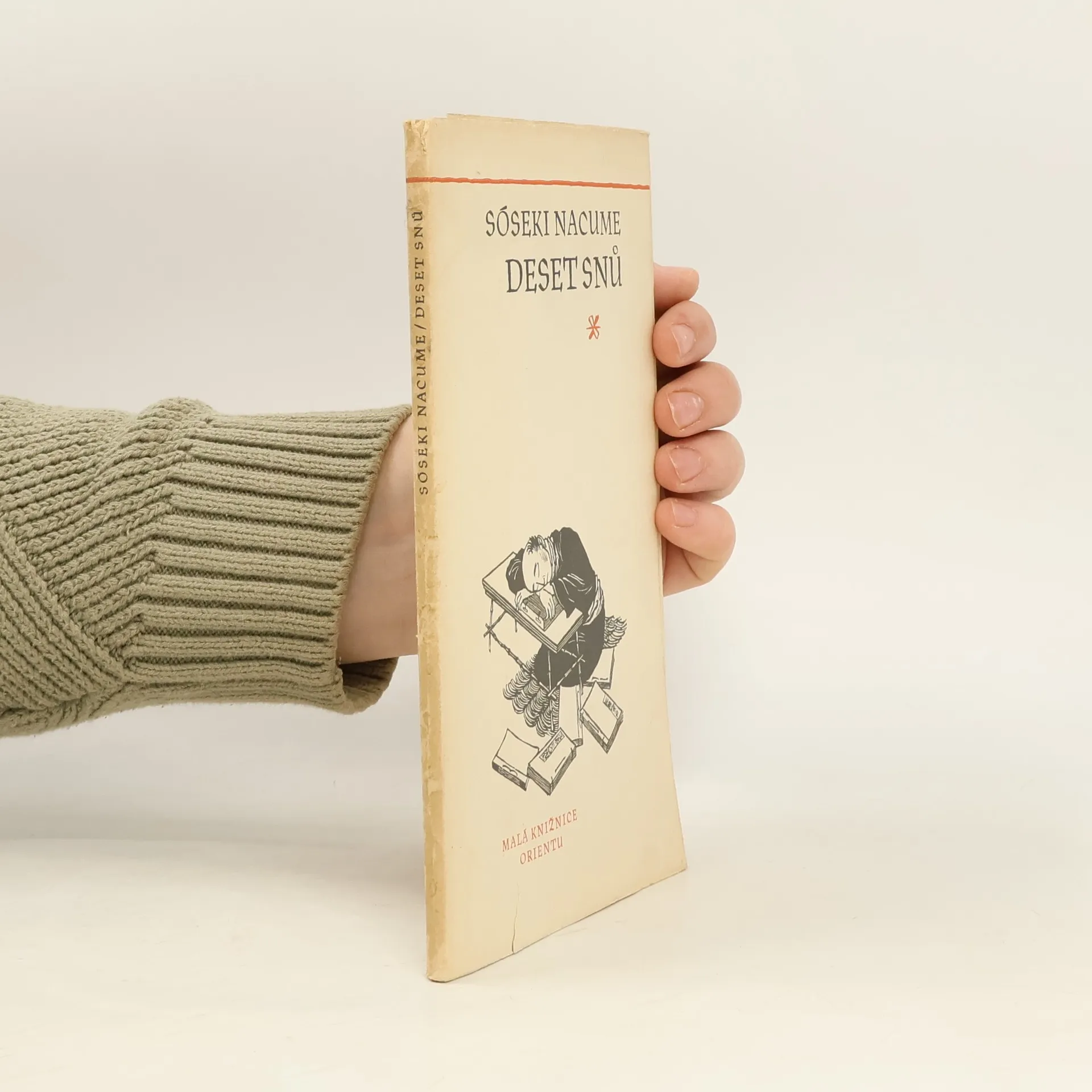
      A murderer discovers his true nature from a talking infant, a samurai is frustrated in his attempts to meditate, and a dying man bestows his hat on a friend in these surrealistic short stories. The dream-like, open-ended tales by the father of Japanese modernist literature offer thought-provoking reflections on fear, death, and loneliness. Their settings range from the Meiji period of the late nineteenth and early twentieth century, the era in which the tales were written, to the prehistoric Age of the Gods; the twelfth-century Kamakura period, in which the samurai class emerged; and the remote future.A scholar of British literature, author Natsume Sōseki (1867–1916) was also a composer of haiku, kanshi, and fairy tales. The stories of Ten Nights Dreaming, which were originally published as a newspaper serial, constitute milestones of Japanese fantasy. Like Sōseki's other writings, they have had a profound effect on readers, writers, and filmmakers. This edition features an expert new English translation by Matt Treyvaud, who has translated the story "The Cat's Grave" for this work as well.

      Ten Nights Dreaming
      3,8
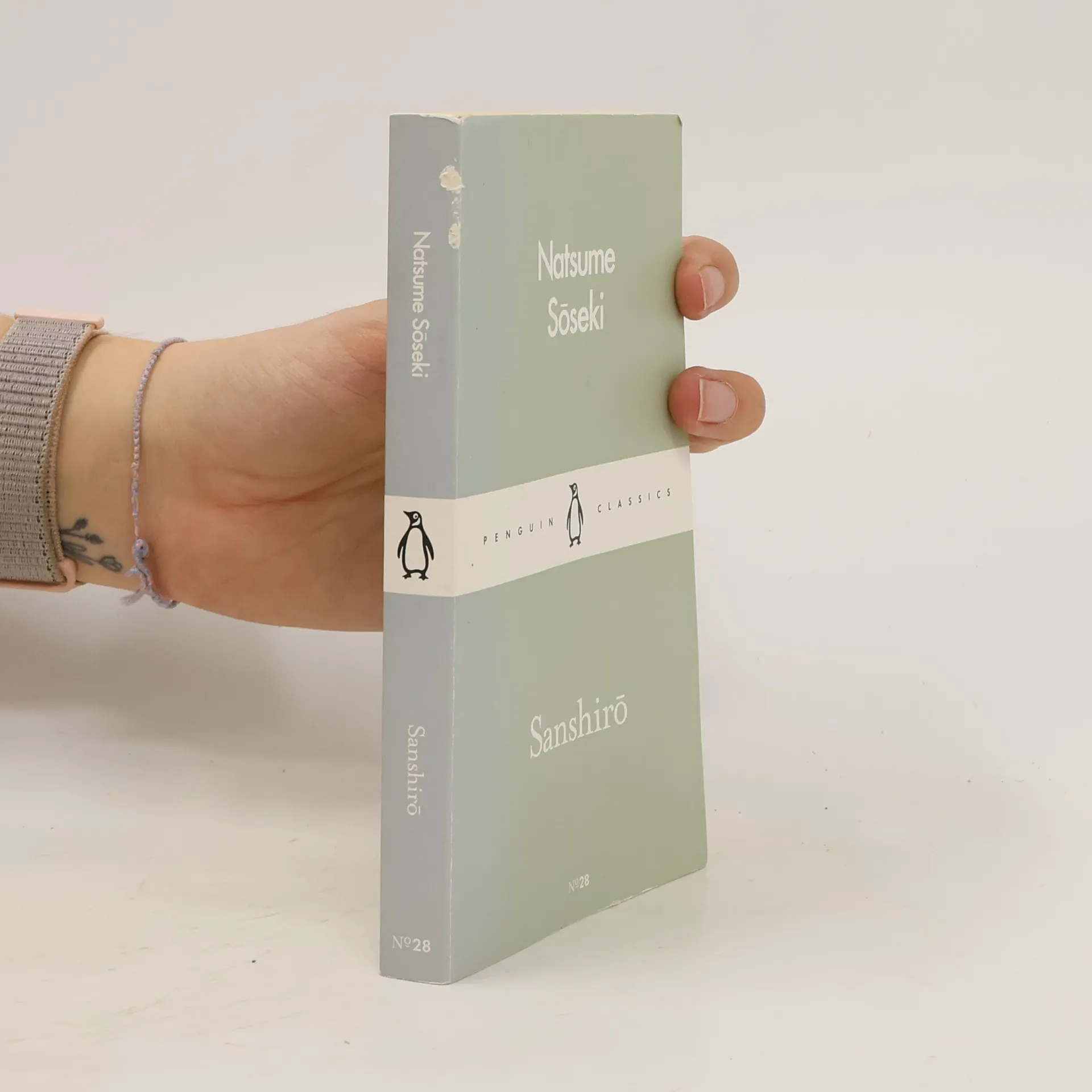
    • Sanshiro

      • 272pages
      • 10 heures de lecture

      'Even bigger than Japan is the inside of your head. Don't ever surrender yourself - not to Japan, not to anything' A shy, unworldly young student has his eyes opened to Tokyo's bustling metropolis, in this delicate, bitter-sweet work of innocence and experience from Japan's foremost modern novelist. Ten new titles in the colourful, small-format, portable new Pocket Penguins series

      Sanshiro
      3,8
    • "A nonchalant string of anecdotes and wisecracks, told by a fellow who doesn't have a name, and has never caught a mouse, and isn't much good for anything except watching human beings in action…" —The New Yorker Written from 1904 through 1906, Soseki Natsume's comic masterpiece, I Am a Cat, satirizes the foolishness of upper-middle-class Japanese society during the Meiji era. With acerbic wit and sardonic perspective, it follows the whimsical adventures of a world-weary stray kitten who comments on the follies and foibles of the people around him. A classic of Japanese literature, I Am a Cat is one of Soseki's best-known novels. Considered by many as the most significant writer in modern Japanese history, Soseki's I Am a Cat is a classic novel sure to be enjoyed for years to come.

      I Am a Cat
      3,7
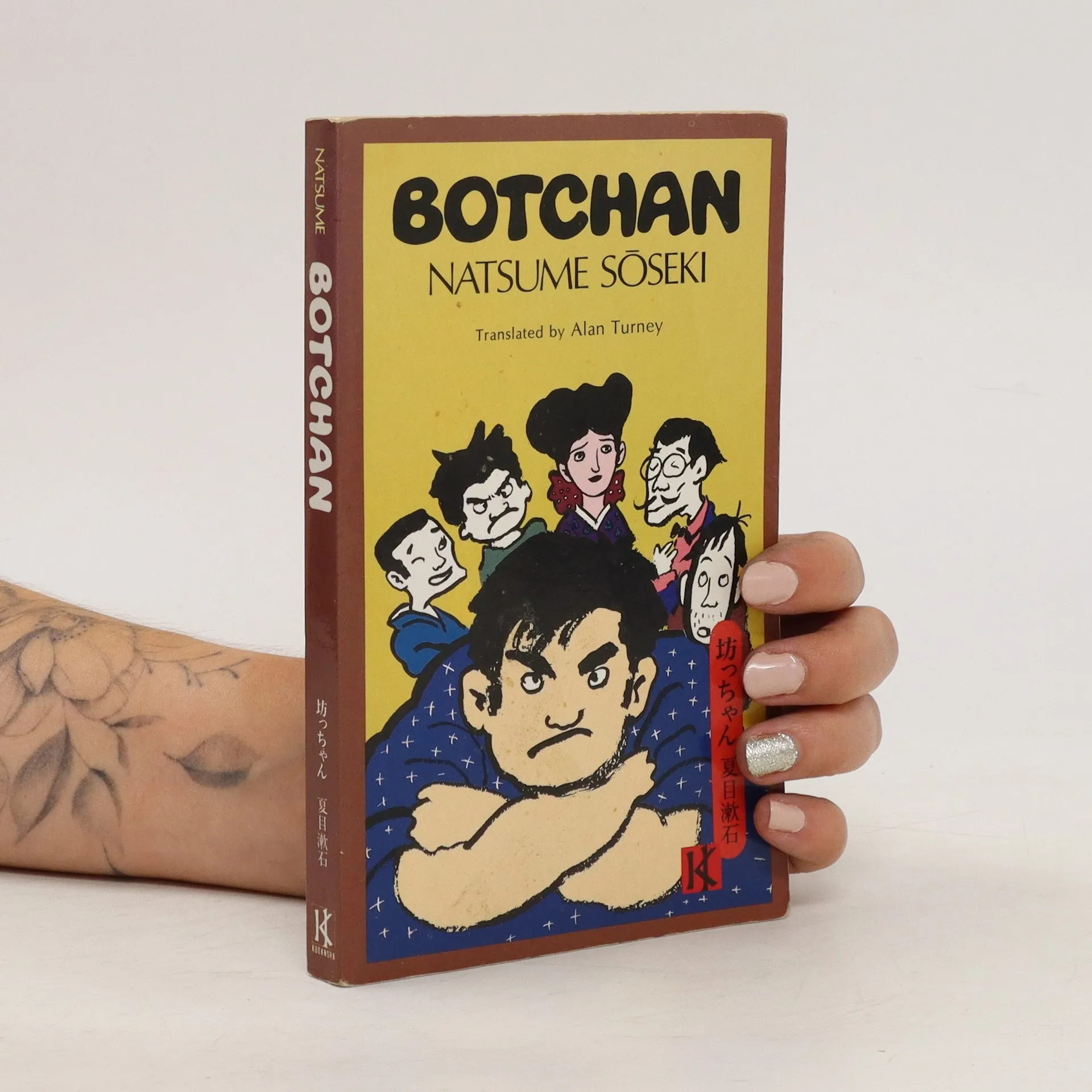
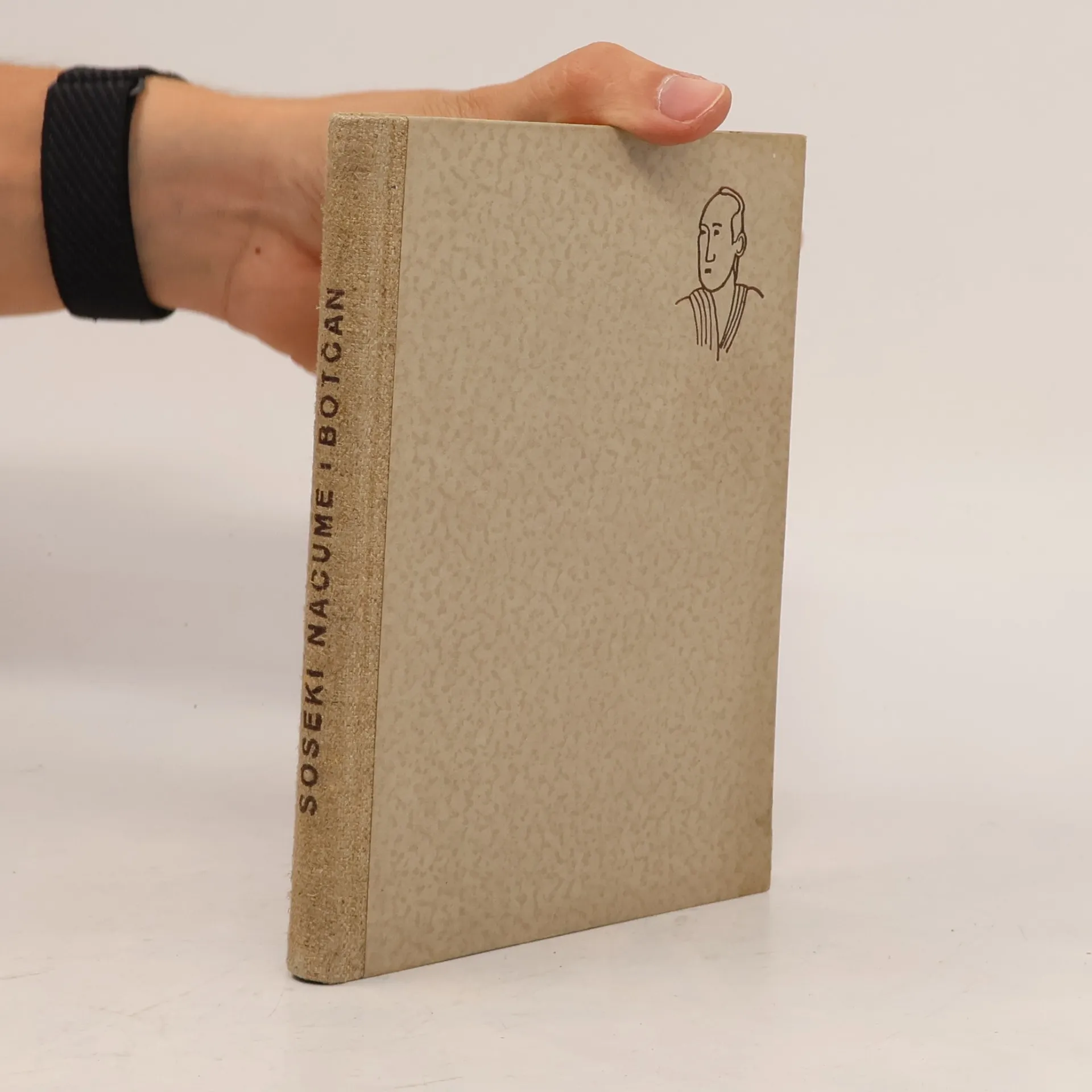
    • Botchan

      • 176pages
      • 7 heures de lecture

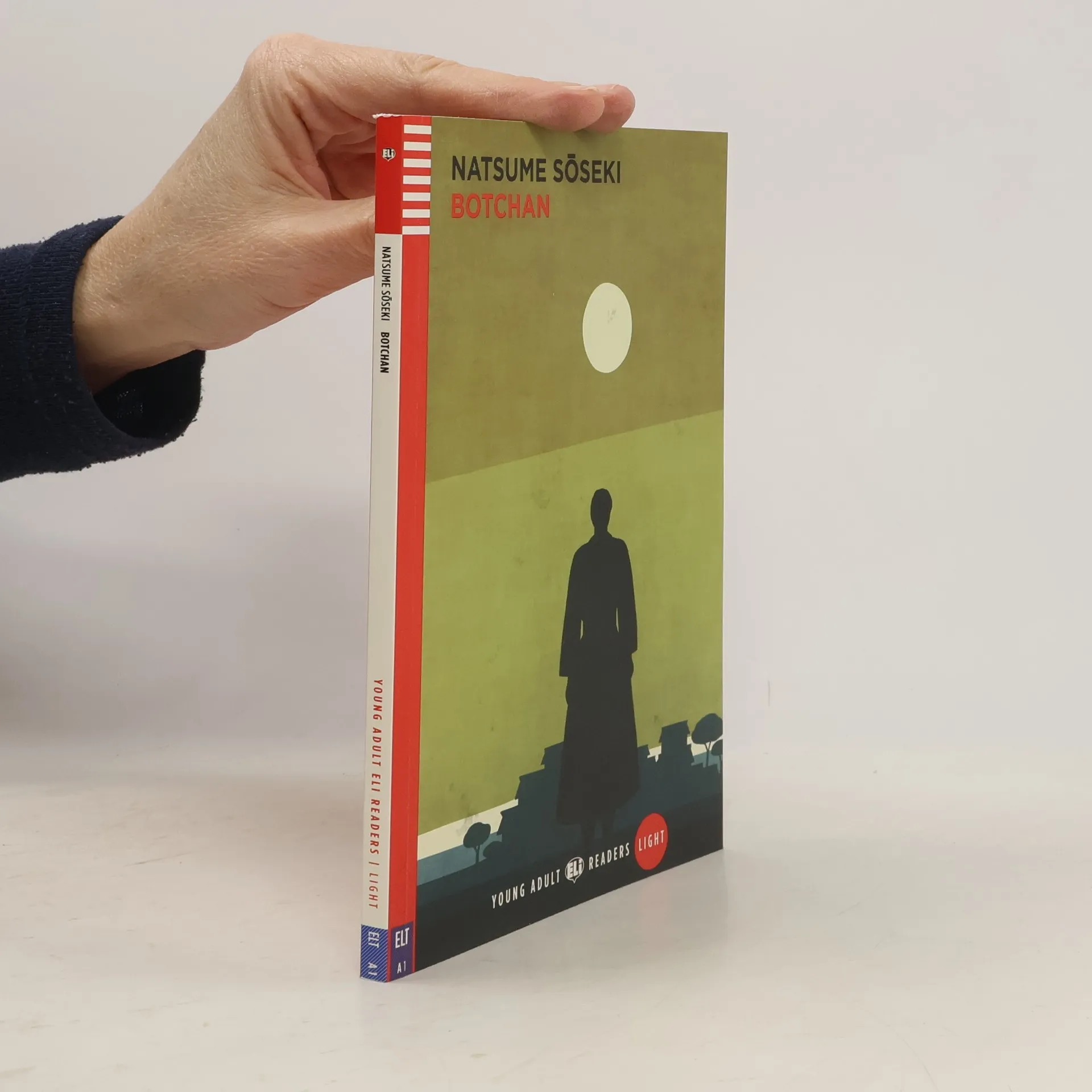
      Like The Adventures of Huckleberry Finn, BOTCHAN, a hilarious tale about a young man's rebellion against "the system" in a country school, is a classic. Among both young and old in Japan, it has enjoyed a timeless popularity, making it, in the words of Donald Keene, "probably the most widely read novel in modern Japan."

      Botchan
      3,7
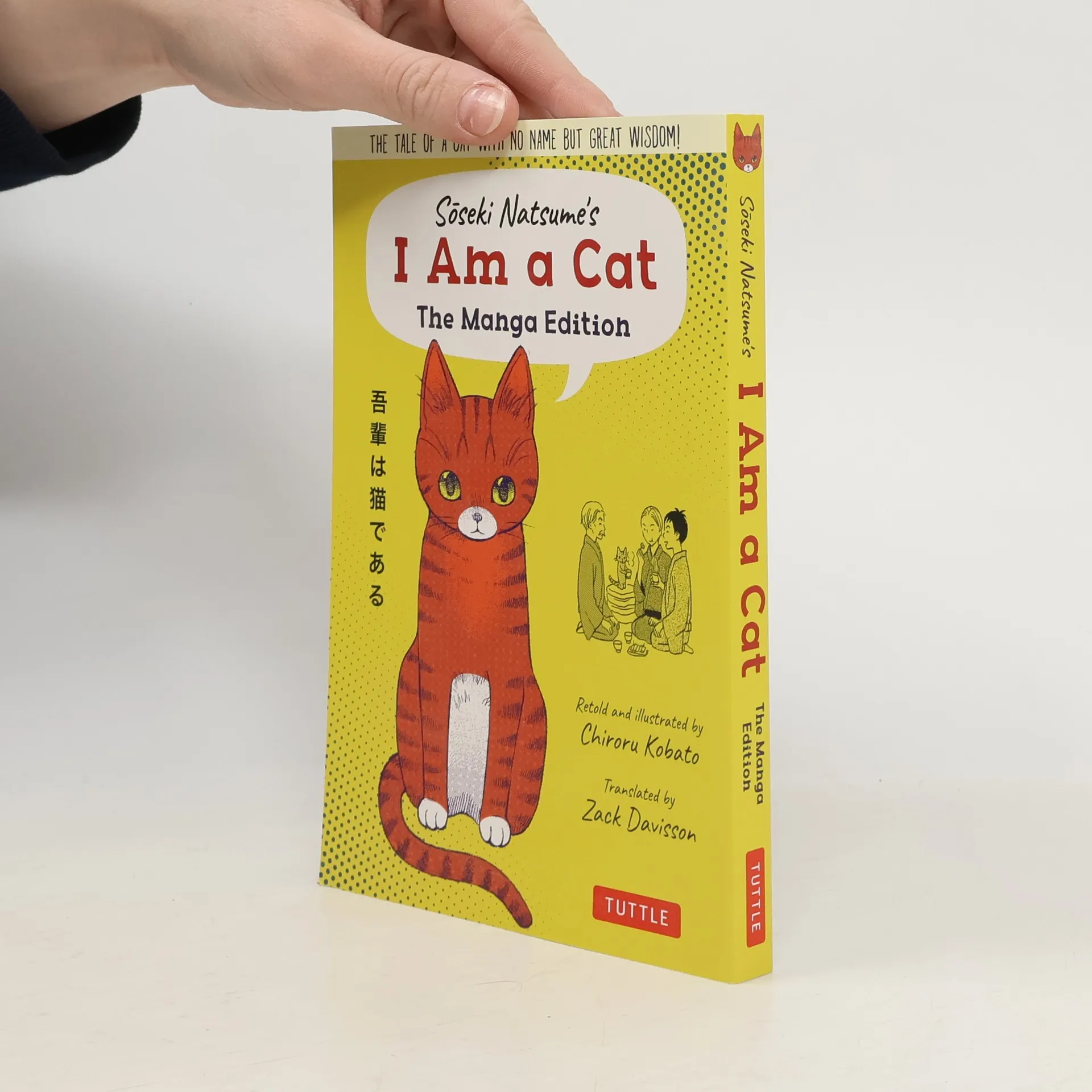
    • Japan's most beloved masterpiece brought to life with manga English readers can now enjoy I Am a Cat as a graphic novel for the first time. Read right to left, this popular story--the most read novel in Japan--has been skillfully adapted by Tyrol Kobata. Set in early 20th century Tokyo, Soseki Natsume's comic masterpiece satirizes the foolishness of upper-middle-class Japanese society during the Meiji era. With biting wit and sardonic perspective, it follows the whimsical adventures of a world-weary stray cat who comments on the follies and foibles of the people around him. Originally written as a short story, then serialized in eleven parts, the novel was published in three volumes between 1905-07, becoming an instant success and making Soseki the most popular writer in Japan.

      Soseki Natsume's I Am A Cat: The Manga Edition
      2,9
    • Botchan is a novel written in 1906. It is considered to be one of the most popular novels in Japan. A Tokyoite known only as Botchan thinks teaching a bunch of high-school yokels in the sticks will be simple-after all, they’re essentially living in yesteryear. But our narrator soon learns that he is surrounded by schemers and tricksters and that the teaching job that should have been a walk in the park is more like a walk off a plank. Can he survive and make it back to civilization on Moral Fibre alone? Román Botchan vznikol v roku 1906 a je považovaný za jeden z najobľúbenejších románov v Japonsku. Tokijčan známy ako Botchan si myslí, že učiť pár hlúpych stredoškolákov bude jednoduché – veď vlastne prakticky žijú v minulosti. Ale rozprávač čoskoro zistí, že ho obklopujú samí podvodníci a práca učiteľa, ktorá mala byť prechádzkou ružovou záhradou, je skôr prechádzkou tŕnistou záhradou. Dokáže sa sám predrať späť iba s pomocou svojho morálneho kompasu?

      Botchan + CD (A1)
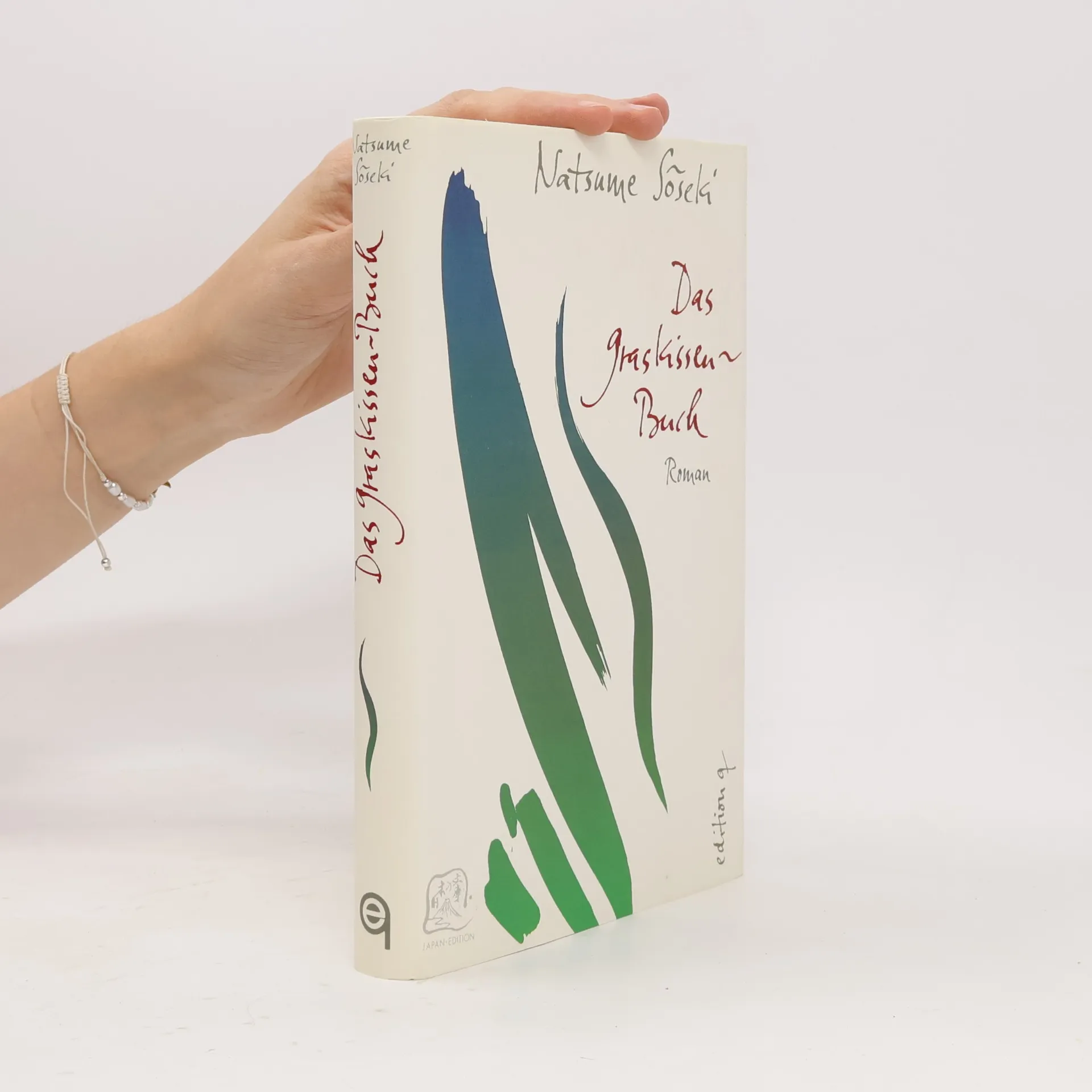
    • Das Graskissen-Buch

      • 215pages
      • 8 heures de lecture

      Ein Kunstmaler trifft in diesem 1906 erstmals erschienenen Schlüsselwerk der japanischen Moderne, in dem sich das Lebensgefühl des japanischen und europäischen fin de siècle begegnen, zufällig auf eine schöne junge Frau, die er - mit vielen, an die Künstlerromane und -novellen eines Thomas Mann oder Oscar Wilde erinnernden Reflexionen - beobachtet, der er sich langsam nähert, ehe er am Schluss sagen darf: Endlich! Jetzt kann ich Sie malen! »Gehaltvolle Lektüre für alle, die nach den verbindenden Elementen ost-westlicher Geistigkeit suchen.« das neue buch »Es lohnt sich unbedingt, diesen Soseki anhand des Graskissen-Buchs, das übrigens auch die Lieblingslektüre des Pianisten Glenn Gould gewesen sein soll, kennenzulernen.« FAZ

      Das Graskissen-Buch
      4,5
    • Hinter der Glastür

      • 140pages
      • 5 heures de lecture

      Der Welt folgen, sich vom Ich distanzieren: So lautet die zenbuddhistisch geprägte Devise, mit der vor allem in Japan der Autor Natsume Soseki in Verbindung gebracht wird. Angesichts dieses Mottos mag es überraschen, dass man in seinem hier vorgelegten Hinter der Glastür (jap. Garasudo no uchi) auf Schritt und Tritt dem Wort „ich” begegnet. Das Werk beschäftigt sich offenbar intensiv mit diesem Ich, denn es enthält subjektiv formulierte persönliche, episodenhafte Aufzeichnungen, die scheinbar spontan und zufällig angeordnet sind, einander aber in komplexer Weise zu einem Selbstbild des Verfassers ergänzen.(Aus dem Nachwort des Übersetzers Christoph Langemann)

      Hinter der Glastür
      4,4
    • Natsume Sōseki (1867-1916), novelista innovador de la era Meiji con títulos como Soy un gato, Sanshiro, Las hierbas del camino o El caminante, colaboró con el célebre poeta de haiku Masaoka Shiki en la revista de haiku Hototogisu («El cuclillo»). Sōseki cultivó esta breve forma poética durante prácticamente toda su vida. Su poesía evolucionó desde un estilo florido y abigarrado hacia una mayor interiorización y personalidad. Sōseki asumió el concepto tradicional de «gusto refinado» del tanka y le otorgó un sentido más pleno hacia la «compasión universal» -de raigambre en gran parte budista-, e incrementando su humanismo. Esta voluntad de inmersión en la naturaleza y huida del protagonismo se hará patente en muchos de sus haikus. Otros rasgos destacables de su estilo son: cierta dosis de humor y ocasionalmente de surrealismo.

      Tintes del cielo
      4,0
    • Tuttle Classics: Kokoro

      • 248pages
      • 9 heures de lecture

      A nineteenth-century Japanese novel concerned with man's loneliness in the modern world. The subject of "Kokoro," which can be translated as "the heart of things" or as "feeling," is the delicate matter of the contrast between the meanings the various parties to a relationship attach to it. In the course of this exploration, Soseki brilliantly describes different levels of friendship, family relationships, and the devices by which men attempt to escape from their fundamental loneliness. The novel sustains throughout its length something approaching poetry, and it is rich in understanding and insight. The translation, by Edwin McClellan, is extremely good.

      Tuttle Classics: Kokoro
      4,0
    • Träume aus zehn Nächten

      • 218pages
      • 8 heures de lecture

      In den Träumen aus zehn Nächten verarbeitet Soseki die gesellschaftlichen Konflikte der Meji Zeit (1868 – 1912) in der literarischen Form der Kurzgeschichte. Alle Träume sind, bis auf eine Ausnahme, aus der Ich-Perspektive erzählt. Sie spielen zu verschiedenen Zeitaltern und an unterschiedlichen Orten. Leitmotive sind: Loyalität und Verrat, Liebe und Tod, Berühmtheit und Unsterblichkeit, gesellschaftliche Außenseiter, Ehre und Gesichtsverlust, Verzweiflung und Hoffnung. Der Originaltext wurde vollständig mit Furigana versehen, um allen Studenten der japanischen Sprache die flüssige Lesbarkeit zu ermöglichen. Jeder Traum ist kommentiert und soll so dem Leser Denkanstösse für seine eigene Interpretation dieses spannenden, philosophischen Werks geben.

      Träume aus zehn Nächten
      3,9
    • BEAT: Io sono un gatto

      • 476pages
      • 17 heures de lecture

      Il Novecento è appena iniziato in Giappone, e l'era Meiji sembra aver restituito onore e grandezza al paese facendone una nazione moderna. Per il gatto protagonista di queste pagine, però, un'oscura follia aleggia nell'aria, nel Giappone all'alba del XX secolo. Il nostro eroe vive, infatti, a casa di un professore che si cimenta in bizzarre imprese. Scrive prosa inglese infarcita di errori, recita canti nō nel gabinetto, tanto che i vicini lo hanno soprannominato il «maestro delle latrine», accoglie esteti con gli occhiali cerchiati d'oro, spettegola della vita dissoluta di libertini e debosciati. Insomma, mostra a quale grado di insensatezza può giungere il genere umano in epoca moderna... Pubblicato per la prima volta nel 1905, Io sono un gatto non è soltanto un romanzo raro, che ha per protagonista un gatto, filosofo e scettico, che osserva distaccato un radicale mutamento epocale. È anche uno dei grandi libri della letteratura mondiale, la prima opera che inaugura il grande romanzo giapponese all'occidentale.

      BEAT: Io sono un gatto
      3,4