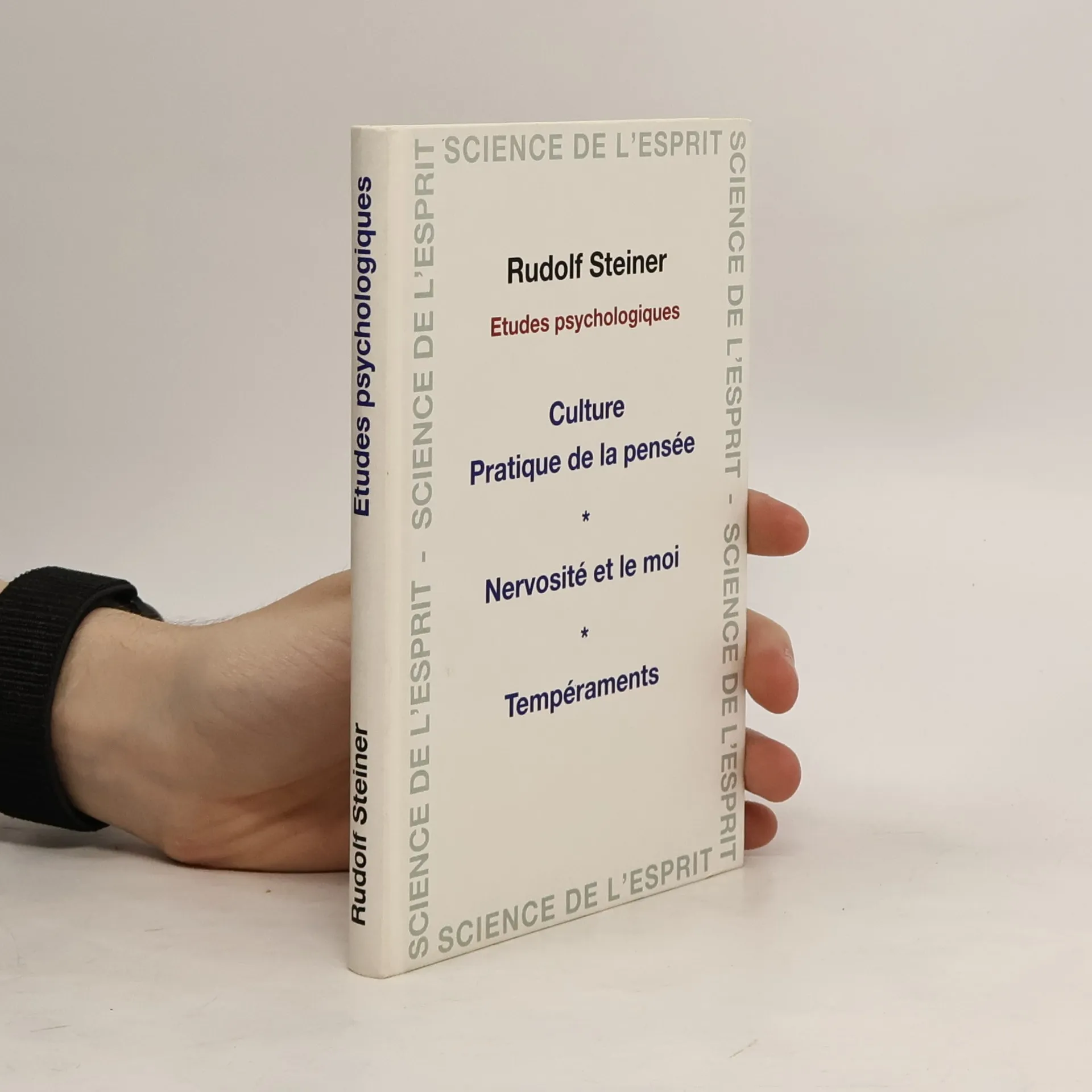
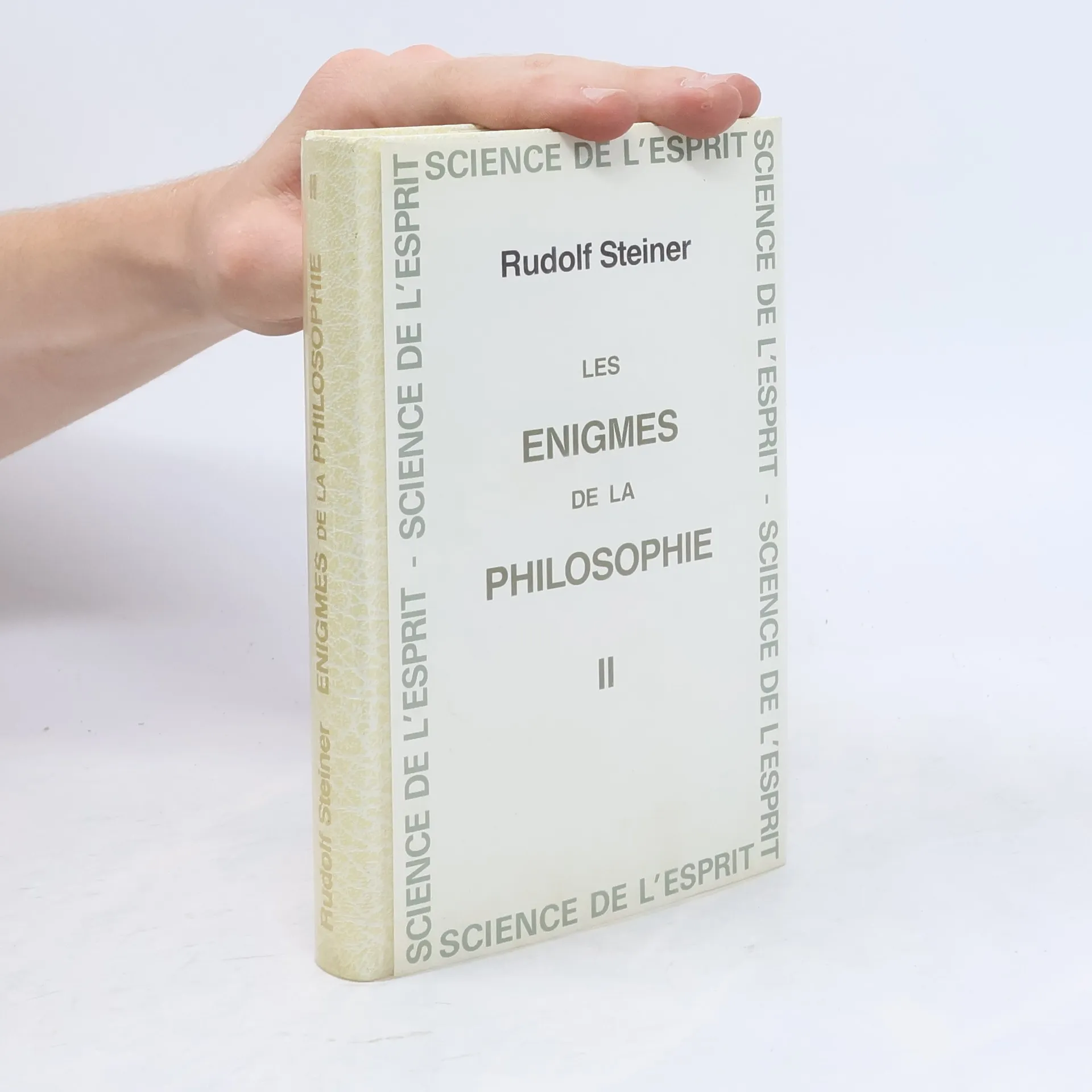
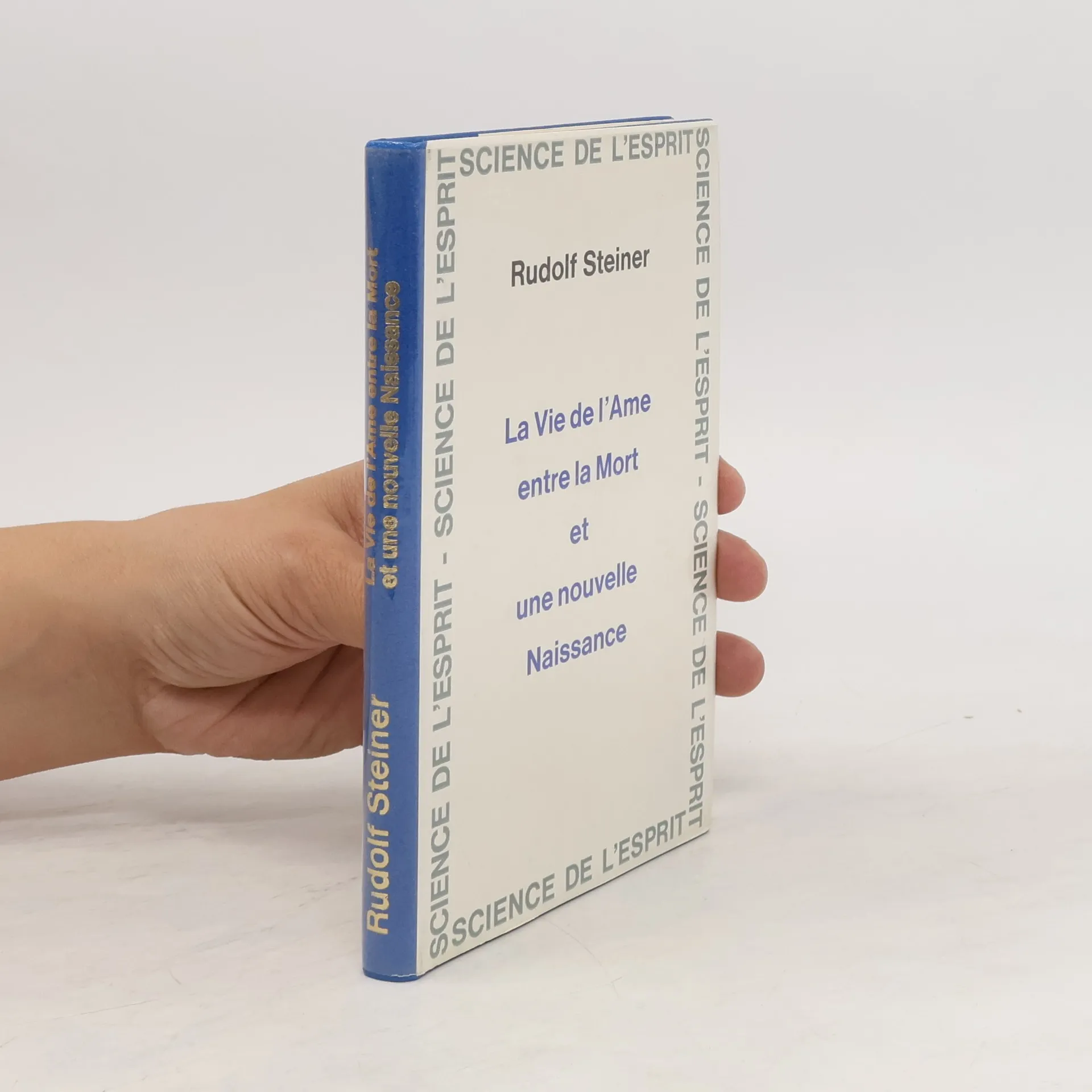
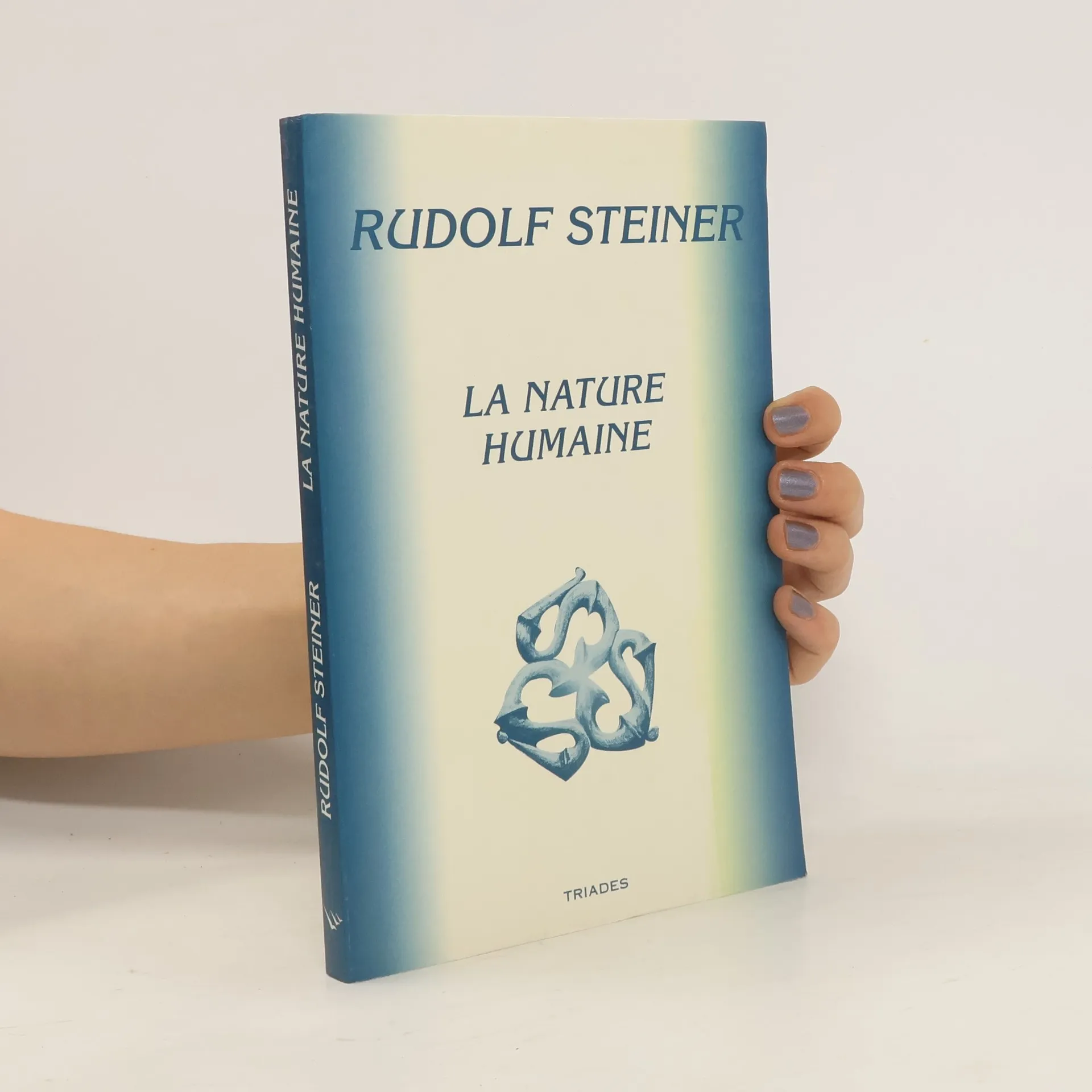
Contenu : Le génie décadent (Otto Weininger). Images déformées de la connaissance imaginative / L'être naturel et la vie psychique chez l'homme / Uranos et Gaïa. L'influence d'une incarnation à l'autre / L'homme, un être double / Sagesse, beauté et bonté. Physiologie imaginative et psychique / La connaissance humaine dans sa signification cosmique / Les douze domaines sensoriels et les sept processus vitaux / Vivification des processus sensoriels et spiritualisation des processus vitaux / L'impuissance du critère de vérité moderne / Mémoire et habitude / L'enregistrement des pensées dans la substance du monde / Organisation physique de l'homme et inventions techniques / Inauguration de la science idolâtre et du matérialisme par F. Bacon.
Rudolf Steiner Livres
25 février 1861 – 30 mars 1925
Rudolf Steiner fut un visionnaire qui rechercha une synthèse entre la science et le mysticisme. Son œuvre philosophique, qu'il nomma science spirituelle, visait à établir un pont entre la voie cognitive de la philosophie occidentale et les besoins intérieurs et spirituels de l'humanité. Il explora des disciplines artistiques telles que le drame et les arts du mouvement, et fut un pionnier dans de nouvelles directions dans des domaines pratiques comme l'éducation, l'agriculture et la médecine. L'héritage durable de Steiner réside dans sa conviction que la connaissance humaine est illimitée et dans son accent mis sur l'individualisme éthique.




Le cinquième évangile
- 159pages
- 6 heures de lecture
Des dix-huit conférences données en 1913 et 1914, seules les traductions des cinq premières à Oslo et des deux dernières à Cologne sont présentées ici. Les autres conférences contenues dans GA 148 sont des répétitions de ce qui est abordé dans ces sept.
Que traverse l'âme humaine après la mort ? Quelles lois régissent la vie entre deux incarnations ? Rudolf Steiner donne dans dix conférences des réponses détaillées à ces questions et d'autres. Il explique également l'importance fondamentale de notre pensée et de nos connaissances sur la vie après la mort pour ce que nous vivons ensuite durant notre existence post-mortem. Le lecteur découvrira également l'envoi du Bouddha par Christian Rosenkreutz dans la sphère de Mars, afin d'y appliquer son enseignement sur la paix, l'amour et la compassion. Un autre thème important est la lecture aux défunts et les circonstances entourant la préparation à une nouvelle incarnation. Le livre vise à aider à surmonter le fossé entre la vie ici sur Terre et la vie après la mort.
La théosophie
- 198pages
- 7 heures de lecture
A ce livre écrit en 1904, Rudolf Steiner a expressément voulu donner le caractère d'une introduction. Grâce à une observation très précise de l'homme, Steiner fait apparaître méthodiquement les différents constituants de la nature humaine, depuis le corps physique jusqu'aux différents éléments suprasensibles de son être. Partant de la réalité de la biographie humaine, il fonde une compréhension moderne de la réincarnation et du Karma. Par là, cet ouvrage se place au coeur de la démarche anthroposophique. La traduction, issue d'un long travail avec cette oeuvre, suit avec fidélité et précision la pensée de l'auteur.
Les Mystères de l'Orient et du christianisme
- 250pages
- 9 heures de lecture
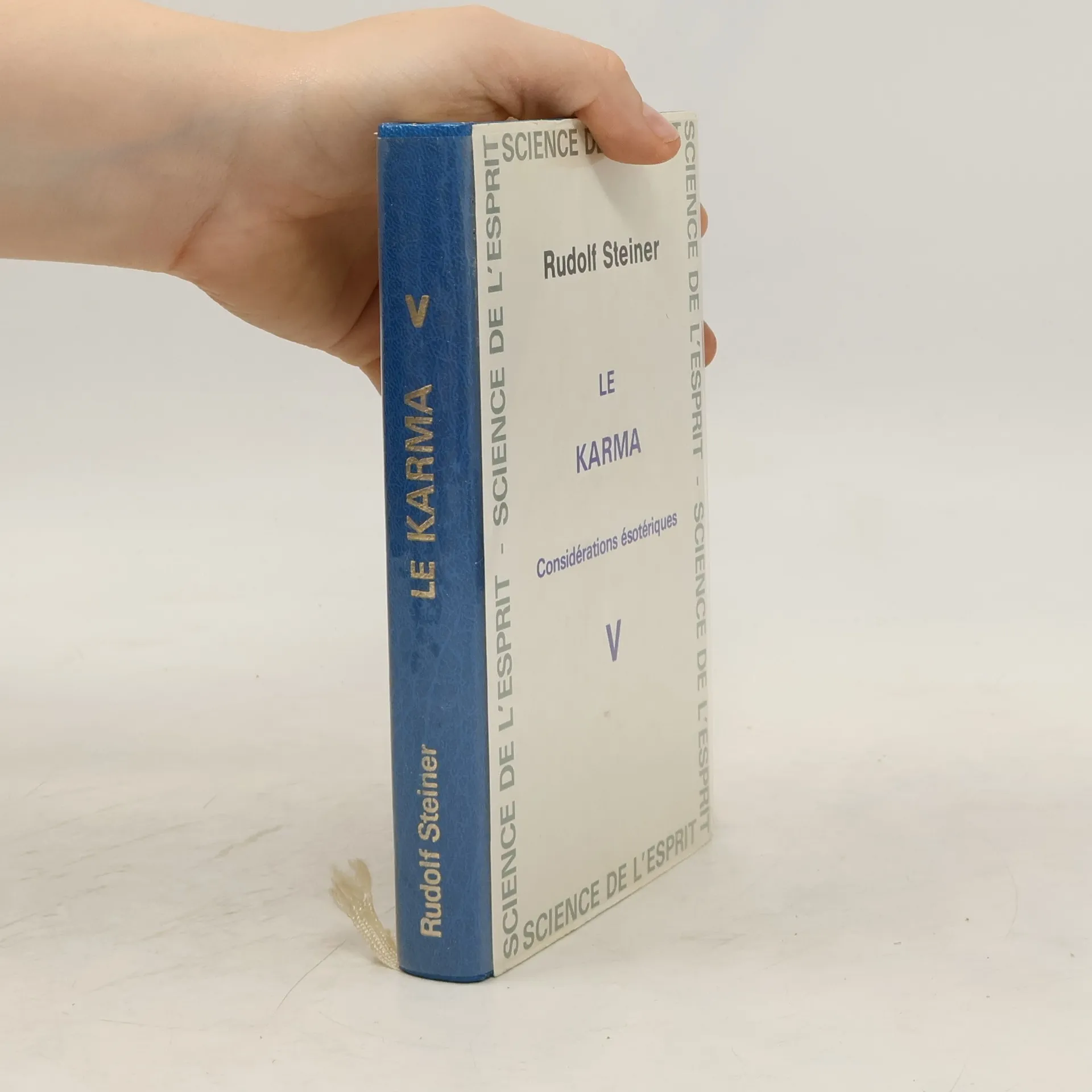
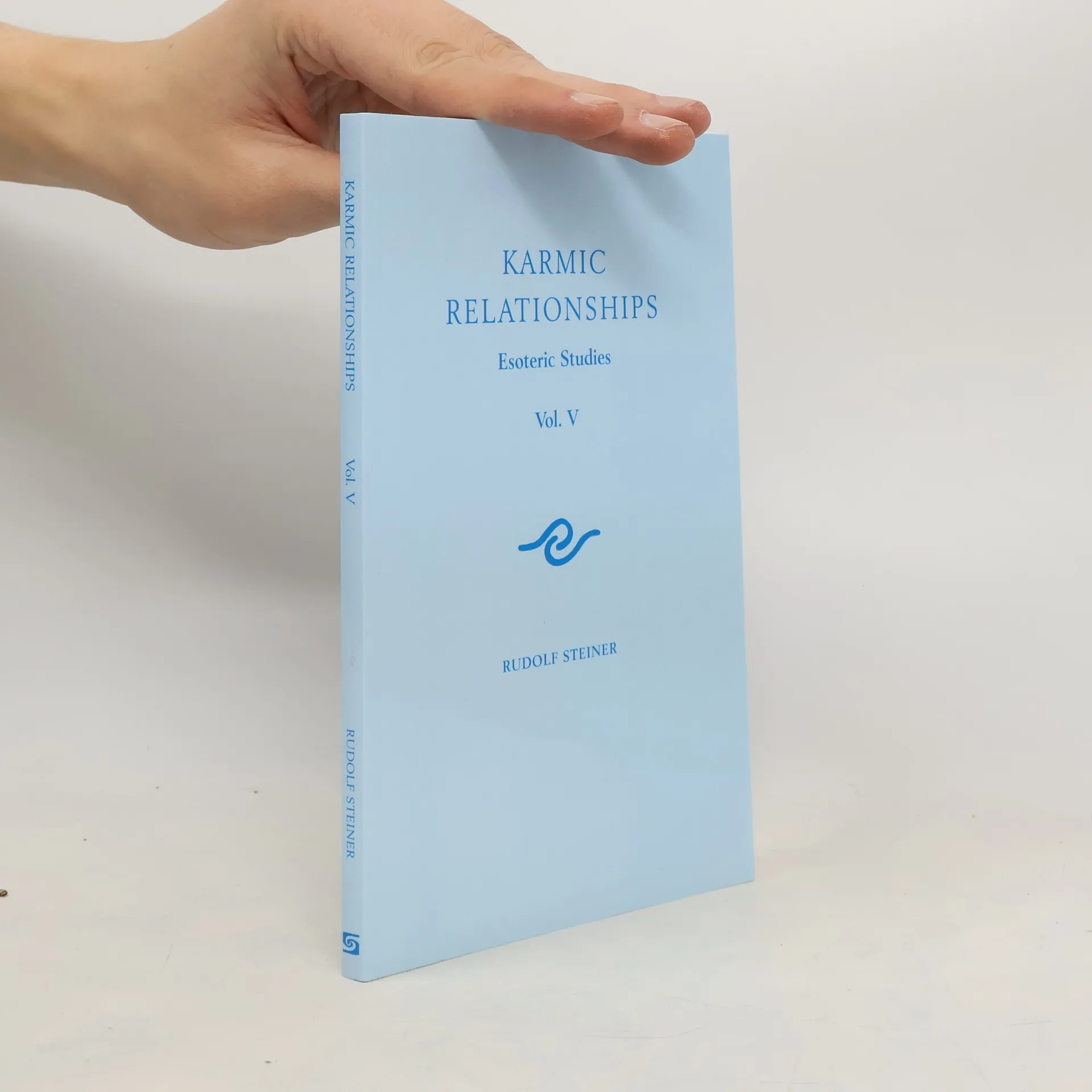
Le karma V
Considérations ésotériques
Connaissance de l'homme et art de l'éducation
- 142pages
- 5 heures de lecture
Les énigmes de la philosophie
- 250pages
- 9 heures de lecture
An Outline of Occult Science
- 548pages
- 20 heures de lecture
Exploring the foundations of spiritual science, this work delves into the nature of the human being, the cosmos, and the spiritual world. Steiner presents a comprehensive framework for understanding esoteric knowledge, emphasizing the interconnectedness of physical and spiritual realities. The text discusses the evolution of consciousness and the significance of spiritual development, aiming to guide readers toward a deeper comprehension of existence and their place within it. This edition continues to offer insights into Steiner's unique perspective on occult science.
Autobiography
- 400pages
- 14 heures de lecture
Entering this world with defined soul predispositions suggests that my life’s course is influenced by these traits, implying a spiritual existence before birth. As a spirit, I embody a repetition of someone whose biography informs my own. Each life reflects the human spirit's continuity, enriched by past experiences. In his Autobiography, Rudolf Steiner offers a rare glimpse into his inner life, personal relationships, and key events that shaped him as a philosopher, seer, and teacher. This edition restores the original format of seventy chapters, reflecting the content as it appeared in the Goetheanum weekly newsletter. Steiner's story transcends mere successes and failures; it reveals a soul with a keen scientific mind and natural clairvoyance, enabling him to perceive the spiritual realm. While inherently clairvoyant, he valued modern scientific methods, leading to the development of Anthroposophy, or spiritual science. Over the century since these events, Steiner's insights have profoundly influenced various aspects of life, continuing to transform experiences in the twenty-first century. This illustrated, revised, and expanded edition is the first volume in The Collected Works of Rudolf Steiner, a series that will compile all English translations of his writings, including many previously unavailable.
Discusses the difference between moon karma and sun karma, the influences of Christian and Islamic thinking, the transformation of inner human qualities from one life to the next, and much more.
The book of revelation and the work of the priest
- 288pages
- 11 heures de lecture
18 lectures & conversations with 57 priests, Dornach, Sept 5–22, 1924 (CW 346) John's Book of Revelation, the Apocalypse, has been subjected to countless theological and academic interpretations over the years, usually based on theories and abstract speculations. Rudolf Steiner, however, discussed the Book of Revelation through direct experience and knowledge of the spiritual truths contained in John's mysterious imagery. Rudolf Steiner had already presented his insights on the Apocalypse to various audiences, but in 1924 he presented a completely new perspective. This time, his comments were in response to requests from priests of The Christian Community, the movement for religious renewal, which itself had taken form on the basis of Steiner's insights. This book will be of value to anyone who would like a fresh perspective on the most enigmatic book of the New Testament. Includes eight color plates of blackboard drawings. This book is a translation from German of text reconstructed from notes taken by the participants, originally published as Vorträge und Kurse über christlich-religiöses Wirken, Bd.5, Apokalypse und Priesterwirken (GA 296).
The calendar of the soul
- 53pages
- 2 heures de lecture
Rudolf Steiner's collection of fifty-two meditative verses--presented here in both English and German--were first published in 1925, shortly after Steiner's death. These verses, representing the fifty-two weeks of the year, begin with Easter week and offer thoughts that help one find a deeper relationship with the spiritual forces at work throughout the year. Each verse in this volume appears alongside the corresponding verse for the week that represents a kind of opposite (or "compensating") force during the year. This durable, pocket-sized hardcover volume also includes a short introduction by Hans Pusch, describing a unique and useful way to approach The Calendar of the Soul. Click HERE to read more. The Calendar of the Soul is a translation of "Anthroposophischer Seelenkalender," included in Wahrspruchworte (GA 40).
The fall of the spirits of darkness
- 240pages
- 9 heures de lecture
Speaking at a time of intense war in Europe, Rudolf Steiner reveals the spiritual roots of the crises of our times and the means by which we can overcome them. Since 1879, Steiner tells us that "backward" angels, or "spirits of darkness"--who were forced out of the heavens and made their abode on Earth following their defeat in a forty-year battle with the Archangel Michael--have influenced human minds. It is now possible for human beings to awaken more consciously to the truth of these profound changes and thus inwardly counter the fallen spirits' influences. We can come to the realization that definite spiritual causes lie behind earthly events in our rapidly changing times. In these fourteen lectures, given at the end of 1917 following four years of war in Europe, Steiner speaks on the complex spiritual forces behind the World War I, humanity's attempts to build theoretically perfect social orders, and the many divisions and disruptions that would continue on Earth into our own time. Humanity in general was asleep to the fact that fallen spirits, cast from the spiritual worlds, had become intensely active on Earth. This manifested mainly in human thinking and perception of the surrounding world. However, the defeat and fall of these spirits also ensured that a science of the spirit would always be available to humanity.
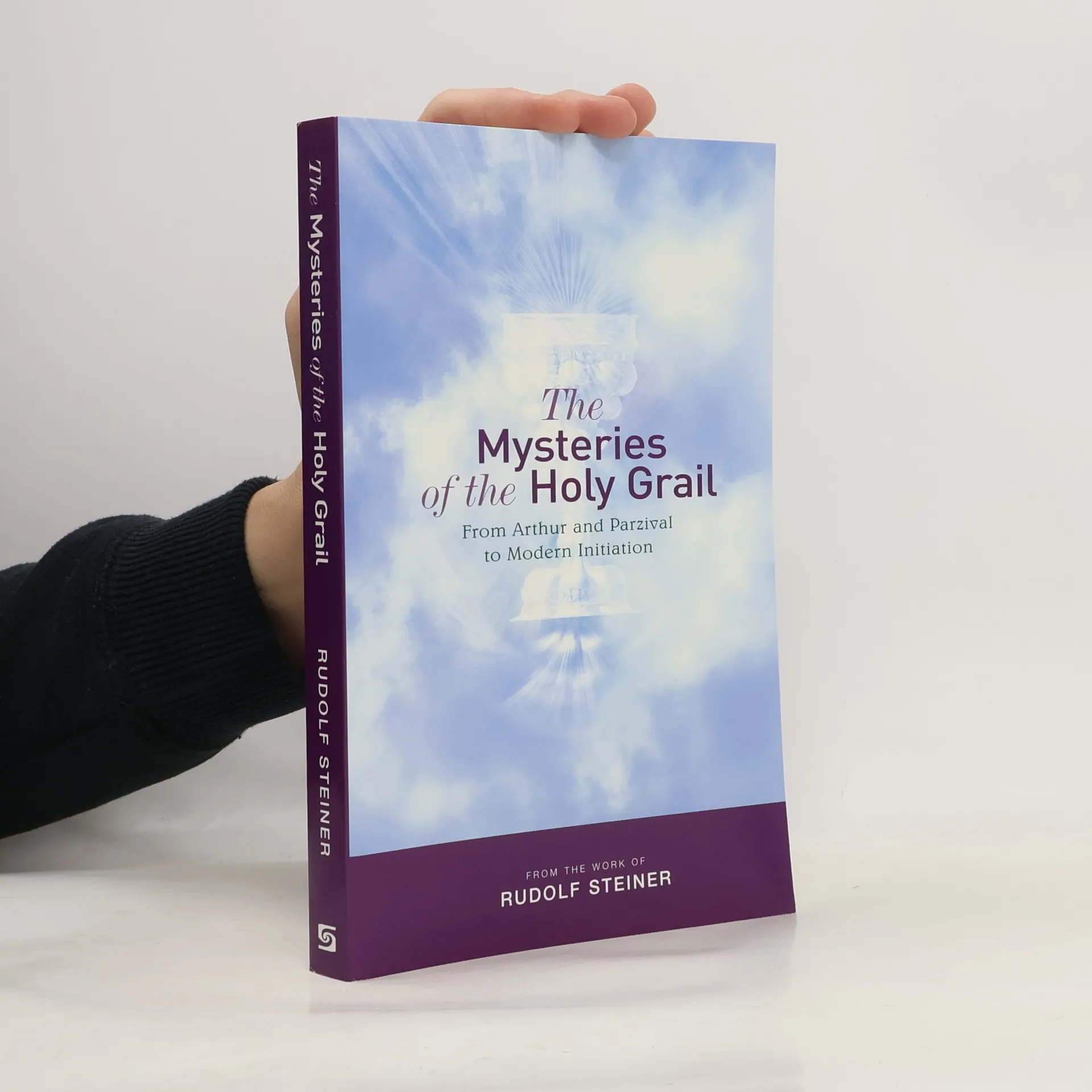
The Mysteries of the Holy Grail
From Arthur and Parzival to Modern Initiation
- 224pages
- 8 heures de lecture
From ancient British tales of King Arthur to modern blockbuster narratives, the Grail has remained an enigmatic symbol in Western culture, representing a lost treasure, the chalice of the Last Supper, and even a secret royal lineage. Rudolf Steiner's profound esoteric insights into the mysteries of the Holy Grail are presented in this collection, which combines his spiritual research with commentary and notes. These passages create vivid tableaux that resonate deeply with the human soul, transcending mere intellectual interpretations. Just as Parzival faced illusions and doubts, Steiner challenges readers on a similar path, inviting them to embark on a personal quest for the elusive Grail. This work serves not only as a treasure of thought but also as a guide for developing the vision and capacity to understand the Grail's true essence. As editor Matthew Barton notes, "The vessel of the Grail gradually descends toward us and comes into focus as we raise ourselves individually to it by piercing through the illusions of materialism, acknowledging that we ourselves can ultimately become true vessels for the spirit."
The Destinies of Individuals and of Nations
- 258pages
- 10 heures de lecture
Steiner started each of these lectures, given during the war years, with a verse for those who had died. He begins this volume with a consideration of the destinies of nations from a spiritual point of view. He goes on to consider the Christ-Impulse and the Michaelic Spirits that serve him. Also included are lectures on the three stages of imaginative knowledge, the rhythm of sleeping and waking, the relation between our physical and etheric bodies, and the prophetic nature of dreams. The last lecture takes up the question of the cosmic meaning of our sense impressions and of our thinking, feeling, and willing.
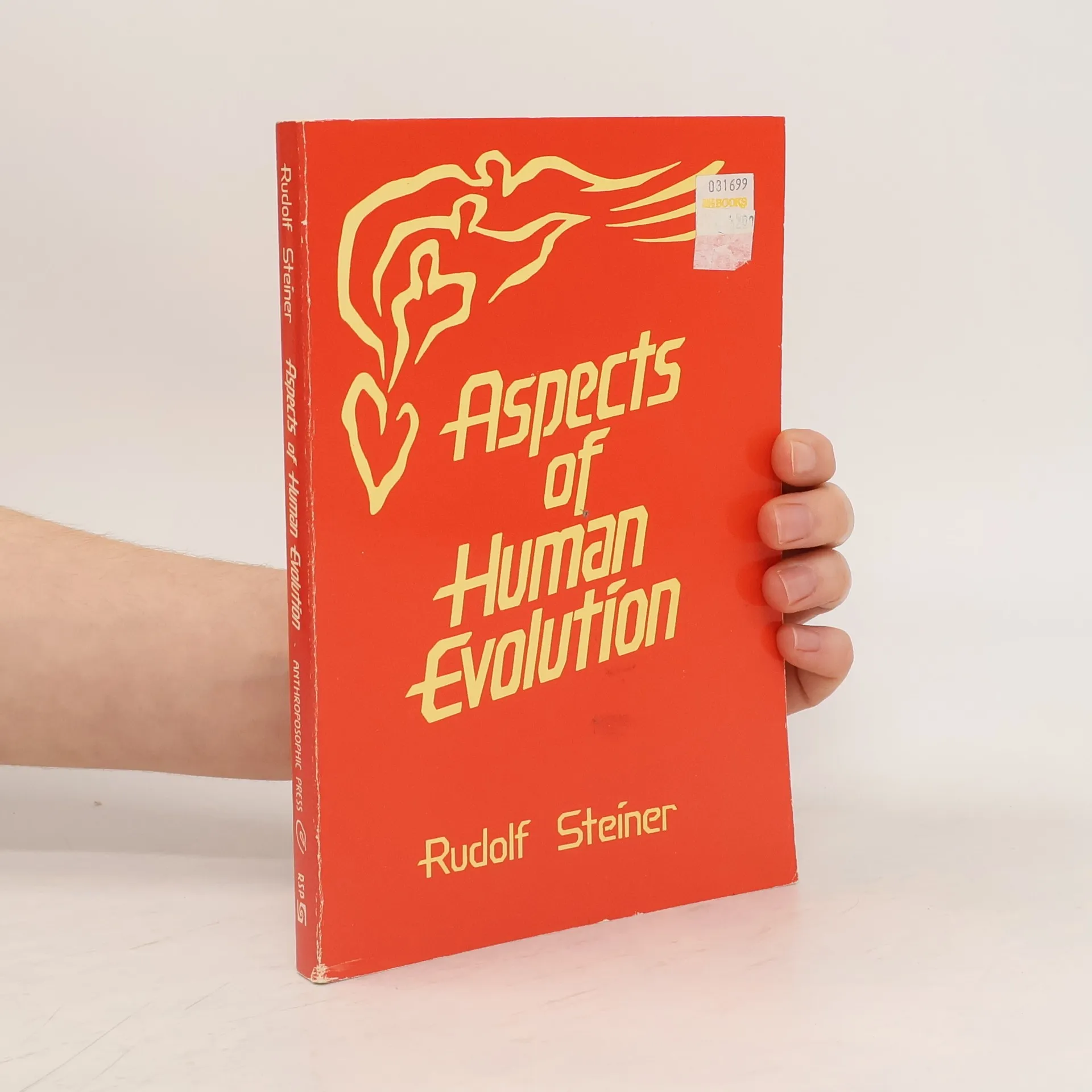
8 lectures, Berlin, May 29-July 24, 1917 (CW 176) How to Keep Your Soul Alive after Twenty-Seven This could have been the title of this book. The author shows that the natural development of the soul stops at around the age of twenty-seven. After that, nothing happens for our inner being unless we learn to make it happen. Part of the tragic nature of our time is that more and more people allow their soul life to die at twenty-seven, so that the remainder of their life becomes a kind of mummification. Steiner explains how, by exerting our thinking and feeling, we can keep our soul alive and growing. This is ultimately the only way we can make this incarnation a satisfactory one. Through such effort, we can continue to develop inwardly until a very advanced age--each year, becoming richer and more interesting than the one before. Aspects of Human Evolutionis a book that gives real meaning to the idea that we live in a state of becoming This book is a translation from German of Menschliche und menschheitliche Entwicklungswahrheiten. Das Karma des Materialismus (vol. 176 in the Bibliographic Survey).
The Spiritual Beings in the Heavenly Bodies and in the Kingdoms of Nature
- 210pages
- 8 heures de lecture
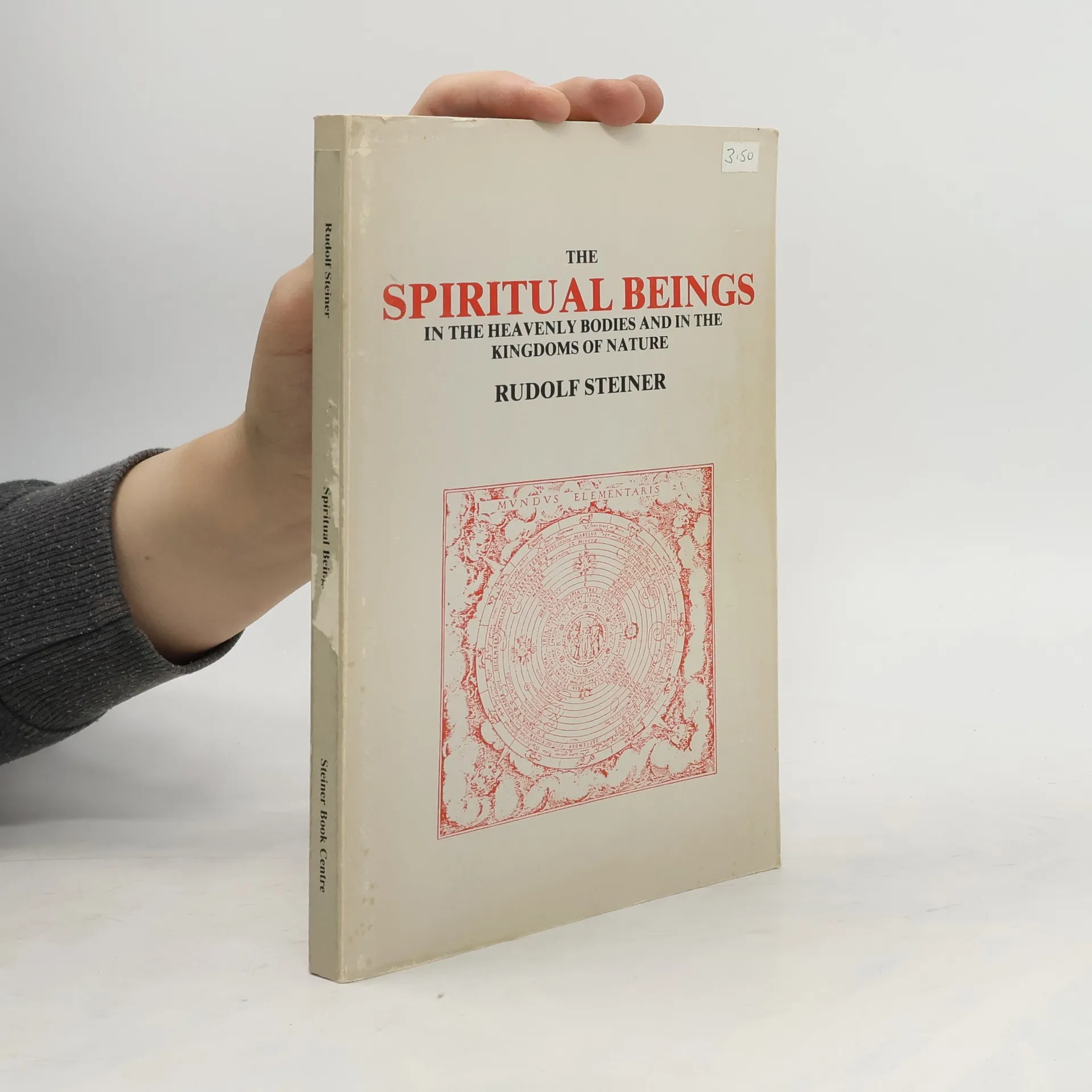
One of Rudolf Steiner's most important contributions to our understanding of the world was in the field of angelology -- in the description and understanding of the work of spiritual beings, nature spirits, and elementals in the cosmos. In this classic, unparalleled work of angelology (one of only two lecture cycles he gave on the subject), Steiner leads the reader from sense experiences to the experience of the spiritual beings active in nature and the elements and forces of the earth, and to the dynamic, cosmic working of the angelic hierarchies. He unfolds a magnificent vision of the collaboration of hierarchical beings in cosmic and human evolution, and shows how human beings, as angelic beings, participate in this process as the Tenth Hierarchy.
World economy
- 192pages
- 7 heures de lecture
11 lectures, Munich, August 16–26, 1910 (CW 122) How was the world created? From a direct spiritual perception of the facts, Rudolf Steiner presents a new perspective that transcends the bipolar arguments of both the creationists and the scientific reductionists. He affirms that clairvoyant research accords with the biblical descriptions, but he emphasizes that the text of Genesis has to be interpreted in a special way. In this extraordinary document, Steiner speaks of the six days of creation as a reawakening of the previous phases of the Earth’s development. He describes the work of spiritual hierarchies in the creation of Earth and clarifies the relationship of the Elohim and the biblical Jehovah. In addition, Steiner discusses themes of light and darkness, the meaning of Adam and Eve, the “day of rest” on the seventh day, the stages of human development on Earth, and the special character of the Hebrew language. Also featured in this new edition is a previously unpublished introductory lecture on the meaning of mystery drama. This book is a translation from German of Die Geheimnisse der biblischen Schöpfungsgeschichte. Das Sechtagwerk im 1. Buch Moses (GA 122).
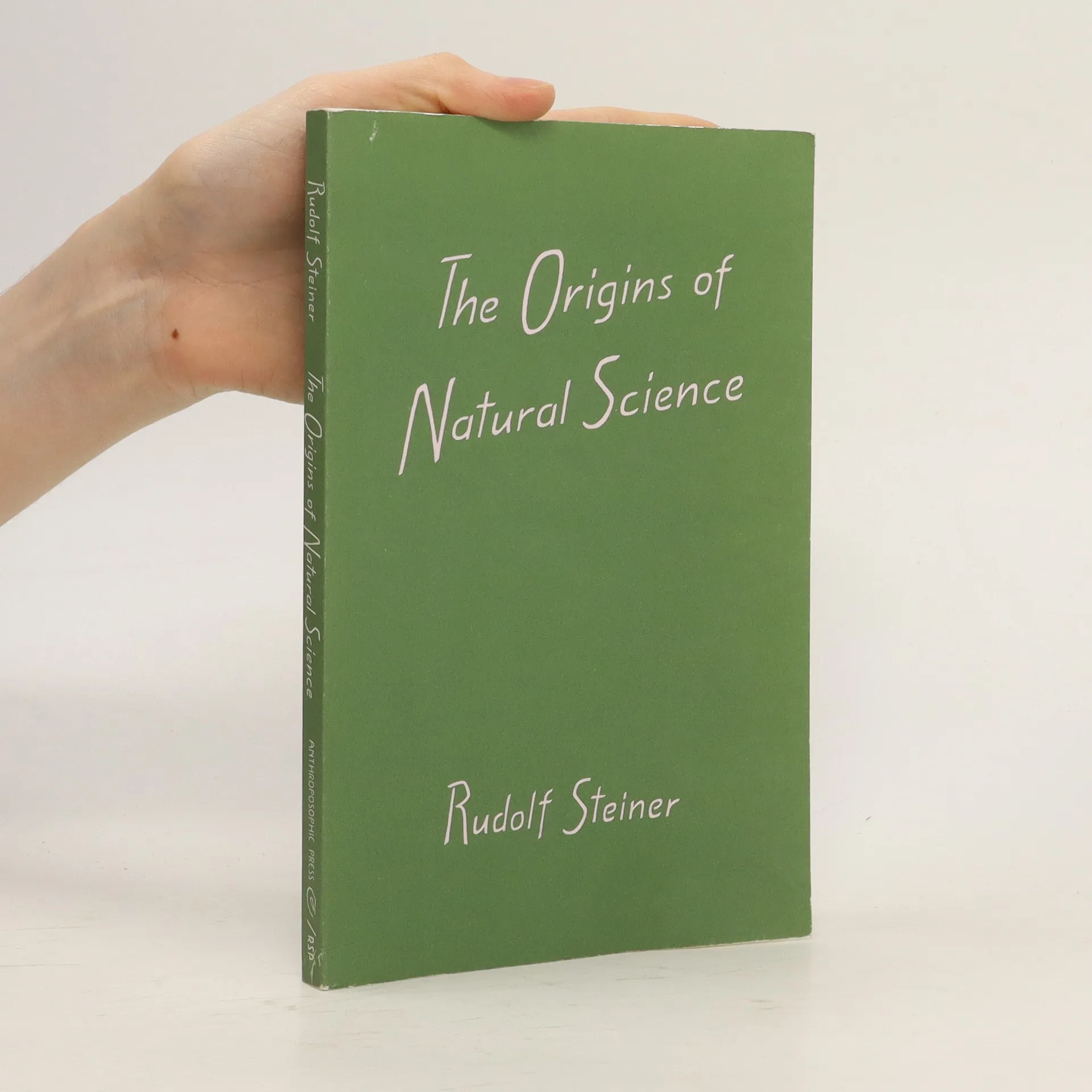
9 lectures, Dornach, December 24, 1922 - January 6, 1923 (CW 326) "Modern science, and the scientism based on it, so far from being the only possible 'reality principle, ' is merely one way of conceiving the nature of reality; a way moreover that has arisen only recently and that there is no reason to suppose will last forever." -- Owen Barfield(from the introduction) These talks outline the subtle changes in our ideas and feelings in relation to the development of natural science. Through this, Steiner shows the significance of scientific research and the mode of thinking that goes with it. As we look at what technology has brought us, we may have a feeling like the pain we feel over the death of a loved one. According to Steiner, this feeling of loss will eventually become our most important stimulation to seek the spirit. This book is a translation from German of Der Entstehungsmoment der Naturwissenschaft in der Weltgeschichte und ihre seitherige Entwicklung (GA 326).
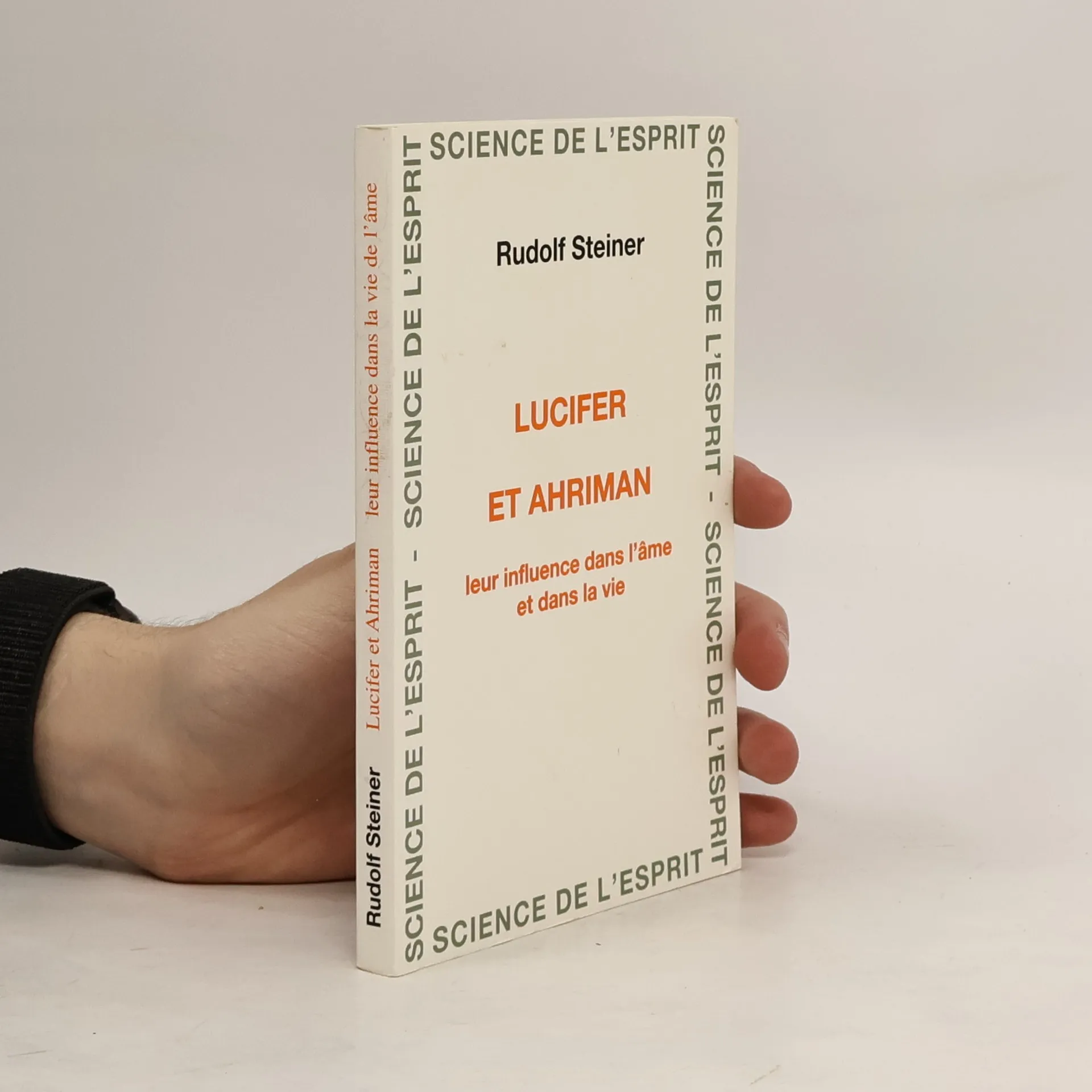
The influences of Lucifer and Ahriman
- 84pages
- 3 heures de lecture
In these lectures, Steiner focuses on the vital task of developing the proper orientation toward a free spiritual life. With great compassion and understanding, he offers telling examples of how humanity must walk a conscious middle way between the two tempting powers of Lucifer and Ahriman. He describes the incarnation of Lucifer in the third millennium before the Christ event, out of which flowed not just the wisdom of paganism, but also the conscious intellect we enjoy today. Ahriman, on the other hand, is shown approaching human beings through such phenomena as materialism, nationalism, and literalism, all in preparation for his incarnation in the third millennium. Keep in mind, however, that these two powers do not work separately; rather, they are working increasingly together. Our task as human beings is to hold them in balance, continually permeating one with the other. Steiner tells us that "Lucifer and Ahriman must be regarded as two scales of a balance, and it is we who must hold the beam in equipoise. How can we train ourselves to do this? By permeating what takes ahrimanic form within us with a strongly luciferic element." To accomplish this task we need a new, more conscious inner life.
The Manifestations of Karma
- 157pages
- 6 heures de lecture
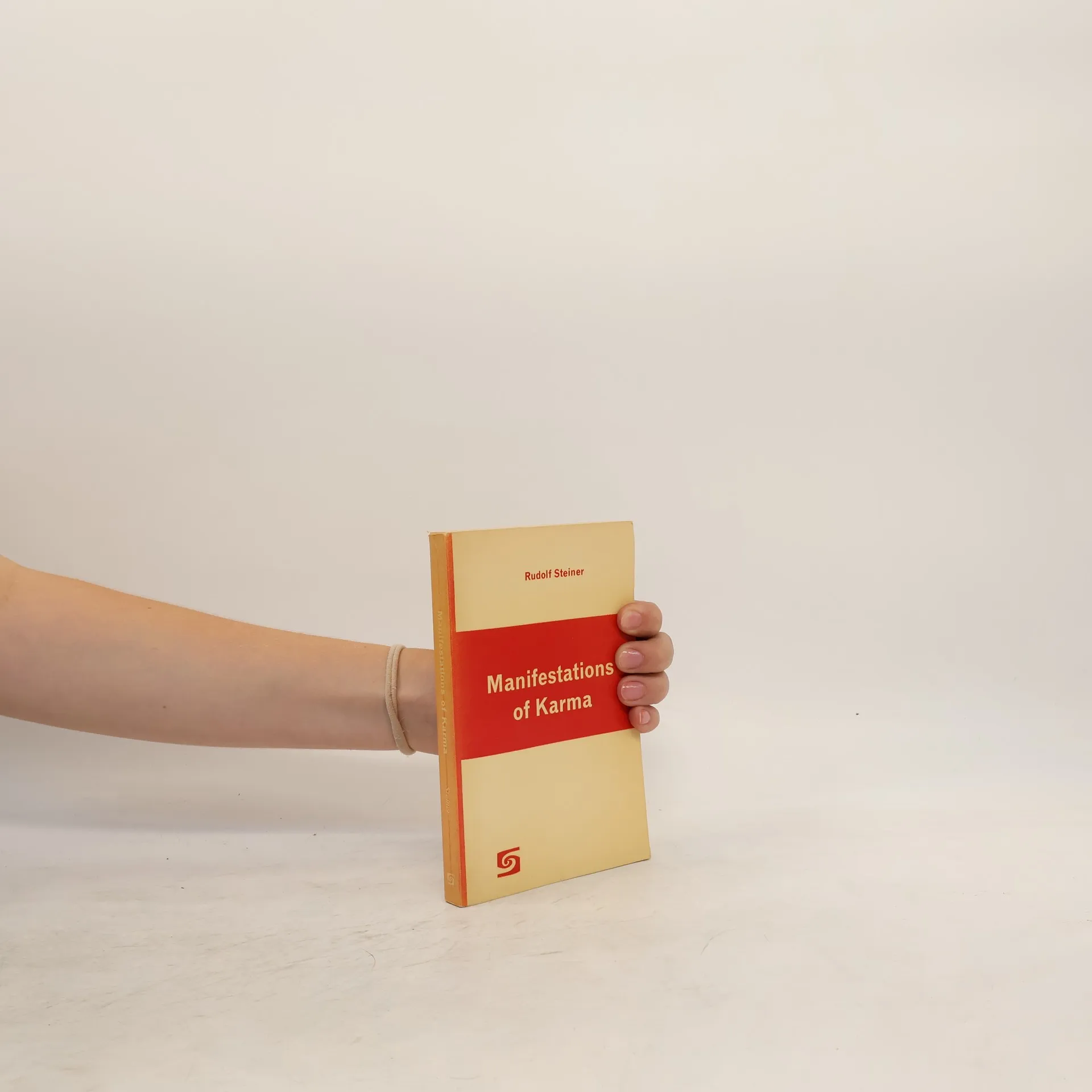
Why do people experience such different circumstances in life? What is the meaning of diseases, accidents, and natural disasters? We create our own karma, says Steiner; we lay the foundation in one incarnation for the next. We cannot find the whole pattern in one earthly life, but must look at many lives. He suggests that, though we may be unaware of particular causes, just knowing our own karma is in the process of resolution can help us gain a sense of purpose in our present lives.
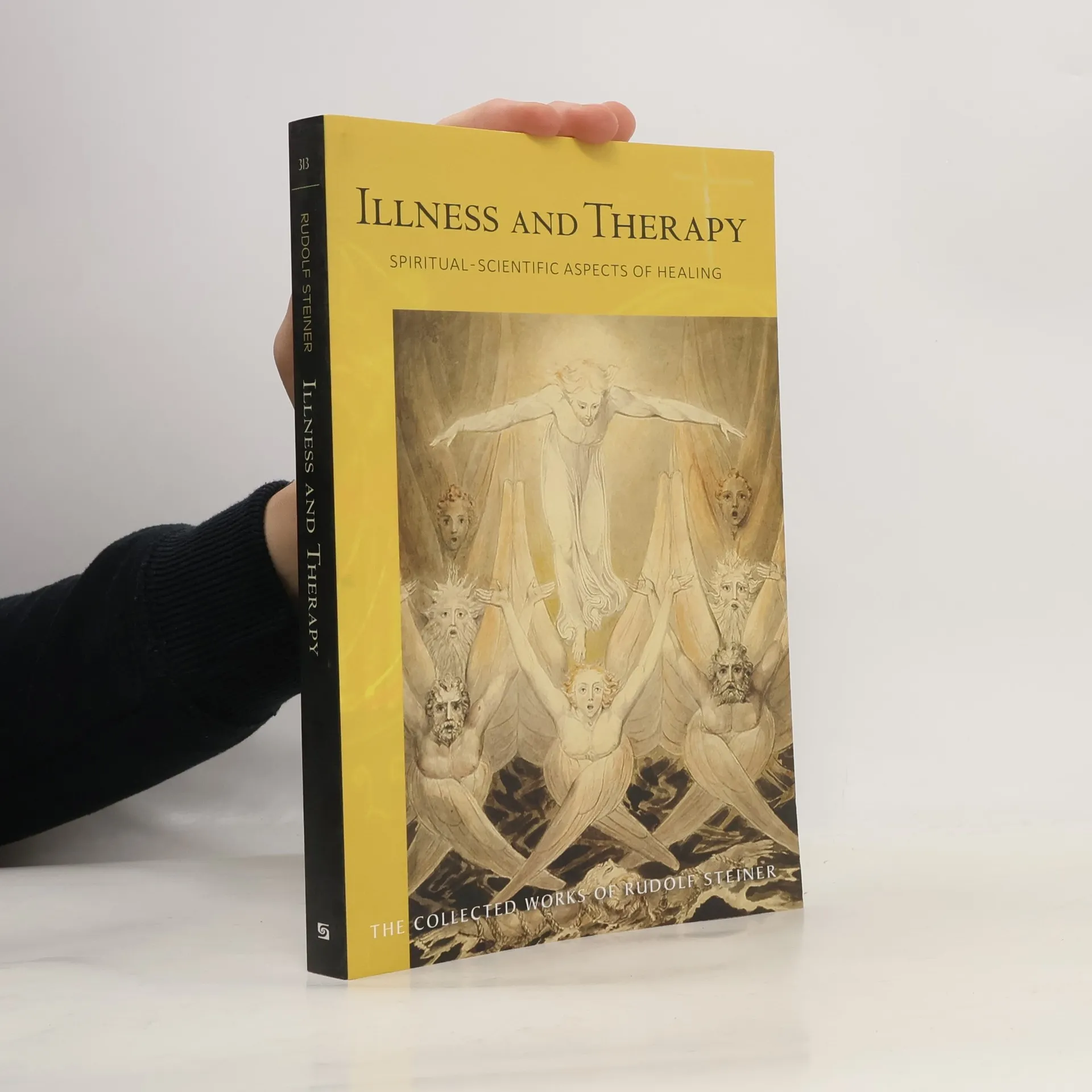
Collected Works of Rudolf Steiner - 313: Illness and Therapy
Spiritual-Scientific Aspects of Healing
- 252pages
- 9 heures de lecture
In a series of nine lectures to doctors, pharmacists and students, Rudolf Steiner presents a wealth of medical ideas with numerous therapeutic and diagnostic insights. As with his first series of lectures on medicine held a year previously (Introducing Anthroposophical Medicine), the range, depth and scope of Steiner's subject-matter is breathtaking.
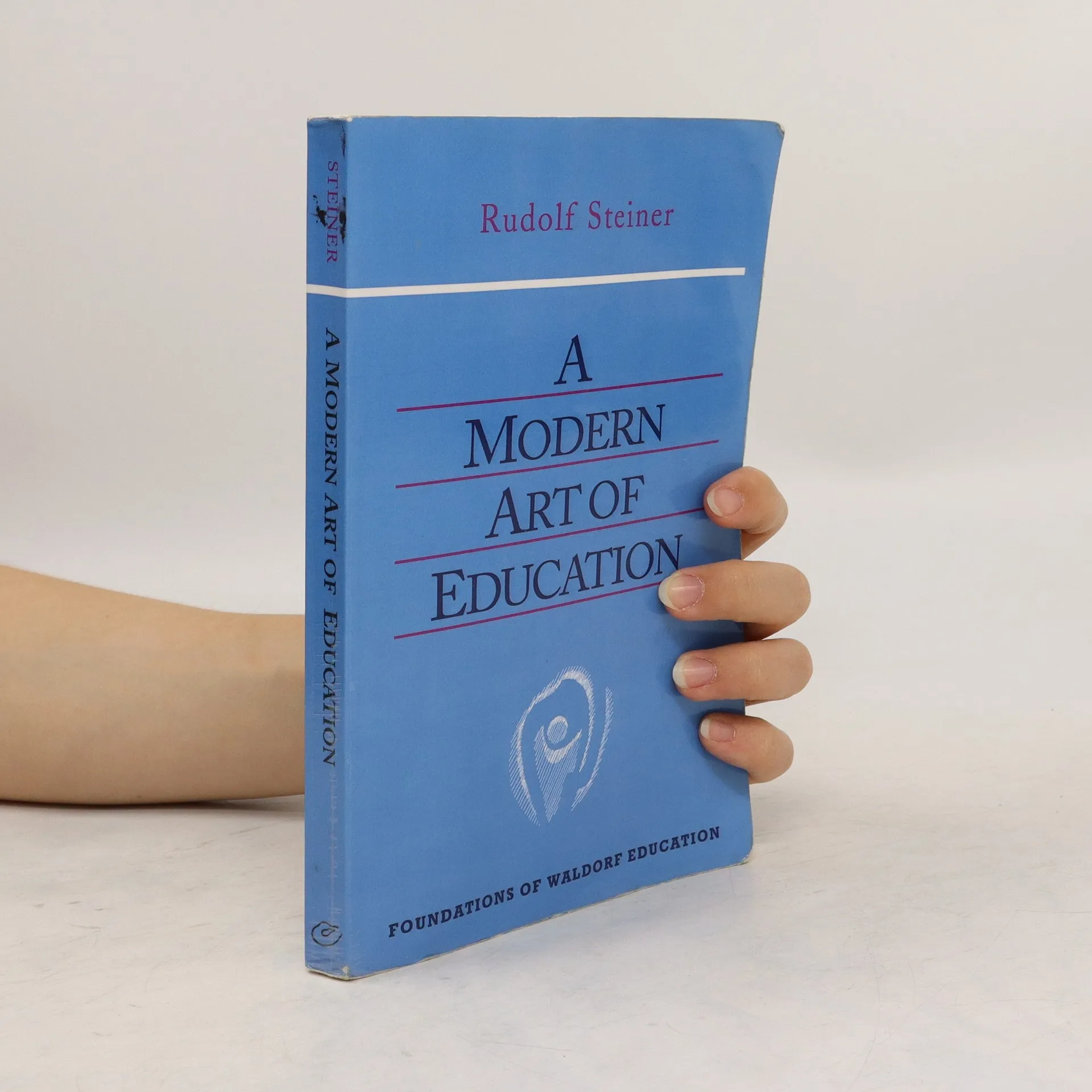
The underlying thesis of these lectures, volume XX in the "Foundations of Waldorf Education" series, is that true education must be based on knowledge of the whole human being and that such knowledge cannot be attained without love. On this basis, Steiner presents his understanding of every aspect of child development-bodily, psychological, and spiritual. At the same time, he shows that, to prove worthy of their calling, teachers must begin a process of inner development. In Steiner's view, it is human beings who give value and meaning to the world. Modern education, however, is gradually undermining this meaning. These lectures demonstrate that education can heal that lack of meaning and restore the meaning of humankind for the world. Steiner also discusses the practical, day-to-day operation of the school. He talks about styles of teaching, teacher conferences, parent-teacher meetings, and how Waldorf education is related to the anthroposophic movement. This book, while serving as a good introduction to Steiner's ideas on education, also represents the fruits of four years experience in the Waldorf school.
The The Fall of the Spirits Of Darkness
- 324pages
- 12 heures de lecture
In this extraordinary series of lectures, Rudolf Steiner throws light on hidden aspects of world affairs. The new edition of this classic work features a revised translation, notes and extensive appendices by editor Frederick Amrine, plus a new introduction by Christopher Schaefer.
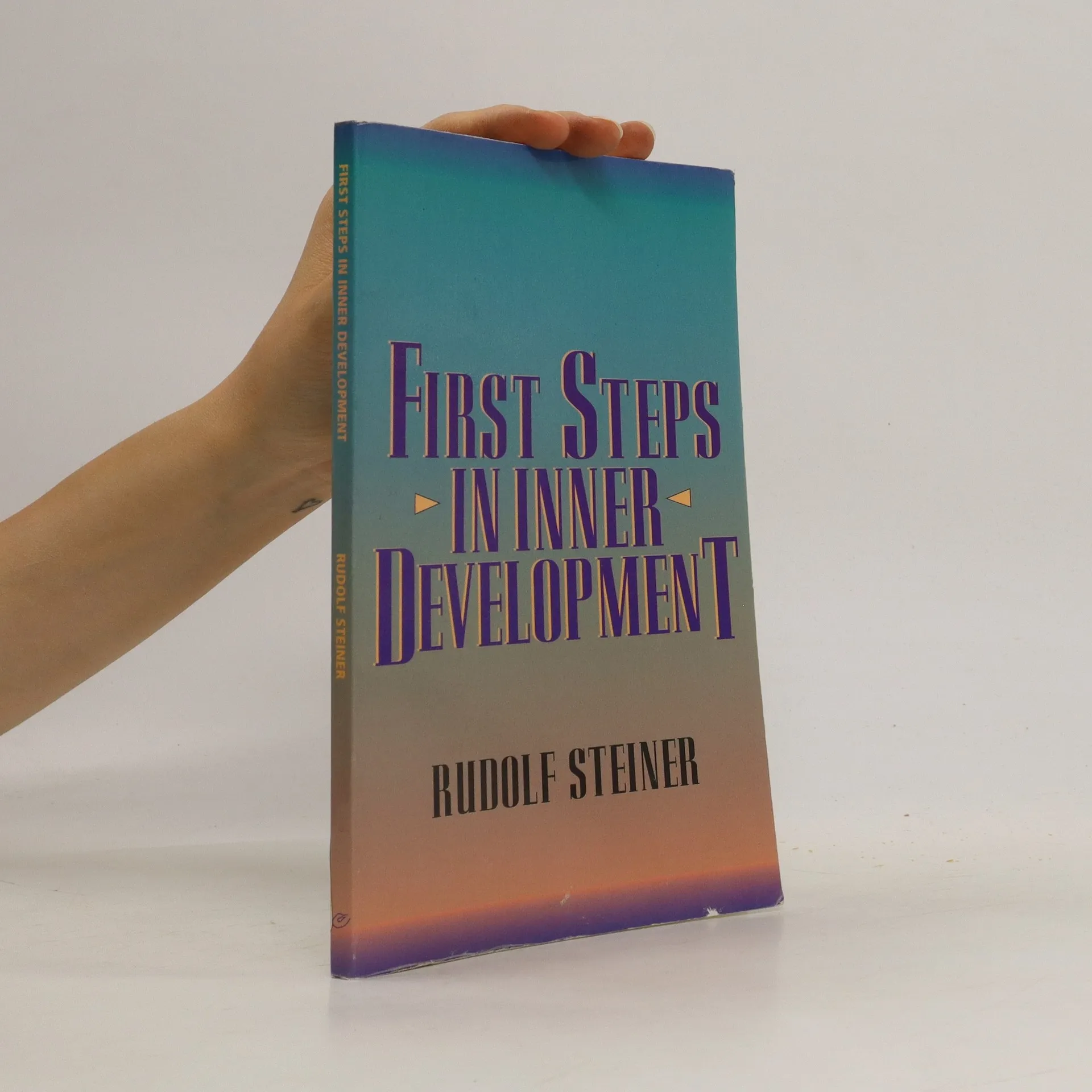
First Steps in Inner Development
- 96pages
- 4 heures de lecture
Rudolf Steiner is perhaps best known for his influence and wisdom in the fields of education, agriculture, medicine, science, and art. It is often forgotten that it was as a spiritual teacher that he made these contributions. Unfortunately, while his immediate students had the advantage of Steiner as a personal guide to their inner lives, later readers have had only his written works to guide them. Steiner, however, did give a few lectures on inner development--especially on beginning a path of practice. This book now collects these lectures--some of which have never been in English--for the first time. It also contains a number of the basic meditations and exercises shared by Steiner with his students. Here readers will find descriptions of various practical exercises, including exercises for the moral qualities that students must develop, and for the various qualities of consciousness that inner development requires. This book is not only for beginners. Wherever you are on the path, this book will be your companion. CONTENTS: Introduction by Christopher Bamford 1. The Inner Life 2. The Path 3. First Steps 4. Ways to Inner Development (extracts) Six Essential Exercises The Three Ways The Christian Way 5. How Does the Soul Find Its True Being? Bibliography
How to Cure Nervousness
- 40pages
- 2 heures de lecture
1 lecture, Munich, January 11, 1912 (CW 143) "It is not always right to send someone to the chemist for some medicine when he's ill. Instead we should organize our lives in a way that renders us less susceptible to illness, or alleviates its impact. Disorders will impinge on us less severely if we strengthen the ego's influence on the astral body, the astral body's influence on the etheric and the etheric on the physical." Nervousness, anxiety, and agitation are common symptoms of our increasingly stressed and pressured society. They manifest in ordinary forms and as serious mental and psychological disorders. In this classic lecture, Rudolf Steiner offers practical advice and spiritual insight for those who wish to heal these proliferating ailments of modern life. He describes simple exercises that strengthen the inner self, with the goal of achieving the calm and centeredness needed to lead a purposeful, healthy life. The audio CD edition--complete and unabridged--is read by the actor and speech teacher Peter Bridgmont, author of Liberation of the Actor.
From Jesus to Christ
- 192pages
- 7 heures de lecture
11 lectures, Karlsruhe, 4-14 Oct 1911 (CW 131) Although once experienced in an intuitive way by early Gnostic thinkers, knowledge of the cosmic meaning and importance of Christ and his mission faded with the centuries. Theologians and historians of the Church have critically scrutinized the Gospel records to the point where their focus shifted almost entirely from the Christ being to the human man of flesh, Jesus of Nazareth. Today, people are beginning a renewed search for an understanding of the life, death, and resurrection of Christ and the meaning of those events for life today. In these enlightening lectures, Steiner shows how the Mystery of Golgotha can be seen as the pivotal event of human history. The Gospels themselves, he says, are “initiation documents” that guide us along a path of spiritual development. Steiner also demonstrates how manifold spiritual entities are involved in the events in Palestine two thousand years ago, and describes the problematic aspects of Christian theology, such as the resurrection of the physical body. And, throughout these talks, he emphasizes the esoteric path to Christ and encourages us to awaken to the new revelation manifesting in our time―the Christ as “Lord of Karma.” This edition also contains a public talk given prior to the beginning of the course. This volume is a translation from German of Von Jesus zu Christus (GA 131).
Here Rudolf Steiner provides a path from ordinary thinking to the practice and experience of living thinking. Considered by many to be his most important work.
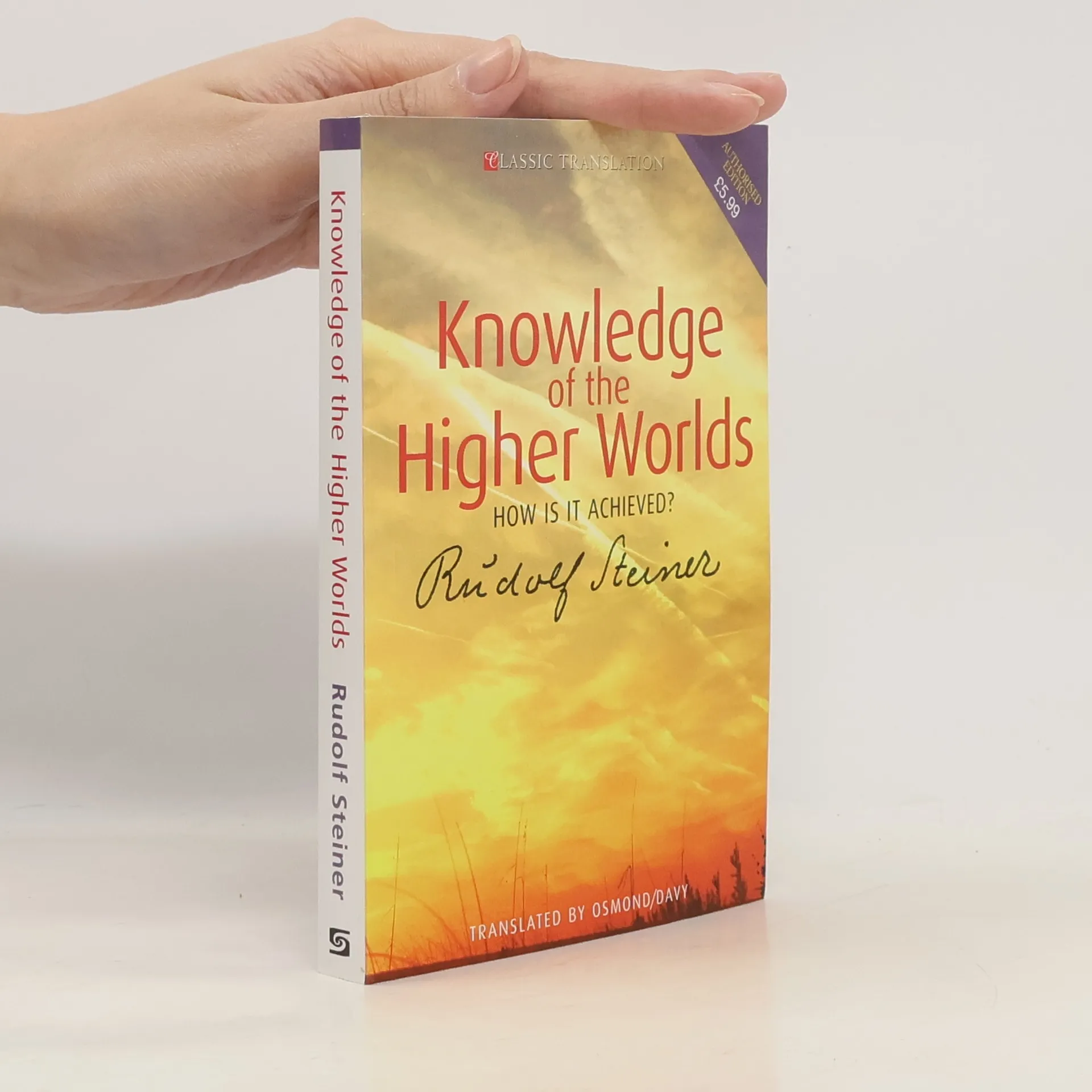
Knowledge of the Higher Worlds
- 224pages
- 8 heures de lecture
Rudolf Steiner's fundamental handbook for spiritual and personal development continues to grow more modern each day. His methods nevertheless remain clearly distinguishable from the many others that are generally available today. First, Steiner's path of spiritual growth is based on the clarity of thought normally associated with scientific research. Rather than denying clear thinking, his aim is to extend it beyond its present limitations. Second, Steiner recognizes as all genuine disciplines always have that the path to spiritual experience is arduous and dangerous, calling for tremendous self-control in thinking, speech, and action. The human being is a unity, and we cannot develop real knowledge without a corresponding development of feeling and volition.
Health and Illness. Vol 1
- 155pages
- 6 heures de lecture
This second volume of nine talks to the workmen of the first Goetheanum retains the vital, colloquial, and spontaneous quality of the first volume. Steiner sheds light on a wide range of topics, including the effects of nicotine, alcohol, cocaine, healing effects of metals during pregnancy, vegetarian diets, rabies, and wasp nests.
Sexuality, love and partnership
- 256pages
- 9 heures de lecture
Rudolf Steiner explores the human soul's dilemma, characterized by male and female attributes, and presents a developmental path to overcome these divisions, similar to Jung's concept of 'individuation'—the merging with one's true self. In a sexualized society, we encounter challenges such as confusion between love and sex, conflicts over gender roles, and threats to childhood innocence. Steiner significantly enhances our understanding of sexuality, detailing the evolutionary shift from androgynous beings to distinct male and female genders. He examines the changing societal roles of the sexes, from a matriarchal history to contemporary patriarchal dominance. While this division causes suffering, it also holds the potential for higher forms of love. He suggests that humanity may eventually evolve sexuality into a new paradigm, even transforming reproduction. Nonjudgmental and free from asceticism, Steiner recognizes human frailty in personal lives, including that of notable figures like Goethe. He views sex as an essential stage in human evolution, acknowledging the split nature of humanity as a contemporary reality. Healing from this division will be gradual, but, akin to Amfortas in the Grail story, whose wounded groin represents amorous misadventure, we can find healing through love and compassion.
Lectures held in Copenhagen in June 1911 at the General Assembly of the Scandinavian Theosophical Society and revised for publication by the author.
Goethe's Theory of Knowledge
- 156pages
- 6 heures de lecture
Rudolf Steiner speaks to the British
- 303pages
- 11 heures de lecture
10 selected lectures and other assorted materialsAs demonstrated by the contents of this book, Rudolf Steiner was able to speak to the British in a very direct and lively way. He did not need to give a long introductory build-up to his main theme, as was expected of him in Germany for instance, but could refer immediately to esoteric ideas.The intention of this volume is to give a fuller picture of Rudolf Steiner's work in Britain, and his approach to esoteric ideas while on British soil. Although the major lecture series he gave in Britain have been previously published, this book gathers together various lectures, addresses, question-and-answer sessions, minutes of important meetings and articles--a good deal of which has been unavailable in English until now. It also features a complete list of all the lectures and addresses Steiner gave in Britain, making it a valuable reference book for students of Steiner's work.
In a broad-ranging series of lectures, Rudolf Steiner shines new light on the spiritual background to the outbreak of the Great War in Europe. Spiritual entities stand behind the various peoples of the world, he says. He describes how these beings - Folk Souls - relate to the cultural diversity of Europe, America and the East.
Karmic Relationships
- 176pages
- 7 heures de lecture
This new edition also includes Steiner's last address along with; the karmic groups of souls connected to Aristotelianism and Platonism, the karma of the anthroposophical movement, as well as the individual incarnations of Ernst Haeckel, Vladimir Solovioff and others.
This collection features 14 lectures delivered in Ilkley, Yorkshire, in August 1923, offering a comprehensive introduction to Waldorf education. Steiner outlines his pedagogical philosophy, emphasizing the integration of science, art, religion, and morality as the foundation of education. He presents a new developmental psychology, detailing how children's consciousness evolves and how subjects should be taught to foster individual growth and inner freedom. Steiner argues that children must engage with the right subjects at the right time to cultivate the inner freedom essential for navigating modern life. The content includes discussions on Greek education, the Middle Ages, and the relationship between spirit and body. He emphasizes the importance of understanding the connection between thinking, feeling, and willing, particularly in relation to children's developmental stages. The curriculum covers various subjects, including reading, writing, nature study, arithmetic, geometry, history, physics, chemistry, crafts, language, and religion. Additionally, Steiner addresses memory, temperaments, physical education, and art, culminating in insights on the organization of a Waldorf school. This volume serves as an invaluable introduction to Steiner's educational approach, highlighting the need for a holistic understanding of human development.
Colour
- 196pages
- 7 heures de lecture
The Colour lectures by Rudolf Steiner build on the achievements of Goethe in his Theory of Colour and shows how colour has an objectively moral affect on the feeling life, and even the health and well-being, of the observer. Distinguishing between “image” and “lustre” colours, Steiner lays the foundation, out of his spiritual-scientific research, for a practical technique for working with colour that leads to a new direction in artistic creativity. His many penetrating insights into some of the great painters of the past are supplemented by a deep concern to see a cultural renewal emerge out of spiritual science, or anthroposophy. “If you realize,” he states, “that art always has a relation to the spirit, you will understand that both in creating it and appreciating it, art is something through which one enters the spiritual world.” This volume is the most comprehensive compilation in English of Rudolf Steiner’s insights into the nature of colour, painting and artistic creation. It will prove to be an invaluable source of reference and study not only for artists and therapists but for anyone interested in gaining an appreciation of art as a revelation of spiritual realities. Alternative cover for ISBN: 1855840855
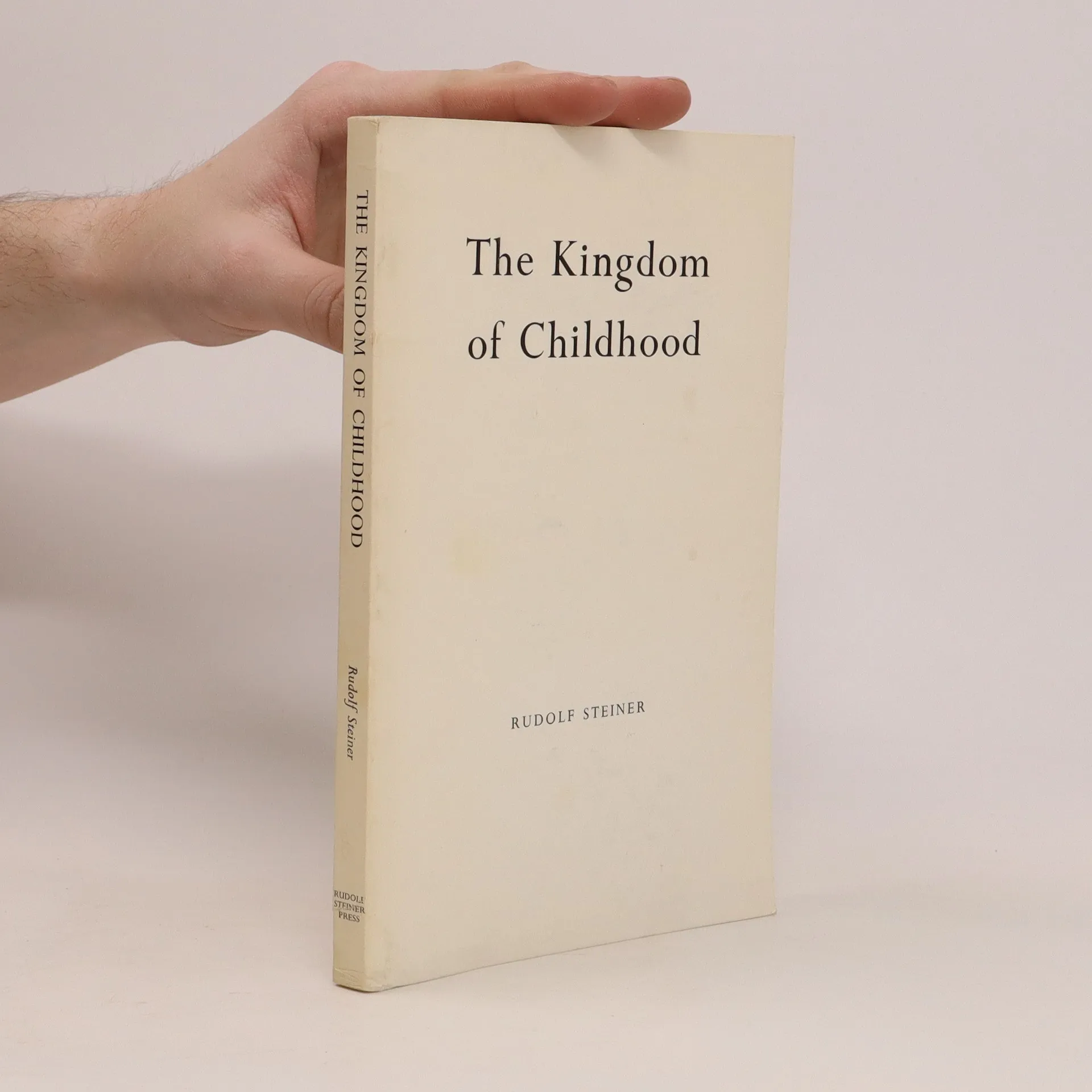
The Kingdom of Childhood
- 159pages
- 6 heures de lecture
These seven intimate, aphoristic talks were presented to a small group on Steiner's final visit to England. Because they were given to "pioneers" dedicated to opening a new Waldorf school, these talks are often considered one of the best introductions to Waldorf education. Steiner shows the necessity for teachers to work on themselves first, in order to transform their own inherent gifts. He explains the need to use humor to keep their teaching lively and imaginative. Above all, he stresses the tremendous importance of doing everything in the knowledge that children are citizens of both the spiritual and the earthly worlds. And, throughout these lectures, he continually returns to the practical value of Waldorf education. These talks are filled with practical illustrations and revolve around certain themes-the need for observation in teachers; the dangers of stressing the intellect too early; children's need for teaching that is concrete and pictorial; the education of children's souls through wonder and reverence; the importance of first presenting the "whole," then the parts, to the children's imagination. Here is one of the best introductions to Waldorf education, straight from the man who started it all.
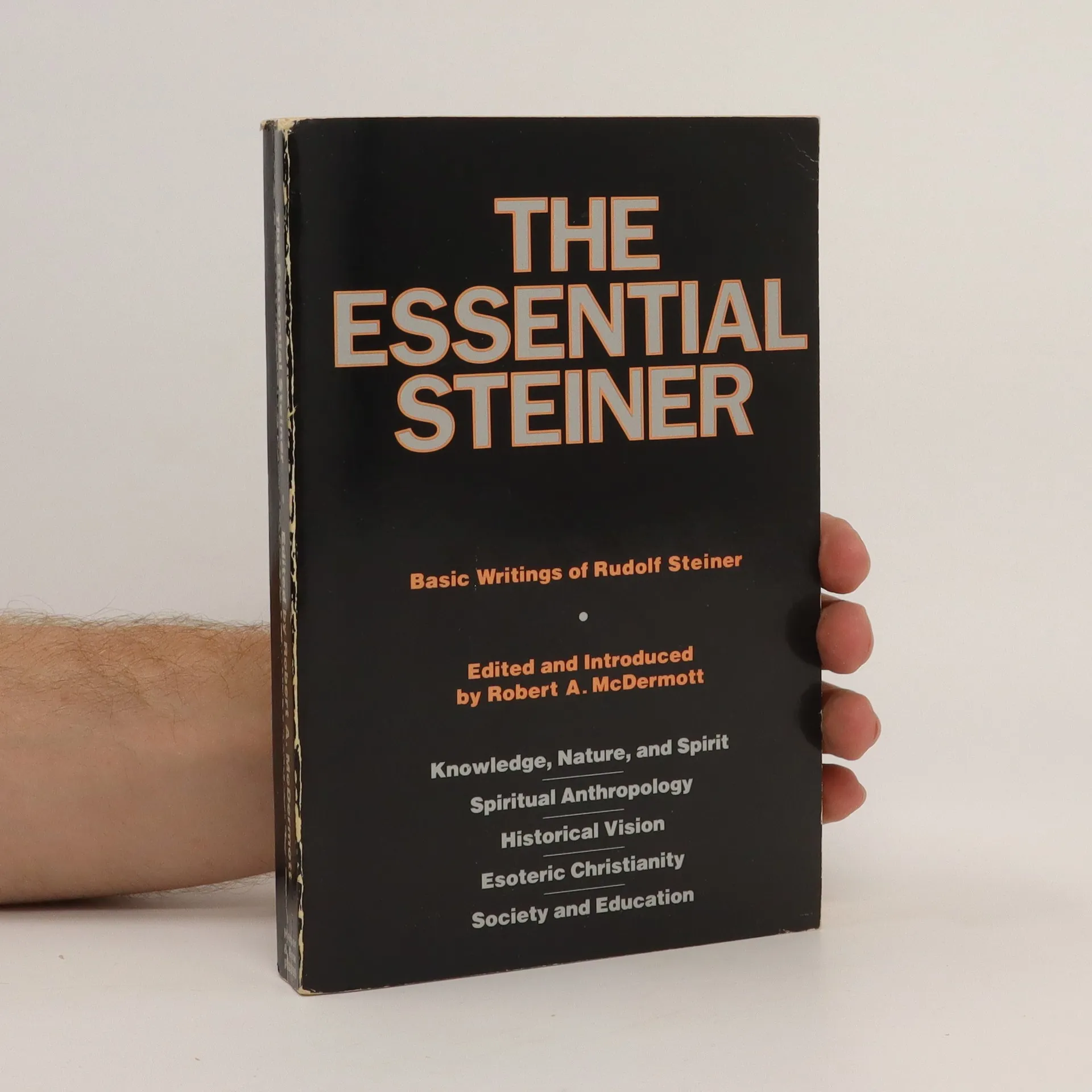
The essential Steiner : basic writings of Rudolf Steiner
- 464pages
- 17 heures de lecture
Essays by the distinguished Austrian social philosopher include discussions of the theory of human nature, the mystical teachings of Christianity, and the roots of education
A collection of best loved lectures containing practical insights for day-to-day living.
Atlantis and Lemuria
- 132pages
- 5 heures de lecture
Atlantis was first mentioned in Plato's works Timaeus and Critias, written in 360 BC. Obtained from the Akashic Records and under the influence of the Theosofical Publishing Society, Steiner presents in this work the Akashic information available about Atlantis and Lemuria.
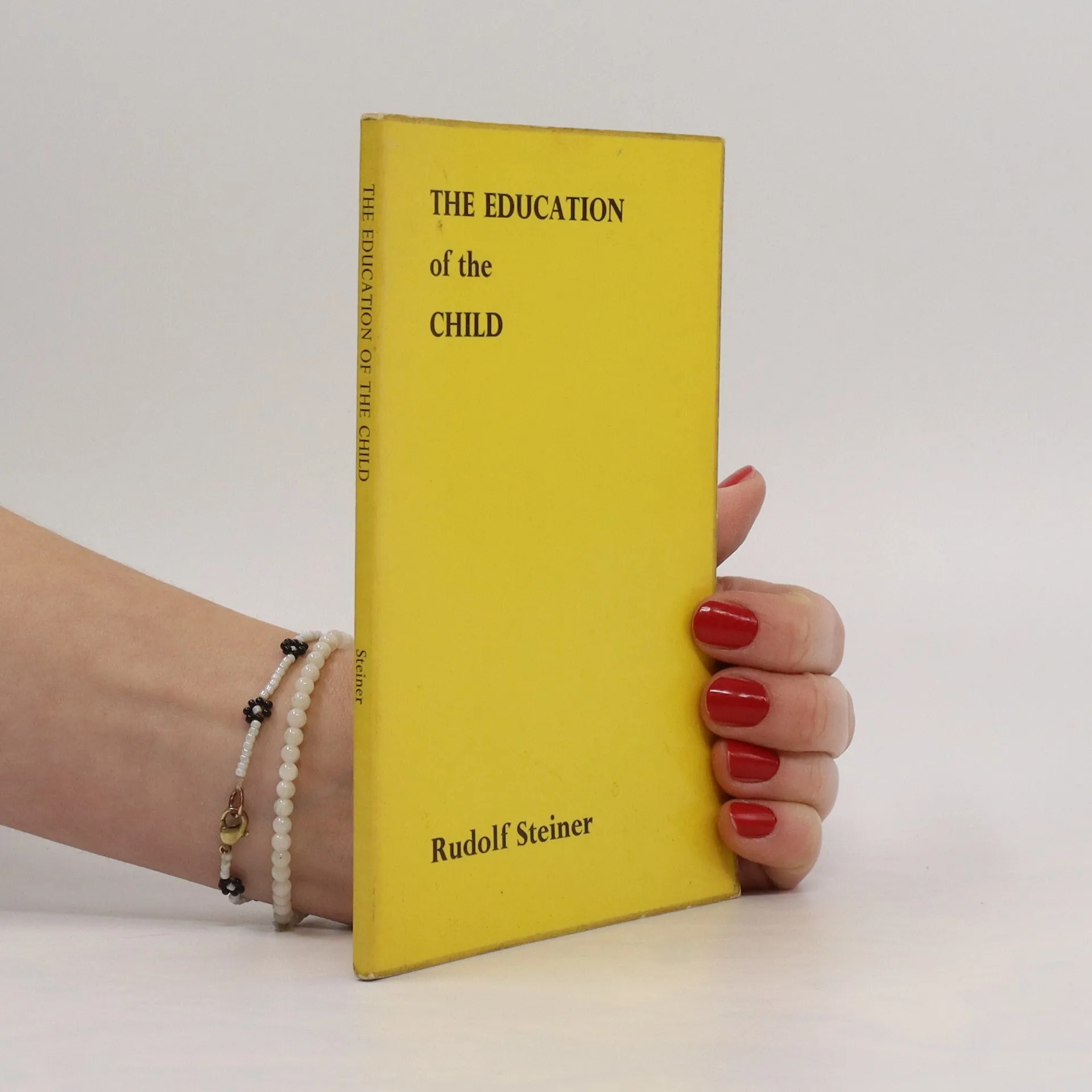
The Education of the Child in the Light of Anthroposophy
- 48pages
- 2 heures de lecture
A collection of Steiner's early writings and lectures on Waldorf education including his essential essay, Education of the Child in Light of Spiritual Science.
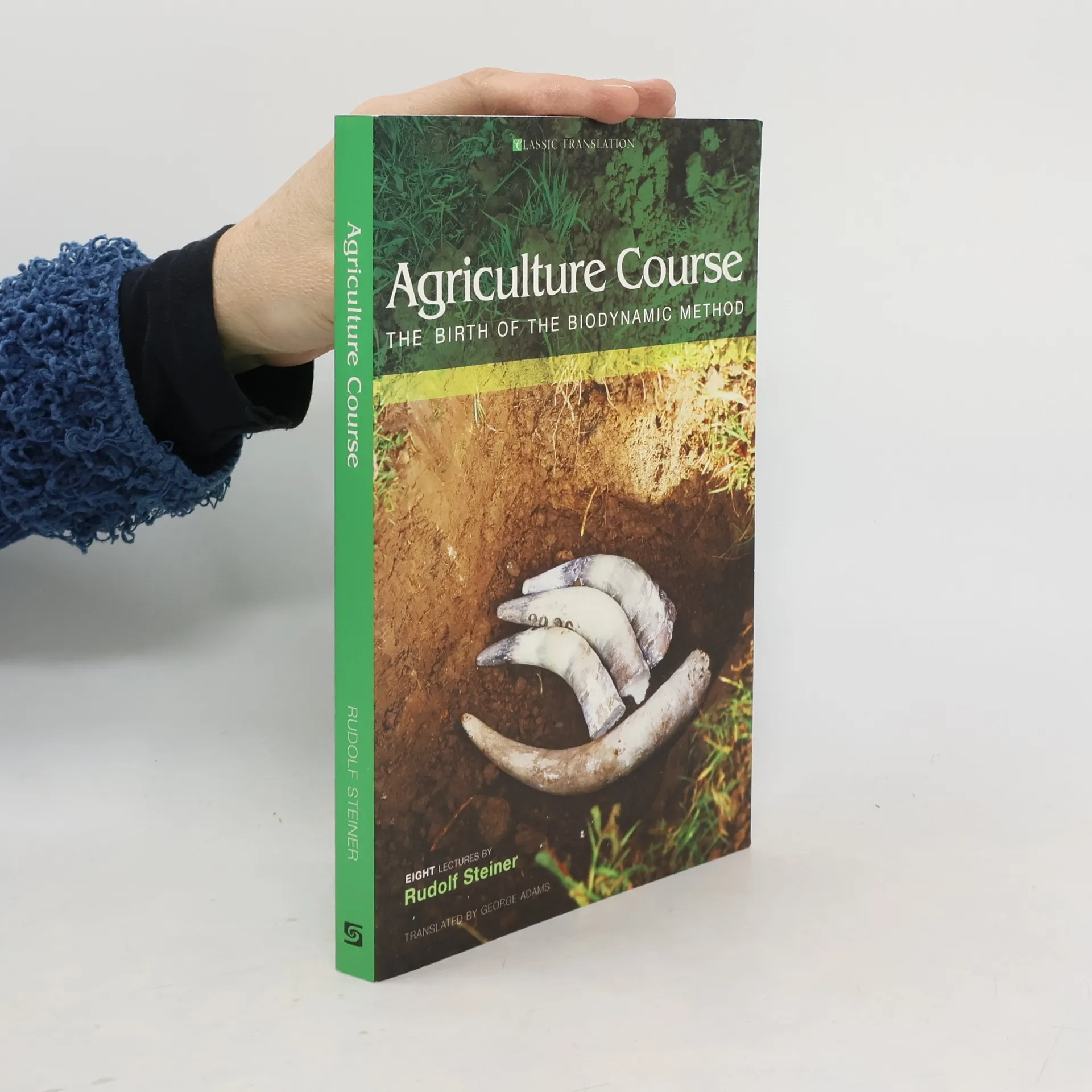
Agriculture course
- 176pages
- 7 heures de lecture
This "Agriculture Course" was delivered in 1924 for a group of farmers from the anthroposophical movement. It led to the development of what is known as biodynamic farming. The course does not merely provide instructions or recipes to be applied at will; rather, it serves as a starting point for a reorientation and an expansion of perspective on the spiritual foundations of agriculture.
This fragmentary work, discovered among Rudolf Steiner's unpublished writings, is a significant exploration of "Anthroposophy." It marks the initial steps toward a genuine psychology of spirit, employing a phenomenological approach to human senses, life processes, I-experience, human form, and connections to higher spiritual realms. Steiner faced challenges articulating these concepts in 1910, as many relevant terms in neurology, psychology, and cognitive studies were not yet established. Since then, advancements in understanding human senses and cognition have enriched this translation. Anthroposophy occupies a unique space between anthropology and theosophy. Anthropology examines humans through physical senses and empirical methods, while theosophy acknowledges the spiritual essence of humanity through inner experience. Anthroposophy seeks a balance, studying humans as observable entities while exploring the spiritual underpinnings of phenomena through "phenomenological intensification." This approach yields crucial insights, laying the groundwork for a cognitive psychology. The text includes an introduction by neurologist Dr. James Dyson, a foreword by Robert Sardello, and a translator's preface by Detlef Hardorp. Although challenging, this work is vital for comprehending Steiner's perspective on the human body, particularly its formation and function in relation to the spirit.
What is Biodynamics?
- 190pages
- 7 heures de lecture
"This edition has been edited by Marcia Merryman Means, who also wrote the short introductions before each lecture"--T.p. verso.
Health and Illness 2
- 165pages
- 6 heures de lecture
In 1922 the hundreds of workers from 17 nations engaged in the construction of Rudolf Steiner's first Goetheanum building arranged for Steiner to give them a daily lecture after their morning coffee break. Rudolf Steiner not only had the workers set the lecture themes but also welcomed their questions and comments. This second colume of nine of these talks retains the vital, coloquial, and spontaneous qualities of the first volume. The workers continued to show a special interest in therapeutics and health, but phenomena from all the kingdoms of nature as well as their cosmic origins were also touched upon. Thus, Steiner was able to shed new light on a wide specture of topics, including the effects of healing metals and substances on the human body, pregnancy, beaver lodges and wasp nests, crossed eyes, vegetarian and meat diets, and various specific diseases such as jaundice, rabies, hemophilia, and influenza.
Exploring the concept of the fourth dimension, the book delves into the transition from familiar three-dimensional space to a more abstract understanding. Steiner employs words, diagrams, and analogies to guide readers toward this new perspective, emphasizing that everyday thinking is merely the starting point on a journey to higher understanding. The collection includes talks and Q&A sessions on various mathematical topics, presented in English for the first time, showcasing Steiner's commitment to expanding our comprehension of dimensions and reality.
The Threefold Commonwealth
- 90pages
- 4 heures de lecture
Focusing on social sciences and historical contexts, this rare and significant work has been preserved and republished in a modern format to ensure its accessibility for future generations. The text has been meticulously reformatted and redesigned for clarity, avoiding the pitfalls of scanned copies. Its exploration of social history and problems makes it a valuable resource for understanding societal conditions throughout human history.
With the unprecedented global conflict of the First World War as an overarching theme, Rudolf Steiner addresses timeless issues such as the search for harmony between peoples and nations, the development of the human capacity for love, the contemporary presence of Christ, and the questions of reincarnation and life after death.
Easter
- 152pages
- 6 heures de lecture
Rudolf Steiner contributed much to the regeneration of modern culture. In addition to his philosophical teachings, he provided ideas for the development of many practical movements, including Waldorf education, biodynamic agriculture, anthroposophically extended medicine, the Christian Community, as well as ideas for economic renewal, architecture, Goethean science, and the arts. Steiner's original contribution to human knowledge was based on his ability to conduct spiritual research, the investigation of metaphysical dimensions of existence. With his scientific and philosophical training, he brought a new systematic discipline to the field, allowing for conscious methods and comprehensive results. A natural seer from childhood, he cultivated his spiritual vision to a high degree, enabling him to speak with authority on previously veiled mysteries of life. In this introductory reader, Barton collects excerpts from Steiner's many talks and writings on Easter. It also features an editorial introduction, afterword, commentary, and notes. Chapters: Can we Celebrate Easter? The Earth and the Cosmos Rising Sun Nature and Resurrection Golgotha, the Central Deed of Evolution Easter, a Festival for the Future
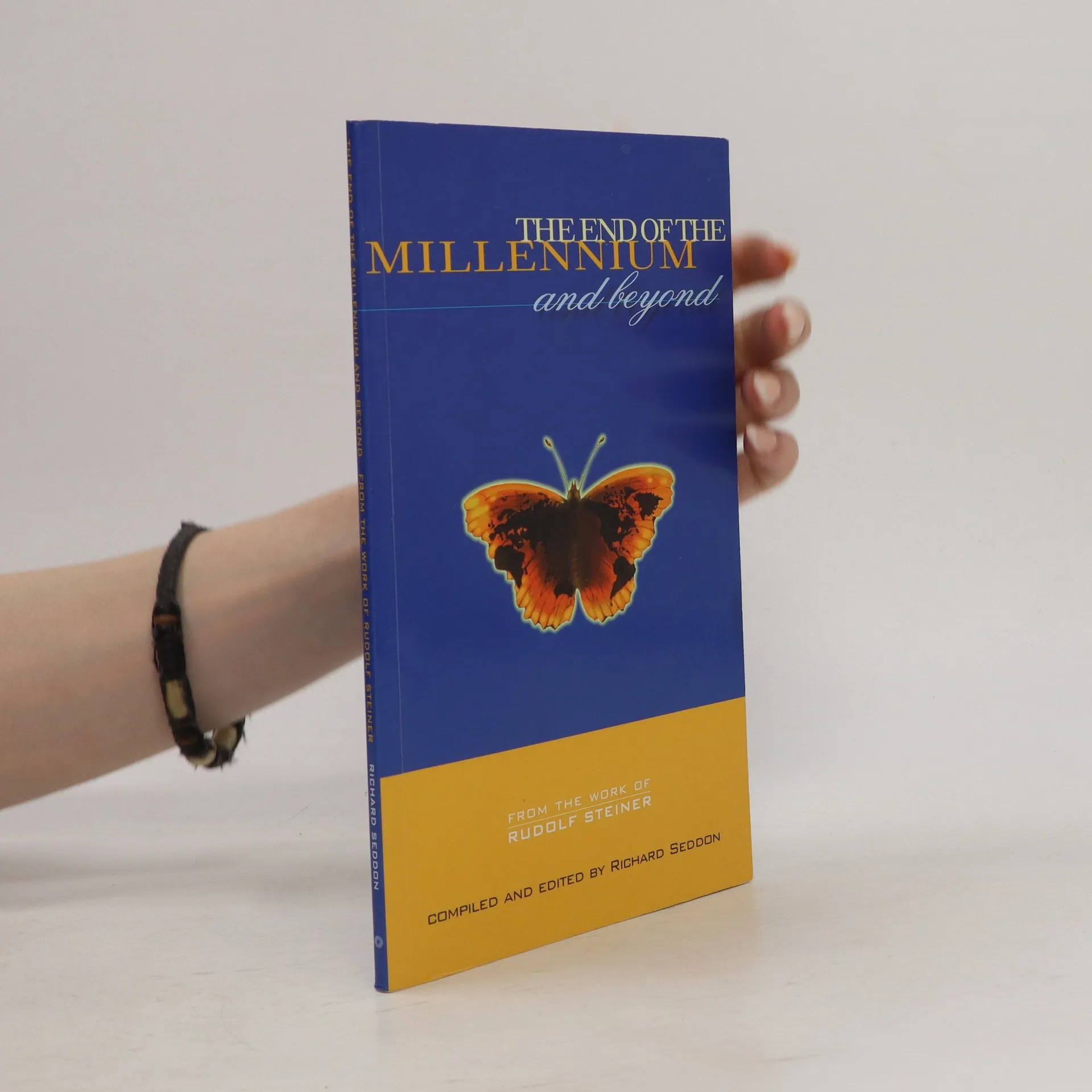
Rudolf Steiner declared in 1919: "The forces that have so far guided human progress will be exhausted by the middle of this century". Elsewhere he spoke of "an acute illness of civilization" or "a real blind alley that will end in catastrophe -- the beginning of the Earth's death". Today it is dear that we live in the midst of a tremendous spiritual battle for the future of civilization. Materialistic thinking and technology are leading toward destruction of the environment and a degeneration in the quality of human life. However, many individuals are working for a new spiritual understanding, and their work enables new forces to unfold. If these healthy forces are taken up in the right way, they can lead toward the respiritualization of mankind and the earth; yet if misused for egotistic ends, they can only lead into the depths of evil. The choice lies with each individual. Richard Seddon has gathered together many of the comments Steiner made regarding the end of the millennium, creating a rich mosaic of his indications on this subject.a
Myslet bez konce: Rudolf Steiner inspirací = Thinking without limits: inspired by Rudolf Steiner
- 284pages
- 10 heures de lecture
Bees
- 222pages
- 8 heures de lecture
In 1923, Rudolf Steiner foresaw the alarming decline of the honeybee population, predicting that within fifty to eighty years, the consequences of mechanizing natural processes in beehives would become evident. This includes practices like artificial queen bee breeding. With over sixty percent of the American honeybee population lost in the past decade and a continuing global trend, the issues Steiner addressed are increasingly relevant. His lectures, prompted by a question from workers at the Goetheanum, explore the daily activities of bees and their profound esoteric significance, linking the beehive's wisdom to our health, culture, and the cosmos. This work is vital for anyone seeking to understand the honeybee's true nature and address the current crisis facing these essential creatures. Additionally, the volume features an essay by David Adams, "From Queen Bee to Social Sculpture: The Artistic Alchemy of Joseph Beuys," which examines how Beuys's influential art and social philosophy were shaped by Steiner's insights on bees. The elemental imagery in Beuys's work reflects the interconnectedness of human society and nature. This collection includes the final eight lectures from "Mensch und Welt" and one from "Über Gesundheit und Krankheit," offering a comprehensive view of Steiner's thoughts on bees and their significance.
Work of the Angels in Man's Astral Body
- 40pages
- 2 heures de lecture
Encyclopaedia of Fishing
- 288pages
- 11 heures de lecture
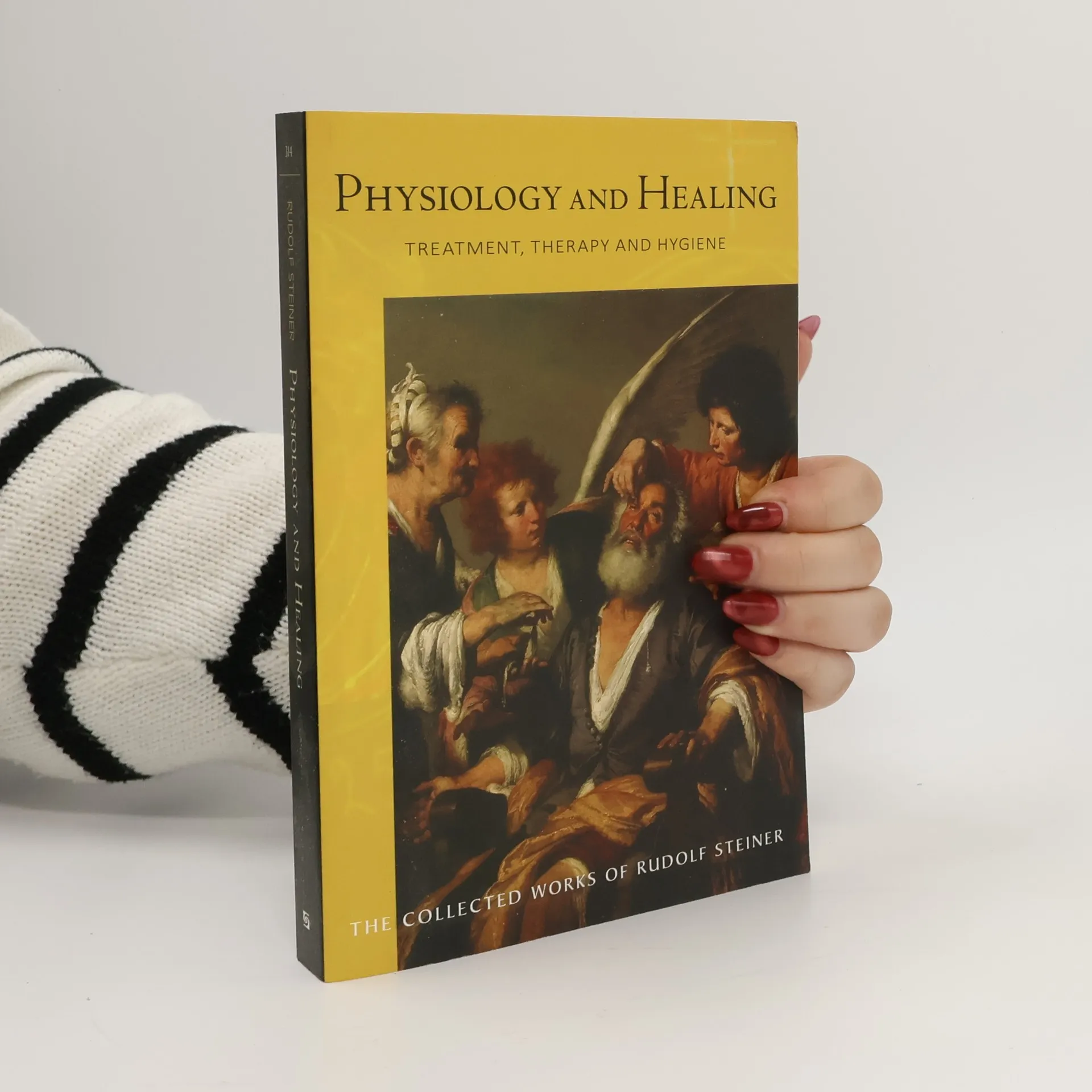
The Collected Works of Rudolf Steiner - 314: Physiology and Healing
Treatment, Therapy and Hygiene - Spiritual Science and Medicine
- 344pages
- 13 heures de lecture
Following his first major lecture course for medical practitioners, Rudolf Steiner sought to elaborate and deepen his 'extension' of the art of healing from a spiritual-scientific perspective. In this collection of addresses, discussions, question-and-answer sessions and lectures - running parallel to his major medical cycles - Steiner comments on contemporary medicine's emphasis on experimental, materially-based research and its subsequent lack of attention to therapy. Steiner's intention is not to detract from developments in medical science but to build on them with spiritual science - not quackery but a true art of medicine
Black & White Blues
- 212pages
- 8 heures de lecture
In sumptuous duotone, the book presents portraits of 80 finest blues musicians of all times. 212 pages, 10x11 inches, 80 doutone illustrations. Portaits of musicians are partially listed as David "Honeyboy" Edwards B.B. King Memphis Slim Joe Williams Willie Dixon Johnnie Johnson Hubert Sumlin Willie "Big Eyes" Smith Pinetop Perkins Bob Margolin Luther "Guitar Junior" Johnson Jerry Portnoy and much more.
Základy esoteriky
- 210pages
- 8 heures de lecture
Přednášky zakladatele antroposofie systematicky definují některá základní esoterická témata.
Tajemství prahu
- 229pages
- 9 heures de lecture
Autor líčí v této knize duševní a duchovní děje probíhající zvýšenou měrou v každém člověku, který se cvičeními a meditacemi zajímá o sebepoznání a nadsmyslové světy. Vylíčené děje jsou také mistrným psychologickým rozborem, který nám bude pomáhat překlenout problémy současného duševního života, jako je vztah zesíleného myšlení a cítění, vztah rozvíjení lotosových květů (čaker) a morálky. Přednáškový cyklus je doplněný motivy oken Goetheana s vysvětlivkami.
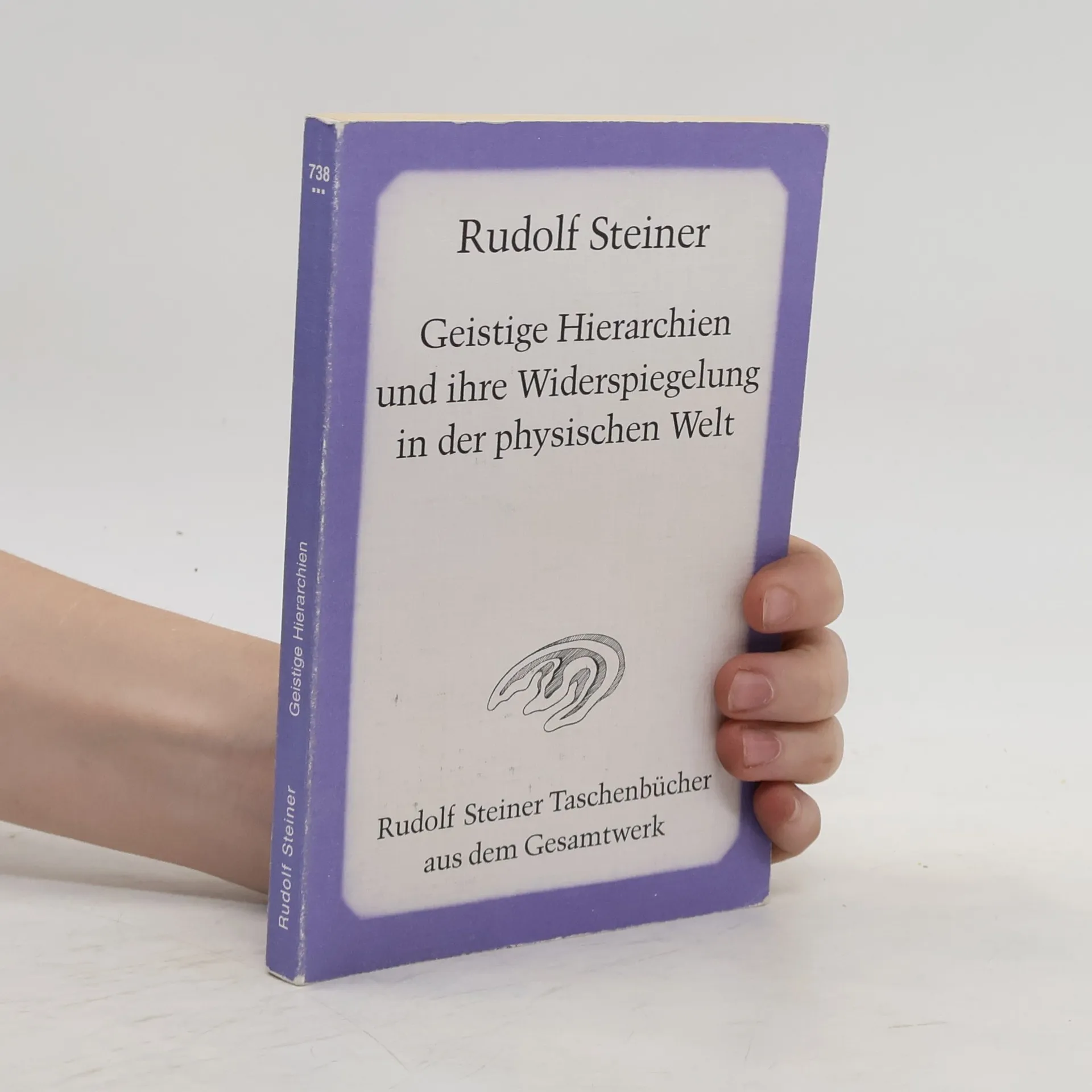
Geistige Hierarchien und ihre Widerspiegelung in der physischen Welt
- 207pages
- 8 heures de lecture
Rudolf Steiner wurde am 27. Februar 1861 in Kraljevec geboren und studierte an der Technischen Hochschule Wien, wo er mit einer erkenntnistheoretischen Dissertation promovierte. Diese Arbeit endet mit der Feststellung, dass das wichtigste Problem des menschlichen Denkens darin besteht, den Menschen als freie Persönlichkeit zu begreifen. Diese Überzeugung prägte seine Tätigkeiten als Goethe-Herausgeber, Schriftsteller, Redakteur und Vortragsredner in verschiedenen europäischen Städten. Seine erweiterte Sichtweise, die er „Anthroposophie“ nannte, ermöglichte es ihm, in vielen Lebensbereichen tiefgreifende Impulse zu setzen, stets mit dem Ziel einer spirituellen Erneuerung der Zivilisation. Nach der Trennung von der Theosophischen Gesellschaft, der er zunächst als Generalsekretär vorstand, war er maßgeblich an der Gründung der Anthroposophischen Gesellschaft beteiligt. Im Goetheanum in Dornach erhielt die Gesellschaft ihr Zentrum, die „Freie Hochschule für Geisteswissenschaft“. Nach der Zerstörung des Doppelkuppelbaus durch Brandstiftung übernahm Steiner die Führung der neugegründeten Allgemeinen Anthroposophischen Gesellschaft. Er starb am 30. März 1925. Sein Werk umfasst zahlreiche Bücher und Nachschriften von rund 6000 Vorträgen, die größtenteils in der „Rudolf Steiner Gesamtausgabe“ ediert sind.
In diesen einzigartigen Vorträgen, die erstmals Mitgliedern seiner Esoterischen Schule (1904-14) gehalten wurden, beleuchtet Steiner den verborgenen Inhalt der Bildsprache von Mythen, Sagen und Legenden. Bilder, erklärt er, sind der wahre Ursprung aller Dinge – die urspünglichen geistigen Ursachen. Steiner erörtert Bilder und Symbole im Detail sowie die Geschichte und Natur der kultischen Tradition; Freimaurerei und deren Hintergrund; die Rosenkreuzer; Manichäismus; die Druiden; die Prometheus-Sage; der verlorene Tempel; Kain und Abel und mehr.
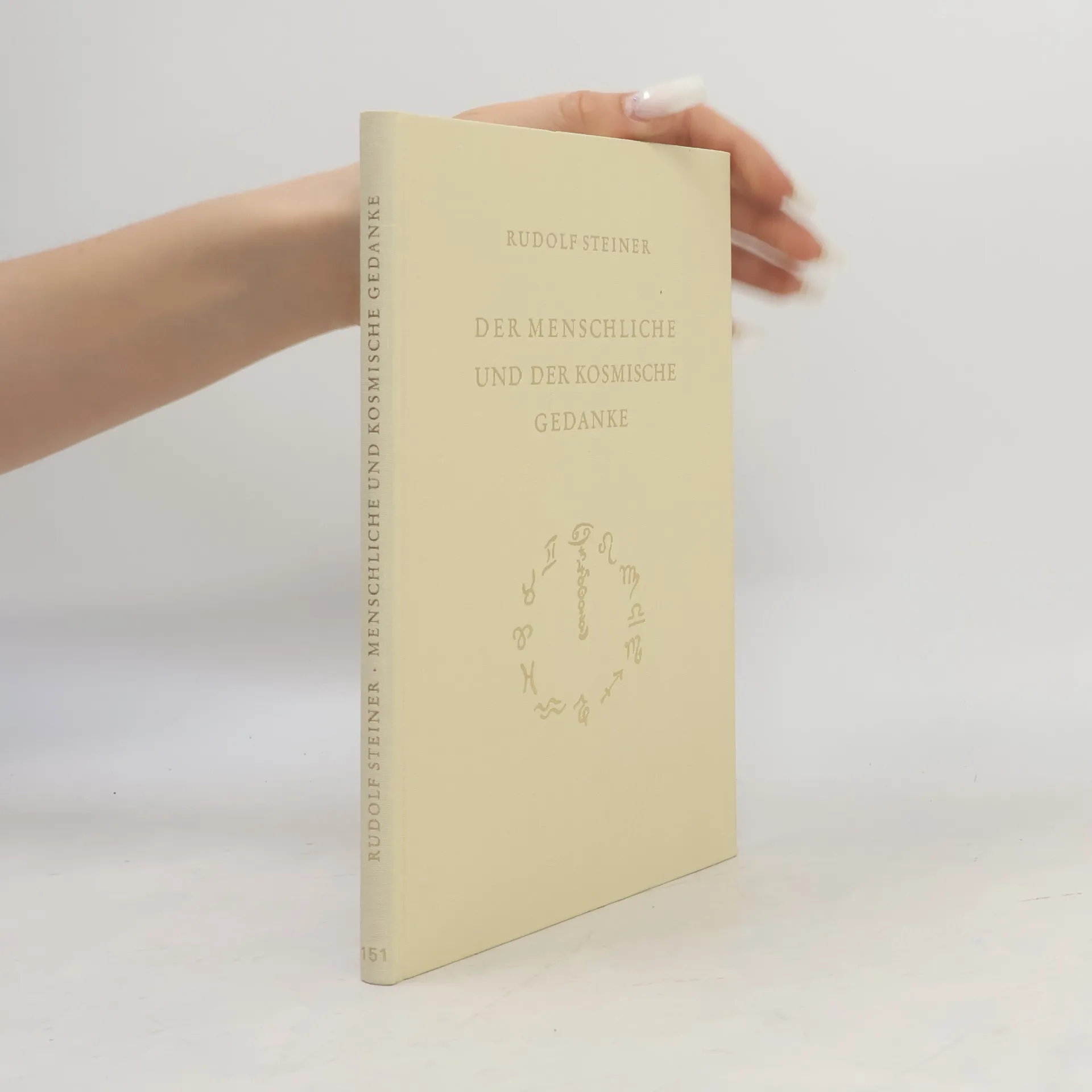
Der menschliche und der kosmische Gedanke
- 94pages
- 4 heures de lecture
Úvod do anthoroposofie z pera jejího zakladatele.
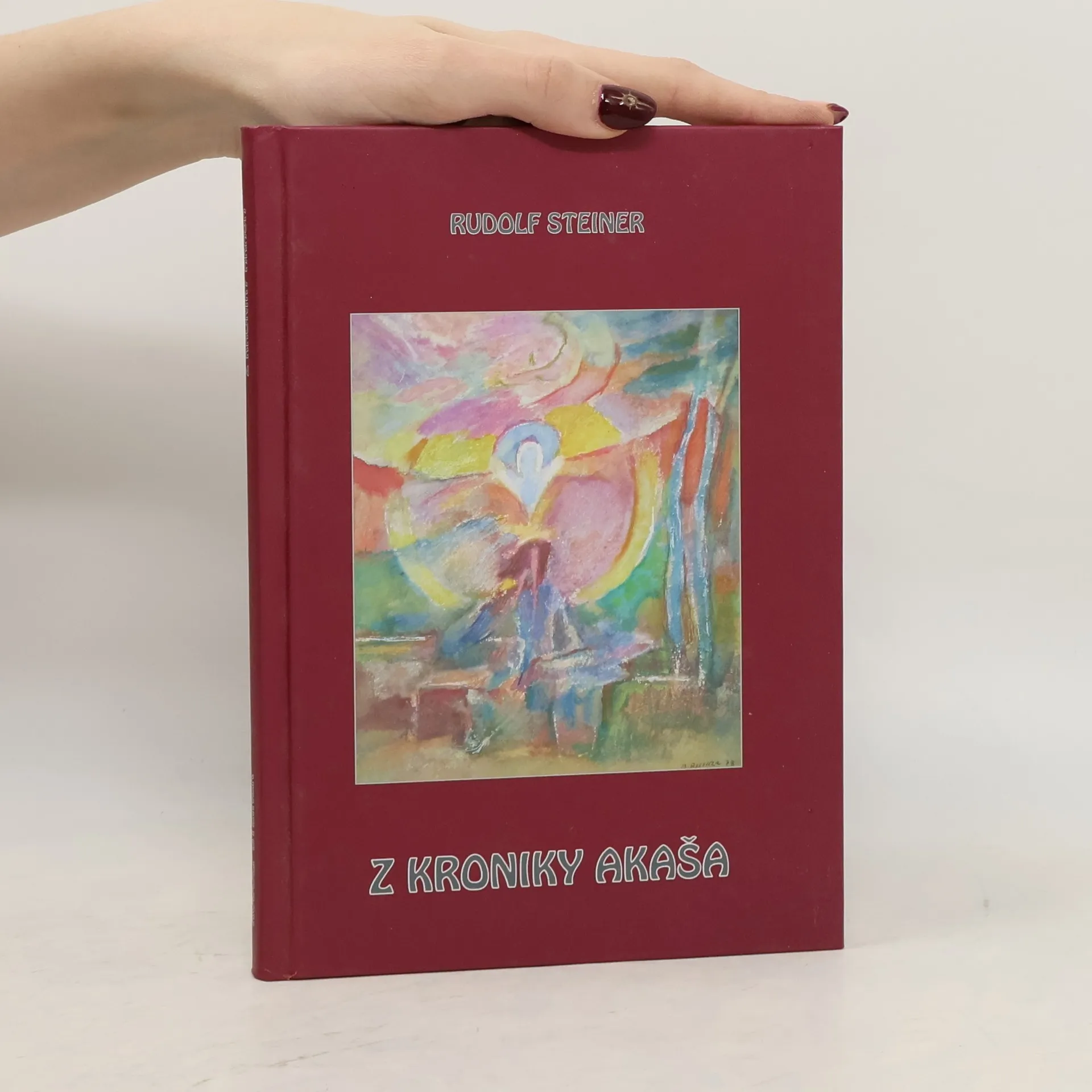
Z kroniky Akaša
- 160pages
- 6 heures de lecture
Vývoj lidstva, planety Země i vesmíru, jak je vidí autor v souvislostech teosofie.
Terapie duše
- 208pages
- 8 heures de lecture
Soubor přednášek R. Steinera a jeho kolegů na téma duševní hygieny představuje rozbor příčin duševní nerovnováhy a způsob její léčby. Lidská duše zůstává pro dnešní přírodní vědu stále stejně záhadná a nepoznaná. Přírodní věda ani nemá nástroje kterými by něco tak subtilního jako je duše mohla poznat. A čím materiálnější se věda stává, tím více klouže jen po povrchu jevů, neschopná pronikat k podstatě a odhalovat příčiny.
O poznávání vyšších světů. Stupně vyššího poznání
- 238pages
- 9 heures de lecture
V každém člověku dřímou schopnosti, jimiž může získat poznatky o vyšších světech. Knižní podoba článků, která byla vydána v roce 1909, se zabývá tematikou okultních věd, zasvěcení a osvícení.
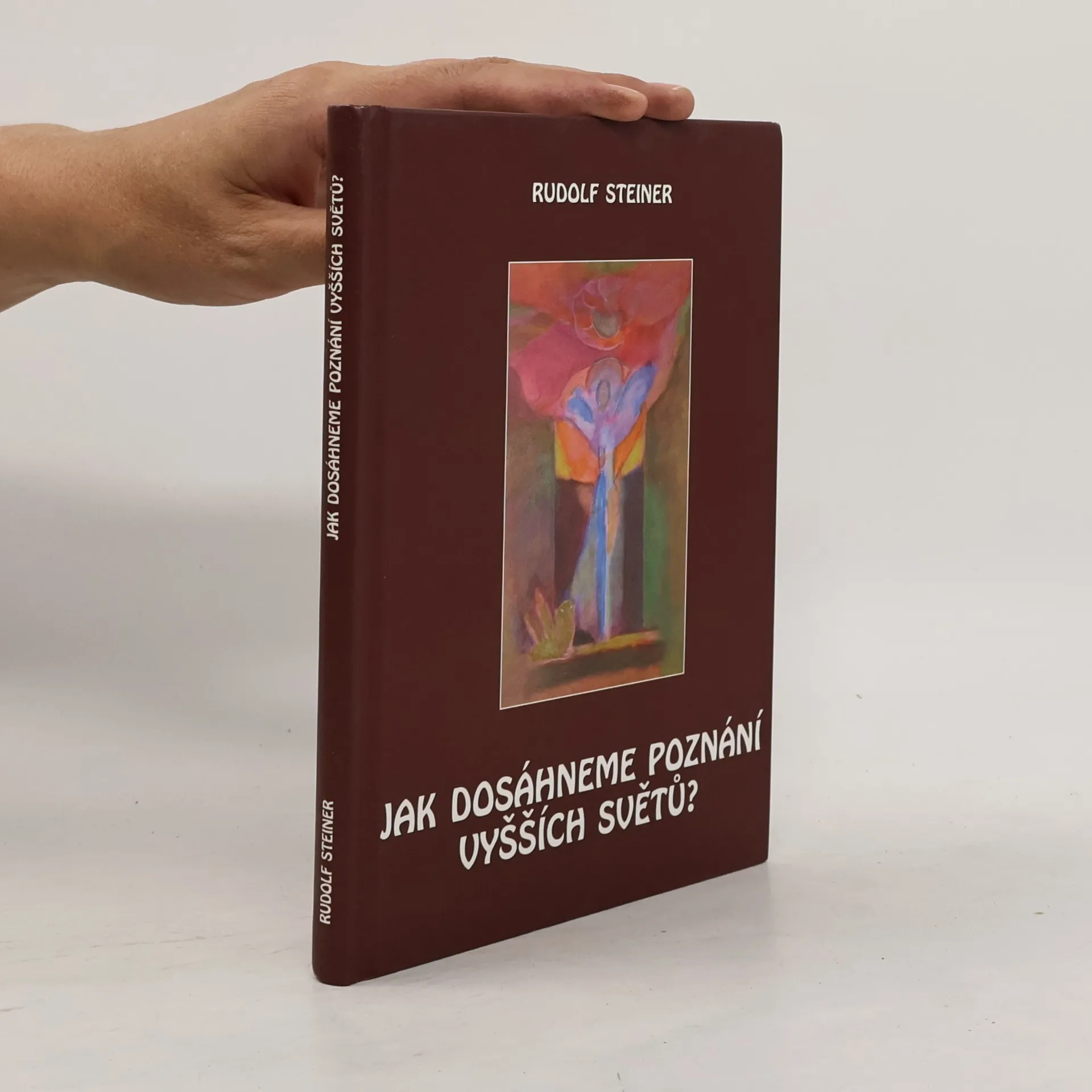
Jak dosáhneme poznání vyšších světů? ; Stupně vyššího poznání
- 175pages
- 7 heures de lecture
Základní dílo zakladatele duchovní vědy a anthroposofie Rudolfa Steinera. Autor v knize podrobně popisuje základní meditační postupy a techniky esoterního křesťanství, na které navazují jeho další spisy a přednášky. V poslední době dochází ke značnému zmatení pojmů meditace, duchovní práce a celé řady dalších. To, co bylo vhodné ve středověku, není vhodné pro člověka žijícího dva tisíce let po Kristu. A protože nelze lít nové víno do starých sudů, autor ukazuje jak dnes rozvíjet nové skryté síly v člověku. Nazývá to novým zasvěcení na úrovni ducha doby. Způsoby, kterými toho lze dosáhnout, ty jsou předmětem výkladu a posláním této knihy. Kniha navíc obsahuje dodatek "Stupně vyššího poznání", kde jsou rozebrány tři stupně vyššího poznání - imaginace, inspirace a intuice.
V každém člověku dřímou schopnosti, jimiž může získat poznatky o vyšších světech. Knižní podoba článků, která byla vydána v roce 1909, se zabývá tematikou okultních věd, zasvěcení a osvícení.