The Secret of Cooking
- 432pages
- 16 heures de lecture
The Secret of Cooking is packed with solutions for how to make life in the kitchen work better for you, whether you are cooking for yourself or for a crowd.


Cette auteure explore la relation complexe entre la nourriture, la culture et l'histoire. Son écriture révèle souvent des significations plus profondes et des contextes sociaux liés à ce que nous mangeons et à la manière dont nous le consommons. L'auteure offre une perspective perspicace sur la façon dont la nourriture façonne nos vies, nos identités et nos sociétés. Son travail invite à la réflexion sur les expériences quotidiennes.

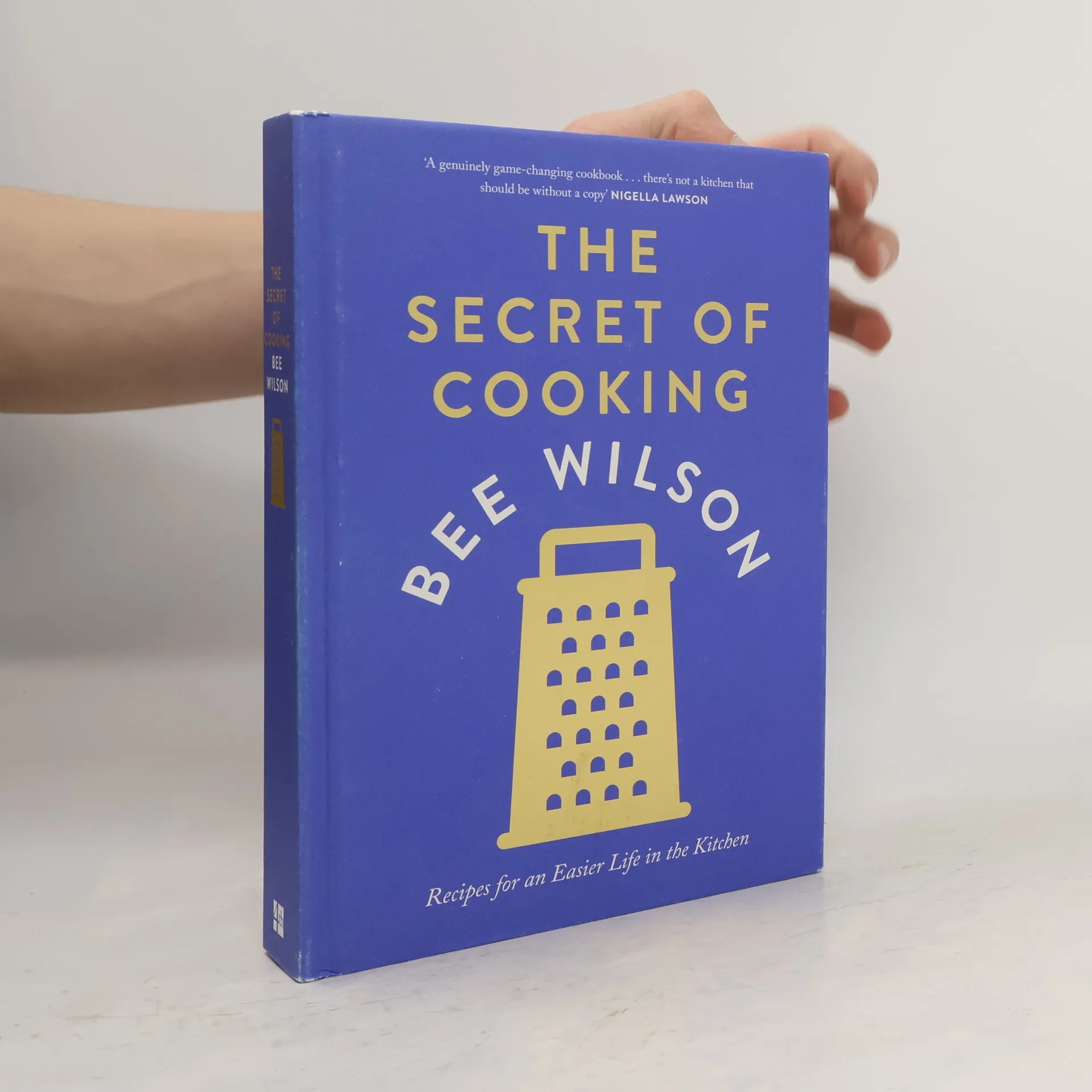
The Secret of Cooking is packed with solutions for how to make life in the kitchen work better for you, whether you are cooking for yourself or for a crowd.
Salmonella . . . toxins . . . additives . . . food scares . . . Have you ever wondered how our food has become so untrustworthy? Have we ever been able to trust what we eat? Via a fascinating mix of food politics, history and culinary detective work, Bee Wilson uncovers the many methods by which swindlers have tampered with our food throughout history. From the leaded wine of ancient Rome to the food piracy of the twenty-first century we see the extraordinary ways food has been padded, poisoned, spiked, coloured, substituted, faked and mislabelled everywhere it has been sold. Bee Wilson reveals the strong historical currents which enable the fraudsters to flourish; the battle of the science of deception against the science of detection; the struggle to establish reliable standards. She also suggests some small ways in which we can all protect ourselves from swindles and learn to trust what we eat again.
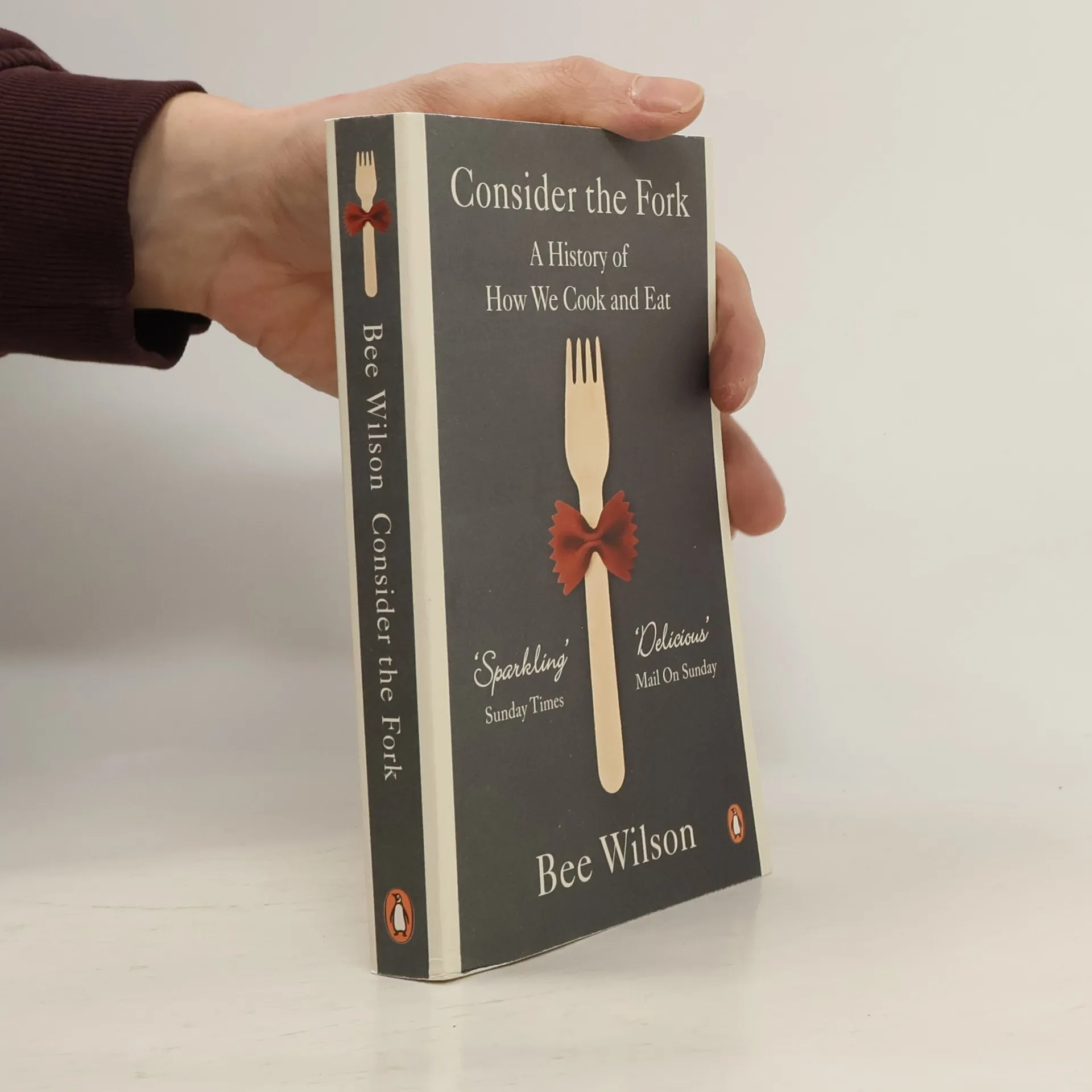
This is the story of how we have tamed fire and ice, wielded whisks, spoons, graters, mashers, pestles and mortars, all in the name of feeding ourselves. Bee Wilson takes us on an enchanting culinary journey through the incredible creations, inventions and obsessions that have shaped how and what we cook. From huge Tudor open fires to sous-vide machines, the birth of the fork to Roman gadgets, Consider the Fork is the previously unsung history of our kitchens. 'In considering the fork, she forces us to reconsider ourselves.' Sunday Times 'A delight.' Independent on Sunday, Books of the Year 'Delightful, charming . . . infused with a sense that every omelette, cup of coffee, meringue or tea cake is steeped in tradition and ancient knowledge, and that that is partly what makes cooking one of life's joys.' Spectator 'A pure joy to read . . . like having a long dinner table discussion with a fascinating friend.' Los Angeles Times 'Wonderful, witty, utterly absorbing.' Guardian, Books of the Year 'I love Bee Wilson's writing.' Nigella Lawson 'A joy to read.' Glaudia Roden
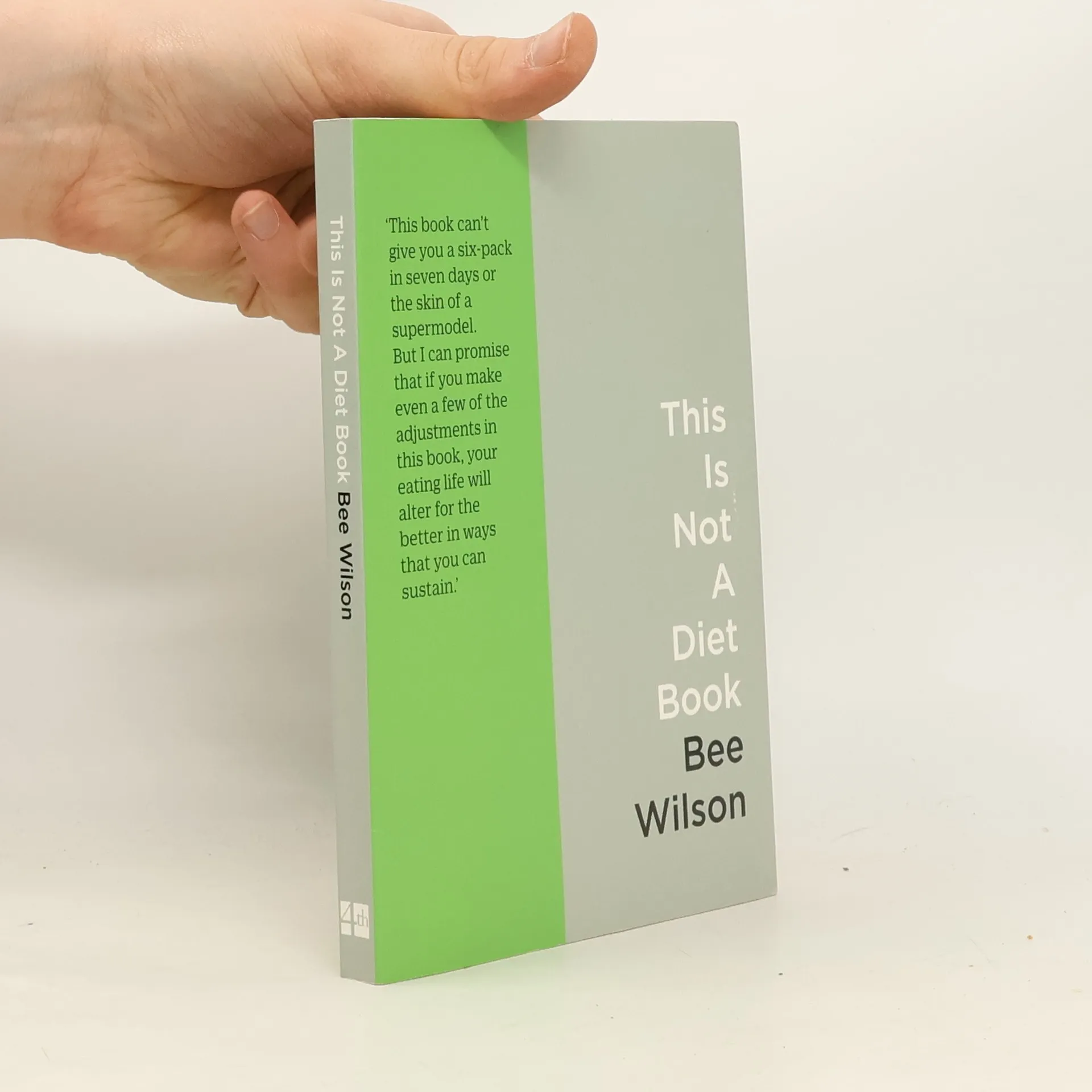
`This book can't give you a six-pack in seven days or the skin of a supermodel. But I can promise that if you make even a few of these adjustments, your eating life will alter for the better in ways that you can sustain.'
Fortnum & Mason Food Book of the Year 2020 'Addresses the paradox of our age: why as we become progressively wealthier, our diets become ever poorer . . . the villains of the piece are familiar and plentiful and Wilson lays them bare' The Times
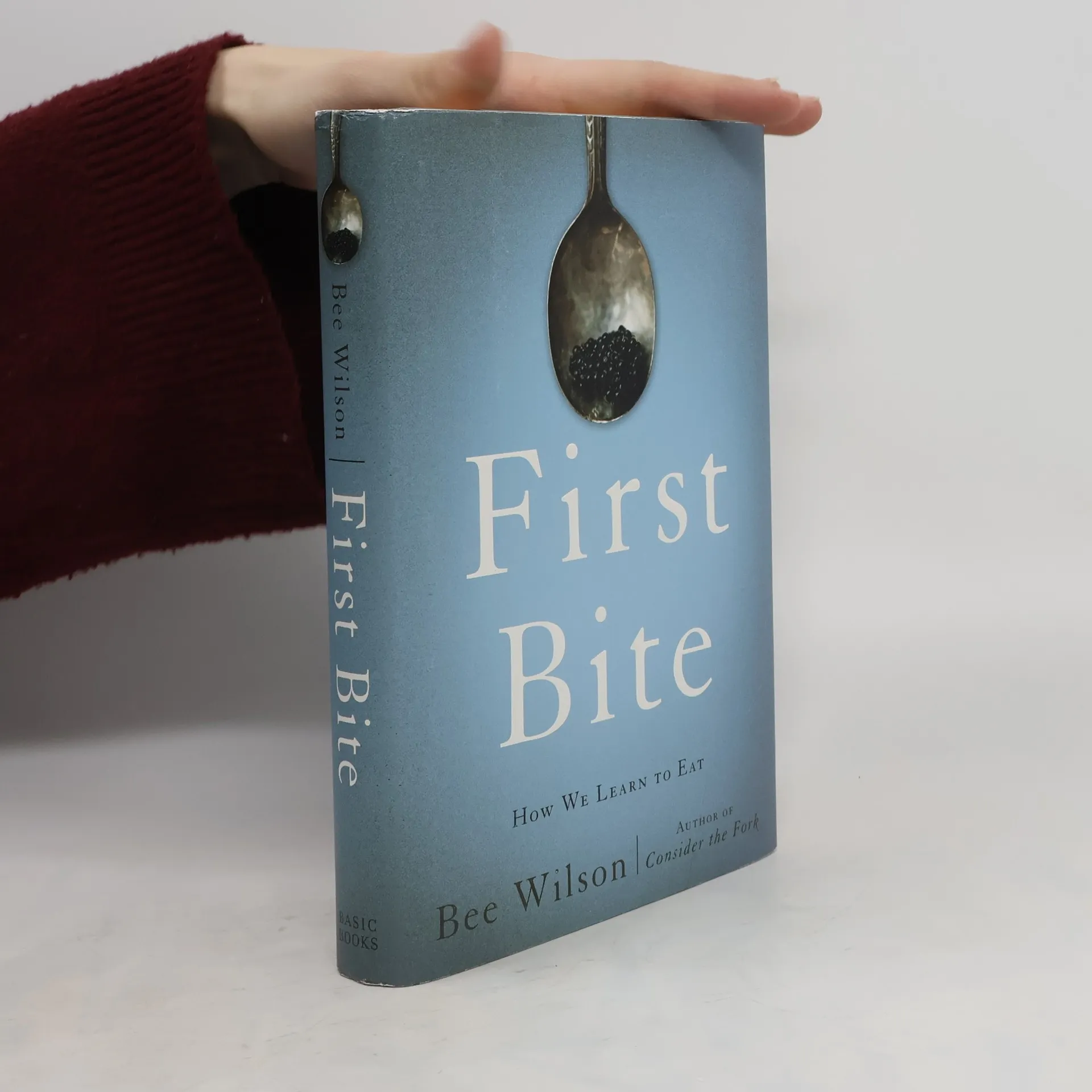
"Food historian Bee Wilson delves deep into the latest research from food psychologists, neuroscientists, and nutritionists to reveal that our food habits are shaped by family and culture, memory and gender, hunger and love. We do not come into the world with an innate sense of taste or nutrition as omnivores: we have to learn how and what to eat, how sweet is too sweet, and what food will give us the most energy for the coming day. Drawing on the psychology of eating, she shows that it is possible, despite our dysfunctional food industry and habits, to feed ourselves better"--