The Psychobiotic Revolution
- 320pages
- 12 heures de lecture
Written by leading researchers in the field, this guide to improving your mood explains how gut health drives psychological well being.


Scott Edward Anderson est un auteur dont l'œuvre explore les profondeurs de la nature et de l'expérience humaine. Son écriture examine souvent l'interconnexion de l'écologie, de la croissance personnelle et de la recherche de sens. La poésie et les essais d'Anderson se caractérisent par un ton introspectif et une grande attention aux détails. Sa vaste expérience dans la conservation et l'entrepreneuriat social informe sa production littéraire, offrant une perspective unique sur le monde.


Written by leading researchers in the field, this guide to improving your mood explains how gut health drives psychological well being.
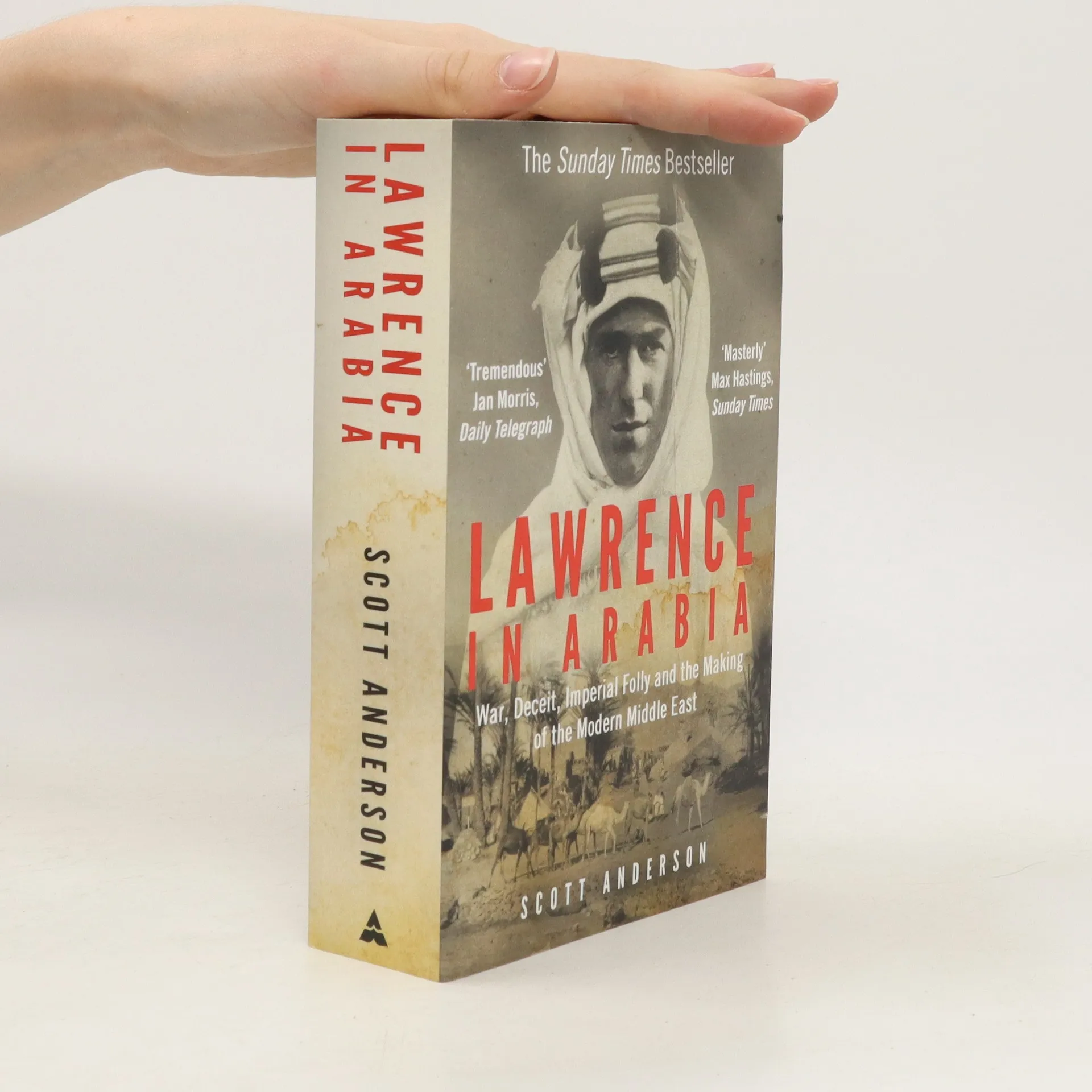
This is a thrilling and revelatory narrative of one of the most epic and consequential periods in 20th century history - the Arab Revolt, and the secret game to control the Middle East.
Lying, stealing, and invading weave a captivating narrative in this enthralling tale. The skilled storytelling of Anderson elevates these themes, drawing readers into a world where deception and intrigue reign. The narrative promises to engage and entertain, showcasing the complexities of human behavior through a compelling lens.
From the Sunday Times bestselling author of Lawrence in Arabia, a gripping history of the early years of the Cold War, the CIA's covert battles against communism, and the tragic consequences which still affect America and the world today
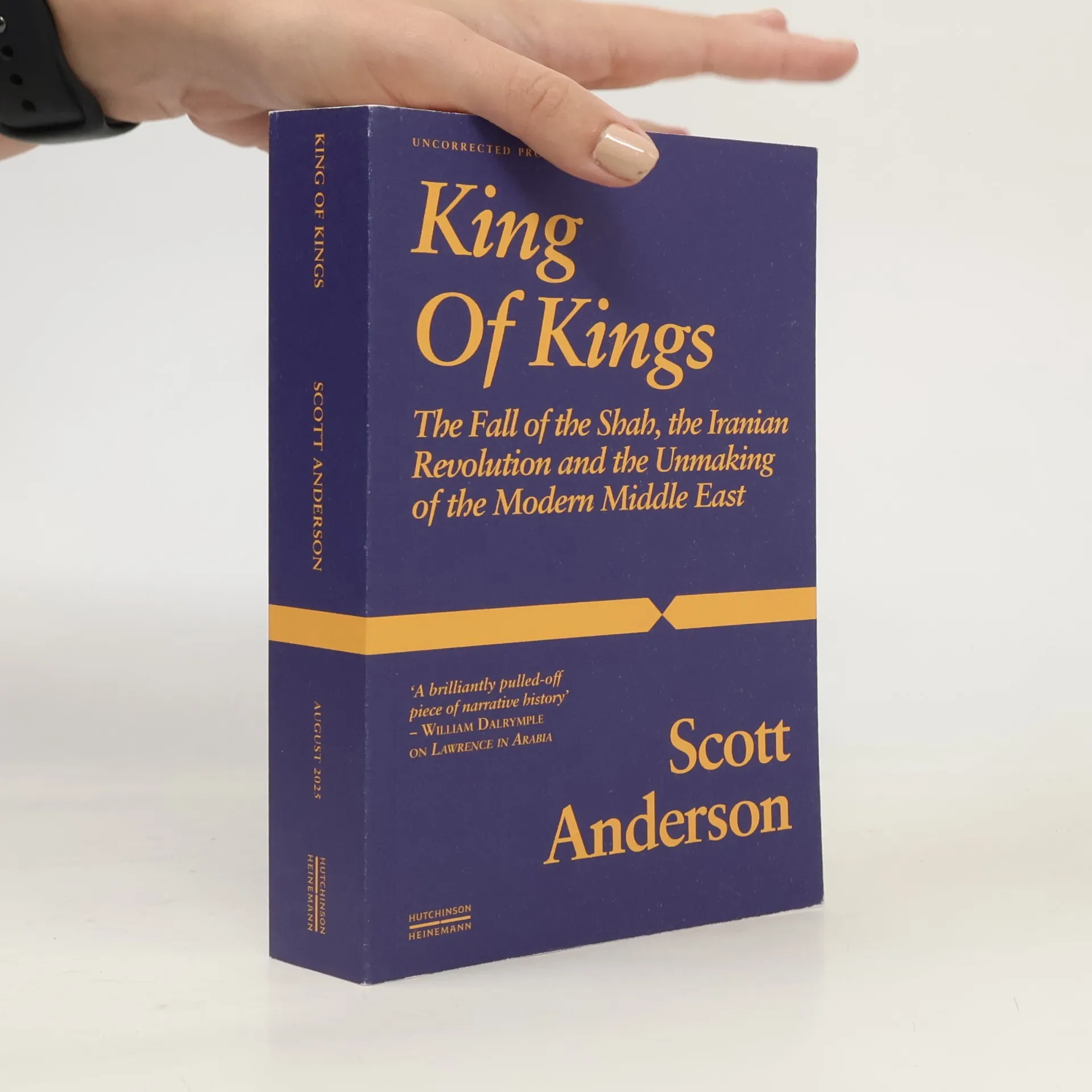
Before the revolution, the Shah of Iran seemed invincible. The world watched in awe as he commanded a huge army and oversaw an economy awash with billions of dollars of oil revenues. The regime's secret police had crushed communist opposition and the Shah appeared to have bought off the conservative Muslim clergy inside the country. On the international stage, Iran had become an invaluable ally to the West during the Cold War. But village streets spoke of a different country - people derided the Shah as an American lackey and blamed him for economic inequality, for spending recklessly on lavish parties and for ignoring the Muslim majority. When a volcanic religious revolution erupted, led by a fiery cleric named Ayatollah Khomeini, the Shah was forced off the throne and into exile. How did it all go so wrong? Brilliantly brought to life by the Sunday Times bestselling author Scott Anderson, this gripping behind-the-scenes narrative reveals how the Iranian Revolution was as world-shattering an event as the French and Russian revolutions, and how its repercussions are still felt around the world today. In the Middle East, in India, in Southeast Asia, and now in Europe and the United States, the hatred of economically-marginalized, religiously-fervent masses for a wealthy secular elite has led to violence and upheaval - and Iran was the template.
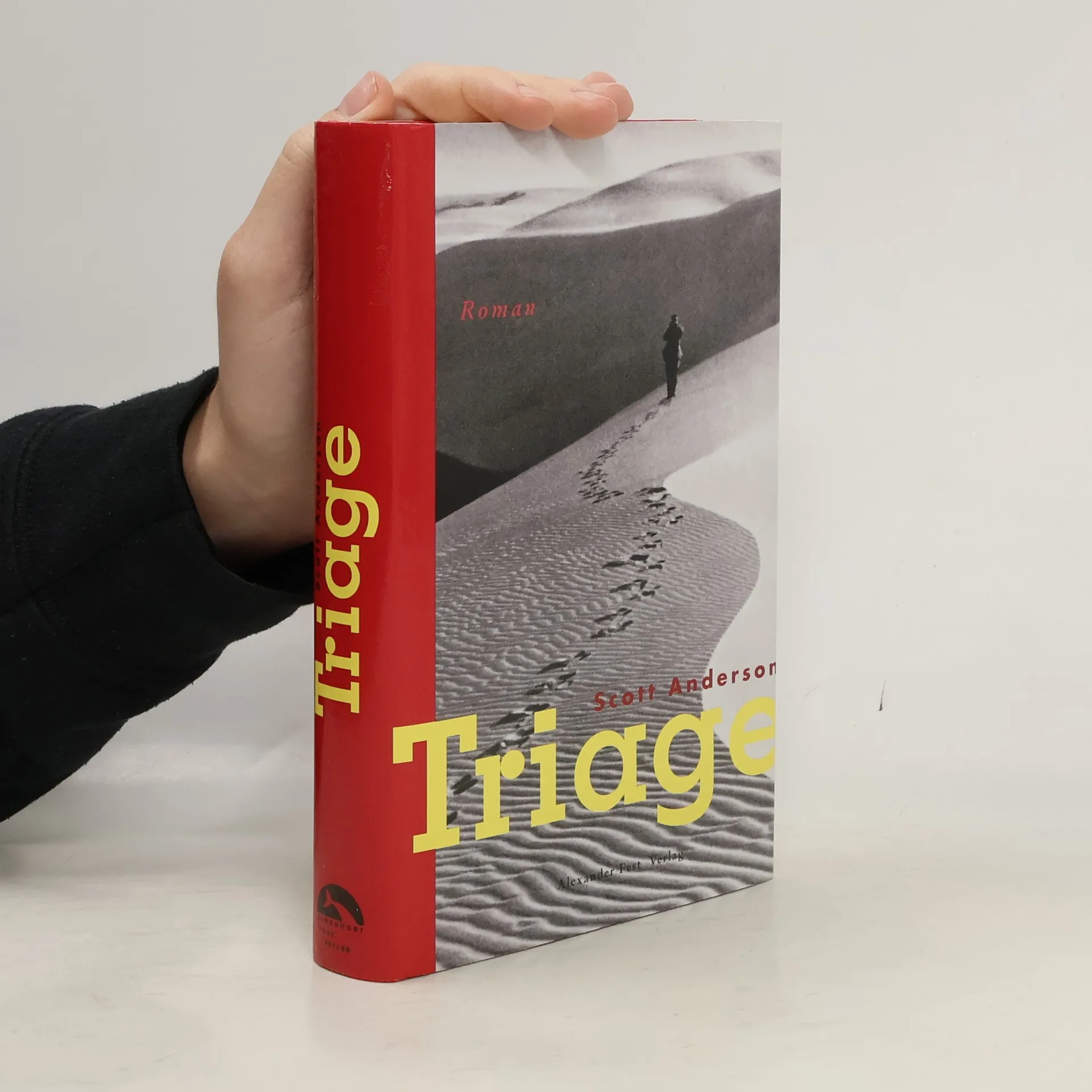
Ein junger Kriegsfotograf wird im Kurdistan während eines Angriffs zwischen Kurden und Irakern verwundet. Nach seiner Rückkehr kann er sich nicht mehr in das normale Leben einfügen und stürzt in einen bodenlosen Abgrund...
Wie die arabische Welt aus den Fugen geriet
»Manchmal fließt die Geschichte der Menschheit bedächtig vor sich hin, manchmal bewegt sie sich sehr schnell.« Diesen Satz formulierte Muammar al-Gaddafi 2002 gegenüber Scott Anderson. Tatsächlich hat sich die Geschichte im Nahen Osten überschlagen, seit die USA 2003 im Irak einmarschiert sind: 2011 weckte der Arabische Frühling Hoffnungen, doch bald versanken Länder wie Syrien und der Irak im Chaos, von dem wiederum der Islamische Staat profitierte. Millionen Menschen flohen aus Syrien in Nachbarstaaten und nach Europa. Anhand der Erlebnisse von sechs Menschen schildert Anderson die Geschichte einer zerbrechenden Region. Er begleitet den jungen Iraker Wakaz, der sich vorübergehend dem IS anschließt, Laila, die Witwe eines prominenten ägyptischen Menschenrechtsanwalts, deren Sohn innerhalb kurzer Zeit von drei Regimes inhaftiert wird, und Majd, den seine Flucht von Homs über das Mittelmeer bis nach Dresden führt. Illustriert wird Andersons Großreportage mit Aufnahmen des renommierten Fotografen Paolo Pellegrin. Ein einmaliges zeitgeschichtliches Dokument.