Art Spiegelman est un artiste de bande dessinée, éditeur et défenseur du médium de la bande dessinée, surtout connu pour son mémoire en bande dessinée lauréat du prix Pulitzer. Son travail explore souvent des thèmes complexes, en utilisant la puissance visuelle unique de la bande dessinée pour les examiner. À travers son art, il cherche à repousser les limites de ce qui peut être exprimé dans ce médium. Son approche se caractérise par la profondeur et l'introspection.
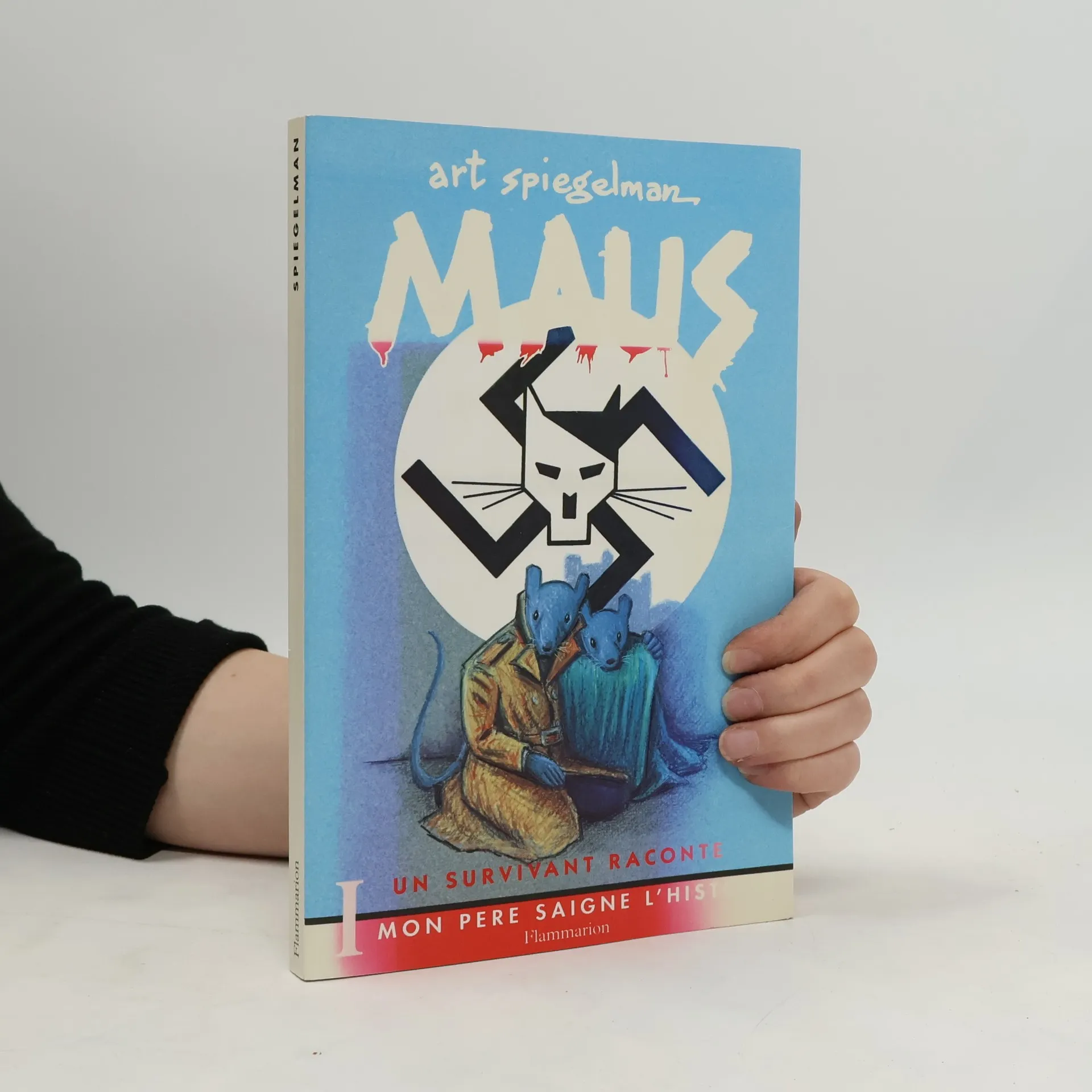
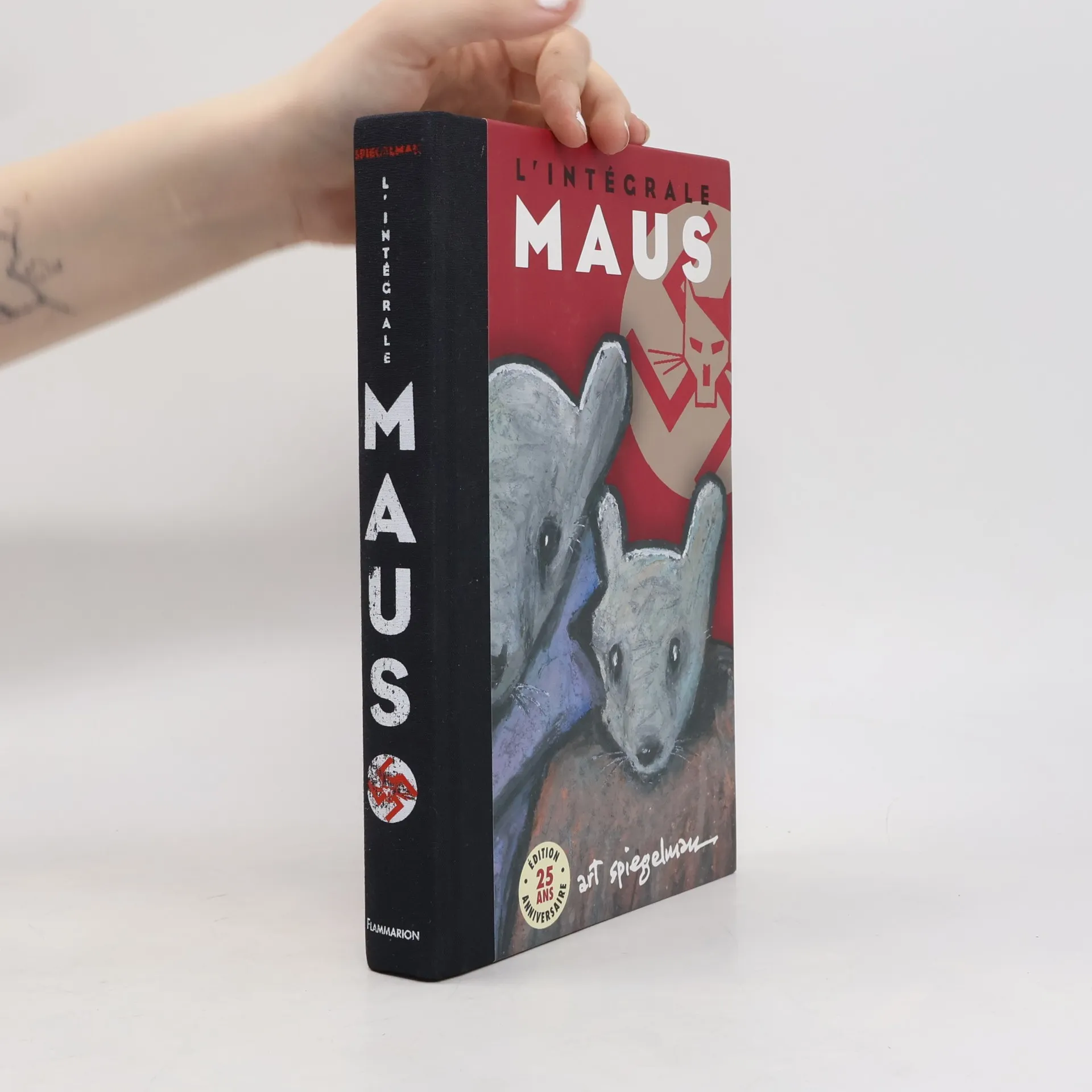
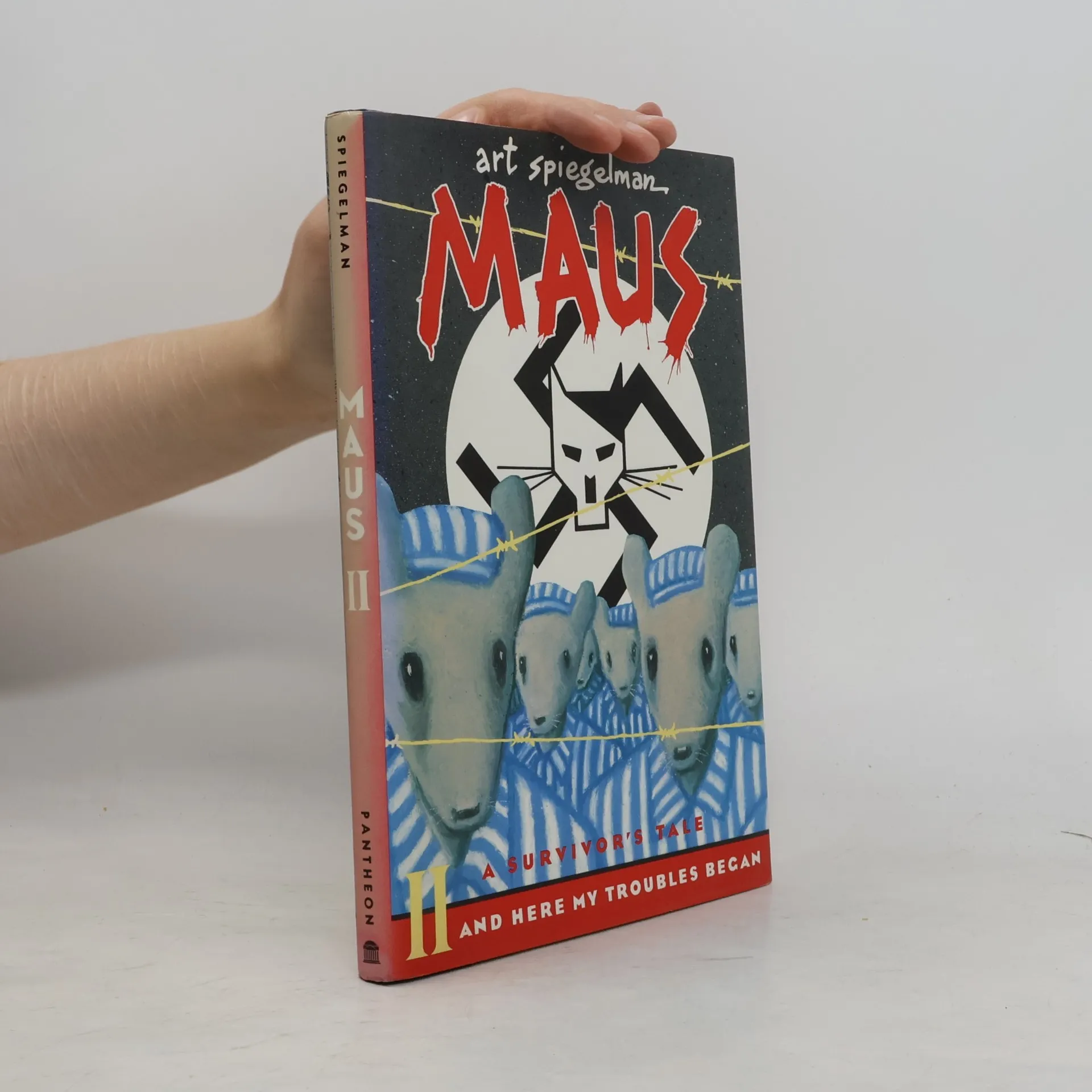
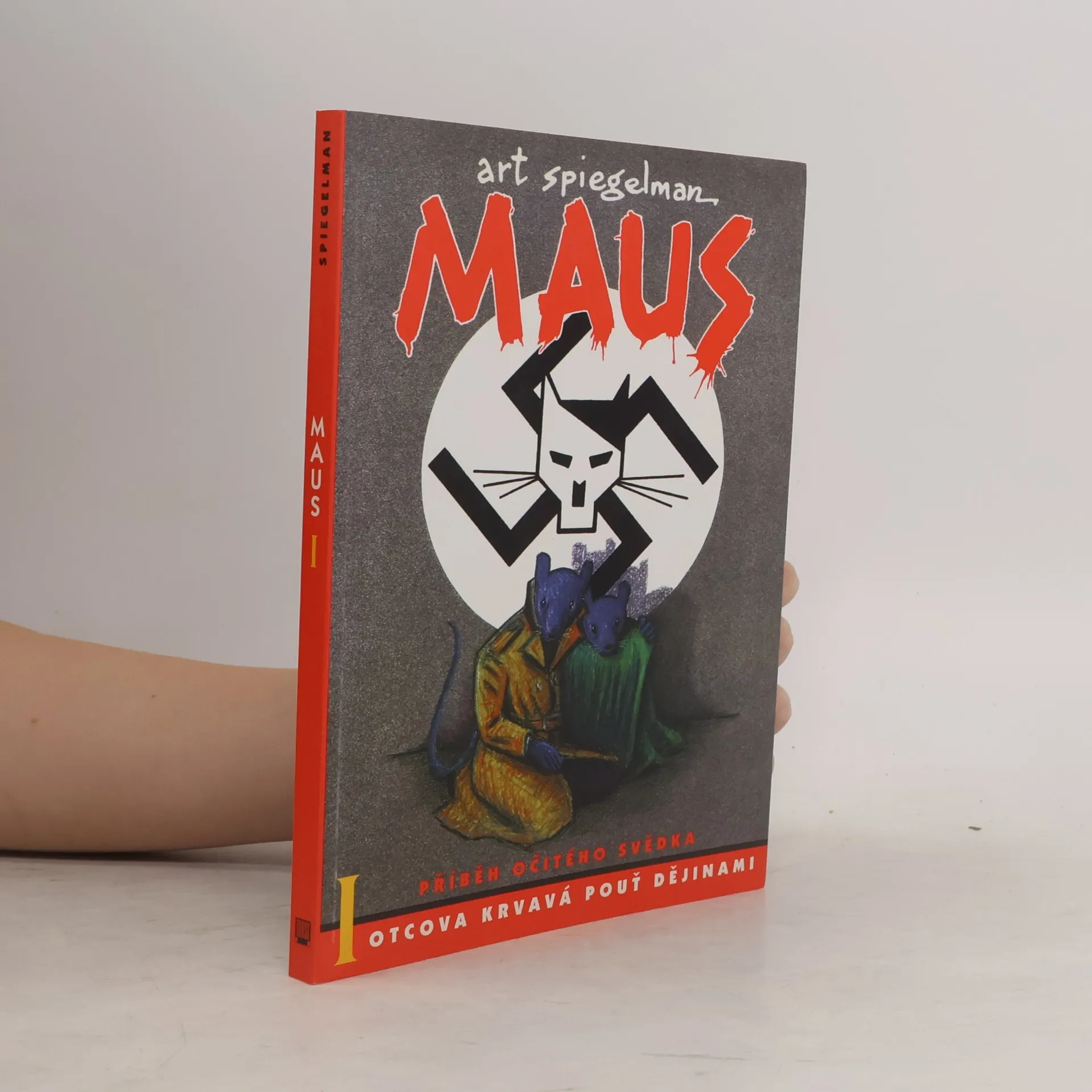
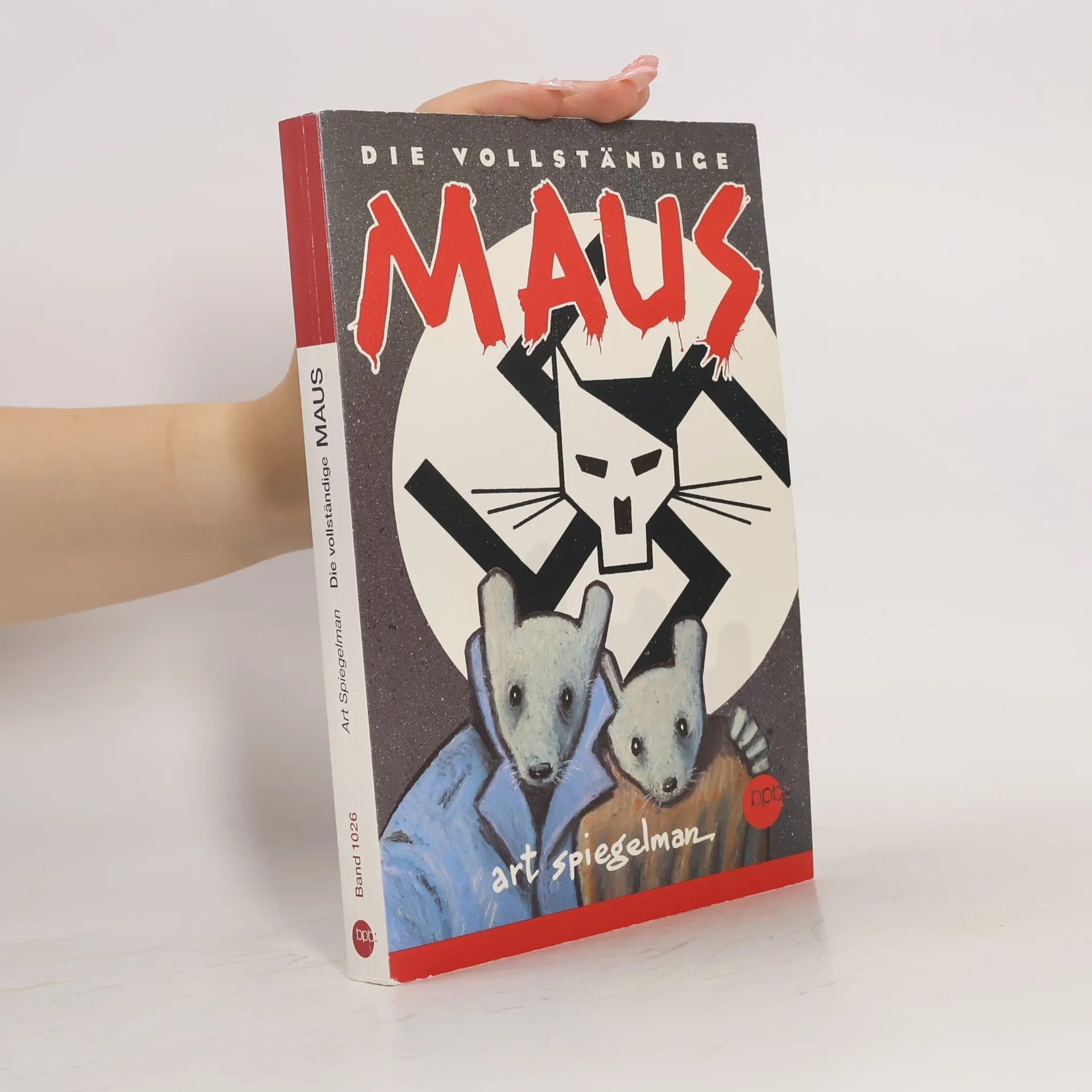
Le père de l'auteur, Vladek, juif polonais, rescapé d'Auschwitz, raconte sa vie de 1930 à 1944, date de sa déportation. Ce récit est rapporté sous la forme d'une bande dessinée dont les personnages ont une tête d'animal : les juifs sont des souris, les nazis des chats, les Polonais des porcs et les Américains des chiens.
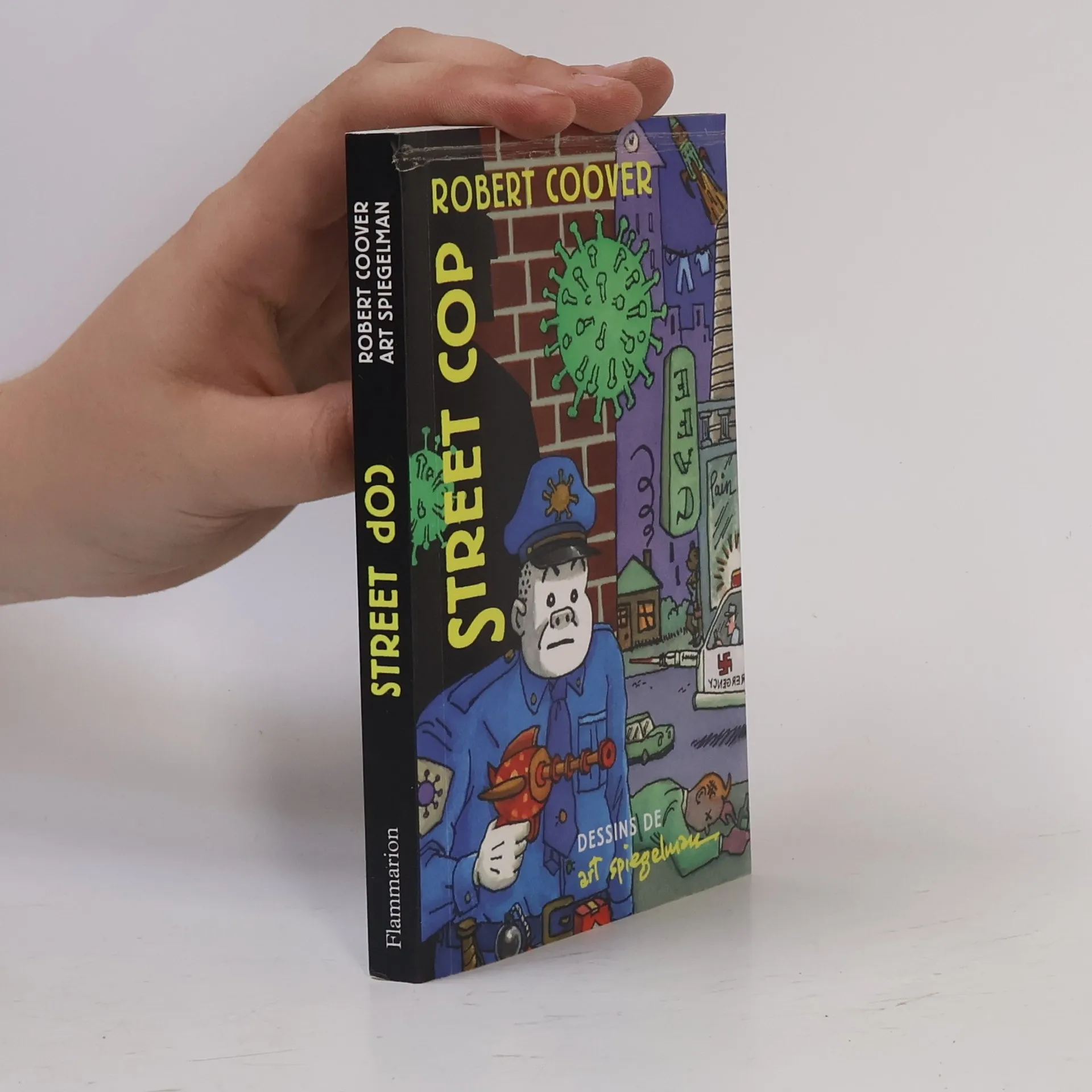
Dans un monde changeant à la vitesse d'un jeu de réalité virtuelle, un simple flic doit composer à chaque coin de rue avec toutes les formes de violence d'une société livrée aux crimes les plus divers. Les robots livreurs disputent l'espace aux piétons luttant pour leur survie entre pourvoyeurs de drogues, publicités numériques et drones tueurs de terroristes présumés. Existe-t-il encore une place pour les émotions humaines dans un univers aussi toxique qui ressemble déjà tant au nôtre ? Un flic capable d'empathie dans de telles circonstances ne deviendrait-il pas un danger pour la "fluidité" du système ? Entre film noir et dystopie urbaine, Street Cop place l'humain au coeur d'une enquête policière digne d'un Sam Spade des temps modernes.
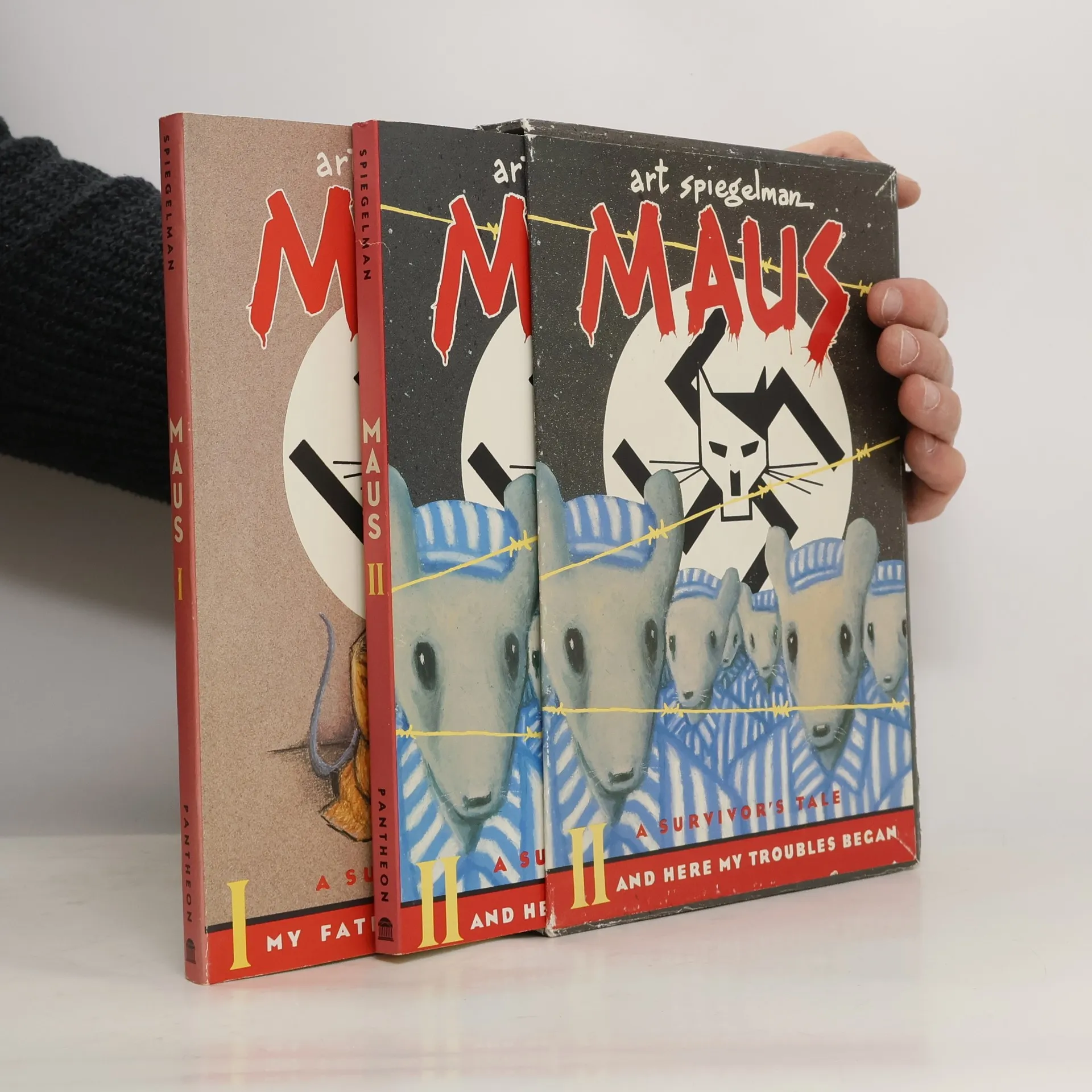
Maus raconte la vie de Vladek Spiegelman, rescapé juif des camps nazis, et de son fils, auteur de bandes dessinées, qui cherche un terrain de réconciliation avec son père, sa terrifiante histoire et l'Histoire. Des portes d'Auschwitz aux trottoirs de New York se déroule en deux temps (les années 30 et les années 70) le récit d'une double survie : celle du père, mais aussi celle du fils, qui se débat pour survivre au survivant. Ici, les Nazis sont des chats et les Juifs des souris.
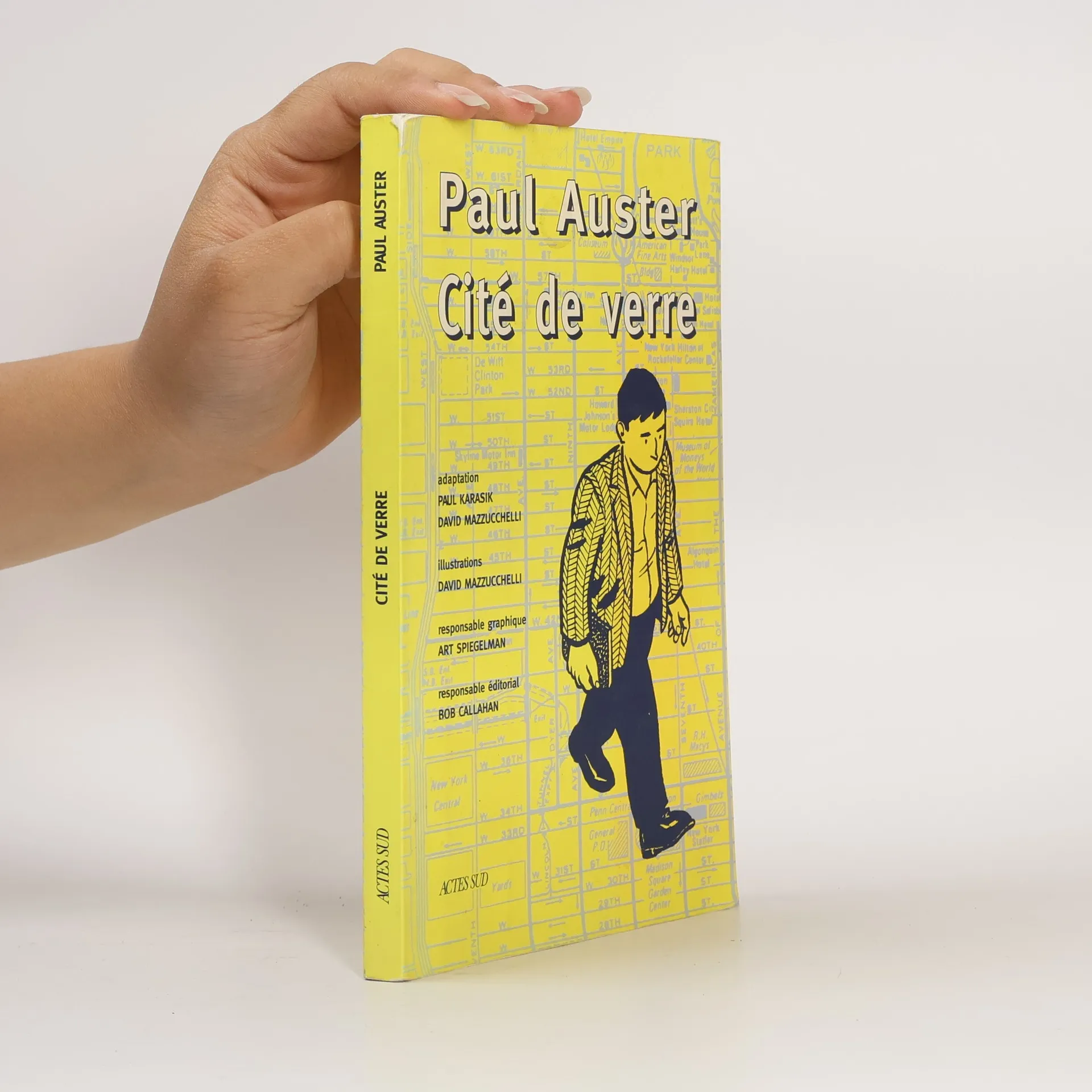
A graphic novel classic with a new introduction by Art Spiegelman Quinn writes mysteries. The Washington Post has described him as a “post-existentialist private eye.” An unknown voice on the telephone is now begging for his help, drawing him into a world and a mystery far stranger than any he ever created in print. Adapted by Paul Karasik and David Mazzucchelli, with graphics by David Mazzucchelli, Paul Auster’s groundbreaking, Edgar Award-nominated masterwork has been astonishingly transformed into a new visual language.
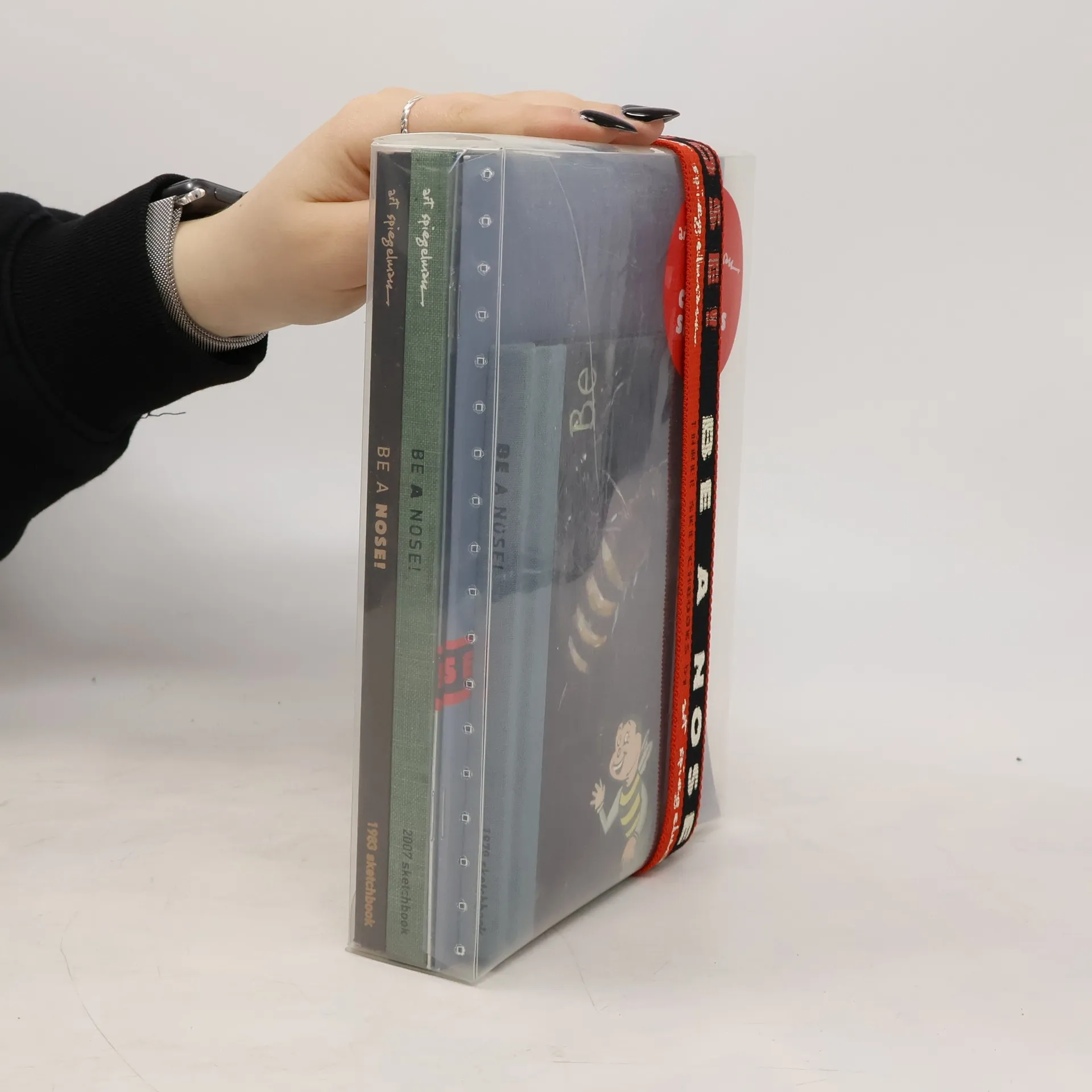
Lauréat du prix Pulitzer pour Maus, créateur des Crados et père du roman graphique moderne, Art Spiegelman présente la reproduction à l'état brut de ses carnets et le résultat est aussi drôle, incisif, paillard et touchant que l'homme qui se cache derrière eux. Be a nose ! est un précieux aperçu des griffonnages personnels d'un génie américain.
NATIONAL JEWISH BOOK AWARD WINNER • Visually and emotionally rich, MetaMaus is as groundbreaking as the masterpiece whose creation it reveals • Featured in the documentary Art Spiegelman: Disaster Is My Muse In the pages of MetaMaus, Art Spiegelman re-enters the Pulitzer Prize–winning Maus, the modern classic that has altered how we see literature, comics, and the Holocaust ever since it was first published decades ago. He probes the questions that Maus most often evokes—Why the Holocaust? Why mice? Why comics?—and gives us a new and essential work about the creative process. Compelling and intimate, MetaMaus is poised to become a classic in its own right.
Editeur : Flammarion Date de parution : 2008 Description : In-8, 112 pages, suivie de 112 vignettes, relié cartonné, dos toilé, occasion, très bon état. Envois quotidiens du mardi au samedi. Les commandes sont adressées sous enveloppes bulles. Photos supplémentaires de l'ouvrage sur simple demande. Réponses aux questions dans les 12h00. Librairie Le Piano-Livre. Merci. Please let us know if you have any questions. Thanks
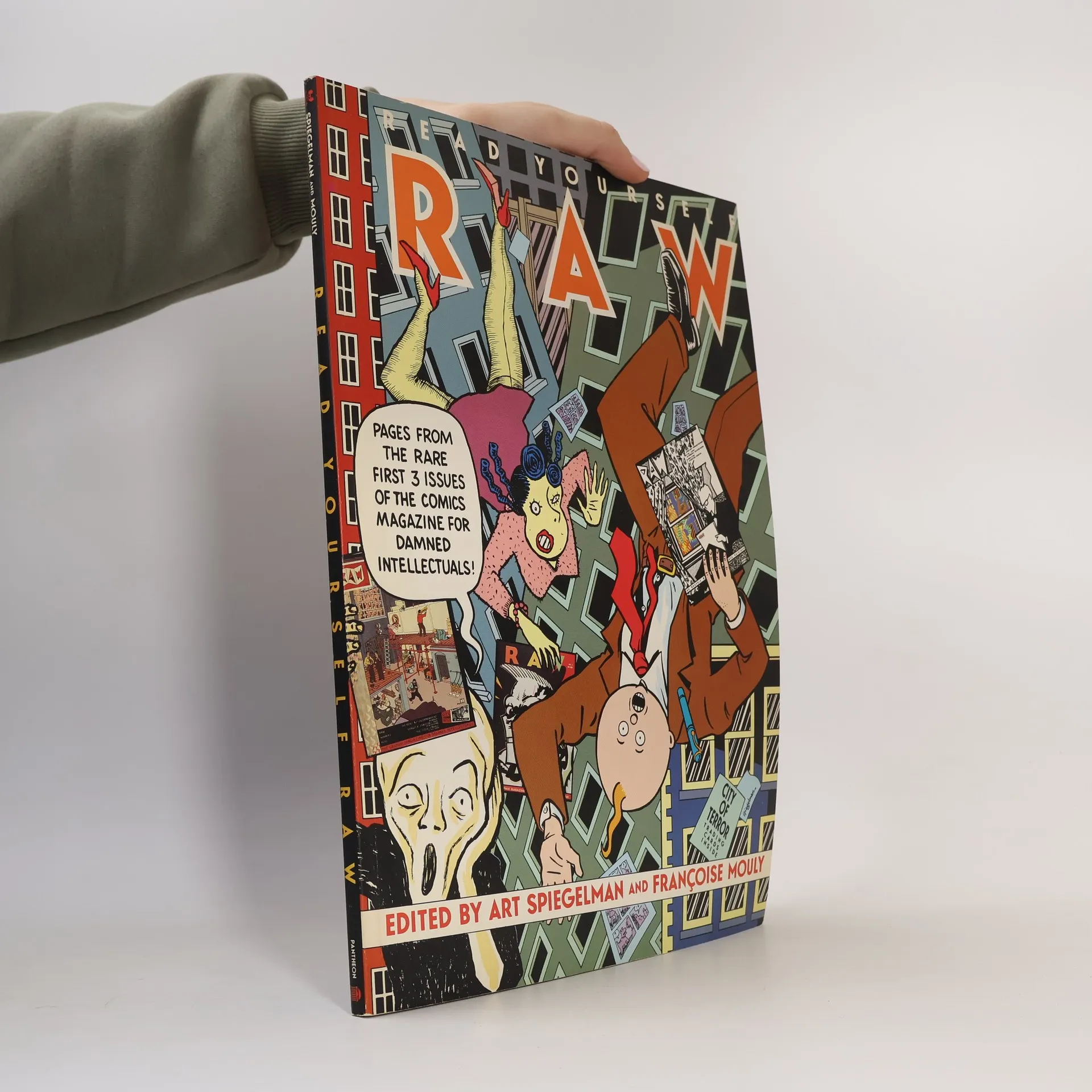
Art and Wit in America's Forbidden Funnies, 1930s-1950s
160pages
6 heures de lecture
Introductory Essay by Art Spiegelman Commentary by Richard Merkin ABOVEGROUND FOR THE FIRST TIME As wry and raunchy as the subject it celebrates, this inspired volume introduces a new generation to the Tijuana Bibles, underground comic art form the 1930s, 1940s, and 1950s devoted to making sexual mockery of every sacred cow in the pasture. Folk art with a subversive edge, the Bibles are unveiled here with a hundred life-size reproductions.
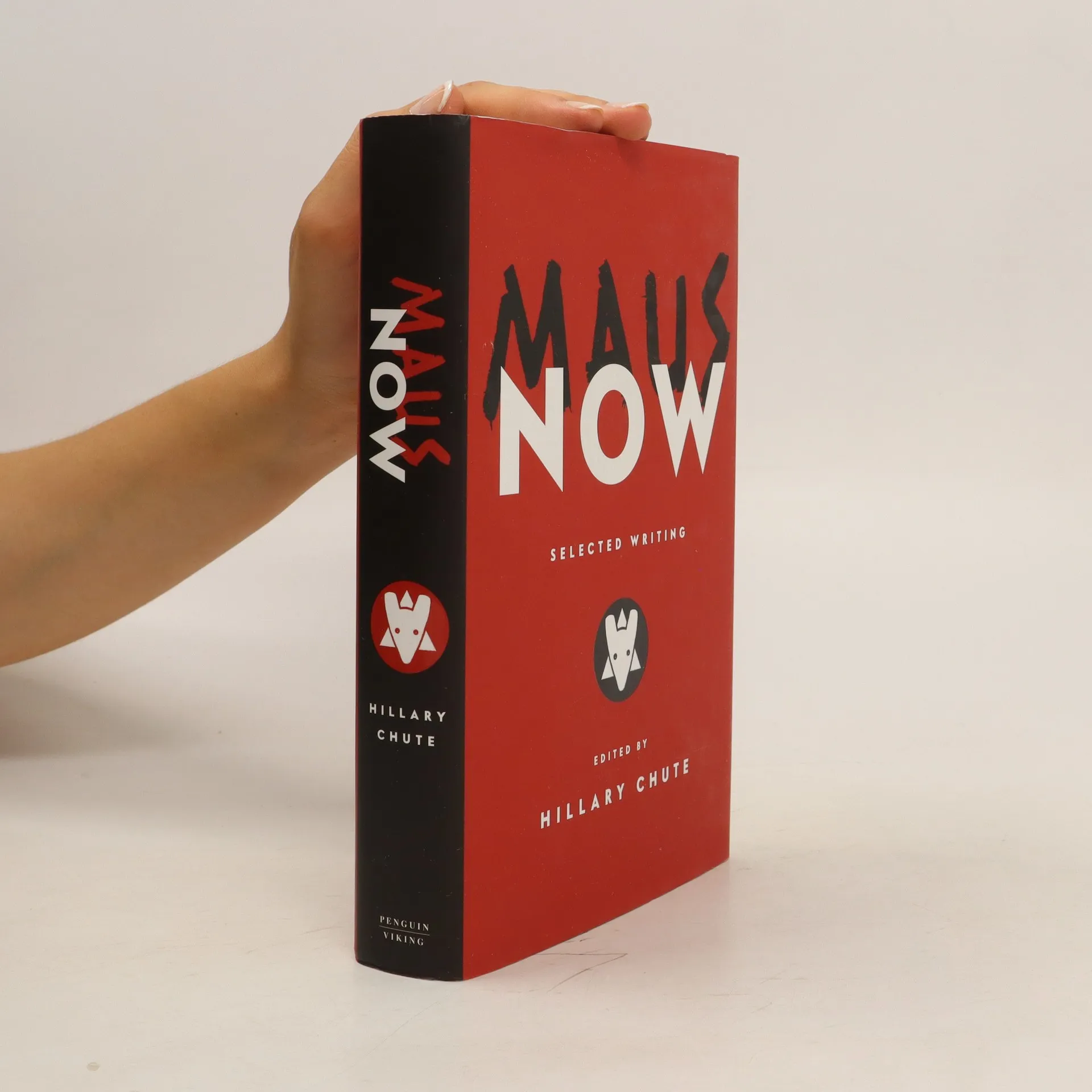
Pulitzer Prize-winning author Art Spiegelman is one of our most influential contemporary artists, and it is hard to overstate his effect on postwar American culture and the world of comics. Maus has shaped the fields of literature, history, and art, and enlivened our collective sense of what these practices can accomplish. Collecting responses to the work that confirm its unique and terrain-shifting status, Maus Now sees writers such as Philip Pullman, Adam Gopnik, Ruth Franklin, and others approaching the complexity of Maus from a wide range of viewpoints and traditions. Organized into three loosely chronological sections ("Contexts", "Problems of Representation" and "Legacy"), the book offers translations of important French, Hebrew, and German essays on Maus for the first time. Maus is revelatory, and generative, in profound and long-lasting ways. With this collection, American literary scholar (and expert on comics and graphic narratives) Hillary Chute assembles the best work around the globe exploring this classic graphic biography.
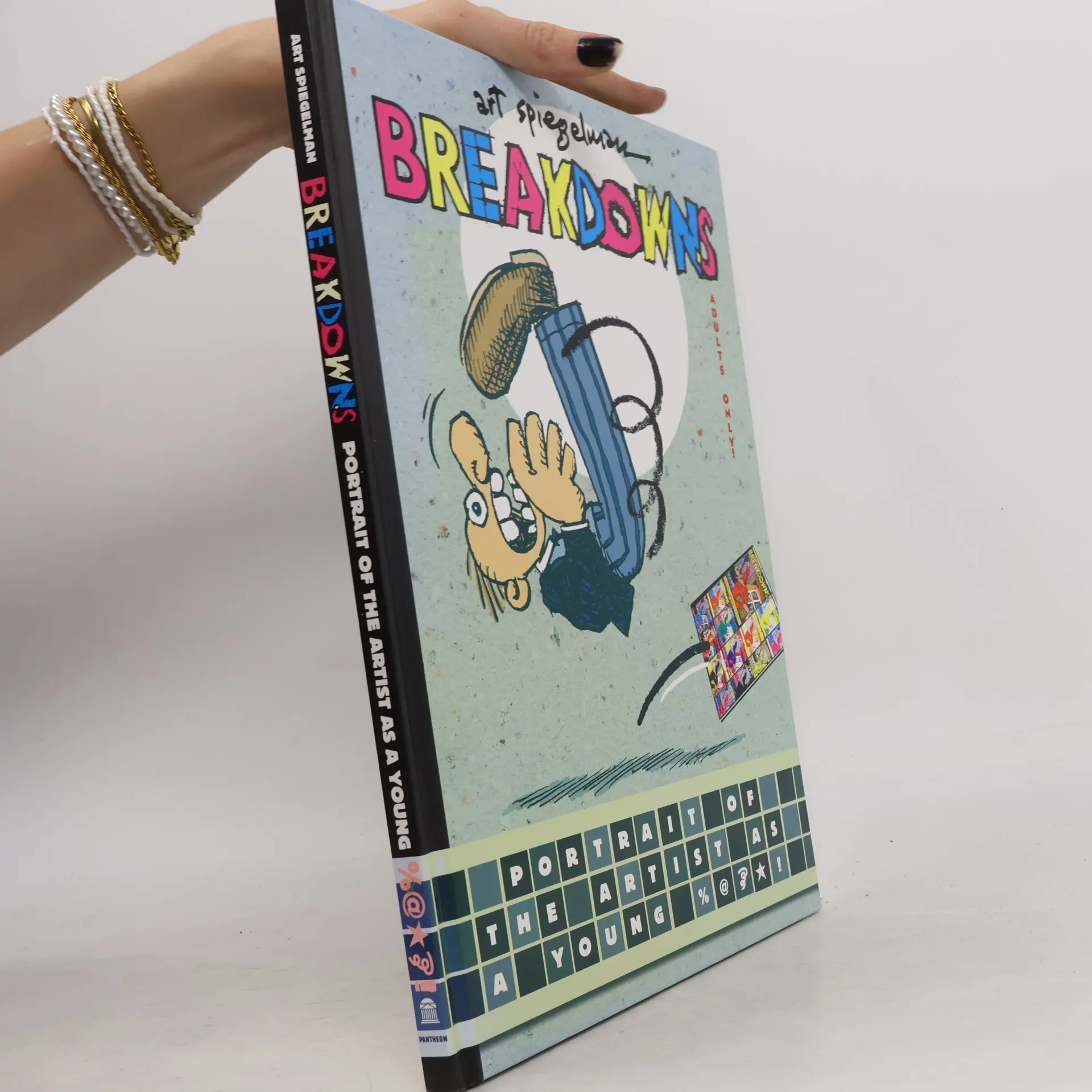
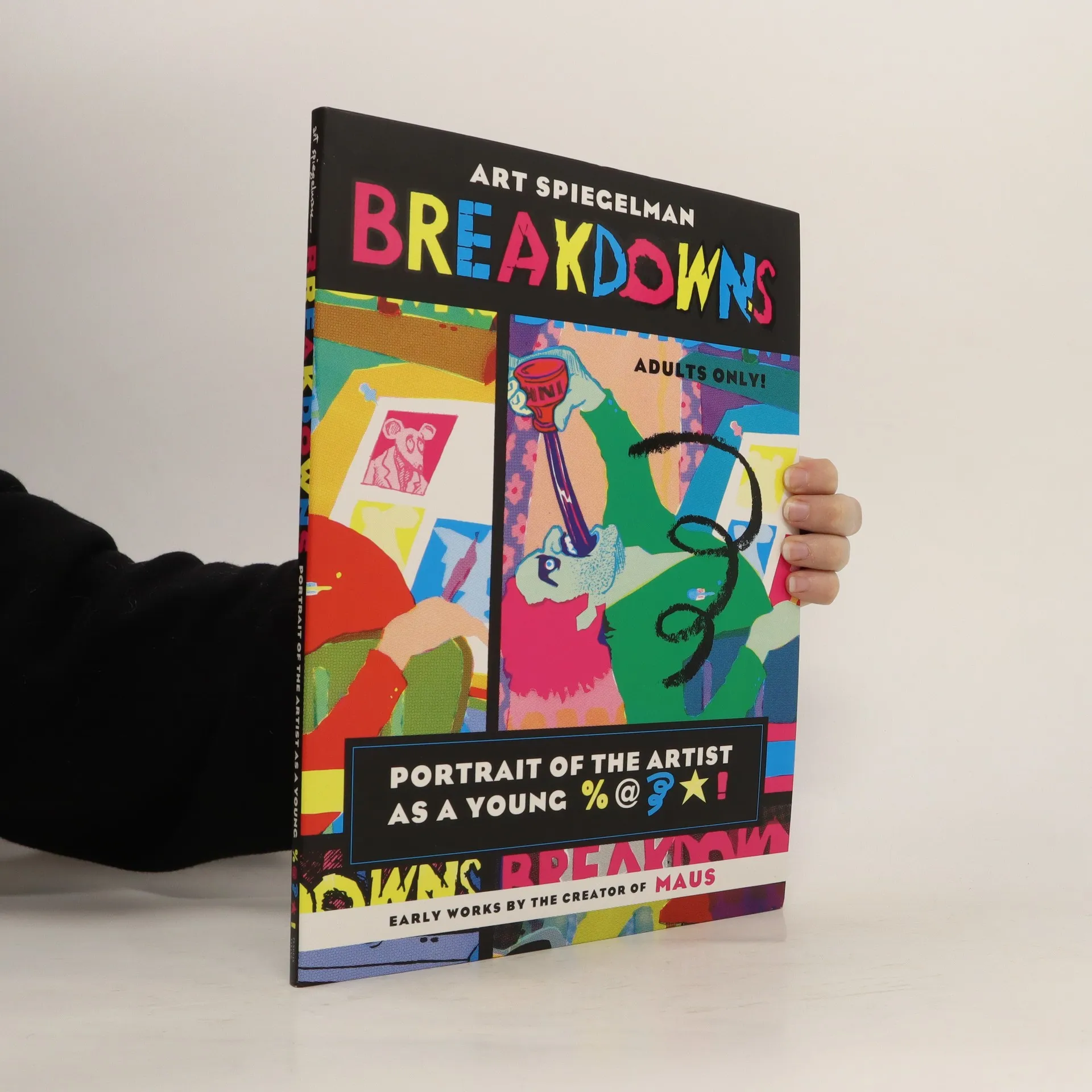
The creator of the Pulitzer Prize-winning Maus explores the comics form ... and how it formed him! This book opens with Portrait of the Artist as a Young %@&*!, creating vignettes of the people, events, and comics that shaped Art Spiegelman. It traces the artist's evolution from a MAD-comics obsessed boy in Rego Park, Queens, to a neurotic adult examining the effect of his parents' memories of Auschwitz on his own son. The second part presents a facsimile of Breakdowns, the long-sought after collection of the artist's comics of the 1970s, the book that triggers these memories. Breakdowns established the mode of formally sophisticated comics that transformed the medium, and includes the prototype of Maus, cubist experiments, an essay on humor, and the definitive genre-twisting pulp story "Ace Hole-Midget Detective." Pulling all this together is an illustrated essay that looks back at the sixties as the artist pushes sixty, and explains the obsessions that brought these works into being. Poignant, funny, complex, and innovative, Breakdowns alters the terms of what can be accomplished in a memoir.
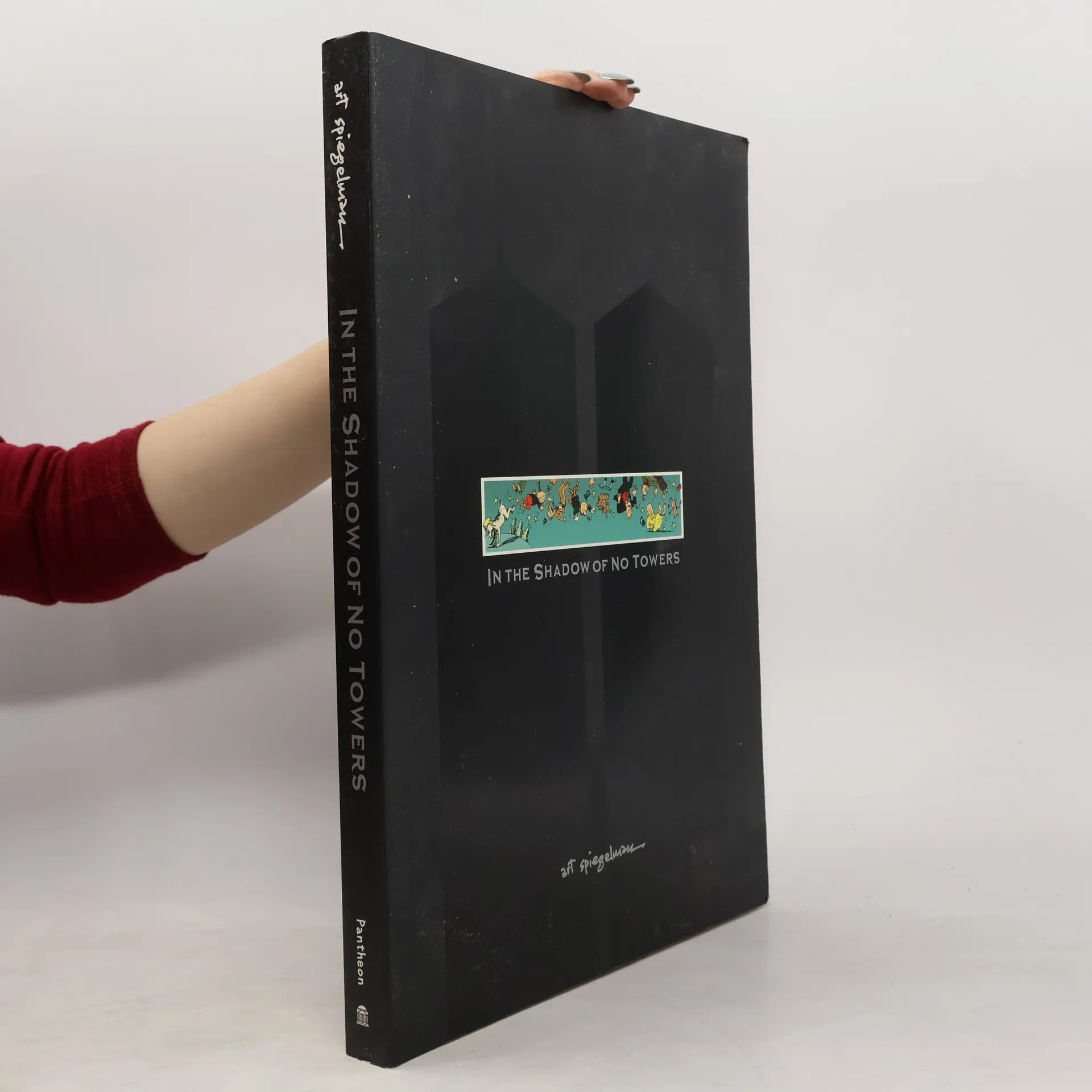
For Art Spiegelman, the Pulitzer Prize-winning author of Maus, the terrorist attacks of September 11, 2001 were both highly personal and intensely political. In the Shadow of No Towers, his first new book of comics since the groundbreaking Maus, is a masterful and moving account of the events and aftermath of that tragic day. Spiegelman and his family bore witness to the attacks in their lower Manhattan neighborhood: his teenage daughter had started school directly below the towers days earlier, and they had lived in the area for years. But the horrors they survived that morning were only the beginning for Spiegelman, as his anguish was quickly displaced by fury at the U.S. government, which shamelessly co-opted the events for its own preconceived agenda. He responded in the way he knows best. In an oversized, two-page-spread format that echoes the scale of the earliest newspaper comics (which Spiegelman says brought him solace after the attacks), he relates his experience of the national tragedy in drawings and text that convey--with his singular artistry and his characteristic provocation, outrage, and wit--the unfathomable enormity of the event itself, the obvious and insidious effects it had on his life, and the extraordinary, often hidden changes that have been enacted in the name of post-9/11 national security and that have begun to undermine the very foundation of American democracy
The story revolves around Jack and his intriguing new toy, which sparks curiosity and wonder. As Jack explores its nature, readers are drawn into a playful yet mysterious narrative that blurs the lines between fun and fear. The book invites young readers to engage their imaginations, questioning whether the toy is silly, scary, or something uniquely captivating.
**In a new flexibound format with an updated afterword** This book opens with Portrait of the Artist as a Young %@&*!, creating vignettes of the people, events, and comics that shaped Art Spiegelman. It traces the artist's evolution from a MAD-comics obsessed boy in Rego Park, Queens, to a neurotic adult examining the effect of his parents' memories of Auschwitz on his own son. The second part presents a facsimile of Breakdowns, the long-sought after collection of the artist's comics of the 1970s, the book that triggers these memories. Breakdowns established the mode of formally sophisticated comics that transformed the medium, and includes the prototype of Maus, cubist experiments, an essay on humor, and the definitive genre-twisting pulp story "Ace Hole-Midget Detective." Pulling all this together is an illustrated essay that looks back at the sixties as the artist pushes sixty, and explains the obsessions that brought these works into being. Poignant, funny, complex, and innovative, Breakdowns alters the terms of what can be accomplished in a memoir.
Innovative cartoonists and renowned children's book artists from around the world have gathered to bring you the magic of fairy tales through the wonder of comics. The stories range from old favorites to new discoveries, from the profound to the silly. A treat for all ages, these picture stories unlock the enchanted door into the pleasures of books and reading.
We planted a seed in some of the most fertile minds of the cartoonists, novelists, and children's book artists. We asked them to start a story with the It Was a Dark and Silly Night... We wanted to know...What happened next??? What grew from the seed is this generous, chock-full, over-the-top jungle of silly comic book stories that show how rich the human imagination is. Lemony Snicket and Richard Sala imagined a dark and silly night where a young girl chases after a Yeti. Neil Gaiman and Gahan Wilson imagined a dark and silly night where kids throw the greatest party they ever had...in a graveyard! William Joyce tells us about kids whose Silly Ray saves the world from warrior florists. This collection of wild and silly imaginings will tickle your funny bone for years to come. Lemony Snicket • Neil Gaiman • William Joyce • Kaz • Art Spiegelman • J. Otto Seibold • Vivian Walsh • Gahan Wilson • Barbara McClintock • Richard Sala • Martin Handford • R. Sikoryak • Patrick McDonnell • Tony Millionaire • Carlos Nine • Basil Wolverton • Joost Swarte
New in paperback for the very first time comes the New York Times bestselling Little Lit series! Choice comic stories culled from the three bestselling comic collections edited by Art Spiegelman and Françoise Little Once Upon a Time, Little Strange Stories for Strange Kids, and Little It Was a Dark and Silly Night. The gorgeous paperback features flaps and beautifully reproduced full-color interiors. Hilarious and charming, the collection contains comics from such award-winning and bestselling authors and artists as Harry Bliss, Daniel Clowes, Ian Falconer, Jules Feiffer, Neil Gaiman, Crockett Johnson, Barbara McClintock, David Sedaris, J. Otto Seibold, Maurice Sendak, Lemony Snicket, and Art Spiegelman.
"Maus I" was the first half of the tale of survival of the author's parents, charting their desperate progress from pre-war Poland Auschwitz. Here is the continuation, in which the father survives the camp and is at last reunited with his wife.
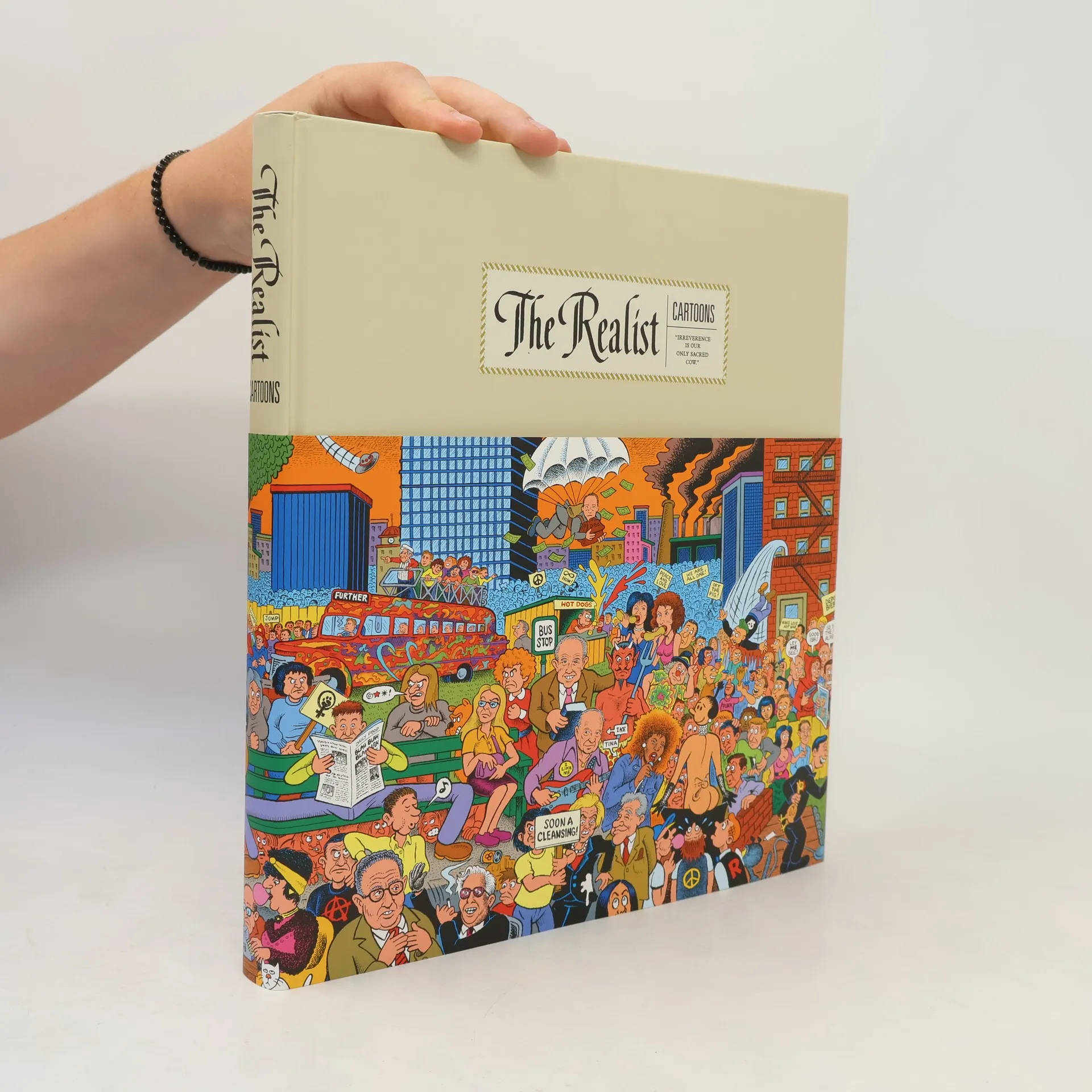
The Realist was a legendary satirical periodical that ran from 1958 to 2001 and published some of the most incendiary cartoons that ever appeared in an American magazine. The Realist Cartoons collects, for the first time, the best, the wittiest, and the most provocative drawings that appeared in its pages, including work by R. Crumb, Art Spiegelman, S. Clay Wilson, Jay Lynch, Trina Robbins, Mort Gerberg, Jay Kinney, Richard Guindon, Nicole Hollander, Skip Williamson, and many others.
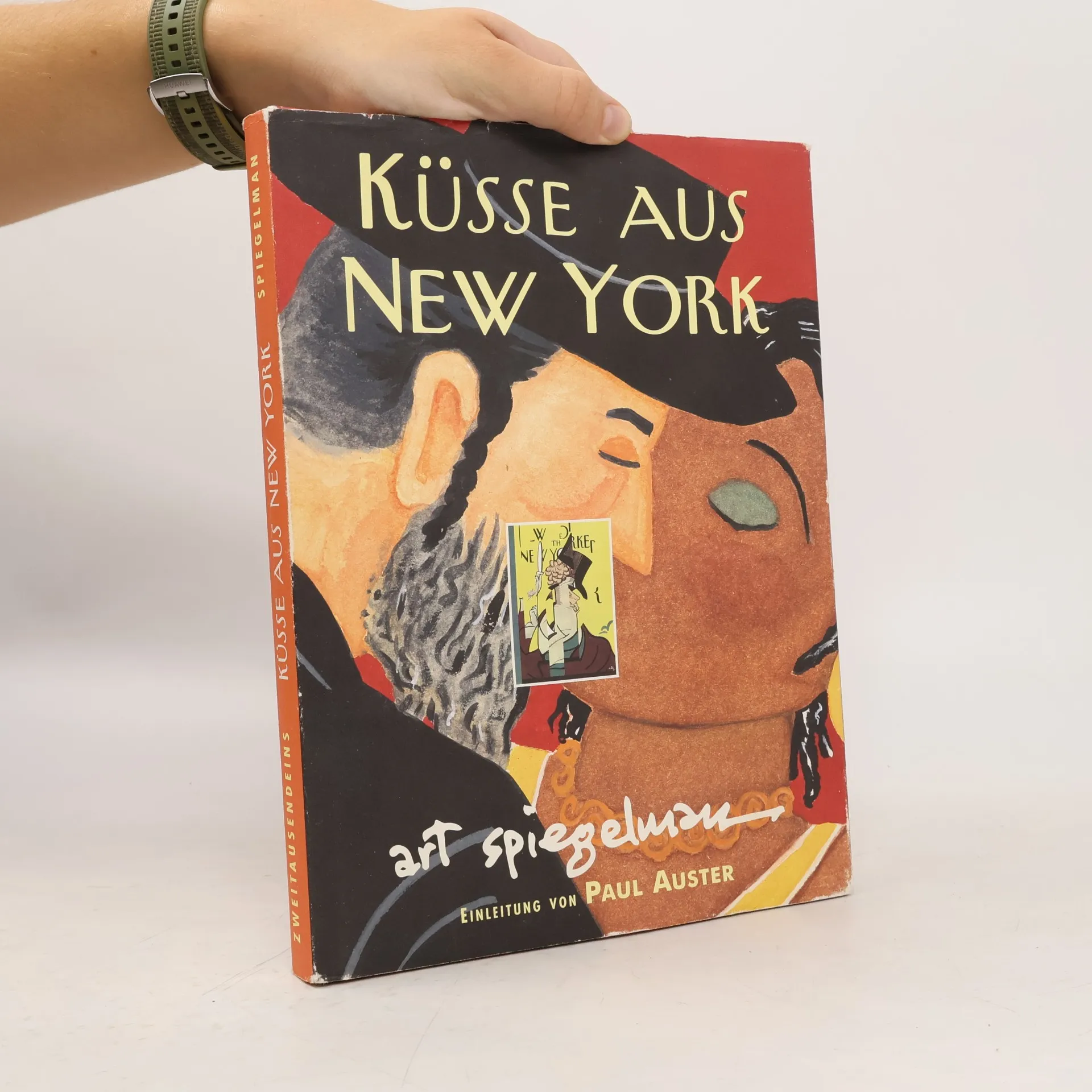
„Art Spiegelman ist der George Grosz unserer Tage“ Henryk M. Broder im Tagesspiegel. „Küsse aus New York“ zeigt Spiegelmans provokante Arbeiten für den New Yorker. Nur bei uns. Art Spiegelman: bissig, aggressiv und spitze Feder. Der New Yorker: gut bürgerlich, kultiviert, blasée. Zehn Jahre lang hat Spiegelman („Maus“) für den New Yorker Titelbilder entworfen. Der „zur Zeit bedeutendste amerikanische Comic-Künstler“ (Künstlerkollege ATAK in Das Magazin) wurde angestellt, um zu provozieren. Meist gelang es ihm besser als erwartet. Zum Osterfest und Steuertermin zeichnet Spiegelman einen Osterhasen, der gekreuzigt auf einer Steuererklärung ausblutet. Es hagelt Proteste von der christlichen Rechten (der der heidnische Hase eigentlich egal sein sollte). Weltberühmt wurde Spiegelmans überraschender Bildkommentar zum 11.9.: Die World Trade Center-Türme ganz in schwarz vor schwarzem Hintergrund - diesmal ging Spiegelman das Thema zu nah. Seine Tochter Nadja ging auf der anderen Straßenseite vom WTC zur Schule, beide waren Augenzeugen als die Türme einstürzten. Die Titelbilder gibt es jetzt als Buch. Zusammen mit Entwürfen, Skizzen, abgelehnten Versionen und Kommentaren von Spiegelman selbst.
Die Geschichte eines Überlebenden. Art Spiegelman erzählt die Überlebensgeschichte des polnischen Juden Wladek Spiegelman während der Zeit des Nationalsozialismus. In seinem Bericht in Comic-Form treten die Juden als Mäuse und die Deutschen als Katzen auf.
Maus je příběh Vladka Spiegelmana, Žida, který přežil holocaust, a jeho syna, kreslíře, který se snaží vyrovnat s otcem, jeho hrozivým příběhem i dějinami jako takovými. Knihu spojuje dva příběhy: jeden se odehrává v Polsku, druhý v Rego Parku v New Yorku. V prvním Spiegelmanův otec vypráví o tom, jak se svou ženou přežili Hitlerovu vládu v Evropě. Je to příběh plný smrti, neuvěřitelných úniků, vězeňské krutosti i lidské zrady. V druhém příběhu sledujeme autorův mučivý vztah k stárnoucímu otci. Občas se navštěvují, vedou malicherné hádky a v pozadí všeho jsou dějiny, příliš kruté na to, aby je bylo možno utišit. Obě příběhy se tak před námi spojují v příběh jediný - příběh rodičů a dětí. V prvním dílu sledujeme Spiegelmanovy rodiče až do bran Osvětimi a autora vyprávění na práh zoufalství.