Margaret Fuller: Collected Writings (Loa #388)
- 850pages
- 30 heures de lecture


Margaret Fuller fut une figure de proue du transcendantalisme américain, journaliste et critique qui défendit les droits des femmes. Elle fut la première femme à exercer à temps plein comme critique littéraire dans le journalisme, et son œuvre "La femme au dix-neuvième siècle" est reconnue comme le premier texte féministe majeur aux États-Unis. Fuller était réputée pour ses "conversations", des rencontres intellectuelles destinées aux femmes pour pallier leur accès limité à l'enseignement supérieur. Son écriture se caractérise par sa rigueur intellectuelle et son engagement audacieux en faveur de la réforme sociale, plaidant pour des causes telles que la réforme des prisons et l'émancipation des esclaves. Son dévouement et ses idées tout au long de sa vie ont solidifié son héritage en tant qu'inspiration pour de nombreux autres militants des droits des femmes et féministes.
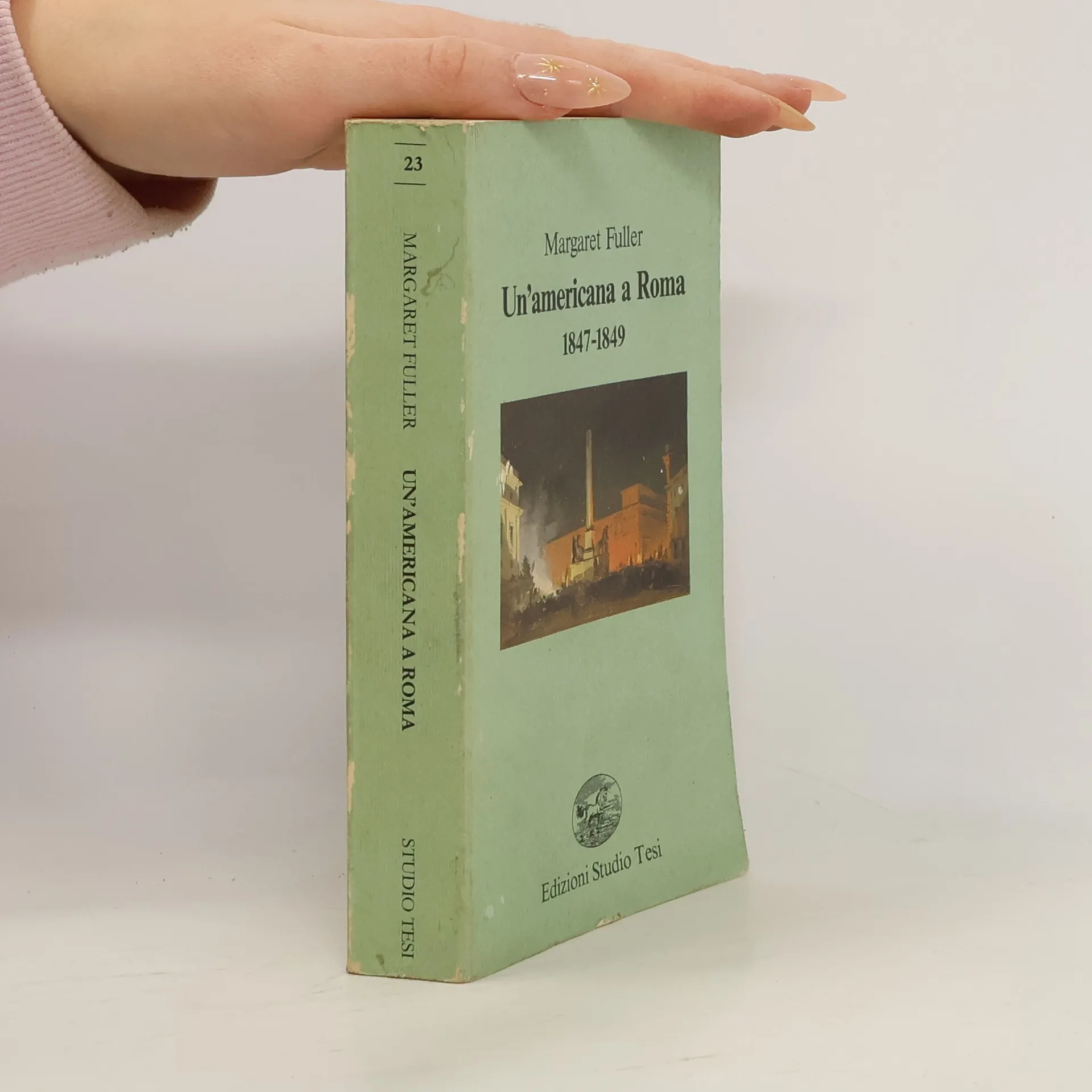
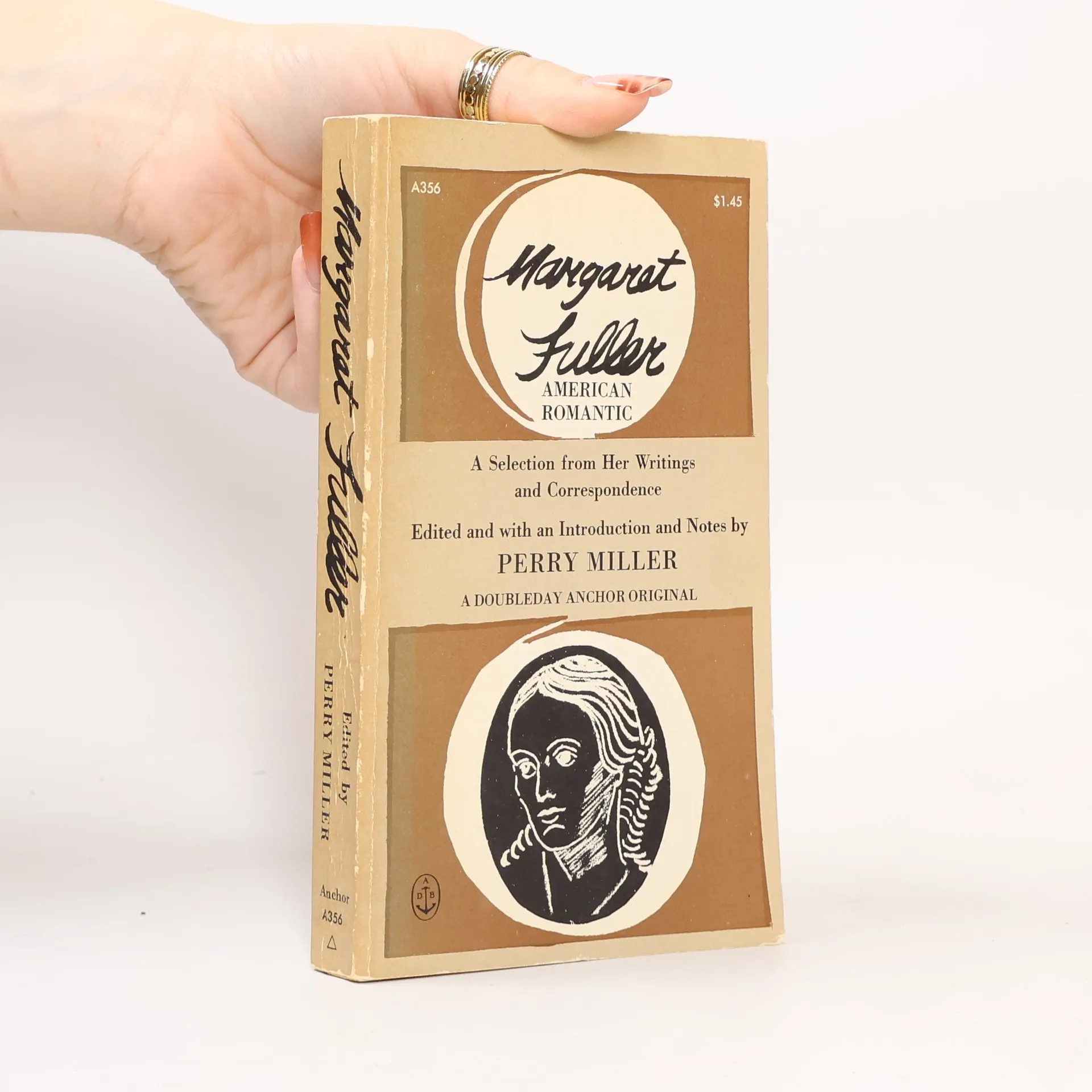
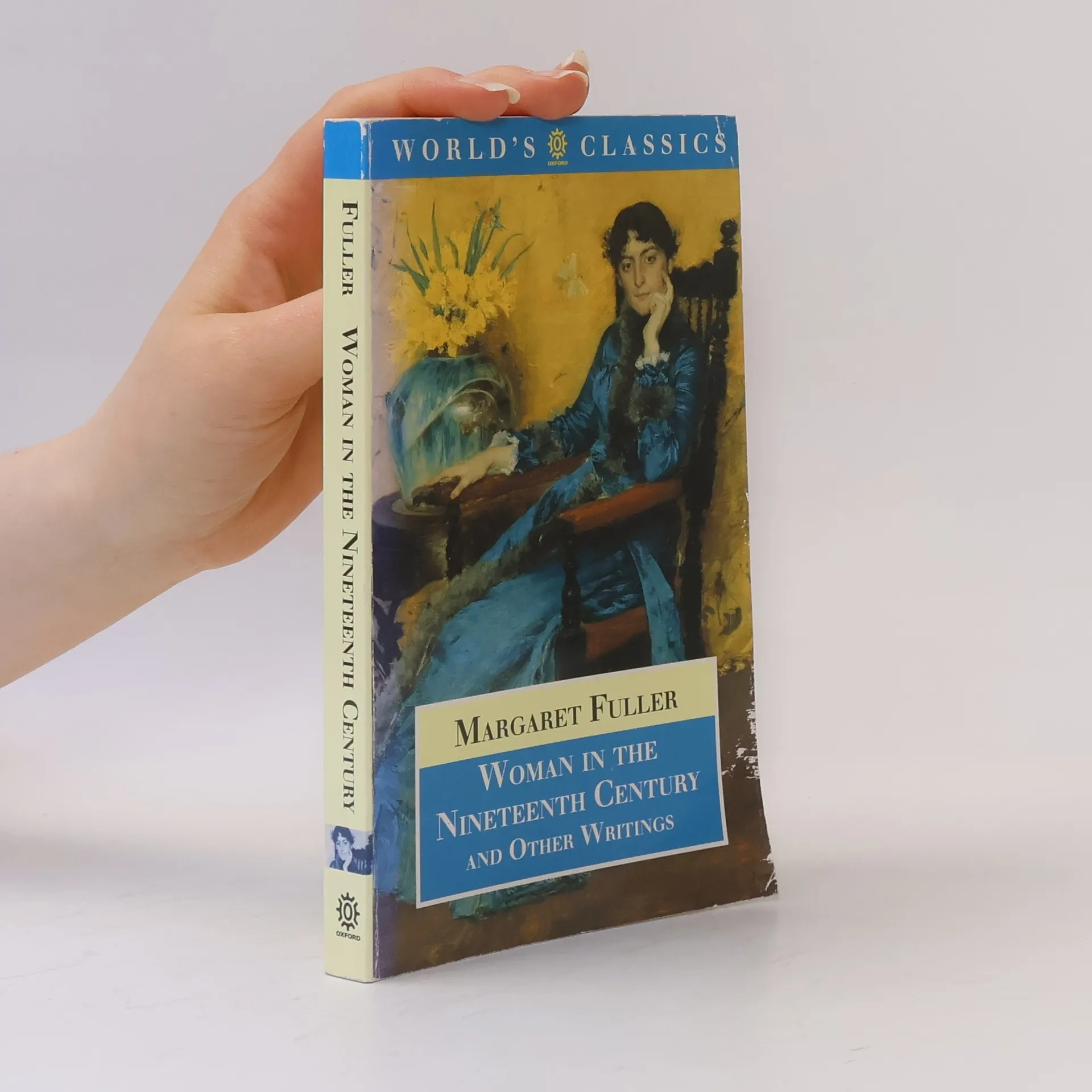


Includes:Autobiographical SketchBettine Brentano and Her Friend GunderodeSummer on the Lakes, During 1843Woman in the Nineteenth CenturyNew-York Daily Tribune ColumnsNew-York Daily Tribune DispatchesLetters
in large print
The book is a reproduction of a historical work, published by Megali, which focuses on making literature accessible through large print editions. This initiative aims to assist individuals with impaired vision, ensuring that they can enjoy and engage with important texts from the past.
When first published in 1845, Woman in the Nineteenth Century was one of the most popular and influential works of feminism in its time, selling out in its first edition within a week. However, this major work by Margaret Fuller has not been widely available to modern readers before now. This edition presents the complete text of Fuller's famous work, as well as a collection of other important writings that provide an expansive vision of Fuller's thought. Ranging widely from the Woman Question to the European revolutionary movements in which she played a direct part, her thought prefigures important themes in modern feminism.
A Selection from Her Writings and Correspondence