Cooperation
- 312pages
- 11 heures de lecture
Bernard E. Harcourt develops a transformative theory and practice that builds on worldwide models of successful cooperation.


Les travaux de Bernard Harcourt explorent l'intersection de la théorie sociale et politique, de la sociologie de la punition et du droit pénal. Son œuvre examine de manière critique la prédiction, la punition et la police à une époque dominée par les données et l'analyse. Harcourt est animé par une profonde préoccupation pour la justice et les droits de l'homme, explorant le fonctionnement des sociétés et leur interaction avec les systèmes juridiques. Son écriture offre une analyse approfondie des structures sociales et de leur impact sur les individus.

Bernard E. Harcourt develops a transformative theory and practice that builds on worldwide models of successful cooperation.
Bernard E. Harcourt calls for moving beyond the complacency of decades of philosophical detours and to harness critical thought to the need for action. Critique and Praxis advocates for a new path forward that constantly challenges each one of us to ask what more we can do to realize a society based on equality and justice.
Foucault's exploration of the history of sexuality, initiated in the 1960s through his lectures, reveals significant insights into his evolving ideas. This collection marks the first English publication of these pivotal lectures, providing readers with an opportunity to engage with Foucault's foundational thoughts on sexuality that have shaped contemporary discourse.
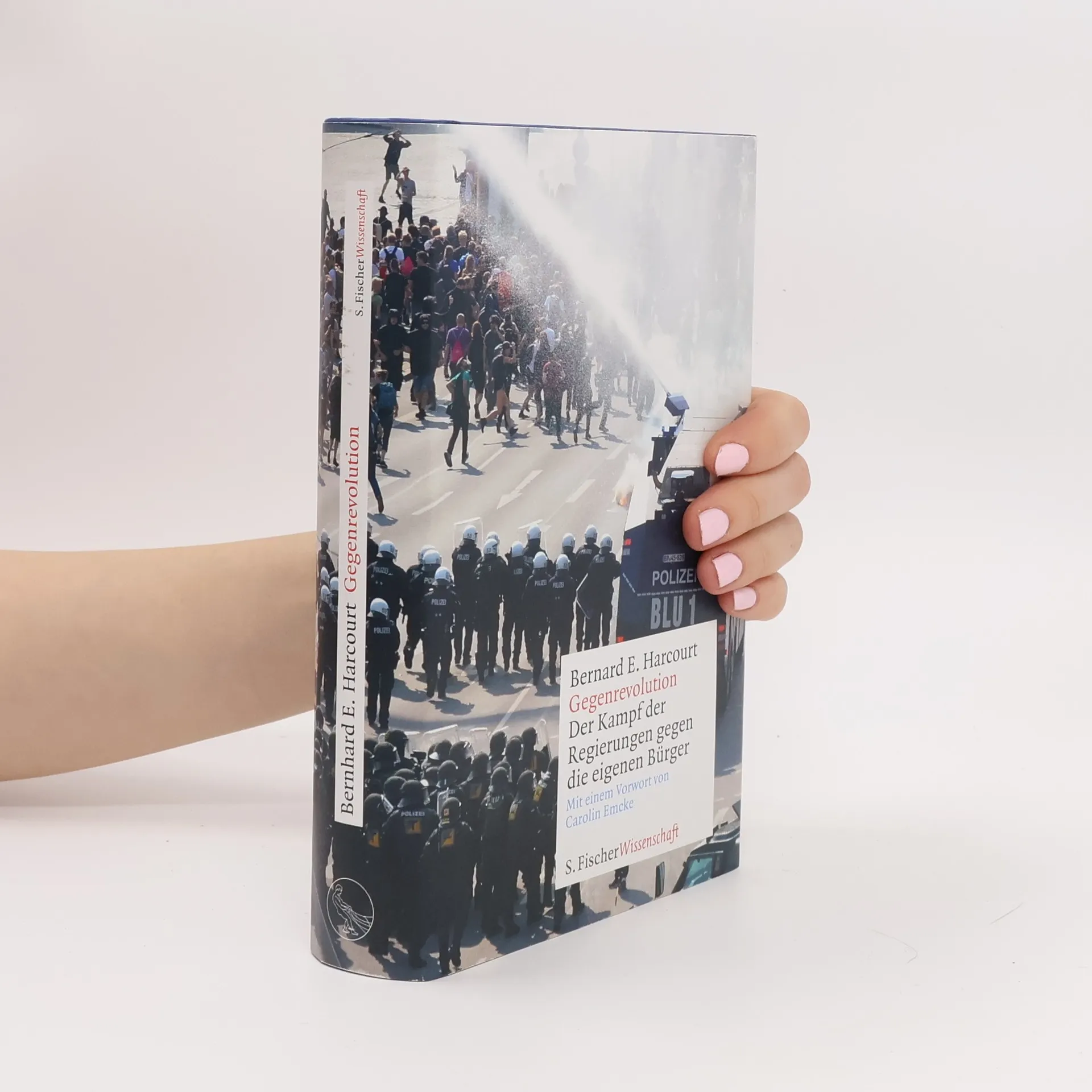
»Was hat Pokemon Go mit Waterboarding, Überwachung oder Trumps Grenzmauer zu tun?«, schrieb die Washington Post, und weiter: »Wenn Sie jetzt versucht sind, ›nichts‹ zu sagen, dann sollten Sie dieses Buch lesen.« Die Polizei wird mit Drohnen und Panzern aufgerüstet, die Überwachung der eigenen Bürger ausgeweitet, während die Menschen sich von digitalen Angeboten ablenken lassen: Bernard E. Harcourt führt all diese Themen zusammen und zeigt im Anschluss an Foucault, wie eine neue Regierungsform entsteht: Gespeist aus der militärischen Strategie der Bekämpfung von Aufständen, benutzt sie das Argument vom »Kampf gegen Terrorismus«, um ein neues Herrschaftsregime zu errichten. Dessen Prinzipien beruhen auf umfassender Geheimdienstinformation, schonungslosem Targeting von Minderheiten sowie einer Propaganda, die beruhigen soll. Es gilt, so Harcourts brillante Analyse, diese Regierungsform als das zu entlarven, was sie ist: die Tyrannei unseres Zeitalters.