Linda Martín Alcoff est une philosophe reconnue pour ses travaux en épistémologie, féminisme, théorie raciale et existentialisme. Ses recherches prônent une plus grande inclusion des groupes historiquement sous-représentés en philosophie, explorant les nouveaux domaines de recherche qu'ils ont suscités. Alcoff examine de manière critique les intersections entre identité, pouvoir et connaissance, repoussant les limites du discours philosophique contemporain.
A survey of the historical development of the idea of race, this anthology offers pre-twentieth century theories about the concept of race, classic twentieth century sources reiterating and contesting ideas of race as scientific, and several philosophically relevant essays that discuss the issues presented. A general Introduction gives an overview of the readings. Headnotes introduce each selection. Includes suggested further readings.
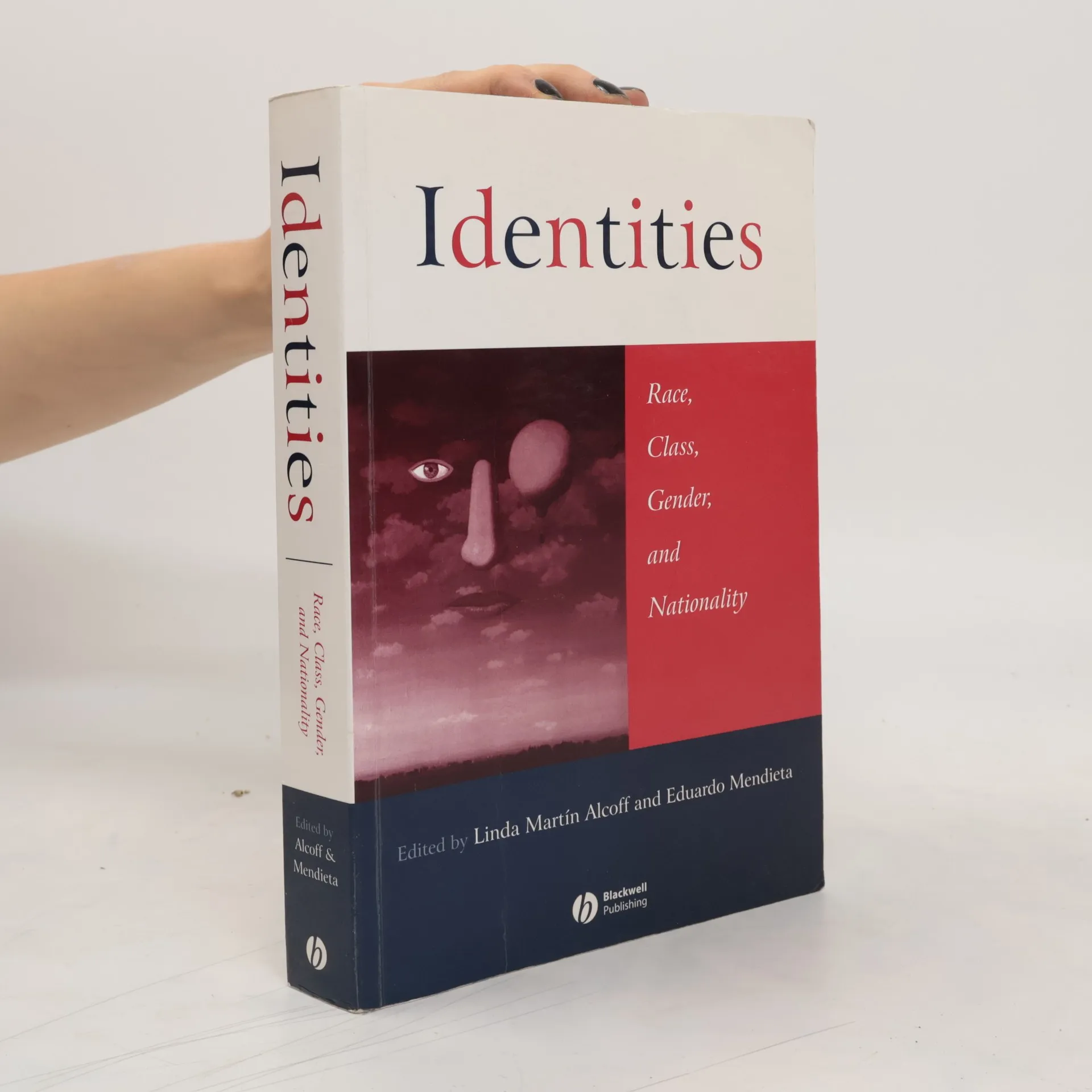
This anthology provides the definitive theoretical sources of contemporary thinking about identity, including explorations of race, class, gender, and nationality.
The intellectual radicalism of the 1960s sparked new inquiries into the nature of "the political" in social life, revolutionizing various fields, including literary criticism, anthropology, and philosophy of science. Michel Foucault highlighted that our societal roles involve continual negotiations of authority and reality definitions. This shift has prompted theorists to reassess foundational concepts within their disciplines. By examining key ideas—"culture," "power," and "history"—this reader enriches contemporary social theory.
Organized around these themes, the collection features both classic and contemporary essays that explore Foucault's "new economy of power relations" from diverse perspectives. It showcases innovative work across disciplines, addressing topics from taxidermy to Madonna, and emphasizes the creative potential amidst uncertainty regarding established knowledge forms and their boundaries. The editors introduce the volume with a significant essay that highlights pressing issues in current theoretical discourse, aiming to inspire scholars to rethink social theory and guide newcomers in this field.
Contributors include notable figures such as Linda Alcoff, Sally Alexander, Tony Bennett, Pierre Bourdieu, and Michel Foucault, among others, each offering unique insights into the evolving landscape of cultural and social analysis.
Wer darf für wen sprechen? Darf man überhaupt für jemand anderen sprechen? Die Kernfrage des Aufsatzes der Philosophin Linda Martín Alcoff sticht in ein Wespennest: Spätestens mit den Diskussionen um die Übersetzung eines Gedichtes von Amanda Gorman wurde deutlich, wie schwierig und politisch brisant diese Frage ist. Alcoff sensibilisiert dafür, wann das Sprechen für andere schiefläuft, und zeigt zugleich, weshalb es dennoch notwendig ist, den Anspruch, für andere zu sprechen, nicht aufzugeben.