




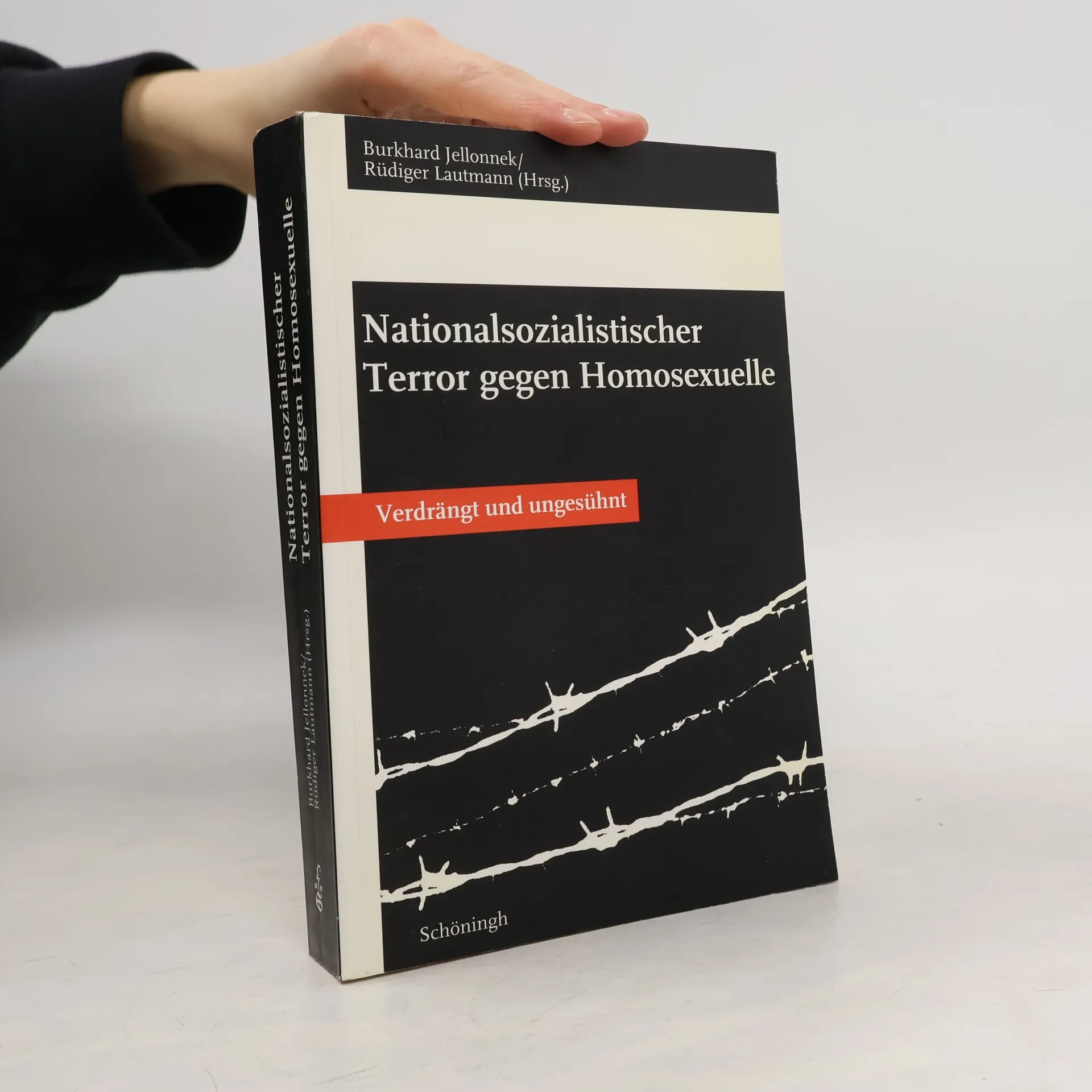
Homosexuelle in Deutschland 1933-1969
Beiträge zu Alltag, Stigmatisierung und Verfolgung
- 203pages
- 8 heures de lecture
Between 1935 and 1969, approximately 100,000 men were imprisoned under Section 175, which the Nazis significantly tightened, leading to severe social stigmatization for gay men and lesbian women. This aspect of German history remains inadequately explored for the Nazi era, while research on the post-war period is even less developed. The volume compiles recent contributions addressing the state persecution of homosexuals, focusing on regional differences during the Nazi era, particularly between urban and rural settings. It also examines how homosexual life unfolded in East and West Germany and the factors that led to the initial reforms of criminal law in the late 1960s. The collection includes various studies on the persecution practices and the societal implications of this state-sanctioned discrimination, highlighting the long-lasting impact on the lives of those affected. Through this exploration, the volume aims to shed light on a crucial yet often overlooked chapter of German history, emphasizing the need for further research and understanding of the experiences of marginalized communities during and after this tumultuous period.