



The global climate crisis is worsening despite decades of international negotiations, indicating that top-down treaties are insufficient. The solution lies in local partnerships and experimentation, where government and business collaborate to innovate and share effective technologies. Charles Sabel and David Victor illustrate how successful environmental policies, such as the Montreal Protocol and the rise of electric vehicles, emerged from this experimentalist approach. They argue that while the Paris Agreement serves as a framework, real progress will come from local initiatives that push technological boundaries and facilitate the deployment of effective solutions. This perspective reorients our understanding of the climate crisis and offers a roadmap for institutional designs that can achieve the self-sustaining emission reductions that global diplomacy has failed to deliver.
Charles F. Sabel Ordre des livres


- 2022
- 2004
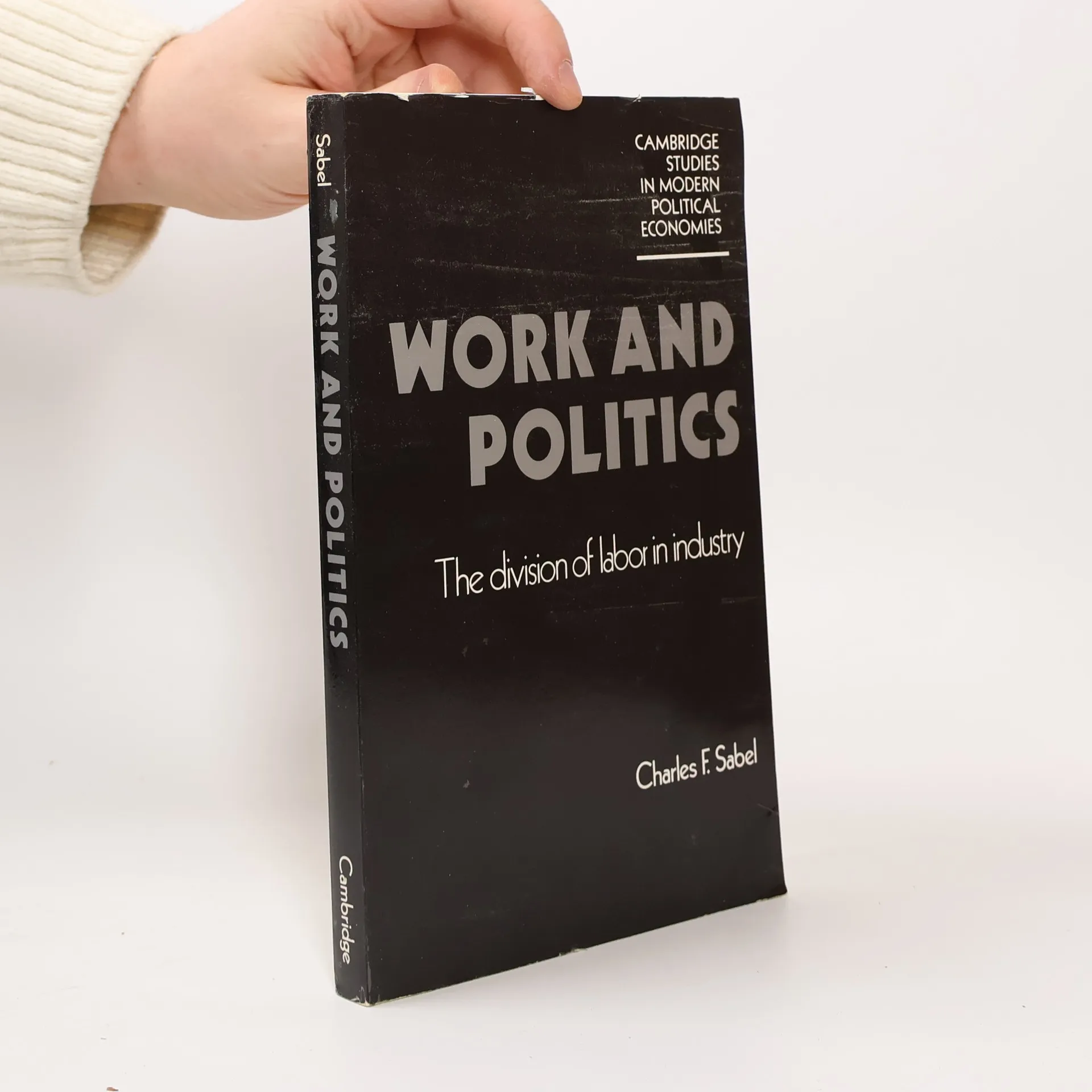
Focusing on the historical evolution of workplace relations, the book explores how the mass production system emerged from the power dynamics of 18th and 19th century Britain and the U.S. rather than technological necessity. Professor Sabel illustrates how this system shaped workers' perceptions of skill acquisition and job stability, while capitalists exploited workforce divisions to align varied worker ambitions with specific labor market roles. The analysis reveals the varying degrees of collaboration and limitations within different work groups, highlighting the complexities of industrial capitalism.
- 2000
The book features insights from leading scholars on various non-institutional strategies that modern governments can employ to address challenges such as urban decline, public administration issues, governmental regionalization, budget deficits, and the complexities of global economics. It explores the effectiveness of these approaches in enhancing governance and responding to contemporary societal challenges.