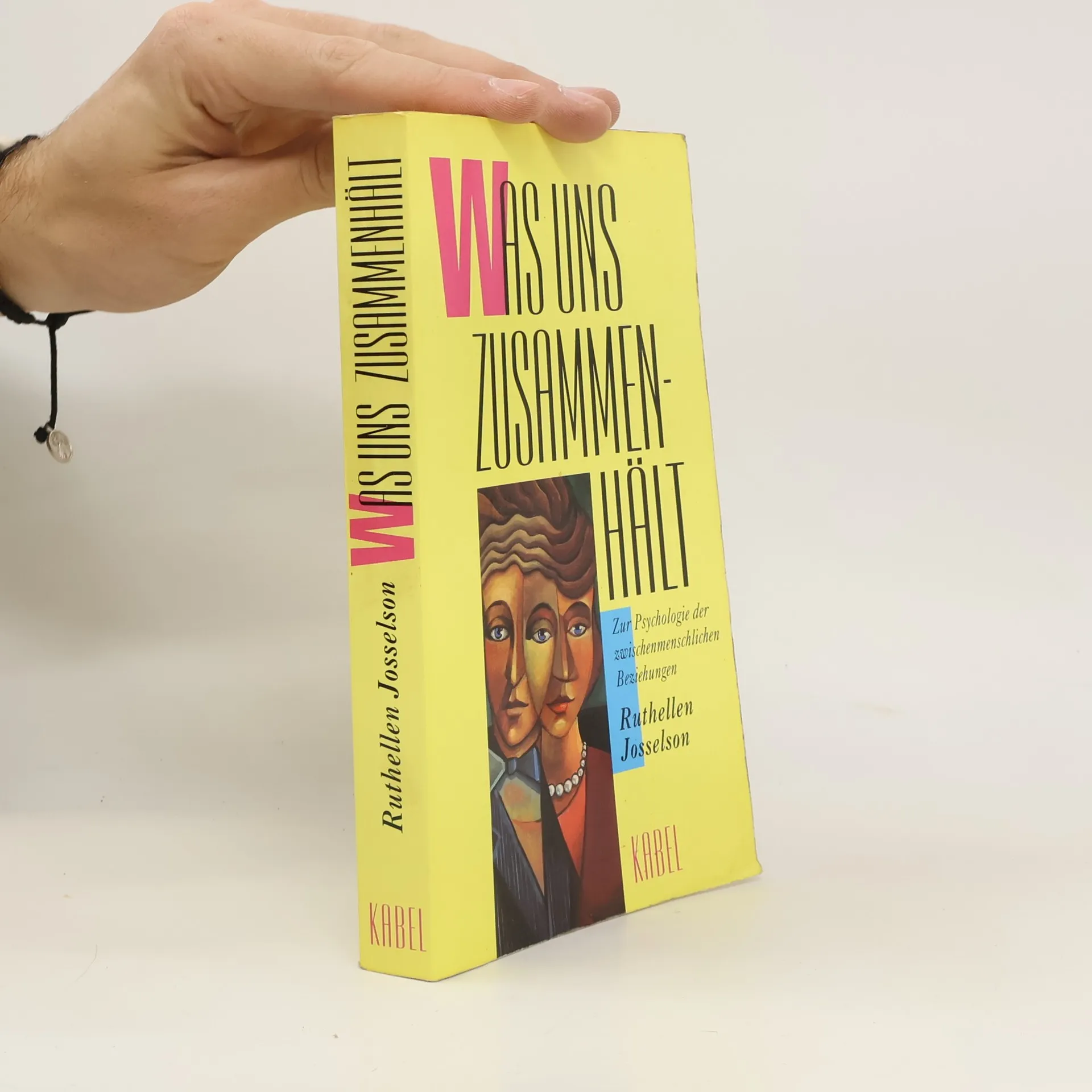
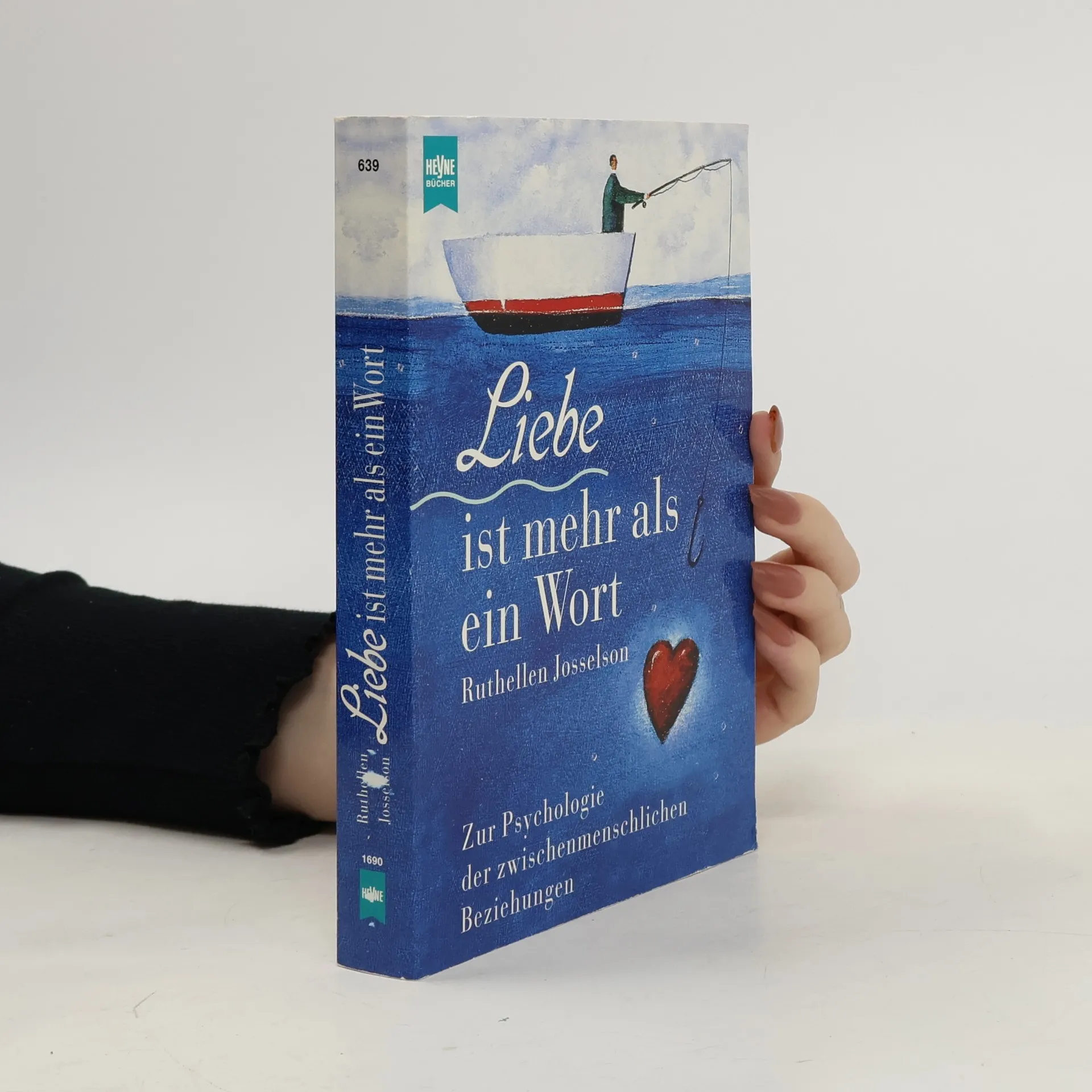
Ruthellen JosselsonOrdre des livres (chronologique)
Ruthellen Josselson, PhD, est une universitaire distinguée dont le travail explore les complexités de l'identité humaine et des relations. Forte de décennies d'expérience dans la recherche qualitative, elle utilise des méthodes narratives pour examiner le développement longitudinal de la vie des femmes et les dynamiques complexes des liens interpersonnels. Sa recherche examine avec soin la nature de l'amitié, de l'intimité et du soi en évolution. L'approche de Josselson offre des perspectives profondes sur l'expérience humaine à travers le prisme des histoires personnelles et de la profondeur psychologique.
The book explores the development of Irvin Yalom's influential ideas in psychiatry, highlighting key concepts from his writings. It offers insights into his thought process and the evolution of his theories, showcasing his impact on contemporary mental health practices.
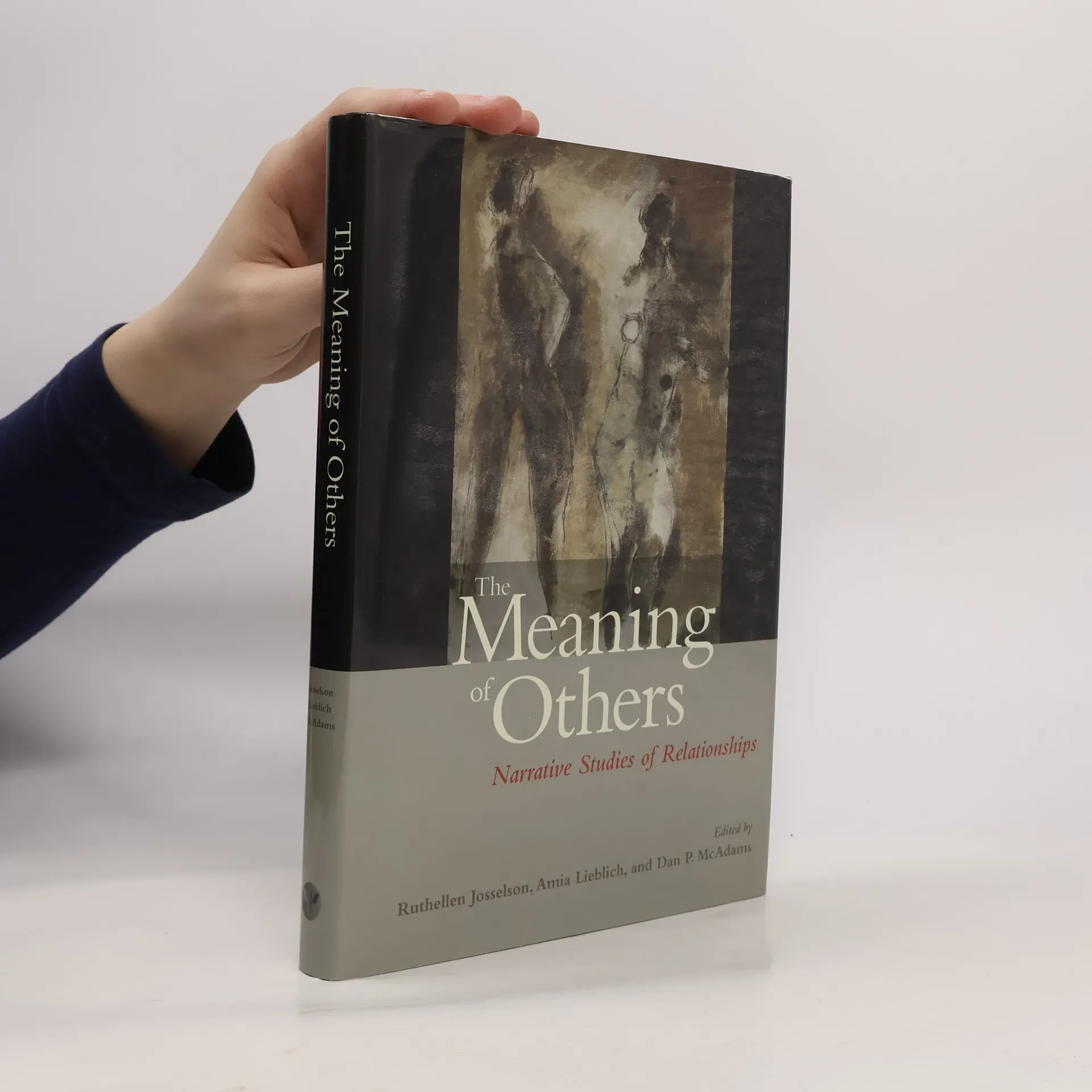
Over the past several years psychology has begun to revise its vision of the self-contained individual, while devoting more attention to relational, ecological models of self. Evolving alongside this broader conceptualization of the self have been qualitative methods of studying the self-in-relationship. Building on their previous volumes in the Narrative Study of Lives series, editors Josselson, Lieblich, and McAdams illustrate the potential for narrative analysis to present new insights on human relationships. Here they present creative exemplars of studies on how relationships with parents, friends, peers, therapists, and even members of Internet communities affect such challenging human processes as acculturation, racial identity development, secure attachment, career choice, care giving, and grief. This volume will be of interest to those who seek a more complex understanding of the experience of relationship in human development. Therapists, researchers and students of developmental, personality and clinical psychology will find much in this book that will conceptually illuminate human relationship in context and in its many narratively-structured possibilities for meaning.
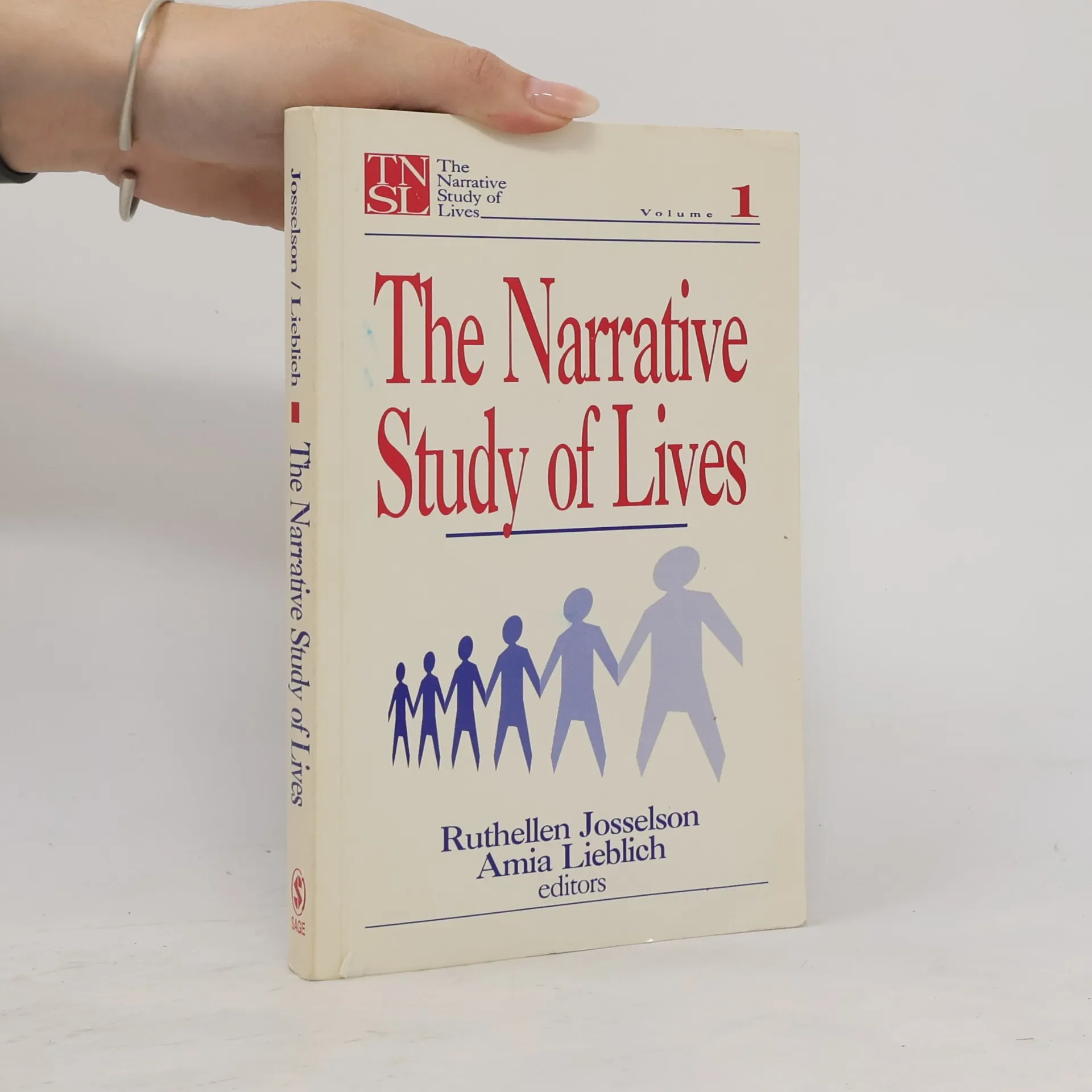
How do we derive concepts from stories and then use these concepts to understand people? What would have to be added to transform story material from the journalistic or literary to the academic and theoretically enriching? Addressing these and other issues such as the interface between life as lived and the social times, distinguished contributors explore this emerging new field in this unique volume. Beginning with the philosophical framework that underlies the study of narrative, the book covers such questions as: what makes people want to preserve the stories of their past? What methods can be used to deconstruct a narrative text? Can what we learn from people's narratives of their past be used to account for their curr