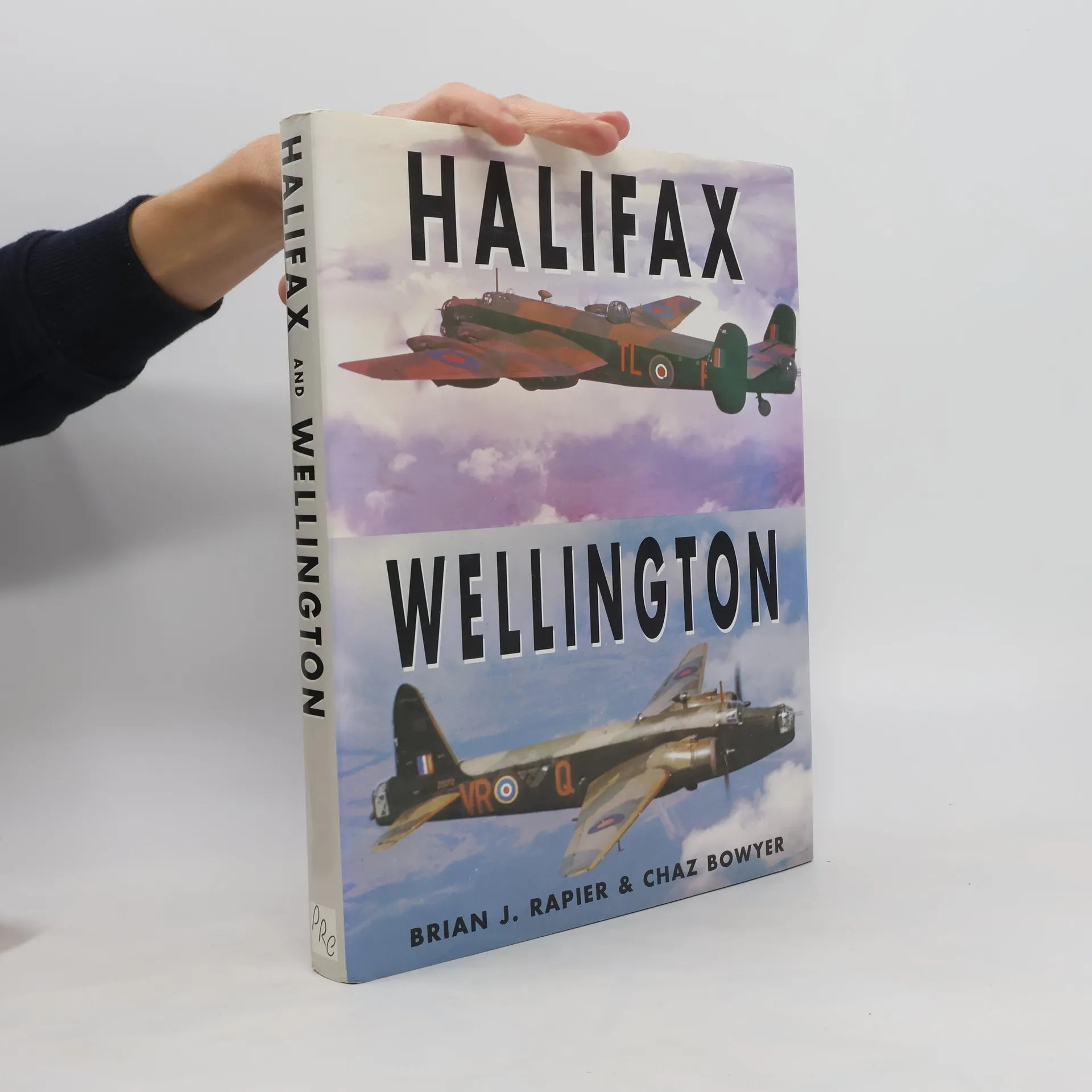
Halifax and Wellington
- 256pages
- 9 heures de lecture


Chaz Bowyer fut un historien de l'aviation dévoué qui consacra sa vie à documenter et à explorer l'histoire du vol. Sa vaste connaissance et sa profonde compréhension de l'industrie aéronautique se reflètent dans ses œuvres précises et captivantes. Il considérait son écriture comme un moyen de préserver la mémoire et l'héritage de ceux qui ont participé au développement de l'aviation. À travers ses livres, il offrit aux lecteurs un aperçu fascinant du monde du vol et de son évolution constante.
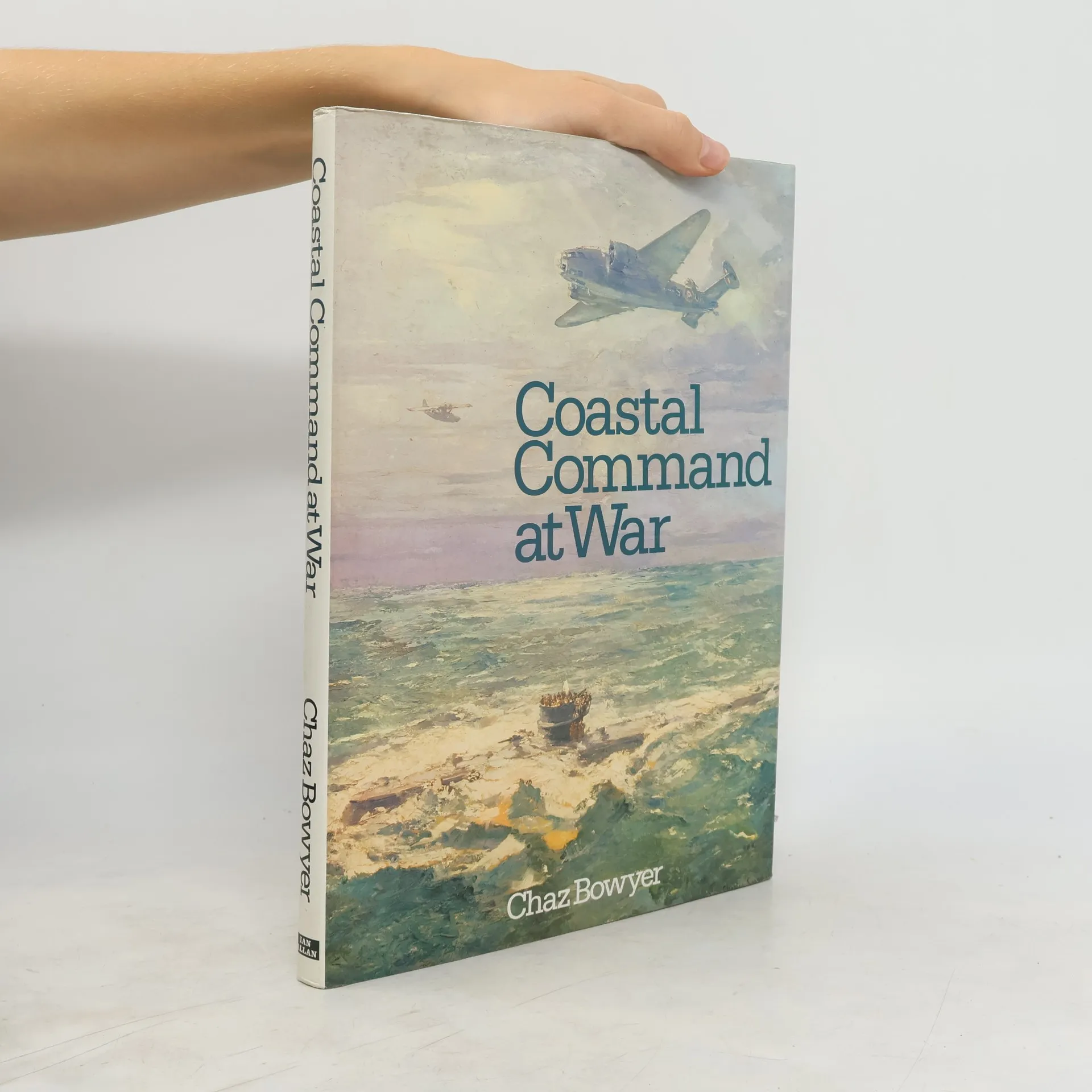
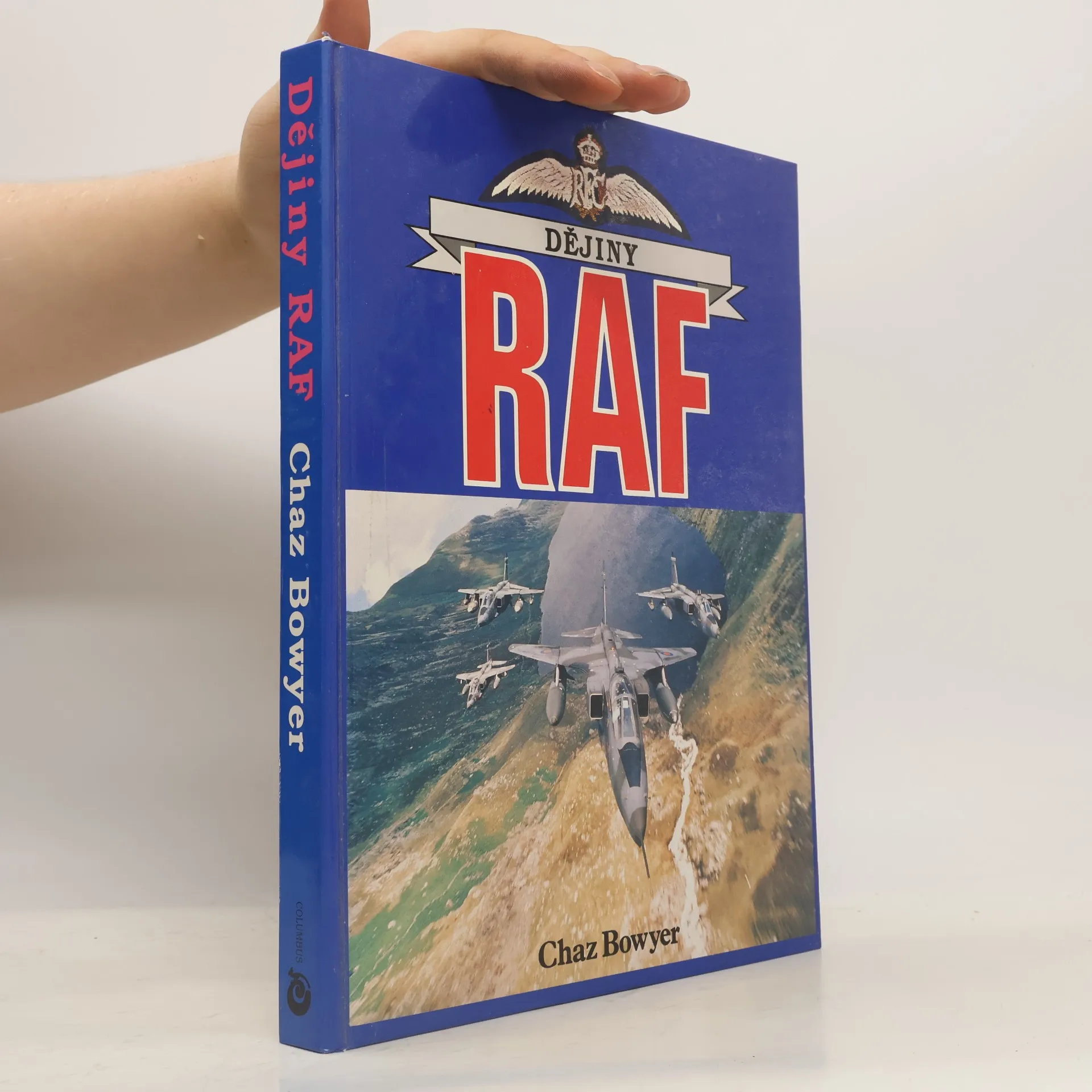
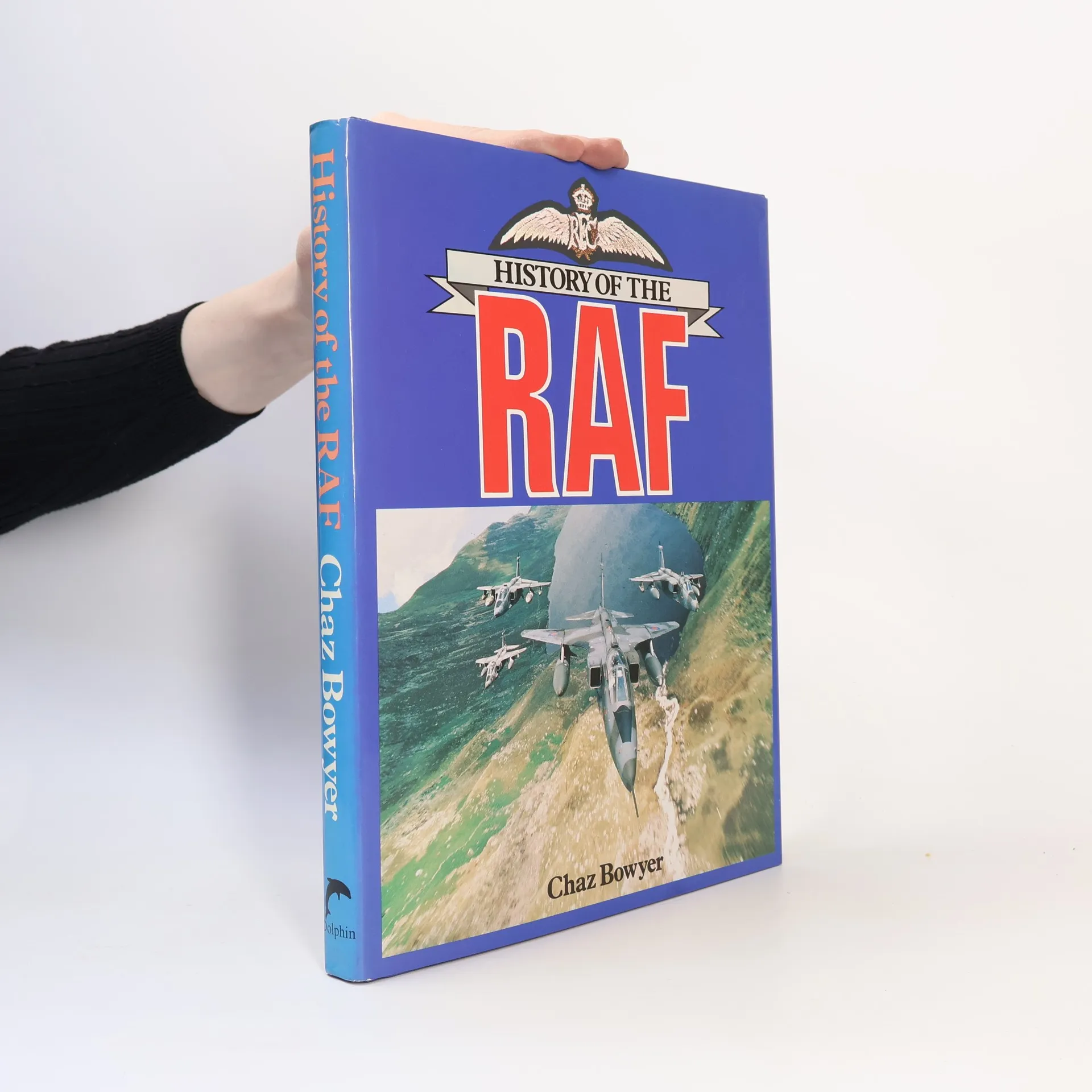
Zevrubný přehled dějin Královského vojenského letectva Velké Británie /Royal Air Force/ od svého vzniku v roce 1918 do začátku 90.let
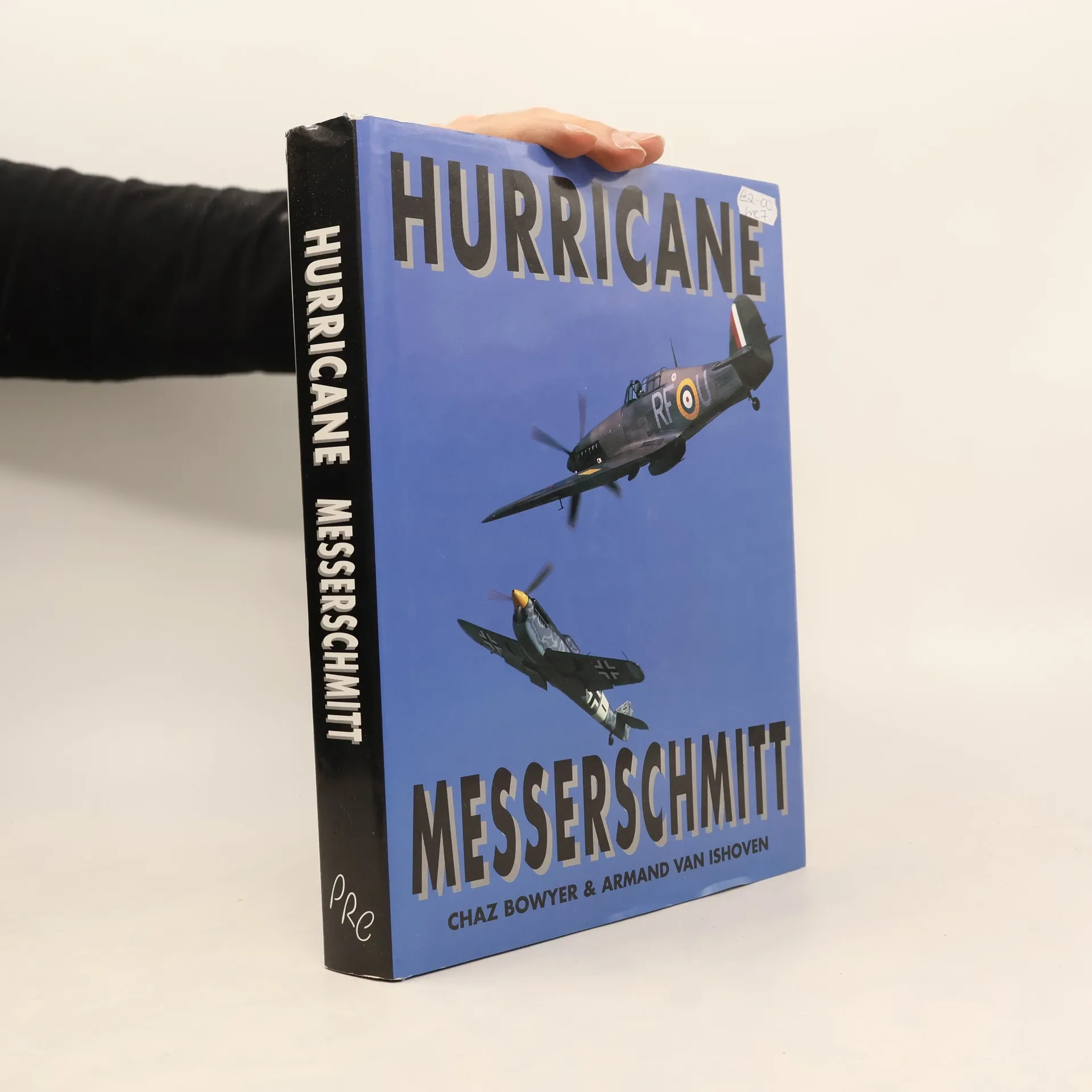
Bowyer, Chaz, Van Ishoven, Armand
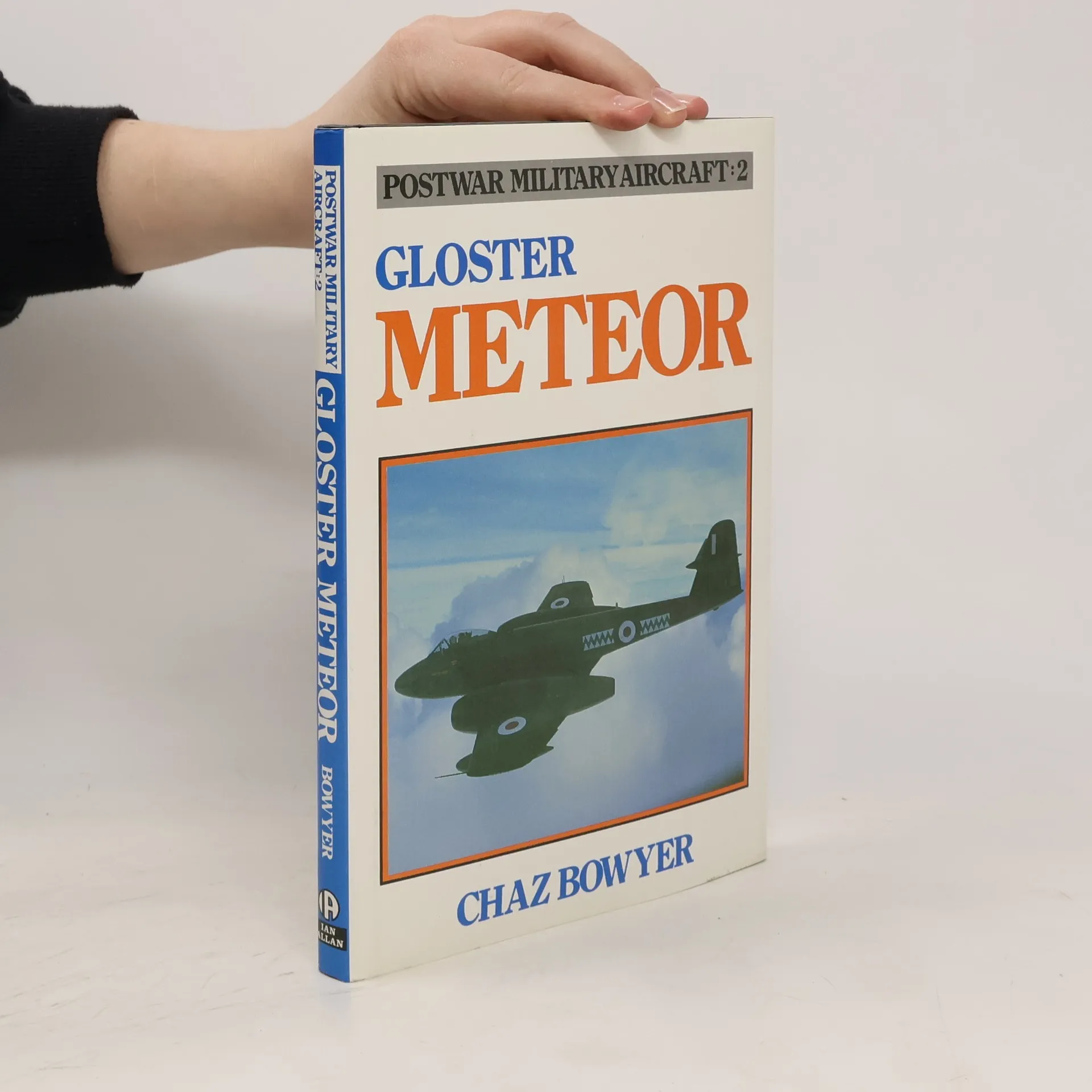
Var første jetfly i fuld operativ tjeneste i juli 1944. Tilgik senere mere end 70 eskadriller i RAF og blev eksporteret til 14 andre lande.
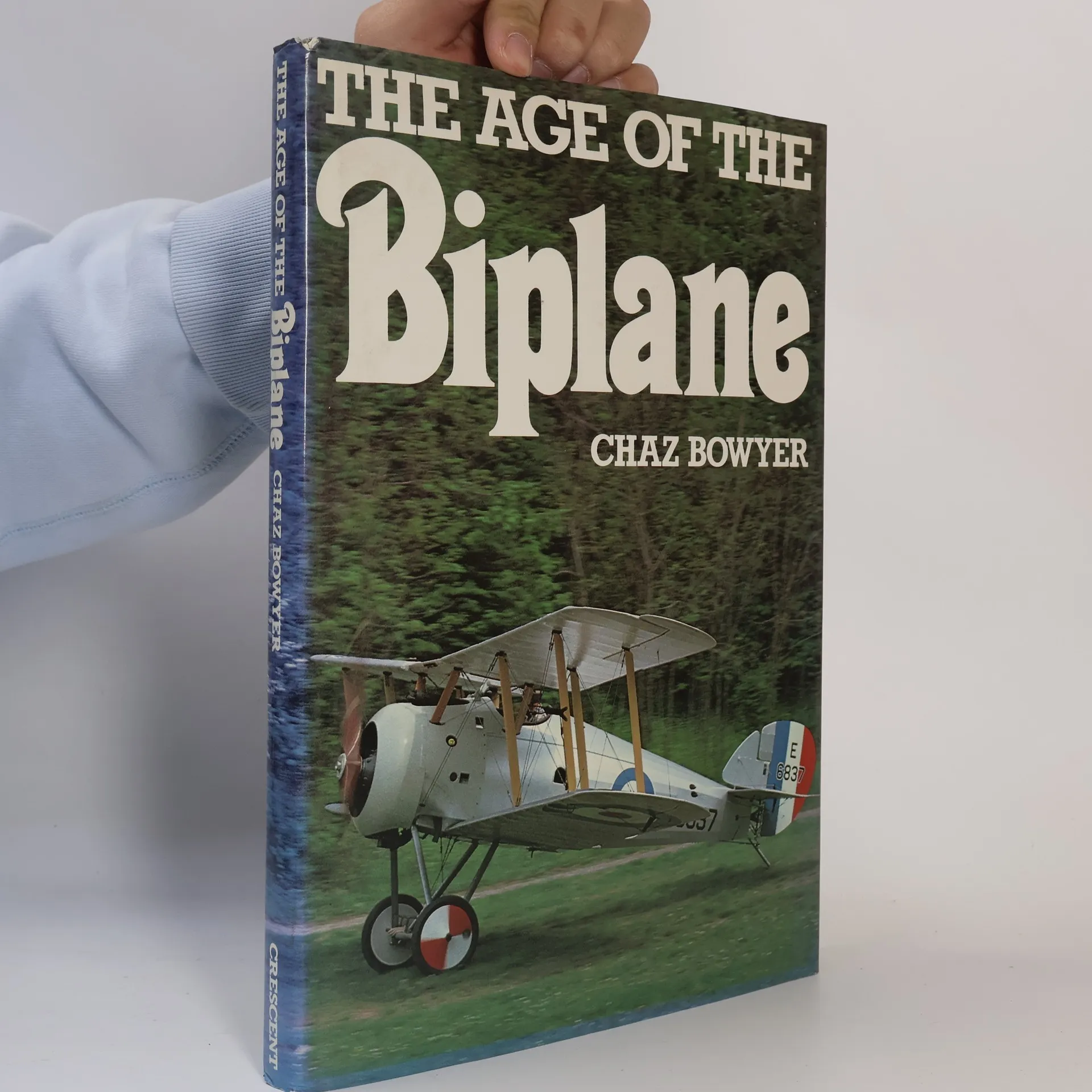
Traces the history and development of the biplane and examines its use in war, commercial aviation, and stunt flying
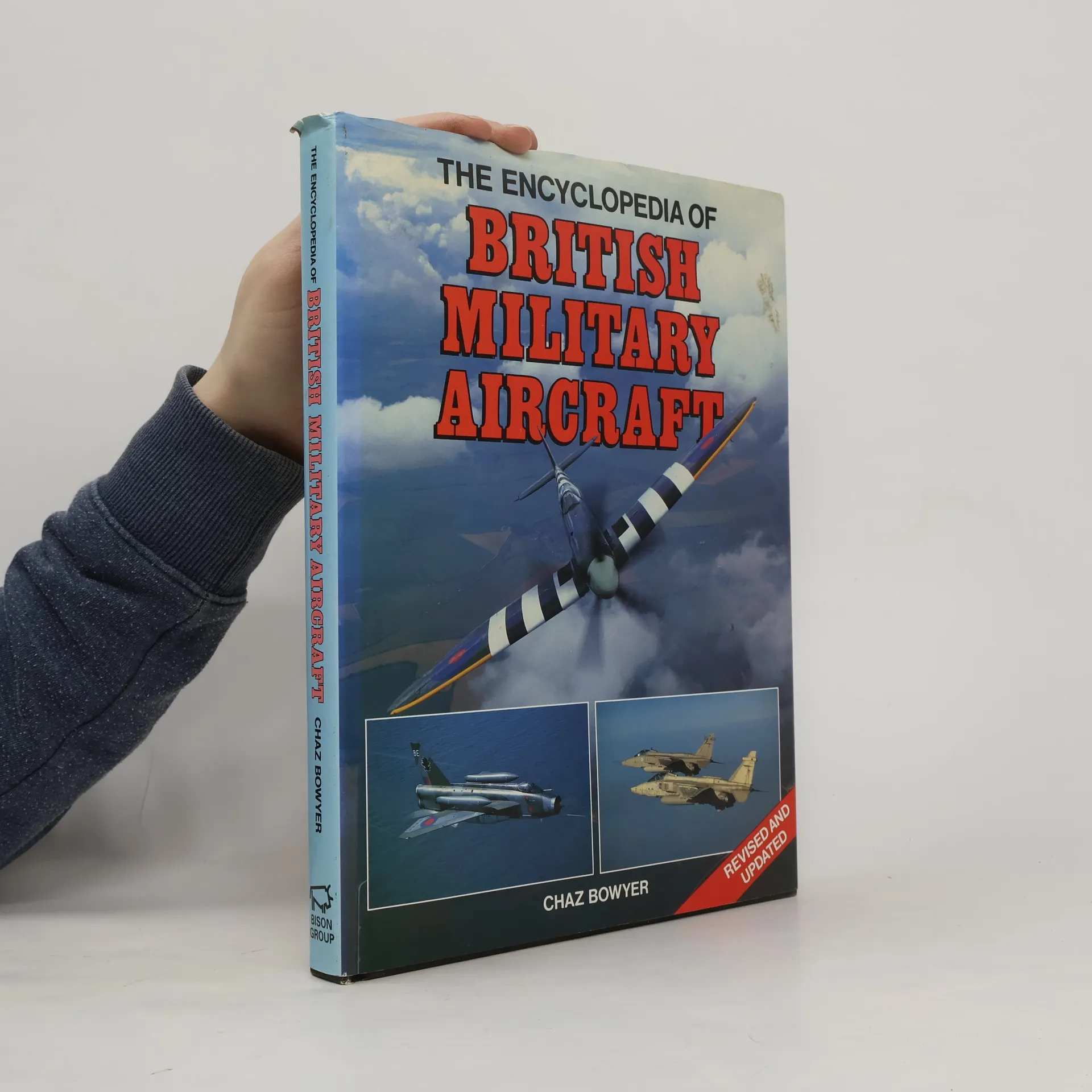
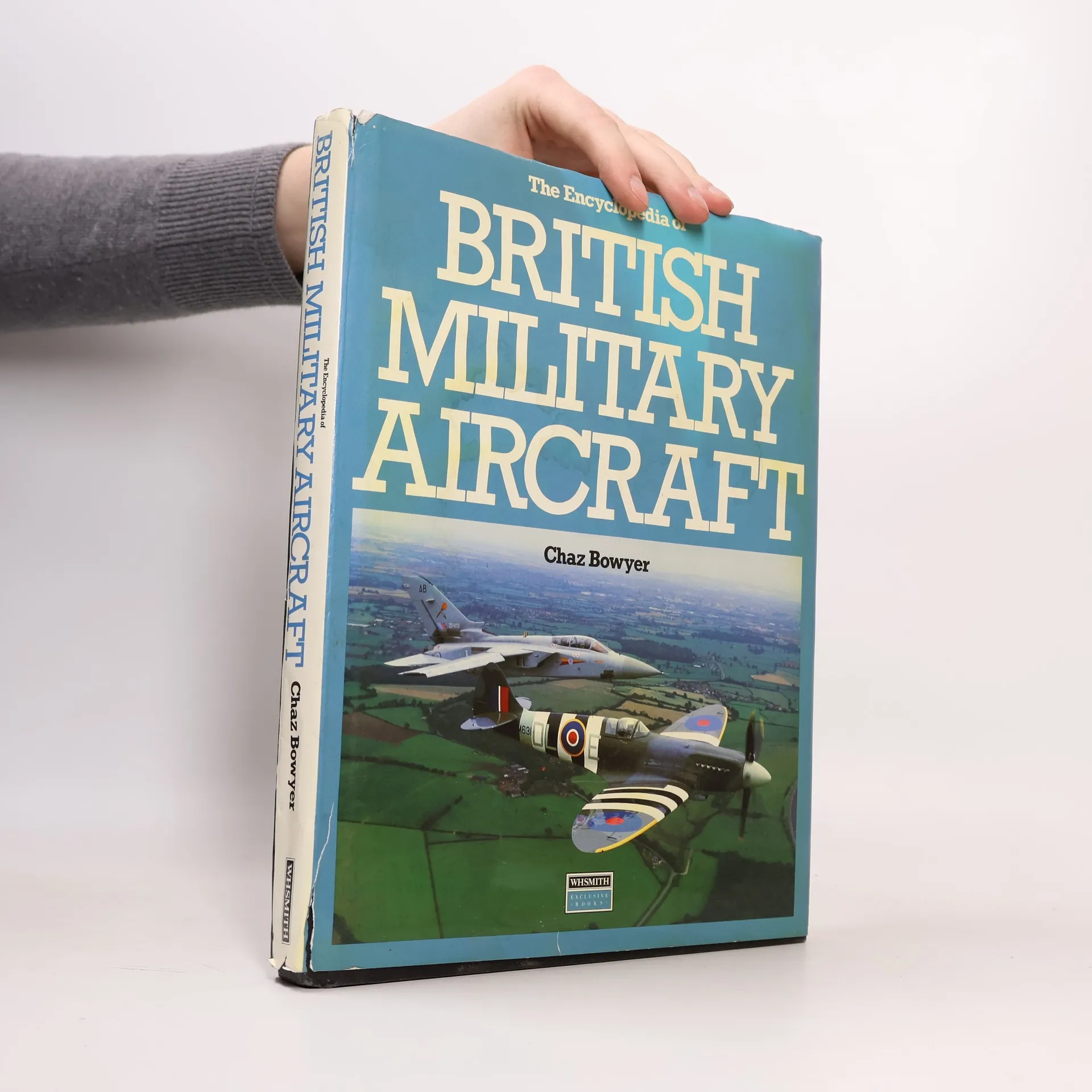
Very finely detailed history of all British military aircraft (including lighter than air) from WWI through the early 1980s. Offers excellent period photos and is supported with full specifications and comprehensive well-written text.
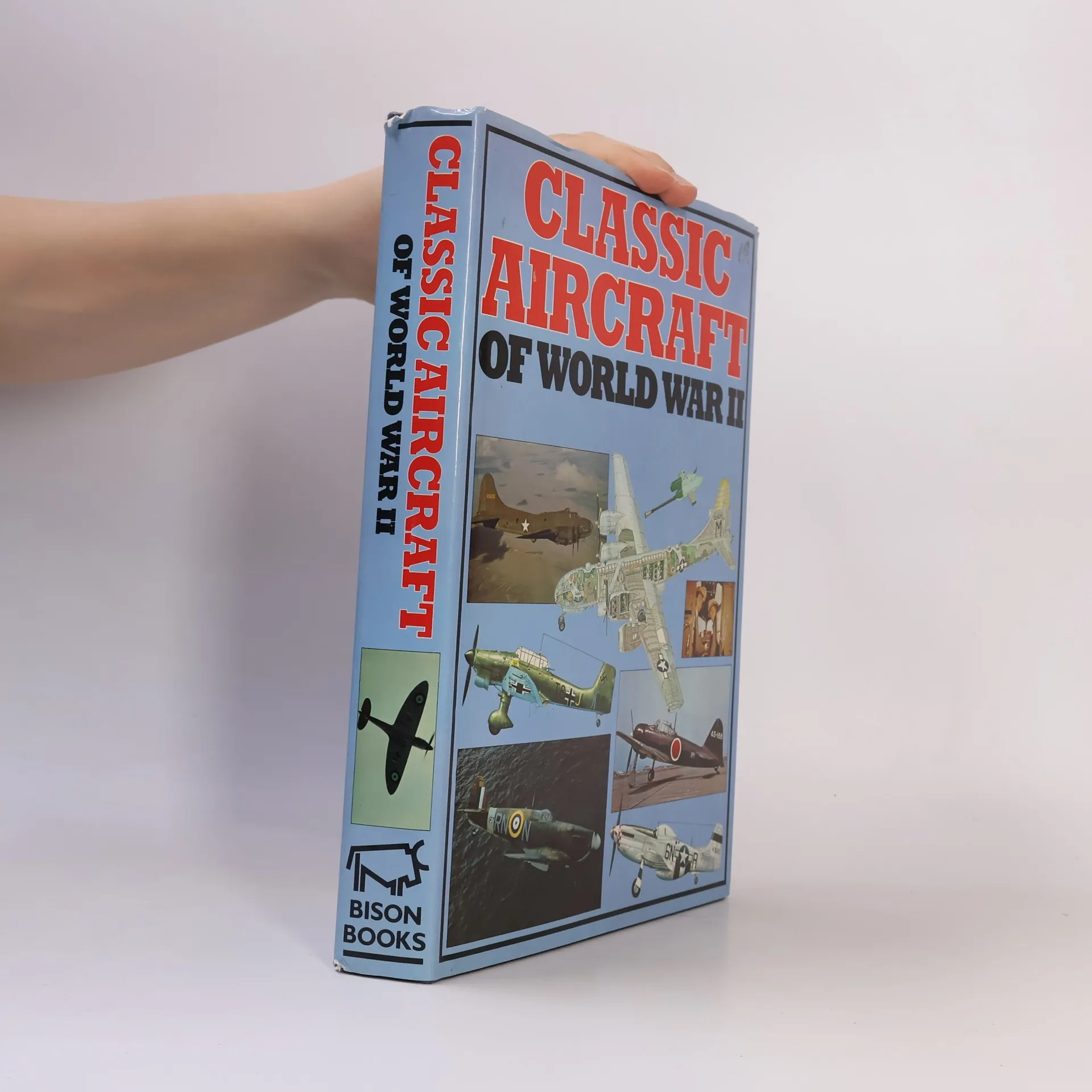
Detailed profiles, written by five aircraft historians, include data, photographs, narrative and technical drawings of six of the most significant and dramatic aircraft of World War 2.
book
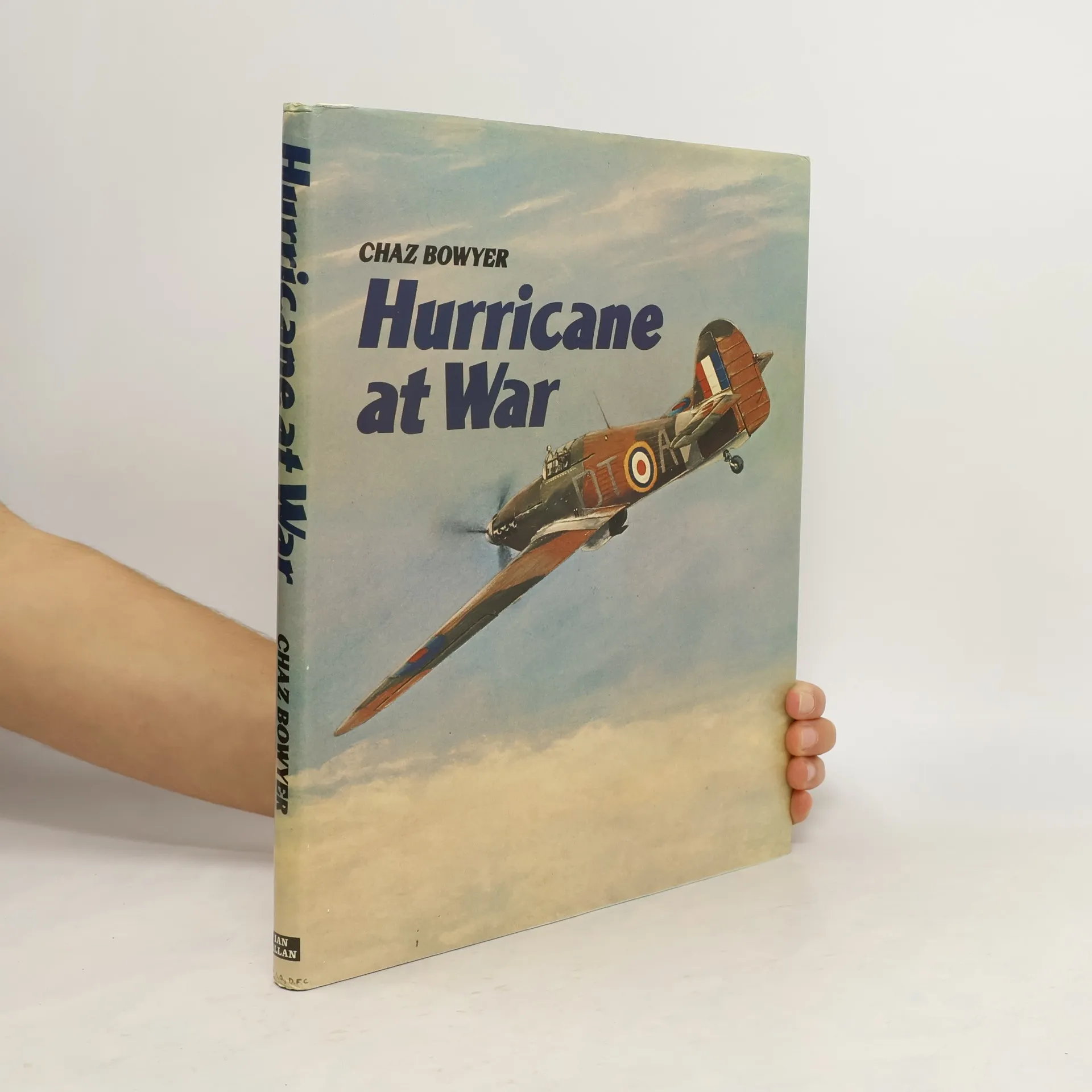
Book by Bowyer, Chaz
Reissue bound in brown cloth. 8 3/4" x 11 1/4" hardcover. A VG+ copy in a VG+ dust jacket. Bumps to the book's corners. Mild dust spotting to the edges of the page blocks. The dust jacket has mild rubs to its corners and spine tips.
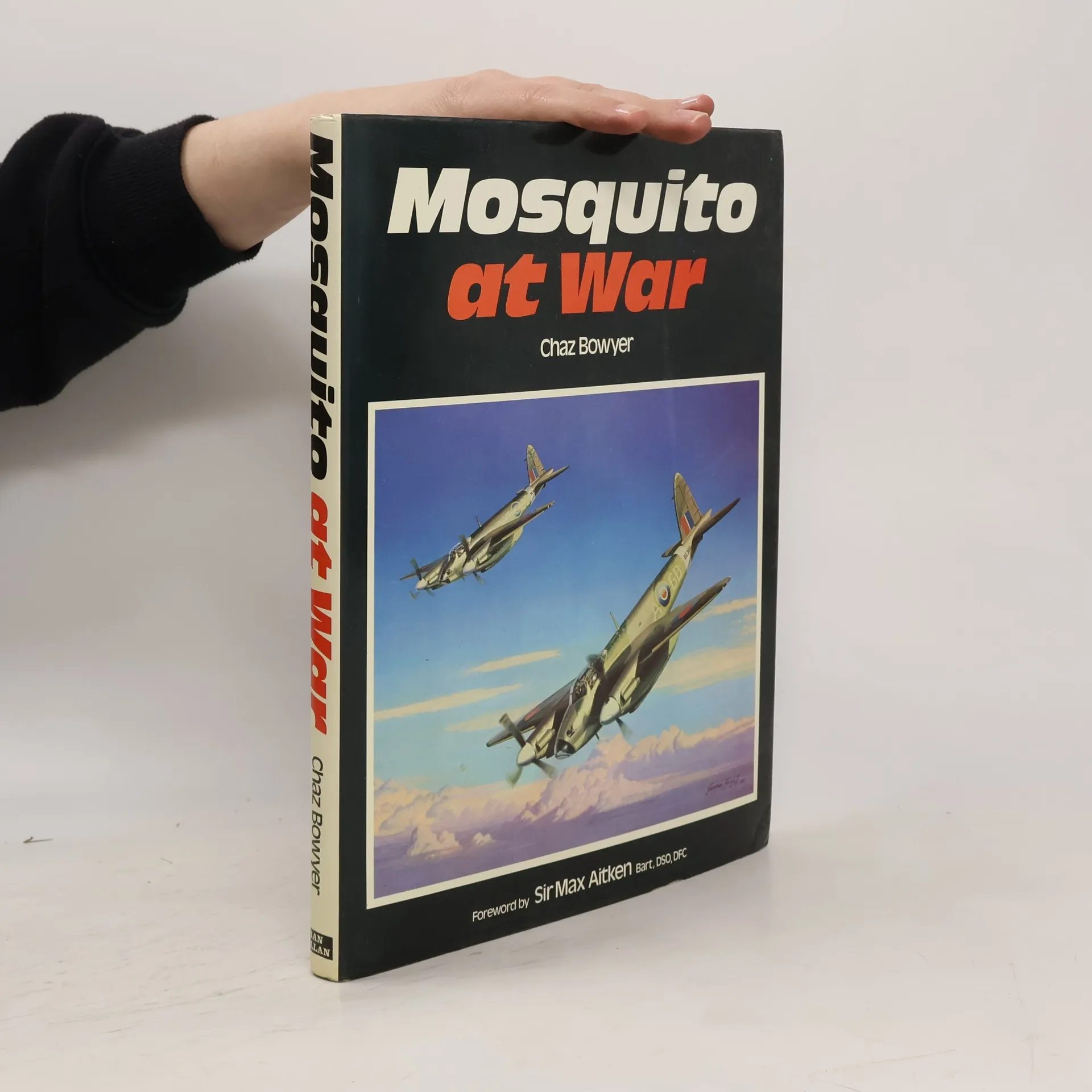
The de Havilland DH.98 Mosquito was a British multi-role combat aircraft with a two-man crew that served during and after the Second World War. It was one of few operational front-line aircraft of the era constructed almost entirely of wood and was nicknamed "The Wooden Wonder". The Mosquito was also known affectionately as the "Mossie" to its crews. Originally conceived as an unarmed fast bomber, the Mosquito was adapted to roles including low to medium-altitude daytime tactical bomber, high-altitude night bomber, pathfinder, day or night fighter, fighter-bomber, intruder, maritime strike aircraft, and fast photo-reconnaissance aircraft. It was also used by the British Overseas Airways Corporation (BOAC) as a fast transport to carry small high-value cargoes to, and from, neutral countries, through enemy-controlled airspace. A single passenger could be carried in the aircraft's bomb bay, which was adapted for the purpose
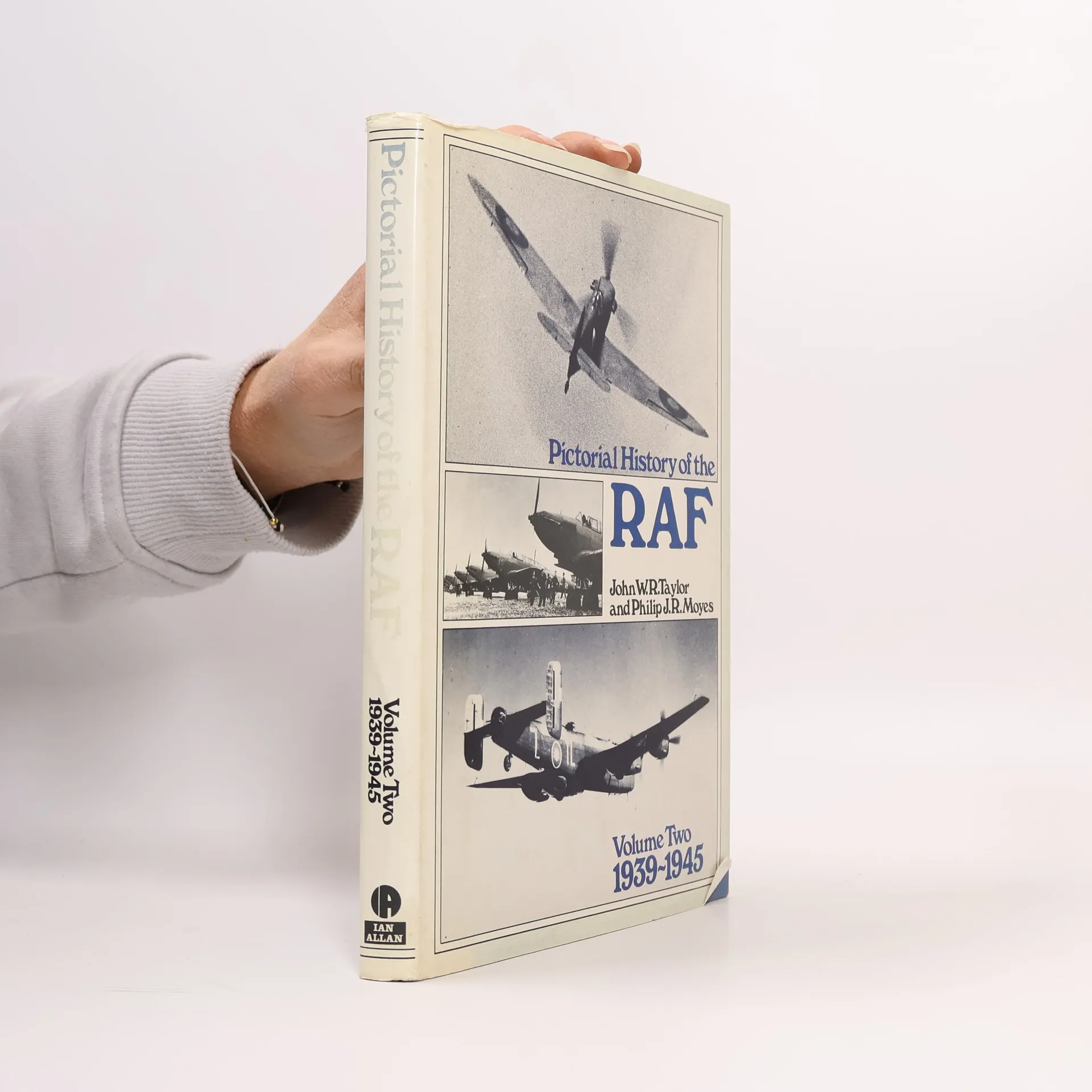
Volume Three 1945-1969