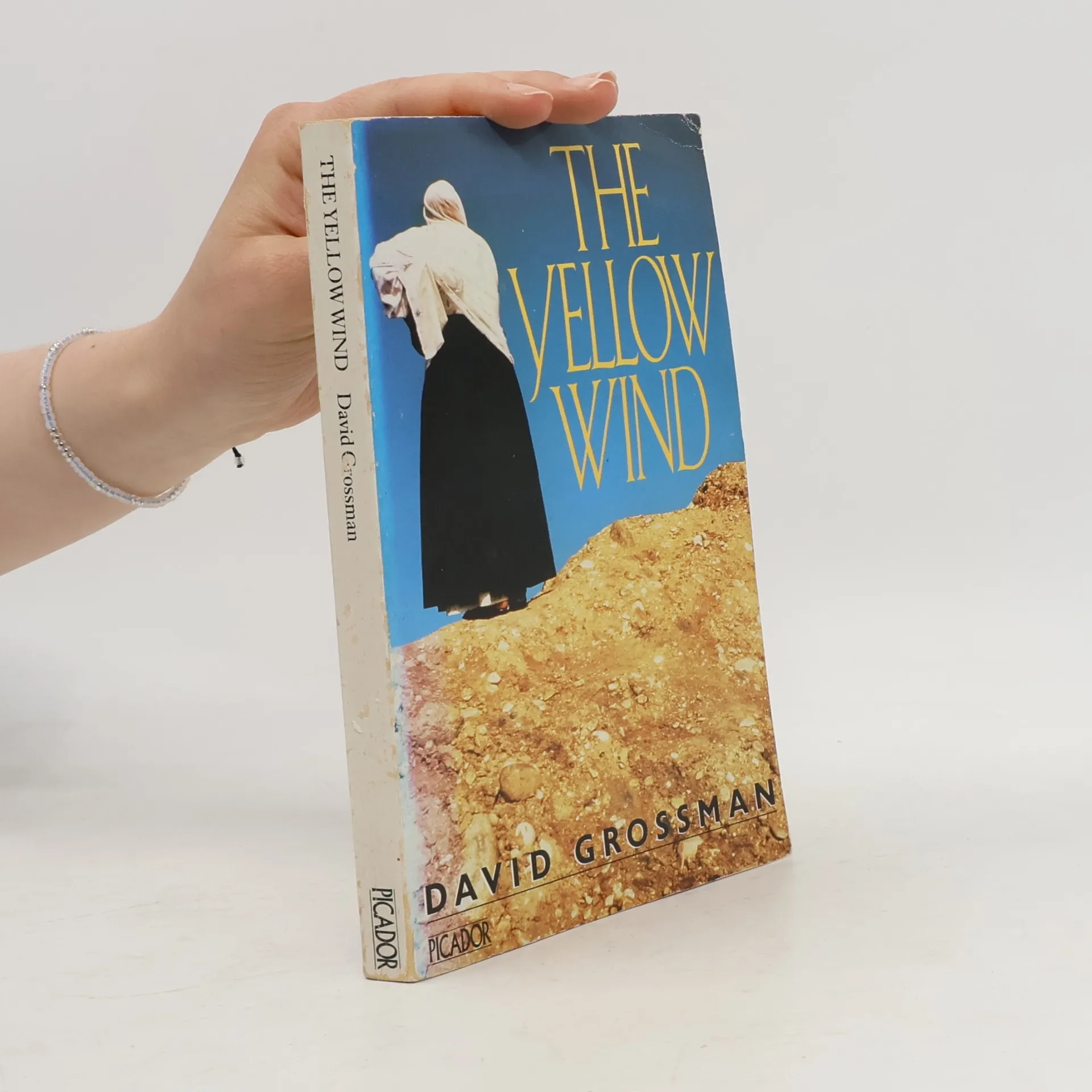
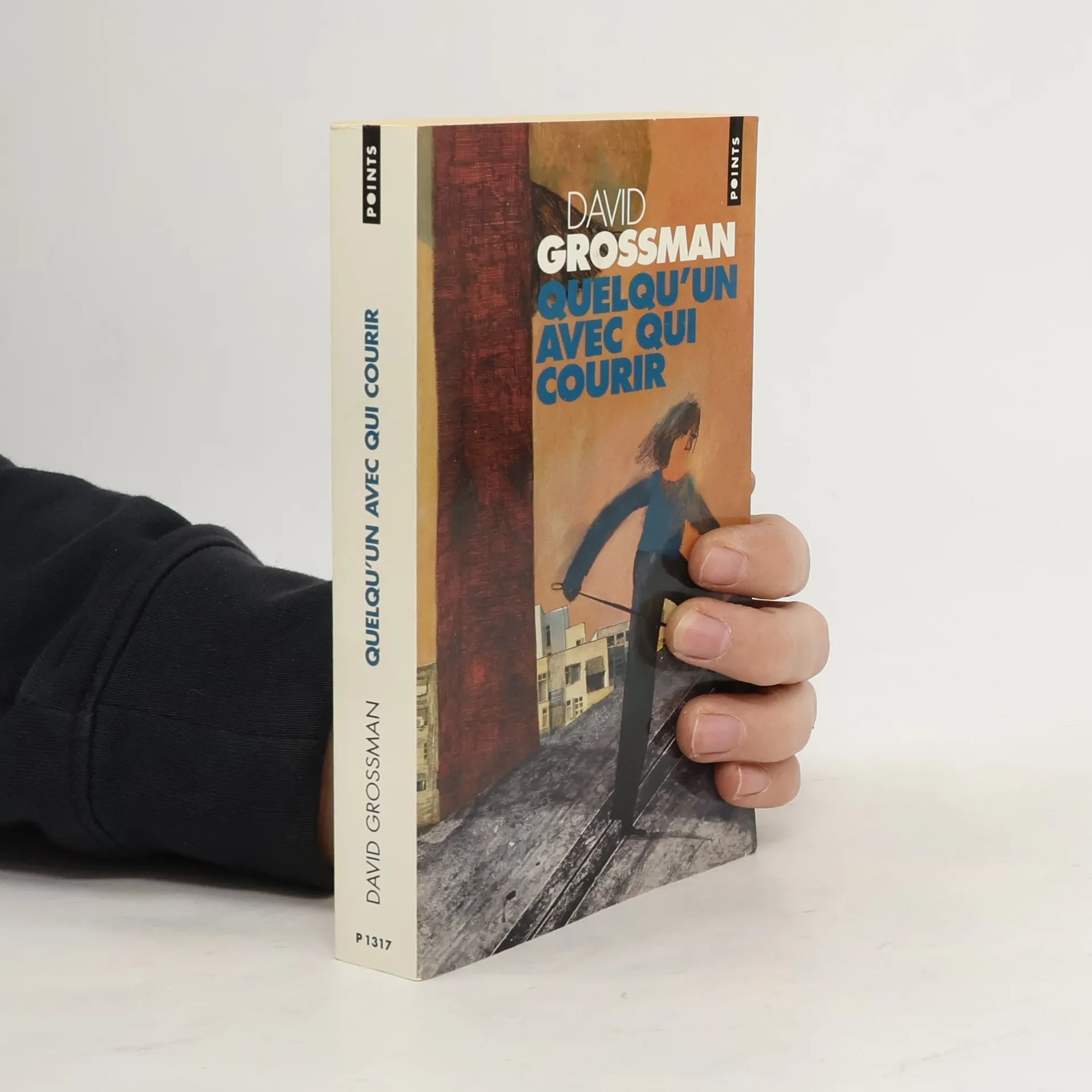
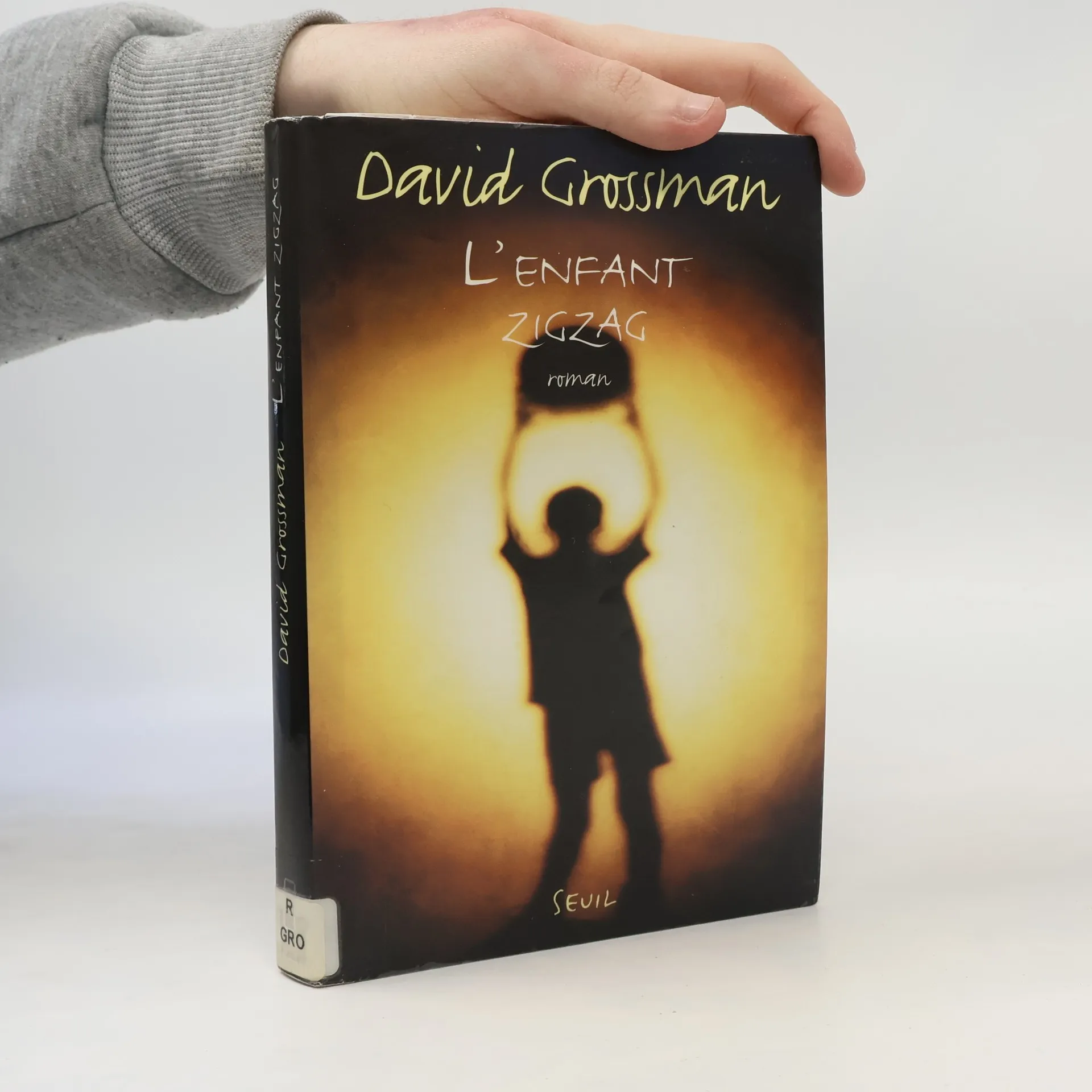
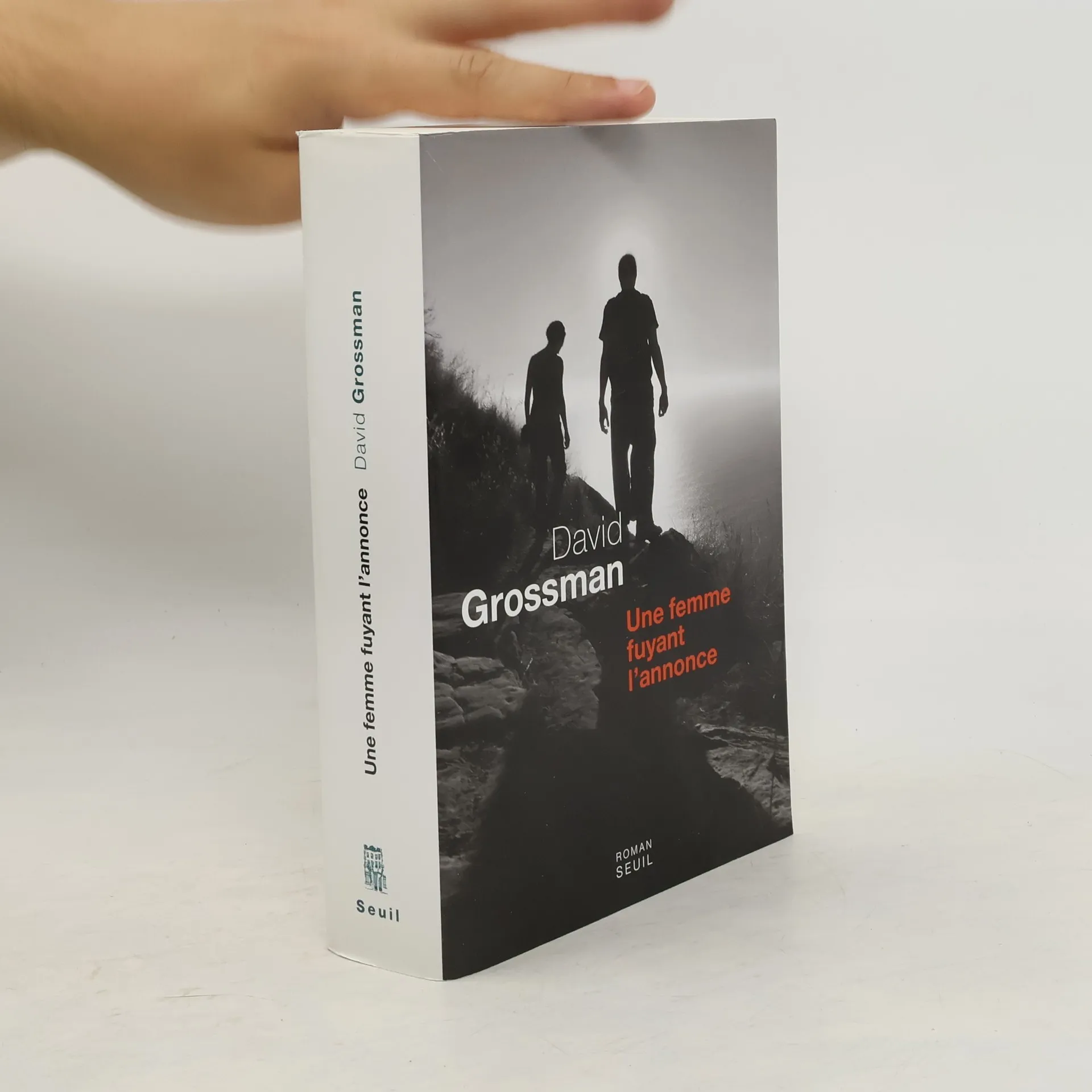
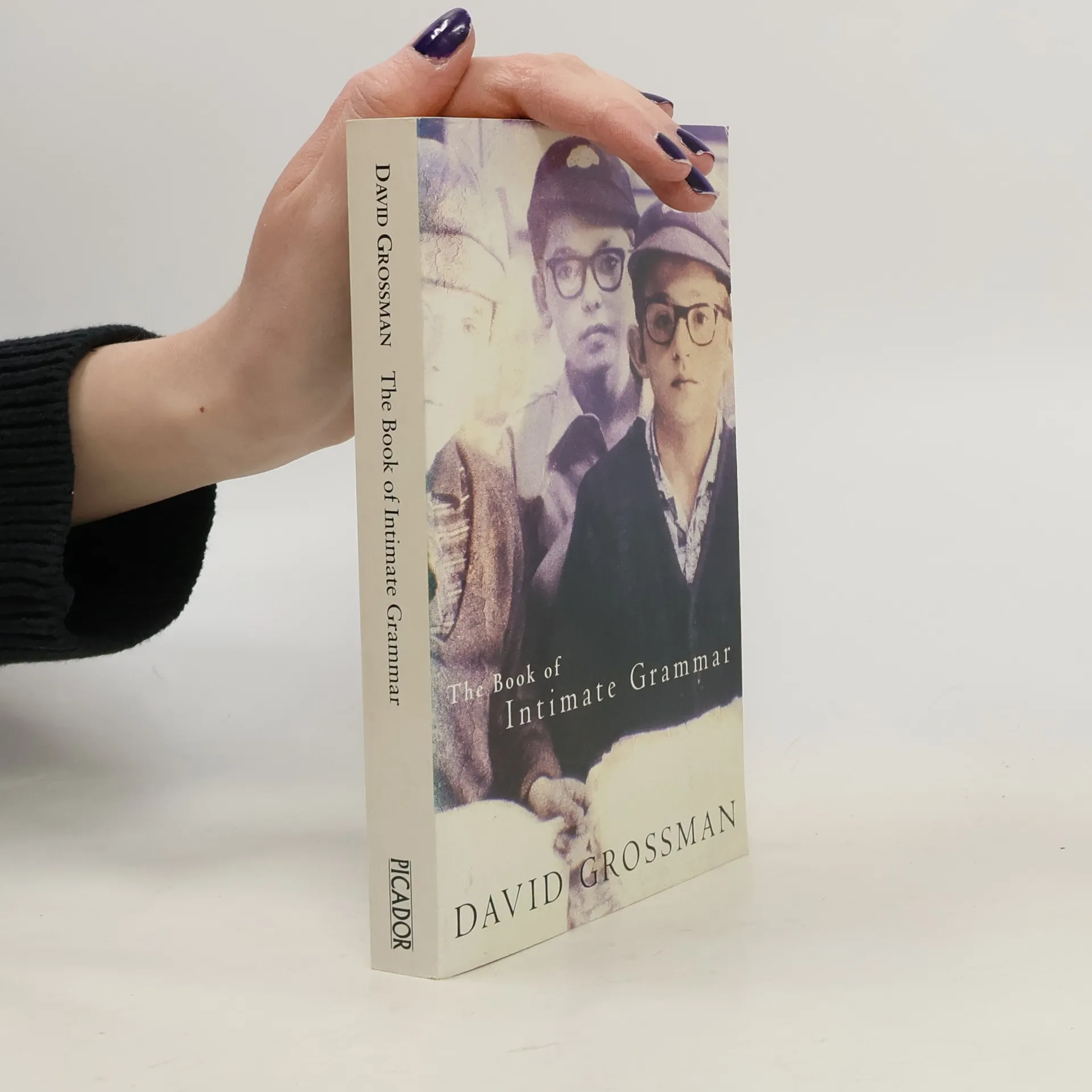
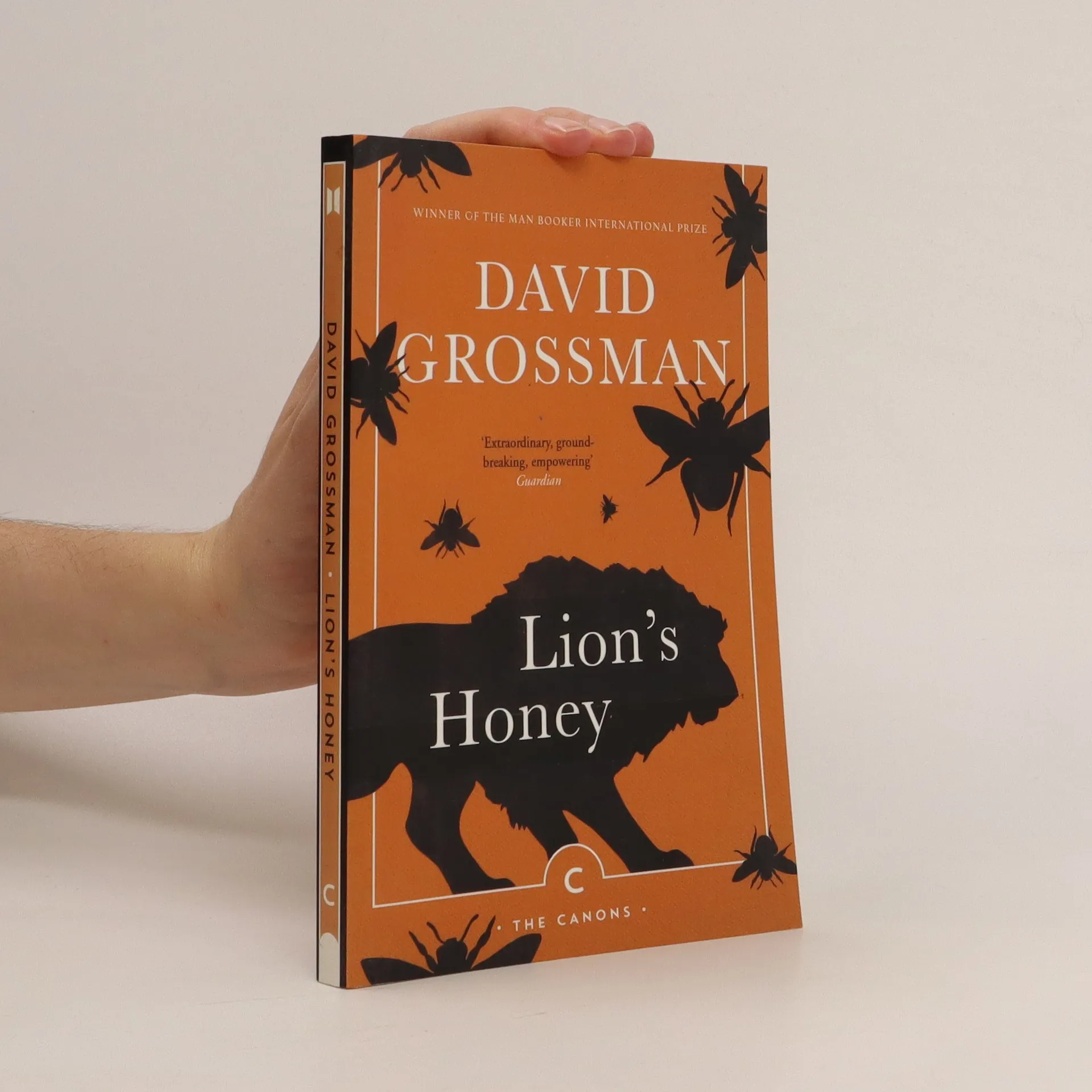
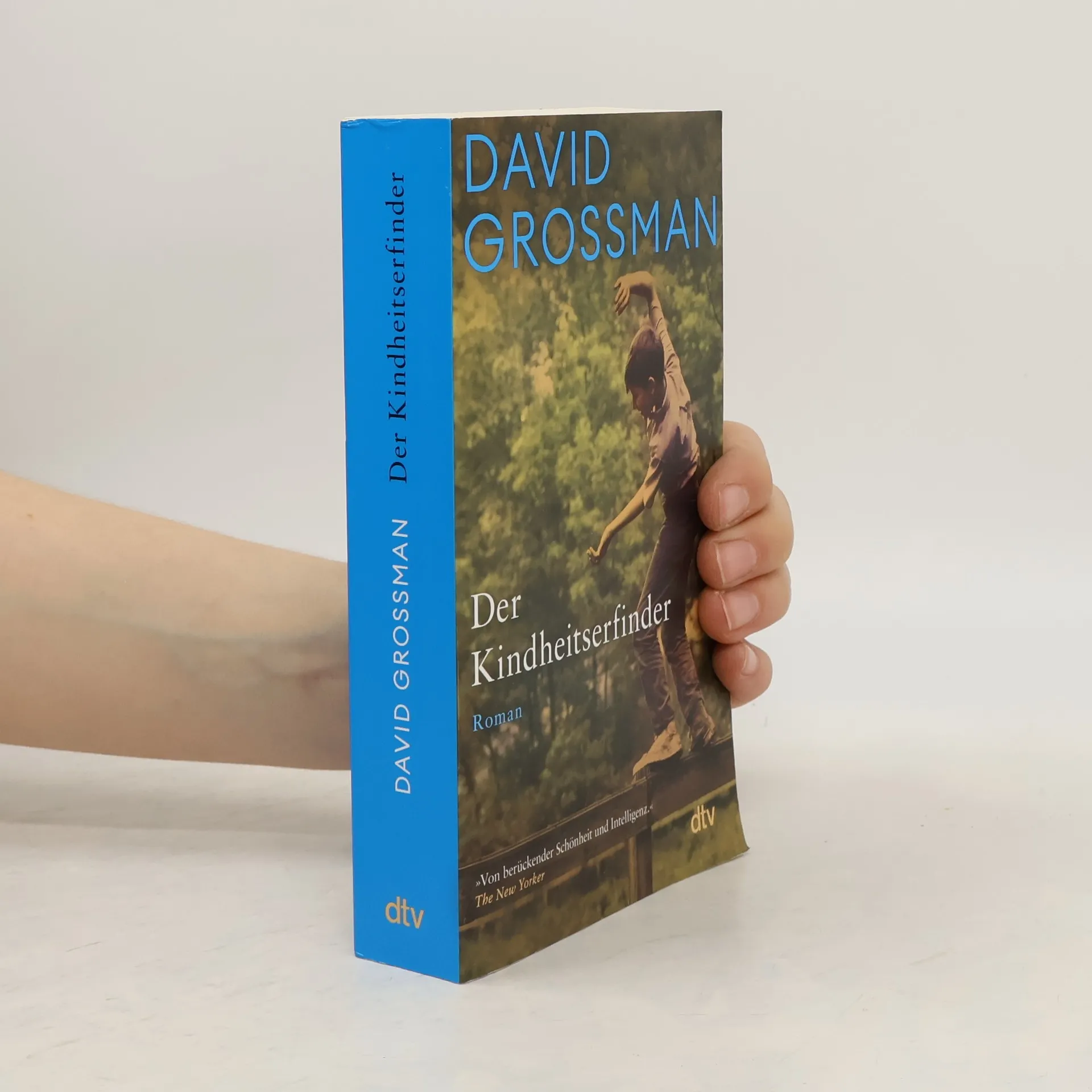
David Grossman est un romancier israélien de premier plan dont l'œuvre explore en profondeur les complexités de la psyché humaine et les enjeux sociétaux. Il applique son bagage en philosophie et en théâtre à des récits qui examinent souvent les thèmes de la mémoire, du traumatisme et de la quête d'identité. Le style de Grossman est réputé pour sa profondeur psychologique intense et sa prose lyrique, capturant les expériences humaines les plus intimes. Ses textes, façonnés par le paysage israélien, résonnent d'un message universel sur la vulnérabilité et la résilience de l'esprit humain.
Ora décide de quitter Jérusalem et de partir effectuer une randonnée à travers le pays pendant 28 jours. Durant cette période, son fils, Ofer s'est porté volontaire pour une mission dans une ville palestinienne. Ora pense que si elle n'est pas présente pour apprendre la nouvelle de sa mort, son fils vivra. Elle part en compagnie de son amour de jeunesse, Avram.--[Memento]
" Qui suis-je ? Qui suis-je ? " s'interroge Nono Fayerberg, fils d'un célèbre policier de Jérusalem. Pourtant quand, à la veille de son treizième anniversaire, il monte dans le train pour se rendre chez son oncle, il ne se doute pas qu'il n'arrivera jamais à destination. Car dès l'instant où l'enfant rencontre le mystérieux et séduisant Félix, l'inconnu l'entraîne dans une aventure fantastique, avec détournement de train, kidnapping à bord d'une fabuleuse Bugatti- la seule en Israël ! -, dîner en resquille, fuite nocturne pour échapper à la police, visite à la célèbre actrice Lola Chiperolla ; Mais qui est Félix Glick ? Comment est-il si bien informé sur Nono et ses parents, notamment Zohara, la mère qu'il n'a jamais connu ? Pourquoi nourrit-il une telle haine à l'égard de son père ? Dans quel but secret l'embarque-t-il dans cette course folle à travers le pays ? Tel est le périple, véritable voyage initiatique au terme duquel Nono parviendra à résoudre toutes les énigmes, obtenir la réponse à sa question "Qui suis-je ? " et exaucer son vœu le plus cher. En bref, il sera devenu un homme. David Grossman nous offre ici un livre magique, pétillant d'invention. Rarement un écrivain aura su avec autant de vérité, de poésie et de jubilation restituer le monde de l'enfance, pour le plus grand bonheur des adultes.
Retrouver le maître d’un chien égaré : voilà le job d’été, a priori banal, que décroche Assaf, 16 ans. Arpentant les dédales de Jérusalem, où naviguent jeunes à la dérive et redoutables dealers, il va pourtant être entraîné dans une aventure initiatique dont Tamar, adolescente mystérieusement disparue, est le centre. Un roman d’apprentissage mené sur un rythme endiablé.
Je voudrais que tu viennes voir mon spectacle. Regarde bien et dis-moi. Quoi ? Ce que tu as vu. Avishaï et Dovalé ont perdu contact depuis l’enfance. À présent, assis dans le bar, Avishaï ne peut plus reculer. Sur scène, les mots de Dovalé fusent avec un débit de mitraillette. Ensorceleur, cynique, provoquant... il est un funambule sur son fil. Jusqu’à ce que le masque se fende et que tout s’écroule. David Grossman est né à Jérusalem en 1954. Officier de l’ordre des Arts et des Lettres, il est l’auteur d’essais engagés et de nombreux romans abondamment primés, dont Une femme fuyant l’annonce , prix Médicis étranger. Tous sont disponibles en Points.
Israel: Jewish state and national homeland to Jews the world over. But a fifth
of its population is Arab, a people who feel themselves to be an inseparable
part of the Arab nation, most of which is still technically at war with the
State of Israel.
A brilliant and passionate firsthand report on the Palistinian dilemma by Israel's leading young writer, here is one of the most controversial and importan t works of political reportage in recent history.
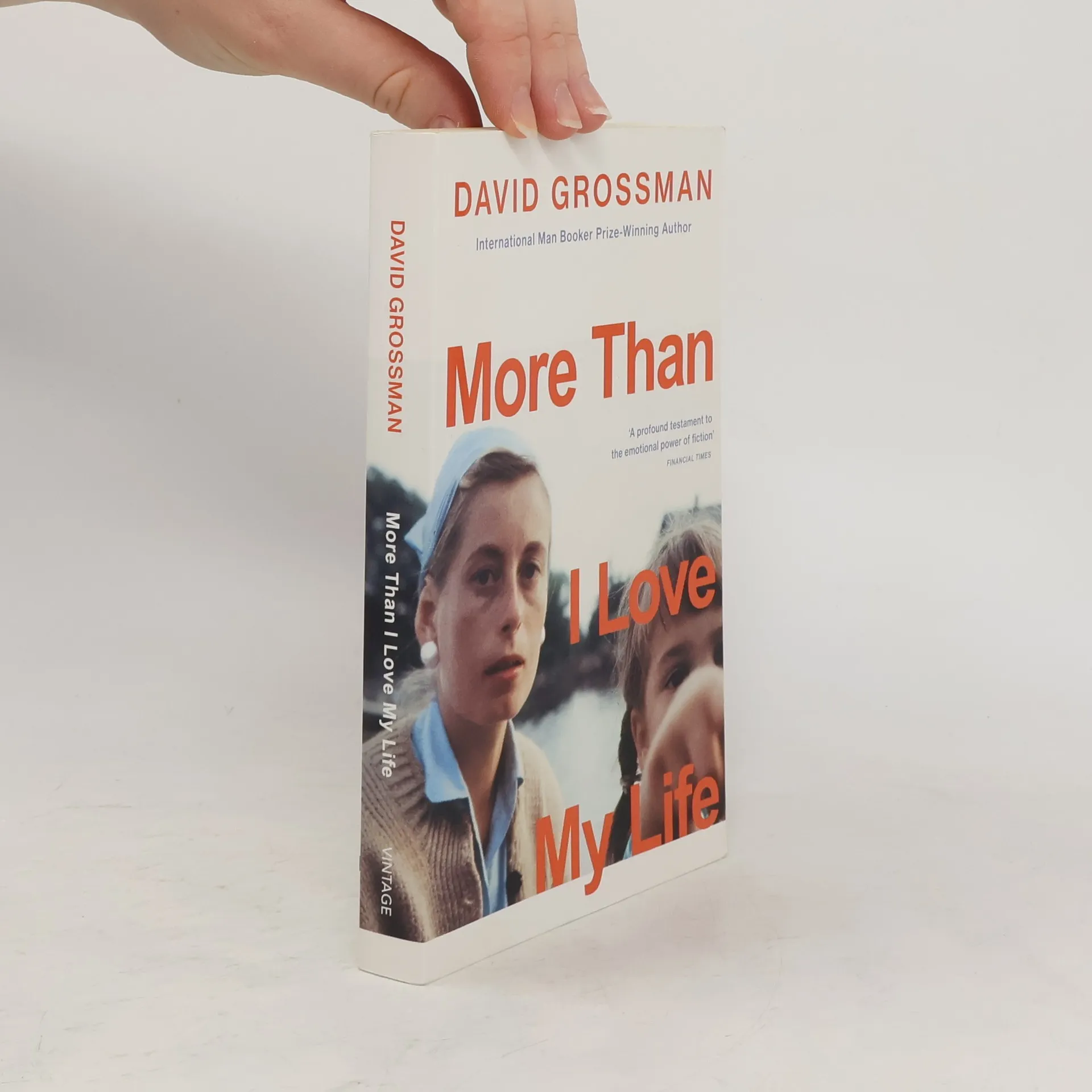
On a kibbutz in Israel in 2008, Gili is celebrating the ninetieth birthday of her grandmother Vera, the adored matriarch of a sprawling and tight-knit family. But festivities are interrupted by the arrival of Nina: the iron-willed daughter who rejected Vera's care; and the absent mother who abandoned Gili when she was still a baby. Nina's return to the family after years of silence precipitates an epic journey from Israel to the desolate island of Goli Otok, formerly part of Yugoslavia. It was here, five decades earlier, that Vera was held and tortured as a political prisoner. And it is here that the three women will finally come to terms with the terrible moral dilemma that Vera faced, and that permanently altered the course of their lives. More Than I Love My Life is a sweeping story about the power of love and loving with courage. A novel driven by faith in humanity even in our darkest moments, it asks us to confront our deepest held beliefs about a woman's duty to herself and to her children.
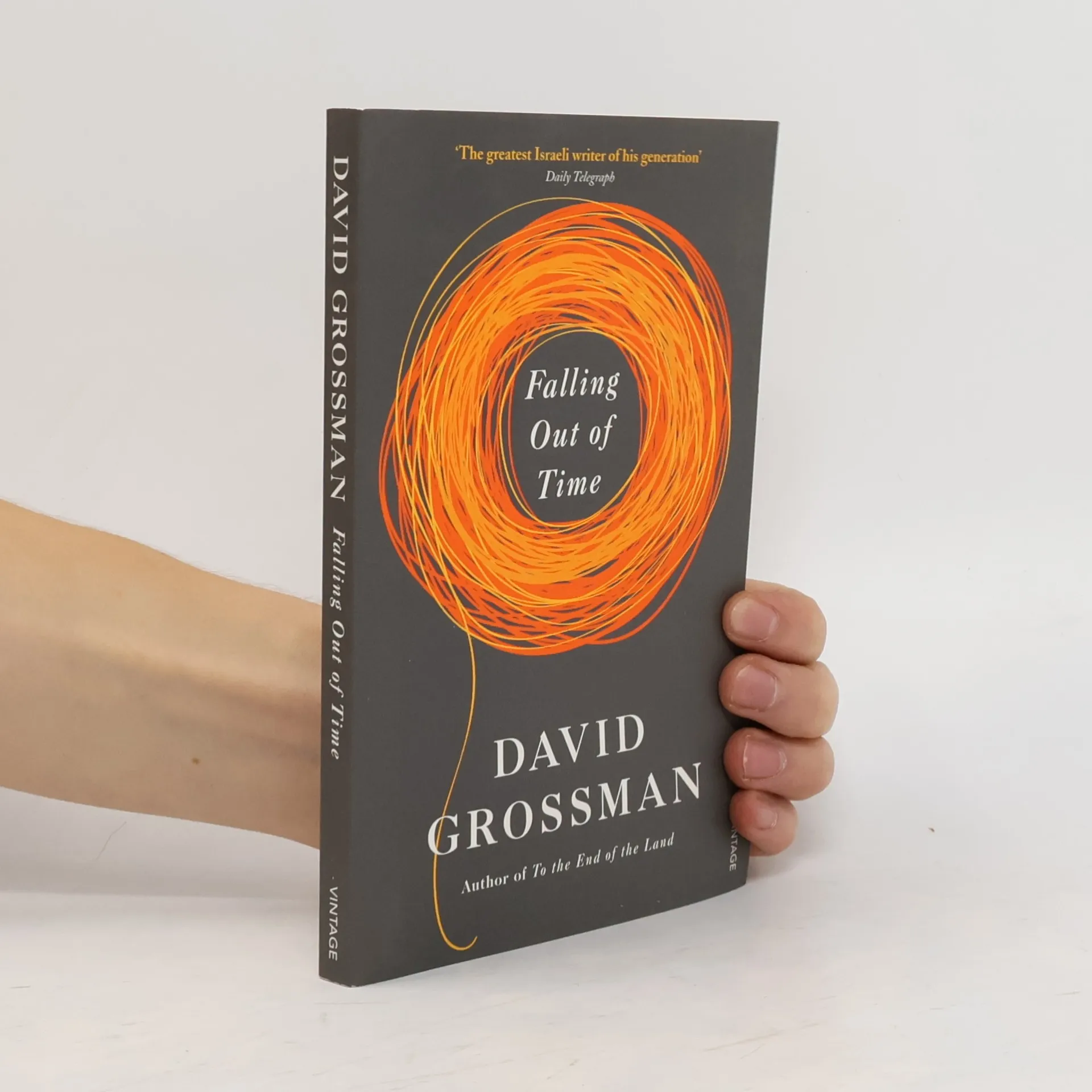
In Falling Out of Time , David Grossman has created a genre-defying drama - part play, part prose, pure poetry - to tell the story of bereaved parents setting out to reach their lost children. It begins in a small village, in a kitchen, where a man announces to his wife that he is leaving, embarking on a journey in search of their dead son.The man - called simply the 'Walking Man' - paces in ever-widening circles around the town. One after another, all manner of townsfolk fall into step with him (the Net Mender, the Midwife, the Elderly Maths Teacher, even the Duke), each enduring his or her own loss. The walkers raise questions of grief and bereavement: Can death be overcome by an intensity of speech or memory? Is it possible, even for a fleeting moment, to call to the dead and free them from their death? Grossman's answer to such questions is a hymn to these characters, who ultimately find solace and hope in their communal act of breaching death’s hermetic separateness. For the reader, the solace is in their clamorous vitality, and in the gift of Grossman’s storytelling – a realm where loss is not merely an absence, but a life force of its own.
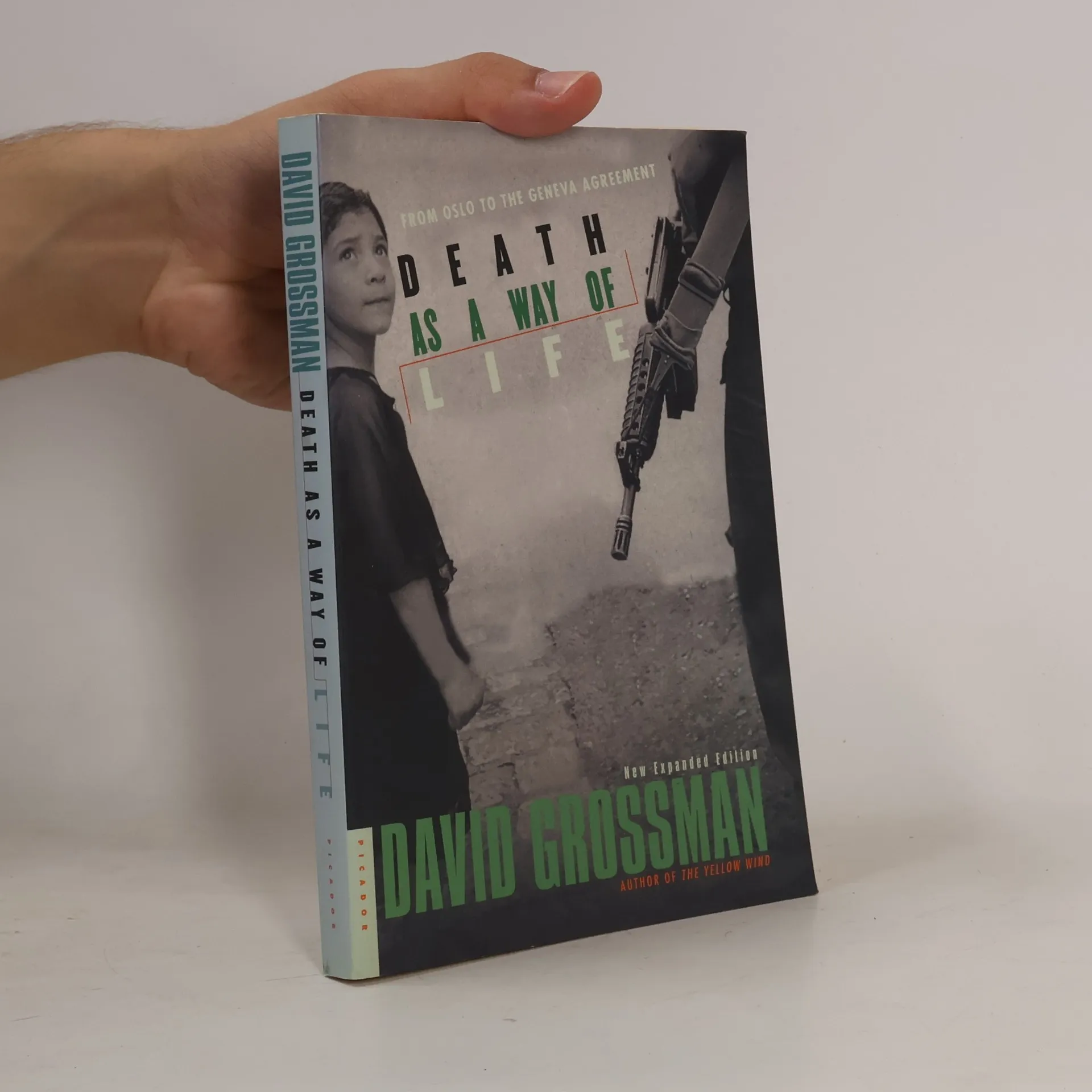
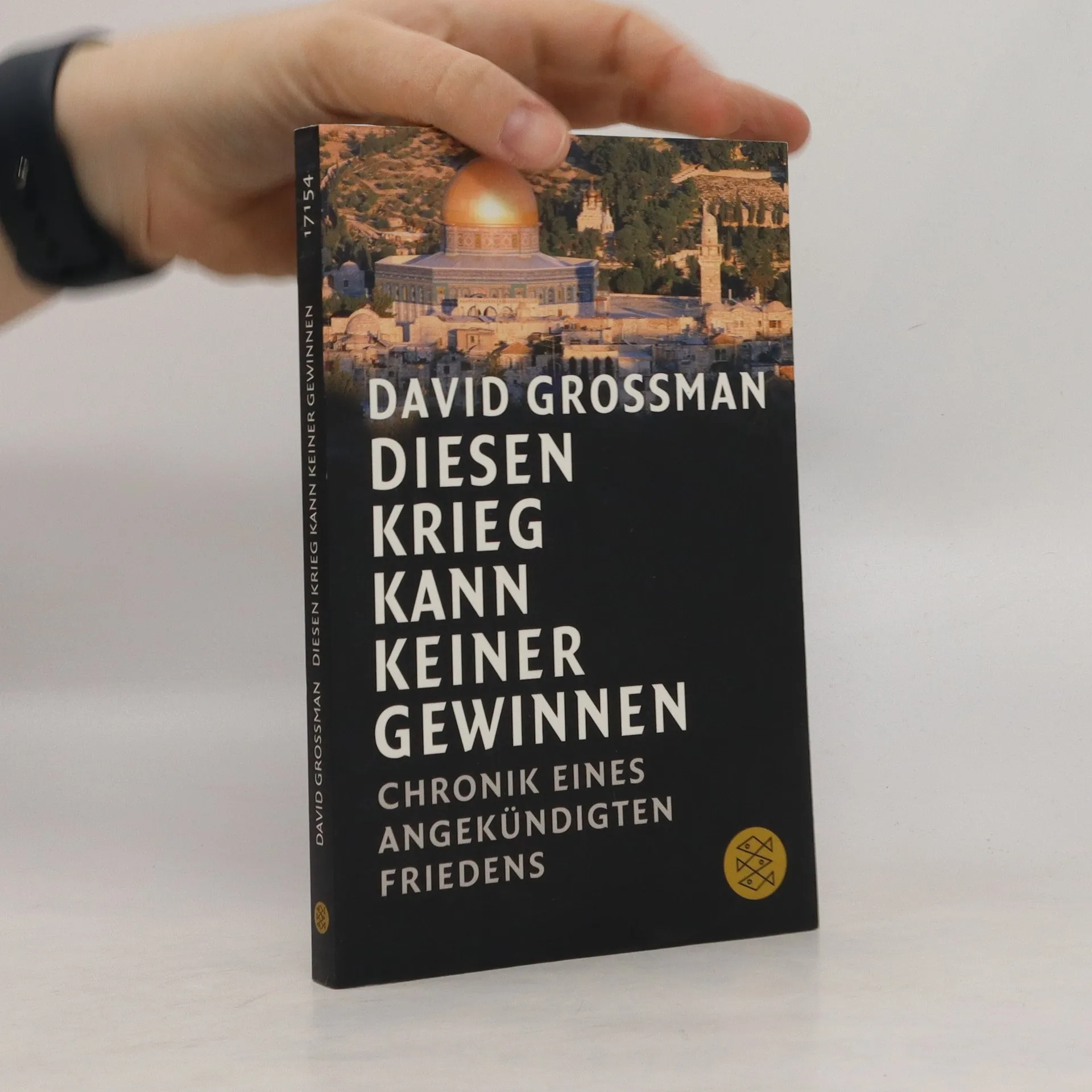
In 1993 the Oslo Agreements were signed by Yitzhak Rabin and Yasser Arafat, marking the beginning of promise for a constructive peace between the Israelis and the Palestinians. The ten years that followed were charted first by hope and optimism only to deteriorate into revenge and violence. Throughout this decade David Grossman has published articles in the American and European press, written in a personal voice - father, husband, peace activist, novelist - as he witnesses devastating events, cries out with prophetic wisdom, and implores both sides to return to sanity and to negotiations. The publication of this collection of articles will mark ten years since the dream of Oslo.
Set against the backdrop of contemporary issues, this book delves into the lives of its richly developed characters, exploring themes of identity, resilience, and personal growth. It weaves a compelling narrative that challenges societal norms and invites readers to reflect on their own experiences. The engaging prose and thought-provoking insights make it a standout choice for those seeking both entertainment and depth in their reading.
David Grossman explores pressing issues related to the Middle East through a collection of passionate essays and insightful articles. His work delves into themes of death and its implications on life, reflecting on the complexities of the region's conflicts and human experiences. With a profound understanding of the socio-political landscape, Grossman invites readers to contemplate the impact of violence and the quest for peace in a deeply personal and thought-provoking manner.
In a chorus of voices David Grossman's The Smile of the Lamb tells the story of Uri, an idealistic young Israeli soldier serving in an army unit in the small Palestinian village of Andal, in the occupied territories, and his relationship with Khilmi, a nearly blind old Palestinian storyteller. Gradually as the violent reality of the occupation that infects both the occupier and the occupied alike merges with the old man's stories, Uri, captivated by Khilmi's wisdom, tries to solve the riddles and deceits that make up his life. Originally published in Hebrew in 1983, The Smile of the Lamb is a novel of disillusionment and a piercing examination of injustice and dishonesty.
Hurled between childhood and adulthood, between the pure and the profane, he is like a volcano of emotions and impulses. But, like his hero Houdini, Aron still struggles to escape from the trap of growing up.
Momik grows up in Israel in the 1950s. One day, his grandfather, who supposedly died during the war, unexpectedly appears in his home. He tells a story from the land "There," which the boy cannot comprehend, and then... disappears. To understand the terrible fate of his family and nation, Momik becomes a writer. Following in the footsteps of his spiritual master, Bruno Schulz, he finds himself in Poland during the Solidarity era. He also writes a camp psychodrama about the torturer and the victim. All this is to understand Evil. What is it? Why does man commit it? Can it be eliminated once and for all? A multi-layered novel that combines humor and tragedy, everyday life and metaphysics, full of surprising images and insights, spans over forty years.
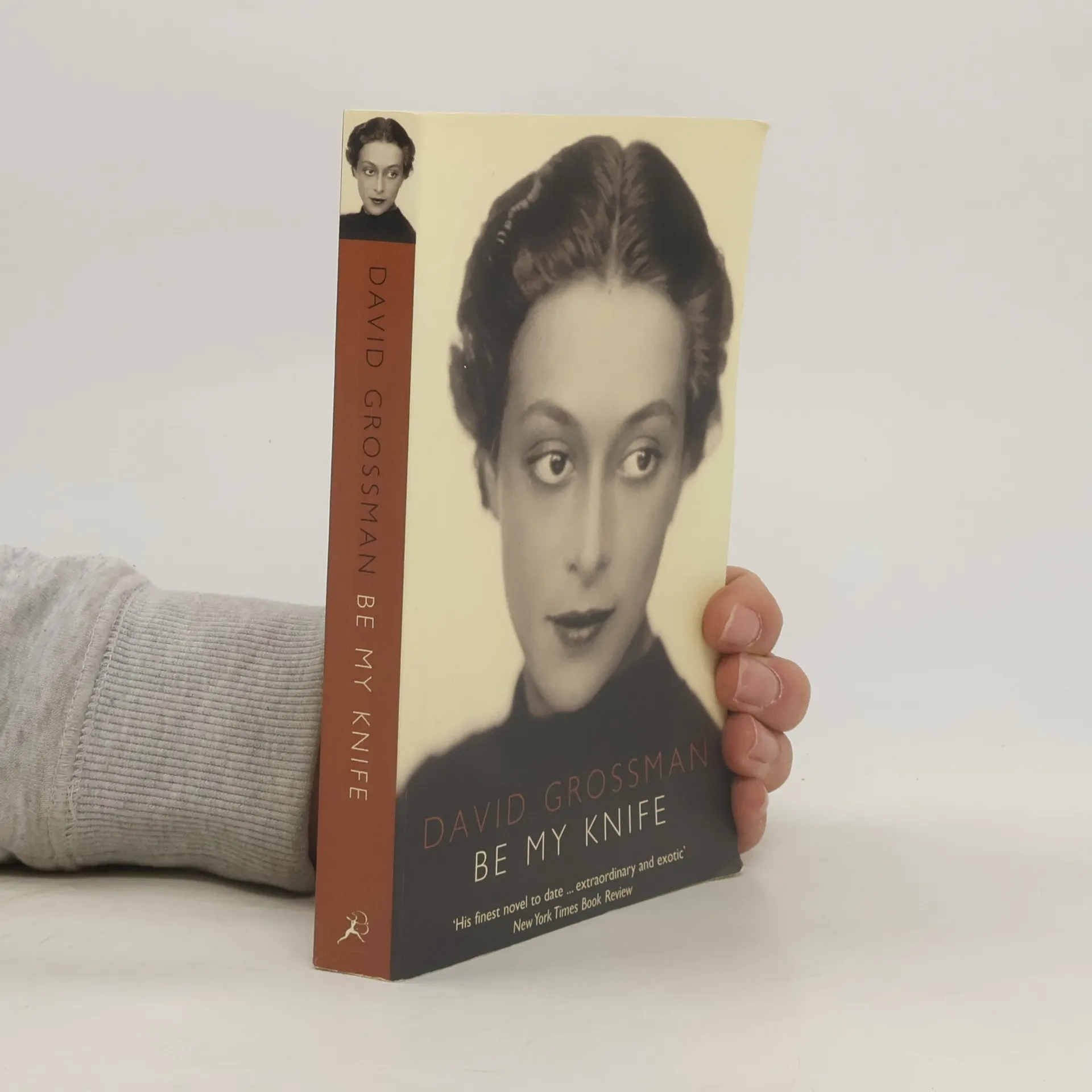
When the awkward, neurotic and childlike Yair, a seller of rare books, sees a beautiful woman across the room at a class reunion he feels compelled to write to her. So begins a love affair of words between two married, middle-aged adults, dissatisfied with their lives, yearning for the connection that has always eluded them. “Be a knife for me,” Yair writes to Miriam, “and I, I swear, will be a knife for you.” As they peel back their inhibitions, their correspondence unfolds into an exchange of their most naked confessions in a novel that is as passionate as it is spellbinding.
"Every Tuesday, Yotam's grandfather takes him to a coffee shop after kindergarten, where Grandpa Amnon drinks coffee and Yotam likes to draw. One day, Yotam has a question: "Grandpa, what's on your face?" Grandpa Amnon explains that the lines on his face are wrinkles, and they are something that grownups get. He tells Yotam the stories of how he got each of his wrinkles. Some reasons for Grandpa's wrinkles are sad, like when Grandma Dina was sick. But some reasons are happy, like the wrinkle Grandpa got when Yotam was born"--
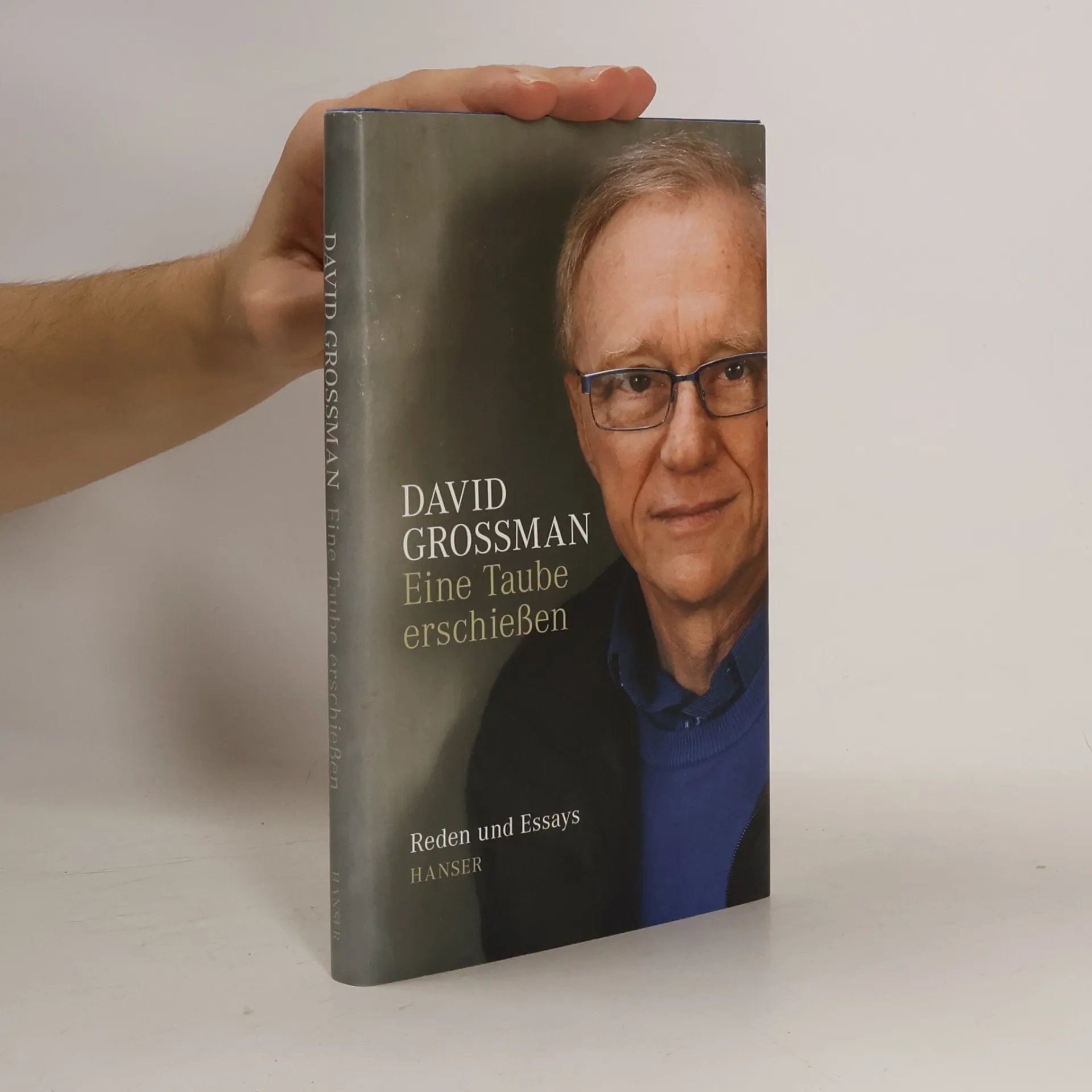
Neben seinem literarischen Werk beeindruckt David Grossman immer wieder mit seinen Essays und Reden zu Politik, Gesellschaft und Literatur. „Die Lage ist zu verzweifelt, um sie den Verzweifelten zu überlassen“, meint er. Für den preisgekrönten Autor ist das Politische untrennbar mit dem Privaten verbunden. Wenn Grossman die Situation in Israel fünfzig Jahre nach dem Sechstagekrieg analysiert, die Folgen der anhaltenden politischen Verzweiflung in Nahost oder die Aufgabe der Literatur im postfaktischen Zeitalter beschreibt, bezieht er seine persönliche Situation stets mit ein. Seine Plädoyers für Freiheit und Individualität, gegen Defätismus und Resignation sind Texte, die bleiben.
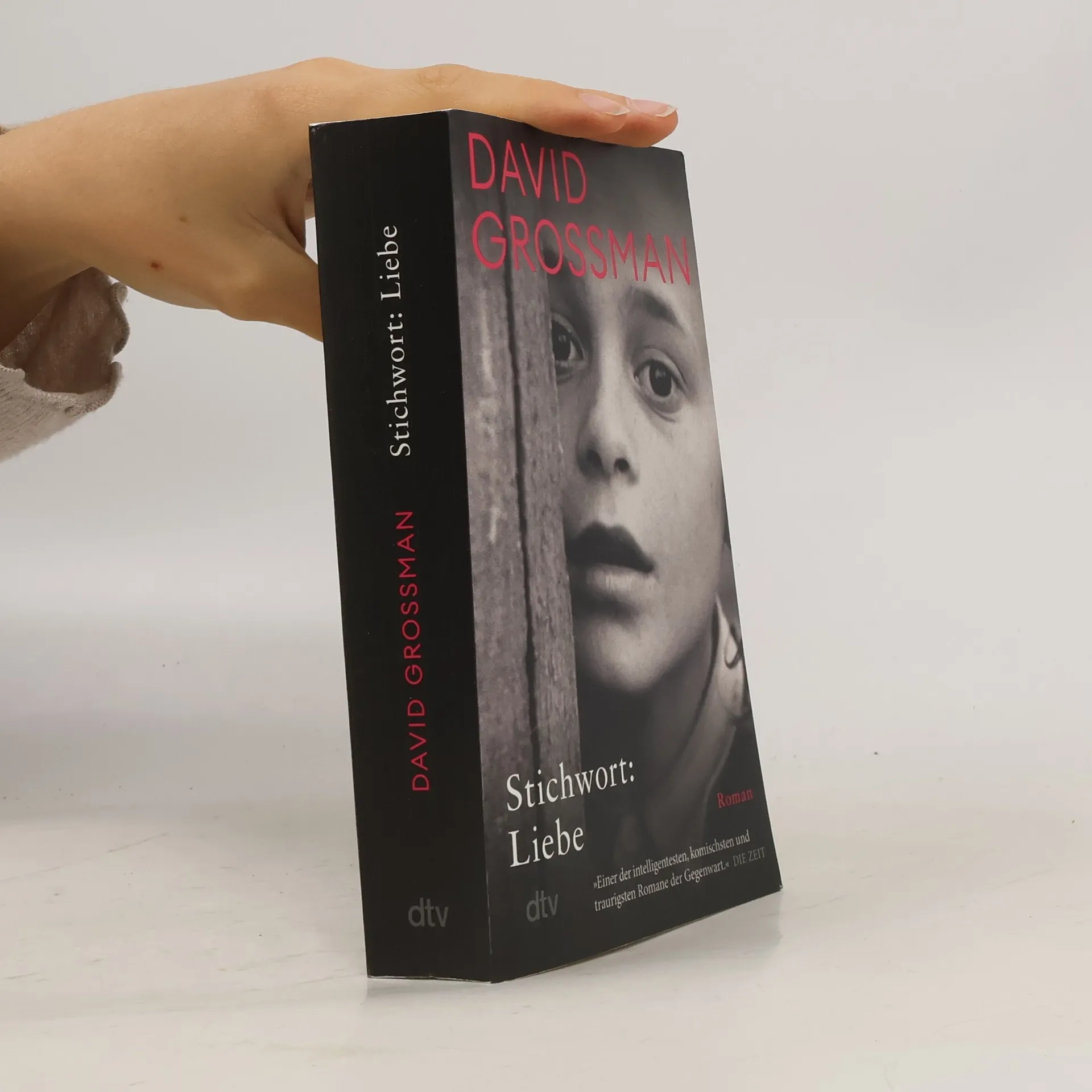
Roman | 'Einer der intelligentesten, komischsten und traurigsten Romane der Gegenwart.' DIE ZEIT
656pages
23 heures de lecture
Momik, ein neunjähriger Junge, wächst in einer Straße voller Schoah-Überlebender auf und ist das einzige Kind in dieser Umgebung. Der Roman thematisiert das Weiterleben nach der Trauer und den Verlust, indem er Momiks Perspektive nutzt. Trotz der schweren Vergangenheit der Nachbarn vermittelt die Geschichte Wärme und Humor, selbst in den dunkelsten Momenten, und beleuchtet die Herausforderungen und Hoffnungen einer nachfolgenden Generation.
Ein berührendes und sehr persönliches Bilderbuch von Bestsellerautor und Friedenspreisträger David Grossman, das Kinder ermutigt, mit den Großeltern ins Gespräch zu kommen „Opa, du hast mir nicht erzählt, woher du deine Falten hast“, sagt Jotam. Und so beginnt Opa zu erklären: Einige Falten hat er vom Altwerden bekommen, andere wegen aller möglichen Dinge, die in seinem Leben passiert sind. Schöne und traurige. Traurige Dinge wie damals, als Oma Dina krank war. Aber Opa hat auch andere Falten. Wie die auf der Wange. Die stammt von Jotams Geburt. An dem Tag war Opa der glücklichste Mensch der Welt. Er musste so viel lächeln, dass er davon eine Falte bekam. Und so machen sich Opa und Jotam auf eine gemeinsame Reise durch das Leben des Großvaters ...
Stellas Mutter hat einen geheimen Auftrag. Einmal im Jahr ist sie Sonnenkönigin: Sie hilft der Sonne beim Aufgehen und beim Untergehen. Und weil ihre Mutter Sonnenkönigin ist, darf Stella Sonnenprinzessin sein. Dazu muss sie früh aufstehen und lange aufbleiben. Noch vor dem Morgengrauen fahren die beiden mit dem Rad zu den Hügeln vor der Stadt. Es ist ein ganz besonderer Tag, wenn man die Sonne selbst geweckt hat – alles strahlt in einem einzigartigen Licht. Jeden Tag ist ein anderer Mensch König oder Königin, Prinz oder Prinzessin der Sonne. Wer es morgen sein wird, ist noch geheim. Das neue Bilderbuch von David Grossman und Michal Rovner ist ein wunderbares Märchen für Menschen jeden Alters.
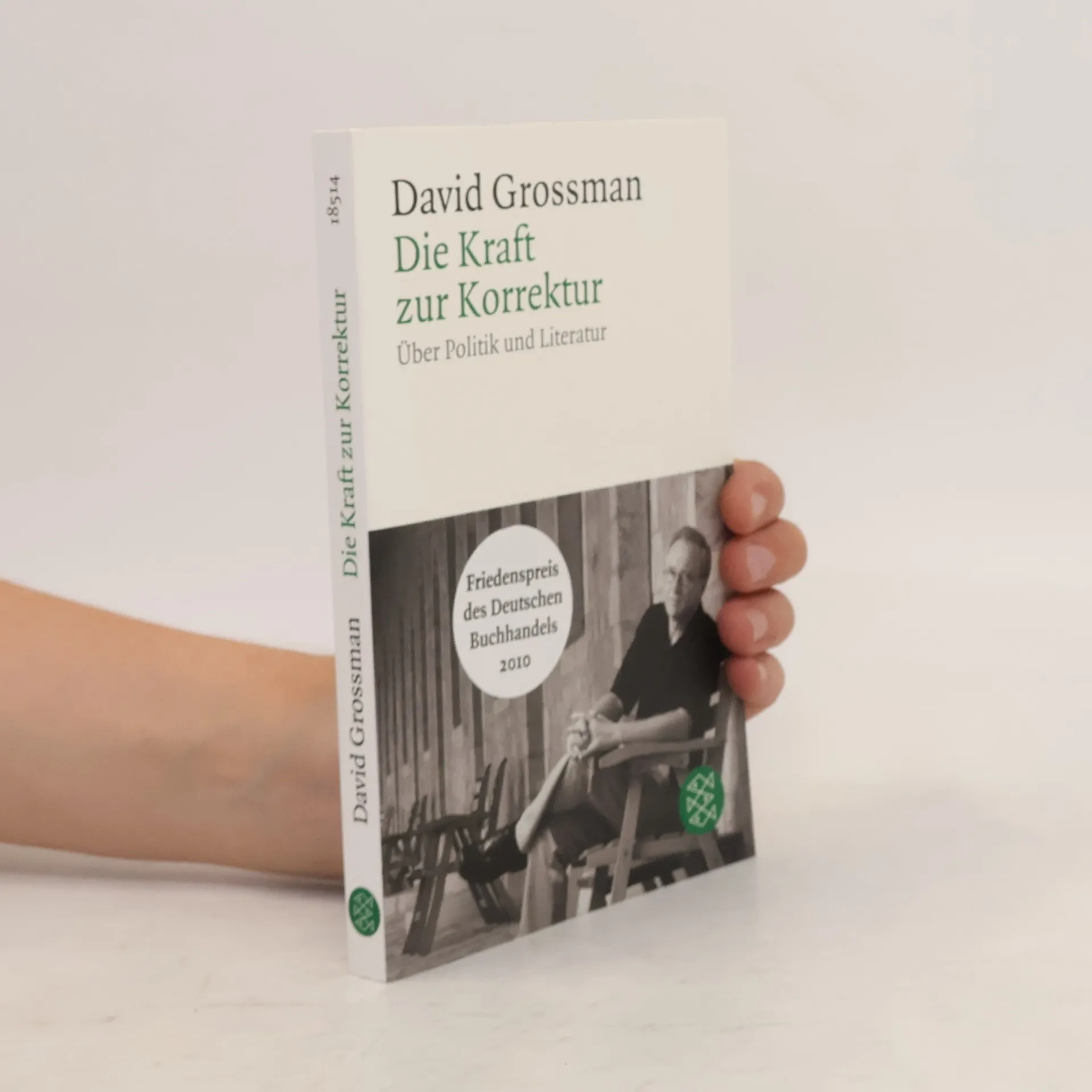
Friedenspreis des deutschen Buchhandels 2010 für David Grossman!
Dieser Band versammelt Grossmans wichtigste Stellungnahmen zur Politik und Literatur aus den letzten Jahren, mit denen er jedes Mal großes Aufsehen erregte. Er wendet sich gegen die Erstarrung, fordert die Kraft zur Korrektur - nicht nur von den Politikern, sondern auch von den Schriftstellern. Denn die Literatur ist das Gegenmittel zur Verflachung der Sprache und der Gedanken.
David Grossman, 1954 in Jerusalem geboren, gehört zu den bedeutendsten Schriftstellern der israelischen Gegegnwartsliteratur. Seine Bücher wurden weltweit übersetzt und mit zahlreichen Preisen ausgezeichnet, zuletzt mit dem Friedenspreis des Deutschen Buchhandels 2010.
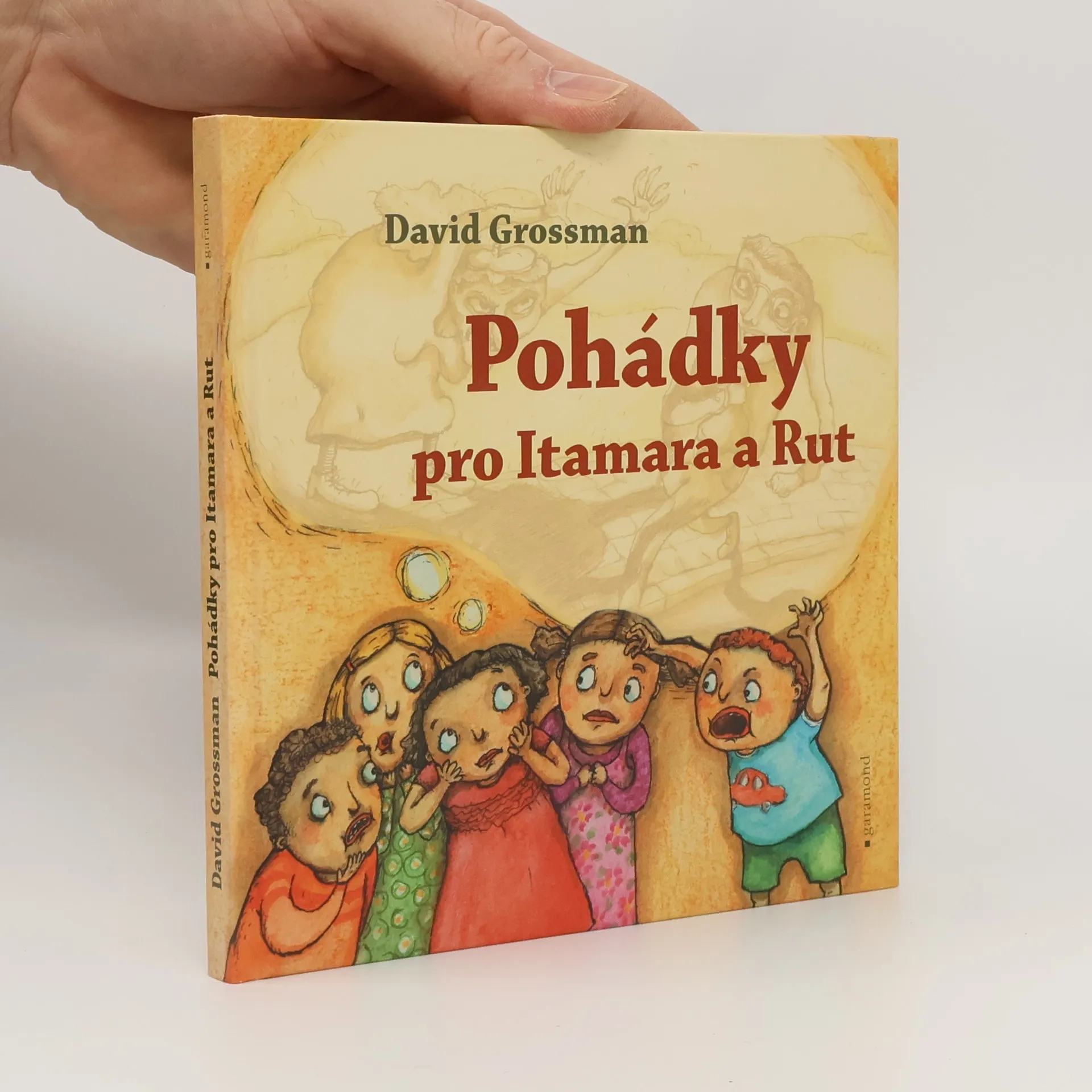
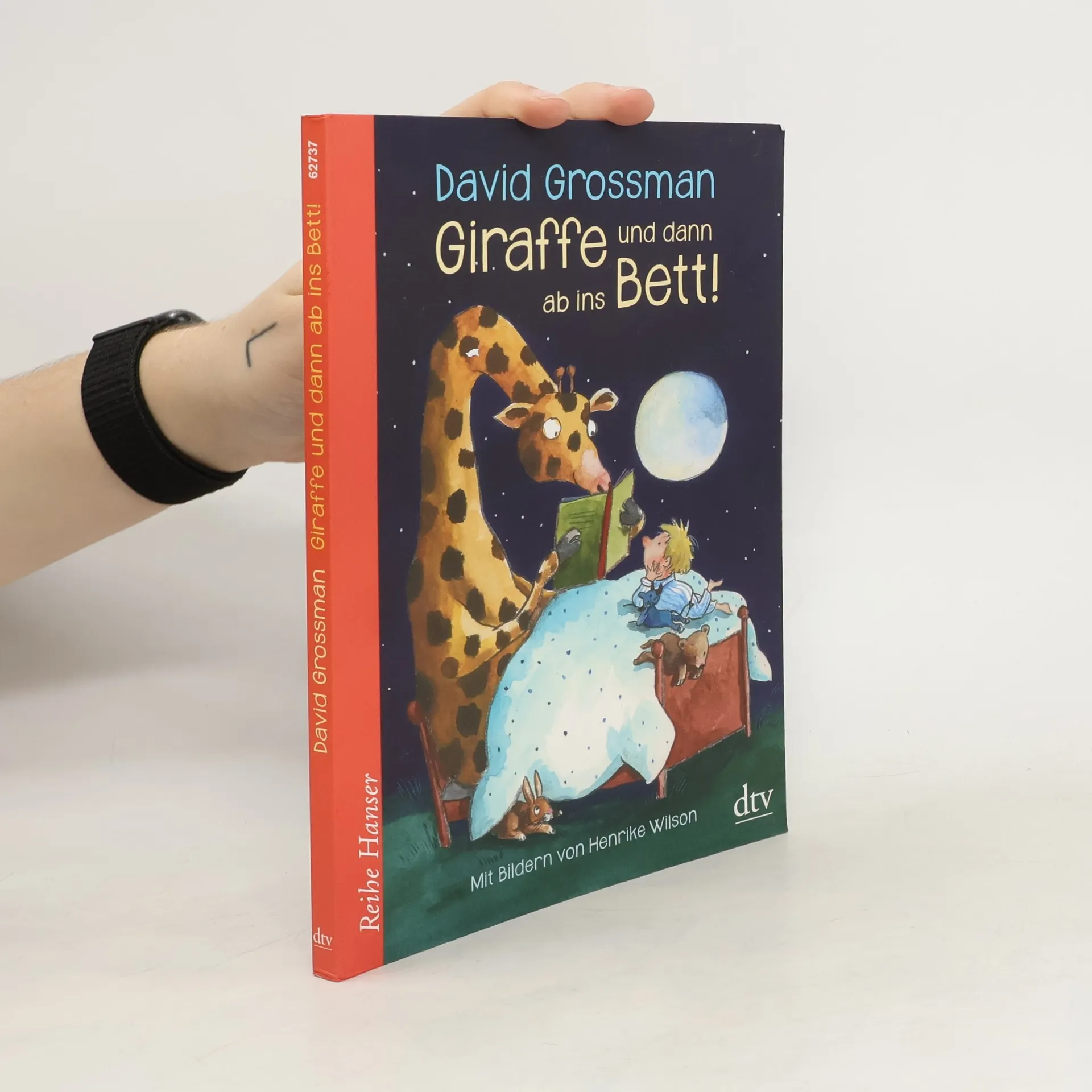
Von Jonathan, Joram, und Ruthi, von Tintenbären, Schokoladenbrüdern und Häusern mit Guavenduft... Ruthis Papa trägt ein Bündel auf dem Arm, das unter einem Handtuch versteckt ist. Das Bündel strampelt und kichert. Papa sieht nach, was unter dem Handtuch ist. Vielleicht eine Giraffe? Aber seit wann haben Giraffen 5 kleine menschliche Zehen? Ist es vielleicht doch Ruthi? Von Jonathan, Joram, und Ruthi, von Tintenbären, Schokoladenbrüdern und Häusern mit Guavenduft erzählt David Grossman in seinen Geschichten – einst verfasst für seine eigenen Kinder und Enkel.
Im Herbst 1993 wurden die Oslo-Abkommen von Yitzhak Rabin und Yasser Arafat unterzeichnet, was den Beginn eines vielversprechenden Friedens zwischen Israelis und Palästinensern markierte. Die folgenden zehn Jahre waren zunächst von Hoffnung und Optimismus geprägt, bevor sie in Rache und Gewalt umschlugen. In diesem Jahrzehnt hat David Grossman Artikel in der amerikanischen und europäischen Presse veröffentlicht, in einer persönlichen Stimme - als Vater, Ehemann, Friedensaktivist, Romanautor - während er die verheerenden Ereignisse miterlebt. Mit prophetischer Weisheit ruft er beide Seiten auf, zur Vernunft und zu Verhandlungen zurückzukehren. Die Veröffentlichung dieser Artikelsammlung wird zehn Jahre des Traums von Oslo markieren.
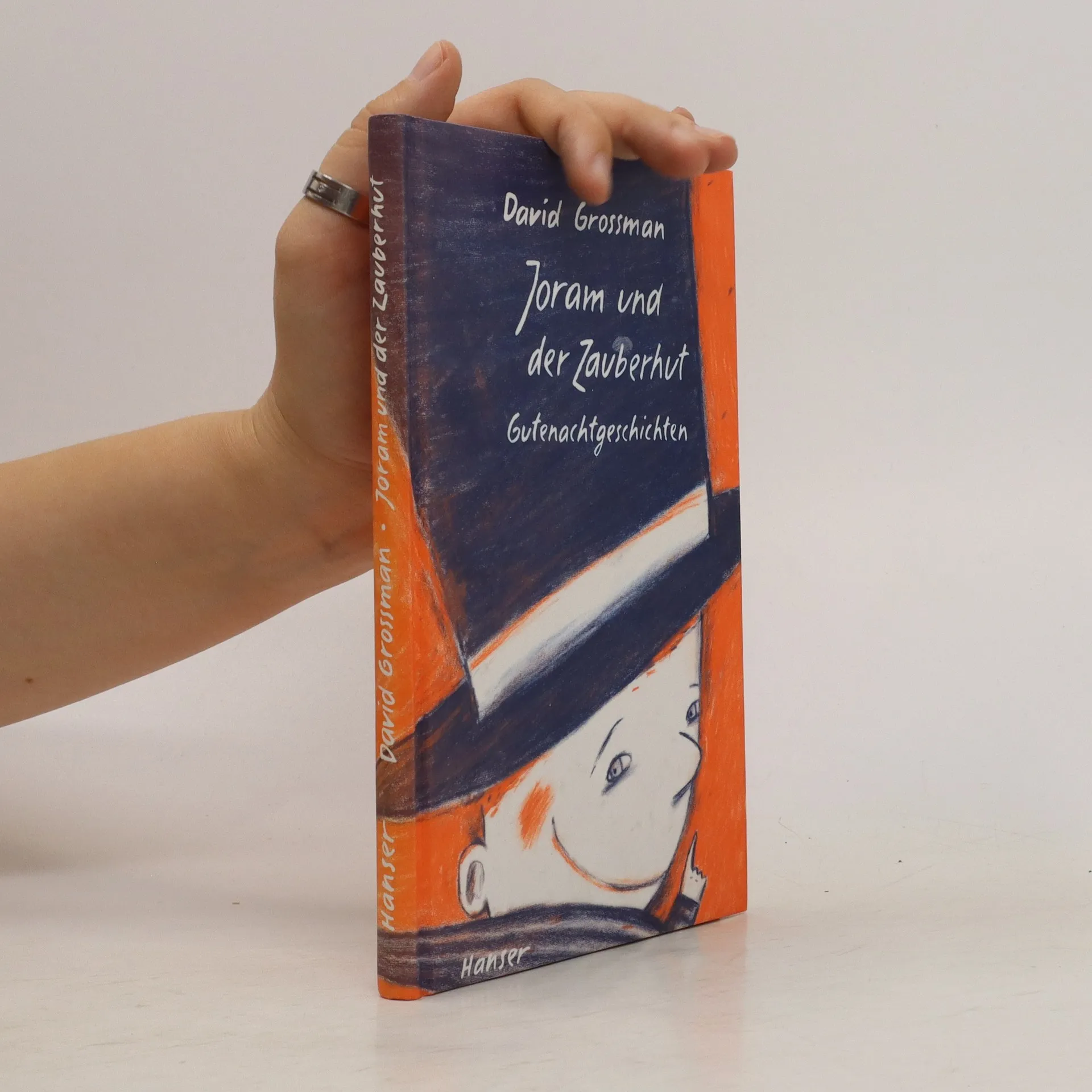
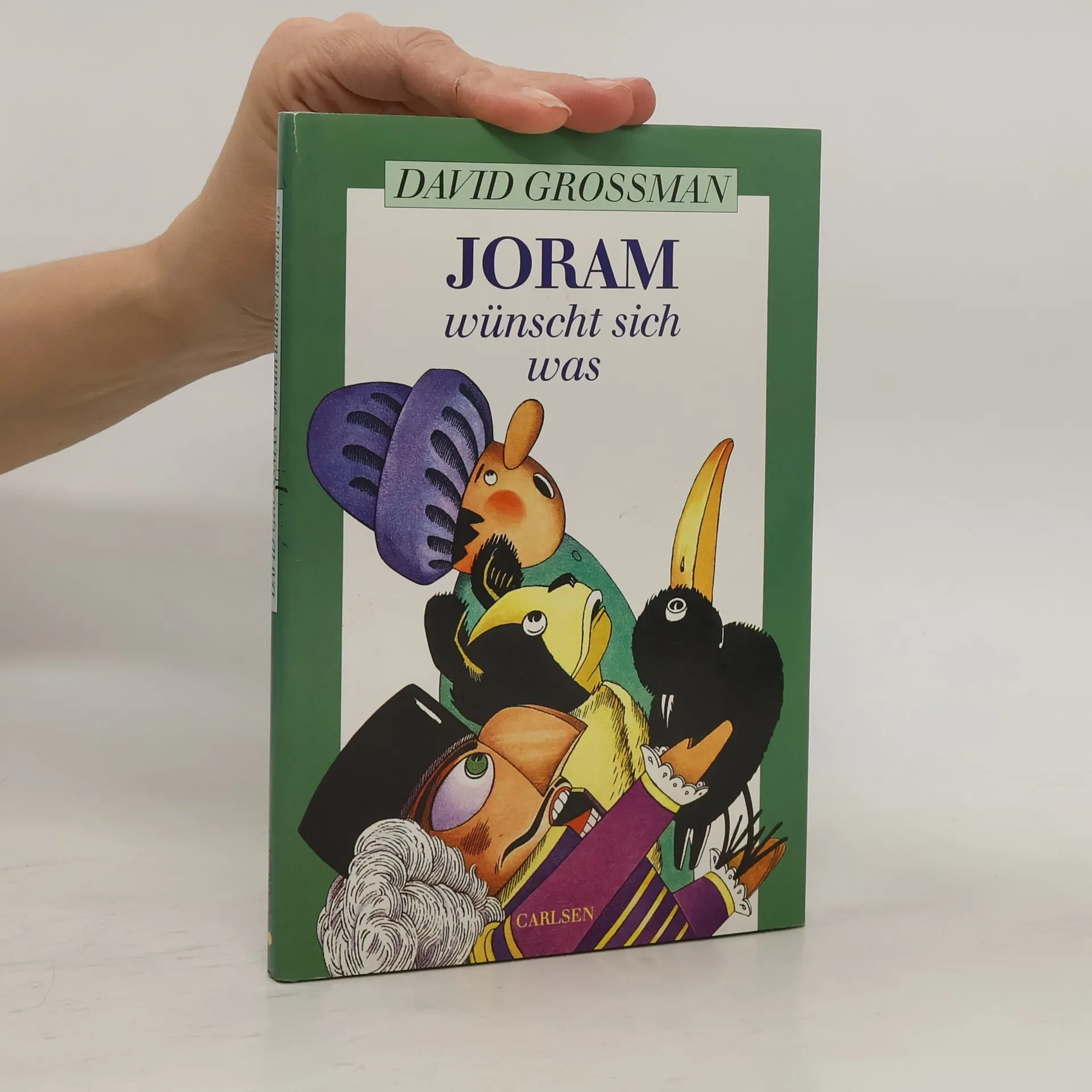
Joram erlebt tolle Geschichten. Einmal findet er im Schrank einen Hut. Sein Vater meint, es sei ein Zauberhut, mit dem man alles verzaubern kann. Gesagt - getan, er verzaubert den Papa in einen Affen, dann in einen Wolf. Aber wie bekommt Joram seinen Papa wieder? Dieses und fünf weitere Abenteuer gibt es in David Grossmans Gutenachtgeschichten - zum Vorlesen und zum Träumen, mit wunderschönen Bildern von Jacky Gleich. »Sechs wunderbare Gutenachtgeschichten.« FOCUS »DIE BESTEN 7 BÜCHER FÜR JUNGE LESER«, AUSGEWÄHLT VON FOCUS UND DEUTSCHLANDRADIO
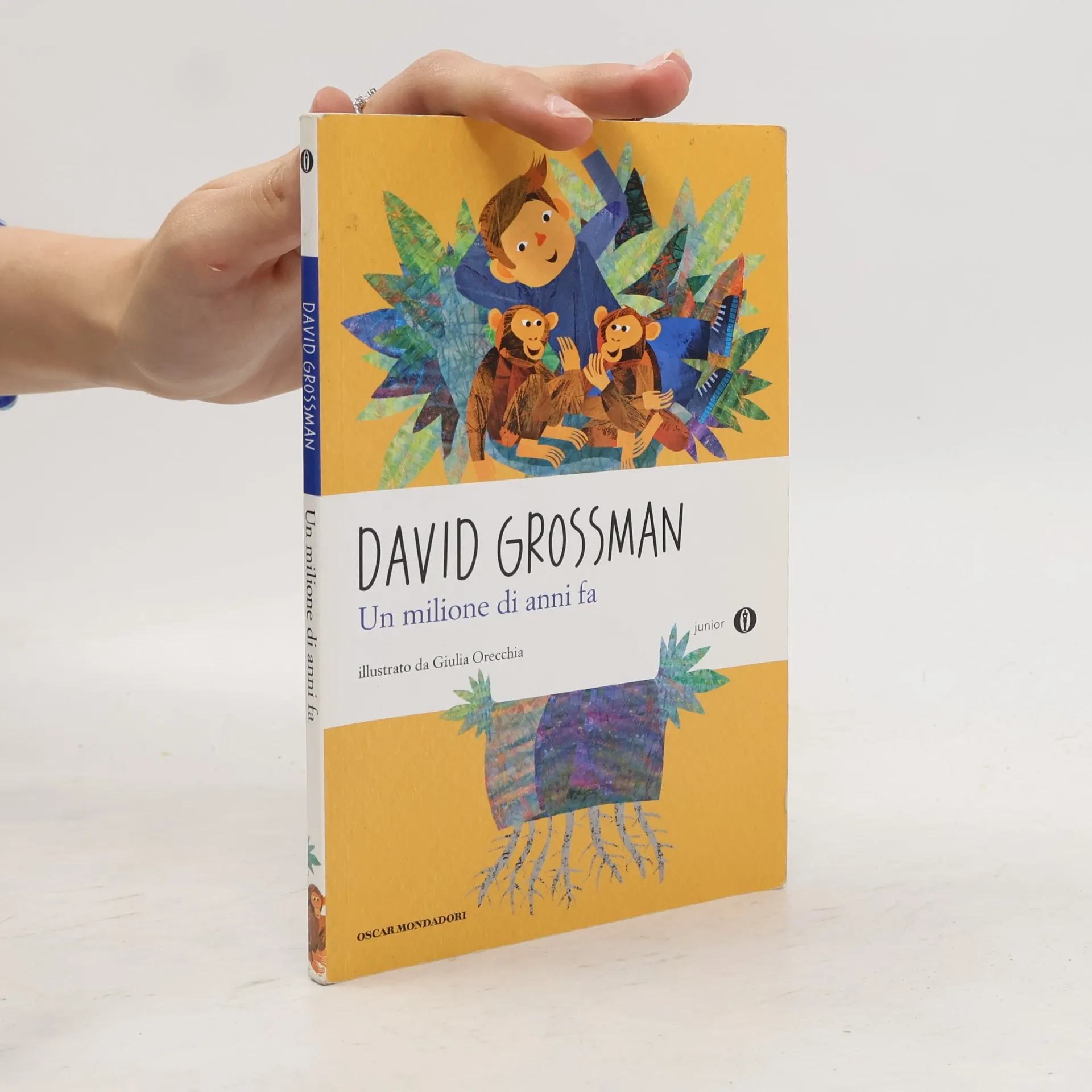
Mentre il papà cambia la ruota alla macchina nel bel mezzo dello zoo-safari, Gidi ne approfitta, e in un attimo eccolo sul ramo di un albero altissimo a dondolare le gambe insieme a uno scimmiotto. Al papà non rimane che convicerlo a scendere con una storia: la storia di quando il cielo e la terra dovevano ancora decidere chi sarebbe stato sopra e chi sotto e le foreste si libravano lente nell'aria. Una fiaba che ricomincia proprio quando sembra finita...
Eine Geschichte um die Bedeutung von Freundschaft und Ehre, Liebe und Verrat Alte Menschen erzählen langweilige Geschichten aus der Vergangenheit, weil sie aufgehört haben, selbst etwas zu erleben, denkt David. Bis er die Bekanntschaft des 70-jährigen Rosenthal macht; mit ihm ist das anders. Und David muss sich sogar unter dem Bett verstecken, als Rosenthal Besuch bekommt. Dabei erfährt er, dass sein Freund von einem Mann namens Schwarz bedroht wird. Es geht um ein gestohlenes Bild. Alte Geschichten? Ja, aber zugleich so brandaktuell, dass David unbedingt handeln muss, um das Schlimmste zu verhindern.
„Wie viel Blut muss noch vergossen werden, bis wir einsehen, dass der Frieden unsere einzige Option ist?“ – so David Grossmans Appell bei der Münchner Sicherheitskonferenz, mit allen Kräften für den Frieden im Nahen Osten einzutreten. Sein neues Buch warnt eindringlich vor der Eskalation der Gewalt und macht sich für eine Zweistaatenlösung stark. Der Kampf zwischen denen, die Verzweiflung und Hass säen, und denen, die ein menschenwürdiges Leben führen wollen, muss auf beiden Seiten beendet werden. Auch nach dem Massaker der Hamas am 7. Oktober 2023 meldet Grossman sich zu Wort und gibt den Mut zu einem neuen Anfang nicht auf. Dieser Band versammelt seine wichtigsten aktuellen Beiträge vor und nach dem „Schwarzen Schabbat“.
Disertori intristiti, pubblicitari troppo abili nel manipolare la lingua, ufficiali arroccati alla loro base, moralisti senza parole davanti ai loro figli, adolescenti che cercano di sciogliere i propri nodi interiori al ritmo di una corsa notturna. Sono i protagonisti di questi cinque racconti, cinque storie sulla difficoltà di essere uomini ambientate in una terra, quella d'Israele, troppo desiderata per essere normale.
Über Politik und Literatur | »Texte von atemberaubender Klarheit. Ähnlich Eindringliches bekommt man selten zu lesen.« Anne Haeming, Das Parlament
152pages
6 heures de lecture
Wege aus der Erstarrung Wenn ein Krieg so lange anhält wie der im Nahen Osten, sagt David Grossman, verkümmern die Menschen, die dort leben. Er fordert die Kraft zur Korrektur – nicht nur von Politikern, sondern auch von Schriftstellern. »Die Literatur ruft dazu auf, uns aus der Umklammerung der ›politischen Lage‹ zu lösen. Sie hilft uns zurückzuholen, was diese ›Lage‹ permanent zu beanspruchen versucht: die differenzierte, einfühlsame Hinwendung zum einzelnen Menschen, der in dem Konflikt gefangen ist – ob auf unserer Seite oder der anderen.« Dieser Band versammelt einige der eindrucksvollsten Stellungnahmen Grossmans zu Politik und Literatur.
»Eine psychologische Tiefenexpedition.« Die ZEIT Aaron wächst nicht, weil er nicht will. Sein kindlicher Körper ist ihm ein Gefängnis, die Erwachsenen begreifen ihn nicht. Mit der ganzen Kraft seiner missverstandenen Seele baut Aaron sich eine Gegenwelt auf. Er entzieht sich den Eltern, Schoah-Überlebenden, die ihn geradezu mästen wollen, und den Freunden, die den Sommer lieber in der Pioniergruppe verbringen als mit Fantasiespielen. David Grossman erzählt vom Verlust der Kindheit in »Bildern von mythologischer Tiefe« (›Merkur‹).