

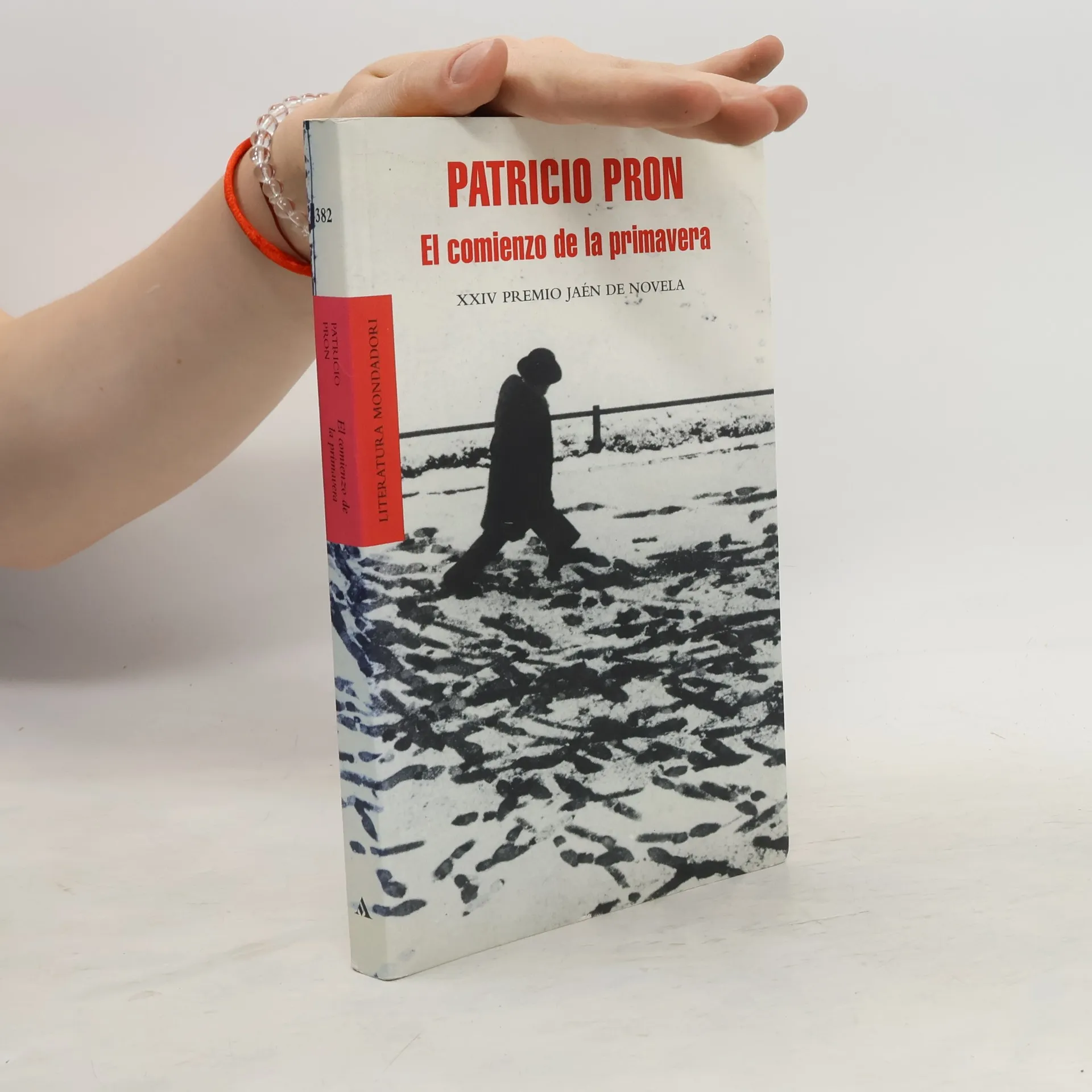

Patricio Pron explore les aspects les plus sombres de l'existence humaine à travers une prose incisive et des récits troublants. Son œuvre aborde fréquemment des thèmes tels que l'identité, la mémoire et l'impact durable de l'histoire sur le présent. Le style distinctif de Pron se caractérise par sa précision et sa capacité singulière à révéler les tensions cachées du quotidien. Son écriture met les lecteurs au défi de confronter la complexité des relations humaines et la quête perpétuelle de sens dans un monde chaotique.
From the acclaimed Argentine writer, one of Granta's Best Young Spanish-Language Novelists: a bold, ambitious new novel about how art became politics and politics became crime during the cataclysm of the Second World War.Pinerolo, Italy; April 1945. At a conference in support of Fascism, a writer disappears and is found dead at the bottom of a cliff. Thirty years later, a young man--a political activist or a terrorist, depending on your perspective--interviews survivors from the conference, to try to uncover the truth about what happened and its consequences. Who was the writer? What did he believe in? Why, shortly before his death, did he save a man who could have killed him? Where is his lost work? And what does any of this have to do with a teenager in contemporary Milan involved in a violent confrontation with the police? Don't Shed Your Tears for Anyone Who Lives on These Streets is a razor-sharp, completely original exploration of our most timeless concerns--guilt, betrayal, the legacy of earlier generations--and probes the question of what literature is: how it explains our times and irrevocably changes our lives.
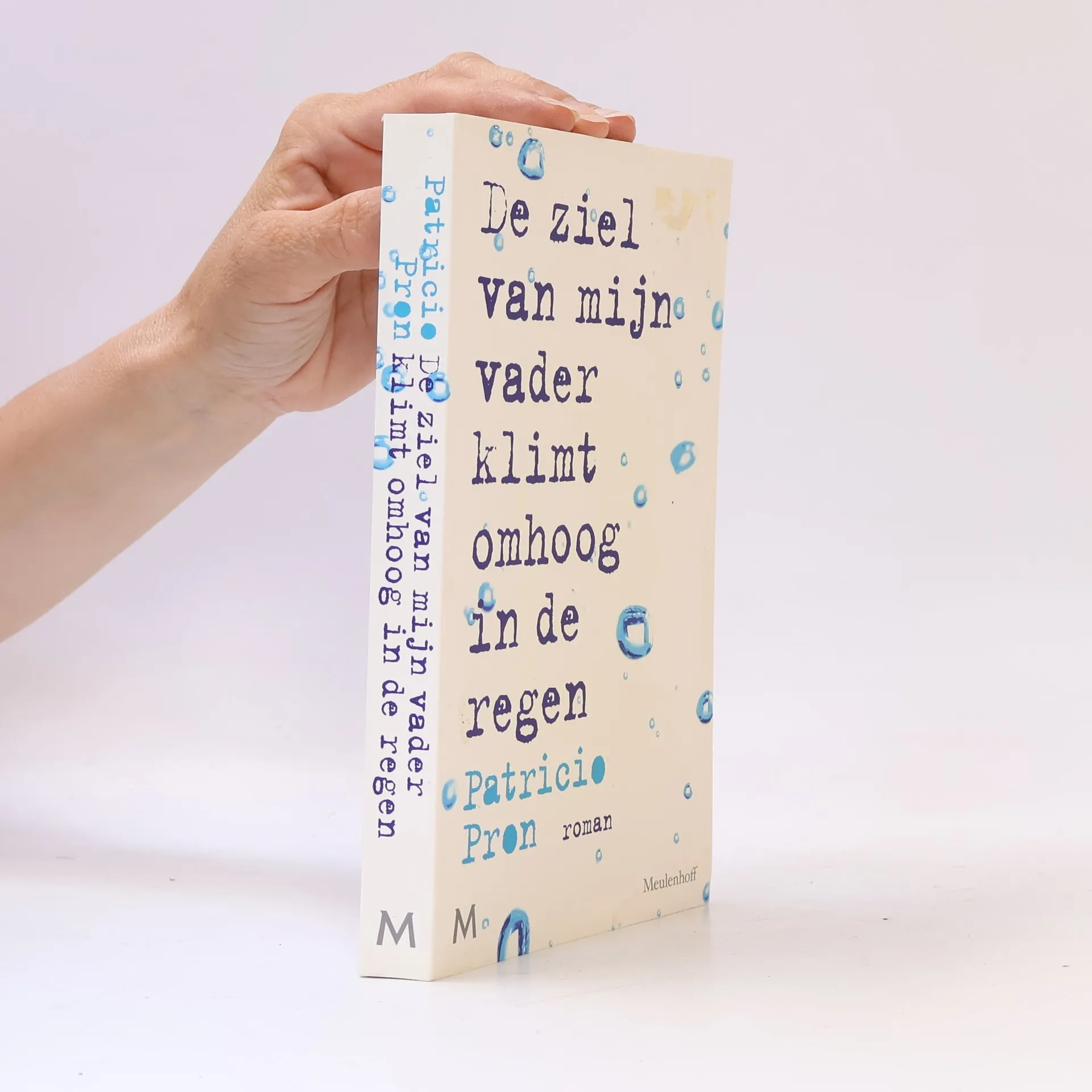
Ein junger Mann kehrt aus Deutschland nach Argentinien zurück, weil der Vater im Krankenhaus liegt. Er wohnt wieder daheim, wie in seiner idyllischen Kindheit und Jugend. Im Schreibtisch des Vaters entdeckt er jedoch Zeitungsausschnitte und Fotos, die eine ihm unbekannte Vergangenheit enthüllen. Wer waren die Freunde des Vaters? Warum starb sein Mitschüler, und wohin verschwand dessen Schwester? Indem er alldem nachgeht, findet er heraus, dass seine Eltern während der argentinischen Militärdiktatur politisch aktiv waren, sich an gefährlichen Aktionen beteiligten und täglich das für ihn so unbeschwerte Familienleben riskierten. Alles war anders, als er dachte. Seine Familie, sein ganzes Leben erscheinen in einem neuen Licht. Ihm wird bewusst, was die Eltern alles leisteten, damit er heute so leben kann, wie er lebt. Patricio Pron erzählt temporeich und poetisch, anhand von Briefen und Fotos, Zeitungsartikeln, Träumen und Erinnerungen von einer Elterngeneration, die in Argentinien für all jene Freiheiten gekämpft hat, die heute so selbstverständlich erscheinen.
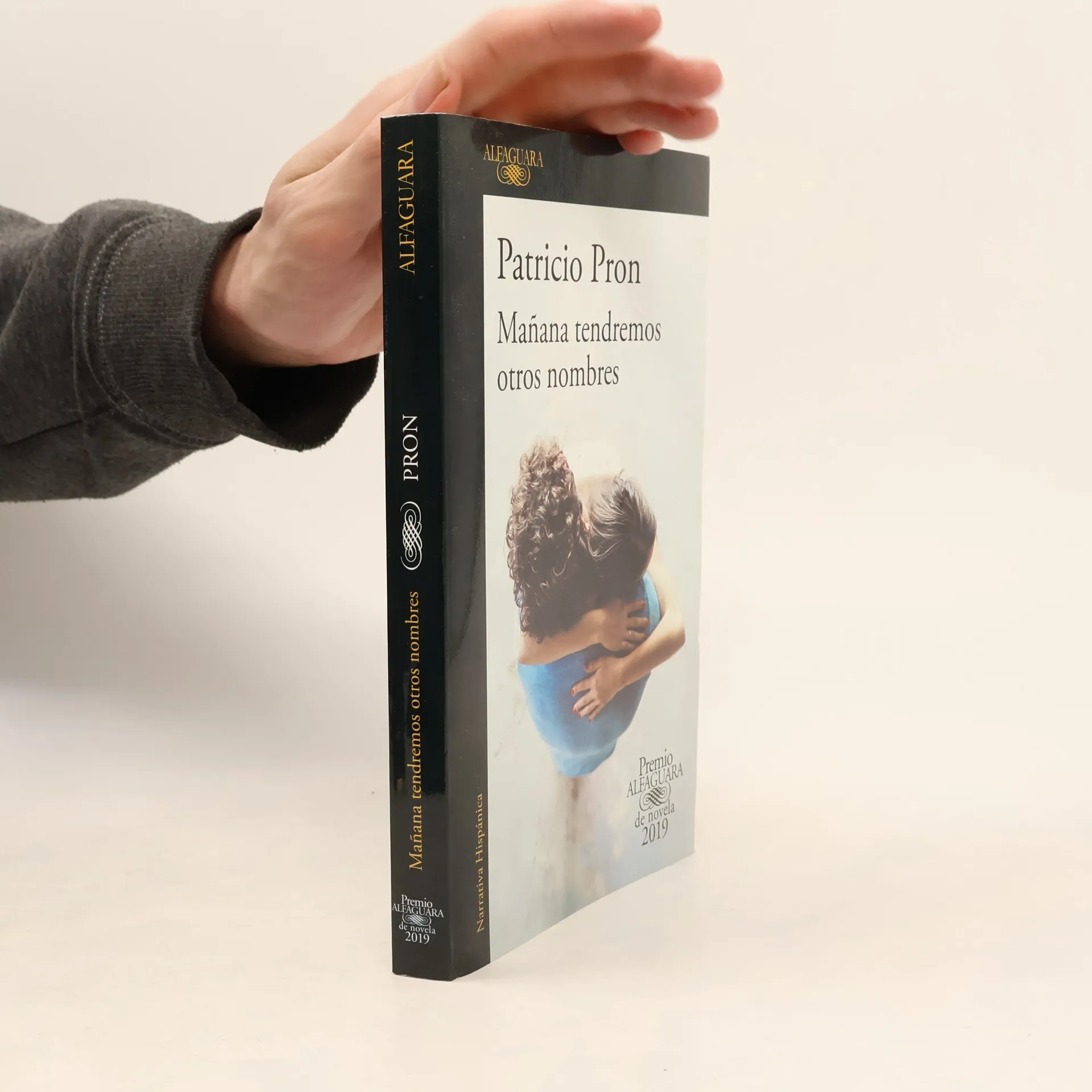
In Madrid kämpfen eine Frau und ein Mann um die Liebe. Sie ist erfolgreiche Architektin, er freier Schriftsteller, der mit dem Nötigsten auskommt. Im Freundeskreis galten sie jahrelang als das perfekte Paar. Doch die Technologie bestimmt immer stärker ihren Alltag, bis hin zu den intimsten Momenten. Ständig müssen Nachrichten verschickt oder beantwortet werden. Videochats auf dem Tablet ersetzen das Gespräch zu zweit. Die beiden nehmen einander gar nicht mehr richtig wahr und schlittern in eine Krise. Pron lässt abwechselnd von ihr und von ihm erzählen. Dabei entsteht eine zweistimmige, durchaus oft widersprüchliche Analyse des Wandels von Bedürfnissen – in einer unaufhaltsam virtueller werdenden Umgebung und in einer Stadt, die sich täglich neu definiert. "Morgen haben wir andere Namen" ist also eine im tiefsten Wortsinn moderne Liebesgeschichte - aktuell, schonungslos reflektiert und bittersüß. Patricio Pron erhielt für seinen hochaktuellen dritten Roman den bedeutendsten Literaturpreis Spaniens, den Premio Alfaguara de novela. In der Begründung der Jury heißt es: «In einer klaren, schonungslosen Sprache reflektiert Pron unsere Zeit und erforscht neue Formen von Gefühlen.»
"Martínez, un joven argentino, decide emprender un viaje por Alemania para intentar localizar a un viejo profesor de filosofía--cercano al círculo de Heideggar-y discutir con él la traducción al español de uno de sus libros. Sin embargo, lo que en un principio iba a ser una simple visita deriva en una persecución por toda Alemania, un juego de espejos, laberintos, falsas pistas y equívocos a través del cual perseguidor y acaban revelando su identidad"--Page 4 of cover
Novela ganadora del Premio Alfaguara de Novela 2019 La gran urbe de Madrid en la actualidad, y una pareja, unos Ella y Él emblemáticos que se separan tras cuatro años de convivencia. Ella, arquitecta, tiene miedo a hacer proyectos de futuro, aunque ha esgrimido una razón un amante. Él, escritor de ensayos, se queda totalmente desconcertado ante una nueva realidad indescifrable. En el naufragio de la relación, por las grietas de lo que fue entran las amistades, sus consejos y sus vidas, la mayoría de las veces con más penas que claves. Es la generación Tinder, de fotos de pretendientes que se borran con un dedo caprichoso, donde casi todos quedan expuestos y a la postre desencantados. La ruptura de una pareja también dice mucho de un país, de su proyecto de convivencia. Y la radiografía de estos tiempos es padres que lo son por obligación, experimentos de reinvención personal que son performances sin público. Ella y Él, ya próximos a los cuarenta, comienzan a habitar esos nuevos espacios posibles en paralelo, sin desgarros románticos pero con una fuerte añoranza misteriosa que tal vez vuelva a acercarlos. Mañana tendremos otros nombres es una novela íntima y simbólica que aborda las relaciones sentimentales del animal humano desde una óptica sociológica bien apuntalada en la ternura.ENGLISH DESCRIPTIONWinning novel of the 2019 Premio Alfaguara de Novela 2019 The great city of Madrid today, a couple, an emblematic He and She who are separating after four years of living together. She, an architect, is afraid to make future projects and has made up a false a lover. He, an essayist, is totally bewildered by a new, indecipherable reality. In the wreckage of a relationship, through the cracks of what once was, filter in the friends, their advice, and their lives, most of the time offering more problems than solutions. It is the Tinder generation, pictures of suitors are quickly erased with the glide of a volatile finger, where almost all are exposed and in the end are also disappointed. A couple’s breakup also says a lot about a country, about its project of cohabitation. And doing an x-ray of these times is parents who are forced to become parents by society, acts of self-reinvention that are like performances with no audience. He and She, who are close to turning forty, begin to embrace these new possible spaces, without sentimental tears but with a strong mysterious nostalgia that may just bring them close again.