Ein junger Pariser erlebt, dass seine Liebe nicht ausreicht, um seine Geliebte zu halten. Als die Pest ausbricht, herrscht Anarchie in der Stadt, während politische und ethnische Konflikte eskalieren. Bruno Jasieńskis Roman von 1928 thematisiert die Gefahren von Seuchen und die radikale Ablehnung des Kapitalismus.
Bruno Jasieński Ordre des livres (chronologique)
Bruno Jasieński fut une figure clé du mouvement futuriste polonais, dont l'œuvre a exploré la dynamique de la modernité et du changement social avec une poésie expressive et expérimentale. Ses écrits reflétaient souvent ses convictions politiques radicales et sa quête d'un nouveau langage artistique capable de rivaliser avec les temps tumultueux. La vie de Jasieński, qui s'est terminée tragiquement au milieu des purges soviétiques, confère une dimension profonde à son héritage littéraire, servant de sombre rappel des relations complexes entre l'art, la politique et le destin personnel. Son influence en tant que poète et théoricien d'avant-garde continue d'être reconnue dans les cercles artistiques modernistes.



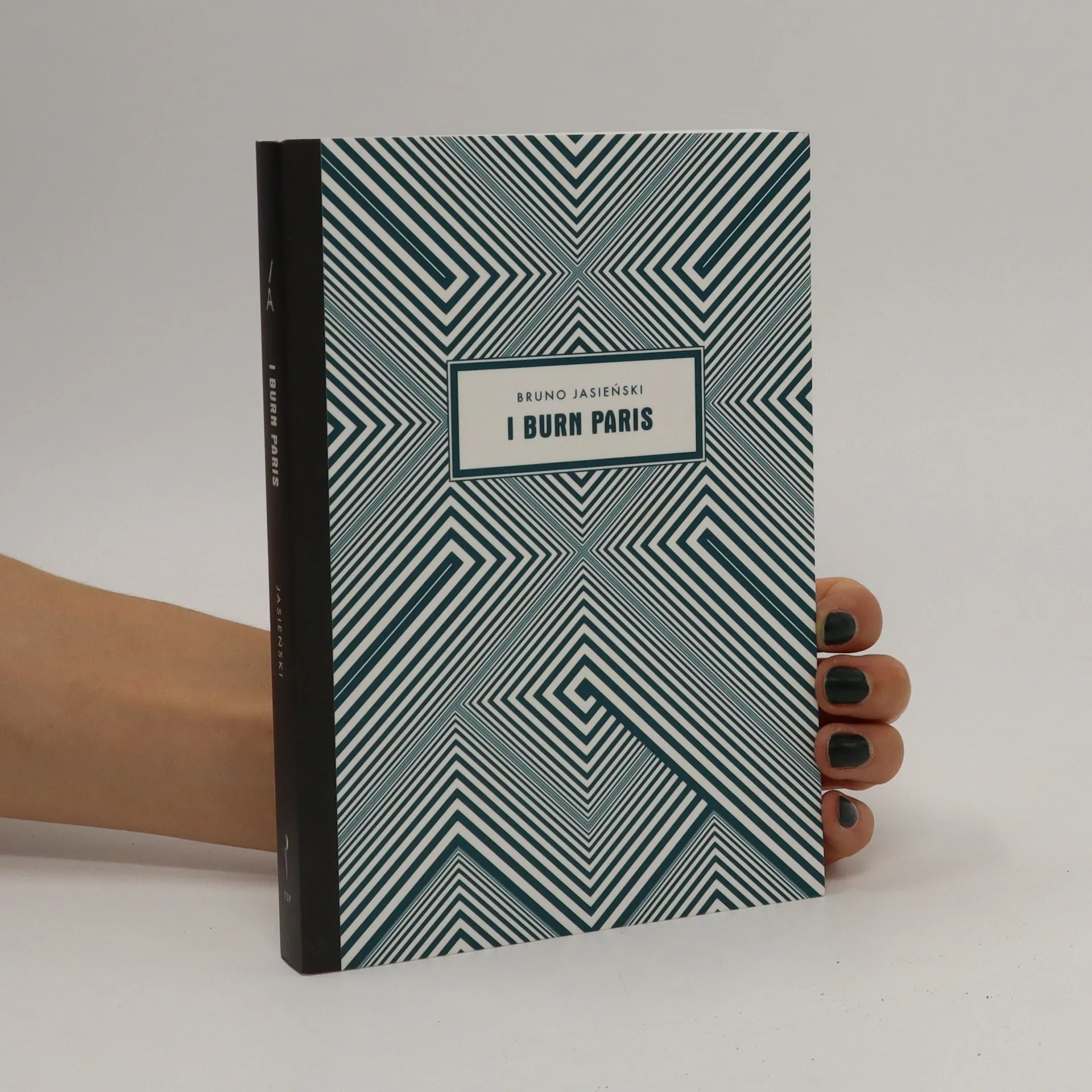
I Burn Paris
- 299pages
- 11 heures de lecture
Tato kniha byla vydána českým nakladatelstvím Twisted Spoon Press, které sídlí v Praze a zaměřuje se na české a slovanské autory v angličtině. Oficiální anotace nakladatele: I Burn Paris zůstává jedním z nejnepříjemnějších literárních děl Polska od své kontroverzní serializace Henri Barbussem v roce 1928 v L'Humanité, což vedlo k deportaci Jasieńského za šíření subverzivní literatury. Příběh sleduje nespokojeného dělníka, který, ocitnuvší se na ulici, se rozhodne otrávit pařížský vodovod. Jak se počty mrtvých zvyšují, setkáváme se s čínskými komunisty, rabíny, zklamanými vědci, ruskými emigranty, francouzskými komunardy a royalisty, americkými milionáři a mnoha dalšími, jak se město rozděluje na etnické enklávy a každý plánuje svou cestu k útěše. Uprostřed kosmopolitního města se ukrývá hluboce zakořeněná xenofobie a nenávist, což je společný prvek všech těchto skupin. Jak Paříž směřuje k záhubě, Jasieński vydává výzvu utlačovaným světa, mísící prvky "Internacionály" s populární hudbou. S montážními strategiemi připomínajícími ranou avantgardní kinematografii a silnými metaforami, I Burn Paris si zachovává svou vitalitu. Jasieński neúprosně rozebírá utopické fantazie a transformuje pařížskou krajinu na produkt nemocnými myslí. Dielo představuje zdegenerovaný svět, kde továrny a stroje nahradily lidské vztahy, přičemž město je zobrazeno jako povrchně kosmopolitní, avšak v jádru nepřátelské a zvířecí. Tato anglická verze vyplň