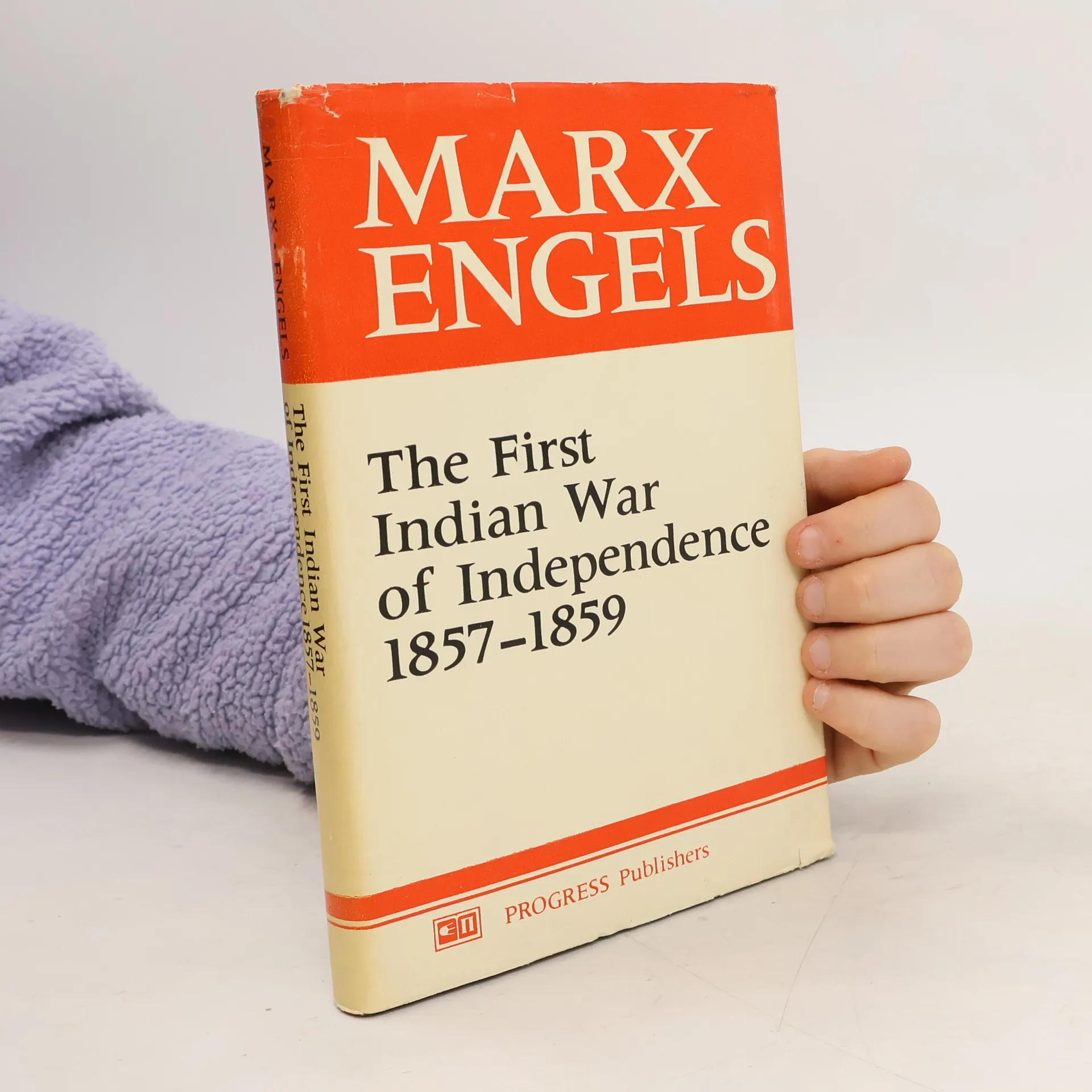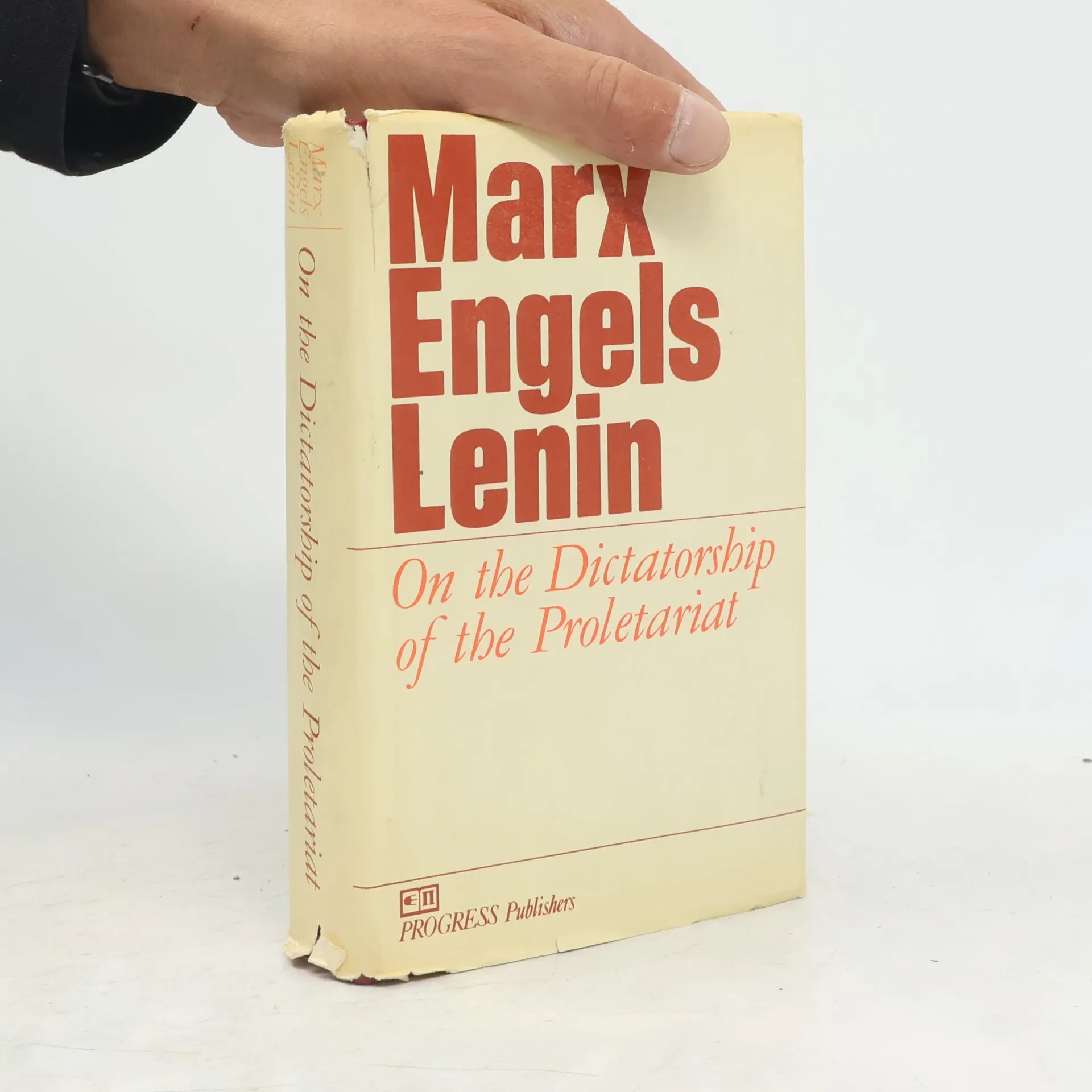
Bookbot

Friedrich Engels

    28 novembre 1820 – 5 août 1895

    Friedrich Engels fut un penseur et réformateur social allemand dont les premières expériences de la pauvreté industrielle en Angleterre l'incitèrent à analyser l'injustice sociale. Après sa rencontre avec Karl Marx, ils devinrent des collaborateurs à vie, co-auteurs d'œuvres fondamentales qui façonnèrent la pensée socialiste. Engels se pencha sur les origines de l'État et de la famille, se forgeant une réputation pour son athéisme fervent. Ses écrits continuent de susciter la réflexion sur les structures de pouvoir et l'inégalité.

    Friedrich Engels
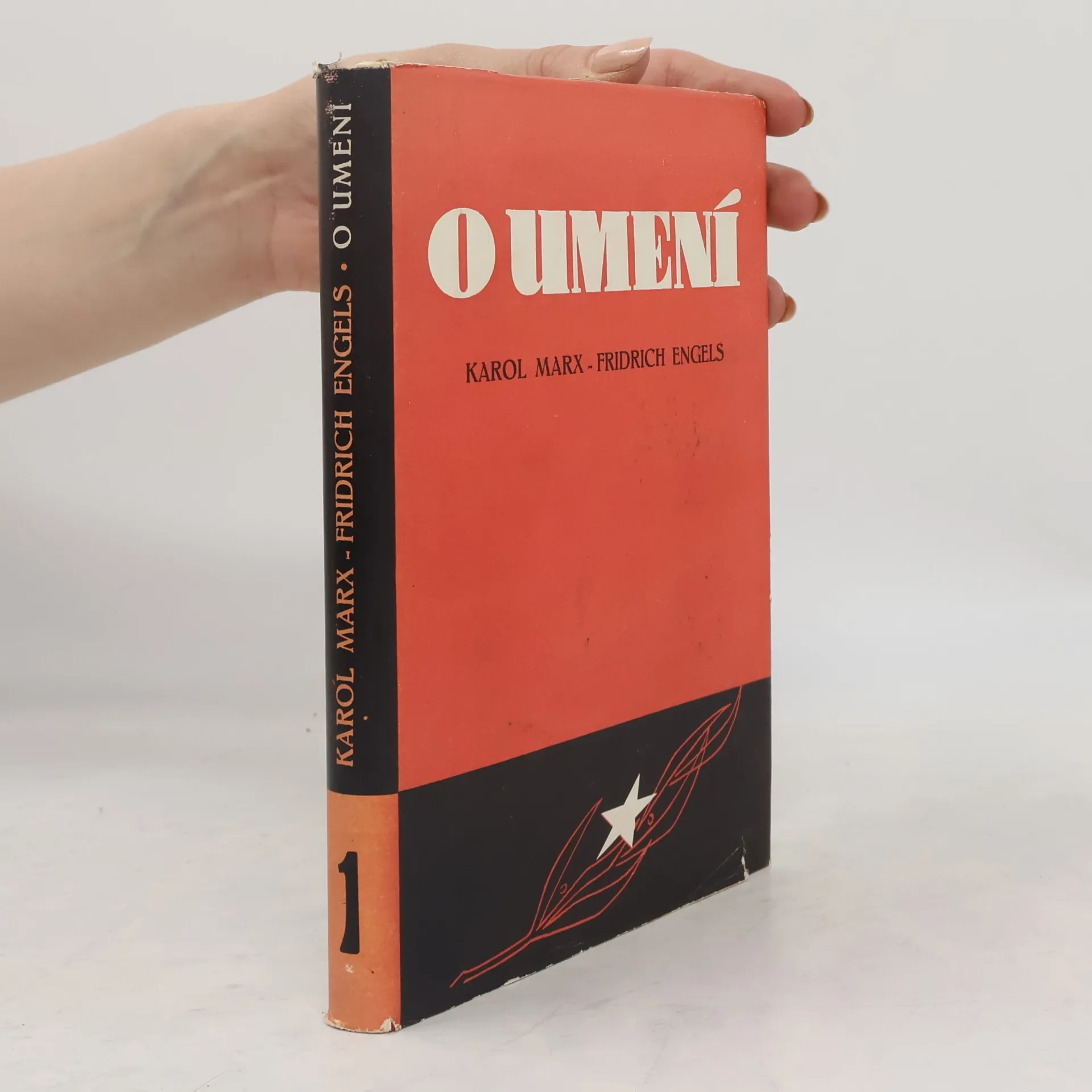
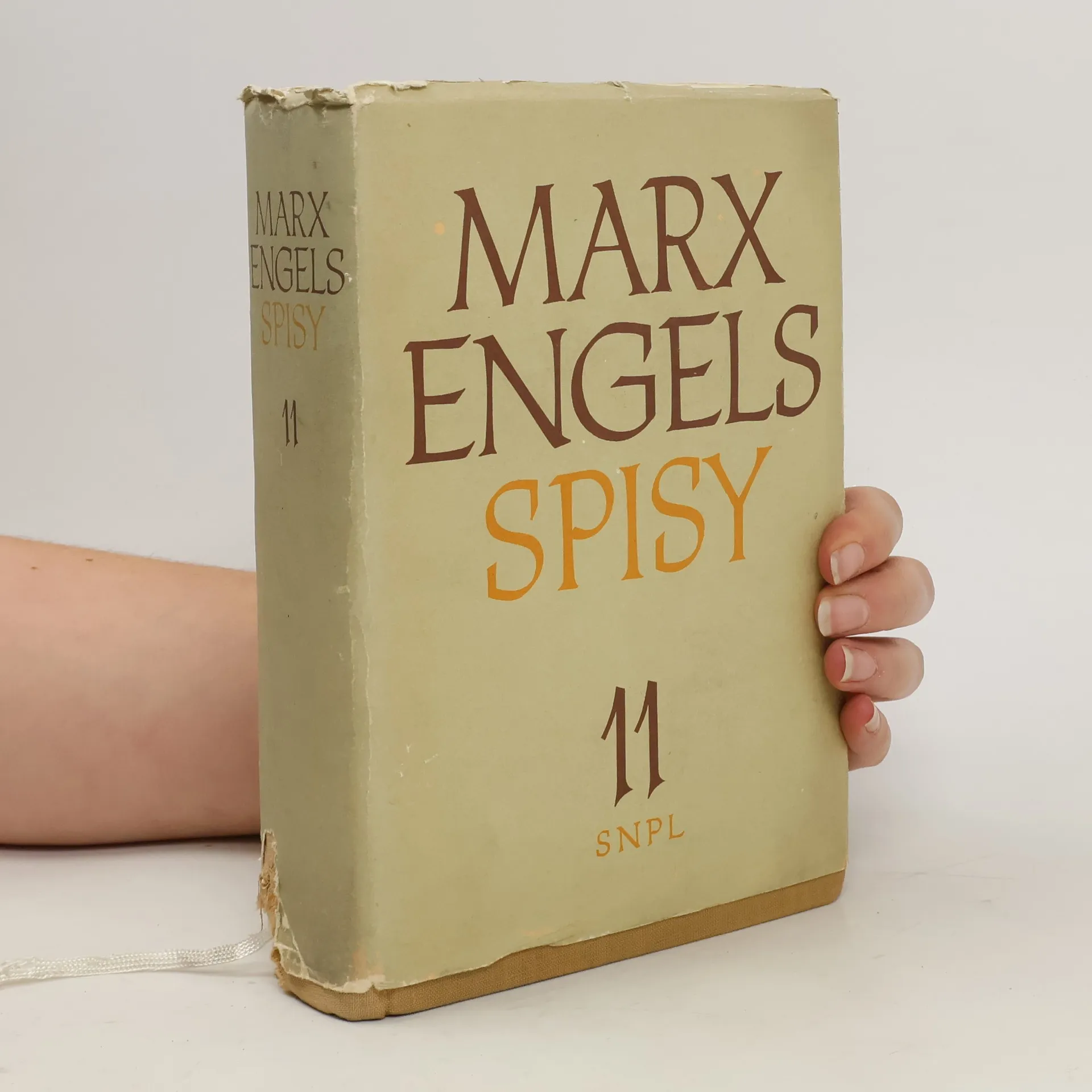
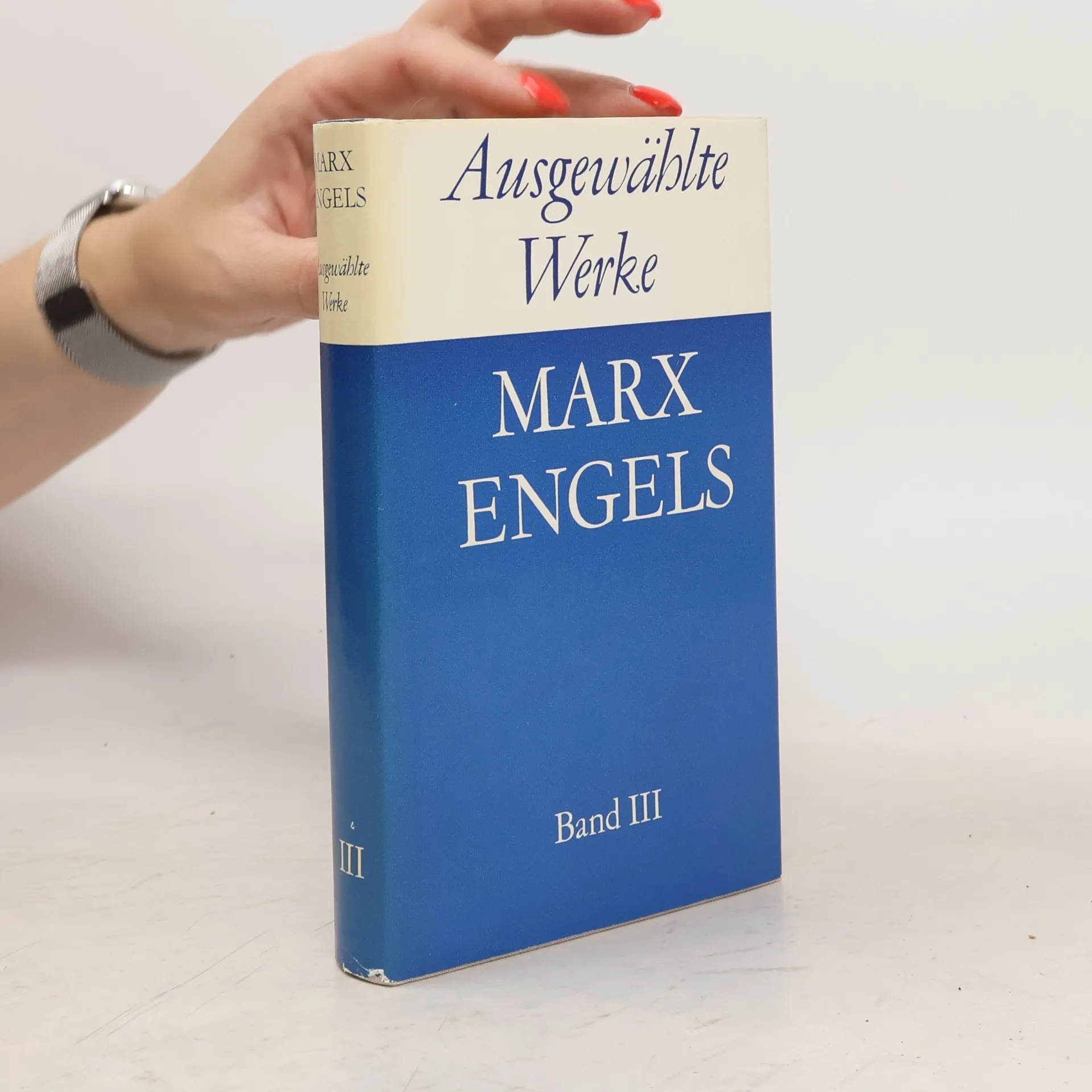
    Collected Works 3
    Frederick Engels on Capital
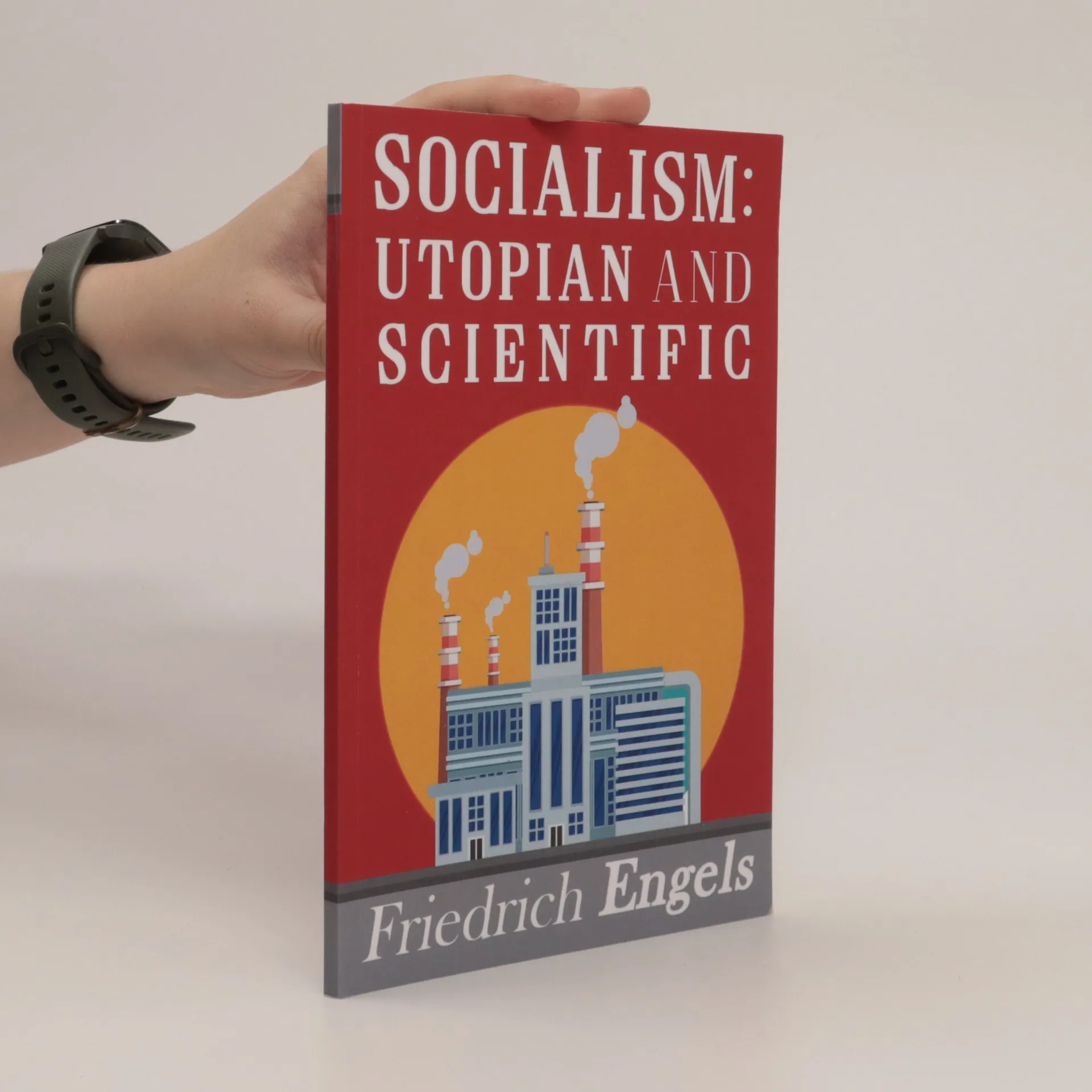
    Socialism: Utopian and Scientific
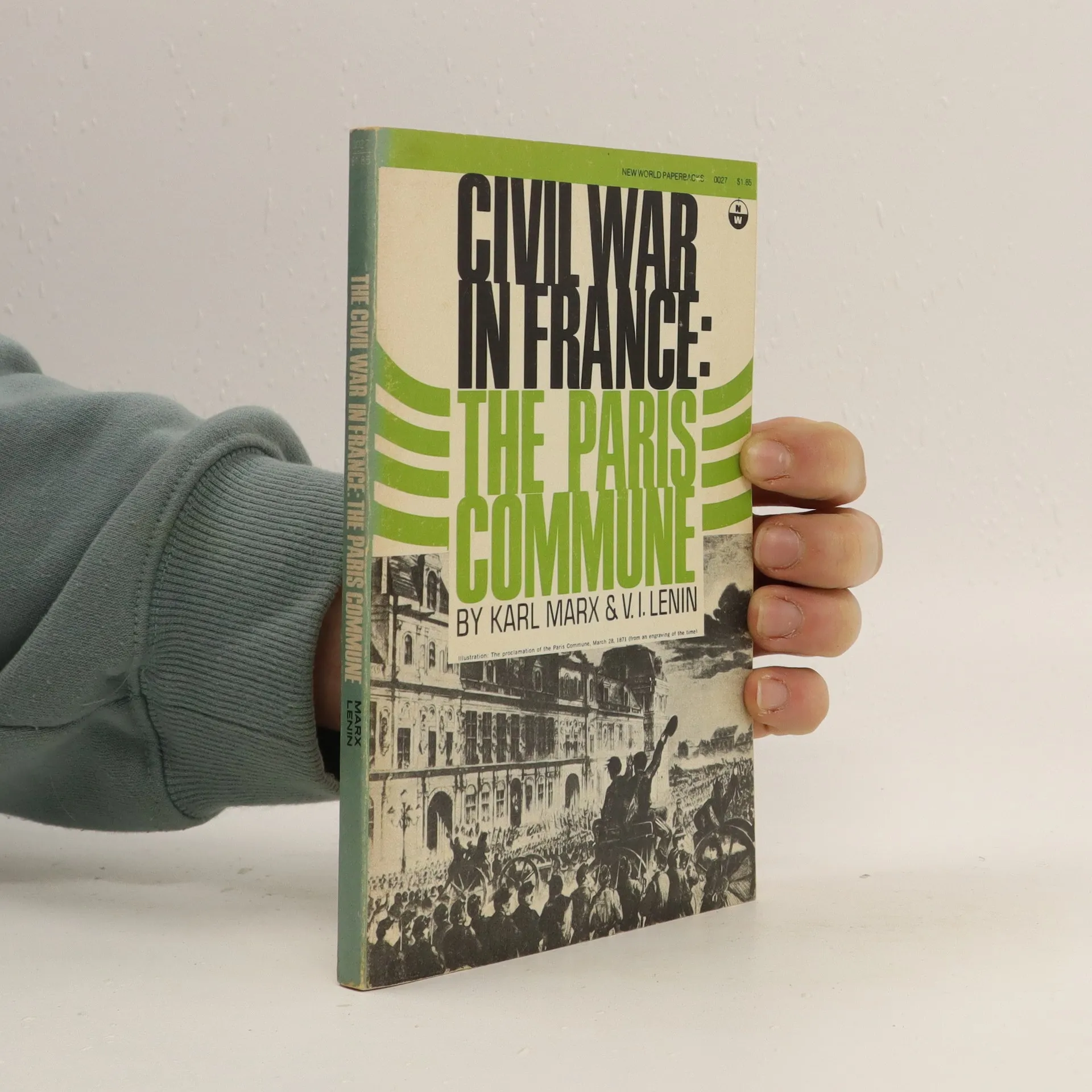
    Civil War in France: The Paris Commune
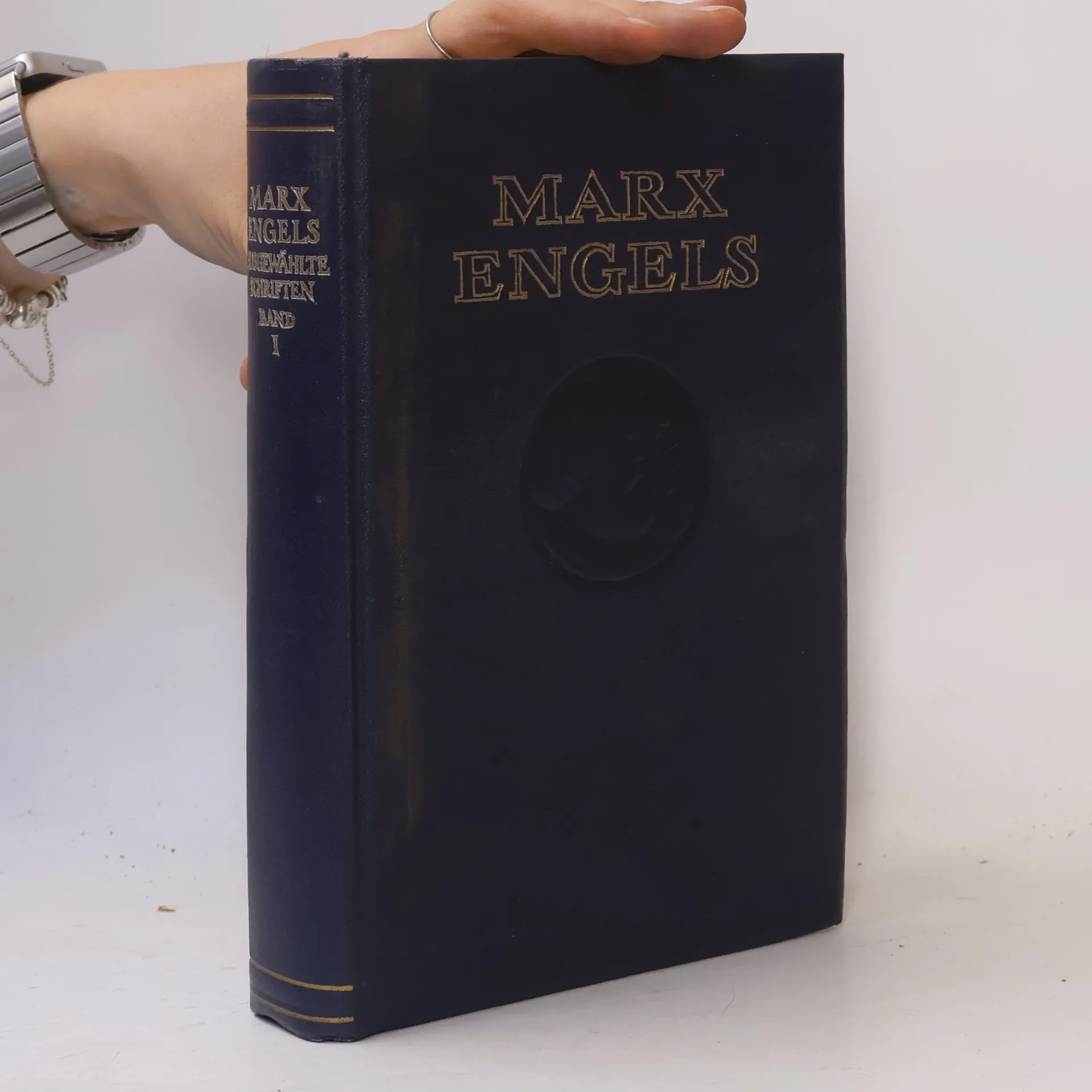
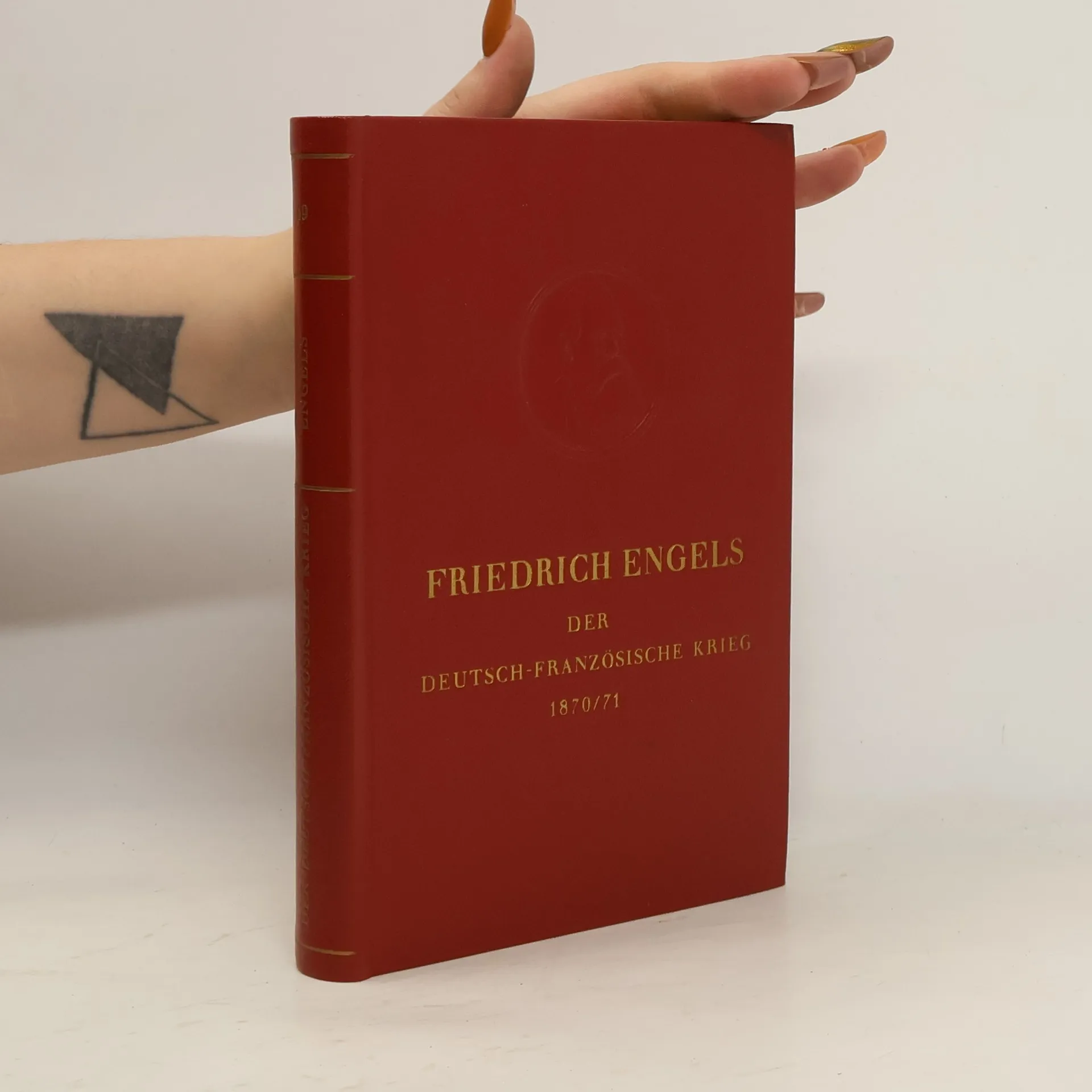
    Ausgewahlte Schriften 1
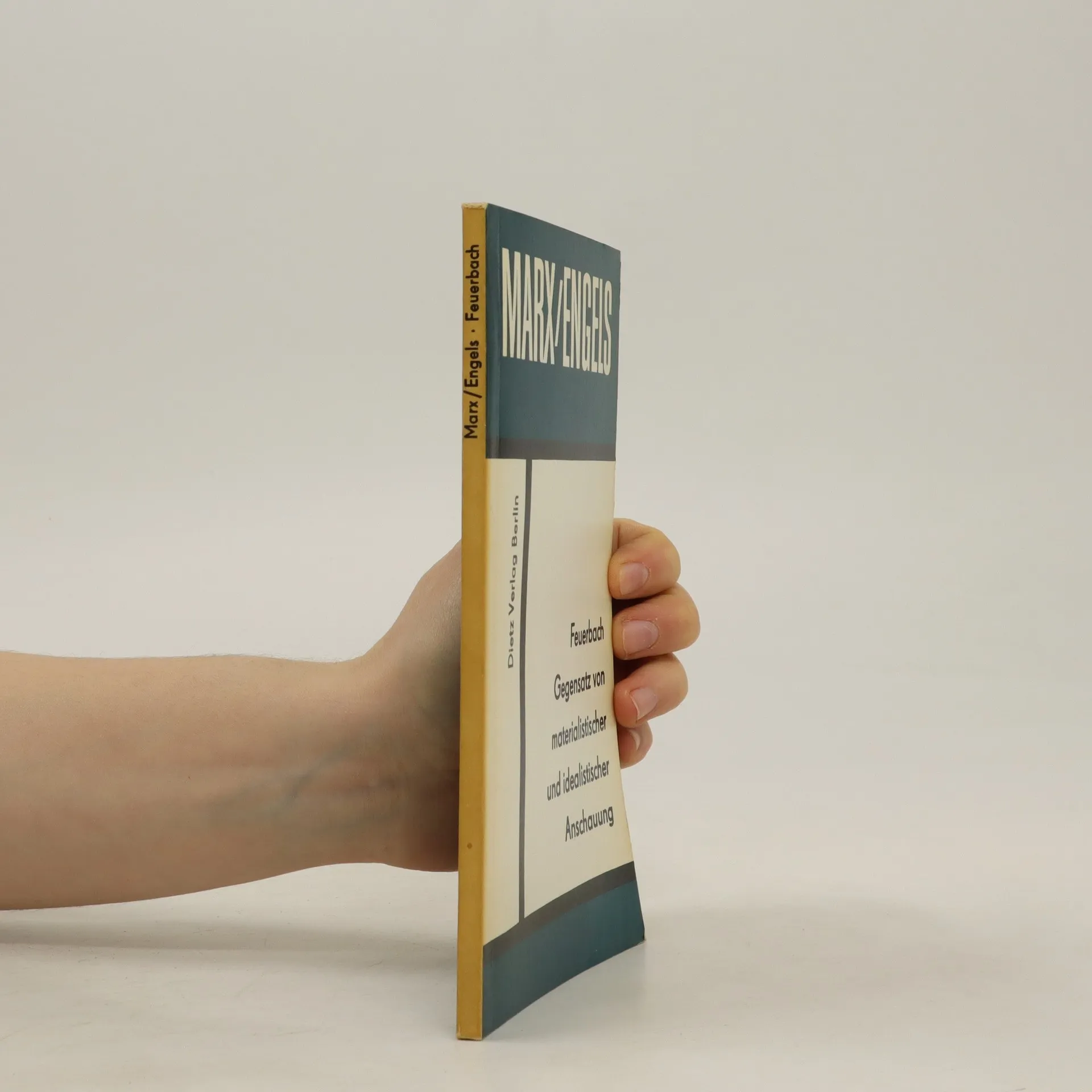
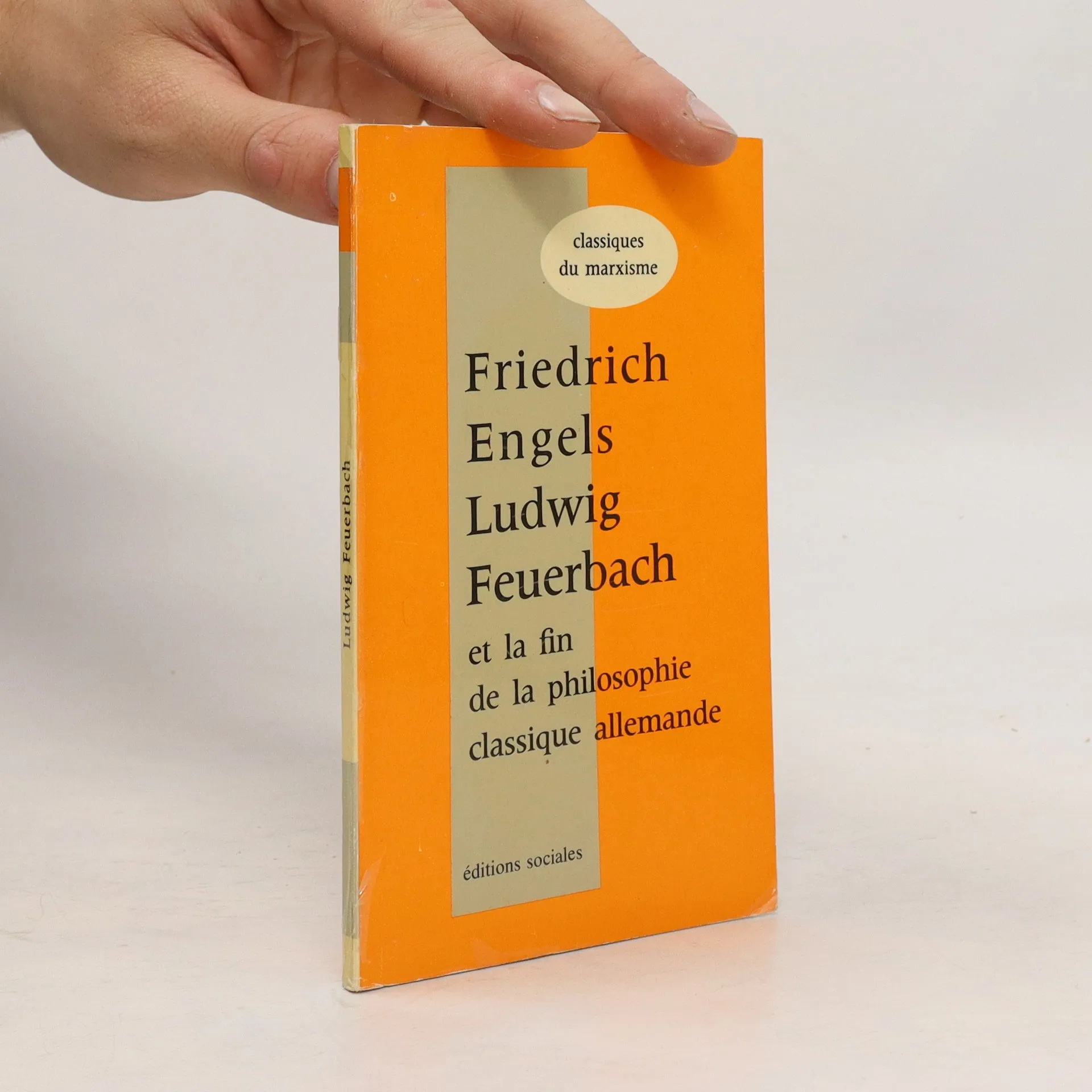
    Ludwig Feuerbach et la fin de la philosophie classique allemande
    • Cet ouvrage est une présentation remarquable de l'évolution de la philosophie allemande. Engels nous explique l'importance centrale de la dialectique hégélienne, son dépassement par le matérialisme de Feuerbach et la naissance, sur le flanc gauche du mouvement inspiré par Feuerbach, du mouvement qui se revendique du matérialisme dialectique. Friedrich Engels résume ce que fut la naissance du matérialisme dialectique par cette formule : « La dialectique de Hegel fut totalement renversée, ou, plus exactement : elle se tenait sur la tête, on la remit de nouveau sur ses pieds. »

      Ludwig Feuerbach et la fin de la philosophie classique allemande
    • A reprint of the 1934 'enlarged edition', a volume that added newly translated material to the title essay. It includes an introduction by Engels ["Do you want to know that this dictatorship of the proletariat looks like? Then look at the Paris Commune. That was the dictatorship of the proletariat"], Marx's first and second 'Manifesto On The Franco-Prussian War', the correspondence of Marx & Engels on the Commune, and Engels' 'The Program of the Blanquist Fugitives from the Paris Commune'.

      Civil War in France: The Paris Commune
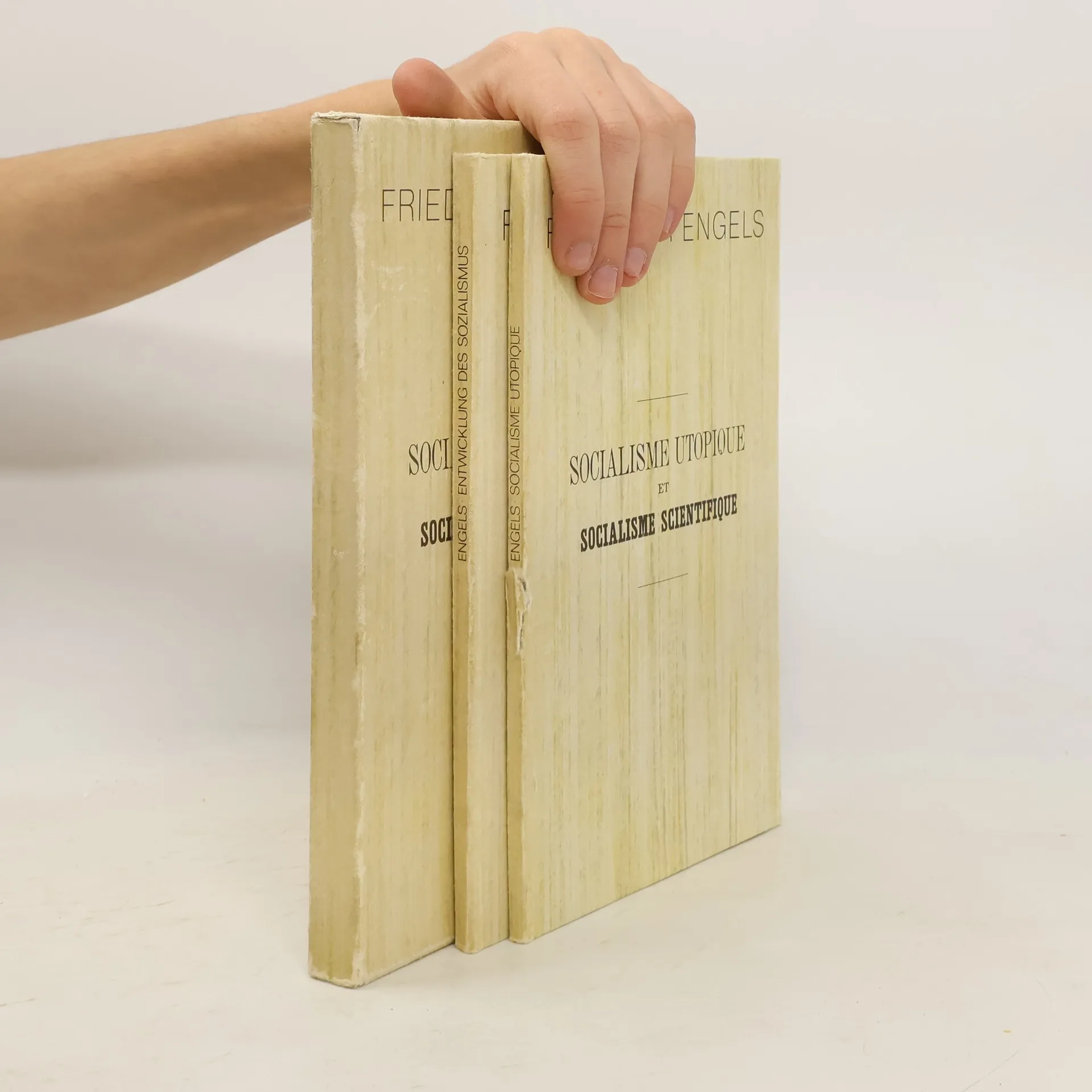
    • The book presents a significant exploration of socialism, distinguishing between its utopian and scientific aspects. Recognized as a classic, it has been preserved and republished in a modern format to ensure its accessibility for current and future readers. The text has been reformatted and retyped for clarity, making it a valuable resource for those interested in the evolution of socialist thought.

      Socialism: Utopian and Scientific
    • Frederick Engels on Capital

      Synopsis, Reviews, and Supplementary Material

      5,0(1)Évaluer

      Das Kapital, Karl Marx's seminal work, is the book that above all others formed the twentieth century. From Kapital sprung the economic and political systems that at one time dominated half the earth and for nearly a century kept the world on the brink of war. Even today, more than one billion Chinese citizens live under a regime that proclaims fealty to Marxist ideology. Yet this important tome has been passed over by many readers frustrated by Marx’s difficult style and his preoccupation with nineteenth-century events of little relevance to today's reader. Here Serge Levitsky presents a revised version of Kapital, abridged to emphasize the political and philosophical core of Marx’s work while trimming away much that is now unimportant. Pointing out Marx’s many erroneous predictions about the development of capitalism, Levitsky's introduction nevertheless argues for Kapital's relevance as a prime example of a philosophy of economic determinism that "subordinates the problems of human freedom and human dignity to the issues of who should own the means of production and how wealth should be distributed." Here then is a fresh and highly readable version of a work whose ideas provided inspiration for communist regimes' ideological war against capitalism, a struggle that helped to shape the world today.

      Frederick Engels on Capital
    • Le Capital

      • 992pages
      • 35 heures de lecture
      4,3(10836)Évaluer

      Les différents moments de l'accumulation initiale se répartissent donc principalement, dans un ordre plus ou moins chronologique, entre l'Espagne, le Portugal, la Hollande, la France et l'Angleterre. A la fin du XVIIe siècle, en Angleterre, ils sont tous rassemblés en une sorte de résumé systématique dans un système colonial, un système de la dette publique, et un système moderne d'imposition et de protection douanière. Ces méthodes reposent en partie sur la violence la plus brutale ; c'est le cas, par exemple, du système colonial. Mais toutes utilisent le pouvoir d'Etat, la violence concentrée et organisée de la Société, pour activer artificiellement le procès de transformation du mode de production féodal en mode de production capitaliste et pour en abréger les transitions. La violence est l'accoucheuse de toute vieille société grosse d'une société nouvelle. Elle est elle-même une potentialité économique.

      Le Capital
    • • This is a unique translation of the work of a German Philosopher. • A new table of contents with working links s has been included by a publisher. About the Author: "Friedrich Engels, ( 28 November 1820 – 5 August 1895) was a German industrialist, social scientist, author, political theorist, philosopher, and father of Marxist theory, alongside Karl Marx. In 1845 he published The Condition of the Working Class in England, based on personal observations and research. In 1848 he produced with Marx The Communist Manifesto and later he supported Marx financially to do research and write Das Kapital. After Marx's death Engels edited the second and third volumes. Additionally, Engels organized Marx's notes on the "Theories of Surplus Value" and this was later published as the "fourth volume" of Capital.

      The Principles of Communism
    • In the early-1870s, an ideological debate began to unfold in the German press on the shortage of affordable housing available to workers in major industrial areas. The rapid increase in industrial production necessitating an increase in industrial workers created a housing crisis. From June 1872 to February 1873, Fredrick Engels contributed a series of articles to the publication The Volksstaat (The People's State) titled "The Housing Question." Originally published as a booklet by the Co-Operative Publishing Society of Foreign Workers in the USSR and out of print for many years, INTERNATIONAL PUBLISHERS is proud to make this text available - as workers yet again face almost insurmountable obstacles to finding affordable housing. As Engels wrote in 1872, "What is meant today by housing shortage is the peculiar intensification of the bad housing conditions of the workers as the result of the sudden rush of population to the big towns; a colossal increase in rents, a still further aggravation of overcrowding in the individual houses, and, for some, the impossibility of finding a place to live in at all." Fredrick Engels' essays collected here as "The Housing Question" are just as relevant today, roughly 150 years after first written.

      The Housing Question