

Bookbot

Nick Montfort

    1 janvier 1972

    Nick Montfort est professeur de médias numériques au MIT, dont le travail explore le domaine captivant de la fiction interactive. Il étudie comment nous nous engageons dans la narration et repousse les limites de l'expression créative grâce à la programmation pour les arts et les sciences humaines. La recherche de Montfort fait le lien entre la technologie et les entreprises artistiques, offrant des perspectives uniques sur les nouveaux médias.

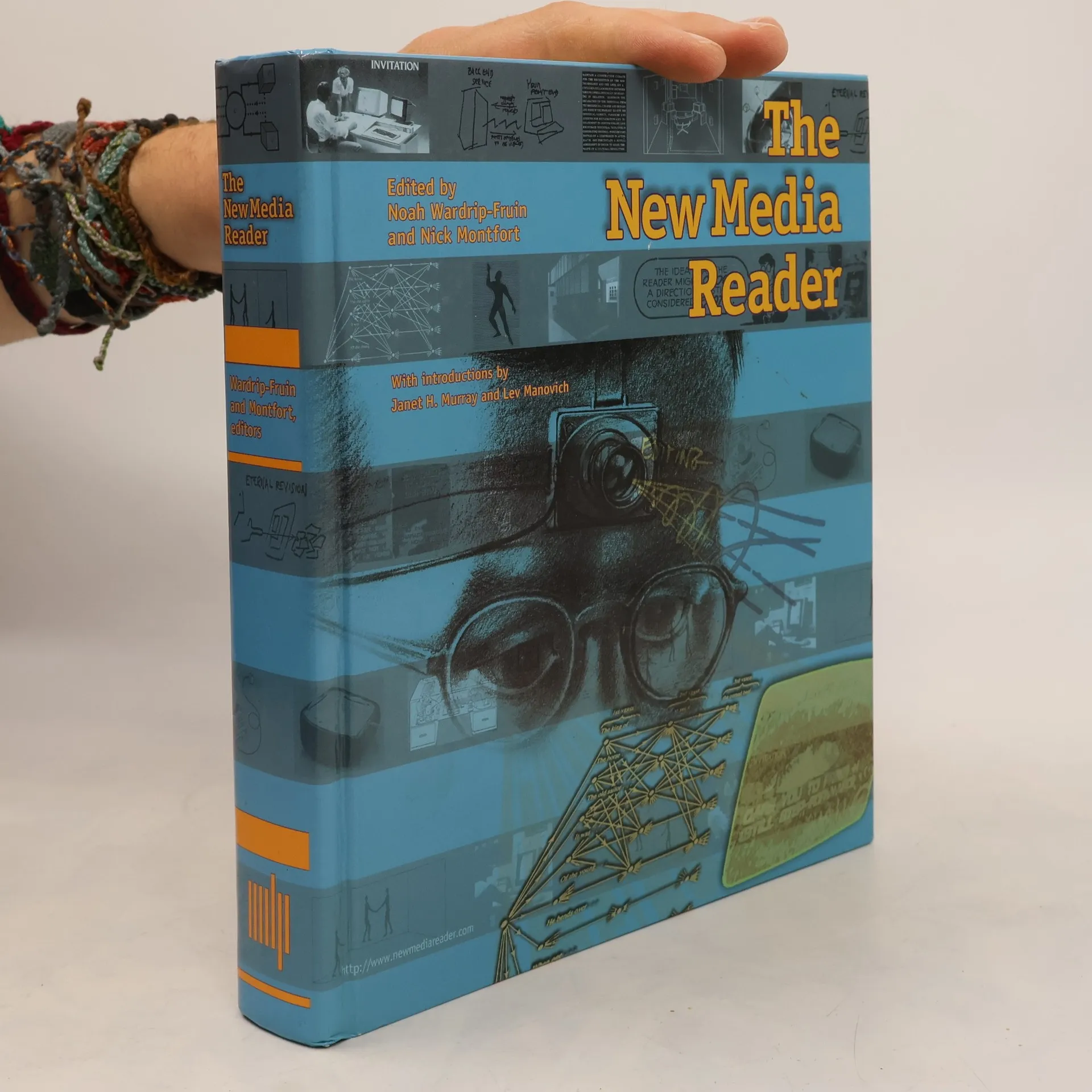
    The New Media Reader
    Twisty Little Passages. An Approach To Interactive Fiction
    10 PRINT CHR$(205.5+RND(1));
    • 10 PRINT CHR$(205.5+RND(1));

      GOTO 10

      • 309pages
      • 11 heures de lecture

      A single line of code offers a way to understand the cultural context of computing. This book takes a single line of code—the extremely concise BASIC program for the Commodore 64 inscribed in the title—and uses it as a lens through which to consider the phenomenon of creative computing and the way computer programs exist in culture. The authors of this collaboratively written book treat code not as merely functional but as a text—in the case of 10 PRINT, a text that appeared in many different printed sources—that yields a story about its making, its purpose, its assumptions, and more. They consider randomness and regularity in computing and art, the maze in culture, the popular BASIC programming language, and the highly influential Commodore 64 computer.

      10 PRINT CHR$(205.5+RND(1));
      4,0
    • Montfort explores the rise of independent creators and the growth of an online interactive fiction community in the 1990s, highlighting the impact of interactive fiction on various literary and gaming forms.

      Twisty Little Passages. An Approach To Interactive Fiction
      3,8
    • The New Media Reader

      • 823pages
      • 29 heures de lecture

      This reader compiles rare texts, videos, and programs that trace the development of new media, featuring contributions from notable figures like Borges, Turing, and McLuhan. It includes historical context and significance, alongside a CD with early games, digital art, and key video documentation of pioneering media works.

      The New Media Reader