

More than a cheap article of clothing, the T-shirt is a portable personal ad, its wearing declaring their political/musical/social affiliations for all the world to see. Since the 1960s the T-shirt has provided a forum for expression, where anti-war slogans mixed with early counter-culture classics such as "Keep on Truckin'," and tie-dye mingled with the debut of that hardy perennial, the tour album cover graphic on the front, venue details listed on the back. This book reflects the diverse and rich graphic culture that has arisen from the medium, considering its use in areas such as music, politics and fashion. Featuring photographs of T-shirts worn on the street, specially commissioned T-shirt graphics, T-shirt collections, and the best and coolest graphics from around the world, 300% Cotton will appeal to designers, illustrators and art directors, as well as a general market of T-shirt enthusiasts and collectors.
Helen Walters Livres
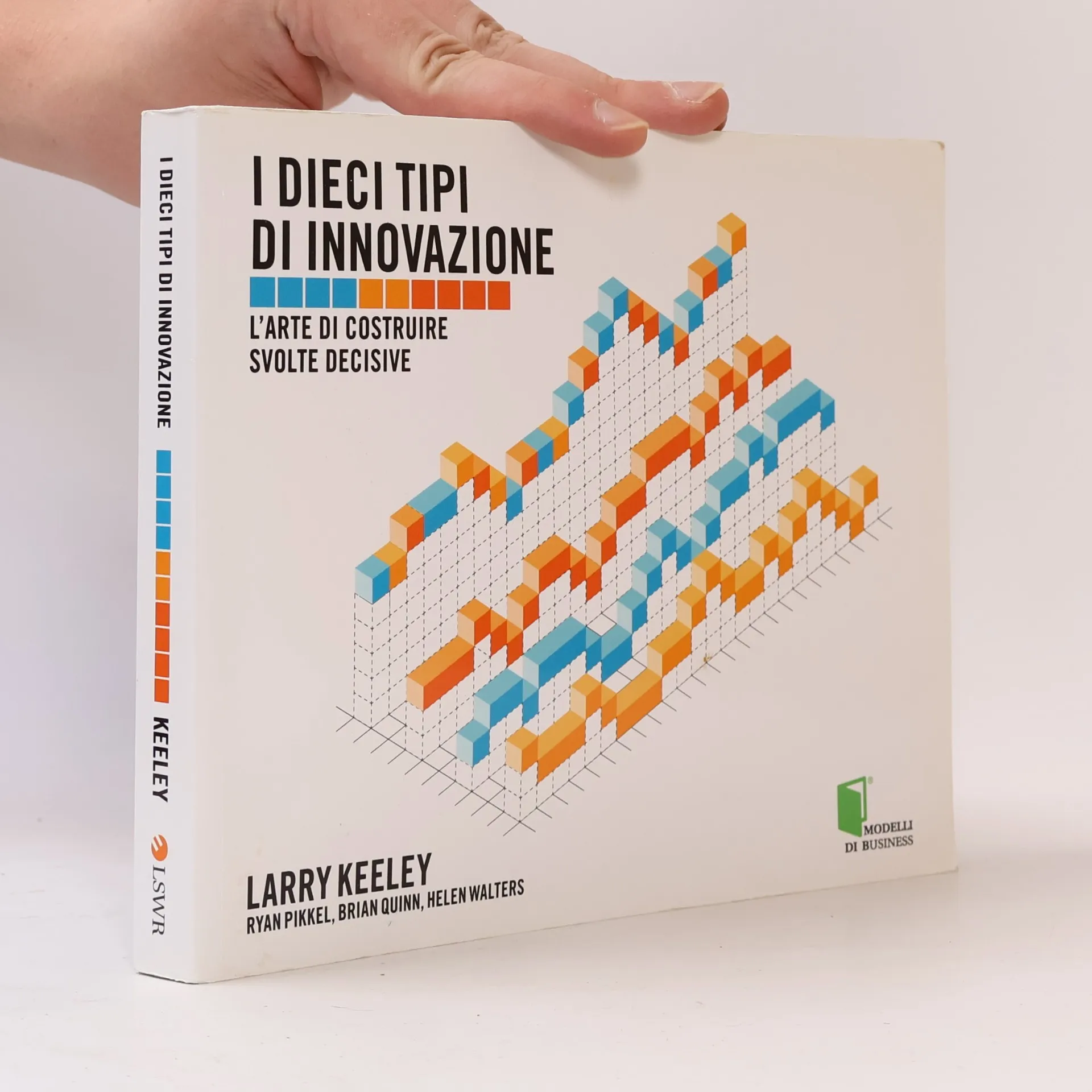



Ten types of innovation. The discipline of building breakthroughs
- 288pages
- 11 heures de lecture
Innovation principles to bring about meaningful and sustainable growth in your organization Using a list of more than 2,000 successful innovations, including Cirque du Soleil, early IBM mainframes, the Ford Model-T, and many more, the authors applied a proprietary algorithm and determined ten meaningful groupings—the Ten Types of Innovation—that provided insight into innovation. The Ten Types of Innovation explores these insights to diagnose patterns of innovation within industries, to identify innovation opportunities, and to evaluate how firms are performing against competitors. The framework has proven to be one of the most enduring and useful ways to start thinking about transformation. Details how you can use these innovation principles to bring about meaningful—and sustainable—growth within your organization Author Larry Keeley is a world renowned speaker, innovation consultant, and president and co-founder of Doblin, the innovation practice of Monitor Group; BusinessWeek named Keeley one of seven Innovation Gurus who are changing the field The Ten Types of Innovation concept has influenced thousands of executives and companies around the world since its discovery in 1998. The Ten Types of Innovation is the first book explaining how to implement it.
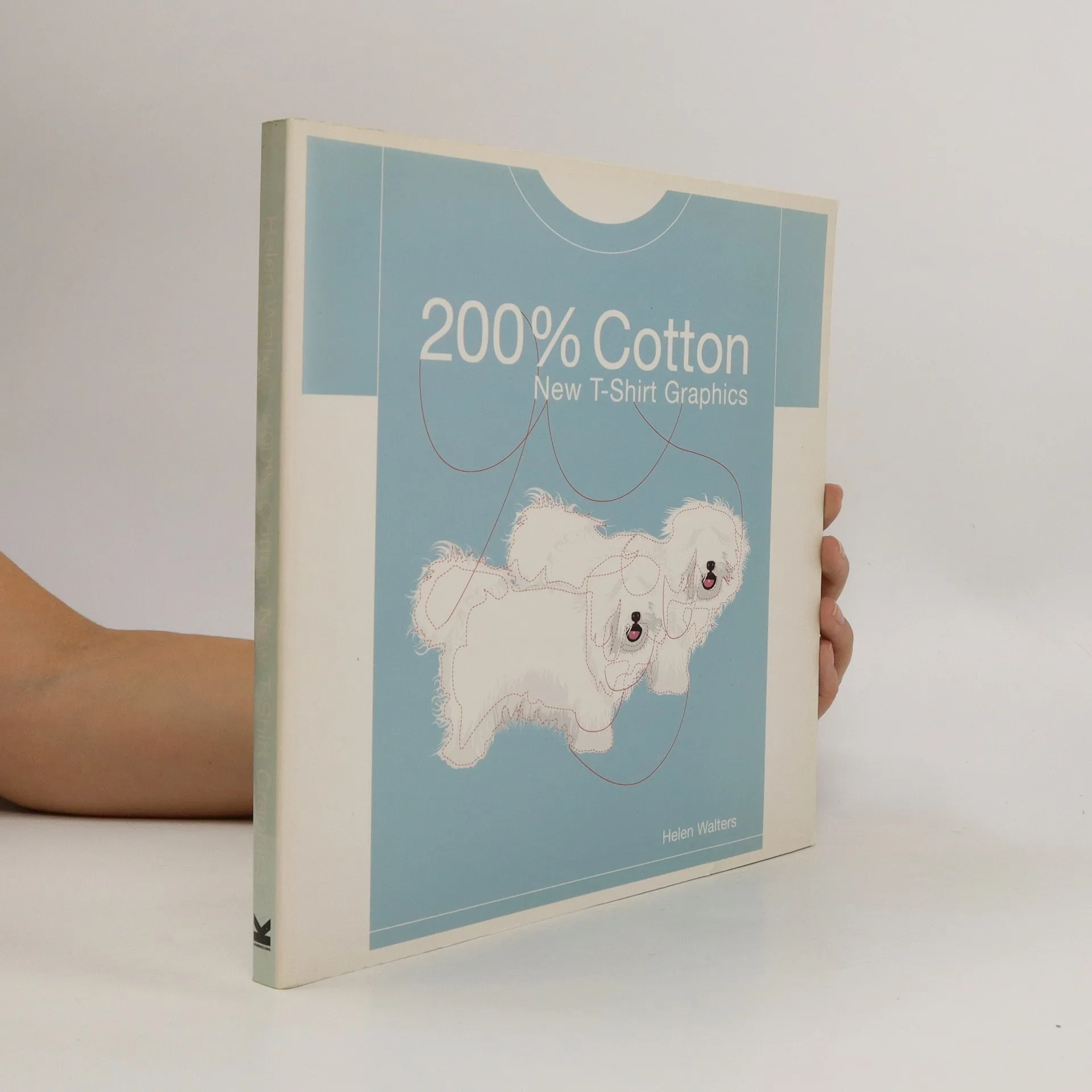
200% Cotton
- 144pages
- 6 heures de lecture
This is a selection of cutting-edge T-shirts from the last couple of years. This book reflects the current diverse graphic culture of the medium, considering its use in areas such as music, politics and fashion.
Animation Unlimited
- 192pages
- 7 heures de lecture
Featuring 50 seminal short films by key animators from around the world, this book discusses the work of early pioneers such as Oskar Fischinger and Jan Svankmajer as well as contemporary animators such as Larry Cuba, Tim Hope and Run Wrake. All of the films included are independently produced personal work. Most of the featured directors make a living in commercial animation but, freed from the constraints of a client brief, they use their short films to experiment with new ideas and techniques, many of which subsequently find their way into commercial applications. Labors of love, these films can take years to complete – each second of the film may consist of up to 25 frames of animation. Grouped according to four main themes, all forms of animation are covered, including 2D, 3D, Claymation, stop frame and web/Flash animation. Each project is accompanied by a 500-word review including comments from the director. Details of software and method along with the internet address of the production company are given in the technical credits.
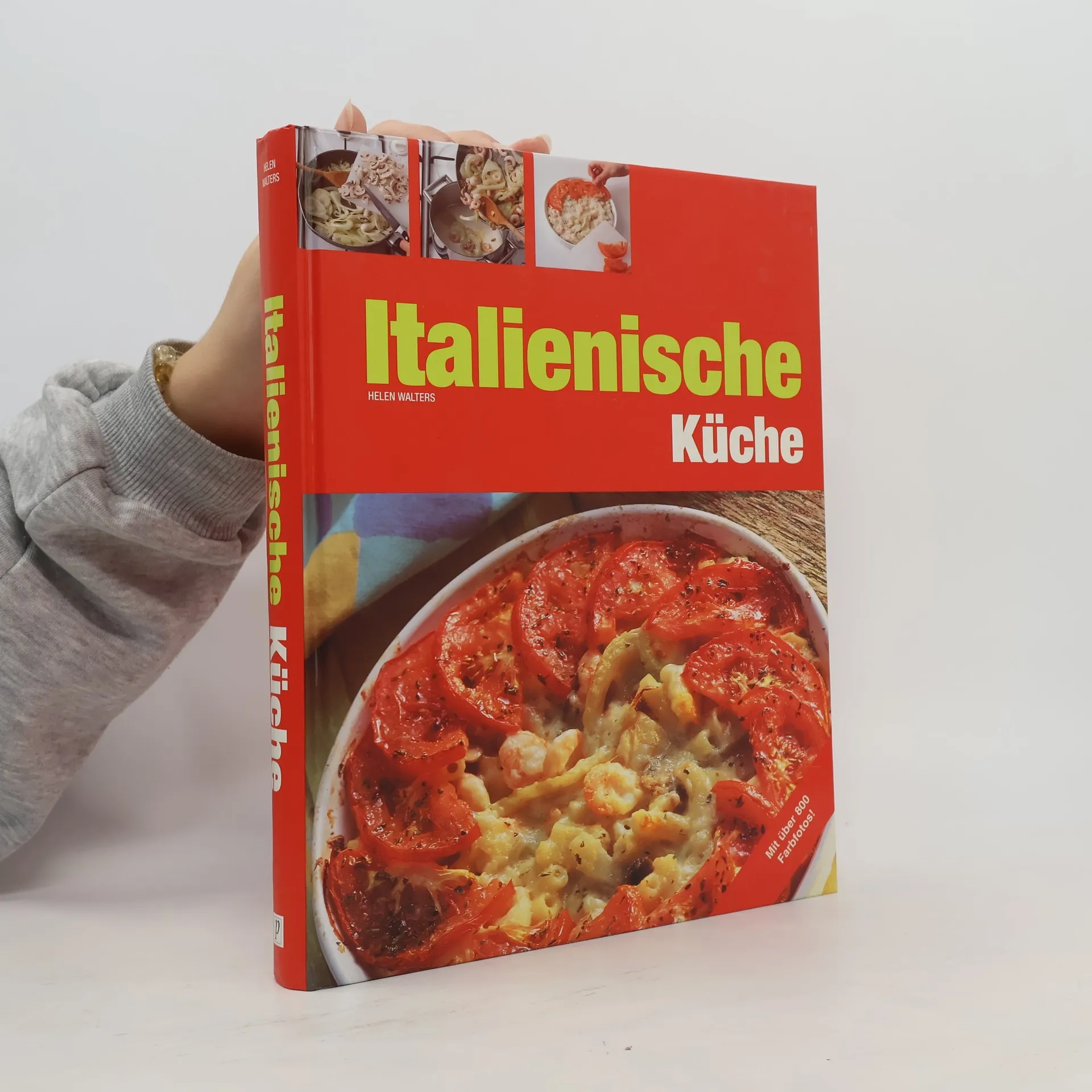
Italienische Küche
- 384pages
- 14 heures de lecture
Modelli di business: I dieci tipi di innovazione. L'arte di costruire svolte decisive
- 276pages
- 10 heures de lecture