
Bookbot

Daniel Kahneman

    Daniel Kahneman était un psychologue israélo-américain dont le travail a exploré les processus cognitifs sous-jacents au jugement et à la prise de décision humains. Aux côtés d'Amos Tversky, il a établi une base cognitive pour les erreurs humaines courantes, examinant les heuristiques et les biais. Kahneman a exploré de manière approfondie la manière dont les gens perçoivent le risque et les récompenses, développant la théorie des perspectives, d'une importance capitale. Ses recherches ont considérablement fait progresser l'économie comportementale et la psychologie en offrant des perspectives profondes sur la rationalité et l'irrationalité de l'esprit humain.

    Daniel Kahneman
    Noise
    Thinking, Fast and Slow
    Choices, Values, and Frames
    The Importance of the Community Rabbi
    Heuristics and Biases : The Psychology of Intuitive Judgment
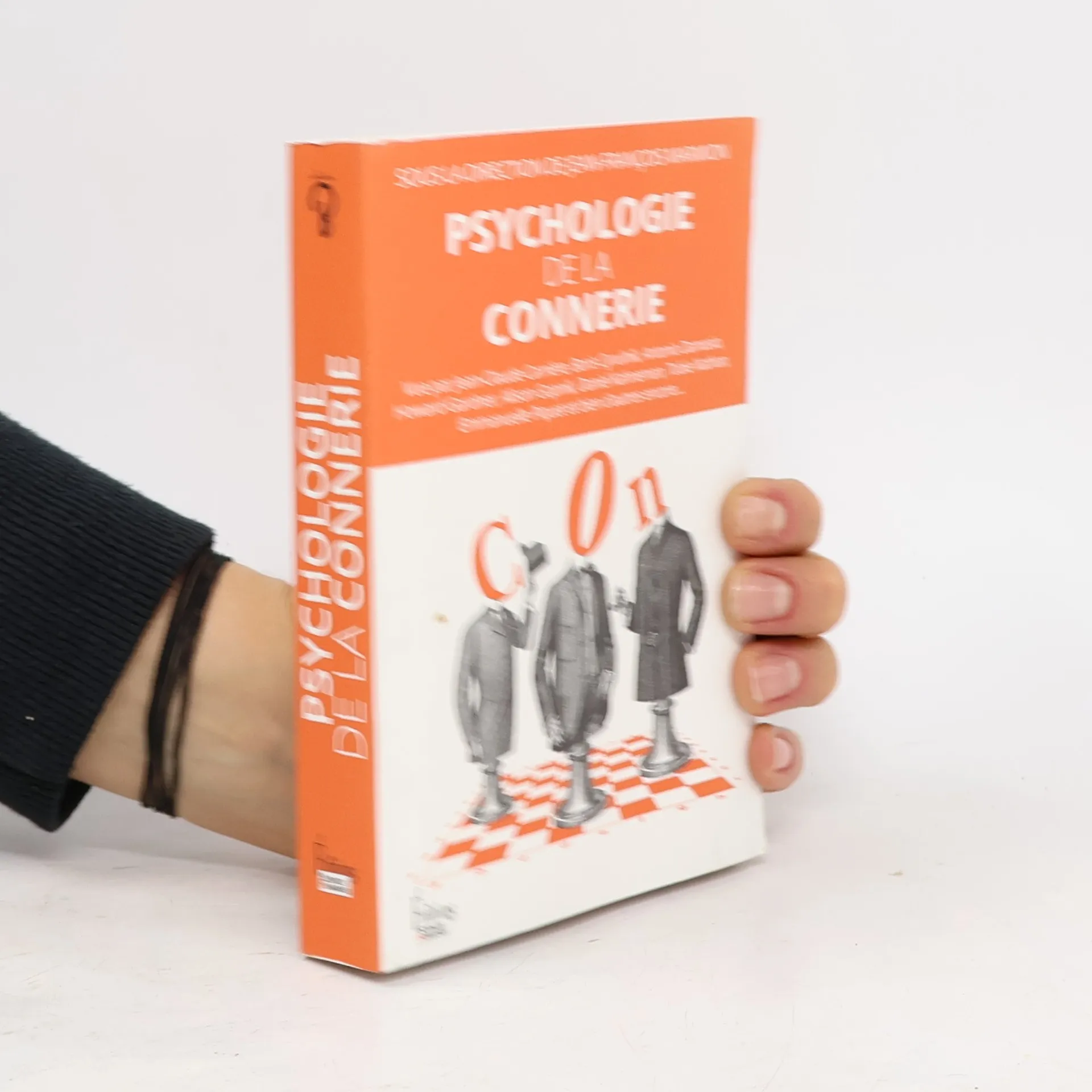
    Psychologie de la connerie
    • Psychologie de la connerie

      • 377pages
      • 14 heures de lecture
      3,3(110)Évaluer

      Dan Ariely, Boris Cyrulnik, Antonio Damasio, Howard Gardner, Daniel Kahneman, Edgar Morin, Tobie Nathan et bien d'autres encore parlent de la connerie humaine. Un monde sans connards est possible ! En fait, non. Désolés. Mais ça n'empêche pas d'y réfléchir. La connerie, chacun la connaît : nous la supportons tous au quotidien. C'est un fardeau. Et pourtant les psychologues, spécialistes du comportement humain, n'ont jamais essayé de la définir. Mieux la comprendre pour mieux la combattre, tel est l'objectif de ce livre, même si nous sommes vaincus d'avance. Des psys de tous les pays, mais aussi des philosophes, sociologues et écrivains, nous livrent ici leur vision de la connerie humaine. C'est une première mondiale. Et peut-être une dernière, profitez-en !
      Psychologie de la connerie
    • Judgment pervades human experience. Do I have a strong enough case to go to trial? Will the Fed change interest rates? Can I trust this person? This book examines how people answer such questions. How do people cope with the complexities of the world economy, the uncertain behavior of friends and adversaries, or their own changing tastes and personalities? When are people's judgments prone to bias, and what is responsible for their biases? This book compiles psychologists' best attempts to answer these important questions.

      Heuristics and Biases : The Psychology of Intuitive Judgment
    •  The contemporary rabbi is influenced by the modern rabbinic establishments throughout the world, including the rabbinate in Israel. The rabbinate's monopoly on opinions and interpretations prevents rabbis from expressing their individual positions out of fear of delegitimization. The current structure gives the public a negative impression of the rabbinic establishment. The Importance of the Community Rabbi strives to describe and delineate key requirements for a good rabbi, i.e., one who can provide socially acceptable halachic solutions within the parameters of Orthodox thinking. Rabbi Sperber elucidates the halachic techniques and mechanisms that may be used toward this goal. These are further illustrated with stories from rabbinic literature and examples from various responsa.

      The Importance of the Community Rabbi
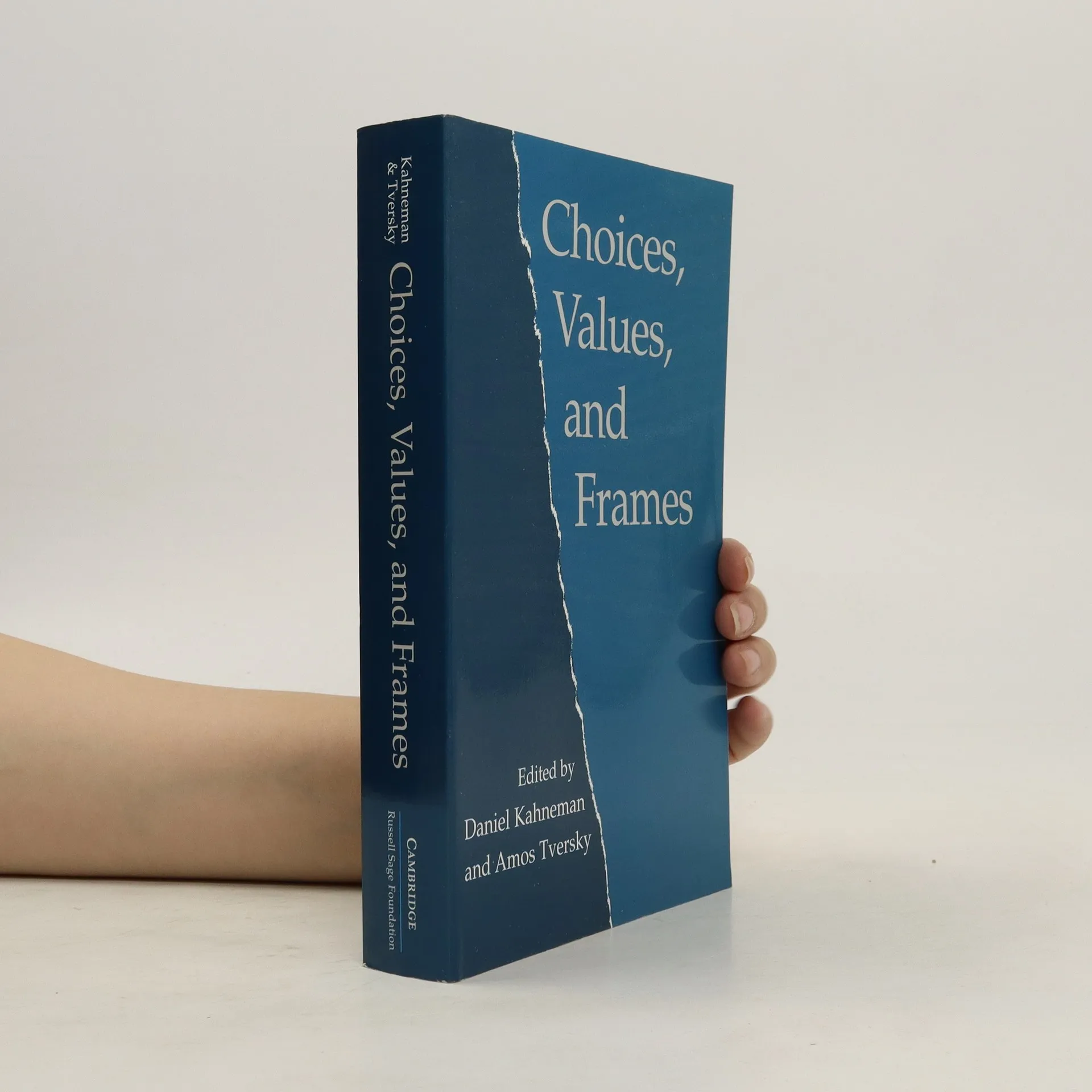
    • Choices, Values, and Frames

      • 860pages
      • 31 heures de lecture
      4,2(950)Évaluer

      Choices, Values, and Frames presents an empirical and theoretical challenge to classical utility theory, offering prospect theory as an alternative framework. Extensions and applications to diverse economic phenomena and to studies of consumer behavior are discussed. The book also elaborates on framing effects and other demonstrations that preferences are constructed in context, and it develops new approaches to the standard view of choice-based utility. As with the classic 1982 volume, Judgment Under Uncertainty, this volume is comprised of papers published in diverse academic journals. The editors have written several new chapters and a preface to provide a context for the work.

      Choices, Values, and Frames
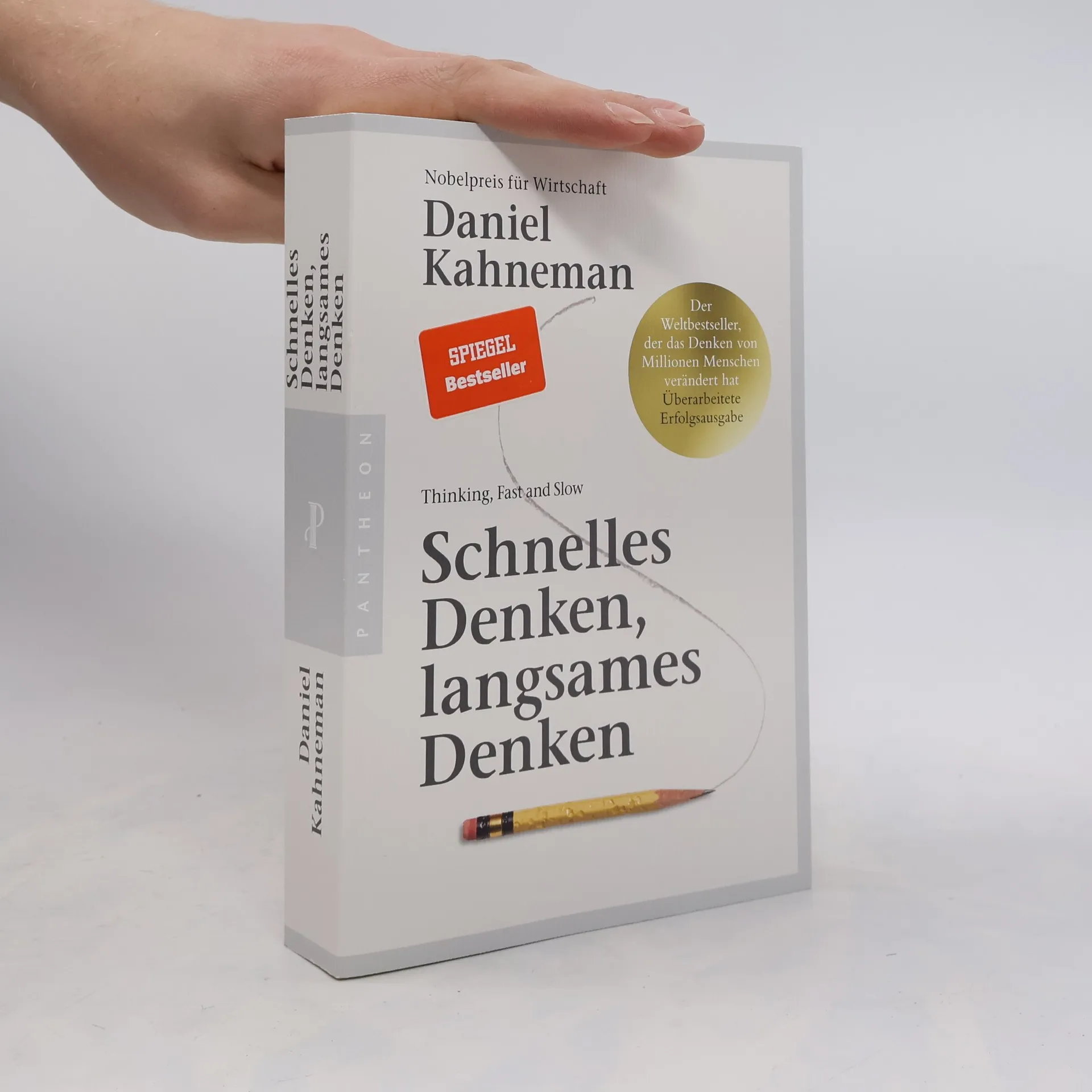
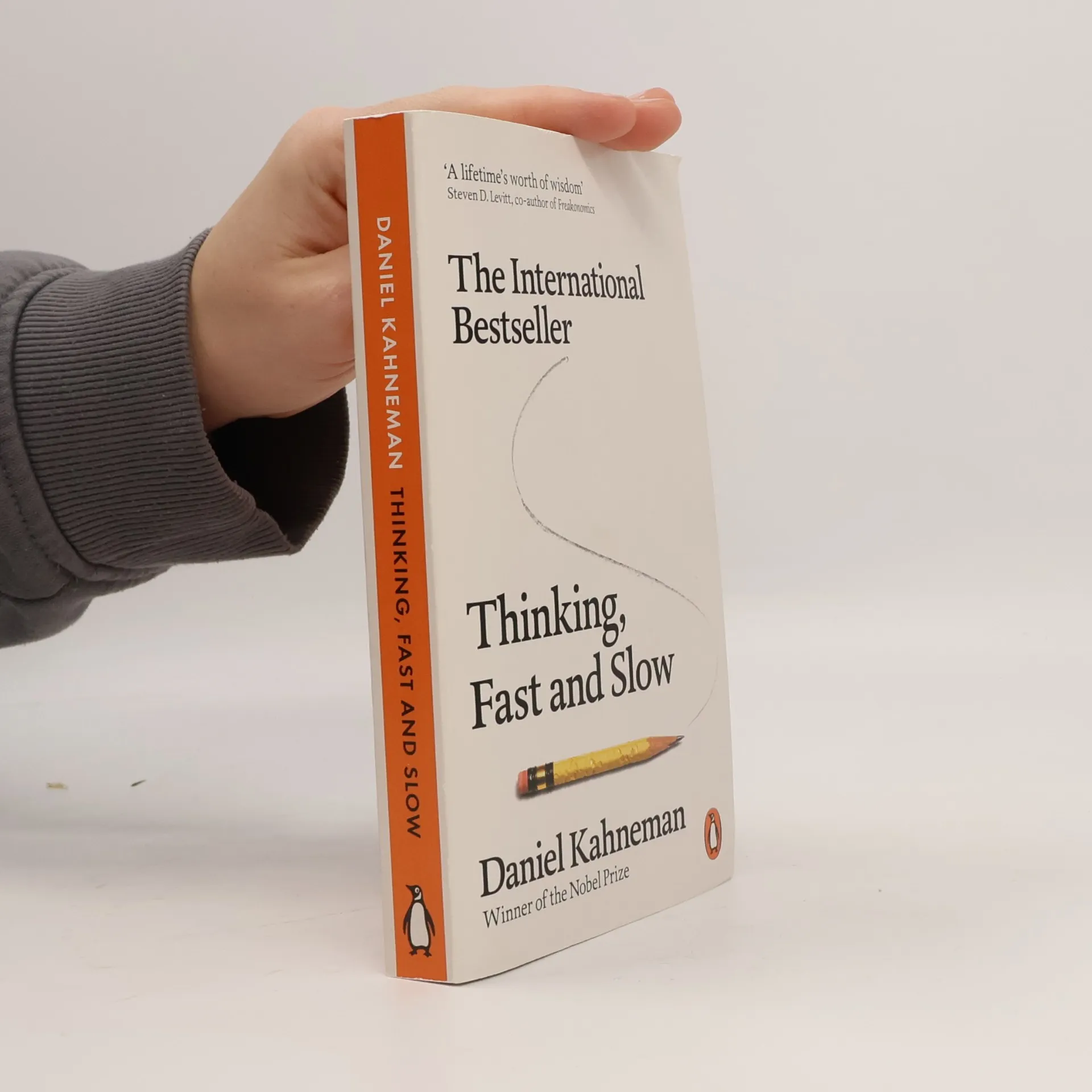
    • Thinking, Fast and Slow

      • 512pages
      • 18 heures de lecture
      4,2(490299)Évaluer

      Psychologist Daniel Kahneman reveals the truth about our intuitions and rationality to teach us how to better our lives. He explores the fascinating flaws and marvels of human behaviour and reveals to us the common errors in people's beliefs.

      Thinking, Fast and Slow
    • 3,7(11867)Évaluer

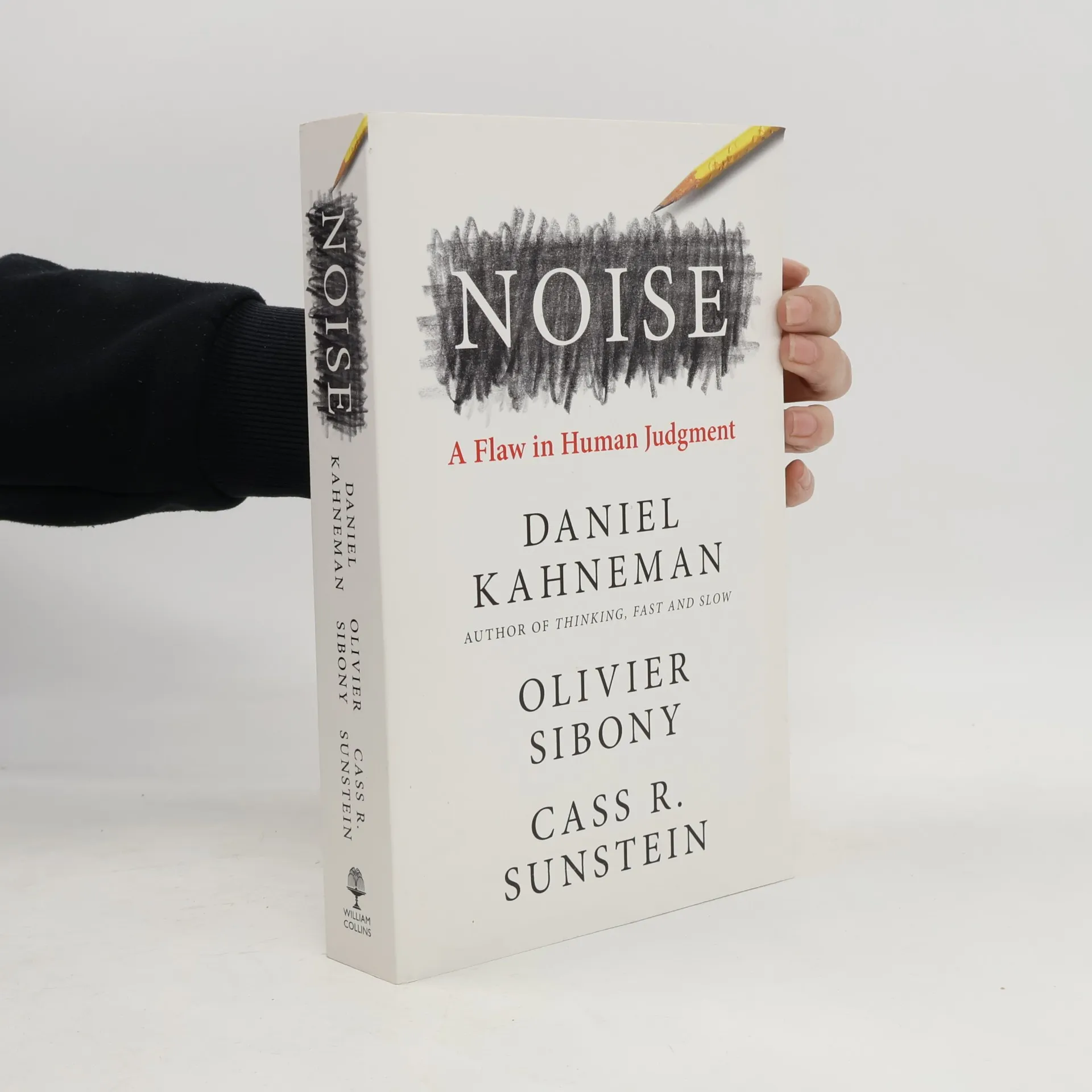
      From the bestselling author of Thinking, Fast and Slow and co-author of Nudge comes a groundbreaking exploration of why people often make poor judgments and how to mitigate the impact of noise. Consider instances where two doctors provide different diagnoses for identical patients, or judges issue varying sentences for the same crime. Different food inspectors might rate indistinguishable restaurants differently, and customer complaint resolutions can vary based on who is handling them. Imagine the same professional making inconsistent decisions based on the time of day or day of the week. These scenarios illustrate noise: the variability in judgments that should be consistent. In this work, Daniel Kahneman, Cass R. Sunstein, and Olivier Sibony reveal how noise significantly contributes to errors across various fields, including medicine, law, economic forecasting, and food safety. Despite its prevalence, individuals and organizations often remain unaware of the influence of chance on their judgments and actions. Drawing on the latest psychology and behavioral economics research, this book explains the reasons behind human susceptibility to noise in judgment and offers strategies for addressing it. Through diligent and insightful research, it aims to illuminate the complexities of decision-making and improve the accuracy of judgments in everyday life.

      Noise
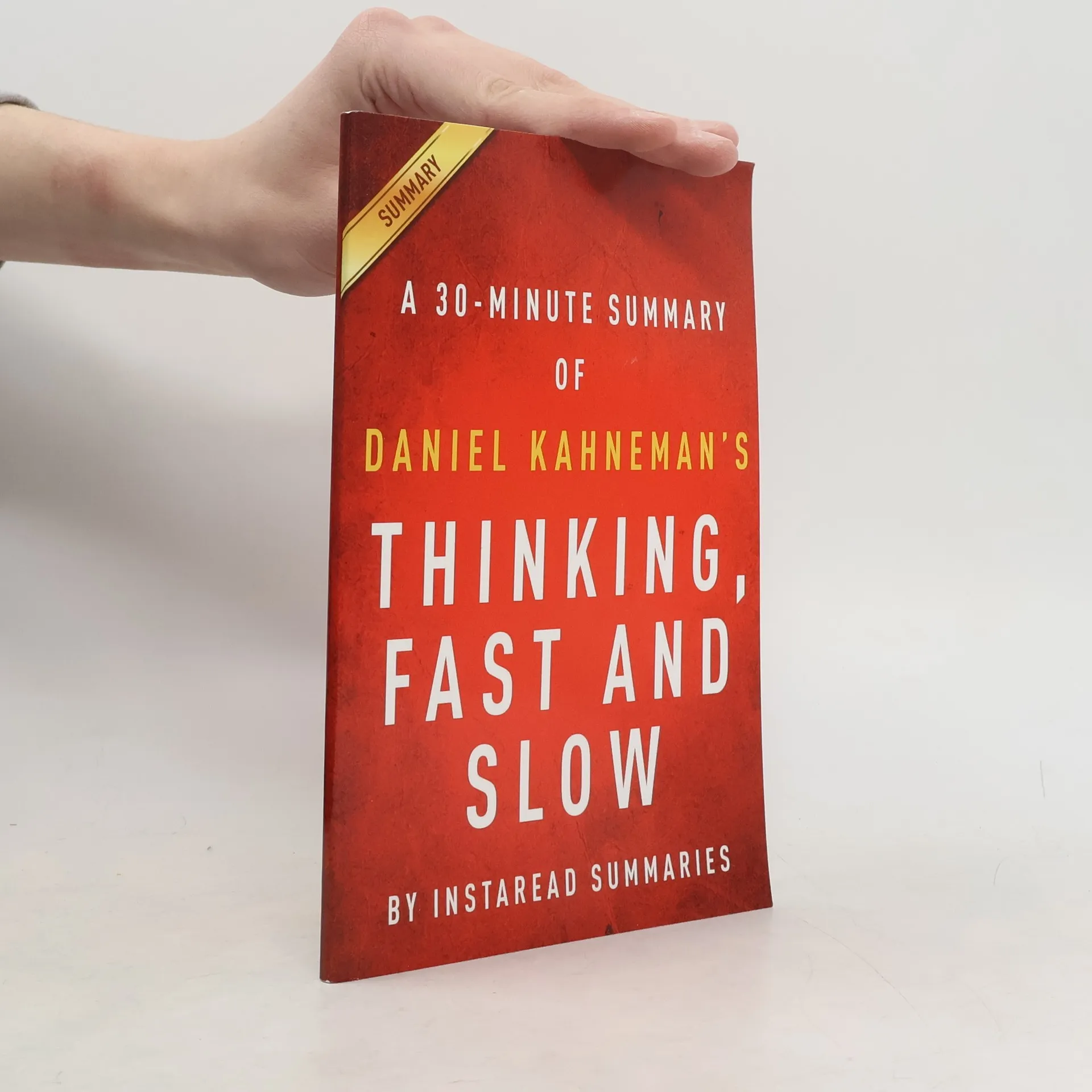
    • With Instaread Summaries, you can get the summary of a book in 30 minutes or less. We read every chapter, summarize and analyze it for your convenience. This is an Instaread Summary of Thinking, Fast and Slow by Daniel Kahneman. Below is a preview of the earlier sections of the summary: Introduction In this book Daniel Kahneman hopes to identify and understand errors of judgment and choice. He wants to provide a richer and more accurate vocabulary to discuss these errors. He worked with his colleague, Amos Tversky, doing research on intuitive statistics. The two of them had already concluded in an earlier seminar that their own intuitions were lacking. Their subjective judgments were biased, they were too willing to believe research findings based on inadequate evidence, and they collected too few observations in their own research. The goal of their study was to find out whether other researchers had this problem as well. Kahneman and Tversky found that participants in their studies ignored the relevant statistical facts and relied exclusively on resemblance. They used resemblance as a heuristic (rule of thumb) to simplify things when making a difficult judgment. Relying on this heuristic caused predictable biases (systematic errors) in their predictions. The research partners learned that people tend to determine the importance of issues by how easy they are retrieved from their memory. This is brought about in large part by the extent of coverage of the issues in the media. Kahneman presents a view of how the mind works, drawing on recent developments in cognitive and social psychology. He explains the differences between fast (intuitive) thinking and slow (deliberate) thinking. People have a limitation in their minds: an excessive confidence in what they think they know.

      Instaread Summaries: Thinking, Fast and Slow by Daniel Kahneman - A 30-Minute Summary
    • Sociálna inteligencia

      • 208pages
      • 8 heures de lecture
      5,0(1)Évaluer

      Aký rozdiel je medzi prirodzeným (intuitívnym) a formálno-logickým usudzovaním? Sú všetky logické chyby zlé? Aké postupy (heuristiky) používa intuitívne usudzovanie? Prečo sú hybnou silou rozvoja intelektu sociálne vzťahy? Aké komunikačné riziká sú spojené s informáciami získanými prostredníctvom svedectva? Na základe čoho vieme odhadnúť, čo sa deje v mysli iného? Prečo sa etnické klasifikácie zásadne líšia od iných sociálnych klasifikácií, napríklad profesijných či športových? Práve na tieto otázky hľadajú odpovede autori knihy Sociálna inteligencia. Prvú časť knihy tvoria preklady prác renomovaných zahraničných autorov (D. Kahneman, G. Gigerenzer, N. Humphrey a D. Sperber). Druhá časť knihy obsahuje príspevky domácich autorov (J. Bašnáková, M. Filko, M. Kanovský, V. Kvasnička, E. Pauková, J. Pospíchal a J. Rybár). Sme presvedčení, že kniha môže pomôcť vedeckým pracovníkom a študentom počítačovej vedy, psychológie, antropológie, ekonómie a ďalších prírodných a sociálnych vied zorientovať sa v danej oblasti. Dúfame, že poslúži aj všetkým, ktorí sa chcú bližšie oboznámiť so súvislosťami medzi intuitívnym usudzovaním a sociálnou inteligenciou.

      Sociálna inteligencia