Bookbot

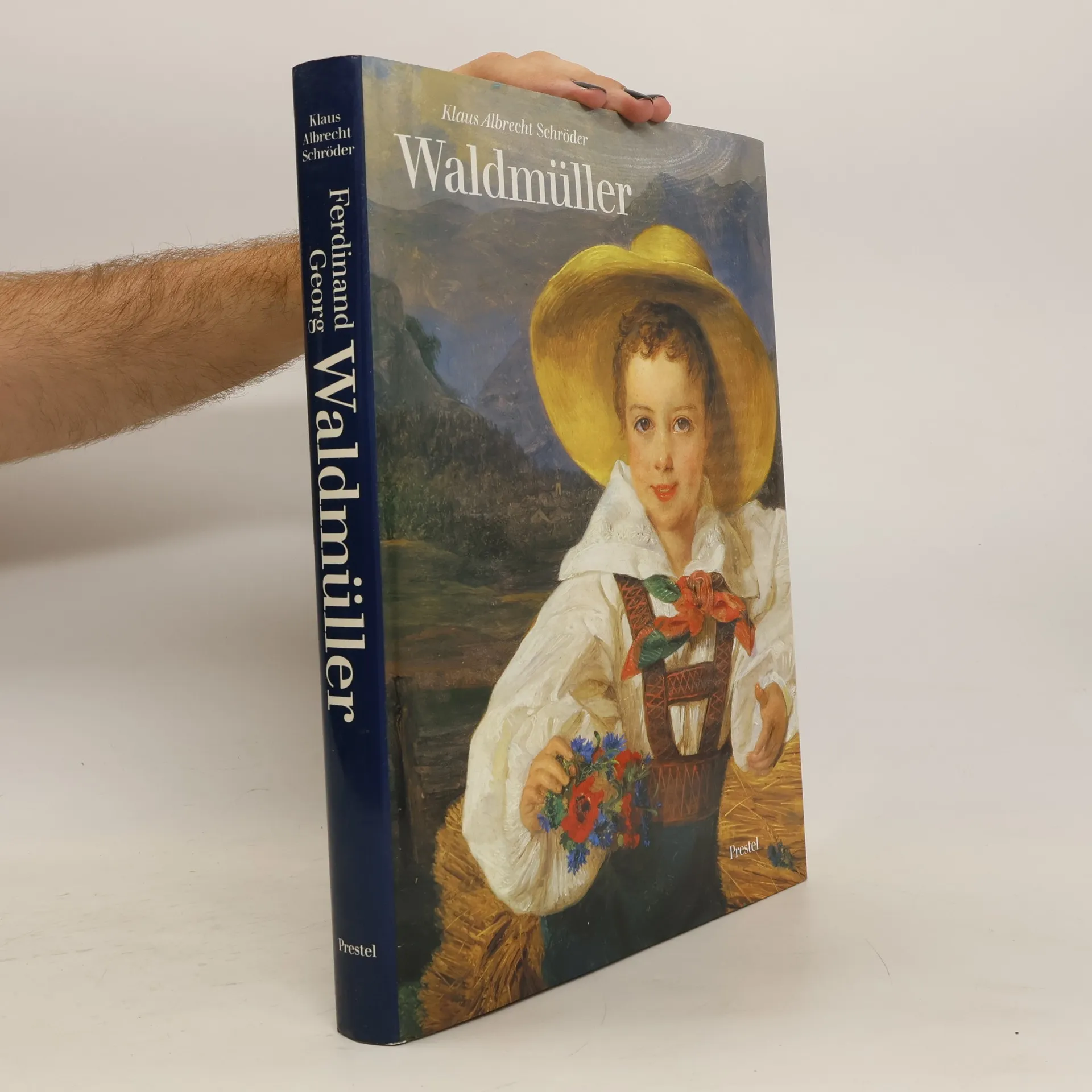
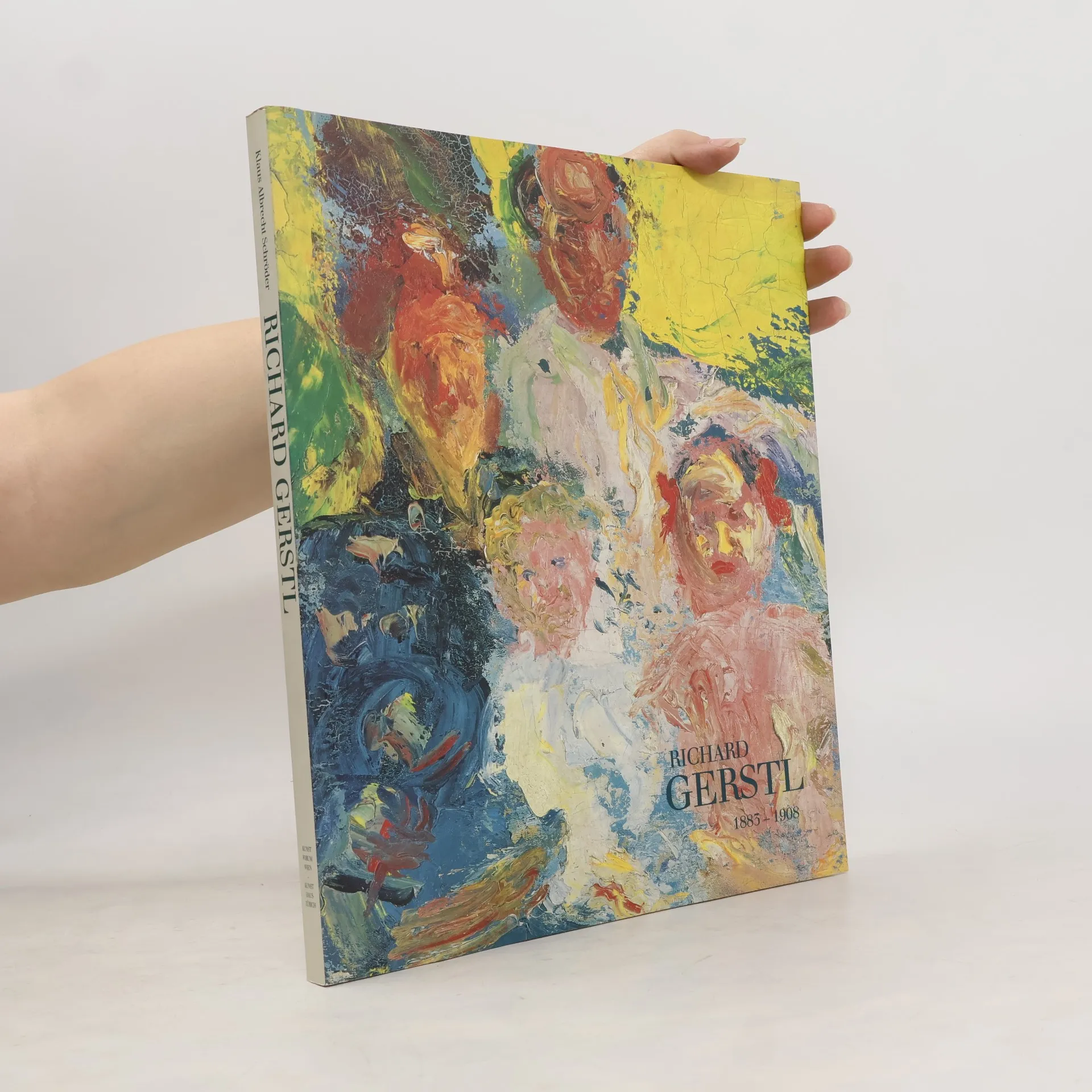
Klaus Albrecht Schröder

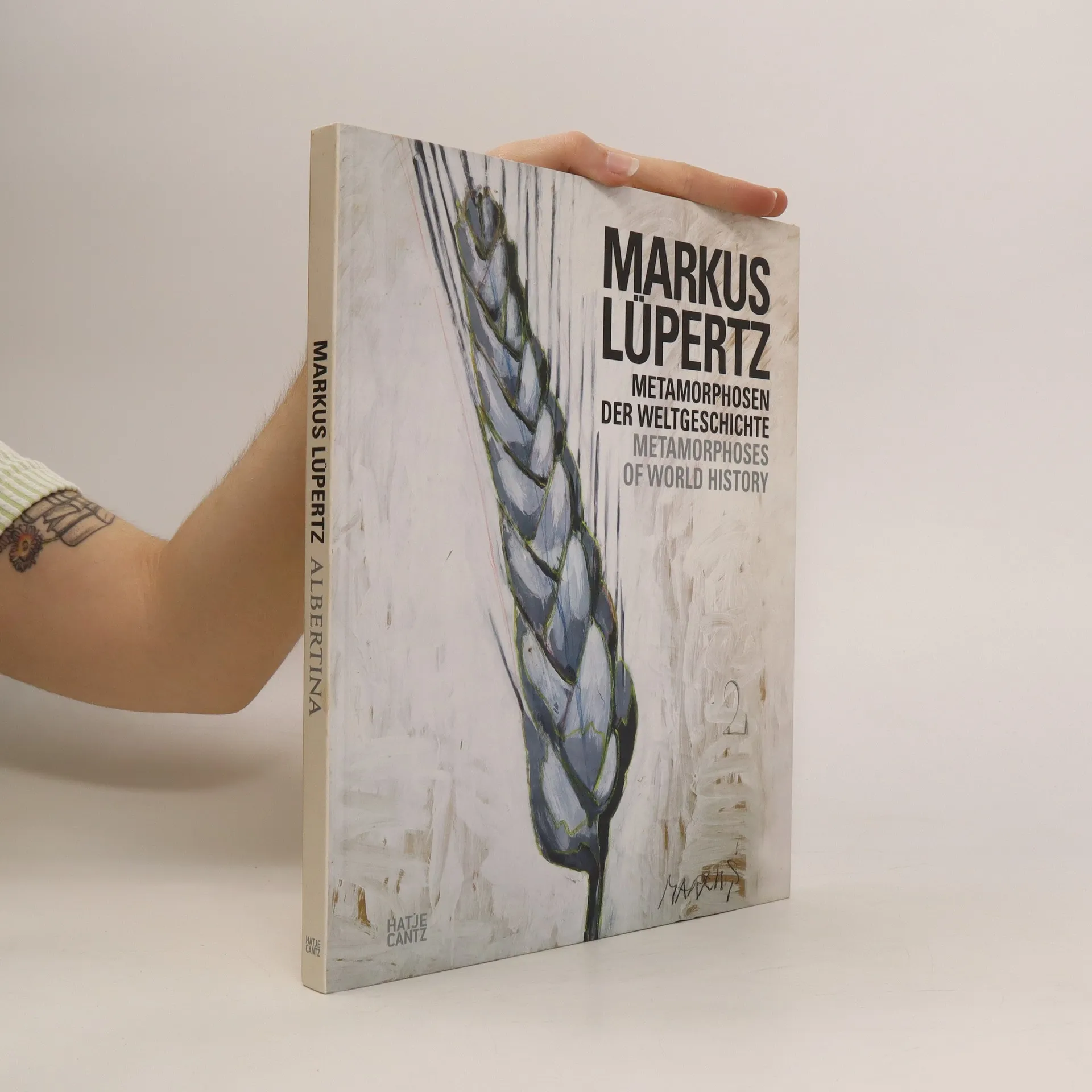
    Niko Pirosmani - wanderer between worlds
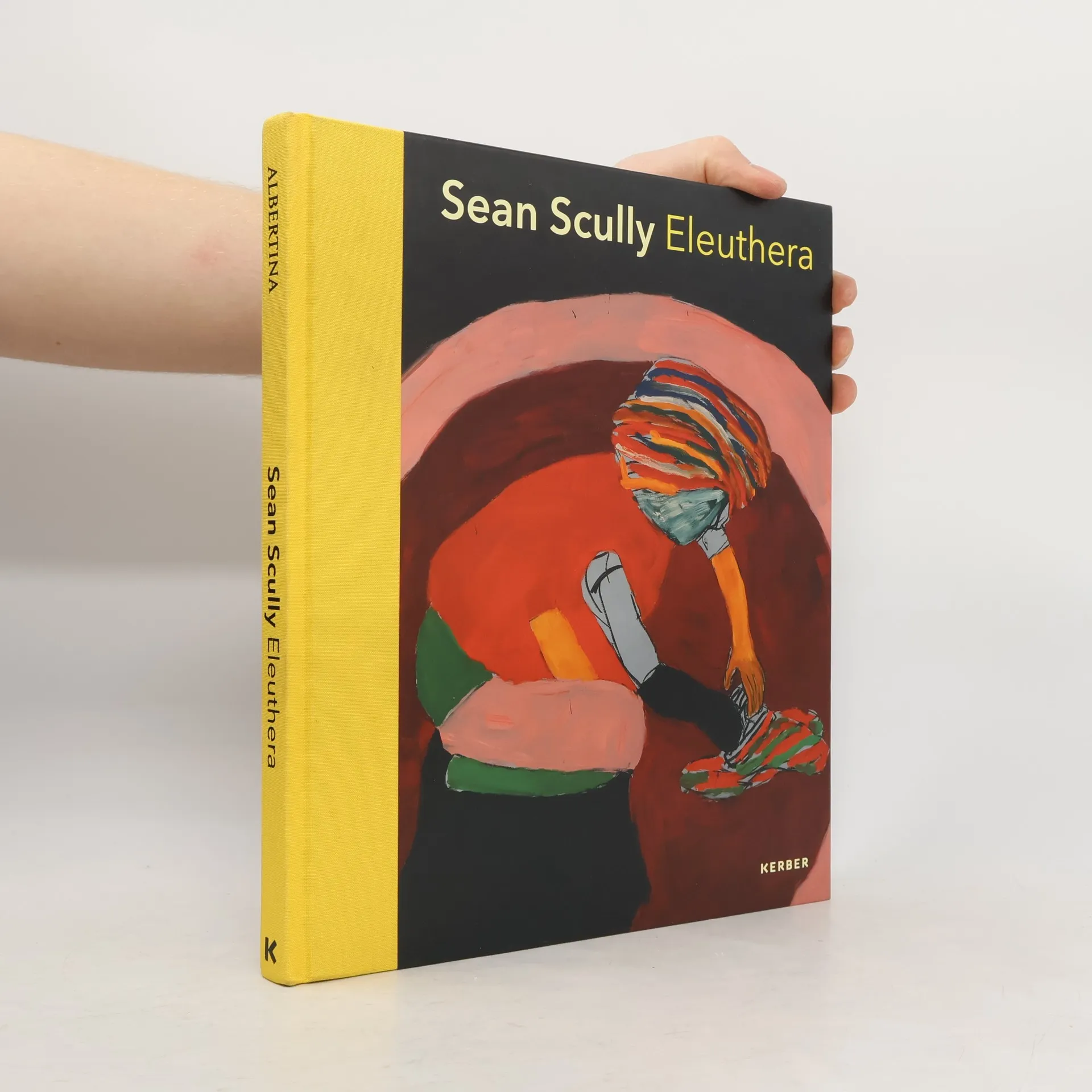
    Sean Scully - Eleuthera
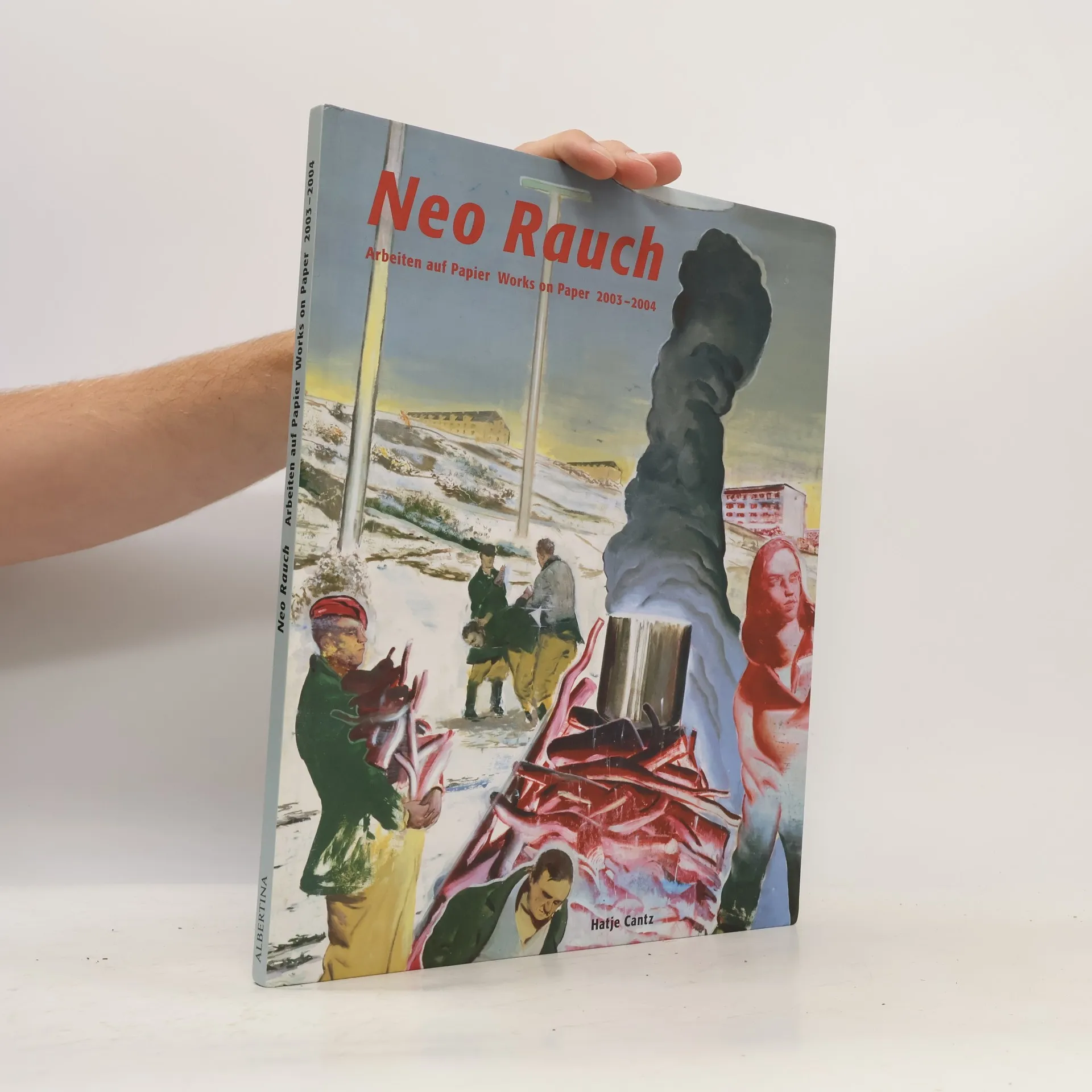
    Neo Rauch
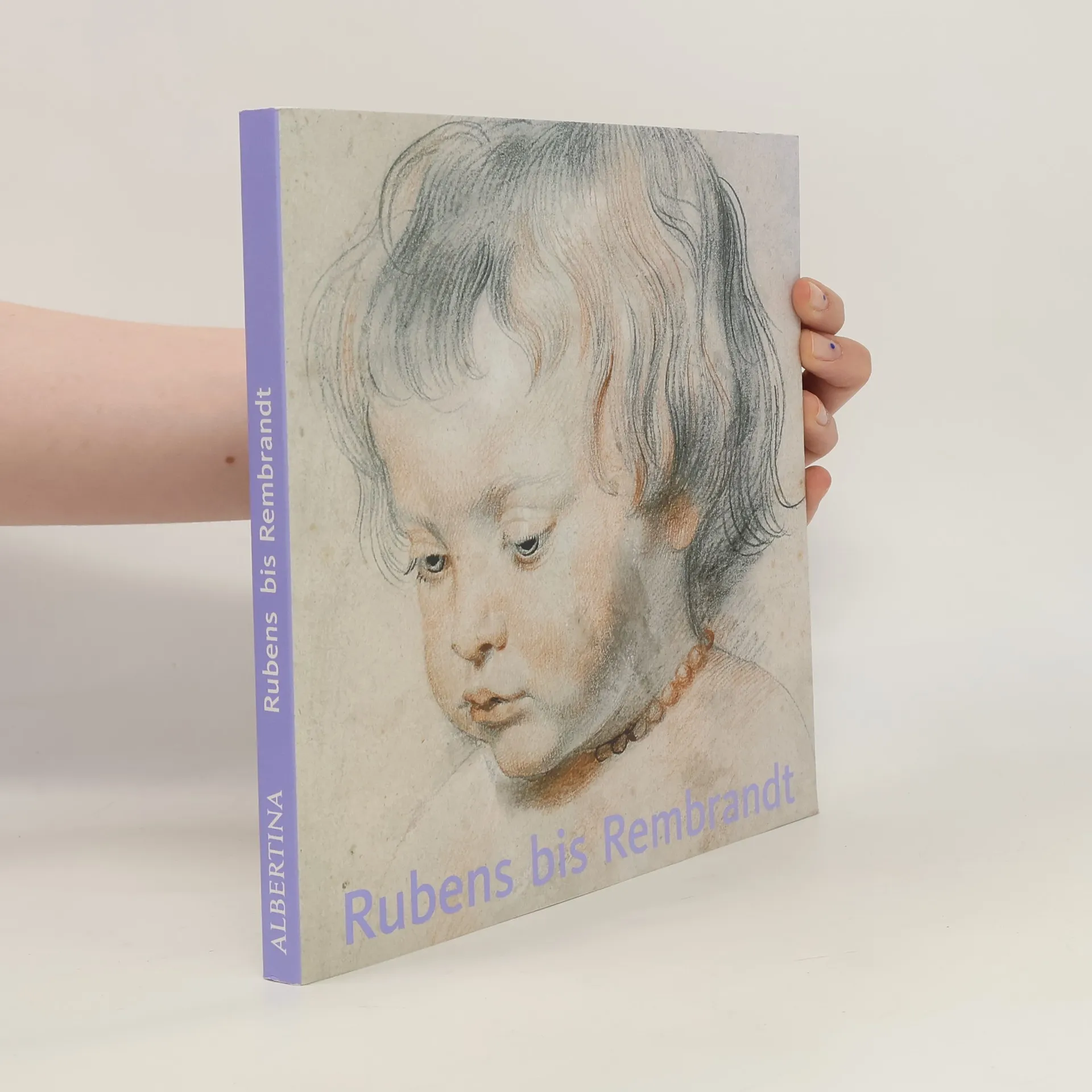
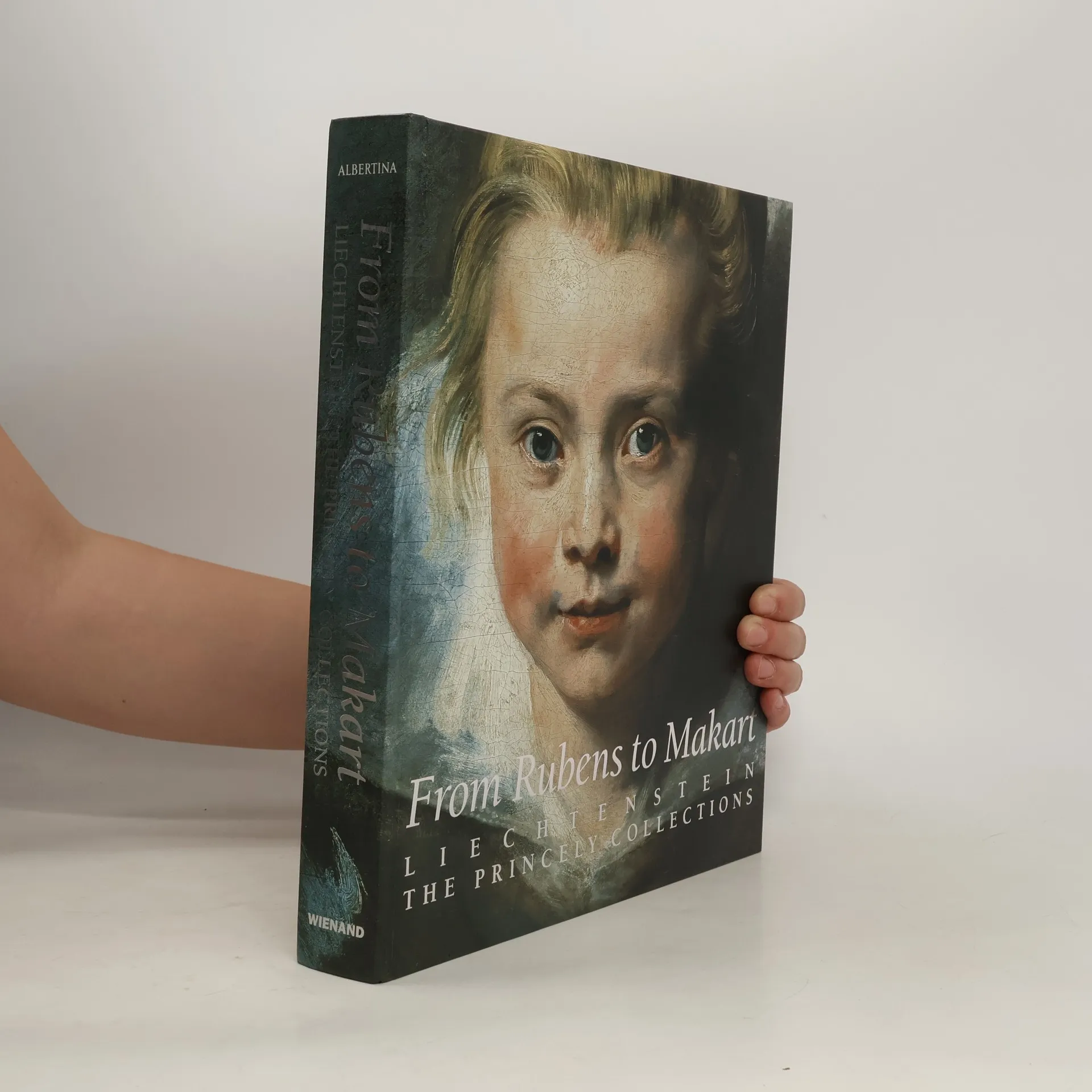
    From Rubens to Makart
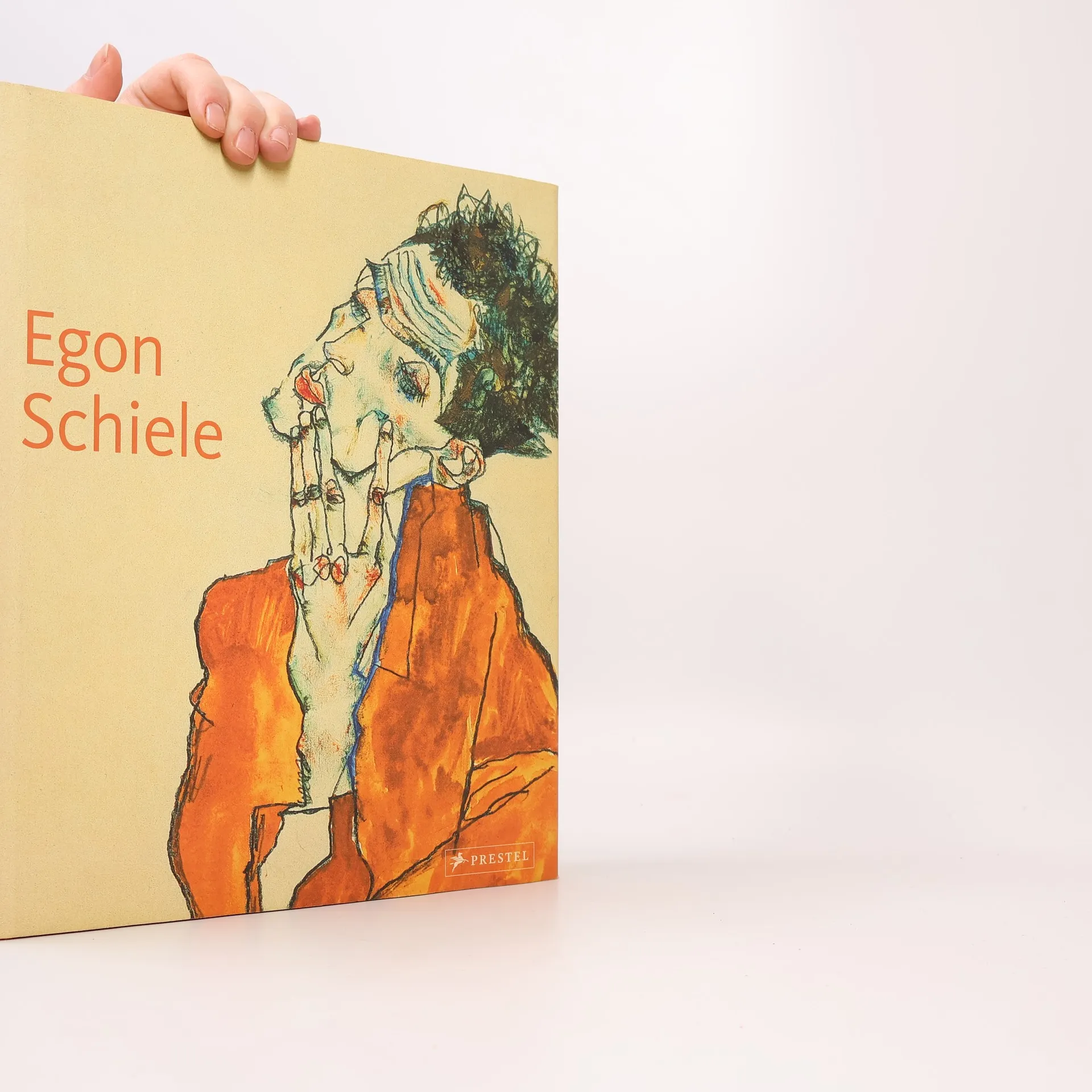
    Egon Schiele: Catalogue of the Exhibition at the Albertina, Wien, 2005/2006
    Niko Pirosmani - promeneur entre les mondes
    • A wider public discovery of Georgian painter Niko Pirosmani (1862–1918) is long overdue. Known as a significant representative of naïve art, his unique reception is noteworthy, as he painted for inns and pubs. Although largely unknown outside Georgia today, his work was featured alongside artists like Natalia Goncharova, Mikhail Larionov, Kazimir Malevich, and Marc Chagall in the legendary 1913 exhibition Mischén (Target) in Moscow, where he earned the title “Rousseau of the East.” Pirosmani’s visual vocabulary is characterized by reduced formal elements: set against a consistently black background, his use of primary colors—red, blue, yellow, green, and white—creates refined effects that captivate viewers. The Albertina in Vienna is presenting a significant retrospective of Pirosmani's work, exploring his paintings within the context of art history. This exhibition marks a long-awaited opportunity for a broader audience to appreciate his contributions to art.
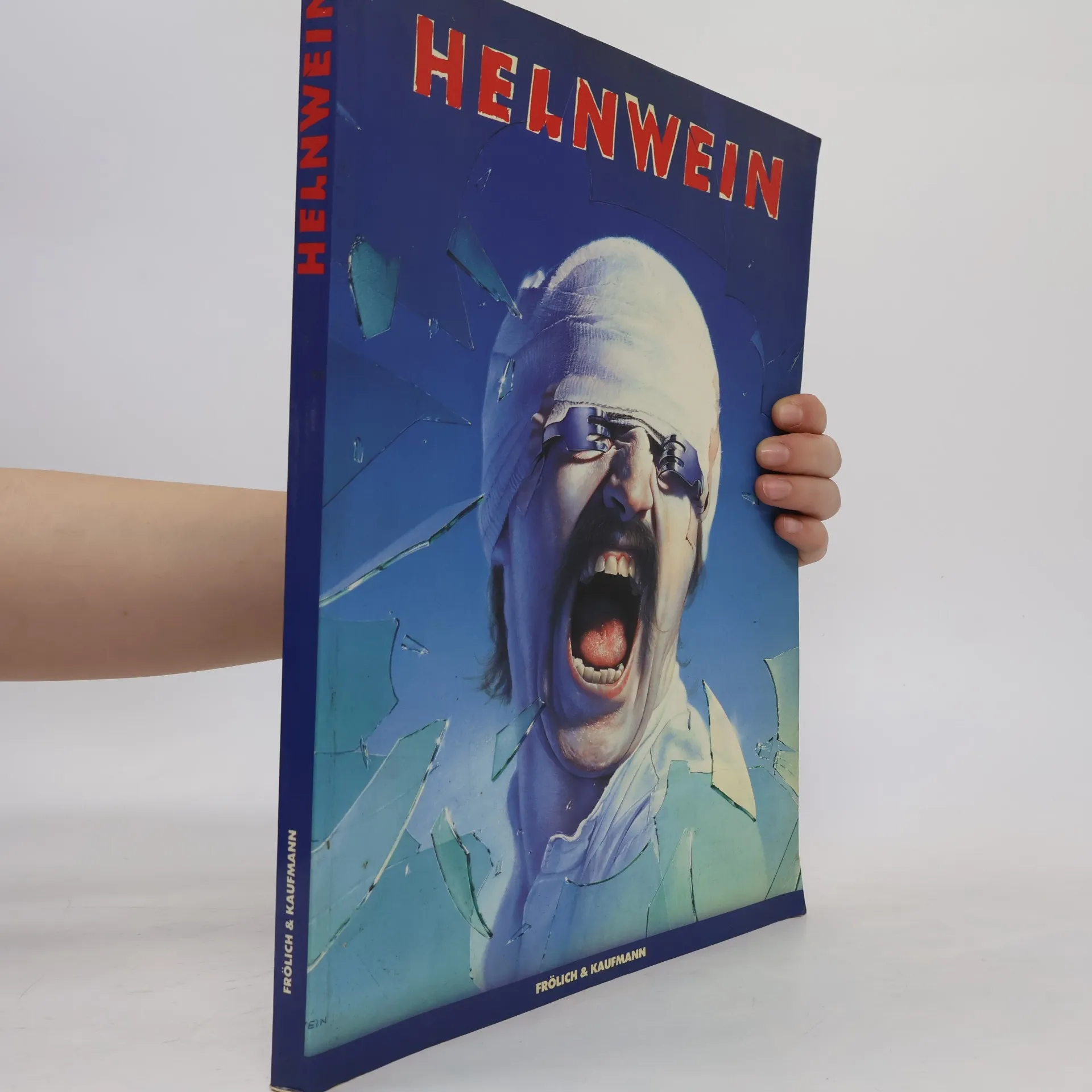
      Niko Pirosmani - promeneur entre les mondes
    • This book provides an overview of Egon Schiele's development from his earliest days at the Vienna Academy to his untimely death in 1918. Born in 1890, Schiele sloughed off the tradition of Viennese Art Nouveau and became the founder of Austrian Early Expressionism. Between 1910 and 1918 he created an oeuvre in which, for the first time in the history of art, the body in its explicit nakedness became the symbol of the human being's existential loneliness and homelessness. Nor, in his self-portraits, did Egon Schiele shy away from drastic uglification and obscene self-stigmatization.

      Egon Schiele: Catalogue of the Exhibition at the Albertina, Wien, 2005/2006
      4,6
    • From Rubens to Makart

      • 383pages
      • 14 heures de lecture

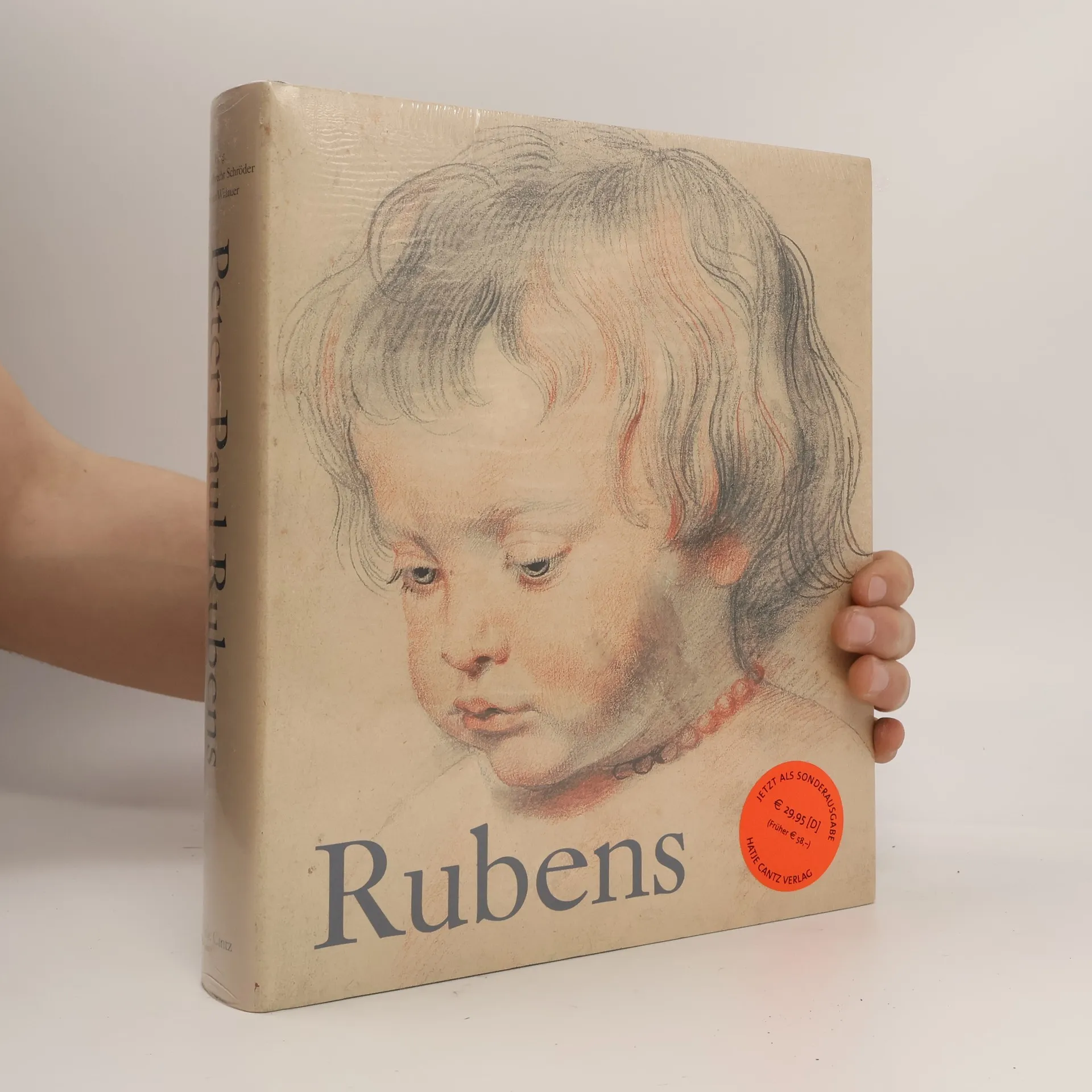
      The Principality of Liechtenstein in the heart of Europe is famous for its medieval castles and charming Alpine landscapes and villages. On the occasion of its 300th anniversary, the Albertina in Vienna is hosting a comprehensive exhibition. The works presented here illustrate the remarkable spectrum of Liechtenstein’s collection policy. The unique holdings of the Princely Collections are thus presented for the first time in such detail in this two-volume publication. Das Fürstentum Liechtenstein im Herzen Europas ist bekannt für seine mittelalterlichen Burgen und seine reizvollen Alpenlandschaften und Dörfer. Die Hauptstadt Vaduz ist seit langem ein Zentrum der Kultur und Finanzwirtschaft. Anlässlich seines 300jährigen Bestehens zeigt die Albertina in Wien, der Stadt, in der die Liechtensteinische Fürstenfamilie bis zum Jahr 1938 lebte, eine umfangreiche Ausstellung. Die im vorliegenden Band repräsentierten Werke illustrieren das bemerkenswerte Spektrum fürstlicher Sammlungspolitik – von Peter Paul Rubens berühmter Venus vor dem Spiegel über ausgewählte Kunstschätze der herausragenden Biedermeierkollektion bis zu den spektakulären Neuerwerbungen der letzten 15 Jahre. Die einzigartigen Bestände der Sammlungen werden dem Leser in einer zweibändigen Publikation erstmals umfassend vorgestellt.

      From Rubens to Makart
      5,0
    • Neo Rauch

      • 60pages
      • 3 heures de lecture

      Art critic Rudij Bergmann has stated, "For Neo Rauch, painting is reflection on what is no longer present. His is a decidedly romantic attitude of refusal that gives deeper meaning to figures frozen strangely in motion--as an allegory of universal alienation from the world and rejection of technology and as a melancholy homage to the unfulfilled promise of freedom and human happiness. There is a constant stream of memory in these works, not only of world history but also of childhood, Pop Art, and comics." Rauch possesses an artistic style and sensibility that place his paintings among the most original of our time. Rauch's palettes and compositions are reminiscent of postwar illustrations; so are his figures. They belong in the past, constantly at work in a world filled with industrial symbolism. These symbols, themselves easily identified, are difficult to interpret in the context of the works, in part due to Rauch's painterly style, ominous colors and skewed perspectives. The dichotomies at play in his work provide an overall sense of false comfort tinged with disturbance, of a situation brewing, threatening to reveal itself. This book presents his recent large works on paper completed in 2003 and 2004.

      Neo Rauch
      4,5
    • Sean Scully - Eleuthera

      • 168pages
      • 6 heures de lecture

      The internationally renowned artist Sean Scully (*1945) is known above all for his abstract, expressively painted works. The artist creates large-format paintings with an intense application of color and rough brushstrokes; he often has checkered or striped patterns emerge, thus reproducing the aesthetic of geometric minimalism. In the planned exhibition at the Albertina, Sean Scully: Eleuthera, Sean Scully and his art will be shown from a much more private side. At the center of the exhibition is the “Eleuthera” series from the years 2016–17, in which Scully examines a very familiar topic. The series consists of twenty-five large-format oil paintings depicting Oisín, the artist’s seven-year-old son, playing on the beach of Eleuthera, an island in the Bahamas. The accompanying publication presents this new group of works for the first time.

      Sean Scully - Eleuthera
      5,0
    • Niko Pirosmani - wanderer between worlds

      • 220pages
      • 8 heures de lecture

      A wider public discovery of the Georgian painter Niko Pirosmani (1862–1918) is long overdue. Known as a significant representative of naïve art, his remarkable story includes painting for inns and pubs. While largely unknown outside Georgia, his work was exhibited alongside notable artists like Natalia Goncharova, Mikhail Larionov, Kazimir Malevich, and Marc Chagall in the 1913 exhibition Mischén (Target) in Moscow, where he earned the title “Rousseau of the East.” Pirosmani’s unique visual vocabulary features consistently reduced formal elements: set against a black background, the primary colors of red, blue, yellow, green, and white create refined effects that immediately engage viewers. The Albertina in Vienna is hosting a significant retrospective of Pirosmani, marking the first major examination of his paintings in the heart of Europe in a long time, exploring his work within the broader context of art history. This exhibition runs from October 26, 2018, to January 27, 2019, at the Albertina, followed by a display at the Fondation Vincent van Gogh in Arles from March 2 to October 20, 2019.

      Niko Pirosmani - wanderer between worlds
      4,5
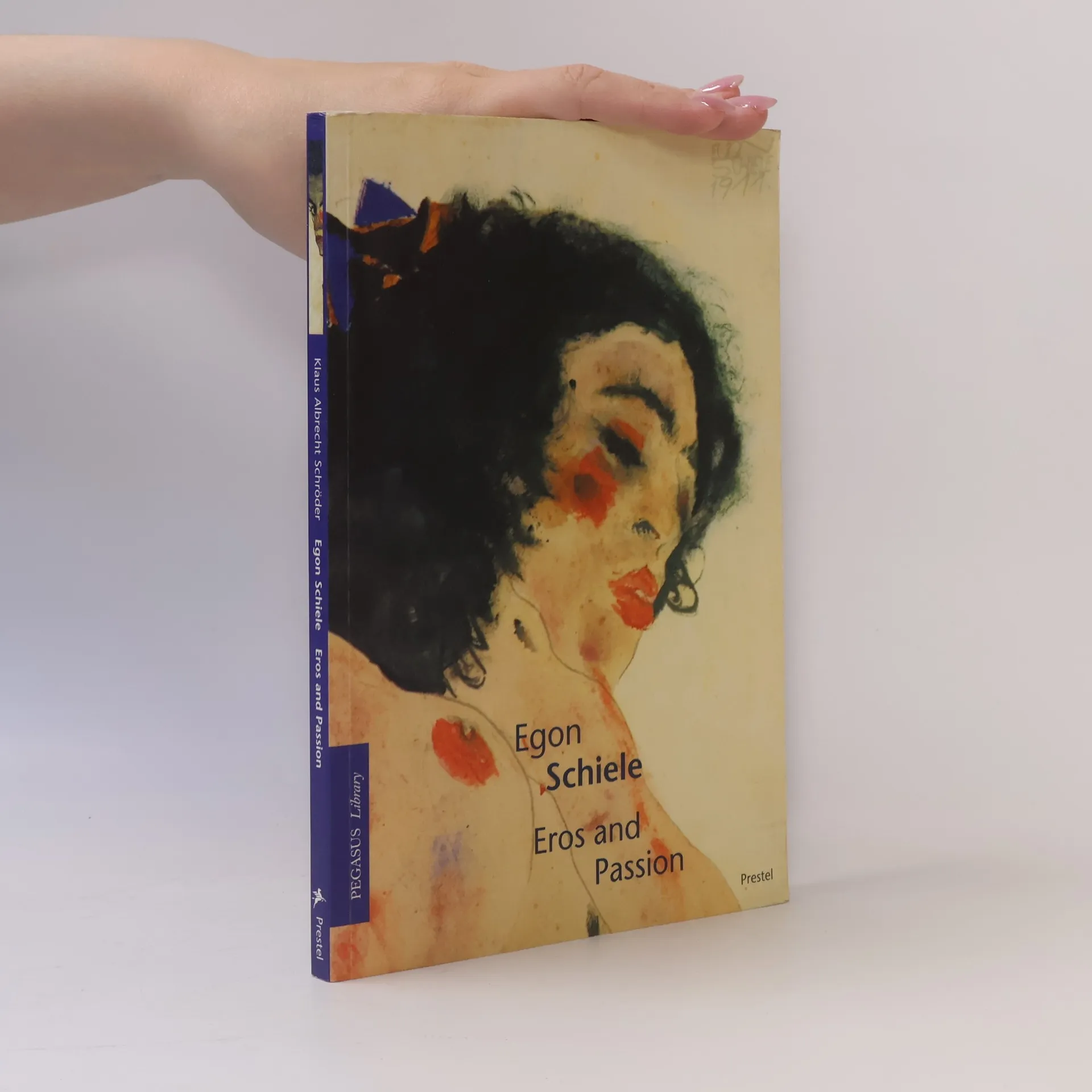
    • Egon Eros and Passion Klaus Albrecht Schröder In this brilliant analysis, the erotic work of the Expressionist artist is examined within the perspective of history’s shifting views concerning beauty, aesthetics, and decency. Egon Schiele’s controversial nudes and self-portraits were fiercely reviled when they first appeared in the early decades of the twentieth century and, nearly one hundred years later, they still have the power to shock. Examining why Schiele’s work elicits this response, the author explores the social constrictions of Schiele’s generation and the role of the artist as a breaker of taboos. Incorporating superb reproductions of Schiele’s works, those of his contemporaries, and historical photographs, the author offers a penetrating study of an artist whose idea of beauty transcended the morality of his time. Klaus Albrecht Schröder is Director of the Albertina Museum in Vienna, Austria.

      Egon Schiele
      4,3
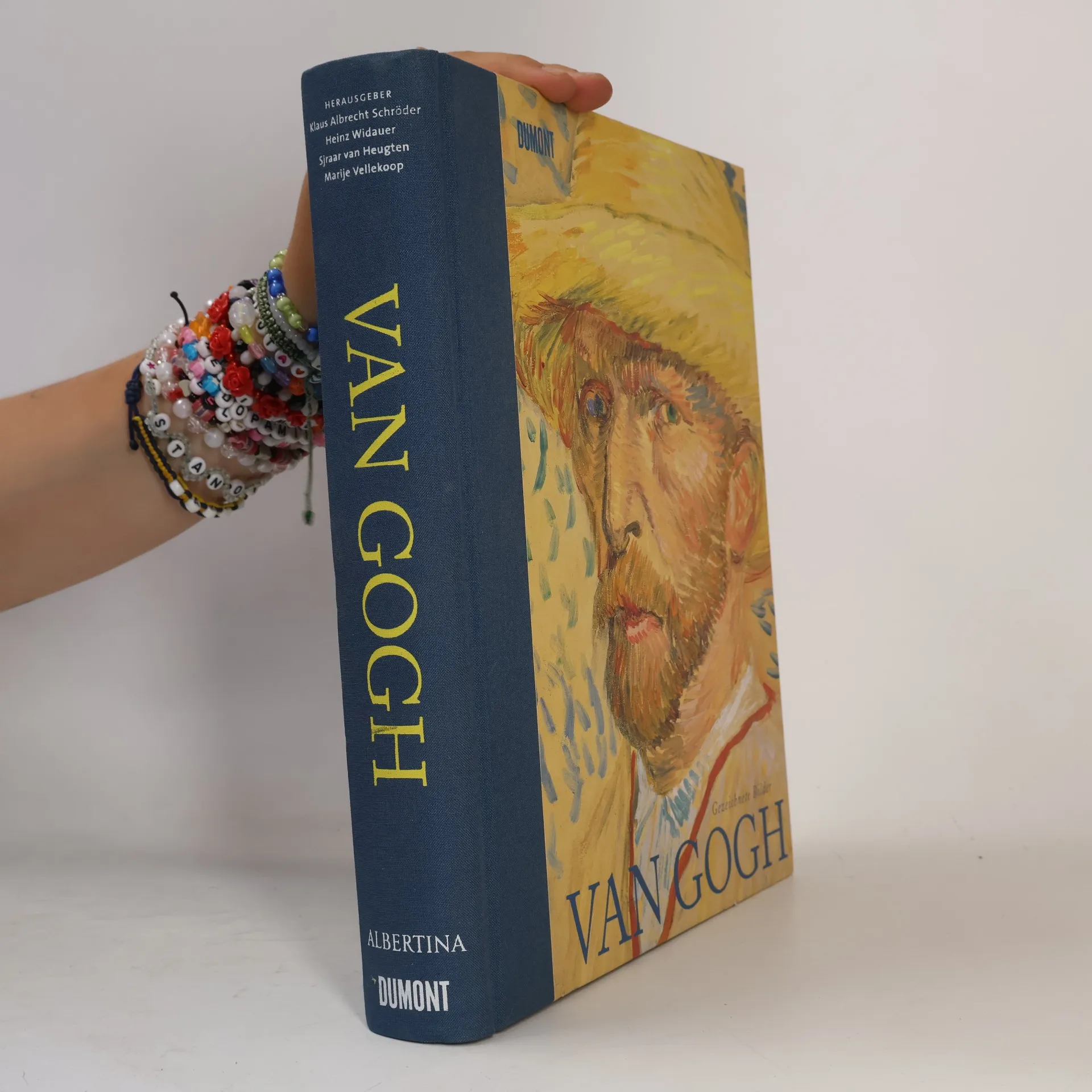
    • Van Gogh. Heartfelt Lines

      • 455pages
      • 16 heures de lecture

      This book focuses for the first time on the relationship between drawing and painting in Van Gogh's Art. Includes 50 paintings and 120 major watercolours and drawings by Van Gogh.
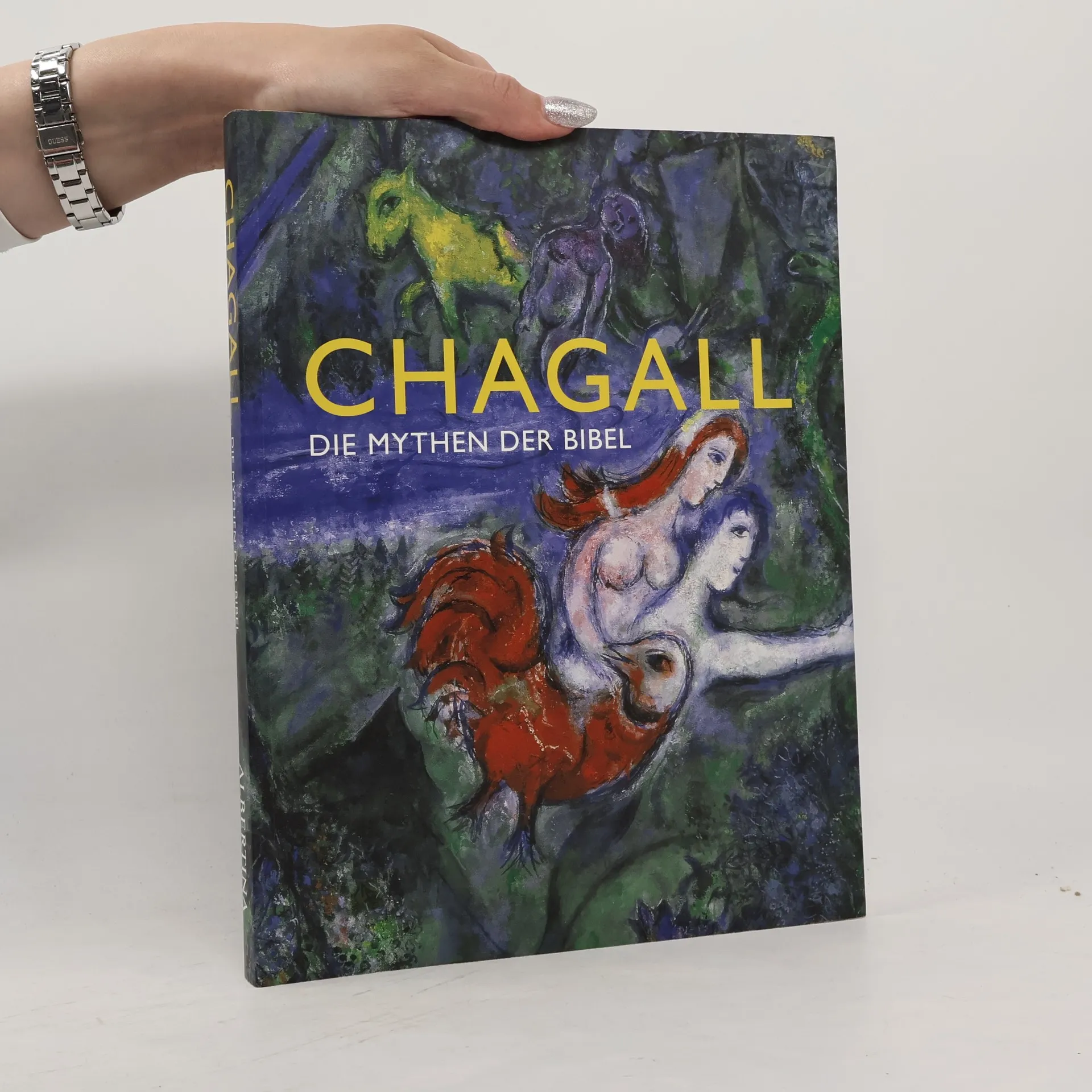
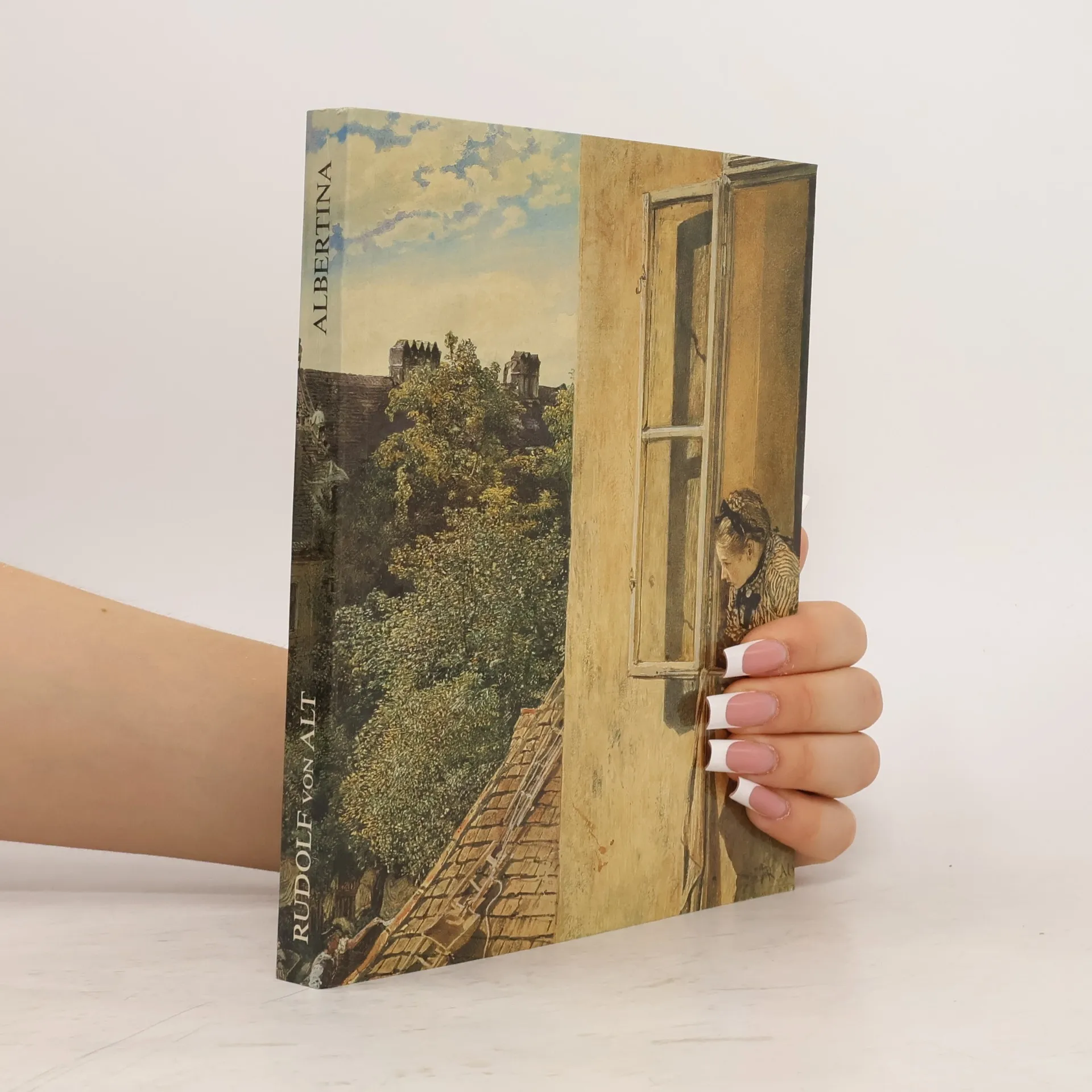
      Van Gogh. Heartfelt Lines
      5,0
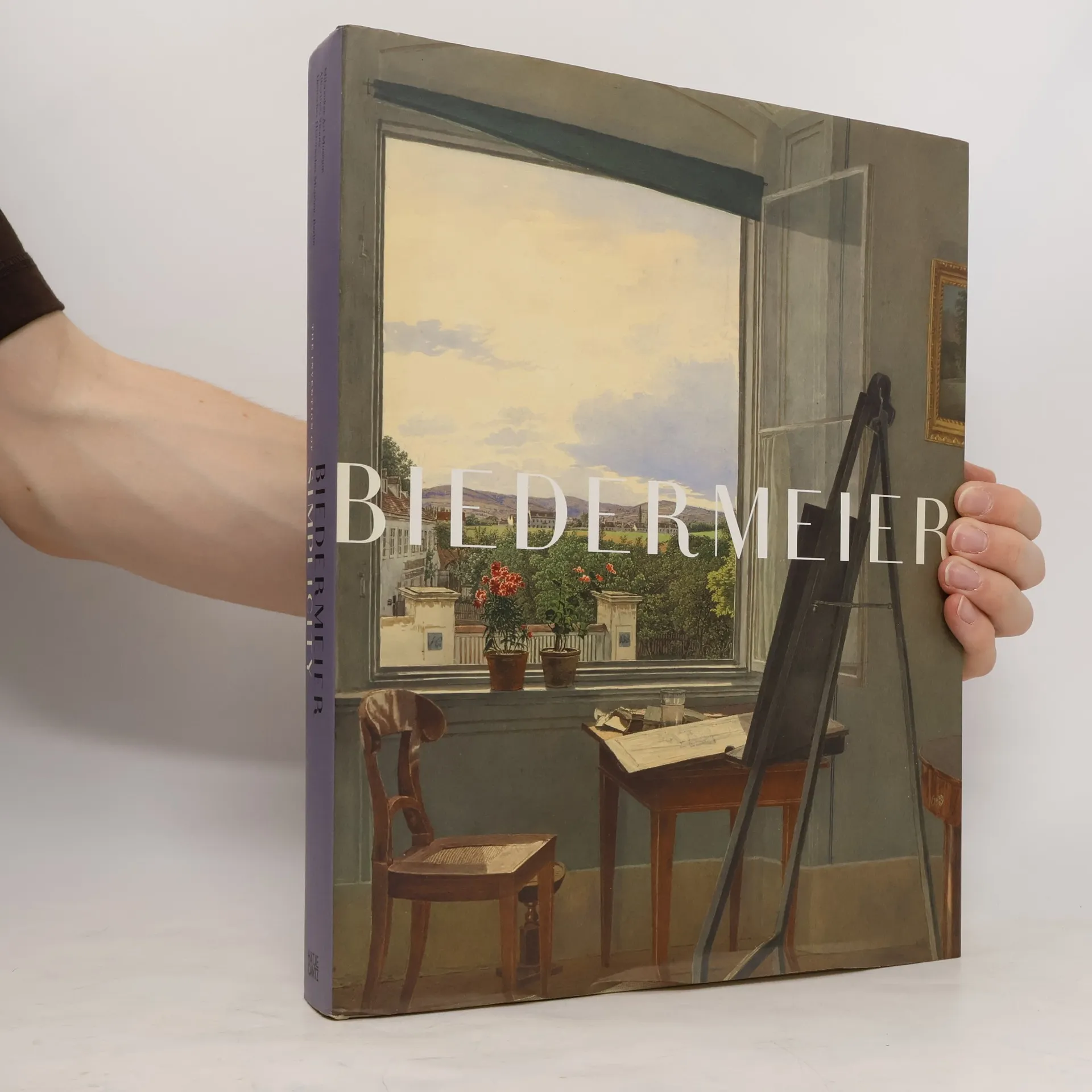
    • Biedermeier the invention of simplicity

      • 336pages
      • 12 heures de lecture

      Approximately 400 exquisite paintings, drawings, furniture, decorative objects, and clothing, with commentaries by leading scholars in the field. „viennaartbookaward,“ 2007

      Biedermeier the invention of simplicity
      4,3