

Roger Fry Ordre des livres (chronologique)
Roger Fry fut un artiste et critique d'art anglais qui façonna profondément la perception britannique de l'art. Tout en établissant sa réputation d'érudit des Maîtres anciens, il devint un défenseur essentiel de la peinture française moderne, dont il forgea le terme Post-Impressionnisme. L'approche critique de Fry privilégiait les éléments formels de l'art – ligne, couleur, composition – par rapport aux 'idées associées' évoquées par le sujet représenté. Son influence sur le goût britannique fut si considérable qu'il est considéré comme la plus grande force ayant changé l'appréciation esthétique depuis Ruskin.

Julia Margaret Cameron
- 192pages
- 7 heures de lecture
The book features sixty-nine exquisite portraits by Julia Margaret Cameron, a pioneering figure in photography known for her artistic approach to portraiture. Accompanying the images are insightful appreciations from notable figures Virginia Woolf and Roger Fry, offering context and depth to Cameron's work. This collection highlights both the technical mastery and the emotional resonance of Cameron's photography, celebrating her significant contribution to the art form.
Vision and Design
- 276pages
- 10 heures de lecture
The collection features a diverse range of essays on Art, showcasing the author's insights gathered over two decades. It includes previously unpublished pieces in England, along with new content and revisions to enhance clarity and depth. This compilation reflects the evolution of the author's thoughts and contributions to the discourse on Art.
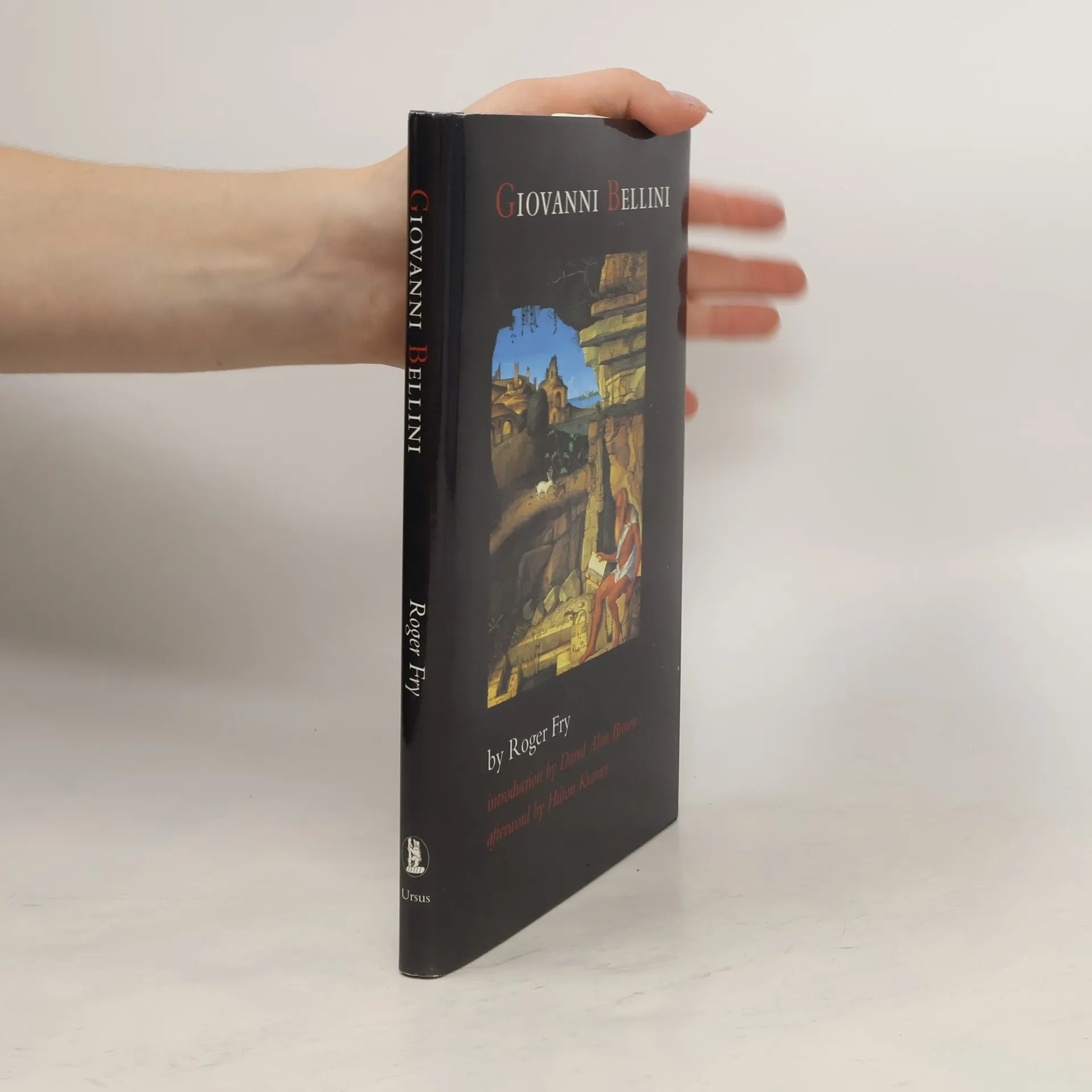
Giovanni Bellini is being published for the first time since 1901. Highly popular at the time of its original publication (three editions were published between 1899 and 1901), Roger Fry's monograph was instrumental in rescuing Bellini from the oblivion of a Victorian-era reputation by reinterpreting and revaluing his art for an early twentieth-century audience. Giving a succinct but definitive view of Bellini's career, Fry not only brought to bear the new "scientific" connoisseurship in his analysis of individual pictures and their chronology, but he also brought a keen interest into Bellini's innovative use of semi-transparent oil glazes, the psychological depth of his subjects, and Bellini's profound sensitivity to nature. As a painter himself, Fry had the critical advantage of studying Bellini with a sympathy deepened by his own close awareness of aesthetic problems