
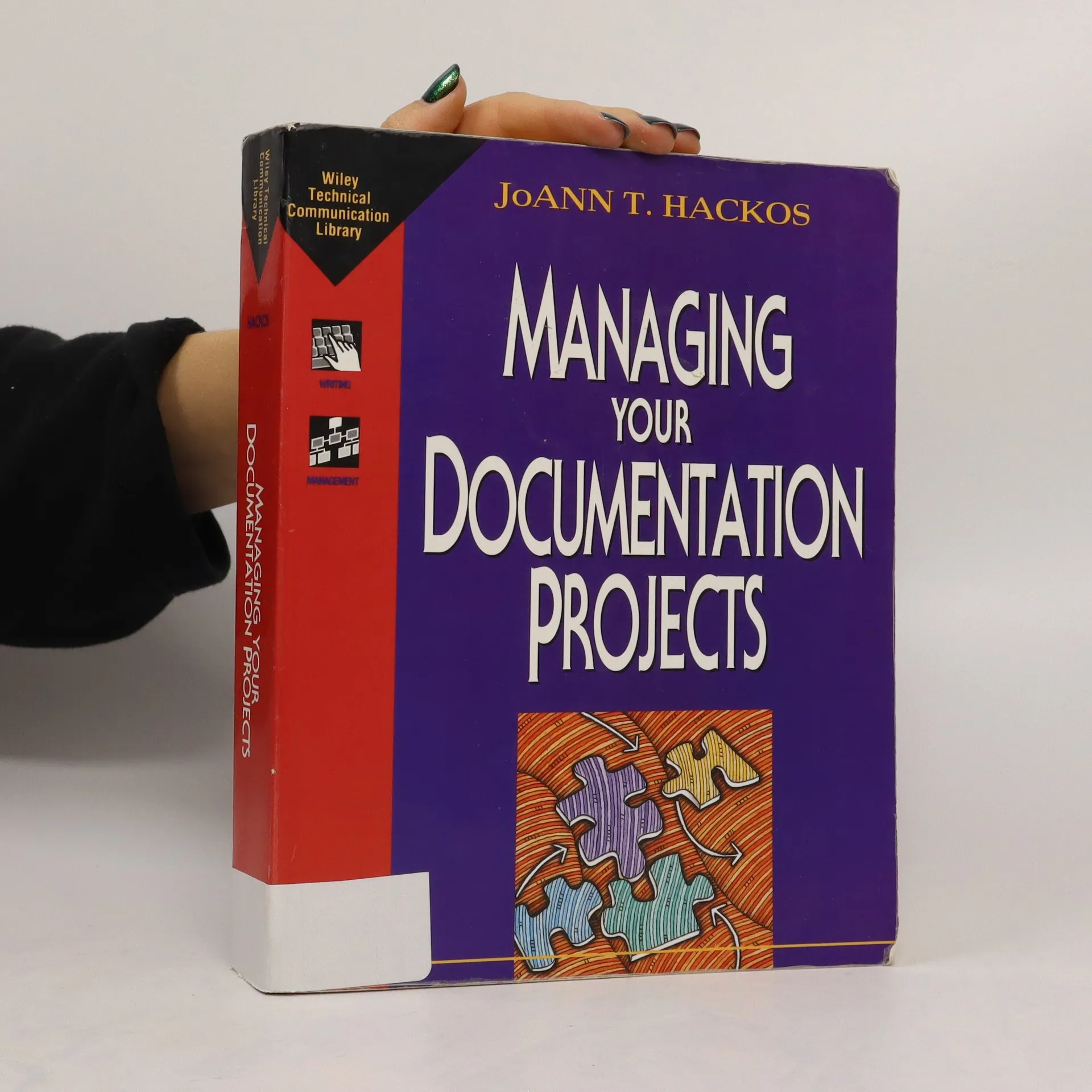
This practical and authoritative guide is the first comprehensive resource dedicated to managing every phase of publication projects. It offers proven strategies and techniques for producing high-quality, user-friendly documentation while reducing costs and time-to-market. Dr. JoAnn T. Hackos, a leading consultant in documentation design and project management, shares insights from over 15 years of experience with major corporations like IBM and Hewlett-Packard. Readers will find clear guidelines for managing projects from planning and development through production, distribution, and evaluation. The book includes numerous templates, checklists, summaries, and forms, along with real-life case studies drawn from the author's extensive work in top companies. The techniques presented are applicable across various fields of documentation. This guide serves as a comprehensive resource for new managers and a practical tool for seasoned professionals. It is also invaluable for technical writers, editors, graphic designers, consultants, and anyone tasked with producing high-quality technical documentation on time and within budget. Dr. Hackos is the President of Comtech Services, Inc., and JoAnn Hackos & Associates, Inc., and has held leadership roles in professional organizations, frequently speaking on quality, usability, customer needs, and project management.
JoAnn T. Hackos Livres


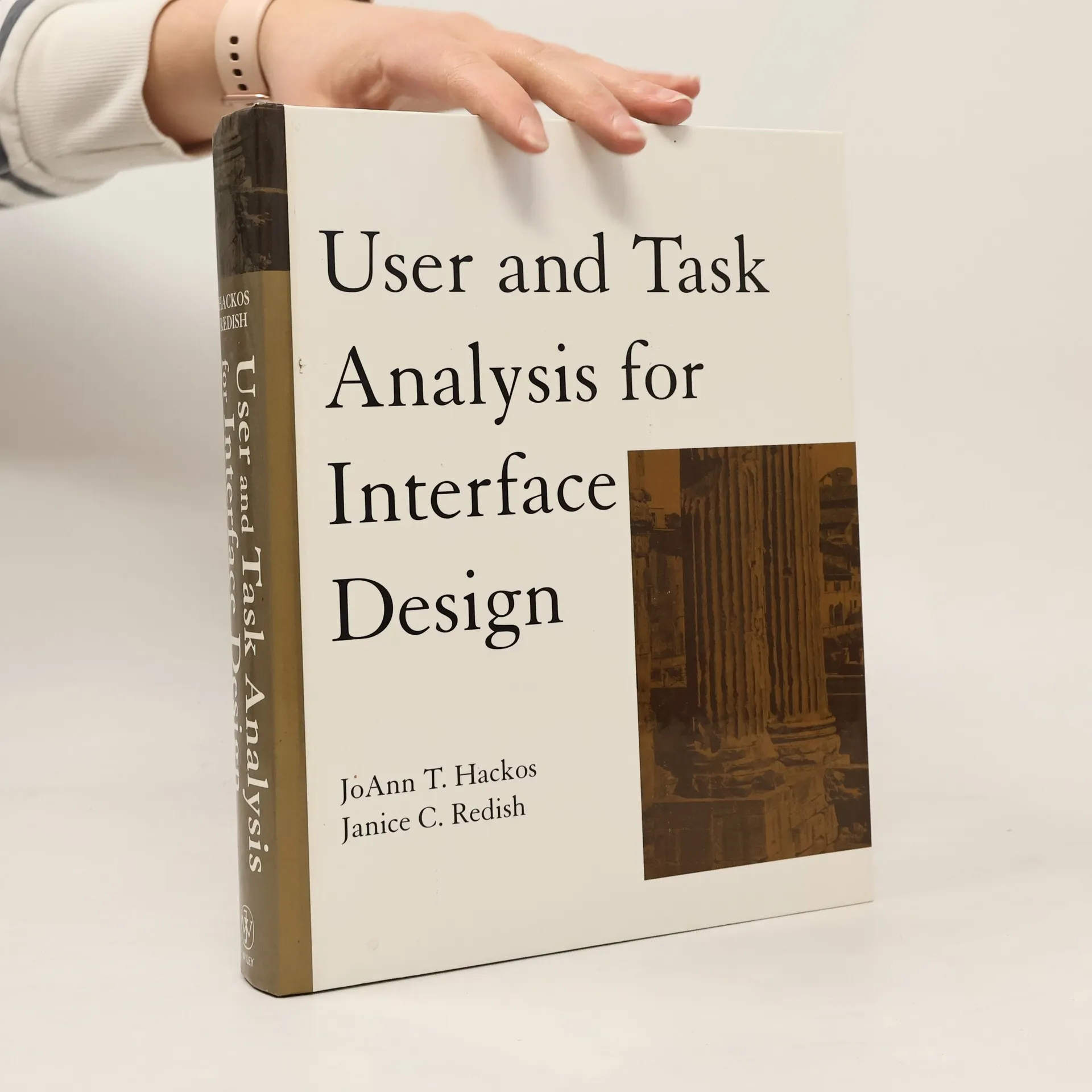
User and Task Analysis for Interface Design
- 512pages
- 18 heures de lecture
Hackos and Redish provide essential insights into user and task analysis, emphasizing practical advice throughout. The authors guide you in designing effective user interfaces by focusing on the critical initial step: understanding your users. Instead of simply asking users what they want, you’ll learn to observe their actual work processes, gaining insights into their true needs. JoAnn Hackos and Janice (Ginny) Redish, renowned experts in usable design, present a detailed, step-by-step approach to conducting user and task analysis. Key learnings include how interface designers leverage this analysis for successful designs, the importance of understanding users, their tasks, and environments, and strategies for effective site visits. You will discover how to select and train your analysis team, what observations to make, and which questions to ask or avoid. The book also covers how to document your findings for your development team, transform gathered information into design concepts, create paper prototypes, and conduct usability tests to validate your designs. Filled with examples of both successful and challenging designs across various products, this resource equips you with the tools to enhance user experience through informed design decisions.