

Bookbot

A. R. Kapuscinski

    Environmental Risk Assessment of Genetically Modified Organisms
    Environmental risk assessment of genetically modified organisms. Vol. 3 Methodologies for transgenic fish
    • The decline of many individual and wild fish stocks has commanded an increase in aquaculture production to meet the protein demands of a growing population. Alongside selective breeding schemes and expanding facilities, transgenic methods have received increasing attention as a potential factor in meeting these demands. With a focus on developing countries, this third text in the series provides detailed information on environmental biosafety policy and regulation and presents methodologies for assessing ecological risks associated with transgenic fish.

      Environmental risk assessment of genetically modified organisms. Vol. 3 Methodologies for transgenic fish
    • Environmental Risk Assessment of Genetically Modified Organisms

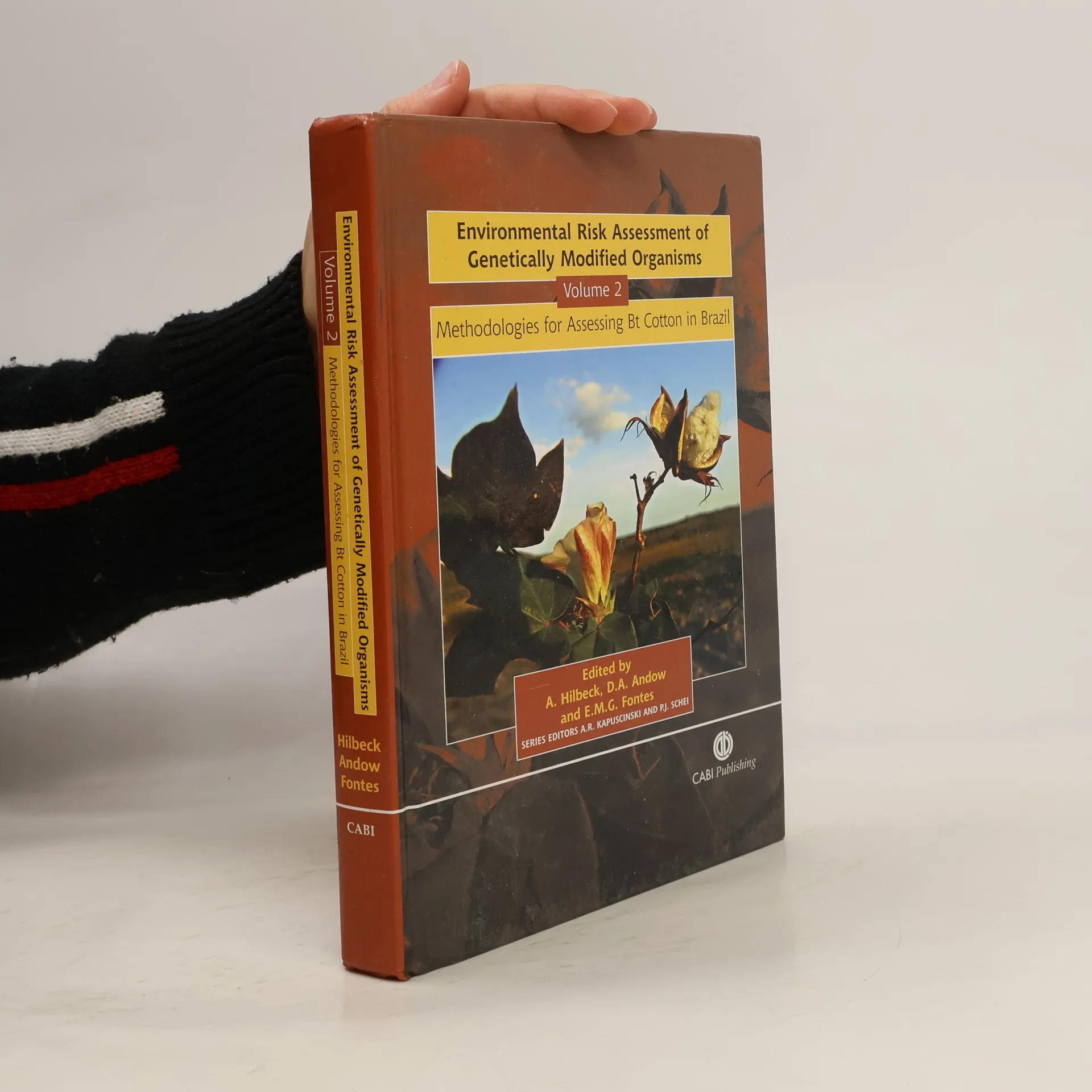
      Methodologies for Assessing Bt Cotton in Brazil

      • 400pages
      • 14 heures de lecture

      Many international forums have identified the need for comprehensive, scientific methods for the pre-release testing and post-release monitoring of transgenic plants to ensure their environmental safety and sustainable use. In response to this requirement, a GMO Guidelines Project was established under the aegis of the International Organization for Biological Control, to develop biosafety testing guidelines for transgenic plants. This second volume focuses on transgenic cotton in Brazil and addresses both environmental and agricultural impacts. It draws out some general risk assessment guidelines and demonstrates the need for case-by-case analysis.

      Environmental Risk Assessment of Genetically Modified Organisms