
Il est encore temps de passer ta commande pour Noël (0 jours, 10 heures)
Bookbot

M. Karagatsēs

    23 juin 1908 – 14 septembre 1960

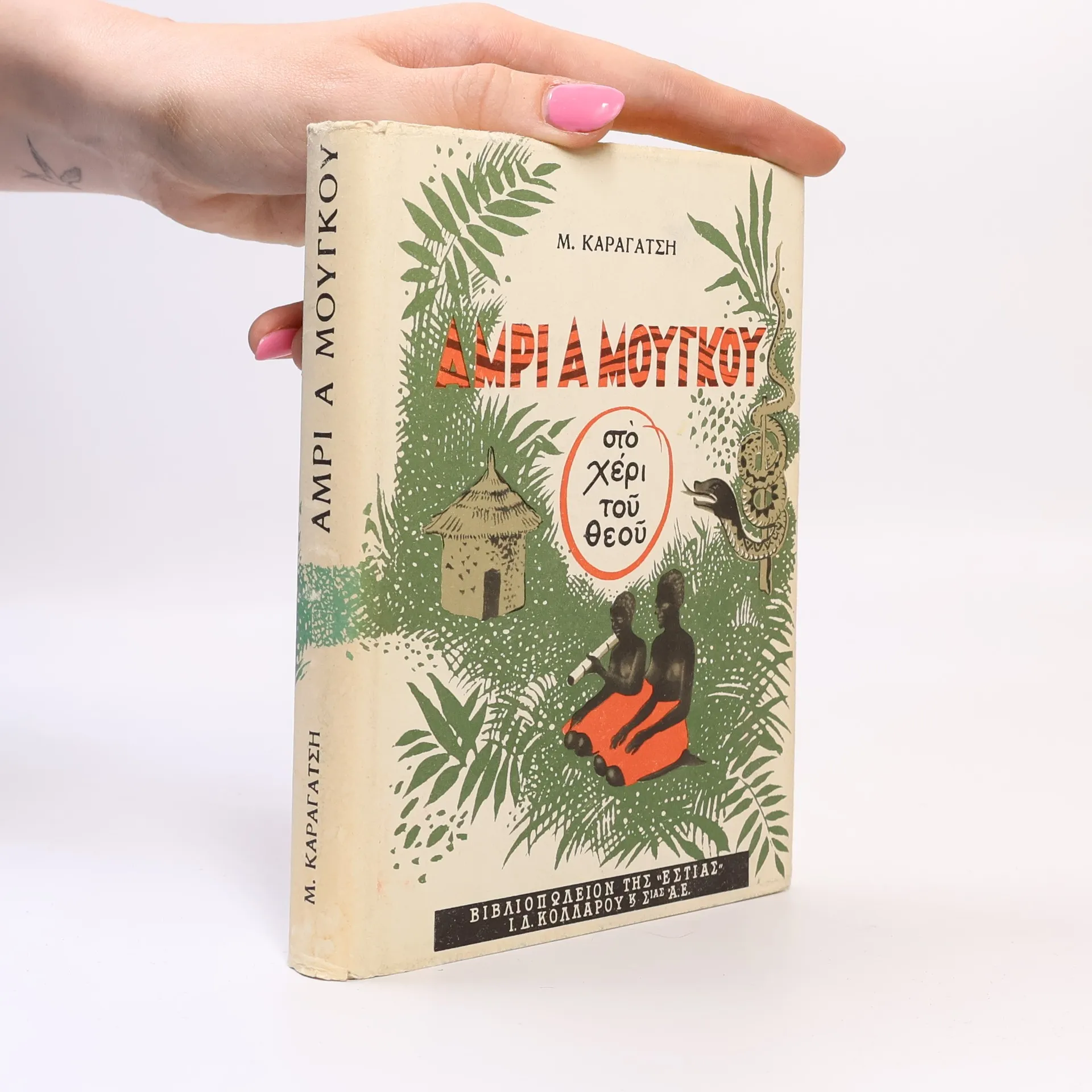
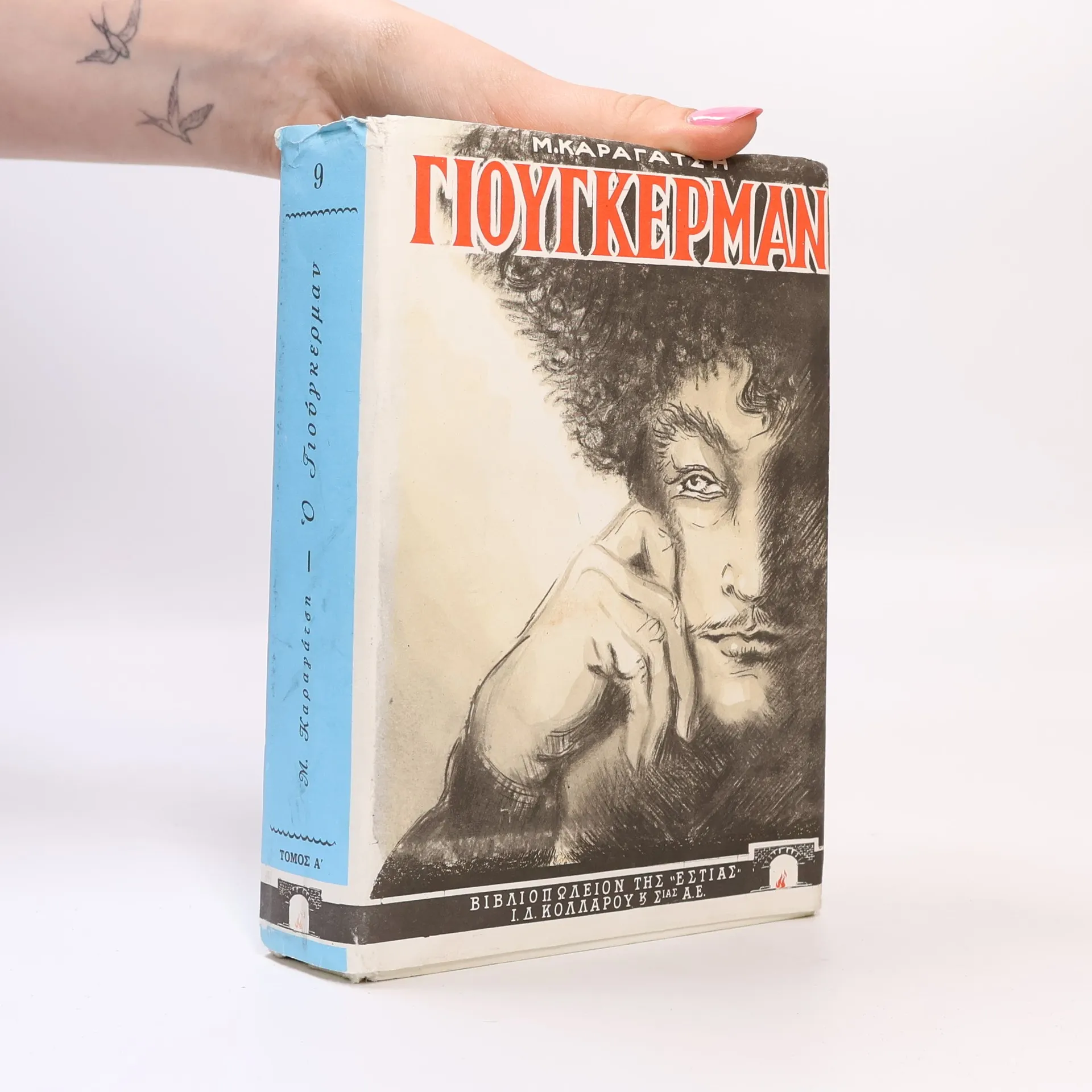
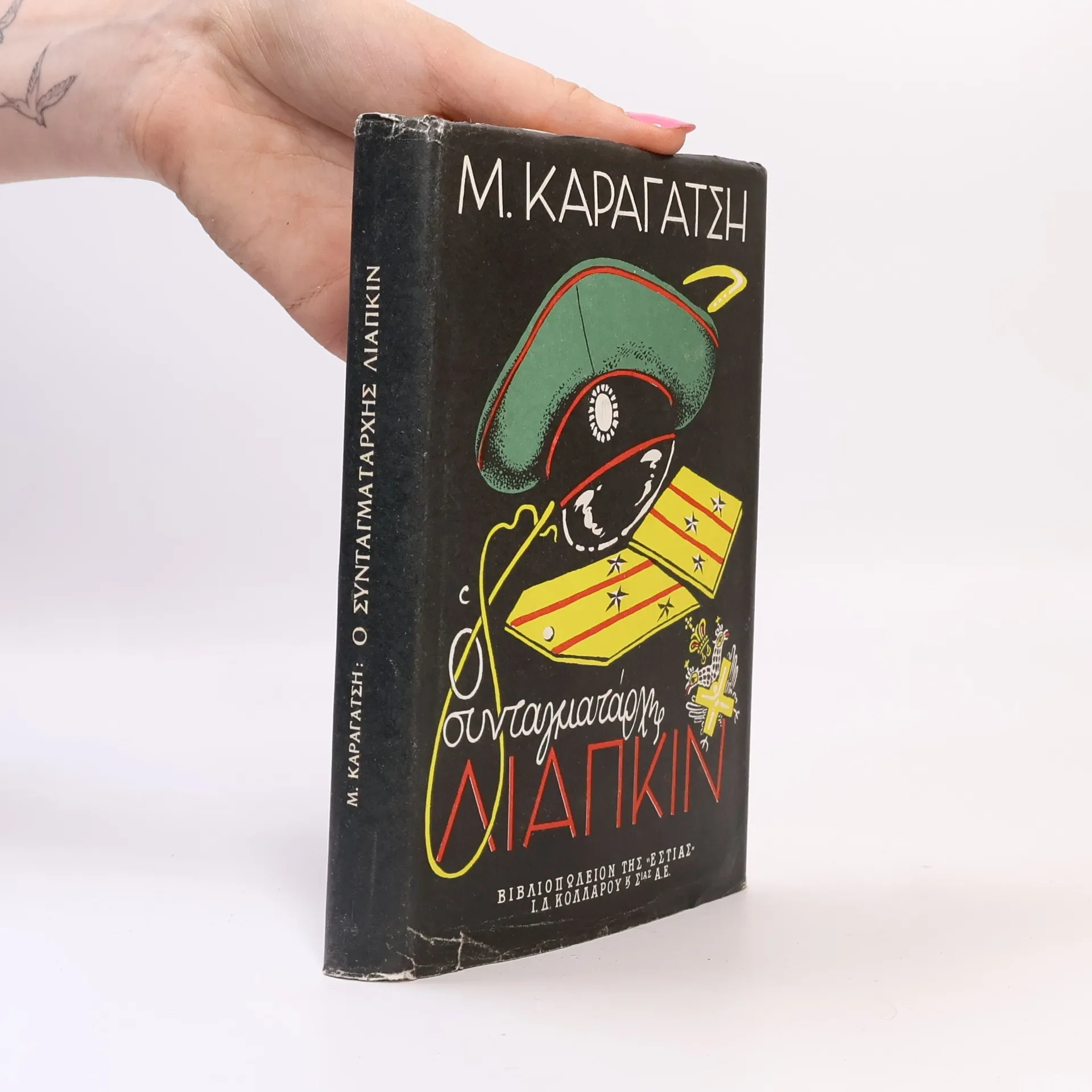
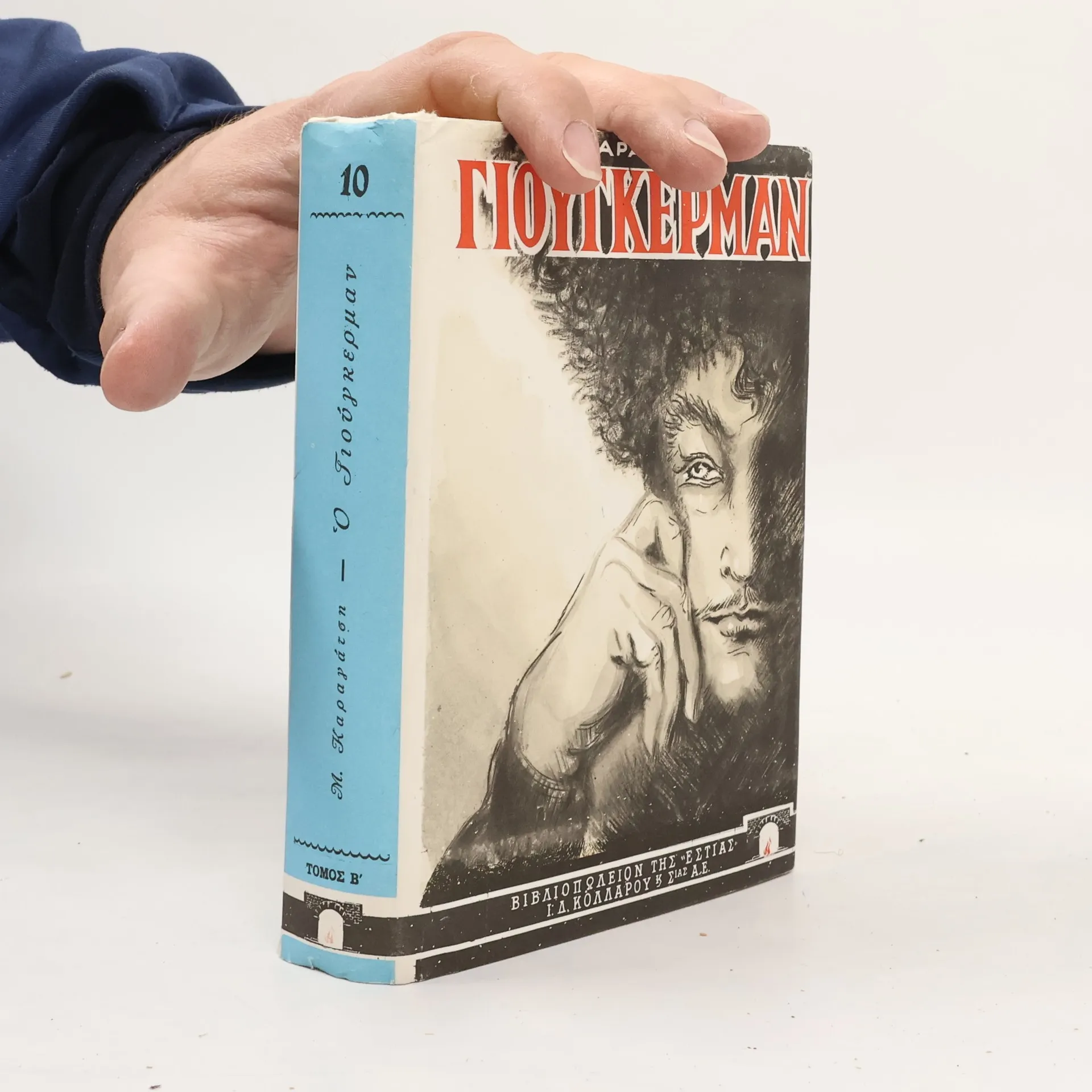
    M. Karagatsis, nom de plume du romancier grec Dimitris Rodopoulos, est réputé pour sa prose audacieuse et sensuelle, riche en imagination. Son style narratif unique explore la réalité illusoire des personnes et des situations, une qualité souvent étudiée par les étudiants grecs. Karagatsis contraste fréquemment le stéréotype de la vie grecque conservatrice avec une Grèce moderne et cosmopolite, particulièrement évidente dans ses premières œuvres. Son écriture offre une exploration distinctive de l'expérience humaine.

    Das gelbe Dossier
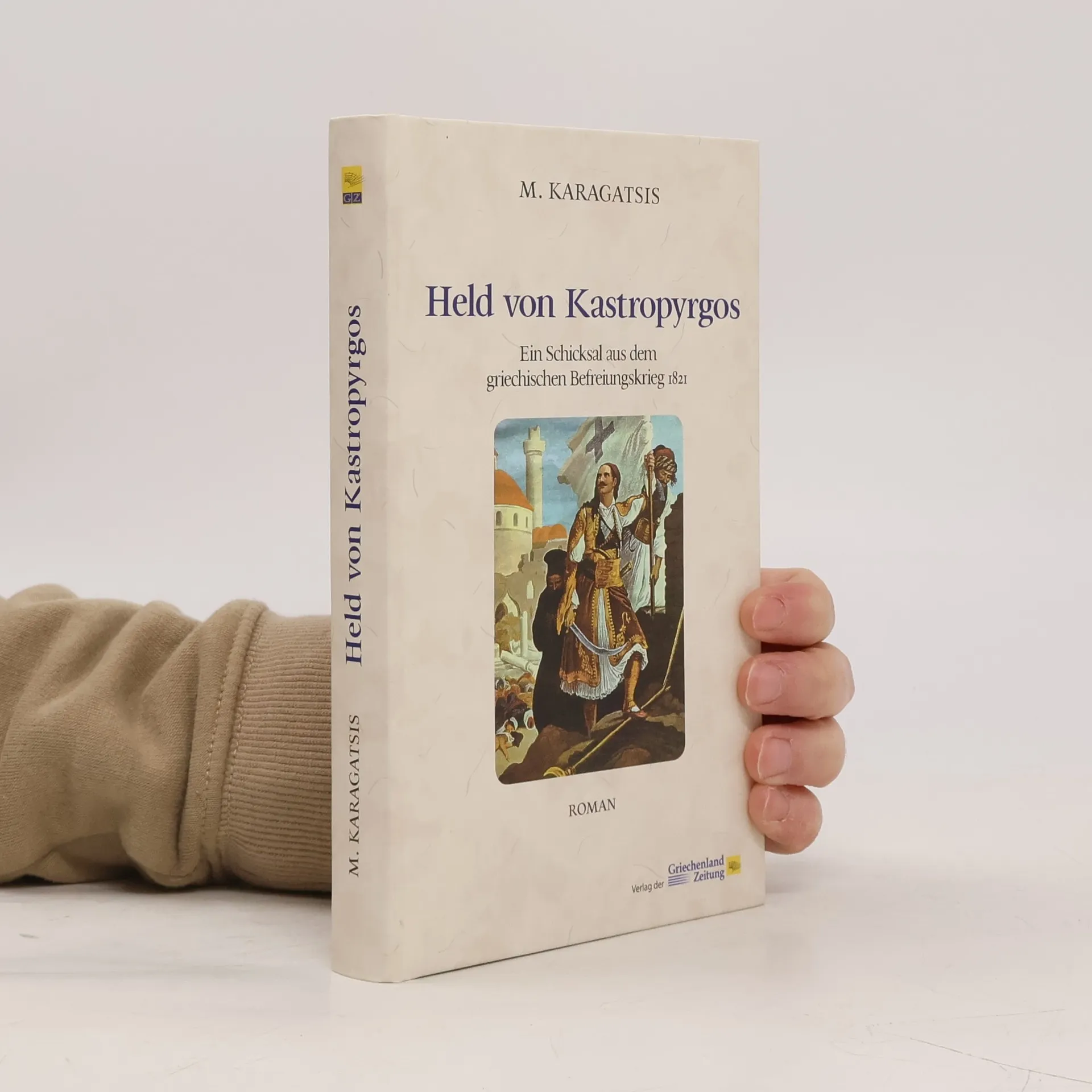
    Held von Kastropyrgos
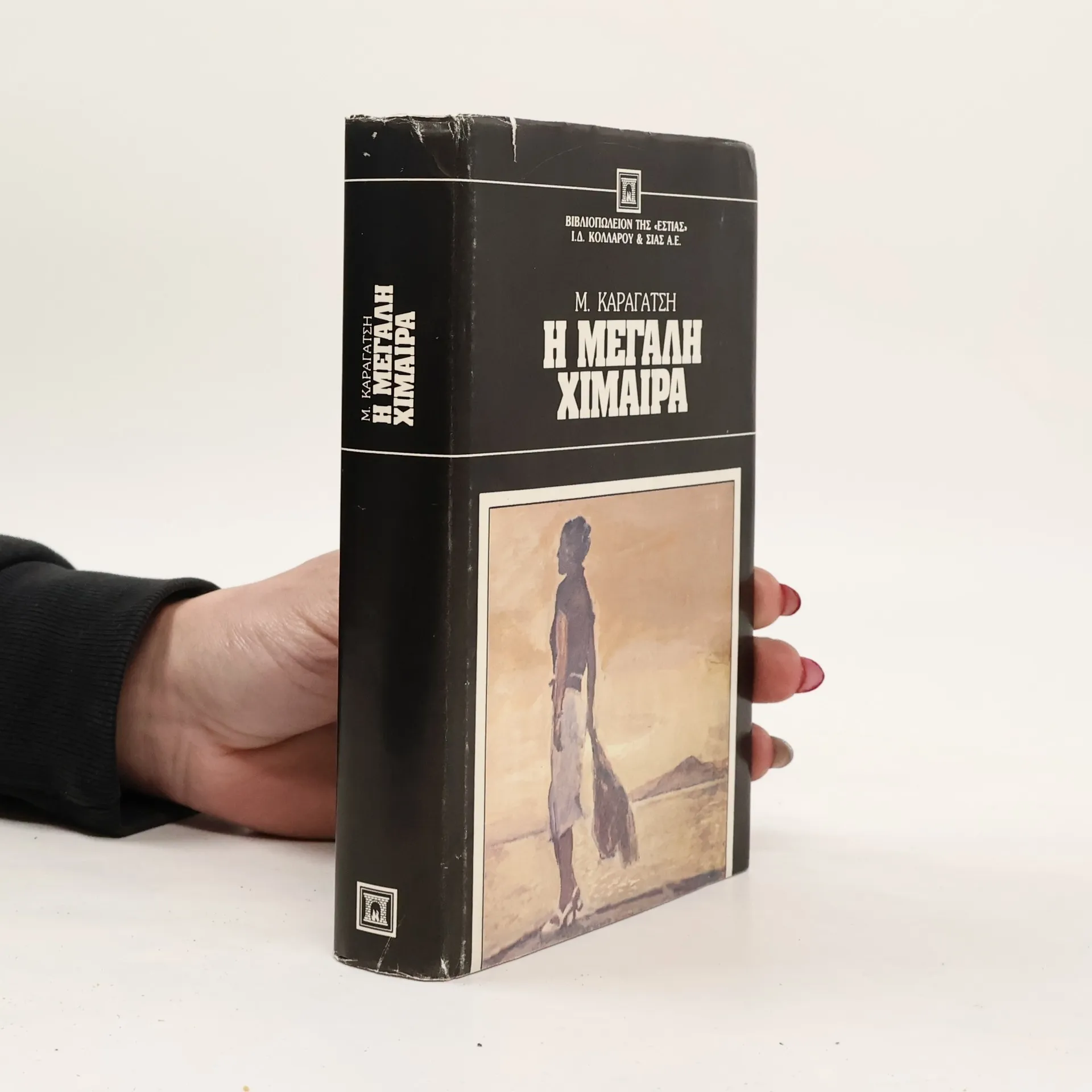
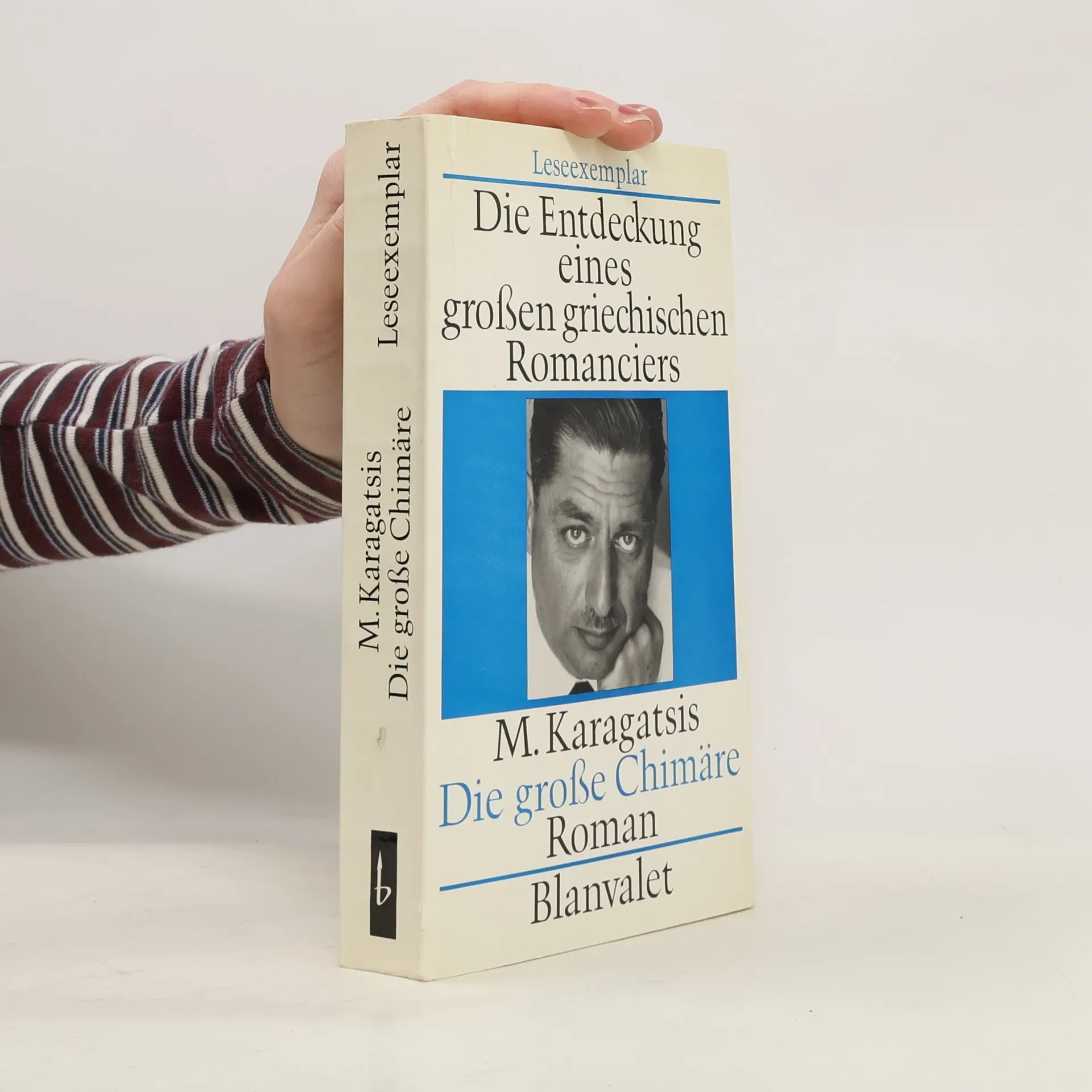
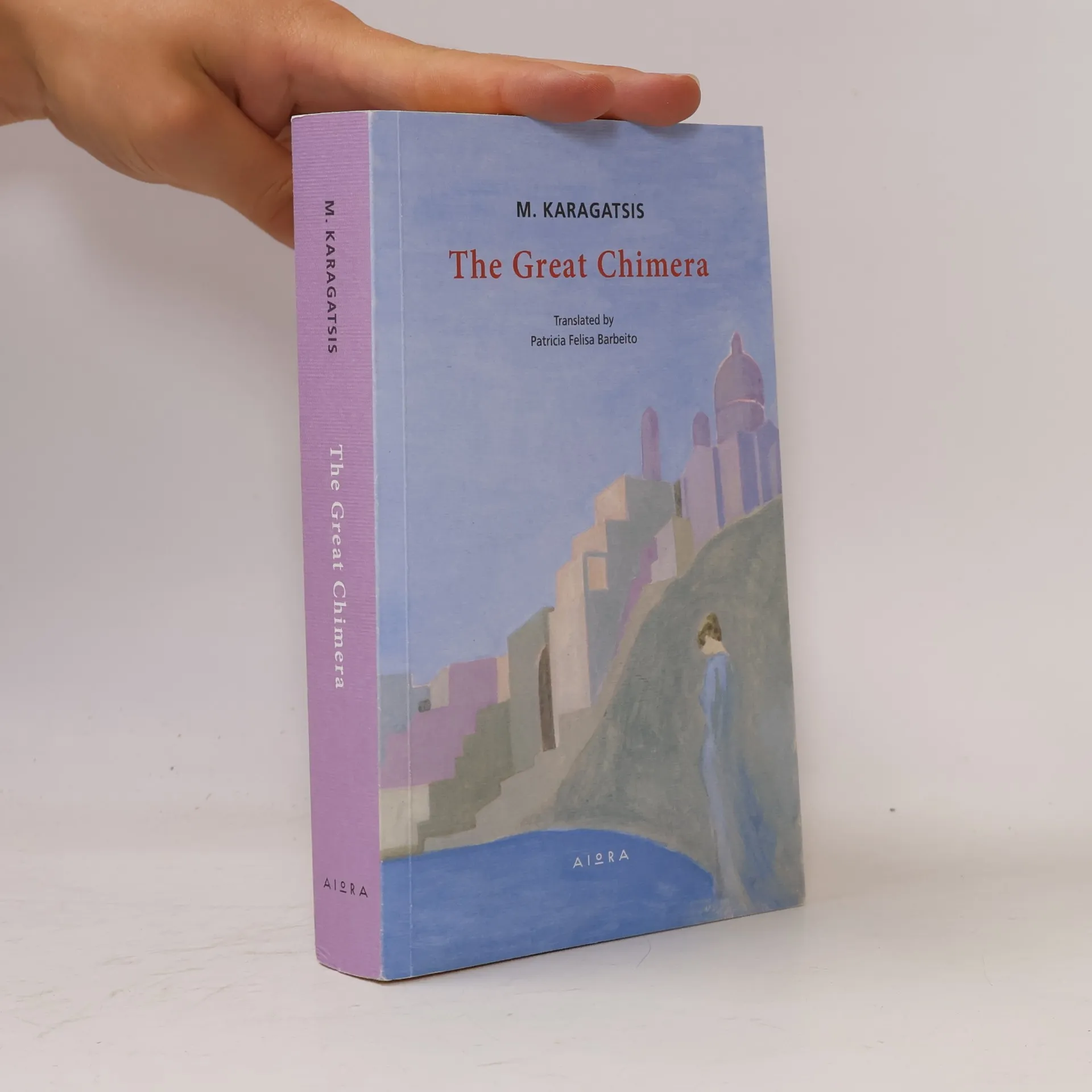
    The Great Chimera
    • Eager to flee the parochialism of her French upbringing, and a painful family past, the young and beautiful Marina falls in love with a seductive Greek sea-captain she meets at the port of Rouen. She follows him to the Aegean island of Syros to begin a new life as a married woman in the home of her formidable mother-in-law. Enchanted by the beauty of her surroundings, and fascinated by her husbands erudite younger brother, she aspires to learn all she can about contemporary Greek culture and live up to the ideals of her classical education. But when disaster upends her husbands shipping business and the comfortable stability of their life together, Marinas world slides into a vicious circle of love, passion, and death. Set in the early decades of the twentieth century, this is an exquisite account of the inner life of the heroine, and the collisions of different cultures and ways of being. In prose that ranges from the lyrical to the tersely realist, Karagatsis weaves a classic tale that is wide-ranging in its literary references, and devastating in its psychological nuance. This modern Greek tragedy has been made into a TV series and a highly acclaimed stage play, enjoying three sold-out seasons in Athens, and an international tour.
      The Great Chimera
    • „Das gelbe Dossier“ gilt als Meisterwerk der neueren griechischen Literatur. Der Literaturkritiker Demosthenes Kourtovik bezeichnet es als „einen der besten griechischen Romane, die je geschrieben worden sind.“ Petros Markaris hebt den Autor Karagatsis als „Meister der Erzählkunst“ hervor, gleichwertig mit Nikos Kazantzakis. Die Geschichte entfaltet sich, als der Ich-Erzähler Karagatsis am Grab des Literaten Manos Tassakos einer geheimnisvollen Frau namens Maria begegnet. Sie übergibt ihm ein gelbes Dossier mit persönlichen Materialien zu Tassakos, der angeblich Selbstmord begangen hat. Auf einer zweiten Ebene entfaltet sich das geheimnisvolle Leben und Sterben des Protagonisten, der sich als skrupelloser Intrigant und leidenschaftlicher Liebhaber Marias zeigt. Maria wird als sein weibliches Alter Ego dargestellt, das ihm sowohl positiv als auch negativ begegnet. Auch Tassakos' Mentor, der Nobelpreisträger Kostis Roussis, und dessen Neffe Nikos spielen eine entscheidende Rolle und stehen in engem Verhältnis zu Maria. Die Handlung wird kontinuierlich durch neue dramatische Ereignisse angereichert, die die Spannung aufrechterhalten und den Leser fesseln.

      Das gelbe Dossier