
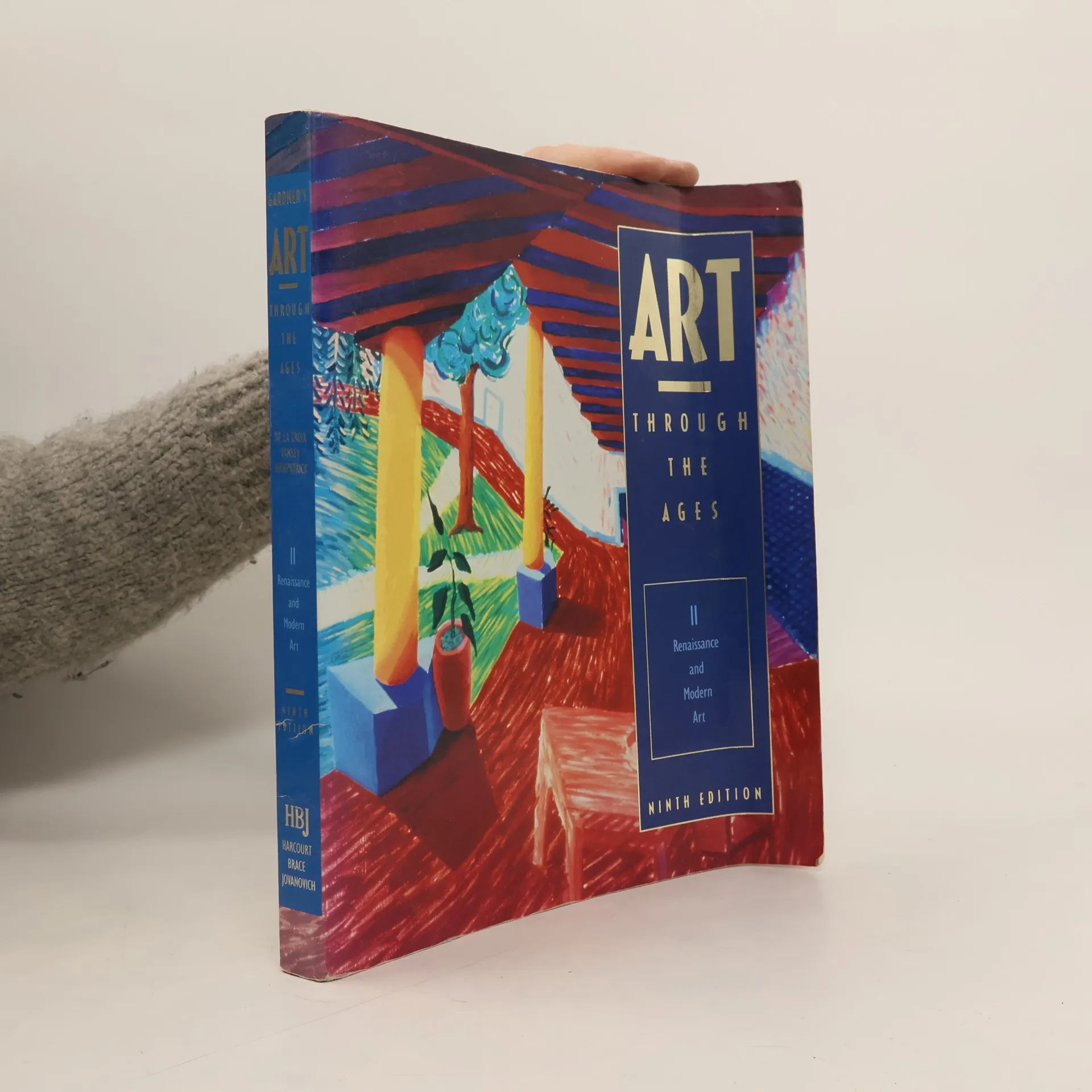
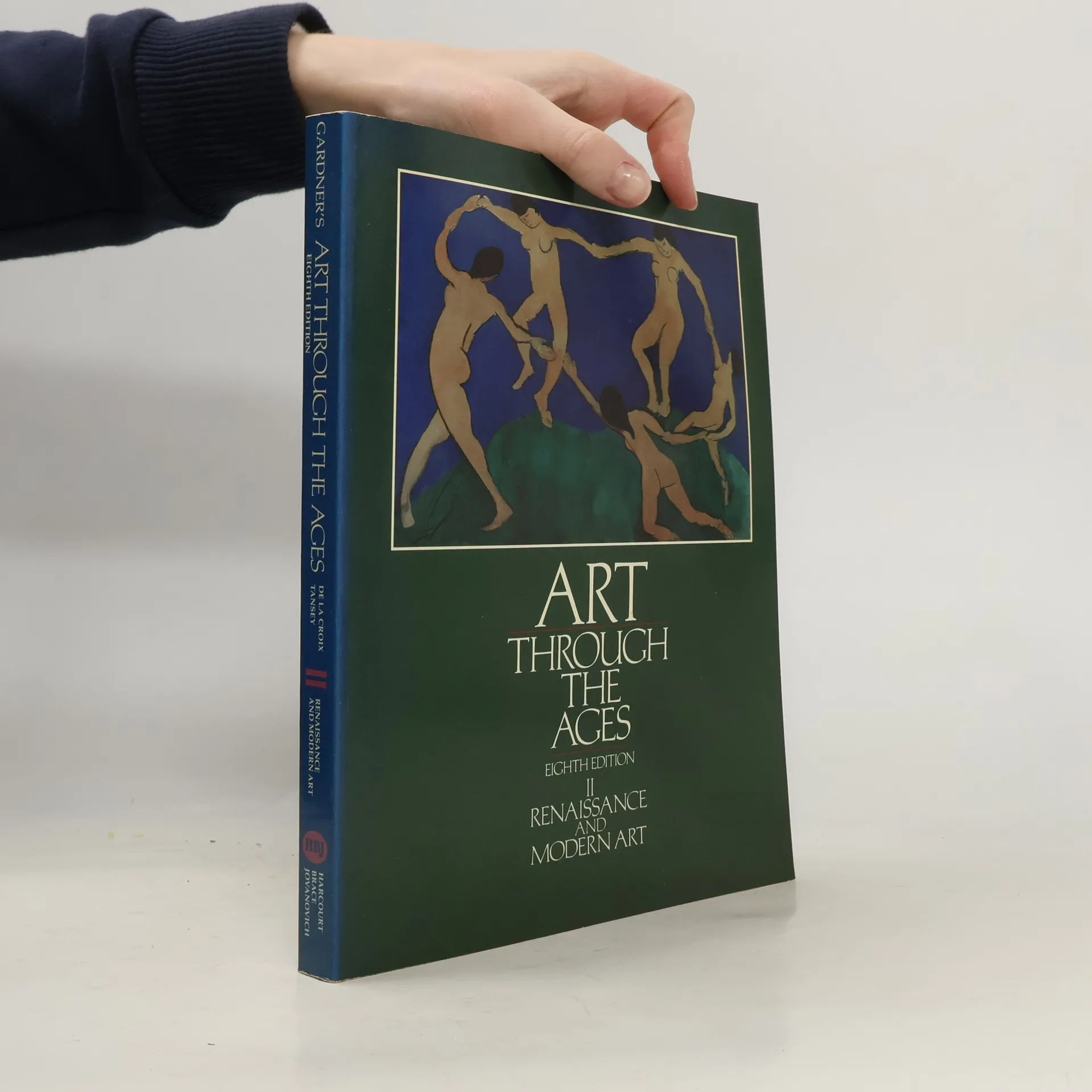
Gardner's - 2: Art Through the Ages
Renaissance and Modern Art - Ninth Edition
- 560pages
- 20 heures de lecture
Helen Gardner fut une éminente professeure de littérature anglaise, renommée pour son travail critique sur John Donne et T. S. Eliot. Elle fut la première femme à occuper la prestigieuse chaire Merton de littérature anglaise à Oxford. Son érudition plongea profondément dans les œuvres de ces maîtres littéraires, offrant des analyses perspicaces de leurs vers complexes. Gardner apporta une perspective unique au monde académique, et ses contributions à la critique littéraire sont encore aujourd'hui très appréciées.


Renaissance and Modern Art - Ninth Edition
The fundamental belief that guided Helen Gardner and her successors is that the history of art is essential to a liberal education. The study of art history, like its fellow humanistic studies, the history of literature and the history of music, has as its aim the opening of student perception and understanding to works of high esthetic quality and expressive significance -- works that humankind has produced throughtout history and around the world, and that -- especially now -- are cherished and conserved by the peoples of the world as representative of their cultural identities. The awareness, comprehension, and informed experience of these works are what a survey like this would encourage and hope to achieve. The art experience can only be informed, expanded, and made selective in its judgments if it is at the same time a historical experience. This means understanding works of art within the contexts of their times and places of origin and the temporal sequences of their production.
In this important and influential anthology Dame Helen Gardner has collected together those seventeenth-century poets who, although never self-consciously a school, did possess in common certain features of argument and powerful persuasion which have come to be described as 'metaphysical'. Contains amongst others: John Milton, Thomas Carew, Sir William Davenant, Henry Vaughan, Andrew Marvell, George Herbert, Sir Walter Ralegh, Robert Southwell, John Donne and Richard Crashaw.