

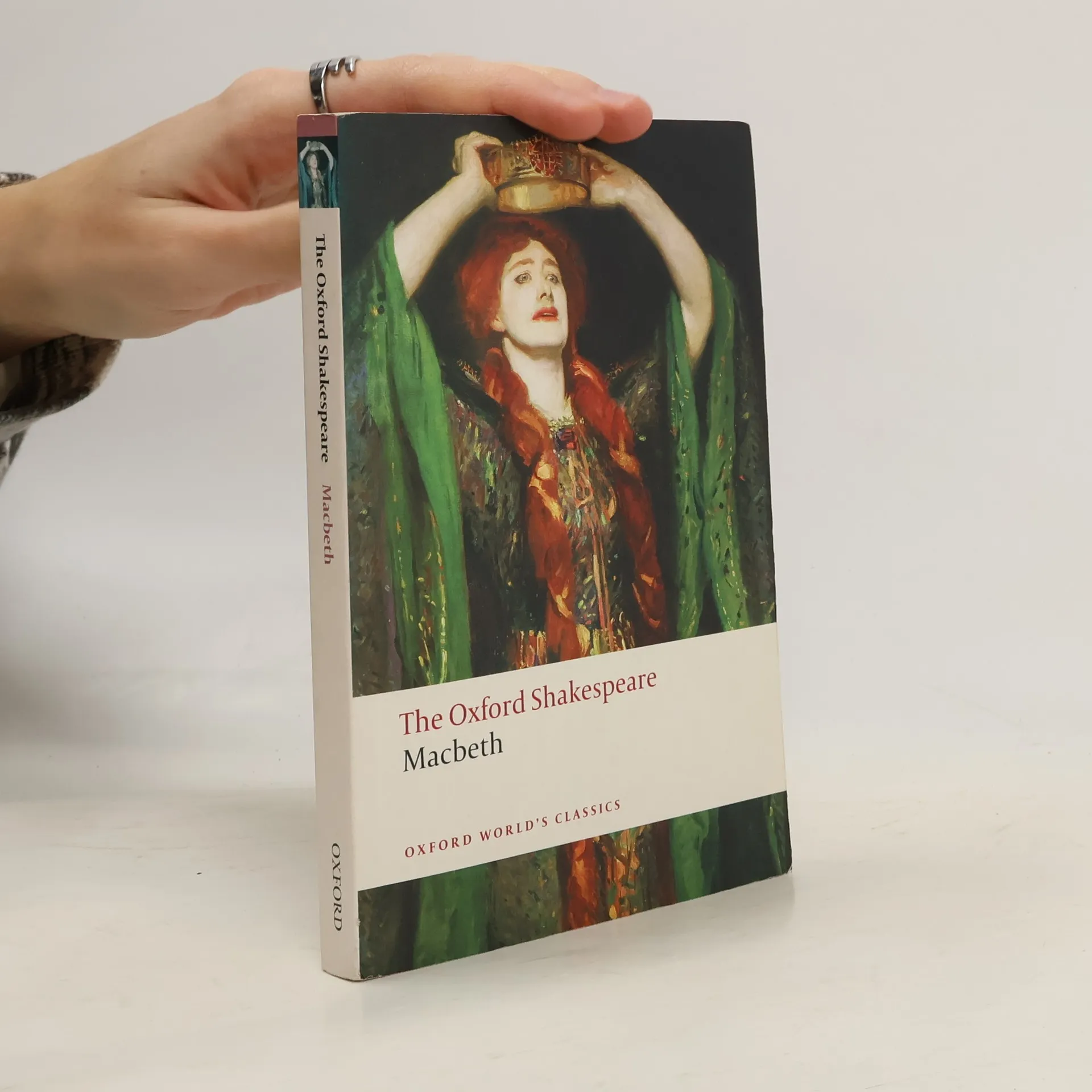
Dark and violent, Macbeth is also the most theatrically spectacular of Shakespeare's tragedies. Indeed, for 250 years - until early this century - it was performed with grand operatic additions set to baroque music. In his introduction Nicholas Brooke relates the play's changing fortunes to changes within society and the theatre and investigates the sources of its enduring appeal. He examines its many layers of illusion and interprets its linguistic turns and echoes, arguing that the earliest surviving text is an adaptation, perhaps carried out by Shakespeare himself in collaboration with Thoma
Nicholas Brooke Ordre des livres (chronologique)
Macbeth
- 190pages
- 7 heures de lecture
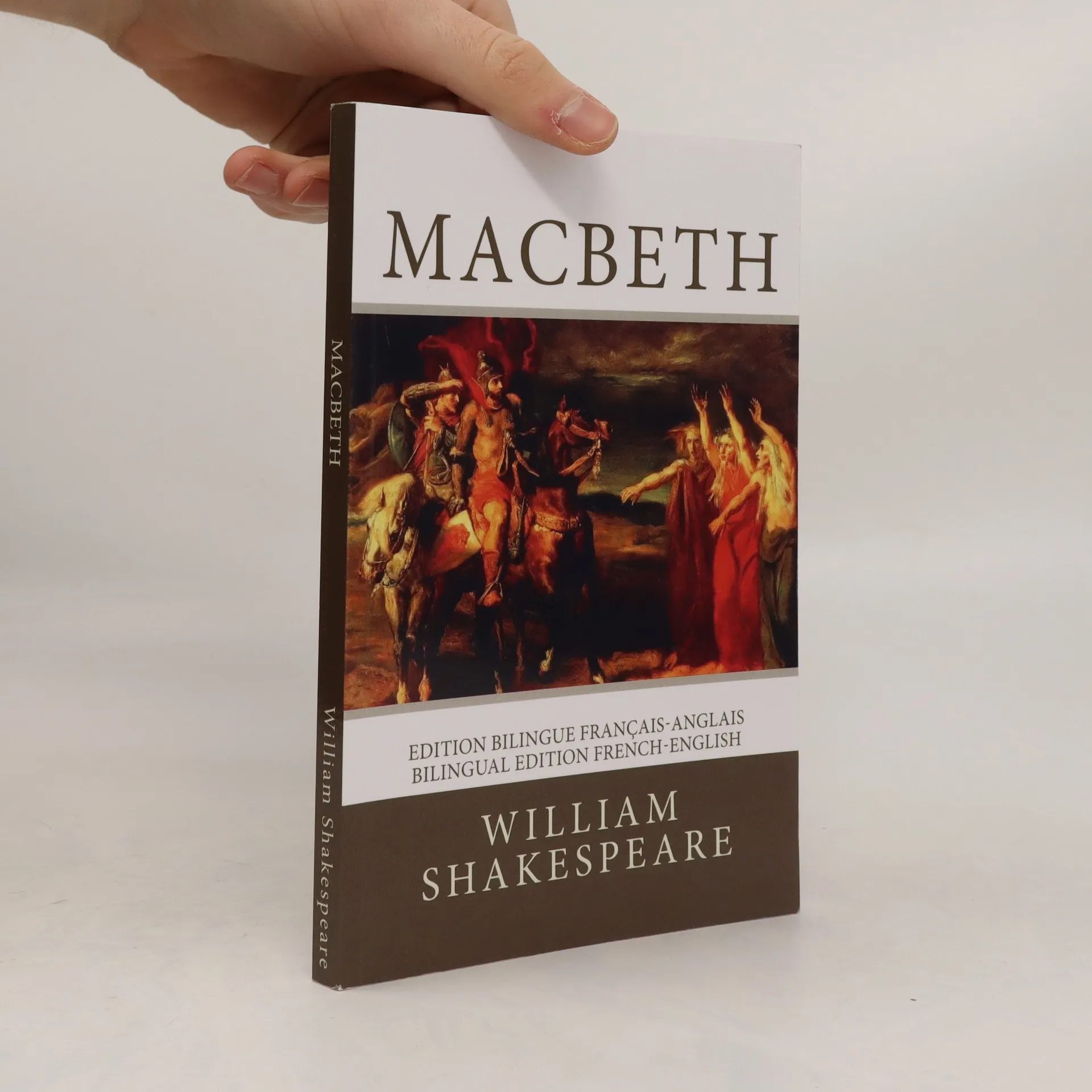
The book explores themes of ambition, power, and guilt through the tragic story of Macbeth, a Scottish general whose encounter with three witches ignites his desire for the throne. As they prophesy that he will become king, dark thoughts of murder consume him, which he struggles to suppress. Encouraged by his ambitious wife, Lady Macbeth, he murders King Duncan in his sleep and ascends to the throne. However, Macbeth's reign is plagued by paranoia and fear of losing power, leading him to further violence, including the murder of his friend Banquo. Haunted by guilt and the specter of Banquo, he seeks out the witches again, who provide misleading assurances of his invincibility. Ultimately, his downfall comes at the hands of Macduff, who was born by cesarean section, fulfilling the witches' prophecy. The play concludes with the tragic fates of both Macbeth and Lady Macbeth, who succumbs to madness, underscoring the destructive nature of unchecked ambition and moral decay.