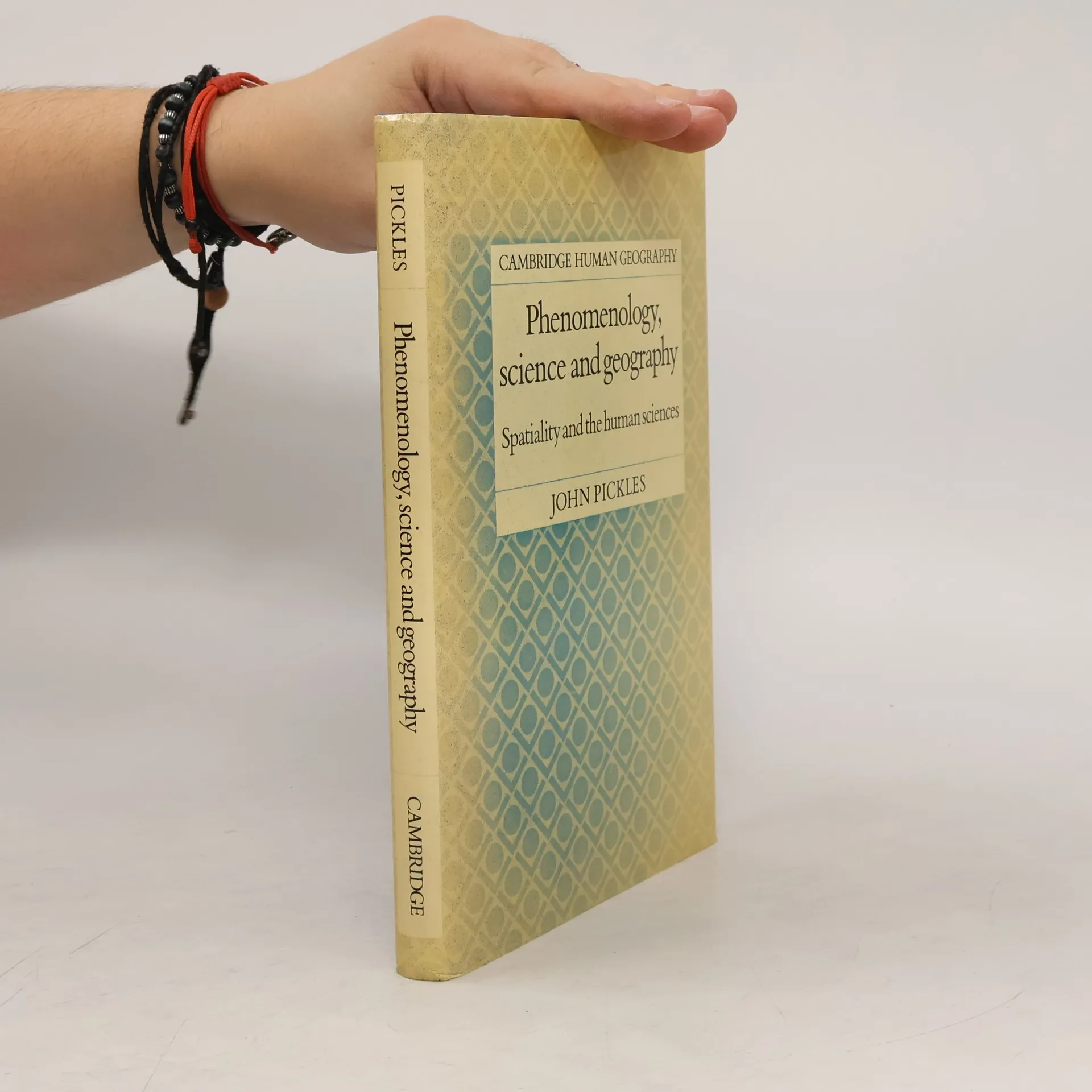
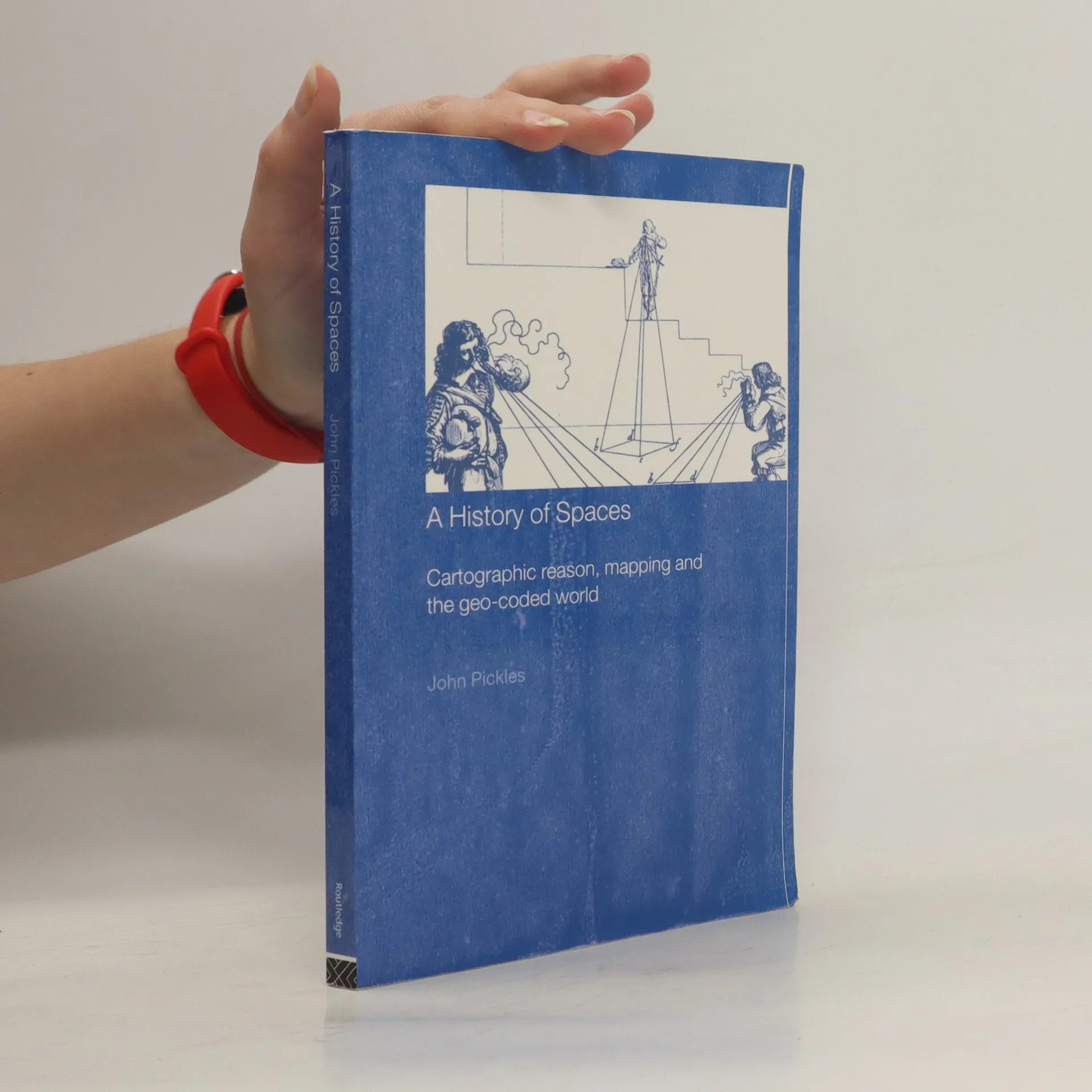
John Pickles est un éminent professeur d'études internationales dont le travail explore le raisonnement cartographique et la cartographie de notre monde géo-codé. Il examine les façons fondamentales dont les espaces sont construits, compris et représentés à travers les cartes et les données géographiques. Son érudition offre des perspectives critiques sur le pouvoir de la cartographie pour façonner notre perception du monde.
It also considers the use of maps for military purposes, maps that have coded modern conceptions of health, disease and social character, and maps of the transparent human body and the transparent earth." "The final chapters of the book turn to the rapid pace of change in mapping technologies, the forms of visualization and representation that are now possible, and what the author refers to as 'the possibilities for post-representational cartographies'."--Jacket.
A work of outstanding originality and importance, which will become a cornerstone in the philosophy of geography, this book What is human science? Is a truly human science of geography possible? What notions of spatiality adequately describe human spatial experience and behaviour? It sets out to answer these questions through a discussion of the nature of science in the human sciences, and, specifically, of the role of phenomenology in such inquiry. It criticises established understanding of phenomenology in these sciences, and demonstrates how they are integrally related to each other. The need for a reflective geography to accompany all empirical science is argued strongly. The discussion is organised into four geography and traditional metaphysics; geography and phenomenology; phenomenology and the question of human science; and human science, worldhood and place. The author draws upon the works, of Husserl, Heidegger, Gadamer and Kockelmans in particular.