

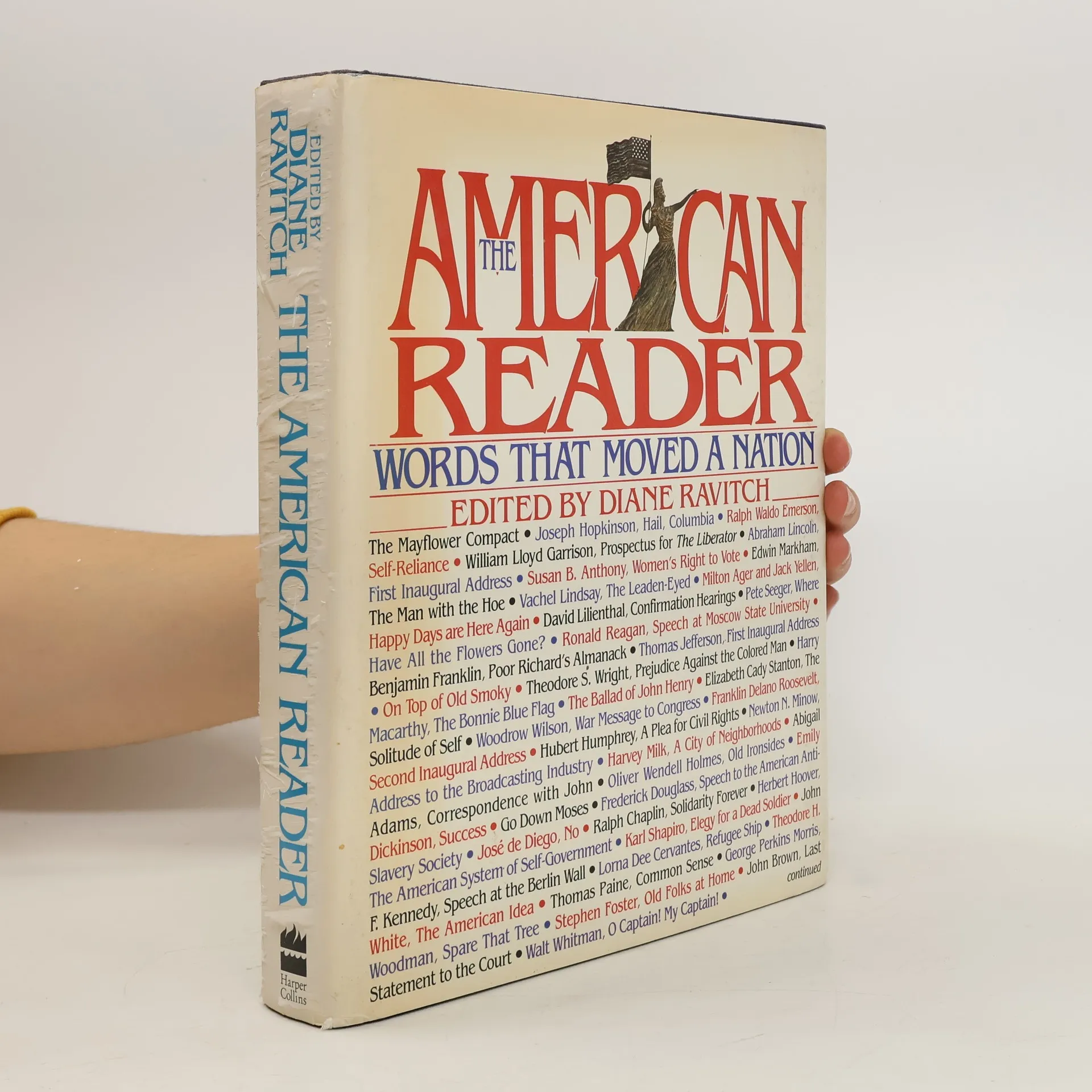
The American Reader is a uniquely readable anthology of writings and thoughts that are important in American history. The approximately 200 chronologically arranged selections, while all historically and culturally important, were chosen primarily for their literary quality and their interest to readers today. Illustrated.
Diane Ravitch Livres
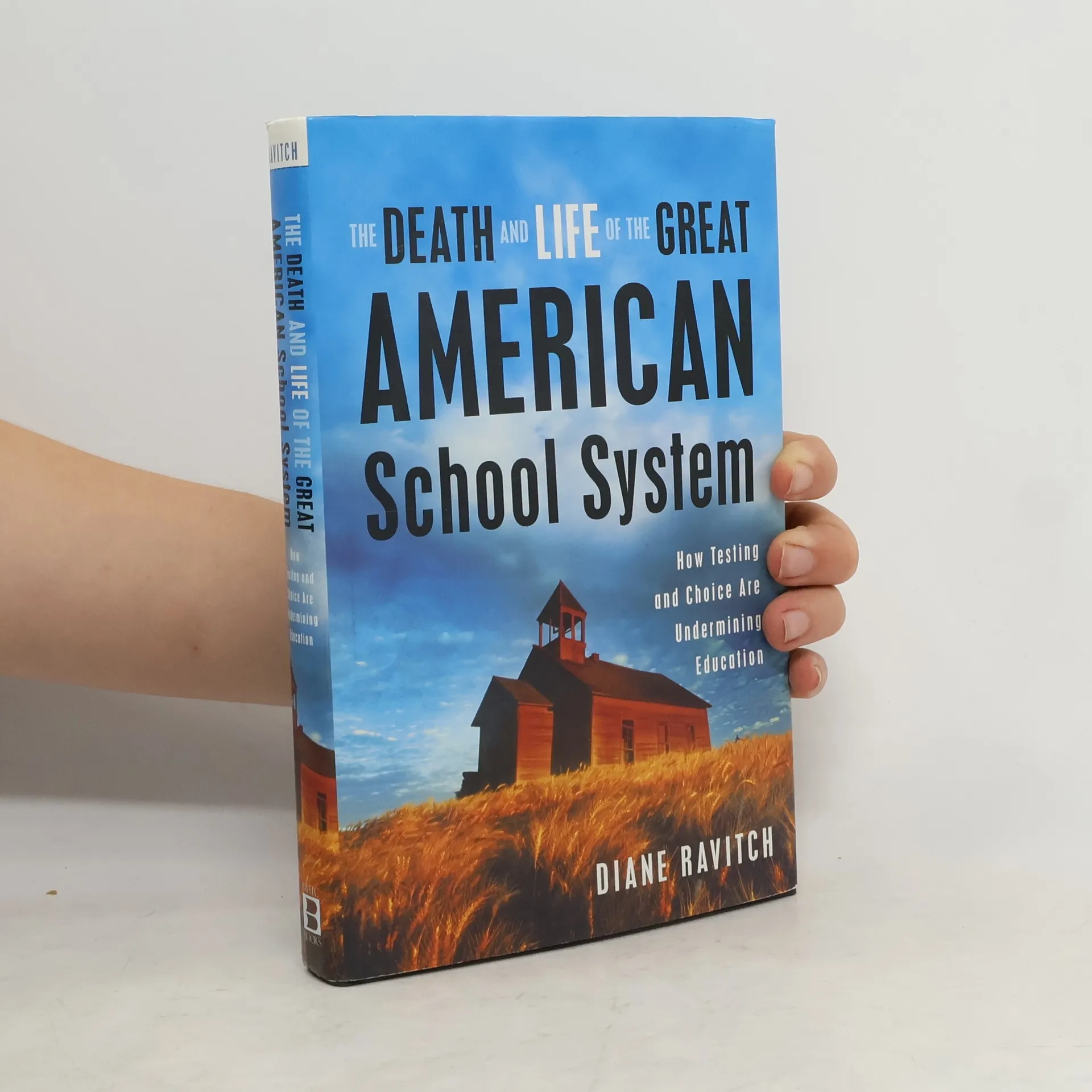
The Death and Life of the Great American School System
How Testing and Choice Are Undermining Education
- 283pages
- 10 heures de lecture
A passionate plea to preserve and renew public education, this work represents a radical change of heart from one of America’s leading education experts. The author, a former assistant secretary of education, reflects on her career in education reform and renounces positions she once strongly supported. Drawing on over forty years of research and experience, she critiques popular ideas for restructuring schools, such as privatization, standardized testing, punitive accountability, and the proliferation of charter schools. She demonstrates why the business model is unsuitable for improving education. Using examples from major cities like New York, Philadelphia, Chicago, Denver, and San Diego, she argues that public education is in jeopardy. The author offers clear prescriptions for enhancing America’s schools: decisions about schools should be left to educators, not politicians or businessmen; a true national curriculum should outline what children should learn at each grade level; charter schools must prioritize educating the neediest students rather than competing with public schools; teachers should receive fair wages instead of merit pay based on flawed test scores; and family involvement in education should be encouraged from an early age. This work is essential reading for anyone invested in the future of American schooling.
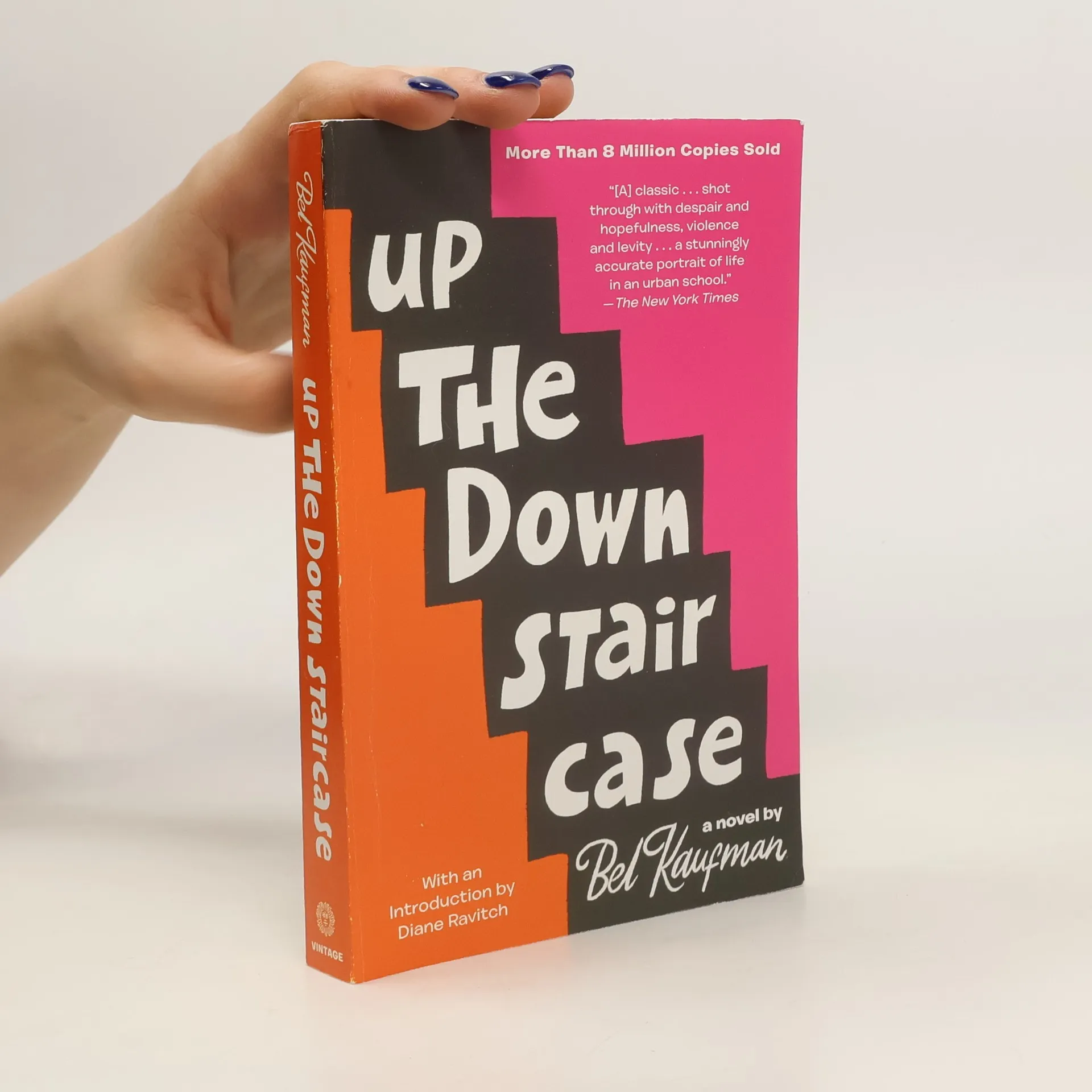
Up the Down Staircase
- 384pages
- 14 heures de lecture
Sylvia Barrett arrives at New York City’s Calvin Coolidge High fresh from earning literature degrees at Hunter College and eager to shape young minds. Instead she encounters broken windows, a lack of supplies, a stifling bureaucracy, and students with no interest in Chaucer. Her bumpy yet ultimately rewarding journey is narrated through an extraordinary collection of correspondence—sternly worded yet nonsensical administrative memos, furtive notes of wisdom from teacher to teacher, “polio consent slips,” and student homework assignments that unwittingly speak from the heart. An instant bestseller when it was first published in 1964, Up the Down Staircase remains as poignant, devastating, laugh-out-loud funny, and relevant today as ever. It timelessly depicts a beleaguered public school system redeemed by teachers who love to teach and students who long to be recognized.
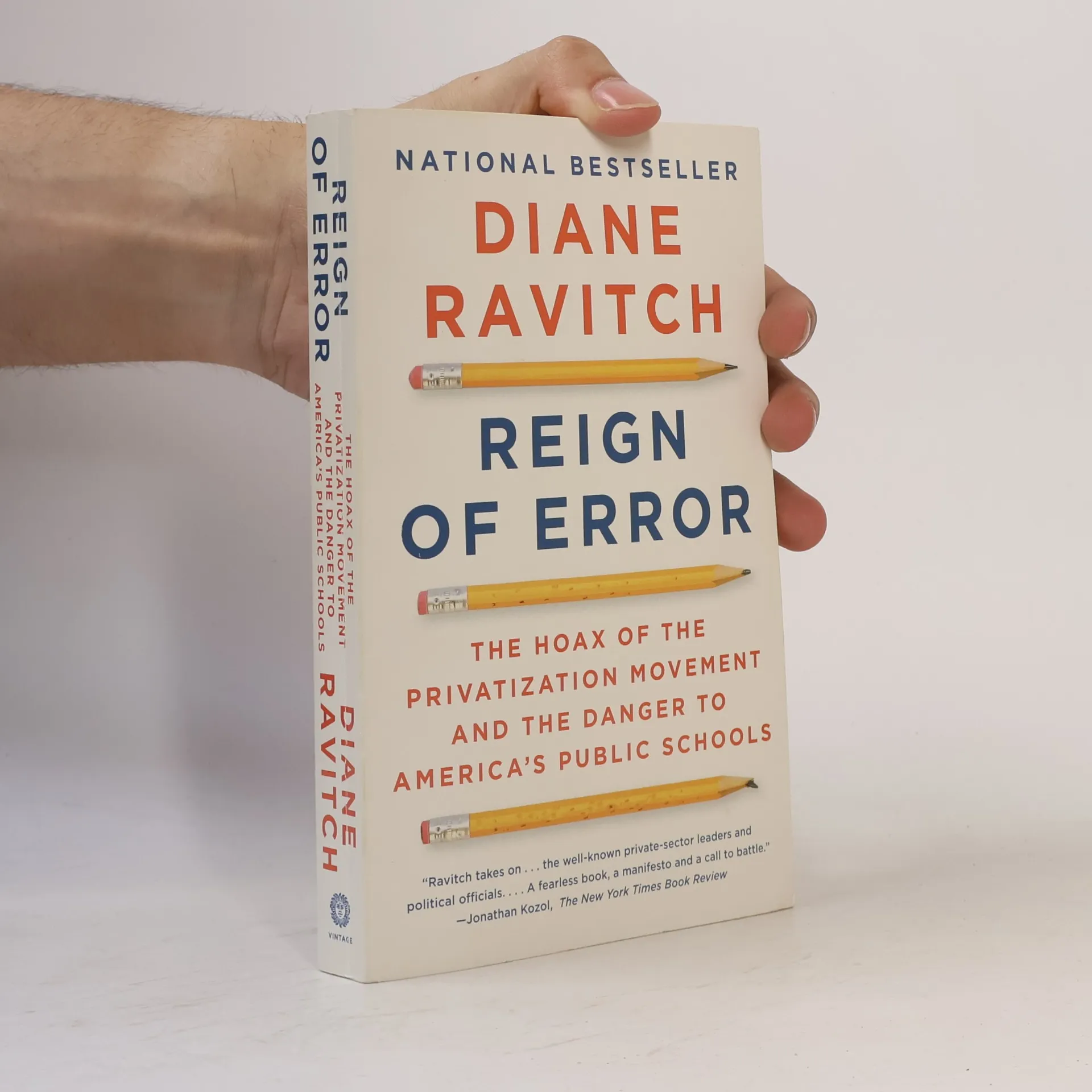
Reign of Error
The Hoax of the Privatization Movement and the Danger to America's Public Schools
- 416pages
- 15 heures de lecture
From one of the foremost authorities on education in the United States, former U.S. assistant secretary of education, an incisive, comprehensive look at today’s American school system that argues against those who claim it is broken and beyond repair; an impassioned but reasoned call to stop the privatization movement that is draining students and funding from our public schools. In a chapter-by-chapter breakdown she puts forth a plan for what can be done to preserve and improve our public schools. She makes clear what is right about U.S. education, how policy makers are failing to address the root causes of educational failure, and how we can fix it.