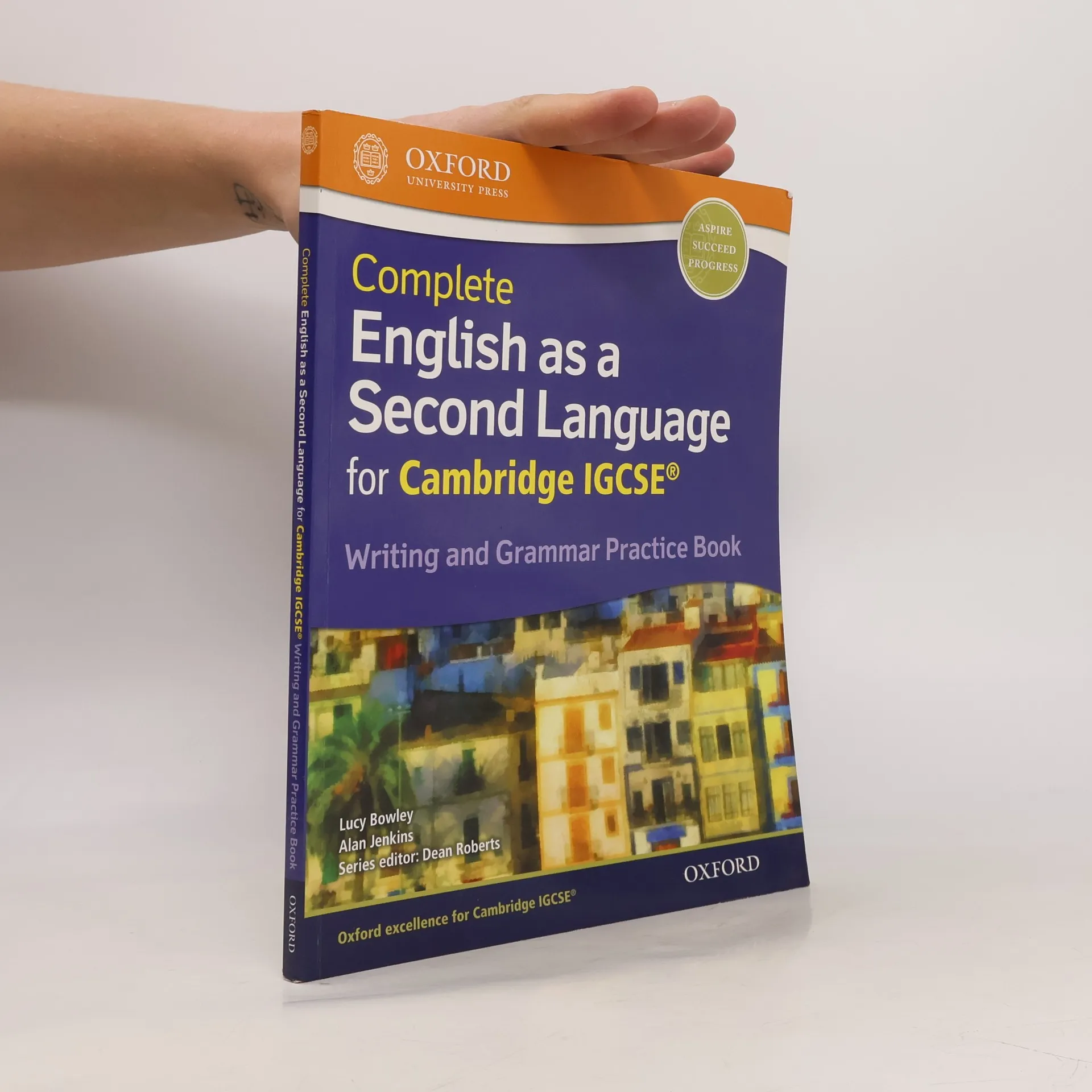
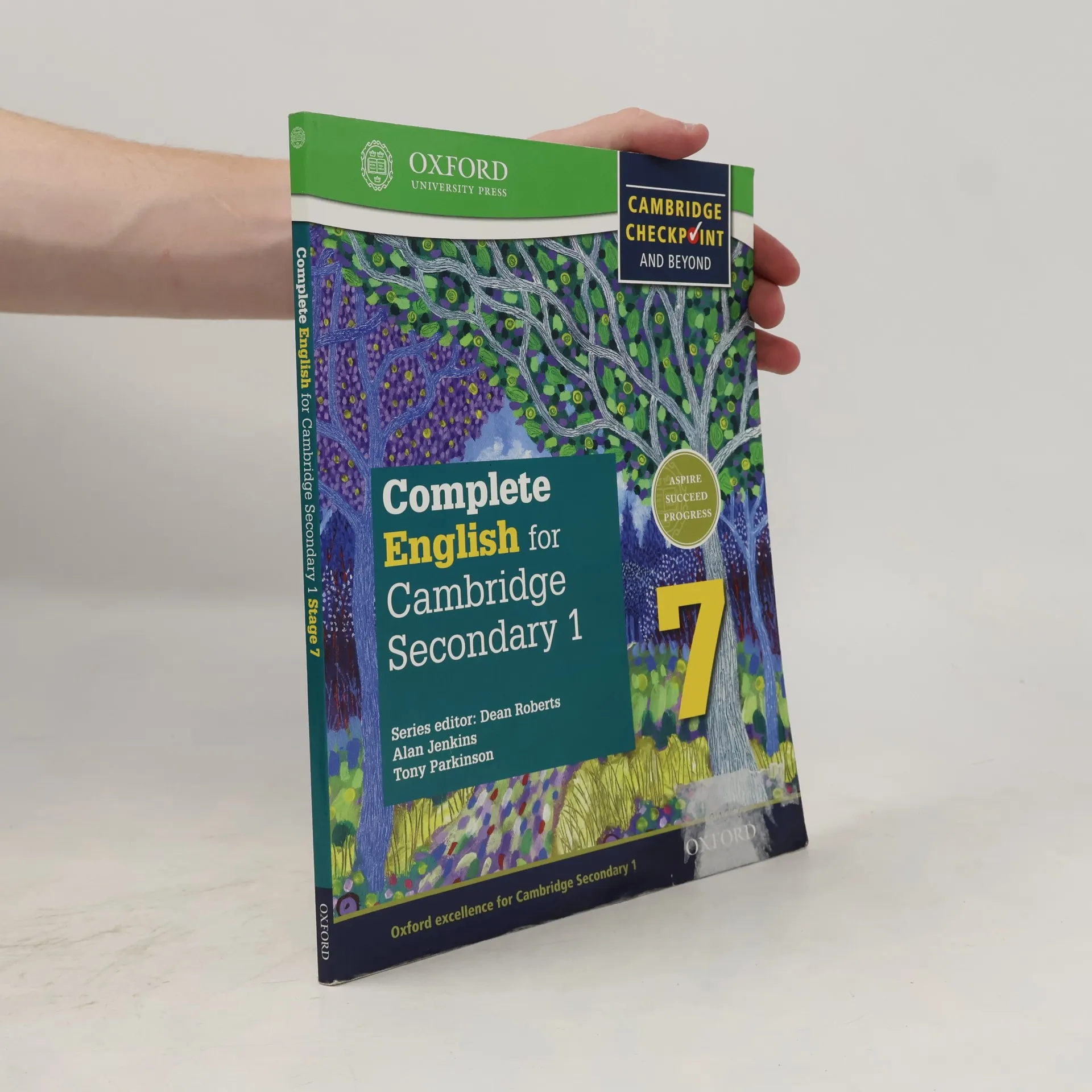
Complementing the Complete English as a Second Language series, this Practice Book fully supports the new Cambridge syllabus, for first examination in 2019. Targeted revision of key writing and grammar skills and extensive practice opportunities ensure all learners reach their full potential at IGCSE.
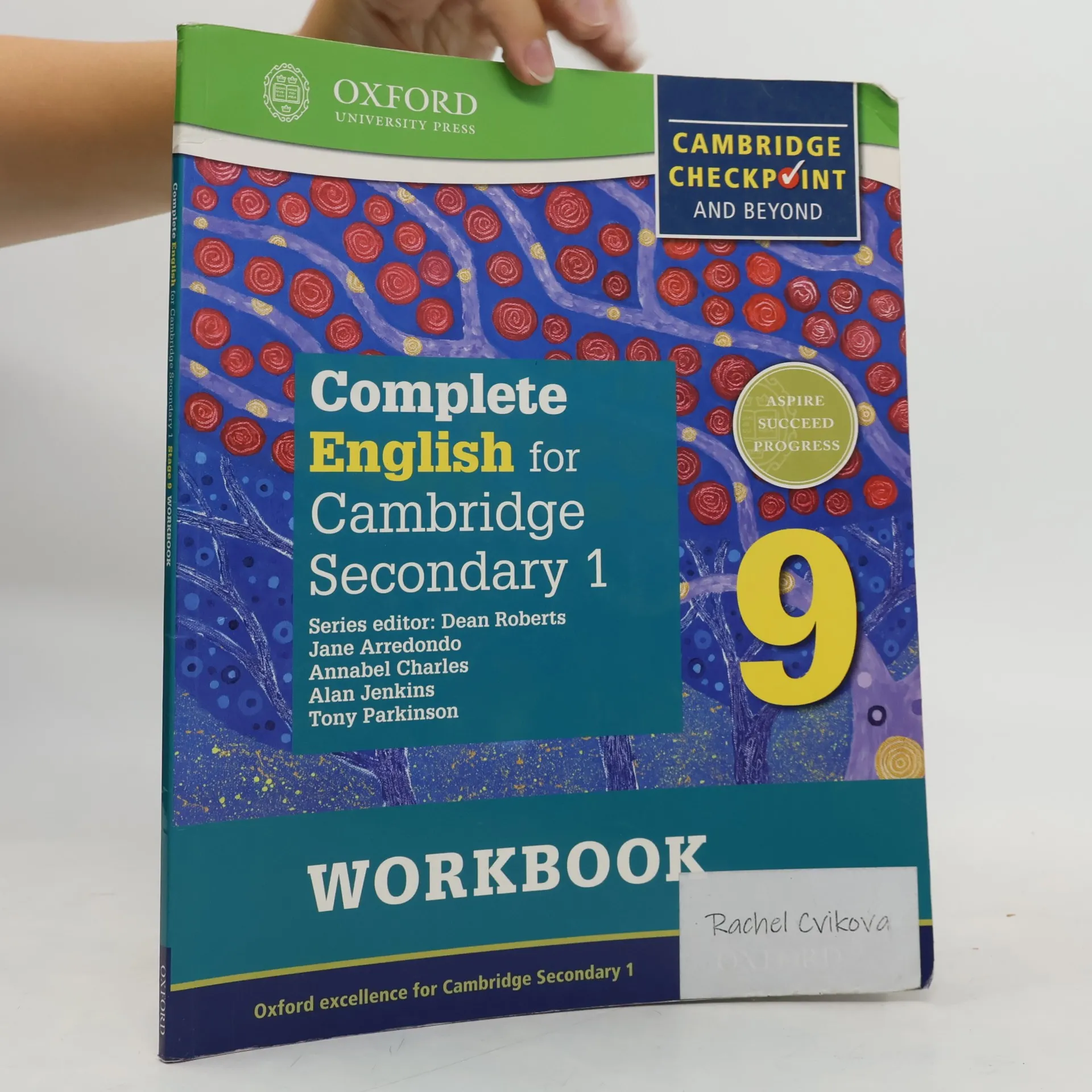
Consolidate your Cambridge students' language skills with varied activities,
linked by theme to the Complete English Student Book. Ideal for independent
learning, the Workbook includes word puzzles, opportunities for reflection and
a new vocabulary dictionary, with space for students to compare English words
with their home language equivalents.
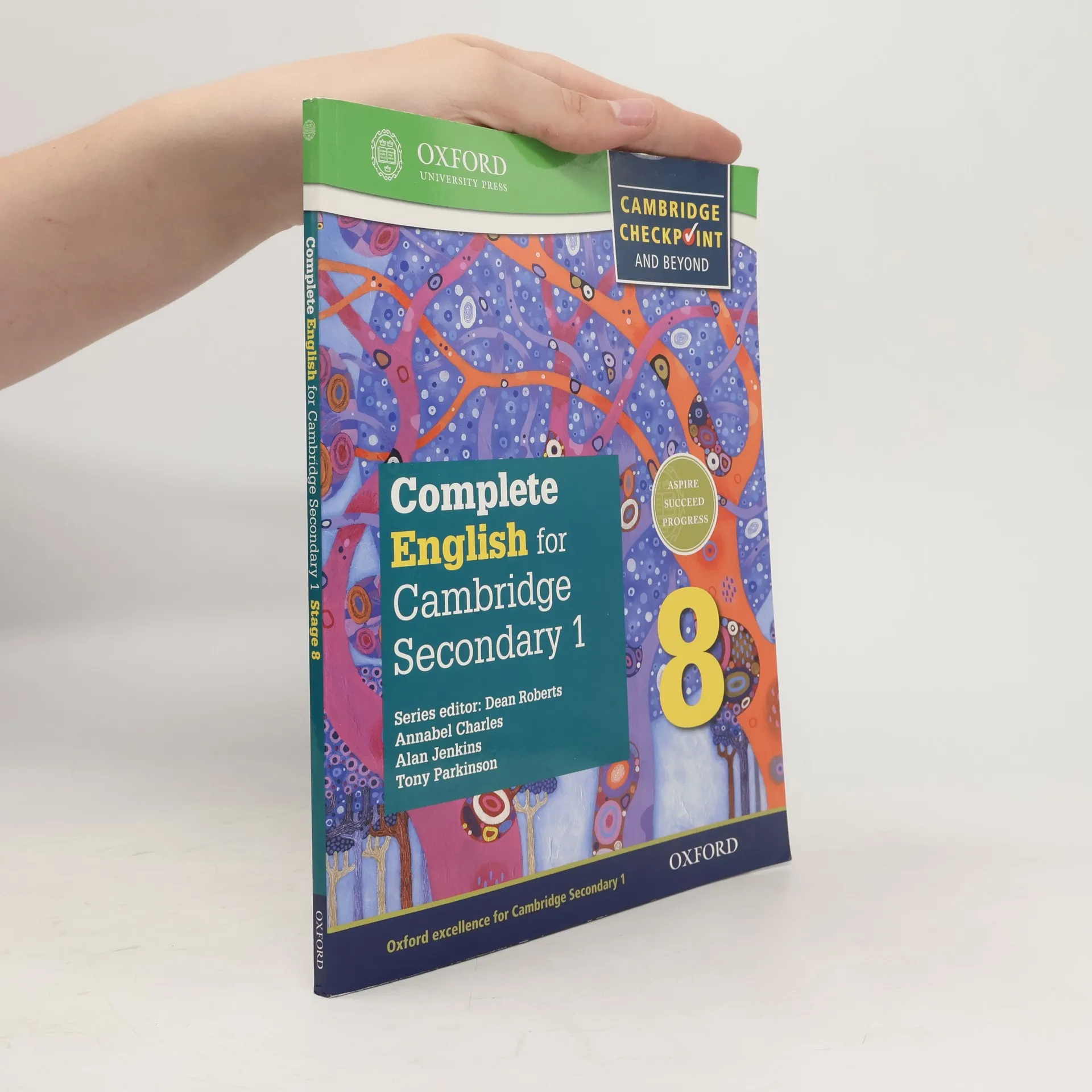
Ensure your Cambridge students achieve their best at Cambridge Lower Secondary
and the Cambridge Checkpoint test, whatever their language ability. Matched to
the Cambridge syllabus, this step-by-step, stretching approach supports
progression to the next stage of their education, including Cambridge IGCSE.
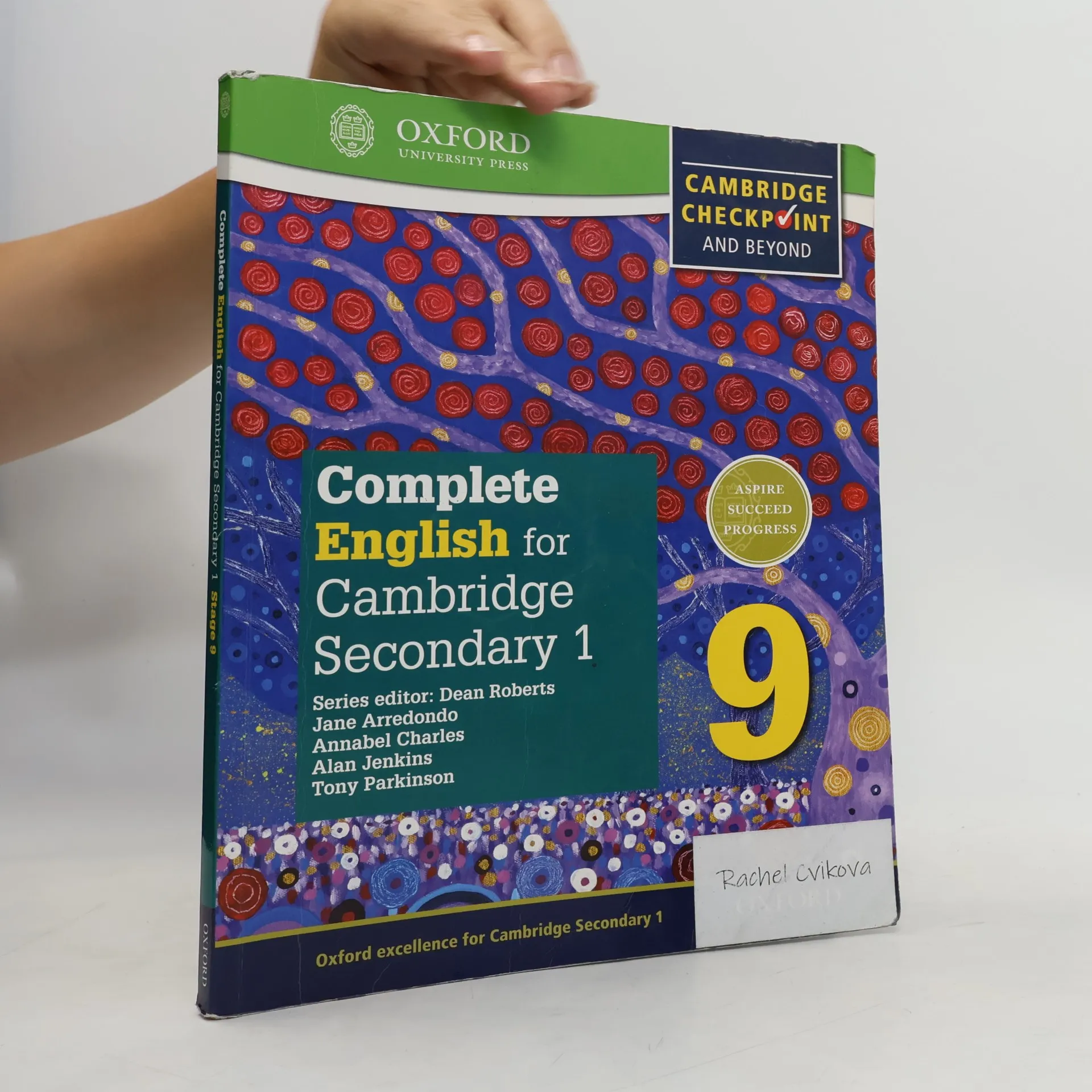
Ensure your Cambridge students achieve their best at Cambridge Lower Secondary
and in the Cambridge Checkpoint test, whatever their language ability. The
Pathway unit in Book 9 will support progression to Cambridge IGCSE First
Language English or English as a Second Language.
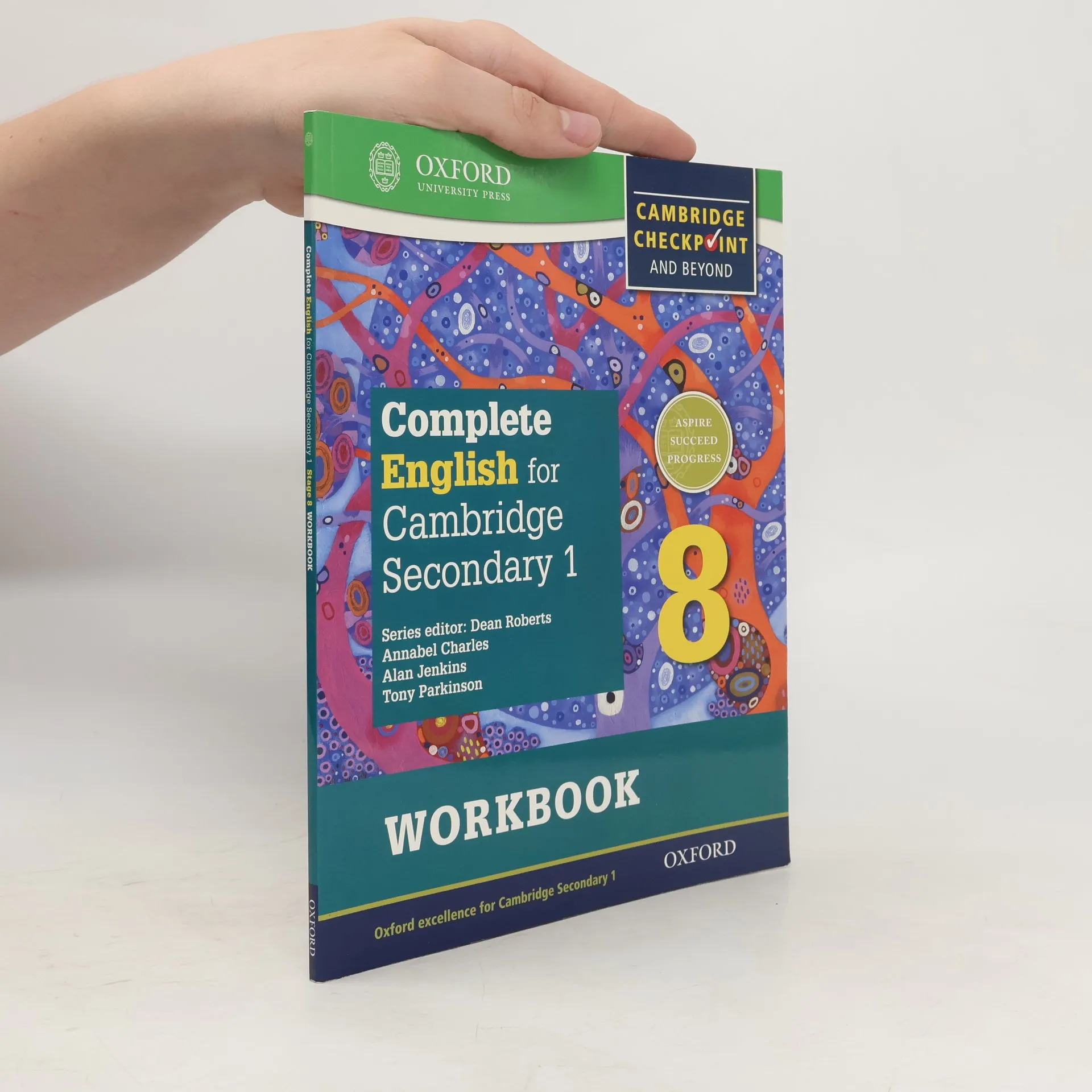
The Complete English 8 Workbook provides support for the previous Cambridge
Lower Secondary English curriculum. The Workbook reinforces understanding and
consolidates classroom learning with extra, independent practice for in the
classroom or at home.
Ensure your Cambridge students achieve their best at Cambridge Lower Secondary and the Cambridge Checkpoint test, whatever their language ability. Matched to the latest Cambridge syllabus, this step-by-step, stretching approach supports progression to the next stage of their education, including Cambridge IGCSE.
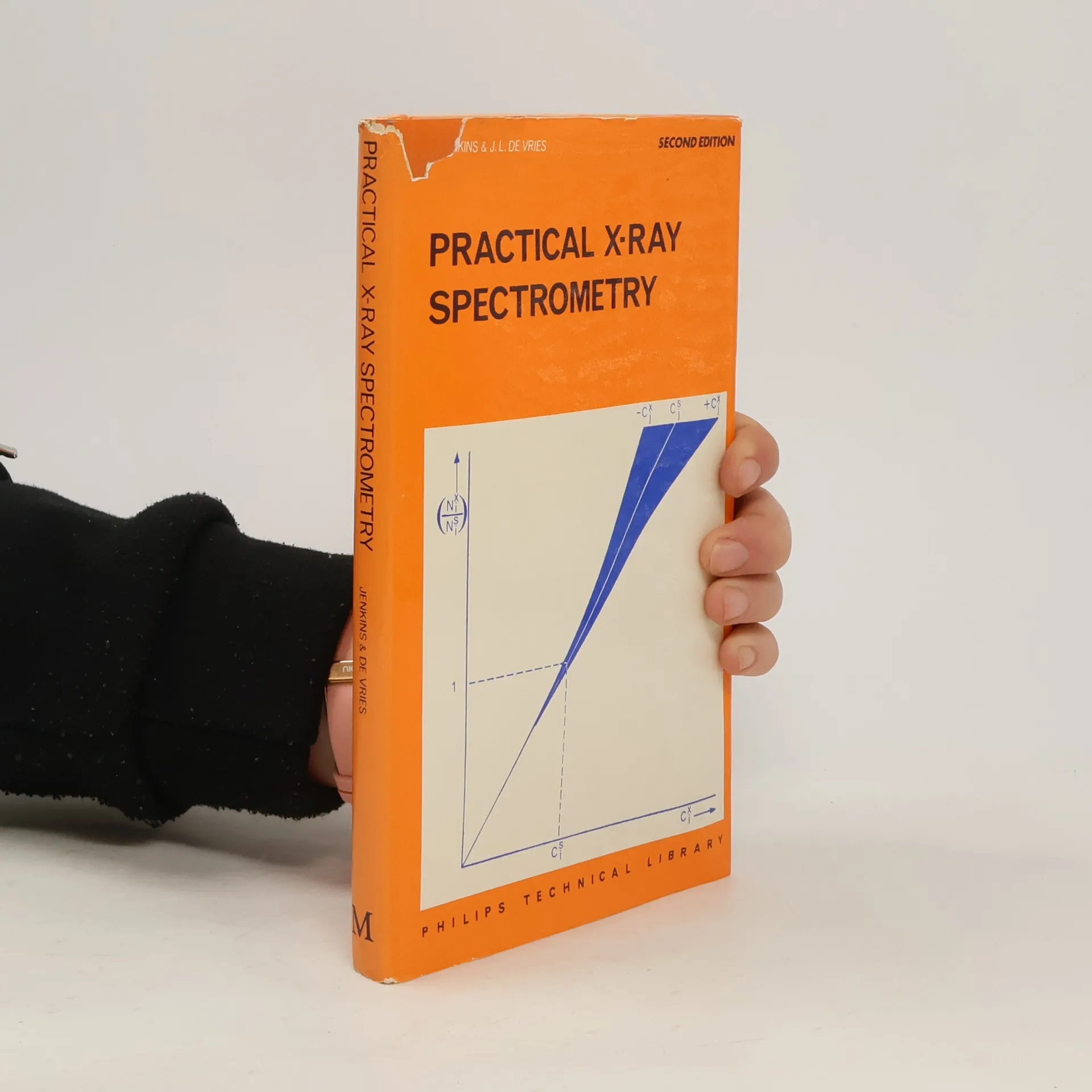
X-ray fluorescenct" spectrometry is now widely accepted as a highly versatile and potentially accurate method of instrumental elemental analysis and so it is somewhat surprising that although the volume of published work dealing with the technique is high the number of textbooks dealing exclusively with its application is relatively few. Without wishing to detract from the excellence of the textbooks which are already available we have both felt for some time, that a great need exists for a book dealing with the more practical aspects of the subject. For a number of years we have been associated with the provision and arrangement of X-ray schools for the training of new X-ray spectroscopists as well as in the organisation of conferences and sym posia whose aims have been to keep the more experienced workers abreast with the latest developments in instrumentation and techniques. In all of these ventures we have found a considerable dearth of reference work dealing with the reasons why an X-ray method has not succeeded as opposed to the multitude of success stories which regularly saturate the scientific press. In this book, which is based on lecture notes from well established courses in X-ray fluorescence spectrometry, we have tried to cover all of the more usual practical difficulties experienced in the application of the method and we have endeavoured to keep the amount of purely theoretical data at a minimum.