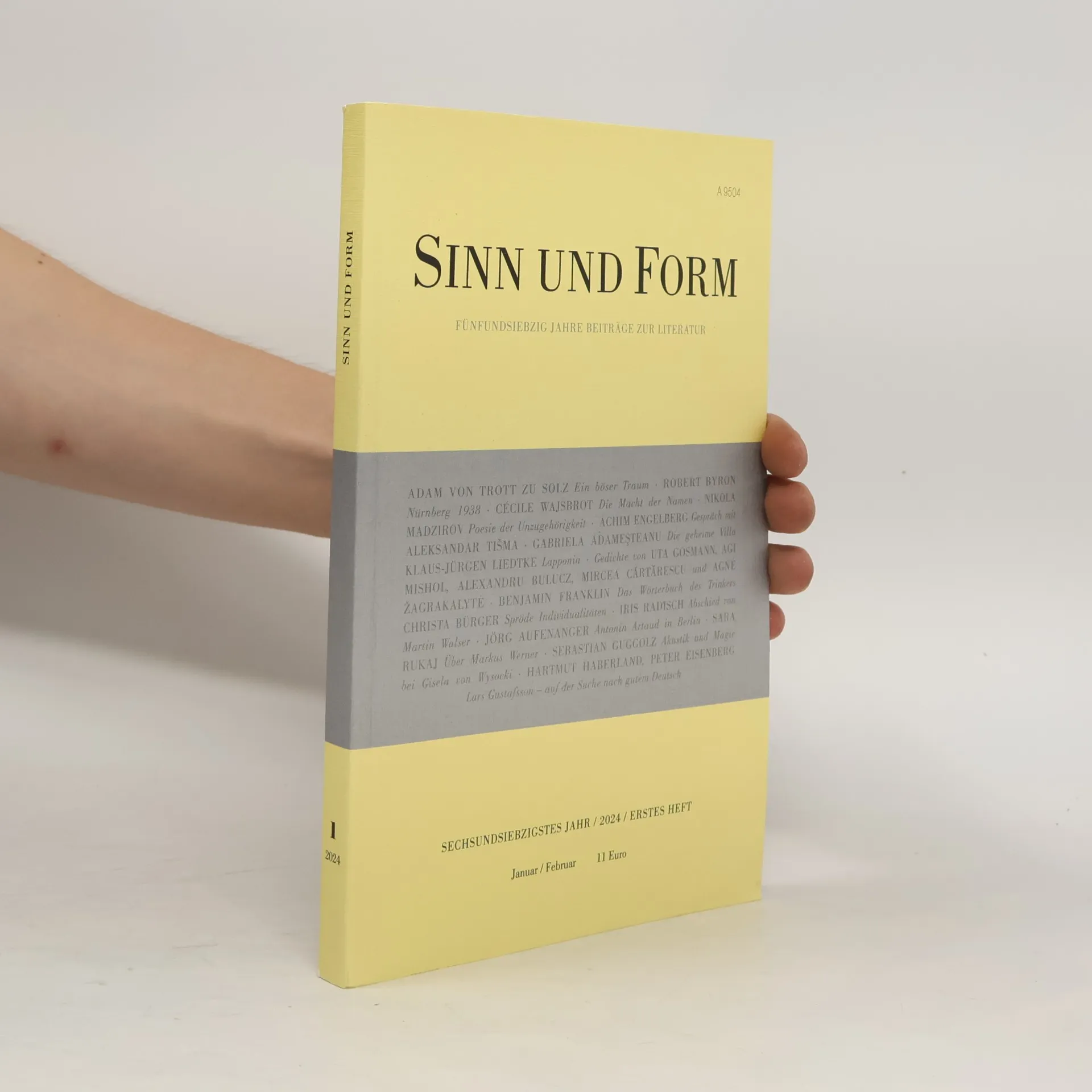
Inhaltsverzeichnis: ADAM VON TROTT ZU SOLZ / Ein böser Traum. Mit Nachbemerkung von Benigna von Krusenstjern S. 5 ROBERT BYRON / Nürnberg 1938. Mit Vorbemerkung von Niklas Hoffmann-Walbeck S. 10 UTA GOSMANN / Die weiße Seite. Gedichte S. 35 CÉCILE WAJSBROT / Verlorene Generation oder Die Macht der Namen S. 37 AGI MISHOL / Schutzraum. Gedichte S. 50 NIKOLA MADZIROV / Poesie der Unzugehörigkeit S. 55 ALEKSANDAR TIŠMA, ACHIM ENGELBERG / Nachruf auf eine kosmopolitische Stadt. Gespräch über Novi Sad und das Schreiben als Obsession S. 59 ALEXANDRU BULUCZ / Symbolische Gleichung. Gedichte S. 71 GABRIELA ADAMEŞTEANU / Die geheime Villa S. 73 MIRCEA CĂRTĂRESCU / Schwarzer Regenbogen. Gedichte. Mit Nachbemerkung von Ernst Wichner S. 80 KLAUS-JÜRGEN LIEDTKE / Lapponia S. 90 AGNE ŽAGRAKALYTĖ / Akropolis. Gedichte S. 98 BENJAMIN FRANKLIN / Das Wörterbuch des Trinkers. Mit Vorbemerkung von Jürgen Overhoff S. 101 CHRISTA BÜRGER / Spröde Individualitäten. Zu Friederike Helene Ungers »Bekenntnissen einer schönen Seele« S. 111 IRIS RADISCH / Die Wand des Lebens und der Literatur. Abschied von Martin Walser S. 121 JÖRG AUFENANGER / Antonin Artaud in Berlin 1930–32 S. 124 SARA RUKAJ / Man darf auch bei Winzigkeiten nicht dumm sein. Über Markus Werner S. 130 SEBASTIAN GUGGOLZ / Akustik und Magie. Über Gisela von Wysocki S. 132 HARTMUT HABERLAND, PETER EISENBERG / Lars Gustafsson – auf der Suche nach gutem Deutsch S. 136 ANMERKUNGEN S. 142 Website
Mircea Cărtărescu Ordre des livres (chronologique)
Cet auteur est une voix roumaine distinguée dans la littérature, avec des œuvres couvrant la poésie, les romans et les essais. Son écriture explore fréquemment les profondeurs de l'expérience humaine, examinant des relations complexes et des identités culturelles avec une intelligence vive. Grâce à une dextérité stylistique unique et à une perspicacité pénétrante, il offre aux lecteurs des récits captivants et stimulants. Son travail témoigne de la puissance du langage et de sa capacité à capturer l'essence de la vie moderne.

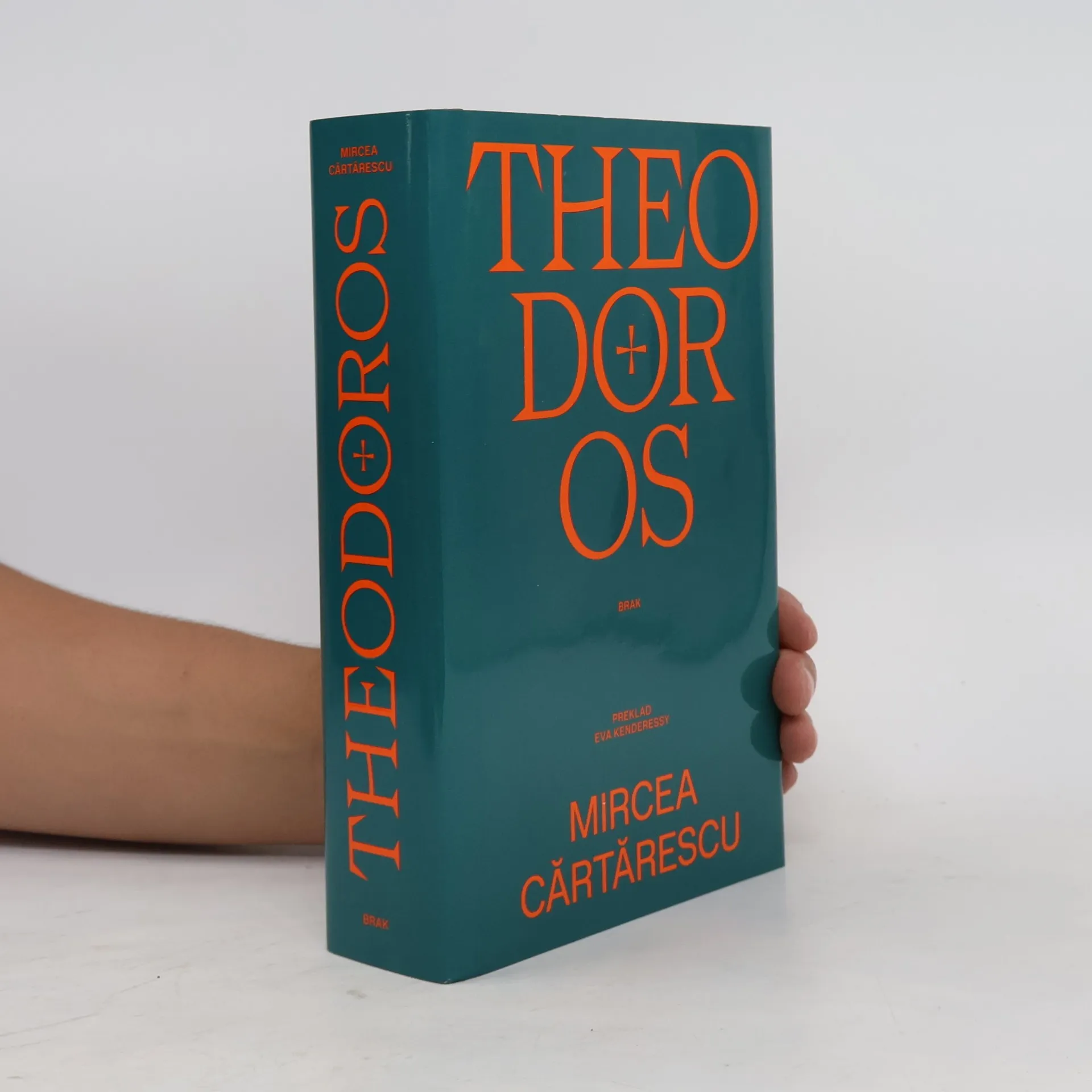
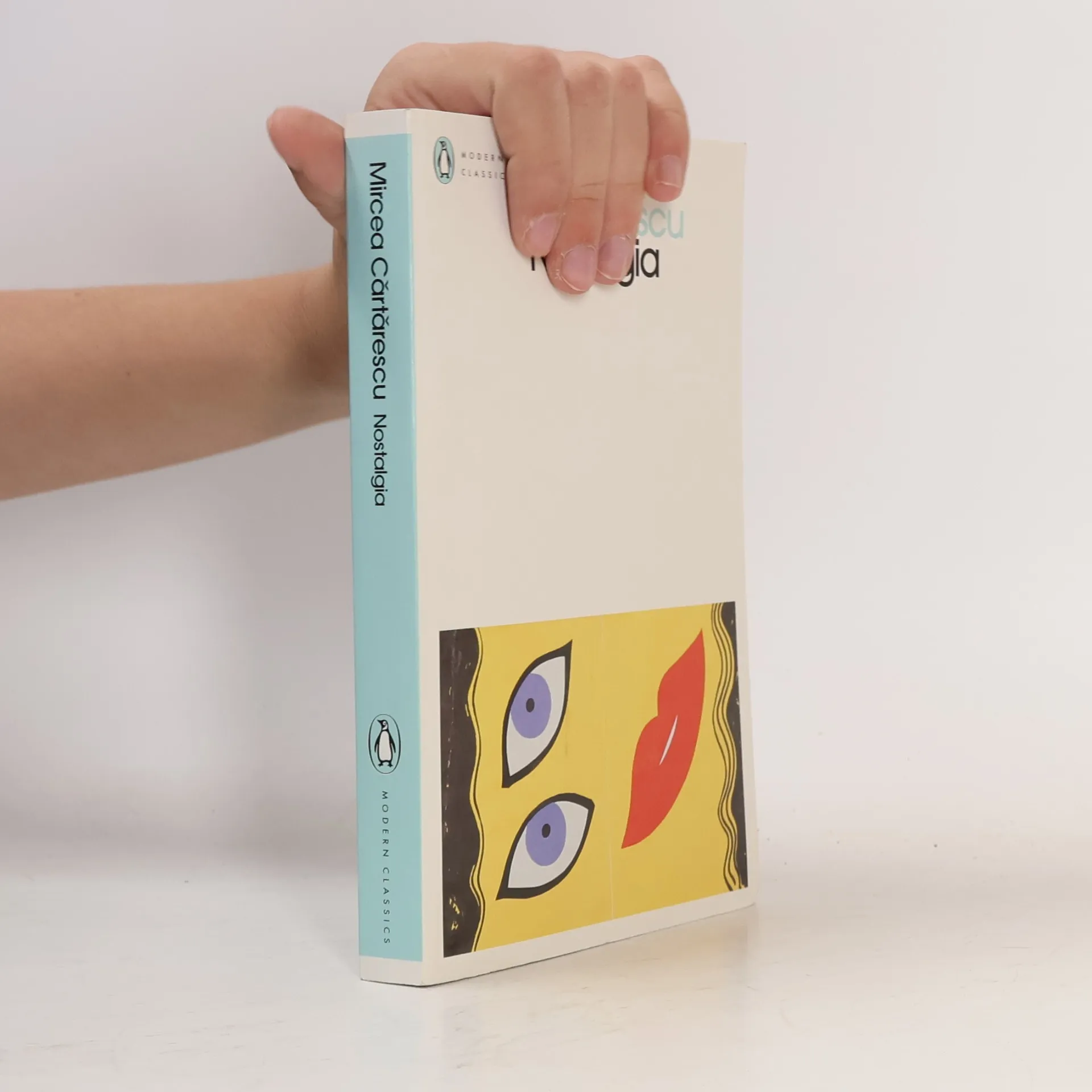

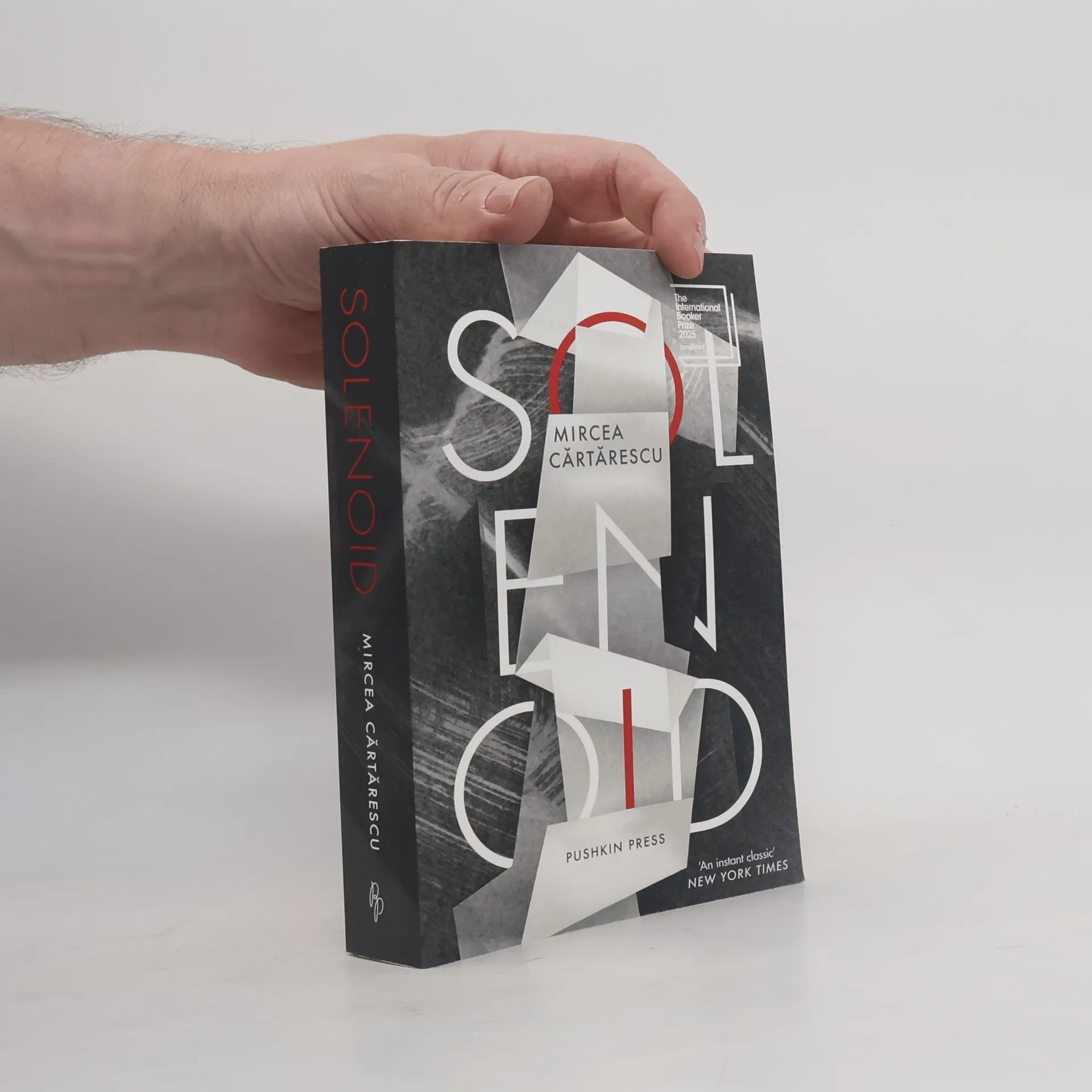
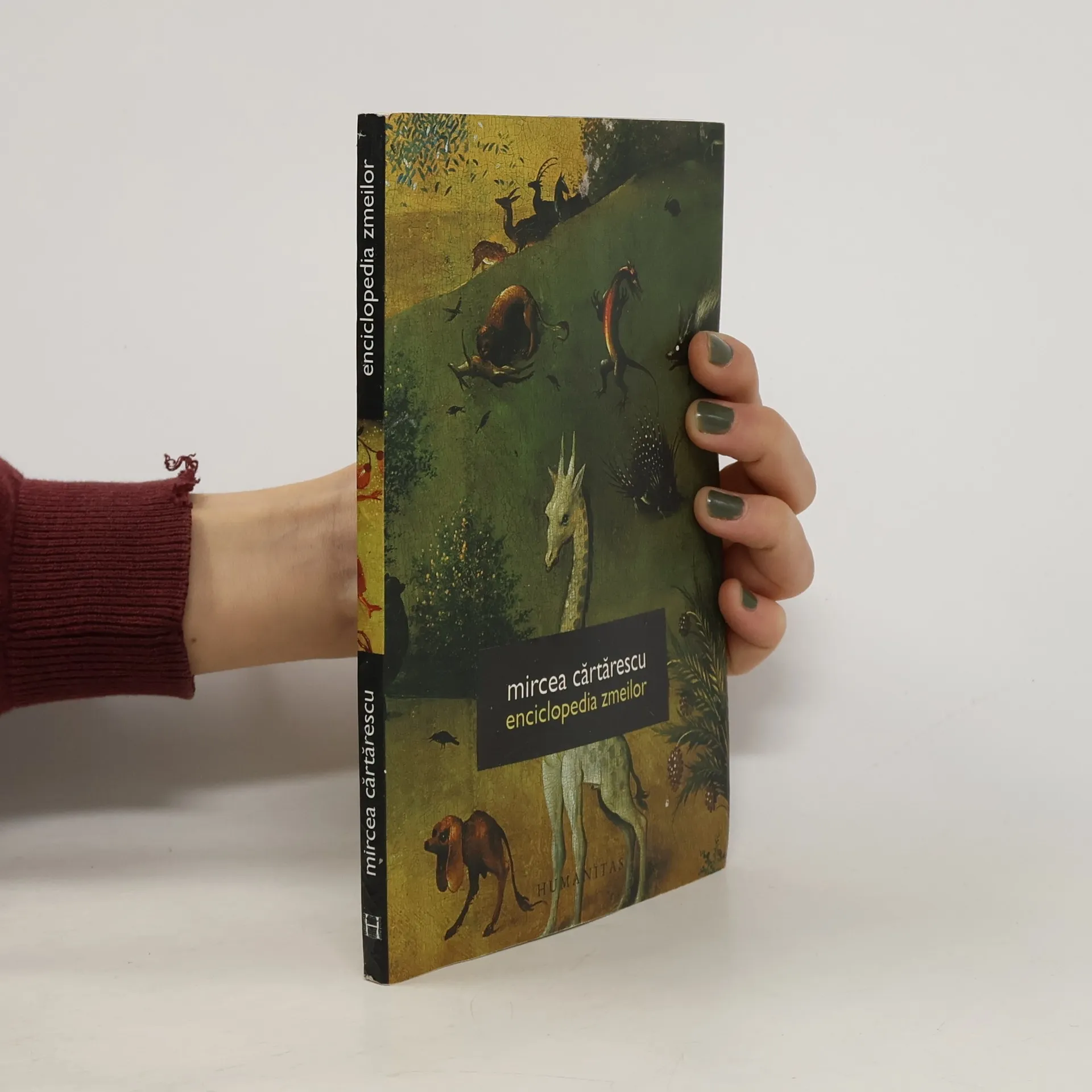
Služobnícky synak Tudor objavuje svet valašskej šľachty i pestrého obyvateľstva Bukurešti v prvej polovici 19. storočia, Theodoros sa oddáva pirátskemu životu v jagavom gréckom súostrovi a panovník Tewodros zasa plieni etiópske cisárstvo, ktoré podľa legendy od šalamúnskych čias ukrýva starozákonnú Archu zmluvy. Tri mená však majú jediného nositeľa - hrdinu vedeného neskrotnou túžbou po láske, svetskom uznani i zbožštení, pre ktoré neváha obetovať svoju dušu aj životy iných. Vymyslený, rozprávkový, a predsa v mnohom historicky presný román Theodoros sa zrodil v hlave jeho tvorcu Mirceu Cărtăresca na základe jedného skutočného listu z 19. storočia. Literárna cesta jeho hrdinu sa nápadne podobá na putovanie starej i novšej literatúry po krajinách a kontinentoch a je esenciou radosti a pasie z rozprávania, ale aj vratkosti a ukrutnosti ľudského plemena.
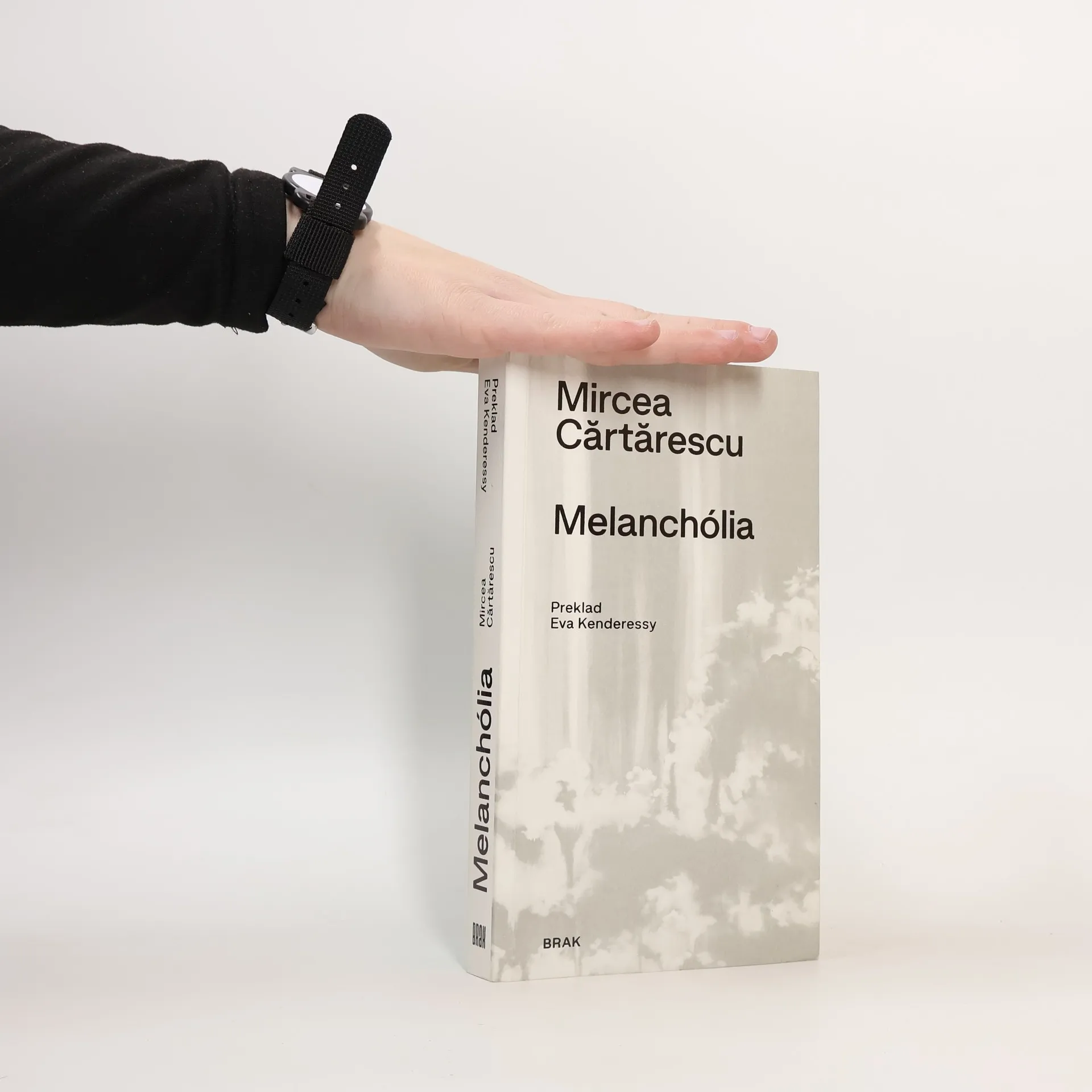
Melanchólia
- 240pages
- 9 heures de lecture
Zbierka poviedok od rumunského autora ponúka nevšedný opis detstva. Detstvo a deti, zachytené v rôznych vývinových fázach spája jeden spoločný a podstatný znak: absencia či rozostrenie, nedôležitosť dospelých. Práve perspektíva dieťaťa na túto zo spoločenského uhla, povedzme, hororovú východiskovú situáciu vytvára príbehy neobyčajnej, hesseovsky či andersenovsky ponurej rozprávkovej, no najmä surrealistickej atmosféry. Kniha vyjde v preklade Evy Kenderessy.
"From Mircea Cărtărescu, author of Blinding: an existence (and eventually a cosmos) created by forking paths. Based on Cărtărescu's own experience as a high school teacher, Solenoid begins with the mundane details of a diarist's life and quickly spirals into a philosophical account of existence, history, philosophy, and mathematics. On a broad scale, the novel's investigations of other universes, dimensions, and timelines reconcile the realms of life and art. The novel is grounded in the reality of Communist Romania in the late 1970s and early 1980s , including long lines for groceries, the absurdities of the education system, and the misery of family life. The text includes sequences in a tuberculosis sanatorium, an encounter with an anti-death protest movement, a society of dream investigators, and an extended visit to the minuscule world of dust mites living on a microscope slide. Combining history with fiction- the scientists Nicola Tesla and George Boole, for example, appear alongside the Voynich manuscript-Solenoid ruminates on the exchanges possible between the alternate dimensions of life and art, as various, monstrous dimensions erupt within the Communist present"--
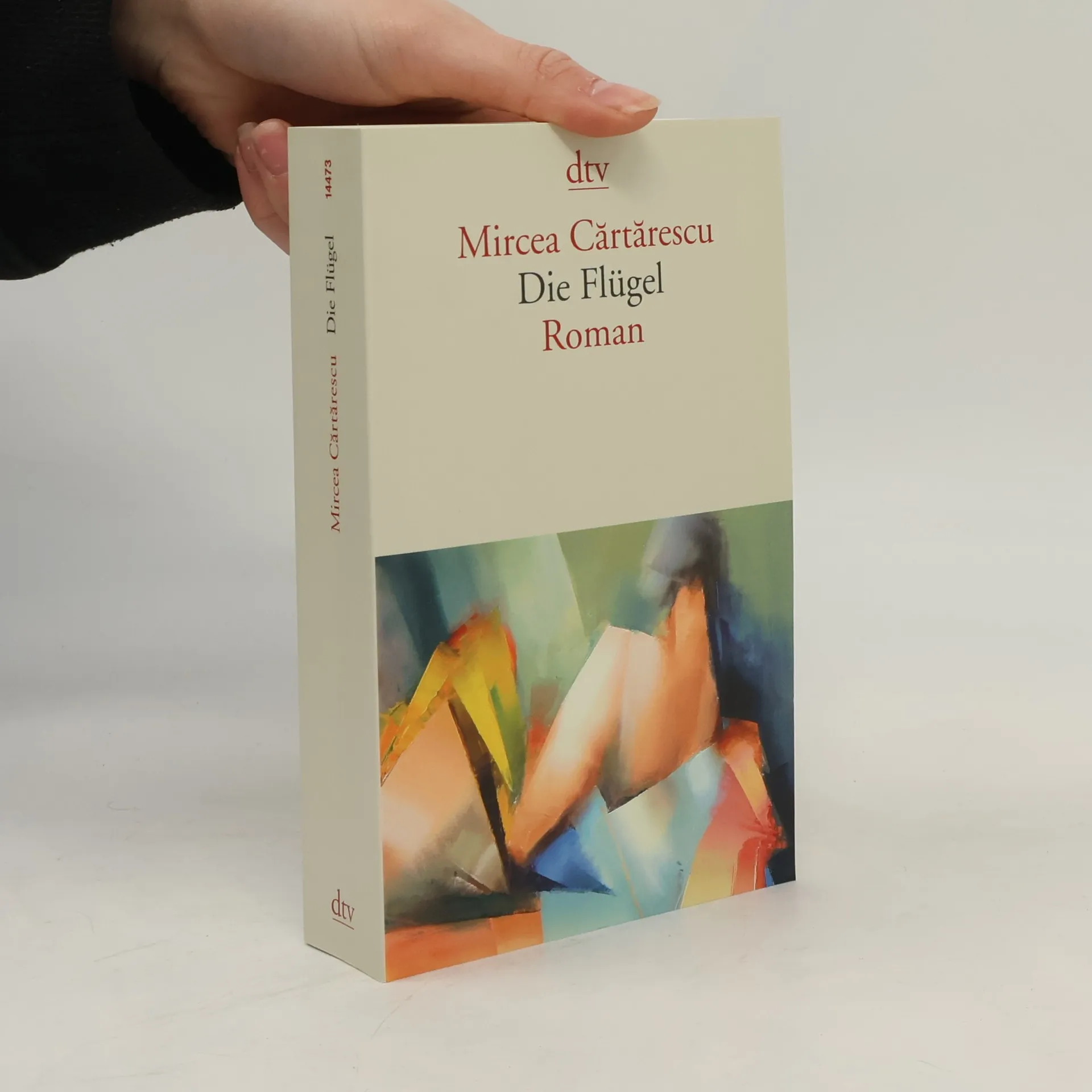
Die Flügel
- 672pages
- 24 heures de lecture
Das furiose Finale der ›Orbitor‹-Trilogie Rumänien, 1989: In den Straßen von Bukarest spielen sich tumultartige Szenen ab. Es herrschen Hunger und Chaos, Gerüchte über tausende Tote machen die Runde. Auch in das Leben des Schriftstellers Mircea bricht die Realität ein – tagein, tagaus flackert der Fernsehschirm, die Bilder künden vom Ende der Diktatur und lösen in ihm noch ganz andere Sinneseindrücke aus: surrealistisch anmutende Halluzinationen, Traumgespinste und Erinnerungen. Tief taucht Mircea ein in die mythische Geschichte seiner Vorfahren und seiner Heimat. Eines der faszinierendsten, exzessivsten Werke der Weltliteratur. • Leipziger Buchpreis zur Europäischen Verständigung 2015
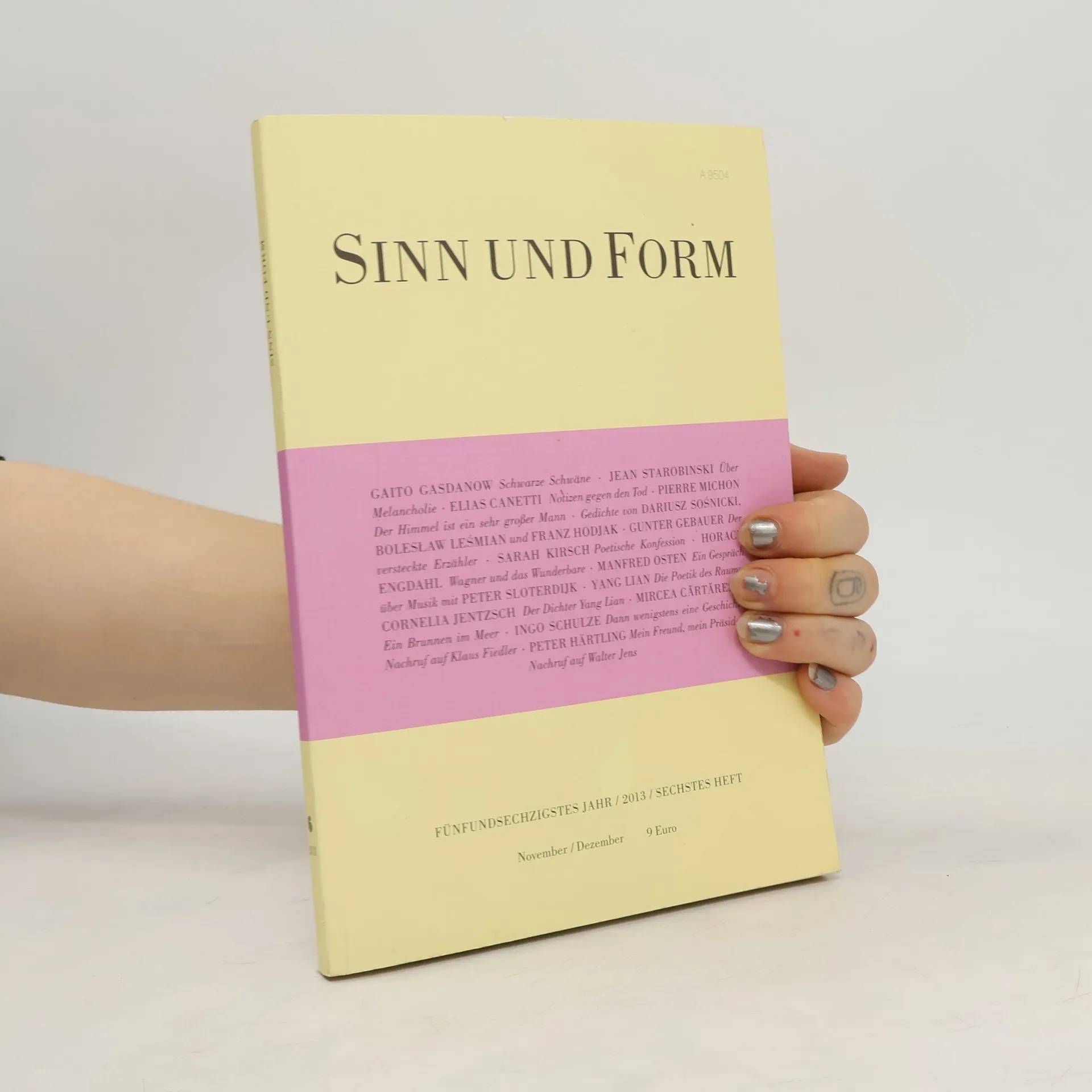
Sinn und Form 6/2013
- 140pages
- 5 heures de lecture
Als die Schreibstube des Erzählers dem städtebaulichen Größenwahn des Diktators zum Opfer fällt, kehrt Mircea in die Wohnung der Eltern zurück. Dort wird die Vergangenheit wieder lebendig – und Bukarest zur Literatur: wenn er den Urgroßvater Vasile herbeihalluziniert, dem im nächtlichen Schwitzbad der Himmel zur Hölle wird, oder davon erzählt, wie sich Urgroßmutter Maria allmorgendlich in einen Schmetterling verwandelt. In diesem irrwitzigen Roman fügen sich Phantastik und Physik, Tradition und Moderne, Sinnlichkeit und Abstraktion zu einem literarischen Meisterwerk – Weltliteratur!
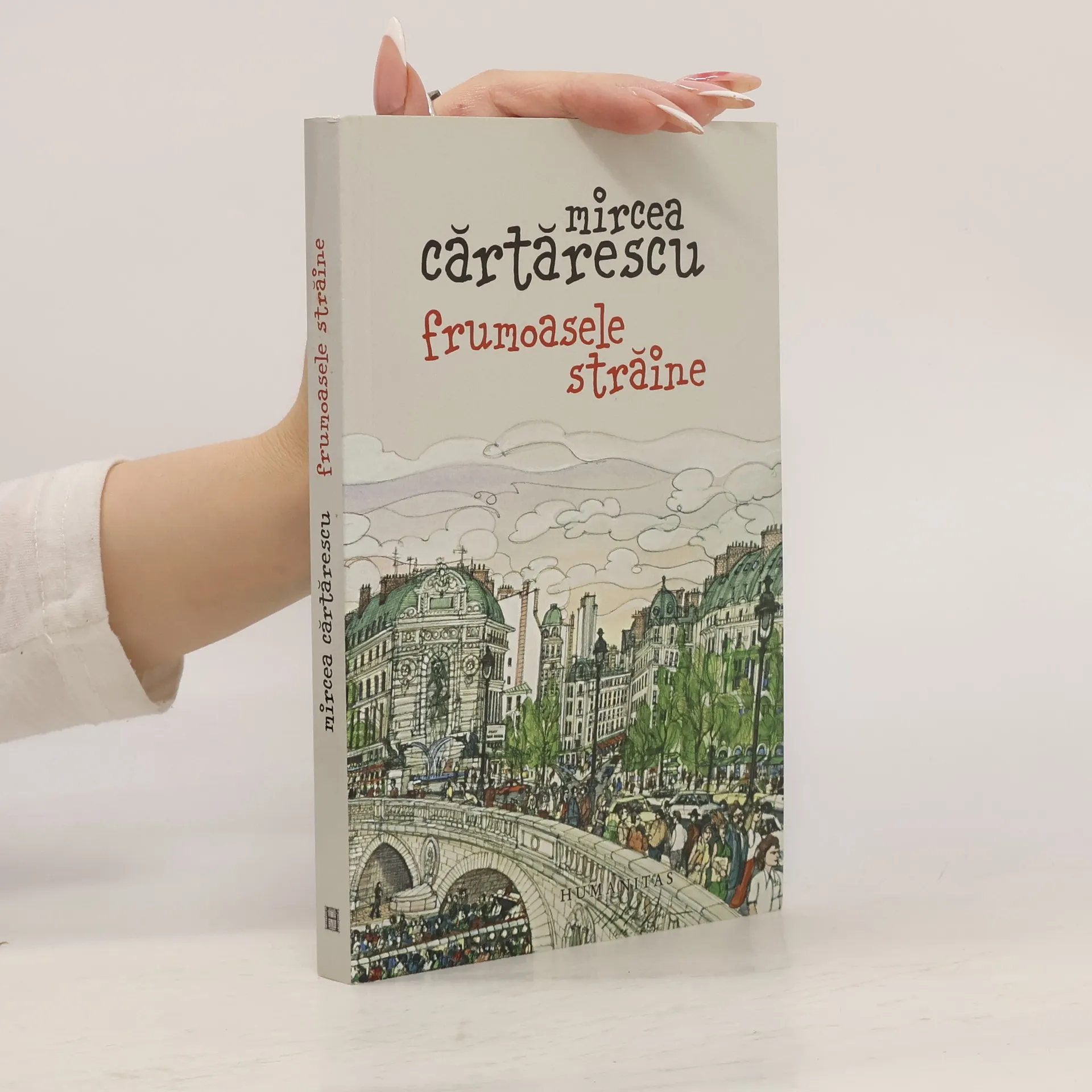
Frumoasele străine
- 298pages
- 11 heures de lecture
Leichtfüßig, Mircea Cărtărescu își dezvăluie talentul în aceste trei povestiri. Cu umor sec, el povestește despre un presupus plic cu antrax, un interviu telefonic cu Marilyn Monroe și despre experiențele unei grupuri de călători din care face parte: doisprezece scriitori din România – „frumoasele străine” – care ar trebui să cucerească Franța literară în timpul unei turnee de trei săptămâni. Cu un umor anarhic, Cărtărescu documentează întâmplările acestei grupări neobișnuite și ironizează nebunia cotidiană a lumii literare. Temele centrale includ absurdul și complexitatea relațiilor interumane, precum și provocările și contradicțiile întâlnite în căutarea recunoașterii artistice. Această lucrare oferă o privire satirică asupra literaturii și a celor care o creează, explorând în același timp identitatea culturală și influențele externe.
7 ani în Maramureș
- 202pages
- 8 heures de lecture
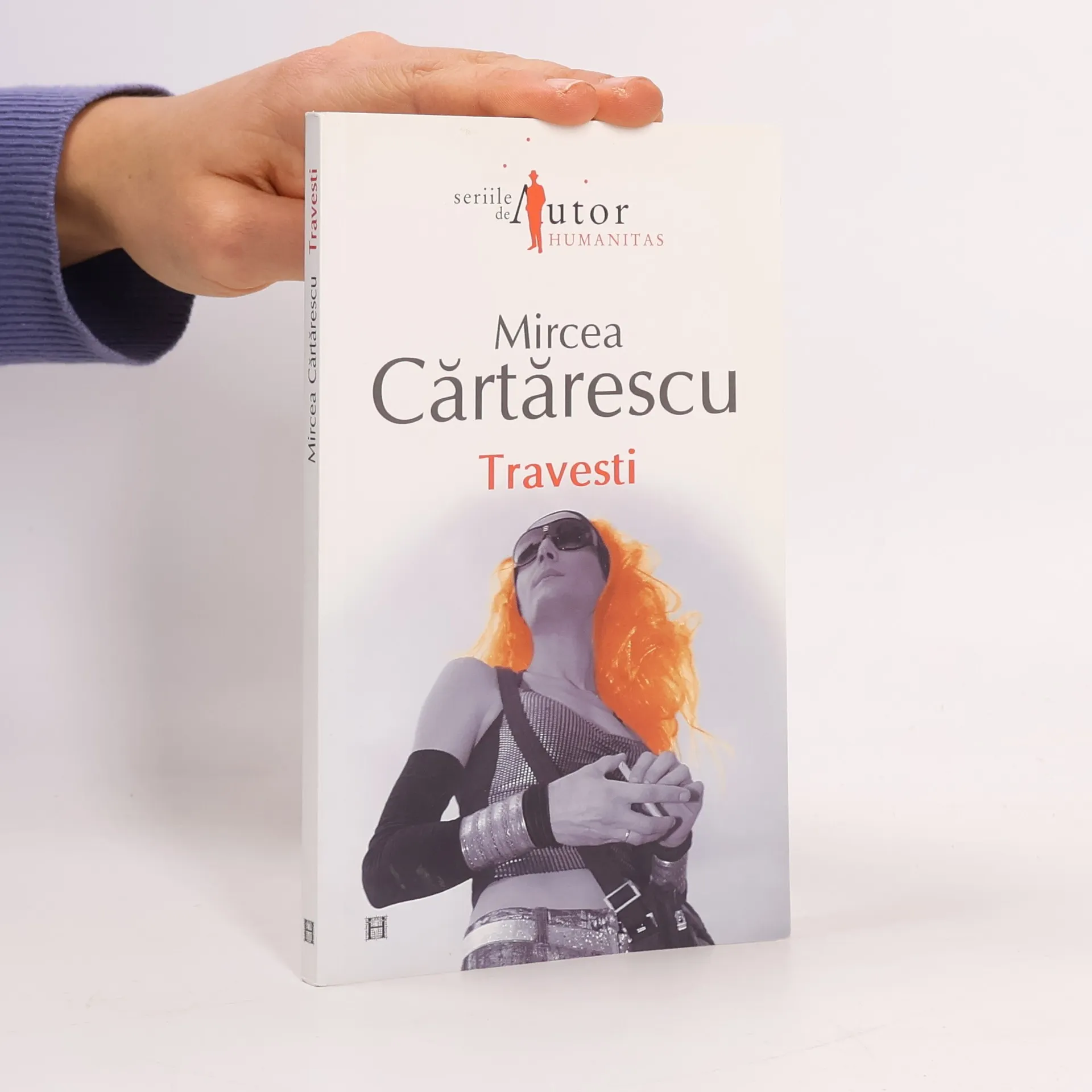
Travesti
- 164pages
- 6 heures de lecture
„ Travesti este un studiu de caz despre un copil hermafrodit, dar şi o explorare a întunecatei sexualităţi adolescentine. Mai presus de orice, însă, acest mic roman, care m-a obsedat şi m-a chinuit mai mult decât orice altă carte a mea, e anabasis -ul meu, drumul meu ascuns şi întortochiat către centrul adânc îngropat al fiinţei mele. Travesti este şi portalul către Orbitor . Trilogia mea n-ar fi putut exista fără exerciţiul de sinceritate aproape sinucigaşă de aici. Nu e uşor să afli cine eşti, nici să te priveşti în ochi după ce ai aflat. Şi, în orice caz, nu vei mai fi niciodată acelaşi. O dată cu Travesti , cântecele inocenţei – etapa mea euforică, a poemelor, a Nostalgiei şi a Levantului – au amuţit, lăsând locul unor tot mai imposibile şi mai nemulţumite de sine cântece ale experienţei. În fine, Travesti este descrierea ororii de a fi singur, autoportretul meu în cea mai nefericită perioadă a vieţii mele. Cartea asta mă urmăreşte şi azi şi consună ciudat cu ceea ce scriu acum, la un sfert de secol după terminarea ei.“ (Mircea CĂRTĂRESCU)
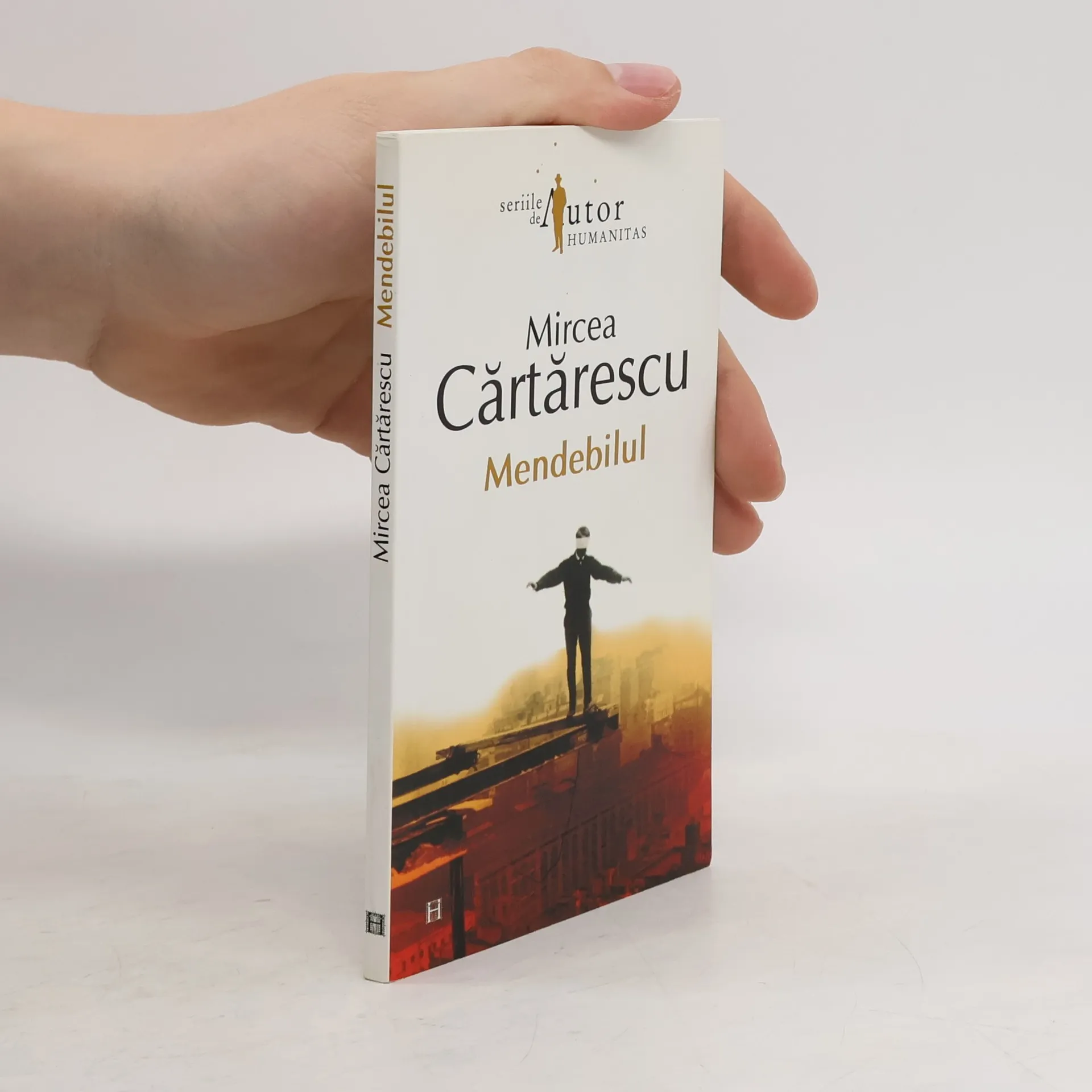
Cartea este o parte din volumul 'Nostalgia', conține 3 povestiri: - Ruletistul - Mendebilul - Arhitectul.
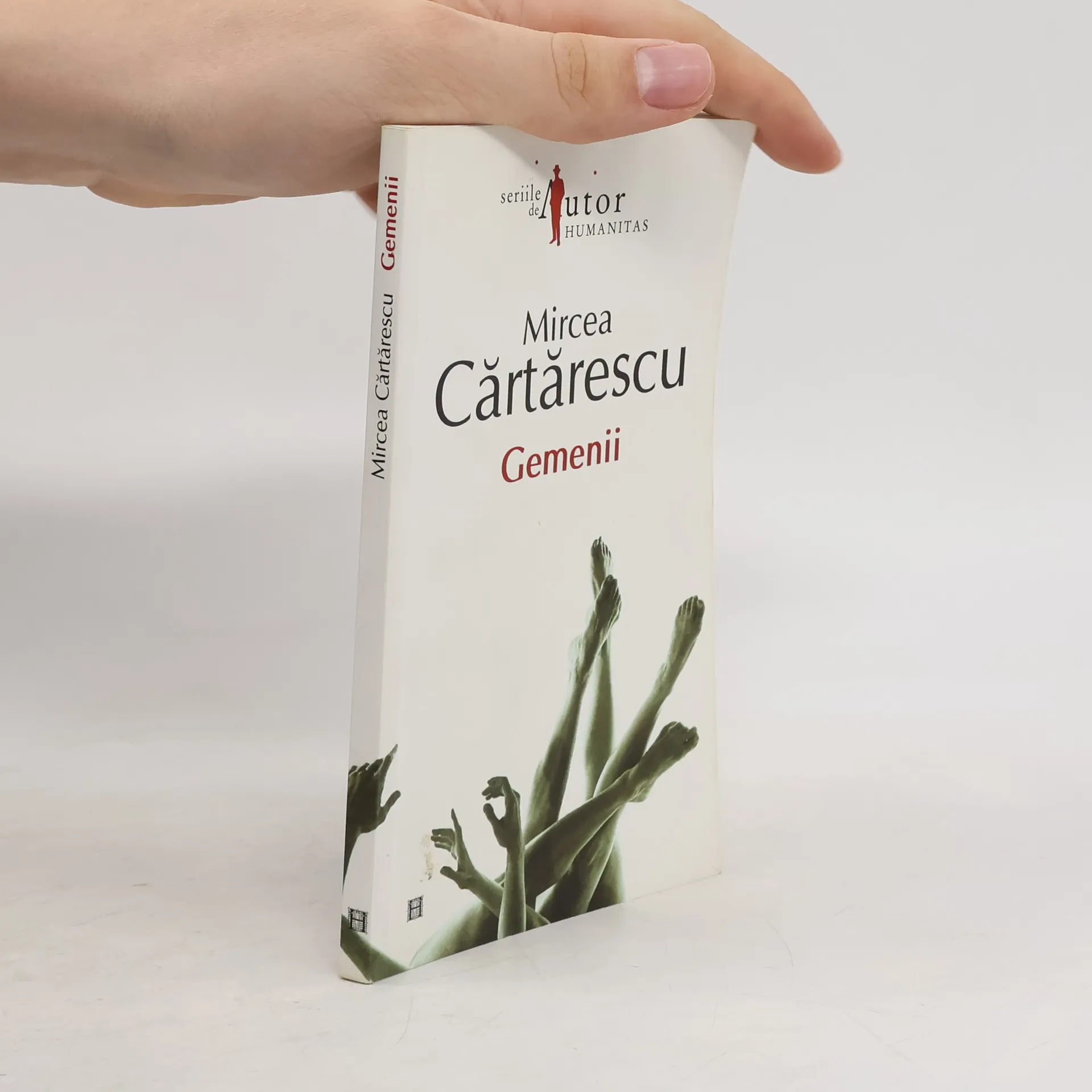
Gemenii
- 155pages
- 6 heures de lecture
De ce iubim femeile
- 170pages
- 6 heures de lecture
Mircea Cărtărescu explorează în toate lucrările sale o experiență atât de enigmatică, cât și esențială: „emoția fără nume”. O emoție pe care femeile o provoacă, dar și durerea unei iubiri neîmpărtășite sau pierdute; o emoție față de viață, care este uneori străbătută de „fulgerele nebune ale fericirii mari și adevărate”. Aici se află Irina, studentă la literatură din Brașov, care îl descoperă pe tânărul poet Nabokov și pe D. H. Lawrence, dar care este și recrutată de Securitate. Sau românca din Sibiu, care trăiește la Paris cu un algerian și vrea să-l seducă pentru o noapte în trei. Mircea însuși este un subiect hipersensibil, îmbătat de frumusețe, care intră în scenă ca un tânăr palid și visător în Bucureștiul anilor '70, sau ca un tânăr cu părul lung, îmbrăcat în piele, pe urmele lui Ferlinghetti și Kerouac prin San Francisco. Cărtărescu ne arată că iubim femeile pentru că sunt cititoare extraordinare și că le iubim pentru că a dedicat celei mai frumoase, delicate și intense emoții povești simple, dar memorabile.
Nostalgia
- 320pages
- 12 heures de lecture
"Mircea Cartarescu, born in 1956, is one of Romania's leading novelists and poets. This translation of his 1989 novel Nostalgia, writes Andrei Codrescu, 'introduces to English a writer who has always had a place reserved for him in a constellation that includes the Brothers Grimm, Franz Kafka, Jorge Luis Borges, Bruno Schulz, Julio Cortazar, Gabriel Garcia Marquez, Milan Kundera, and Milorad Pavic, to mention just a few.'"--Description from Amazon.com
Blinding
- 464pages
- 17 heures de lecture
Part visceral dream-memoir, part fictive journey through a hallucinatory Bucharest, Mircea Cărtărescu’s Blinding was one of the most widely heralded literary sensations in contemporary Romania, and a bestseller from the day of its release. Riddled with hidden passageways, mesmerizing tapestries, and whispering butterflies, Blinding takes us on a mystical trip into the protagonist’s childhood, his memories of hospitalization as a teenager, the prehistory of his family, a traveling circus, Secret police, zombie armies, American fighter pilots, the underground jazz scene of New Orleans, and the installation of the communist regime. This kaleidoscopic world is both eerily familiar and profoundly new. Readers of Blinding will emerge from this strange pilgrimage shaken, and entirely transformed.