

Robert W Kirk Livres
Robert Kirk était un ministre écossais et un folkloriste profondément immergé dans le savoir des Highlands écossais. Son travail explore le surnaturel, examinant les croyances entourant les fées, la sorcellerie et les fantômes. Il a également étudié le phénomène de la "seconde vue", une forme d'intuition ou de précognition accrue. Son érudition offre un aperçu fascinant des croyances et de la vision du monde prédominantes à son époque.
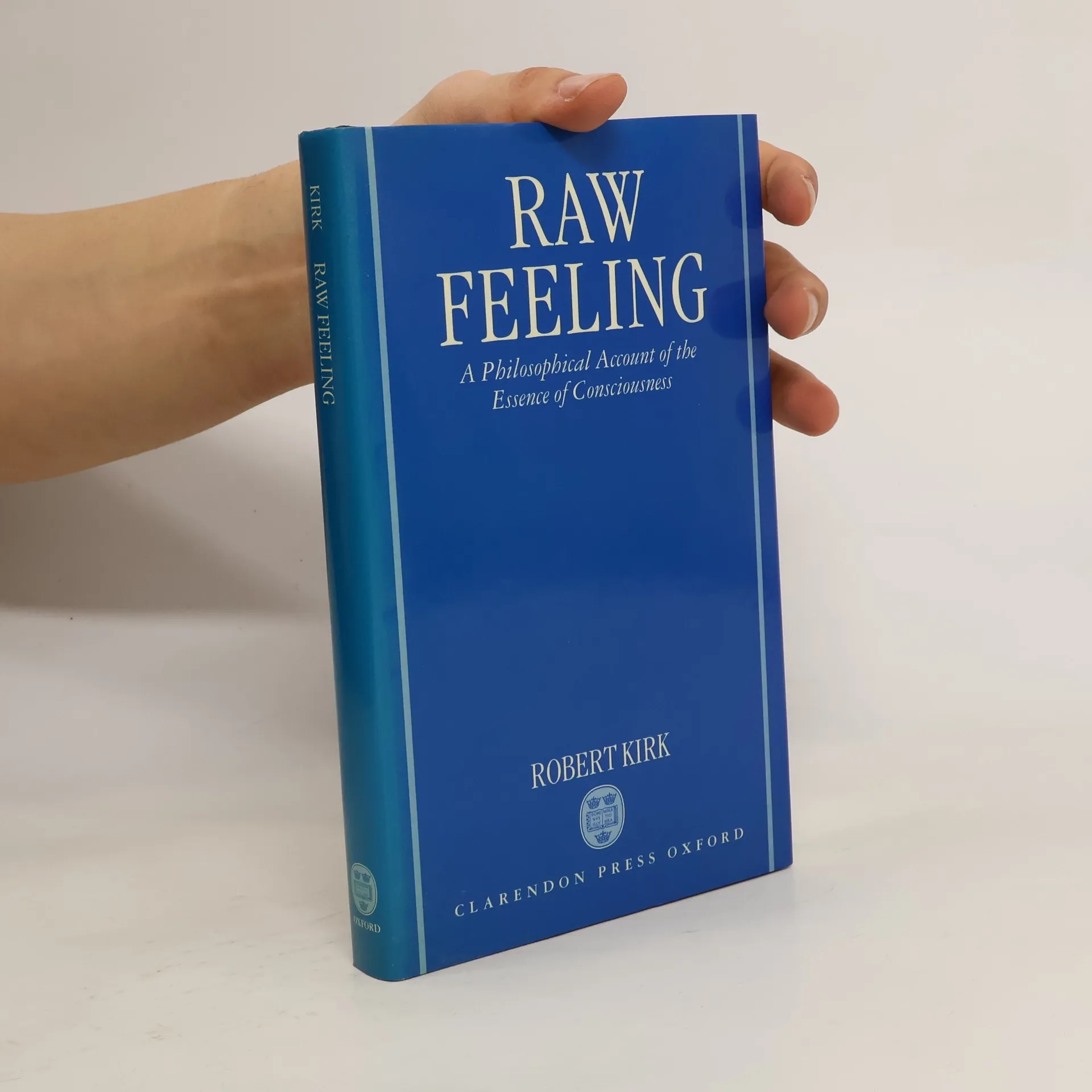
Consciousness is a perennial source of mystification in the philosophy of mind - how can processes in the brain amount to conscious experiences? Robert Kirk uses the notion of "raw feeling" to bridge the intelligibility gap between our knowledge of ourselves as physical organisms and our knowledge of ourselves as subjects of experience. He argues that there is no need for recourse to dualism or private mental objects. The task is to understand how the truth about raw feeling could be "strictly implied" by narrowly physical truths. Kirk's explanation turns on an account of what it is to be a subject of conscious perceptual experience. He offers analyses of the problems of cnsciousness, and suggests novel solutions which, unlike their rivals, can be accepted without gritting one's teeth. His sustained defence of non-reductive physicalism shows that the reader need not abandon hope of finding a solution to the mind-body problem. Robert Kirk is the author of "Translation Determined".
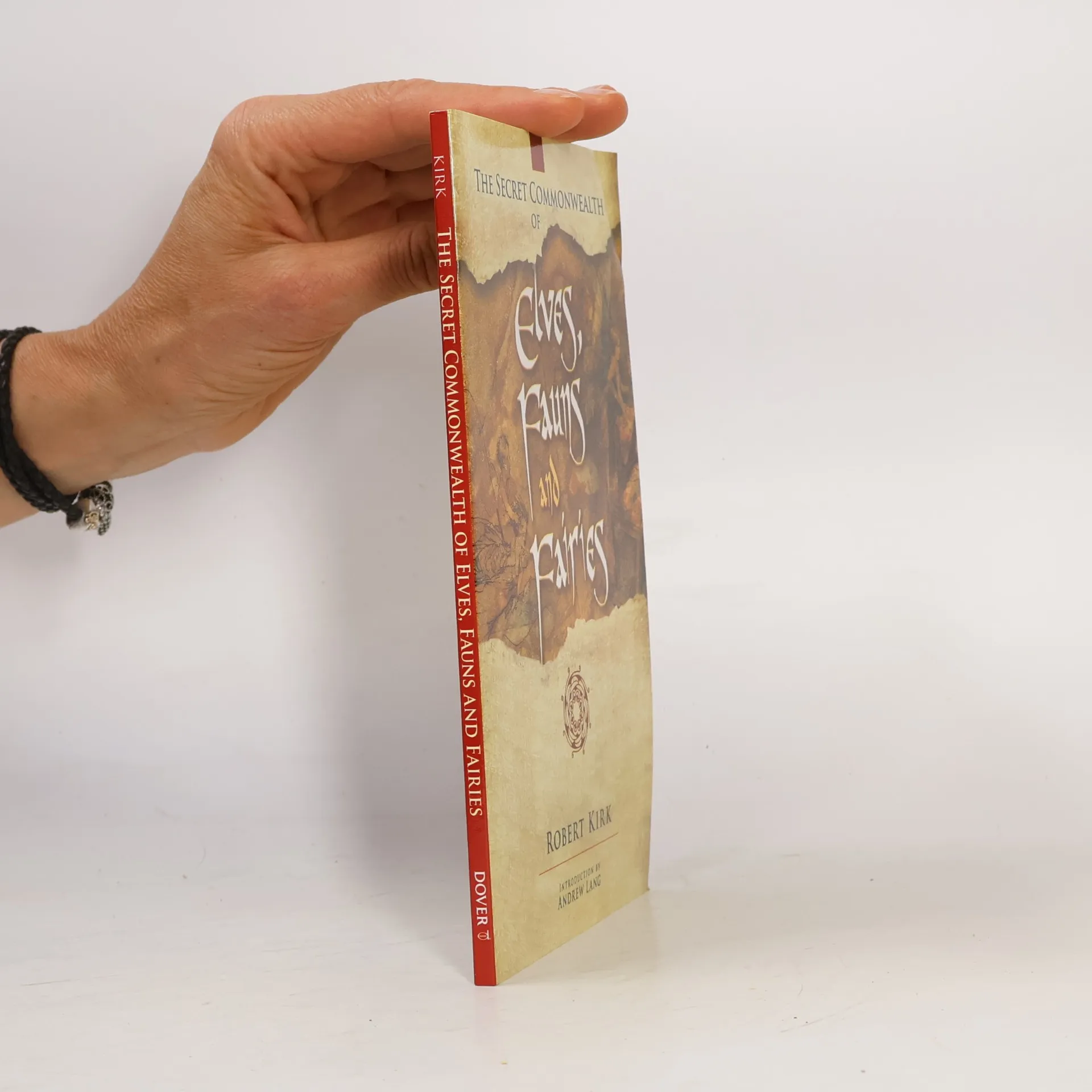
The Secret Commonwealth of Elves, Fauns and Fairies
- 96pages
- 4 heures de lecture
In the late 17th century, a Scottish minister went looking for creatures of "a middle nature betwixt man and angel." Robert Kirk roamed the Highlands, talking to country folk about their encounters with supernatural creatures. This remarkable record of their testimonials offers rare glimpses into a world of everyday magic.
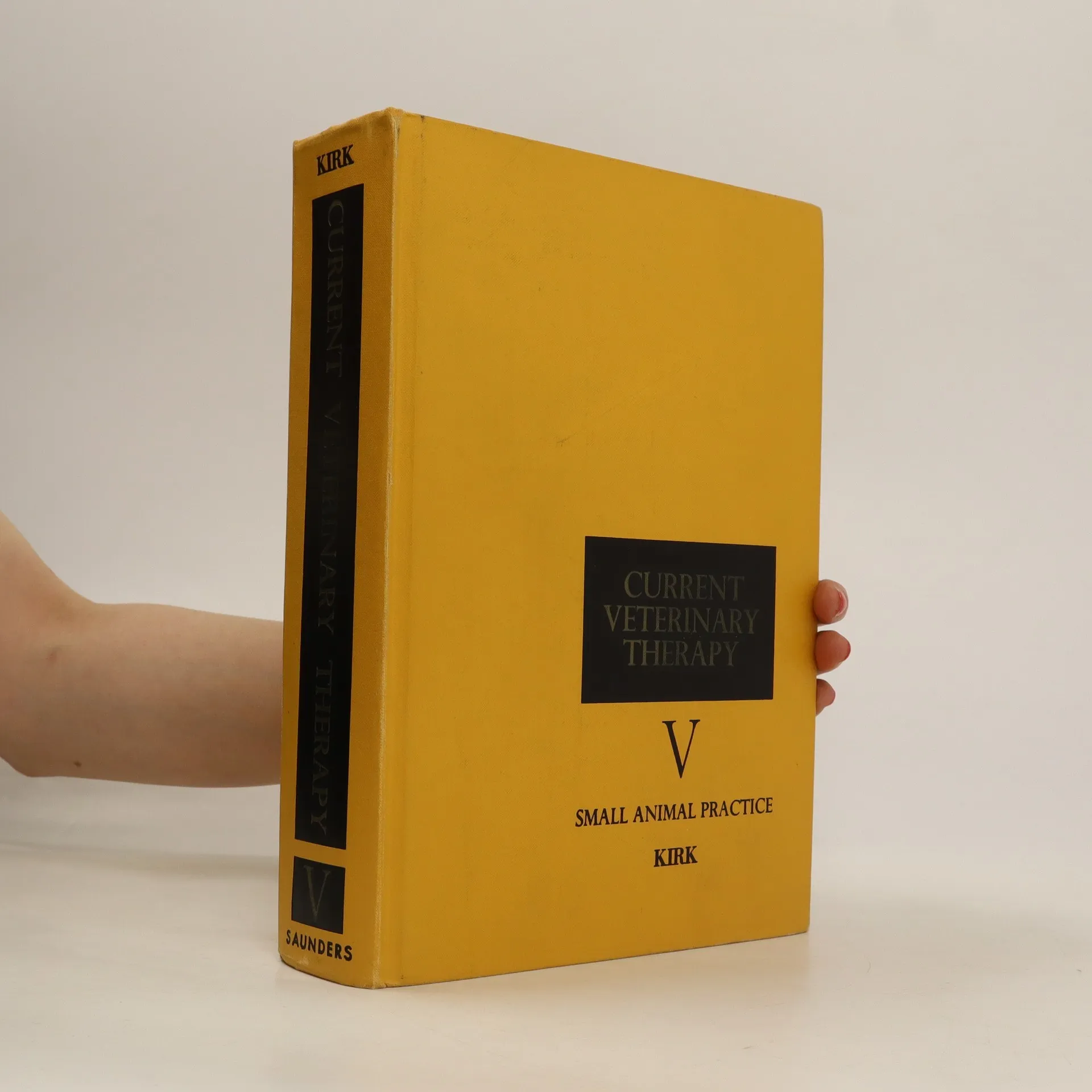
Current Veterinary Therapy V. - Small Animal Practice
- 1041pages
- 37 heures de lecture
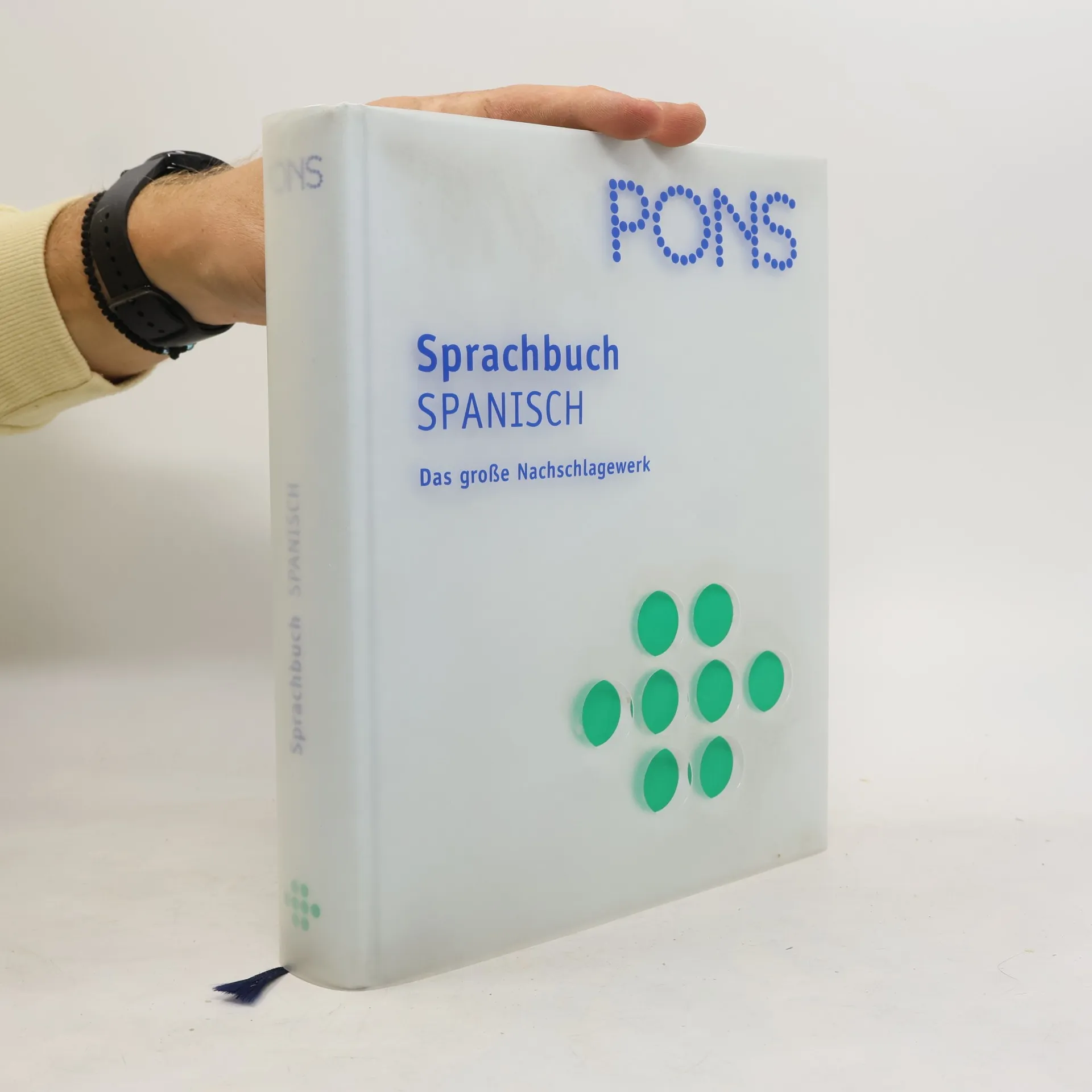
PONS Sprachbuch Spanisch
- 656pages
- 23 heures de lecture
Nachschlage-Grammatik. Überblick Verbkonjugation. Thematischer Wortschatz. Das Plus: Interkulturelles und Kommunikationsratgeber